• Link to X
  • Link to Facebook
  • Link to Instagram
  • Link to TikTok
  • Link to Youtube
  • About
    • About Us
      • President
      • Board of Directors
      • Board of Advisors
      • Financials
      • Our Methodology
      • Success Tracker
      • Contact
  • Act Now
    • 30 Ways to Help
      • Email Congress
      • Call Congress
      • Volunteer
      • Courses & Certificates
      • Be a Donor
    • Internships
      • In-Office Internships
      • Remote Internships
    • Legislation
      • Politics 101
  • The Blog
  • The Podcast
  • Magazine
  • Donate
  • Click to open the search input field Click to open the search input field Search
  • Menu Menu

Tag Archive for: UNDP

Posts

Development, Global Poverty, Politics

Togo’s Evolving Government and Future Optimism

Togo’s Evolving GovernmentThe year 2020 brought many different changes to the country of Togo. Because Togo is located in West Africa, its economic sector heavily relies on agriculture. However, drought and wildfires have unfortunately made a grave impact on this sector. Due to a disputed presidential election, Togo has received a substantial amount of refugees from the Ivory Coast seeking safety from political backlash and violence. With the addition of the COVID-19 outbreak, the country now finds itself in a very tight position. On the brighter side, the country recently elected its first female prime minister, who aims to take immediate economic action. This historic event occurred at a crucial time as Togo’s evolving government recently made a substantial investment in crop refining and mineral excavation.

Political Violence in the Ivory Coast

Political violence has plagued many different regions throughout recent history and Southern Africa is no exception. On November 9, 2020, Côte d’Ivoire held its presidential election and Alassane Ouattara won for a third term in a row.

However, the public rejected the results. Before the election, President Ouattara publicly stated that he would not seek reelection after previously serving two consecutive terms. In response, social pressure quickly mounted and heavy acts of violence began to spark.

This led to the deaths of more than a dozen citizens and several civilians faced injuries. Out of concern for their safety, thousands of Ivorian citizens made a mass exodus into nearby countries by seeking asylum. One of these nations is Togo. Of the hundreds of refugees who have come to Togo, most are women and children. With added strife from the pandemic, neighboring countries have been gracious in allowing their borders to remain unclosed. Additionally, there is an expected food shortage looming due to COVID-19, making the situation even more dire. With more citizens expected to arrive daily, authorities are trying to establish and put into place imperative emergency plans.

Togo’s First Female Prime Minister

As the Ivory Coast held its annual presidential election, Togo held its election 711 kilometers to the east. The political outcomes of each of these elections had polarizing results. The 60-year-old country of Togo made history as Togo appointed Victoire Tomegah Dogbé as the first female prime minister. Dogbé is not new to the world of politics and has built an admirable reputation in the Togolese government. She has a strong track record of working in numerous areas for the current President of Togo.

Perhaps one of Dogbé’s most important characteristics is that she understands the struggles of those in poverty. She has put in time with the United Nations Development Programme (UNDP) and has strong ties with youth employment creation and poverty reduction efforts. Dogbé’s landmark victory has been long overdue since social resentment has been building toward Togo’s re-elected President Faure Gnassingbé. Gnassingbé held the presidential title since 2005 and has faced severe criticism for his failure to repair the country’s damaged economy. He faces backlash for alleged acts of political corruption and social brutality. Many are eager to see the positive difference that Dogbé’s reform policies will ideally bring to the country. Citizens expect her to use hands-on strategies to help combat the country’s severe lack of equal opportunity.

Possibility for Economic Development with Togo’s Evolving Government

There is now a possibility for real substantial economic development. This possibility emerges from the formation of a new investment deal for the agriculture and mineral utilization industry. Togo is currently executing a planned strategy for natural resource development (PND), which began in 2018 and is scheduled to last until 2022.

PND is poised to use the strengths and resources of what comes naturally to the people of Togo: agriculture. Landmass for agriculture and farming accounts for almost three-quarters of Togo’s area and more than half of the people rely on it for sustainable jobs. In April 2020, fDi Intelligence sat down with Togo’s agricultural minister, Noël Koutera Bataka, to discuss further details of the project. Bataka optimistically stated, “the agricultural sector represents the greatest potential in terms of business opportunities and rapid job and wealth creation, particularly for young people and women.” Local farmers will greatly benefit from this economic investment. Evidently, farmers will have many new opportunities to become involved in the agricultural production process.

In the area of mineral excavation, Togo owns slightly less than 60 tons of raw phosphate, a key ingredient for crop nutrition and various electronics. In late 2019, Dangote Group, a company from Nigeria, decided to move forward with putting $2 billion in capital toward the construction of a phosphate refining facility. Other foreign investors have also come on board for new business ventures in the form of a planned cement refinery and organic fabric creation.

Optimism for a Better Future

The new agricultural industry business venture is an ascending step toward equal prosperity for the people of Togo. While there is much still to be reconciled in the social and political areas of Southern Africa, Dogbé’s victory is sure to set a new precedent for gender equality in African politics. As the first female prime minister in Togo’s evolving government, Dogbé has a unique opportunity to demonstrate her humanitarianism by providing assistance and aid to political refugees. This landmark of history will hopefully encourage future girls and women to follow their ambitions.

– Minh-Ha La
Photo: Flickr 

January 24, 2021
https://borgenproject.org/wp-content/uploads/borgen-project-logo.svg 0 0 Kim Thelwell https://borgenproject.org/wp-content/uploads/borgen-project-logo.svg Kim Thelwell2021-01-24 01:30:442022-04-29 05:07:08Togo’s Evolving Government and Future Optimism
Developing Countries, Gender Equality, Global Poverty, Women's Empowerment, Women's Rights

Women’s Rights in South Sudan

Women’s Rights in South SudanSouth Sudan, a country in East Africa, gained independence in 2011. This gave more power and opportunities to women. However, women continue to face struggles due to gender inequality. Therefore, the topic of women’s rights in South Sudan is significant as the country works toward incorporating gender equality into the country’s development.

Gender Inequality in Education

Schools are a prominent place in which gender inequality occurs in South Sudan. This is proven by the difference between the literacy rates of girls, which is 40%, and boys, which is 60%. According to the World Bank, about seven girls for every 10 boys are in primary education and around five girls for every 10 boys attend secondary school. Additionally, as of 2013, a total of 500 girls in South Sudan attended the final grade of secondary school. Moreover, around 12% of teachers in the country are female, which only strengthens gender inequality in education.

To address gender disparities in education, in 2012, South Sudan received grants from the Global Partnership for Education and The United States Agency for International Development (USAID). Through these grants, UNICEF Sudan ran the Global Partnership for Education Program. The program aims to improve the overall education system by encouraging gender sensitivity and taking measures to prevent gender-based violence in a classroom setting.

Additionally, South Sudan plans to build 25 girl-friendly schools in the most disadvantaged regions with the purpose of benefiting 3,000 girls. The program will give teachers training on gender sensitivity and gender-based violence. Furthermore, South Sudan will implement a new curriculum to further remove barriers to education for girls with the focus of developing solidarity. The updated curriculum will also provide newly written textbooks.

Gender Disparities for Health in South Sudan

Gender disparity is a significant issue in health care, affecting women’s rights in South Sudan. The WHO categorized South Sudan’s health crisis as the “highest level of humanitarian emergency” in 2014. As of 2015, the maternal mortality ratio was 730 deaths per 100,000 live births. Violence in South Sudan widely limits access to health care since international NGOs supply more than 80% of the country’s health care.

Outbreaks of fighting often lead to the destruction of health centers and the cessation of medical centers, especially since medical professionals may be forced to seek refuge in another location. Furthermore, women often face disproportionate impacts stemming from the vulnerability of South Sudan’s health care system. Because women tend to be the primary source of care for their families during a time of crisis, while men are on the frontline, they often delay seeking medical attention to avoid leaving their children alone. Therefore, providing greater access to health care for women would improve the health of families as a whole.

Gender-Based Violence in South Sudan

Gender-based violence is another challenge women in South Sudan face. An estimated 475,000 women and girls in the country are at risk of violence. Additionally, more than half of women aged 15 to 24 have endured gender-based violence. South Sudanese women who have experienced violence also tend to face societal stigma, which stands as a barrier to receiving proper care. The United Nations Development Program (UNDP) aims to work with the South Sudan government, along with the Global Fund and the International Organization for Migration (IOM) to support women by targeting gender based-violence through support programs.

Awareness of women’s rights issues in South Sudan is a step toward improving the overall quality of life of women in the country. Gender disparity affects many aspects of women’s lives in South Sudan, including education, health and risks of violence.  Therefore, addressing issues disproportionately affecting women in South Sudan is imperative.

– Zoë Nichols
Photo: Flickr

December 15, 2020
https://borgenproject.org/wp-content/uploads/borgen-project-logo.svg 0 0 Yuki https://borgenproject.org/wp-content/uploads/borgen-project-logo.svg Yuki2020-12-15 08:22:212024-05-30 07:53:29Women’s Rights in South Sudan
Global Poverty

Mini-Grids Bring Green Energy to Rural Afghanistan

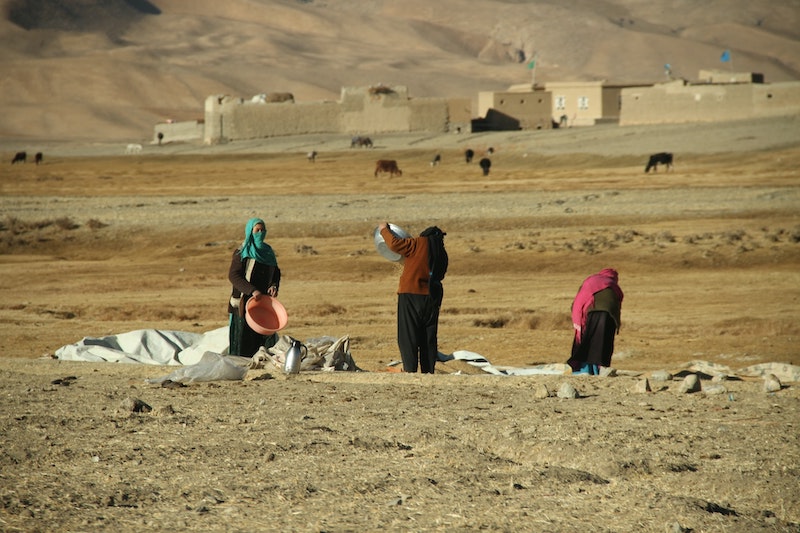
green energy to rural AfghanistanFor many Afghans, the country’s past wars and economic hardships have taken a heavy toll and even with the strides made towards rehabilitating the country over the past decade, the scars of the past remain ever-present in the lives of tens of millions of its inhabitants. As Afghanistan seeks to recover and increase development in the wake of destruction and instability, fortification of critical infrastructure has become more important than ever, with one of the most important priorities being access to energy and electricity. As of 2020, many Afghans, particularly in rural areas, live either with unreliable access to electricity or even no access at all. With best estimates claiming that only 30% of the Afghan population are connected to the country’s central energy grid, finding innovative ways of servicing the remaining 70% and bringing green energy to rural Afghanistan is a top priority for infrastructure development and aid in the country.

Energy Poverty in Rural Afghanistan

According to recent reports, most Afghans have limited access to electricity. Lack of development in areas outside of urban centers continues to severely affect tens of millions of people. In 2017, more than half the population lived below the national poverty line. Afghanistan continues to sustain one of the highest poverty levels in the world. Many of the impoverished population live beyond the reach of integrated energy systems and continue to rely upon burning fuels such as diesel and kerosene to generate power for necessities such as cooking and generating heat. These methods can lead to local air pollution through the production of carbon monoxide and other harmful toxins, which can contribute to respiratory problems and other health issues.

What is a Mini-Grid?

Recent advances in green energy infrastructure have provided an alternative to the more harmful energy sources, with the implementation of renewable-powered mini-grid technology. Mini-grids are self-contained energy networks designed to provide energy and electricity to a small, localized area. These networks can vary in size and complexity and as such can offer a spectrum of energy output levels, ranging from “micro-grids” that produce only a few kilowatts to larger networks capable of producing up to 10 megawatts. Mini-grids can run on numerous fuel sources but over the past decade, renewable networks have gained recognition for their utility in both developed and under-developed areas due to their cost-effectiveness and their low environmental and health impact. Bringing reliable green energy to rural Afghanistan is a fundamental component of poverty reduction, as it provides the ability to build infrastructure for digital communication, transportation and education.

The UNDP’s Energy Goals in Afghanistan

Recently the United Nations Development Programme (UNDP) launched a project with the aim of harnessing solar-powered and hydro-powered mini-grids to provide green energy to rural Afghanistan. In early 2020, the UNDP approved the Afghanistan Rural Energy Market Transformation Initiative to be backed by $17.2 million from the organization’s Green Climate Fund and additional support from the country’s Ministry of Rural Rehabilitation and Development. The initiative is projected to span 60 months total and to develop renewable mini-grid networks in central and southeast Afghanistan, with pilot projects in the regions of Kandahar, Parwan and Khost. These preliminary sites are intended to serve as examples of the potential of green infrastructure in the country, with further development already planned for the regions of Uruzgan, Daykundi, Bamyan, Laghman and Paktika. While the initiative has been approved by the U.N. and has the joint support of Afghanistan’s Ministry of Rural Rehabilitation and Development, its expansion will largely rely upon future investment from the country’s energy sector, allowing for additional mini-grid networks to be installed over time. If instituted on a wide scale, mini-grids are estimated not only to improve health conditions and provide reliable energy access to millions of people but also to place Afghanistan on track to meet the U.N.’s Sustainable Development Goal 7.

Though still in the early stages of development, this effort to bring green energy to rural Afghanistan is indicative of a growing trend towards decentralized and renewable energy solutions. Mini-grids are a prime example of how innovative technologies are creating innovative solutions to energy poverty around the world, all while remaining environmentally conscious.

–  Matthew Otey
Photo: Flickr

December 7, 2020
https://borgenproject.org/wp-content/uploads/borgen-project-logo.svg 0 0 Jennifer Philipp https://borgenproject.org/wp-content/uploads/borgen-project-logo.svg Jennifer Philipp2020-12-07 05:48:362024-06-11 23:17:19Mini-Grids Bring Green Energy to Rural Afghanistan
Global Poverty, Women's Rights

The National Campaign Against Domestic Violence in the Maldives

Domestic violence in the Maldives
In July, the Maldives’ Ministry of Gender, Family and Social Services introduced a nationwide campaign to combat domestic violence and encourage women’s empowerment. The campaign is intended to last for a three month period and raise awareness on domestic violence in the Maldives.

The Maldives is considered a “development success” by the World Bank. In the last few decades, the Maldives’ Gross Domestic Product (GDP) per capita multiplied by more than fifty. The average life expectancy is the Maldives is now 78 years it has almost achieved full literacy across the nation. Now, the country is turning its attention to women’s rights and domestic violence.

Women’s Rights in the Maldives

The Maldives has improved its Gender Inequality Index score significantly in the last two decades from 0.649 to 0.367. The GII takes into account a variety of factors to measure equality between genders, with nations closer to 0 being the most equal. Women contribute to the nation’s economic and political progress through leadership roles and participation in the workforce.

However, the Maldives today still grapples with structural forms of gender inequality. A byproduct of this is the prevalence of domestic violence. According to data collected by the U.N. in 2017, 56% of women ranging from ages 15 to 49 had experienced physical or sexual violence from their partners in the last 12 months.

To continue furthering socio-economic progress in the Maldives, women’s rights and gender equality must not be sidelined. Recognizing this, the government has begun to make a stronger effort to combat domestic violence.

Women’s Rights and Poverty

Economic inequality between the genders is also a persistent social issue in the Maldives. According to research done by the UNDP, Maldivian women’s Gross National Income is lower than men’s by a staggering 48%.

As of 2016, 8.2% of Maldivians live below the nation’s poverty line. Due to structural inequalities that exclude women from major sectors of the economy, such as tourism and agriculture, women are more vulnerable to poverty in the Maldives. For example, the tourism industry indirectly accounts for nearly 60% of the Maldivian economy, but only three percent of women contribute to this sector, in contrast with nearly 50% of men.

Greater women’s empowerment and gender equality have been shown to boost nations’ economic growth. Gender gaps in employment and access to equal opportunity can cost approximately 15% of a nation’s GDP. Allowing women to access the same employment as men in the Maldives would not only benefit the nations’ path of economic growth but help to lift the Maldives’ most vulnerable from extreme poverty.

Furthermore, women’s economic empowerment can be linked to domestic violence. While it is not the only factor, when women can financially support themselves, they are more likely to be able to leave their abusers. Improving women’s rights and helping raise them out of poverty can improve the overall economy and help women escape domestic violence.

The ‘Geveshi Gulhun’ Campaign

The president of the Maldives, Ibrahim Mohamed Solih, participated in the inauguration of the Maldives’ anti-domestic violence campaign on July 15, 2020. This campaign comes after public demands from individuals and civil society groups that the government fulfill its promises to address issues like sexual violence and domestic violence.

The campaign aims to raise further national awareness about gender inequality and change long-standing stereotypes about women. The ‘Geveshi Gelhun’ campaign is a necessary first step to what is hopefully a more equitable future in the Maldives.

At the event, President Solih announced that the government would almost double the Ministry of Gender, Family and Social Services budget to develop resources to address gender-based violence against women in the nation. In addition, he promised that the government would make legislative changes to further punish cases of sexual violence.

The three-month campaign is mostly administered through various forms of media. This has consisted of live television programming, social media posts and billboards to raise awareness. The Ministry is working with local businesses and artists to develop the campaign’s messaging.

Moving Forward

The ‘Geveshi Gelhun’ campaign is a great step in the right direction. Raising awareness and enacting stronger legislation will hopefully have a significant impact on women’s rights. To continue combatting domestic violence in the Maldives, the government and other humanitarian organizations must make this issue a focus of their efforts.

– Leina Gabra
Photo: Flickr

November 2, 2020
https://borgenproject.org/wp-content/uploads/borgen-project-logo.svg 0 0 Kim Thelwell https://borgenproject.org/wp-content/uploads/borgen-project-logo.svg Kim Thelwell2020-11-02 18:18:192020-11-02 18:18:19The National Campaign Against Domestic Violence in the Maldives
Global Poverty, Hunger

The Efforts to Lessen Hunger in Moldova

Hunger in Moldova
Since its independence from Russia in 1991, the Republic of Moldova has struggled to maintain economic sovereignty and is one of Europe’s most impoverished countries. As the country is rife with poverty, rampant hunger also affects it. Hunger in Moldova is a result of an array of factors that contribute to the multilayered issues that the country faces. Some of these factors include emigration and severe weather.

Natural Disasters

Moldova’s climate creates an ideal environment for extreme weather. In 2007-2015, droughts impacted 90% of the country’s territory and 80% of its population. These natural disasters have proven to be detrimental to the country’s agriculture as they are unpredictable and hinder crop production. As 17.7% of Moldova’s economy is contingent upon agriculture, the prevalence of natural disasters endangers the country’s ability to produce for itself and compete within the international economy. This has resulted in Moldovans suffering from a lack of consistent nutrition and resources that has impacted their overall health. Traditionally, the prevalence of anemia is indicative of hunger. Currently, 26.8% of women in the reproductive stage are anemic.

The COVID-19 Pandemic

Amid the COVID-19 pandemic, the progress to eliminate hunger in Moldova is under threat. Developing countries are currently at risk because they lack the proper resources to contain outbreaks and stabilize affected communities. According to the UNDP, 75% of those in the least developed countries have access to soap and water. With no way to effectively sanitize, the COVID case counts in developing countries are much higher than those in developed countries. The high numbers of cases in Moldova have proved detrimental to the Moldovan workforce, thus leaving many without access to the goods and services they require. Moreover, COVID-19 is not just a health concern, it also places fundamental resources in jeopardy. The UNDP predicts that developing countries will lose over $220 billion in income and that only 45% of people in those countries will have social protection. As a result, the reversal of efforts regarding education, hunger and human rights may occur.

Solutions

While poverty and hunger have endured in Moldova since its independence from Russia, many international organizations have made efforts to improve the wellbeing of its citizens. Contrary to popular belief, efforts do not have to be particularly large scale. Some of the most effective mechanisms to lessen poverty are local, though internationally funded. Examples include improving small-scale food producers and promoting disaster-resistant agricultural practices. When implemented correctly these small changes create a ripple effect into the country as a whole. Consequently, larger organizations provide funding which strengthens the country’s ability to compete in the international economy.

Efforts in Moldova have decreased the poverty rate from 30.2% to 12.7% from 2007 to 2012, which was 7.8% over the 20% goal. This decrease is impressive because it displays the importance of community efforts in the fight against poverty and the subsequent hunger. An additional example of community outreach is that in 2013, the local government was able to support projects that contributed to helping over 100,000 people gain access to clean water sources. A specific project is the Global Humanitarian Agency’s water project, which focuses on the application of underutilized water resources like rainwater and improving sanitation. In regards to hunger in Moldova, clean water is an essential resource and is often a factor that contributes to poverty.

Additionally, local groups have also been able to train roughly 80% of their elected officials in order to identify needs within their communities. As a result of allowing elected officials to identify needs, communities can regain a level of autonomy. Different places have different needs as far as financial and food resources are concerned. Thus, training elected officials allows them to serve as educated ambassadors and make intelligent decisions regarding their respective areas. These examples illustrate the ability of small efforts to catalyze large scale development.

How to Help

There are many organizations for one to choose from if they would like to help end hunger in Moldova. USAID and UNDP are some of the most reputable.

USAID has championed a project known as the Moldova Competitiveness Project which partners with the Swiss government and focuses on the expansion of the Moldovan economy. The project emerged in October 2015 and is transparent about its objectives. The project plans to elevate Moldova’s economy by increasing productivity within Moldovan businesses and innovation as a whole throughout the country. The improvement of the products that Moldova produces would connect it to the global economy and allow it to become economically sustainable. This improvement of products will occur through the project’s support of specialized training for workers and industry excellence centers like ZIPHouse, a creativity center.

Meanwhile, UNDP seeks to lessen poverty by applying the Sustainable Development Goals (SDGs). Effective since 2016, these goals serve as the primary mission statement for UNDP’s global outreach programs. It prioritizes innovation, sustainability and economic equality in an effort to improve the lives of those impoverished and ultimately end poverty as a whole. In response to COVID-19, the UNDP has partnered with the World Health Organization (WHO) in order to aid developing countries amid the pandemic. It focuses on stopping the spread of the virus by utilizing adequate medical equipment and providing resources to bar the economy from collapsing. It has already utilized $20 million but predicts it will cost at least $500 million in order to sufficiently aid 100 countries.

– Stella Vallon
Photo: Flickr

November 1, 2020
https://borgenproject.org/wp-content/uploads/borgen-project-logo.svg 0 0 Borgen Project https://borgenproject.org/wp-content/uploads/borgen-project-logo.svg Borgen Project2020-11-01 04:00:072024-05-27 09:23:44The Efforts to Lessen Hunger in Moldova
Global Poverty, Sustainable Development Goals

Updates on SDG 16 in Burkina Faso

SDG 16 in Burkina Faso
After semi-authoritarian rule for 27 years and the end of the Compaoré regime by a popular insurrection, the people of Burkina Faso had the chance to open the door to a political transition and the creation of a competitive democracy. As a result, Burkina Faso held peaceful elections in November 2015. Since then, the new government and the local communities have been working on addressing the challenges of more inclusive development, transitional justice and a new governance model of security. Here are some updates on SDG 16 in Burkina Faso.

The Sustainable Development Goals (SDGs)

In that same year, all the United Nations’ Member States adopted the 17 Sustainable Development Goals (SDGs), which emerged as an urgent call for all countries to achieve peace and prosperity for humanity and the planet. The SDGs tackle issues as diverse and relevant for today’s world as to end hunger, eliminate poverty and achieve gender equality. Despite this, the Millenium Development Goals (MDGs), the antecessors to the SDGs, demonstrated that to achieve progress in the realms of poverty and development, there must be a greater focus on its root causes. Now, violence, insecurity and conflict play a key role in constraining development.

The SDG 16: “Peace, justice and strong institutions” aims to promote peaceful and inclusive societies for sustainable development, provide access to justice for all and build effective, accountable and inclusive institutions at all levels. In many ways, the SDG 16 is one of the most ambitious goals, since it faces many challenges for its implementation, especially in countries with weak institutions and armed conflicts.

Burkina Faso and the SDGs

Since the two events, both the democratization of Burkina Faso and the creation of the Sustainable Development Goals, occurred at almost at the same time, the country quickly decided to include the SDGs in its political agenda. First, the country implemented a five-year National Plan for Economic and Social Development (PNDES) that was almost 90% SDG compliant. Moreover, numerous reforms are underway to promote human rights, improve the efficiency of the justice system and other public institutions, address corruption and guarantee legal inclusion, all of these to achieve the SDG 16 in Burkina Faso.

Human Rights

In 2016, Burkina Faso established the National Human Rights Commission, as the United Nations’ Office of the High Commissioner of Human Rights (UNOHCHR) recommended and in compliance with the Paris Principles. The members of this commission are administrative and financially independent by law.

Later, in the 2018 Universal Periodic Review, which involved the participation of the government together with the civil society, development partners and U.N. entities (such as UNDP, UNICEF and UNOHCHR), the international community commended the country’s efforts to improve political, social, economic, civic and cultural rights. After the adoption of this report, the Human Rights Council set 184 recommendations that the Ministry of Justice and Human Rights of Burkina Faso quickly implemented.

That same year, the country’s parliament abolished the death penalty and increased the protection of victims and witnesses by law.

Finally, freedom of the press and plurality of media has played a crucial role in making the country’s leaders accountable. The country ranked 38 in the 2020 Press Freedom Index with a value of 24.53 and, although it is lower than the previous year, it is still considered as a positive trend to achieve this indicator of the SDG 16 in Burkina Faso.

Justice and Legal Inclusion

The advocacy efforts of a women-led civil society organization, Association des Femmes Juristes, sprung into a law that ensures vulnerable populations’ access to justice. The establishment of a legal aid fund to support women in need of judicial assistance and cover their legal costs soon followed the adoption of this law. As a result, between 2016 and 2018, the fund has helped close to 600 people.

Additionally, great progress has occurred in modernizing civil registration, mainly ensuring registration of children under 5, displaced populations, migrants and refugees. This prevented the classification of many people at risk as stateless. Later in 2018, Burkina Faso ratified the Convention on the Reduction of Statelessness and adopted a National Action Plan against Statelessness, in which the government collaborated with religious institutions and the U.N. to organize hearings in several regions and allocate citizenship to approximately 40,000 people.

Civic Participation

The government of Burkina Faso created platforms for citizen engagement through annual, two-way dialogues with the civil society to openly discuss numerous policy issues. Some citizen platforms such as Dialogue Citoyen and Presimetre encourage the government’s accountability and the civilian’s interest in public affairs. Since its launch, many political leaders have made appearances on media platforms to respond to civil queries and many surveys have occurred.

The Future is Bright

Overall, there have been significant improvements for sustainable development in Burkina Faso. Specifically, the country has a spillover score (which results from the actions by countries to achieve the SDGs under four dimensions: environment, economy & finance, society and security) of 99.3 out of 100, showcasing that there is Burkina Faso is undergoing a great number of positive actions to achieve the Sustainable Development Goals.

Unfortunately, recent security threats are negatively affecting the country’s political transition and development, such as terrorism and organized crime. Despite this, the new context of insecurity has raised the redesign of security measures at two levels: first, at a central state-level, and second, at the local state-level with non-state security initiatives (LSIs). These new challenges have highlighted the importance of social cohesion and the promotion of peaceful societies to achieve the SDG 16 in Burkina Faso.

Finally, the developments on the SDG 16 in Burkina Faso showcase how new democracies can address their structural and social issues in short periods when the actors involved are willing to do so. Today, these efforts combined with international assistance are imperative to support the country’s sustainable development and prevent these achievements from disappearing due to new threats.

– Helen Souki
Photo: Flickr

October 26, 2020
https://borgenproject.org/wp-content/uploads/borgen-project-logo.svg 0 0 Jennifer Philipp https://borgenproject.org/wp-content/uploads/borgen-project-logo.svg Jennifer Philipp2020-10-26 15:00:292024-06-04 01:08:48Updates on SDG 16 in Burkina Faso
Global Health, Global Poverty, Health, Malaria

Fighting Against Diseases in Sao Tome and Principe

Diseases in Sao Tome and Principe
Sao Tome and Principe is a developing country located on the African west coast. More than two-thirds of the population of this small island state lives on under $3.20 a day and faces the effects of critical disease. However, many organizations are working with the country to fight the war against diseases in Sao Tome and Principe.

Common Diseases in Sao Tome and Principe

Three of the most common diseases in Sao Tome and Principe are tuberculosis (TB), malaria and human immunodeficiency virus (HIV).

TB is an airborne disease caused mainly by air droplets that someone infected with Mycobacterium tuberculosis transmits; it is endemic in Sao Tome and Principe. TB can cause various pulmonary symptoms and affect the lymphatic system, joints and even the central nervous system.

Malaria is a mosquito-borne disease; it is common in the country. Malaria can be very fatal to the victims and cause them to suffer from flu-like symptoms and high fevers.

Finally, HIV is a virus that attacks the immune system and can lead to dangerous acquired immunodeficiency symptoms (AIDS); it is still a significant problem in Sao Tome and Principe.

Key Players in Supporting Sao Tome and Principe

The United Nations Development Programme (UNDP) and the Global Fund have been key players in supporting the fight against diseases in Sao Tome and Principe. Since 2005, the organizations have funded the country in its efforts against HIV, TB and malaria.

Over the years, the organizations have spent $4.5 million for HIV, $3.9 million for TB and $25.4 million for malaria. Through this funding, the UNDP has been able to ally with the National TB Program to develop various treatment and education plans for patients. According to the World Health Organization (WHO), in 2016, there was a 63% decrease in TB mortality since 2000, a 95% detection rate for the disease and a 78% success rate in treating patients.

The UNDP also runs an HIV program; it supports those living with HIV and counsels populations who are at a higher risk for HIV about preventative actions. From 2008 to 2014, the prevalence rate of HIV among 15 to 49-year-olds declined from 1.5% to 0.5%. According to UNDP’s data from 2018, 249,700 people received counseling and HIV testing.

Sao Tome and Principe observed its greatest success in defeating malaria. Mortality rates from malaria have declined from 3.9 to 0.5 cases per 100,000 people. Although the Global Fund is no longer supporting the malaria program, it helped distribute 503,000 bed nets, reaching 100% of the population, and treated 56,800 cases of malaria according to UNDP in 2018. The incidence of malaria morbidity decreased from 65.5 to 11.3 cases per 1,000 people in the time frame between 2012 and 2016. Further, UNDP has granted approximately another $6 million to support the complete eradication of malaria and further control TB and HIV.

Others in the Fight to Eradicate Diseases in Sao Tome and Principe

Although UNDP and the Global Fund have been the major players in supporting the country, there are other groups that have helped toward the goal of eradication of critical diseases in Sao Tome and Principe. In 2015, Brazil spent over $500,000 to build a laboratory that would be focused on diagnosing and treating TB. This laboratory would ensure that the patients would receive quicker lab results and correct diagnoses.

Medical Care Development International, a nonprofit organization, has also taken up a project that will last from 2019-2023. It aims to bolster the ability of the military to provide HIV/AIDs care for its members and population in Gabon and Sao Tome and Principe. The project will increase its capacity to provide care in the military health facilities and laboratories.

A Ray of Hope for Sao Tome and Principe

Despite the dangers of malaria, TB and HIV, the people of Sao Tome and Principe can have hope in the fact that there are many international allies willing to provide support in their fight against these diseases. These common diseases in Sao Tome and Principe may still impose fatal effects on its victims; however, Sao Tome and Principe is not alone in its fight to protect its people.

– San Sung Kim
Photo: Flickr

October 25, 2020
https://borgenproject.org/wp-content/uploads/borgen-project-logo.svg 0 0 Kim Thelwell https://borgenproject.org/wp-content/uploads/borgen-project-logo.svg Kim Thelwell2020-10-25 10:00:032024-05-30 07:52:56Fighting Against Diseases in Sao Tome and Principe
Global Poverty, Women's Rights

Improving Women’s Rights in Belarus

Women’s Rights in Belarus
Belarus is a landlocked Eastern European country that Russia, Ukraine, Poland, Lithuania and Latvia border. Women’s rights in Belarus have a complicated role in society. As of July 2020, Belarus reported a population of 9.4 million, over half of which were females. The 2017 estimated median age for Belarusian women is 43.1, with most falling into the 25-54 age range. The average life expectancy for Belarusian women is 74 years old.

Belarusian law has protected women since the late 16th century, and Belarus continues to celebrate its contributions to society each year on March 8 on International Women’s Day. The nation has signed onto all international documents of gender equality and has been a party to the UN Convention on Elimination of All Forms of Discrimination against Women since 1981.

Yet gender roles in Belarus remain staunchly traditional, largely due to the country’s historically patriarchal culture. This article will provide an overview of women’s rights in Belarus, including their history, current state and areas for improvement.

History of Women’s Movements

Belarus has a rich history of women’s activism. Activists have been fighting for women’s rights in Belarus for over a century. The first women’s advocacy group, the United Belarusian Women’s Committee, formed at the beginning of the 20th century, promoting national revival via the advancement of women’s rights. Several organizations followed its lead, eventually leading to the first women’s political party, Nadzieja, in 1994.

The 1990s were the peak of the women’s movement, however. Though the Belarusian women’s network, an organization connecting women’s rights groups, formed in 2007, it has achieved minimal success; this is largely due to the movement’s struggle to find commonality in their goals and methods of advocacy. As of 2017, women’s organizations compose less than 1.5% of all NGOs in Belarus.

A Different Kind of Movement

The women’s movement is largely non-feminist. Though Belarusian women’s groups are largely unsuccessful due to their disorganization, it is important to note that these organizations generally do not focus on the advancement of women’s social and political rights. Belarusians instead emphasize women’s unique role as mothers, housekeepers and wives; they seek to protect and honor women in these traditional roles. As a result, most of these organizations have the prevention of violence against women as a top priority.

Tacciana Karatkievič, Belarus’s first female presidential candidate, is emblematic of these cultural values. Even as a public political figure, she adopted a ‘motherly’ persona rather than promoting gender equality.

In Business and Politics

Women remain underrepresented in business and politics.  A significant wage gap remains between the sexes. In 2016, the average salary of Belarusian women was 25% lower than men, and women only occupied 23% of high academic positions. In the 2017 rating of the best business people in Belarus, only seven out of 200 were women. Women are similarly a minority in politics, where, although about 30% of parliament members are female, there are little to no female chairpersons, administrators and deputies. This underrepresentation has consequences: according to an Internet survey of 1,519 women, 90% face discrimination at the workplace. Very few organizations are working to rectify these issues, however.

Women led the 2020 protests. Belarus made international headlines in 2020 for its massive protests against the contested reelection of President Alexander Lukashenko, which many believe was rigged. Women have a leading role in the movement, speaking out against Lukashenko’s past comments about women, which many consider sexist. These activists, distinctive in white dresses at rallies and demonstrations, also have voiced frustration about the constant harassment Belarusian women are subject to.

The Road Ahead

NGOs are fighting for change. Although fragmented, numerous NGOs exist that are advocating for women’s rights in Belarus. For example, the United Nations Development Project (UNDP) Belarus works to create new jobs in sustainable development and green energy specifically for women so that they are equally represented in the workforce. TUNDP Belarus earned the UNDP Equality Bronze Seal in 2015 for its successful strides toward greater gender equality. One successful UNDP initiative is its establishment of a system for collecting sex-disaggregated data to monitor and reduce HIV prevalence.

The Karat Coalition for Gender Equality began in February 2014 and has been working to have Belarusian law explicitly ensure women’s human rights. Karat has laid the groundwork for more comprehensive laws protecting women. It is currently working on a Belarusian draft law on gender equality, which it has received positive feedback on from the Belarusian government. This is a promising step that indicates greater equality in the law in the near future.

The Center for the Promotion of Women’s Rights—Her Rights is another Belarusian NGO that provides free and confidential help for women who experience gender-based violence and discrimination, especially domestic violence. The group helps at least 20 women each month escape unsafe homes and work environments.

The results of Belarus’s current social unrest are yet to emerge. But there is reason to believe that women’s rights in Belarus may finally begin to become a priority. The successful ventures of small, citizen-led groups indicate that the fight for Belarusian gender equality, though slow-moving, is leading to societal change.

– Abby Tarwater
Photo: Flickr

October 19, 2020
https://borgenproject.org/wp-content/uploads/borgen-project-logo.svg 0 0 Jennifer Philipp https://borgenproject.org/wp-content/uploads/borgen-project-logo.svg Jennifer Philipp2020-10-19 09:34:362024-05-30 22:23:00Improving Women’s Rights in Belarus
Foreign Aid, Global Poverty, Health

Improving Water Supply in Palestine

Improving Water Supply in Palestine
Water is an extremely important resource in Palestine; yet, its inhabitants struggle to obtain adequate amounts of it to survive. When Palestine and Israel signed the Oslo Accords, Palestinians were to receive a certain degree of water access. However, the population of Palestine has doubled since the Oslo Accords came into play. Despite its growing population, Palestine retains the same amount of water access as in 1995. This is troublesome, considering the Oslo Accords’ purpose was to guarantee Palestinians’ water supply would increase to about 200 million cubic meters by 2000. The current amount of water access the Palestinian people have is simply insufficient. In the face of this dire situation, various international organizations are working on improving the water supply in Palestine.

United States Agency for International Development (USAID)

One organization that has assisted Palestinians for some time now is the international development agency, USAID. Since 1994, the group has been committed to improving Palestinian infrastructure. One of the agency’s key successes in improving water resources in Palestine was the upgrading of water distribution networks. This resulted in access to clean water for about 310,000 people as of 2014.

Since 1994, USAID has drilled or refurbished 17 wells and installed 900 kilometers of water pipelines. In addition to helping residents meet basic human needs, USAID initiatives have improved the state’s economy. In total, the organization’s accessibility efforts have provided 1,300,000 days of employment for Palestinians.

United Nations Development Programme (UNDP)

The United Nations Development Programme has also been improving the water supply in Palestine. One example of the program’s support is in the Palestinian city of Rafah. Here, only 7% of water is utilized for domestic use as defined by the World Health Organization. Fortunately, the UNDP aided these Palestinians by building a 3000-cubic-meter water tank. This water tank has raised the water supply for about 50% of the city’s population. To date, the UNDP has conducted 200 other projects aimed at improving water supply in Palestine.

The UNDP has also initiated its Emergency Water Supply and Rehabilitation Programme. Many of the ongoing improvements have helped people in Rafah. Moreover, the Tel Al Sultan area, near Rafah, has seen boosts in its water supply as well. For example, 75,000 people living in the area have access to a reliable water supply for about 12 hours per day. This stands in stark contrast to previous statistics of half that amount, provided every three days. Another city the Emergency Water Supply and Rehabilitation Programme reaches is Beit Hanoun. About 70,000 Palestinians in this area now have a reliable source of water due to the implementation of two water tanks. Both tanks fairly distribute water from wells throughout the city. Finally, the UNDP has installed 10,000 meters of a new and improved water network that will prevent pipeline contamination.

Hope Flows

While Palestinians still struggle to obtain the water resources that they need, they have received crucial assistance from international organizations like USAID and UNDP. As Palestine continues receiving this beneficial assistance and reaps the subsequent health and economic benefits, there is hope that this state will soon provide clean water to all of its inhabitants.

– Jacob Lee
Photo: Flikr
October 16, 2020
https://borgenproject.org/wp-content/uploads/borgen-project-logo.svg 0 0 Kim Thelwell https://borgenproject.org/wp-content/uploads/borgen-project-logo.svg Kim Thelwell2020-10-16 04:44:382024-05-30 07:52:25Improving Water Supply in Palestine
Developing Countries, Global Poverty, Homelessness

The State of Poverty in Argentina

poverty in argentinaArgentina is a presidential republic that achieved its independence from Spain in 1816. Starting with the election of President Mauricio Macri in November of 2015, a promise of reform and international reintegration was on the minds of many Argentinians. The current president, Alberto Fernandez promised further reform and economic improvement in Argentina. However, poverty is an issue that the country must overcome in order to realize the dream of a better country. Here is some information about the current state of poverty in Argentina as well as the measures that some are taking to alleviate the issue.

Poverty Levels in Argentina

The poverty rate in Argentina is on the rise. In 2017, the CIA estimated that 25.7% of Argentina’s population lived below the poverty line. This poverty rate increased to 35.4% in 2019 and in the same year, it rose again to 40.8%. This is also reflected in Argentina’s GDP which declined from $643.6 billion in 2017 to $451.9 billion in 2019.

Many attribute the current state of poverty in Argentina to the unregulated spending of the Argentinian government. Additionally, many critics of the government’s economic policies claim that by spending more than what they have, the government created a public deficit. This increasing fiscal deficit led to inflation which is at the root of Argentina’s poverty.

Reasons for Poverty in Argentina

As mentioned, inflation resulted from the increasing fiscal deficit of the Argentinian government. However, this was also a consequence of the continuous printing of pesos to pay off debts. Consequently,  Argentina’s consumer prices rose 53.8% in 2019. The lack of affordability of food, for example, had drastic effects on Argentinian citizens’ lives. In addition, the Central Bank of Argentina rapidly sold its reserve of foreign currency in order to counterbalance the rapid depreciation of the peso. During the same time period, the Central Bank also increased interest rates to 45%. All of these factors further contributed to the additional inflation in the Argentinian economy.

The Alleviation of Poverty in Argentina

There are many people and organizations who are trying to alleviate poverty in Argentina. One aspect of poverty is homelessness. In 2019, there were an estimated 198,000 homeless in Buenos Aires alone. Tadeo Donegana, an 18-year-old Argentinian student, developed a map app called Ayumapp to help the homeless of Argentina. Ayumapp allows its users to add locations of the homeless in their respective cities. Users can also add comments about what kind of specific help the homeless need.

UNDP is also working with the Argentinian government to reduce poverty in the country. By furthering the Sustainable Development Goals (SDGs), UNDP has made progress in alleviating poverty. Some of UNDP’s outcomes include guaranteed food security for 198,000 people, providing health care to 15 million people without health insurance and training 7,500 youth to join the labor market.

Poverty in Argentina has its roots in the Argentinian government’s unrestrained spending. The huge fiscal deficit that resulted from this government spending and failed attempts to revitalize the Argentinian economy led to massive inflation. This inflation resulted in a lack of food affordability and homelessness in Argentina. However, there are those who are working tirelessly to better the current situation in Argentina. With this continuous support, many hope that a brighter future lies ahead for the country.

– YongJin Yi
Photo: Flickr

October 5, 2020
https://borgenproject.org/wp-content/uploads/borgen-project-logo.svg 0 0 Kim Thelwell https://borgenproject.org/wp-content/uploads/borgen-project-logo.svg Kim Thelwell2020-10-05 01:30:382024-05-30 07:53:02The State of Poverty in Argentina
Page 9 of 16«‹7891011›»

Get Smarter

  • Global Poverty 101
  • Global Poverty… The Good News
  • Global Poverty & U.S. Jobs
  • Global Poverty and National Security
  • Innovative Solutions to Poverty
  • Global Poverty & Aid FAQ’s
Search Search

Take Action

  • Call Congress
  • Email Congress
  • Donate
  • 30 Ways to Help
  • Volunteer Ops
  • Internships
  • Courses & Certificates
  • The Podcast
Borgen Project

“The Borgen Project is an incredible nonprofit organization that is addressing poverty and hunger and working towards ending them.”

-The Huffington Post

Inside The Borgen Project

  • Contact
  • About
  • Financials
  • President
  • Board of Directors
  • Board of Advisors

International Links

  • UK Email Parliament
  • UK Donate
  • Canada Email Parliament

Get Smarter

  • Global Poverty 101
  • Global Poverty… The Good News
  • Global Poverty & U.S. Jobs
  • Global Poverty and National Security
  • Innovative Solutions to Poverty
  • Global Poverty & Aid FAQ’s

Ways to Help

  • Call Congress
  • Email Congress
  • Donate
  • 30 Ways to Help
  • Volunteer Ops
  • Internships
  • Courses & Certificates
  • The Podcast
Scroll to top Scroll to top Scroll to top