• Link to X
  • Link to Facebook
  • Link to Instagram
  • Link to TikTok
  • Link to Youtube
  • About
    • About Us
      • President
      • Board of Directors
      • Board of Advisors
      • Financials
      • Our Methodology
      • Success Tracker
      • Contact
  • Act Now
    • 30 Ways to Help
      • Email Congress
      • Call Congress
      • Volunteer
      • Courses & Certificates
      • Be a Donor
    • Internships
      • In-Office Internships
      • Remote Internships
    • Legislation
      • Politics 101
  • The Blog
  • The Podcast
  • Magazine
  • Donate
  • Click to open the search input field Click to open the search input field Search
  • Menu Menu

Tag Archive for: UNDP

Posts

Global Poverty, Water

New Water Treatment System in Somalia

Water Treatment system in Somalia
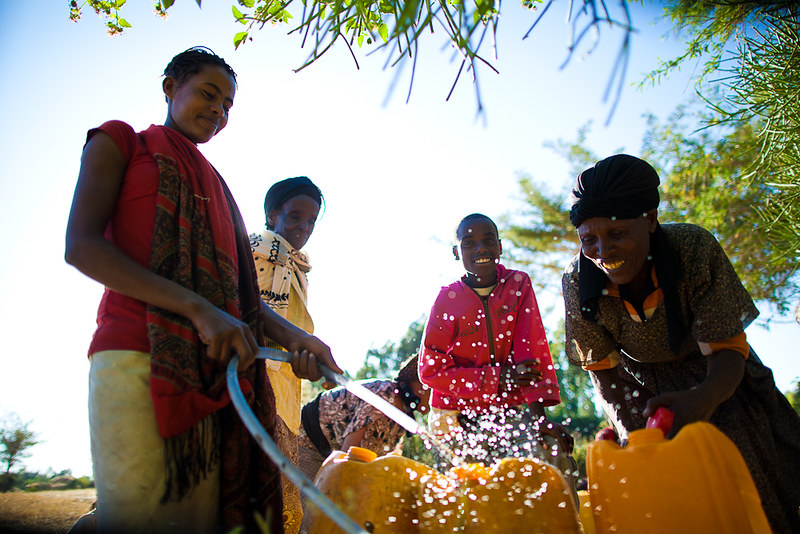
In May 2022, Aptech Africa, a solar energy and water pump specialist based in Kampala, Uganda, installed a new water treatment system in Caynabo, Somalia. Funded by the United Nations Development Program (UNDP), this reverse osmosis solar-powered desalination system will increase access to clean drinking water for people in Caynabo, an internationally unrecognized state in Northwestern Somalia.

New Plant Operation

The new water treatment in Somalia can provide for the drinking needs of many people as the “flexotank capacity is 45m3/s,” which can fill up a minimum of four water distribution trucks daily while operating four distribution taps. Pumps that lead to pipes directly into the hydraulic container withdraw the much-needed clean water provided by this new system. As result, valves needed to be installed in order to make certain that the pump operates smoothly.

Ongoing Health Concerns

Prior to the installation of the water treatment system in Somalia, Abdullahi Mohammed, the project coordinator of the Ministry of Water, stated that many people in this state “suffered poor hygiene and kidney stones” due to inadequate access to clean drinking water. Most of the households could not even access five liters of water in a day. Bottled water is not an option for the impoverished people of the area, with a cost of about $0.45 per liter.

Clean Water Inaccessibility

Before the new water treatment system in Somalia came about, the Caynabo residents requiring clean water had to travel to Burco town, a town more than 80 miles away from Caynabo. Traveling these long distances is unaffordable for many, therefore, many people resort to consuming well water in Caynabo. In addition to containing high levels of saline, the water is not safe for human consumption.

Kidney Stone Aggravation

Health issues may begin to subside as access to clean drinking water improves. Kidney stone disease (KSD) is one of the prominent diseases that many citizens of Caynabo endure. A low intake of fluids directly correlates with the formation of kidney stones. The recommended amount of water that individuals should consume is three liters per day at a minimum. This prevents the formation of kidney stones and aids in many other functions of the body.

A Bright Future for Residents

The new reverse osmosis system has brought much-warranted relief to the citizens of Caynabo. People no longer have to travel extremely long distances to acquire clean water. The new system is able to provide the town with enough water to serve the entirety of its population. The 7,000 people living in the area now have relief from the impacts of a very prominent issue. Located in the center of Caynabo, the site even has troughs for camels to drink water. In addition, the water treatment system in Somalia can provide 3,000 citizens from neighboring towns with clean water on a daily basis as well.

The new water desalination system provides a sustainable solution to water inaccessibility in Caynabo and upholds the right to water access for all.

– Christina Papas
Photo: Flickr

June 16, 2022
https://borgenproject.org/wp-content/uploads/borgen-project-logo.svg 0 0 Kim Thelwell https://borgenproject.org/wp-content/uploads/borgen-project-logo.svg Kim Thelwell2022-06-16 01:30:262022-06-10 15:32:28New Water Treatment System in Somalia
Global Poverty, Health

Laos’ Commitment to Waste Management

Waste Management
Laos, known as the Lao People’s Democratic Republic, is one of the most impoverished countries in Southeast Asia. However, over the last 20 years, its economy has been one of the fastest-growing in the region, resulting in an increase in the amount of waste generated. Waste management systems struggle to keep up with this increased waste. Waste management in Laos is “limited to urban centers” and tends to be poorly managed with just 40%-60% of waste collected. Pollution affects the Lao people negatively, resulting in around 10,000 deaths per year, according to a 2021 study by the World Bank. With waste management emerging as a dire issue, the World Bank, the United Nations Development Programme (UNDP) and the Global Green Growth Institute (GGGI) are offering support to address the issue.

The Larger Part of the Issue

Around four million tonnes of plastic waste discharges into the world’s seas annually, mostly originating from rivers in Asia such as the Mekong, which goes through Vietnam, Thailand, Cambodia and Laos. About 70 million people rely on this river for food and resources, especially in Laos, though it is “one of the dirtiest in the world.” The Laotian lifestyle is transitioning from a “traditional and subsistence-based lifestyle” to a more urban lifestyle that focuses more on consumerism and imported goods.

The lack of waste dump sites and formal infrastructure significantly and directly impacts the health of citizens, especially when resorting to disposal practices such as burning, burying trash and discarding waste in rivers. Testing of the water sources across more than 3,000 households in Laos shows that  E.Coli in drinking water contaminated 86% of the household population. Furthermore, even for homes using bottled water, a staggering 85% of individuals had E. Coli in their bottled water.

Making the Effort

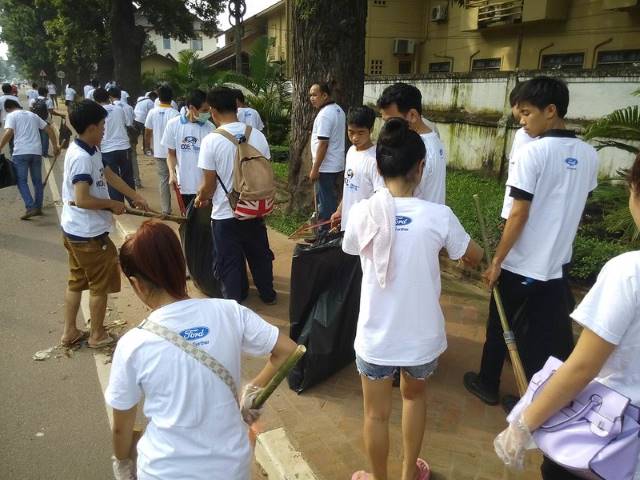
Laos citizens view plastics as a luxury item, portraying a sign of economic progression. However, this mindset also contributes to plastics becoming the second-largest type of waste, accounting for up to 24% of total waste generated by Laos. But, even as plastic and other wastes are prevalent, cities such as Luang Prabang are making an effort to keep the area’s streets clean. With the locals taking action to actively keep the city clean, these city-dwellers set the example for other city-dwellers in Laos. Responsibility is on communities and households, especially as Laos has a small budget for addressing the waste management issue.

A World Bank 2022 Get CLEAN and GREEN – Solid waste and Plastic Management in Lao PDR report recommends strategies to resolve the waste management issue. One strategy is to move from a linear to a “circular economy.” This would reduce waste by “reusing, repairing, refurbishing and recycling existing materials and products.”

The UNDP’s Work

The UNDP gathered a focus group of around 30 university students from diverse economic backgrounds, finding that close to 90% of students realize how poor waste management impacts the planet. The organization gave students suggestions for taking action, such as establishing task forces in communities and using social media to share information on helping as green advocates.

The UNDP also found that students who learned to separate waste in schools were eager to follow waste separation procedures. An online UNDP survey shows that social media would influence the mindsets and behaviors of more than 80% of respondents. The UNDP considers the immediate banning of plastic as critical.

The GGGI is aiding in solid waste management in the capital city of Vientiane, formulating a 10-year Strategy and Action Plan. It also has created four project activities:

  • Decentralized garbage collection services
  • A Waste Bank and the designation of the role of waste pickers
  • Organic waste segregation systems and private composting companies
  • Glass recycling involving 10 elementary schools to maximize waste disposal

Looking Ahead

While the Lao PDR transitions to a more urban economy and struggles with waste, organizations have offered solutions to support a more sanitary Laos, which will benefit the health and well-being of people. As education reaches citizens and offers them pathways out of poverty, Laos can create a safer, cleaner and more prosperous country for its populace. And if the country does lean more toward a “circular economy,” Laos could be on its way to reaching a net carbon neutral status by 2040.

– Jerrett Phinney
Photo: Flickr

April 23, 2022
https://borgenproject.org/wp-content/uploads/borgen-project-logo.svg 0 0 Jennifer Philipp https://borgenproject.org/wp-content/uploads/borgen-project-logo.svg Jennifer Philipp2022-04-23 01:30:082022-04-28 11:58:07Laos’ Commitment to Waste Management
Global Poverty, Women, Women's Empowerment

How LakeHub is Bridging the Gender Digital Divide in Kenya

Gender Digital Divide in Kenya
In March 2022, LakeHub, a “Kenyan tech innovation hub,” partnered with the United Nations Development Programme (UNDP) to equip 300 Kenyan girls with “digital literacy and technical skills.” As the Kenyan government has been making strong efforts to improve digital literacy, this partnership will be useful in bridging the gender digital divide in Kenya.

Digital Literacy in Kenya

In recent years, Kenya has made efforts to grow its digital economy and empower Kenyans with digital literacy skills. For example, in 2016, Kenya launched its Digital Literacy Programme, an initiative dedicated to providing digital devices to primary school children and training educators to give lessons through “digital learning content.”

These devices are “pre-loaded with interactive digital content in Math, English, Science and Kiswahili” in order to facilitate learning. Within the first phase of the initiative, the program distributed more than one million devices to more than “23,000 public primary schools” across Kenya.

Additionally, approximately 81,000 Kenyan educators received through the program. With such progress, the Digital Literacy Programme began its second phase in July 2019.

The Gender Digital Divide in Kenya

Despite the commendable strides of the Kenyan government in promoting digital literacy, there are concerns about equal access to digital devices and knowledge, particularly in the area of gender inclusivity. As the GSMA Mobile Gender Gap Report of 2019 reports, “women in Kenya are 39% less likely than men to have access to mobile internet” and “are also 23% less likely to own a smartphone.”

Moreover, this gender digital divide appears to be growing with the gender gap in mobile internet use increasing from 34% in 2019 to 42% in 2020.

A 2021 study titled “Kenya’s Digital Economy: A People’s Perspective,” also found that only “35% of women use advanced digital services compared to 54% of men.” The factors that contribute to this gender digital divide in Kenya include “discrimination, harmful social norms, the education divide, geography and lack of motivation.”

LakeHub’s Partnership with the United Nations

LakeHub is one organization that is striving to close the gender digital divide in Kenya. In June 2020, LakeHub launched its FemiDev program which aims to “bridge the gender gap within the digital sphere.” The program provides incentives such as full scholarships to females to learn skills in “back-end web development, design thinking, entrepreneurship[and] graphic design,” among many other skills.

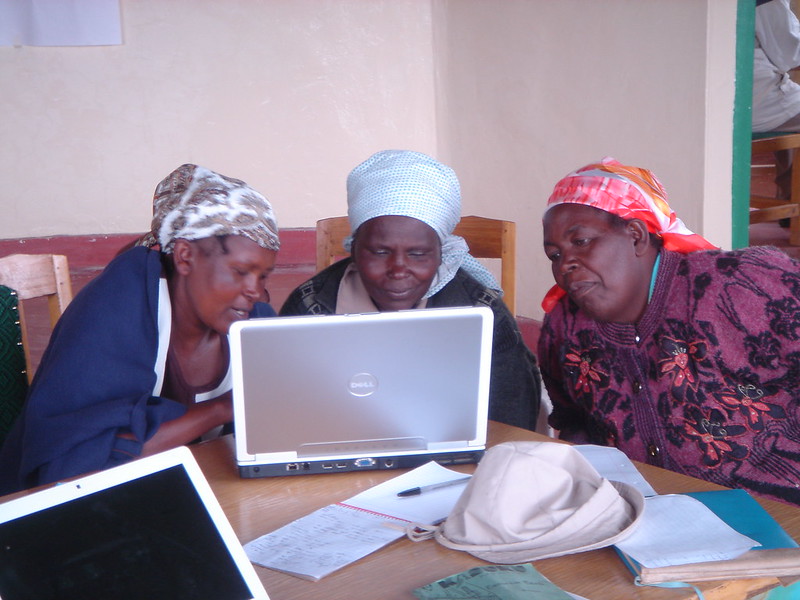
LakeHub’s partnership with the United Nations forms part of its FemiDev program. During the 12-month training program, participants receive “laptops and internet access in order to attend in-person training across three counties in Kenya — Kisumu, Busia and Migori.”

The program recruits participants through an online application that is released every three months “on all social media platforms.” So far, the program has “sponsored 200 girls between the ages of 18 to 35” with 80% of them achieving “relevant job placement and paid internships, both in the private and public sectors.”

The Importance of Gender Inclusivity in Digital Transformation

With the onset of the COVID-19 pandemic, the importance of digital technology and connectivity has become even greater. Technology use has become the new normal with digital platforms becoming particularly handy in “facilitating remote learning, work-from-home, business and service provisions such as health, banking, market access and entertainment.”

Thus, for many female workers, the lack of digital literacy skills, to understand and gain access to new markets has led to a loss of income and livelihood. With the majority of Kenyan women working in manual jobs, characterized by “low pay and poor working conditions,” the restrictions and shutdowns from the pandemic hit female-dominated sectors hardest, meaning that women began losing their jobs first.

In addition, the 2021 Finance Corporation report indicates that 230 million employment opportunities in the African region “will require digital skills by 2030.” Therefore, equipping Kenyan women with digital literacy skills will grant them access to new employment opportunities and increase overall gender equality in Kenya.

While there is still work to do to fully close the digital gender divide in Kenya, initiatives like the FemiDev program lead the way to achieving gender equality in the digital arena.

– Divine Adeniyi
Photo: Flickr

April 12, 2022
https://borgenproject.org/wp-content/uploads/borgen-project-logo.svg 0 0 Kim Thelwell https://borgenproject.org/wp-content/uploads/borgen-project-logo.svg Kim Thelwell2022-04-12 07:30:172022-04-05 08:34:38How LakeHub is Bridging the Gender Digital Divide in Kenya
Aid, Global Poverty, Poverty Reduction

Cash Handouts to Reduce Poverty in Afghanistan

Cash Handouts
As winter approached and the humanitarian situation in Afghanistan worsened, the United Nations (U.N.) proposed cash handouts to help the millions of Afghans who were struggling in the country. The U.N. announced the proposal of the program on December 1, 2021, as it believes that cash handouts will be the best and most plausible solution to deal with the increasing poverty rate in Afghanistan.

The Problem

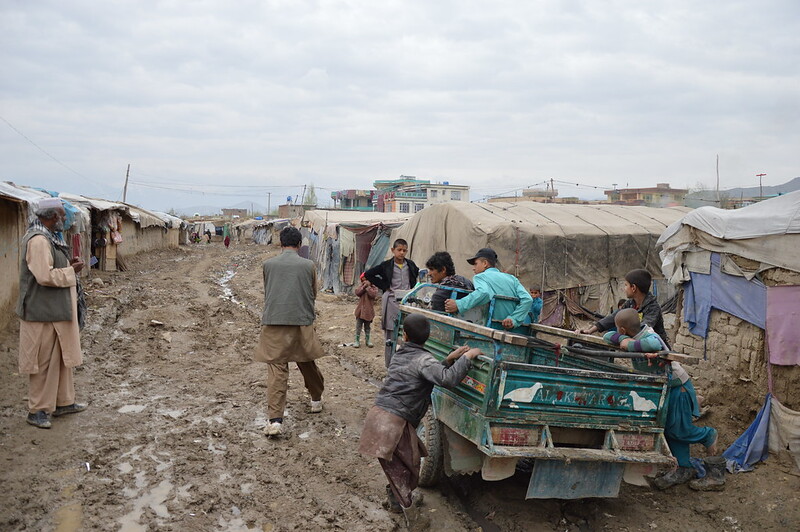
Still reeling from the effects of the full United States withdrawal combined with the Taliban takeover of the government in August 2021, millions of people are suffering. On December 10, 2021, the United Nations humanitarian chief, Martin Griffiths, warned that Afghanistan is inching closer and closer to “economic collapse.” As such, Griffiths urges donor nations to “support basic services” along with “emergency humanitarian aid.” Griffiths said that “4 million children are out of school” and the education of another 9 million children is in jeopardy because 70% of educators in Afghanistan have not received remuneration since August 2021.

Winters in Afghanistan are especially brutal, and this season, the U.N. expects wintertime temperatures to go down to -25 C. The United Nations High Commissioner for Refugees (UNHCR) estimated in early December 2021 that as many as 3.5 million displaced Afghans require essential support to make it through the winter. On top of this, UNHCR spokesperson Babar Baloch has stated that more than half of Afghanistan’s population, equating to 23 million people, are enduring extreme hunger, which may spiral into famine without prompt intervention.

UNHCR is providing essential humanitarian assistance to 60,000 people per week, which involves providing food, thermal blankets and winter clothing as well as rebuilding shelters and supplying cash assistance. This work will continue until February 2022, according to Baloch, at which time the next round of funding will need to begin as he estimated that another $374.9 million is necessary for 2022, especially during the winter.

The Solution

As a potential solution to the severe problems that Afghanistan is facing, the U.N. proposed a program that would provide $300 million annually in cash handouts to Afghan households with children, elderly people and Afghans with disabilities.

At the same time, the U.N. Development Programme (UNDP) wishes to bolster an existing “cash for work” initiative in Afghanistan with another $100 million to increase employment rates and $90 million to support small businesses with cash payments.

The “cash for work” initiative began in October 2021 in the three provinces of Mazar, Kunduz and Herat, with the intention to expand to more provinces. So far, through the initiative, UNDP has distributed $100 million worth of cash payments in exchange for work, creating employment opportunities for 2,300 people.

UNDP estimates that poverty in Afghanistan may reach a staggering 90% by the middle of 2022. In October 2021, with the Taliban in control of Afghanistan, UNDP created “a special trust fund” with an initial $58 million pledge of financial support from Germany to supply urgent cash directly to Afghan citizens. By early December 2021, the fund reached $170 million in pledges from countries around the world.

The Effectiveness of Cash Handouts

The possibility of handing out cash directly to people who need it most seems easy enough, but will Afghans use the money effectively? The World Food Programme (WFP) strongly supports cash transfers as a form of humanitarian aid. In 2020, WFP handed out $2.1 billion worth of cash transfers across 67 nations.

According to WFP, research shows that disadvantaged households that are empowered to make their own decisions through cash transfers “make choices that improve their food security and wellbeing.” For example, in 2018, 91% of households in Lebanon put cash assistance toward food, rental fees and medical costs. Cash handouts also boost local markets as people purchase resources locally, consequently bolstering economies.

Looking Ahead

Though the situation looks dire, there is hope as global organizations step in to assist vulnerable Afghans. However, urgent assistance is still necessary to prevent the collapse of the nation. With more support from the international community, organizations can bolster efforts to safeguard the lives of the people of Afghanistan.

– Julian Smith
Photo: Flickr

January 29, 2022
https://borgenproject.org/wp-content/uploads/borgen-project-logo.svg 0 0 Kim Thelwell https://borgenproject.org/wp-content/uploads/borgen-project-logo.svg Kim Thelwell2022-01-29 01:30:262022-01-18 10:23:36Cash Handouts to Reduce Poverty in Afghanistan
Aid, COVID-19, Development, Global Poverty

Universal Poverty in Afghanistan

Universal Poverty in Afghanistan
According to the UNDP, 97% of Afghanistan could be in poverty by 2022. This would be a quick plummet considering current UNDP data shows that only 54.5% of Afghans live below the poverty line. This is not particularly good either but is significantly better than the predicted more than doubled rate. This drastic predicted change is a result of a combination of things. Food prices and food insecurity are skyrocketing while economic and essential services experiencing interruption. COVID-19 is still prevalent and presents an active struggle. Those in rural communities and poor urban areas are feeling these problems quickest and hardest. If drastic change does not occur soon, there will undoubtedly be universal poverty in Afghanistan.

UNDP Predictions

The political turmoil of the Taliban resuming power, paired with economic and humanitarian issues, is creating a “full-on development collapse,” according to UNDP regional director Kanni Wagnaria. The UNDP’s 97% prediction is a worst-case scenario.

The prediction is based on 2018 estimates of the country’s GDP declining between 3.6% and 13.2% in the 2022 fiscal year. This depends on how the crisis continues and how other economies interact with the new Taliban leadership. This is a huge contrast to the previously predicted 4% GDP growth under the previous Afghan government.

Local Area-Based Programme

In response to these predictions, the UNDP has created a proposal of strategies to intervene and improve the current living conditions for those in poverty in Afghanistan. The “Local Area-Based Programme,” has four core elements: “provision of essential services, community-based livelihoods and local economies, disaster and climate-resilient response and social cohesion and inclusion participatory processes.”

The major goal of the program is to support approximately 9 million impoverished people over the course of 24 months. Another goal is to ensure the prediction of universal poverty in Afghanistan does not occur.

Local community groups, NGOs and small businesses will lead and implement this program. Within the plan, the most vulnerable would benefit significantly from cash-for-work grants for small and medium businesses and specifically within women-owned businesses. Households including children, the elderly and those with disabilities would receive a temporary basic income as well. There will also be assistance for natural disaster mitigation such as flood protection for farmlands.

ABADEI

The UNDP officially launched the program called ABADEI in October 2021. The primary goal is providing “immediate humanitarian assistance” while keeping the local economies moving. The first priority of the program is to help the people of Afghanistan meet their basic needs, with a focus on health and food security. As it raises more funds and receives more donations, ABADEI will be able to move into other priorities outlined in UNDP’s intervention strategies.

A significant indicator of outcome in the coming months and into 2022 will be how Afghanistan will do in the coming months and how the Taliban chooses to lead the country. The Taliban should be able to avoid the possible universal poverty in Afghanistan but it must make the decision to do so.

As of early September 2021, the Taliban had not reopened government offices. This is leading to many other industries such as banks and universities remaining closed as well, according to the UNDP. This has led to unstable employment and grave uncertainty among most of the country.

Additionally, expectations have determined that the Taliban could restrict capital, likely leading to inflation. This would reduce purchasing power and cause food prices to rise. The number of people below the poverty line would be even higher.

Much of what will happen to Afghanistan is relatively uncertain, yet rather imminent. Nevertheless, there are organizations such as UNDP that are being proactive and involved before universal poverty in Afghanistan becomes reality.

– Alex Mauthe
Photo: Unsplash

December 20, 2021
https://borgenproject.org/wp-content/uploads/borgen-project-logo.svg 0 0 Jennifer Philipp https://borgenproject.org/wp-content/uploads/borgen-project-logo.svg Jennifer Philipp2021-12-20 01:30:392024-05-30 22:25:36Universal Poverty in Afghanistan
Children, Developing Countries, Development, Education, Global Poverty, Health

Poverty Reduction Initiatives in Guatemala

Poverty Reduction in Guatemala
Many know Guatemala for its volcanic landscape, Mayan culture and the colonial city of Antigua, a UNESCO World Heritage Site. However, Guatemala has regularly faced high rates of poverty and economic inequality with the effects of the COVID-19 exacerbating it. Fortunately, organizations are coming together to form sustainable poverty reduction initiatives in Guatemala which will protect the environment while creating opportunity within Guatemala. The number of people living in poverty in Guatemala is very high. In fact, according to World Bank data from 2020, 47% of individuals live in poverty. As a result, poverty reduction in Guatemala is very important and the emerging poverty reduction measures are vital to improving public health and improving quality of life.

Reducing Deforestation to Improve Economic Stability

Deforestation is a problem throughout Central America’s rainforests due to the high demand for lumber throughout the world. It has caused negative effects on the agricultural environment leading to challenges for farmers throughout Guatemala. Reaching Sustainable Development Goals (SDGs) while increasing job opportunities is vital to protecting agricultural commodities and decreasing poverty.

Enrique Samayoa, a farmer from El Jute, told Americas Quarterly that environmental challenges and deforestation have led to greater rainfall and flooding. Deforestation leads to this flooding, which trees and vegetation usually absorb, and causes soil erosion. This means that when a flood occurs, it washes away nutrients in the top layer of soil, creating a poor environment for agricultural workers.

Fortunately, organizations like Utz Che’ Community Forestry Association and Sustainable Harvest are leading the effort to create sustainable poverty reduction initiatives in Guatemala. Utz Che translates from the Mayan K’iche language to “Good Tree.” This organization is responsible for protecting more than 74,000 hectares of forest in the mountains of Guatemala.

It is increasing opportunities for Guatemalans by training thousands of families in better farming practices. As the forest provides livelihoods for villagers, Utz Che’ communities are planting trees to improve their lives. Poverty reduction in Guatemala is a key aspect of this Utz Che’s mission because, with a healthy environment, farmers’ livelihoods will flourish as well.

When soil erosion decreases the number of crops that farmers could produce, employees may lose their job which can lead to an increase in poverty. Sustainable Harvest and an organization called ASPROGUATE worked together in 2021 to help decrease gender inequities by focusing on women-owned and sustainably run farms.

Empowering Guatemala’s Youth

Reactiva Guate is a crowdfunding platform for young entrepreneurs which started in 2020. It creates opportunities for young people with business plans to help their communities after the pandemic greatly impacted the economy. This organization appeals to venture capital to invest in young peoples’ ideas to overcome the economic crisis and has successfully raised thousands of dollars.

According to Statista, “31.3% of the employees in Guatemala were active in the agricultural sector, 18.73% in industry and 49.98% in the service sector.” Providing alternative careers for Guatemalans that focus on decreasing the effects of environmental challenges will help improve the quality of life for people there.

A massive vaccination program began in February 2021. Since then, municipal workers have promoted vaccinations by going house to house to reach unvaccinated people. The Guatemala Ministry of Health said that 88.8% of the eligible residents of Guatemala City have received their first dose. These statistics are good news that could bring tourism back into the country. It could create more job opportunities for youth and impoverished individuals.

Revamping Transportation to Improve Accessibility

UNDP is working with Transmetro, a transportation program that began in 2008. It helps expand the bus system in Guatemala City from one bus line to seven. Improving the transit system is vital to creating accessibility to jobs within Guatemala City. Without an available mode of transportation, many individuals are unable to find work. This initiative will create greater access to jobs and education.

These sustainable poverty reduction initiatives in Guatemala are vital to improving the opportunities available to its citizens and while keeping the environment safe and sustainable. This could improve the situation in Guatemala and lead to poverty reduction in the country.

– Robert Moncayo
Photo: Flickr

December 14, 2021
https://borgenproject.org/wp-content/uploads/borgen-project-logo.svg 0 0 Jennifer Philipp https://borgenproject.org/wp-content/uploads/borgen-project-logo.svg Jennifer Philipp2021-12-14 01:30:512021-12-07 09:04:06Poverty Reduction Initiatives in Guatemala
Children, Developing Countries, Development, Education, Global Poverty, Health

5 Organizations Aiding PwDs in Kenya

PwDs in Kenya
The COVID-19 pandemic has devastated countries worldwide with illness, fear and economic instability. However, its impact has not been equal for everyone. The pandemic has affected persons with disabilities (PwDs) disproportionately. More than 15% of the global population are PwDs, 80% of whom live in developing countries. More than 2.2% (0.9 million people) of the population are PwDs in Kenya, according to the 2019 census.

Connection Between Poverty and Disability

There is undoubtedly a strong correlation between poverty and disability. According to The Aga Khan University, approximately 67% of PwDs in Kenya live in poverty. Before COVID-19, Kenyans living with disabilities already faced pre-existing challenges in accessing health care, education and the workforce. Now, these challenges are deeper than ever as a consequence of the measures to control the virus transmission and expansion, and their impact on the socio-economic aspects of life and service delivery.

Organizations and individuals all over the world have racked their brains to find innovative solutions that could make life easier again after COVID-19.  However, most of these organizations and individuals did not have PwDs in mind. This problem is not exclusive to the COVID-19 era. For persons with disabilities, especially in developing countries like Kenya, solutions and innovation itself are limited for most present-day challenges.

Concerned by this situation, UNDP in Kenya decided to launch an innovation challenge. It Is inviting solutions responding to the socio-economic challenges experienced by PwDs during the pandemic. This way, UNDP Kenya seeks to harness the power of innovation for disability inclusion and social cohesion to promote a stable and secure environment for PwDs to thrive.

UNDP invited registered Kenyan organizations or companies in order to provide those with disabilities access to education, employment and other opportunities. UNDP encouraged the applicants to focus on one of five different areas; Access to Technology, Access to Information, Access to Health Care, Access to Education, Access to Opportunities and Access to Financial Products/Services.

Submissions of applications emerged all over the country and after a rigorous evaluation process, UNDP selected five winners. The five winning organizations received a grant of $8,000 to assist in further development and scale-up of the solutions.

5 Innovative Solutions Improving the Lives of PwDs in Kenya

  1. Action for Children with Disabilities (ACD) – Action for Children with Disabilities (ACD) came up with a solution that tests the use of Virtual reality (VR) to support children with intellectual disabilities to learn. The organization aims to develop educational video tutorials for children with Autism Spectrum disorders. It also uses VR to create simulations on the challenges that PwDs face in their daily lives. It will use this to conduct community sensitization and awareness sessions with the community members.
  2. Kytabu – Kytabu began in 2012. Its goal is to enable African learning institutions and students to leverage education technology platforms by providing and integrating education content to PwDs. Kytabu’s innovative solution adds a mobile-based school management system to the institutions supporting deaf learners. It is helping them to track the learner’s progress and needs. It is also producing reports to share with stakeholders and partners. This data would likely lead to better decision-making in Special needs education’s resources.
  3. Riziki Source – Riziki is a social enterprise that seeks to connect PwDs in Kenya to job opportunities. It created an automatic job-seeking database of people with different kinds of disabilities looking for jobs. Users can download the mobile app and easily register to the platform through their website or by text message, in case they don’t have internet access. Thanks to the platform, employers can easily connect with PwDs seeking jobs and understand the best way to interview and work with PwDs.
  4. Signs Media Kenya – In 2011, Signs Media began with the mission to educate, inform and entertain in sign language by enhancing disability and deaf culture. Signs TV developed an app called “Assist All.” It allows deaf people to access sign language interpreters on demand, facilitating communication where it may not be available. The app counts with a sign language interpreters’ database accessible by the touch of a button through a virtual interface.
  5. The Action Foundation (TAF) – TAF is a youth-led organization that began in 2010. It works with communities and governments to help PwDs. It aims to launch the “Somesha Stories project,” a platform that enables accessible child-friendly stories for early literacy and inclusive education. Learners will be able to access educational content specifically designed for all persons at their schools, from the comfort of their homes and via the Somesha Mobile-Based App. The Somesha stories come in audio, visual, print and sign language formats, hence allowing every child to learn.

Looking Ahead

All these great solutions not only validate Kenya as a hub of knowledge and innovation, but they also show technological transformation is about improving each citizen’s experience, leaving no one behind.

Innovation has and definitely will continue to have a great role in Kenya’s response and recovery to the COVID-19 crisis. Investing in building solutions that can improve the lives of PwDs represents a massive opportunity for Kenya to ensure that its growth is genuinely inclusive and transformational, something crucial for the future of the country.

– Alejandra del Carmen Jimeno
Photo: Flickr

December 11, 2021
https://borgenproject.org/wp-content/uploads/borgen-project-logo.svg 0 0 Lynsey Alexander https://borgenproject.org/wp-content/uploads/borgen-project-logo.svg Lynsey Alexander2021-12-11 01:30:562021-12-06 10:13:305 Organizations Aiding PwDs in Kenya
Children, Food & Hunger, Global Poverty

Qali Warma Addresses Nutrition through School Lunches in Peru

School Lunches in Peru
The Centers for Disease Control and Prevention highlights the importance of school lunches in introducing children to nutrition and influencing their health outcomes over time. Although the emphasis on school meals has grown significantly in countries around the world over the last decade, Peru has struggled to make a drastic nutritional transition in comparison to its developed counterparts. However, the nation’s Qali Warma program aims to improve nutritional outcomes through school lunches in Peru.

Peru in Numbers

As of 2021, the World Food Programme (WFP) recognizes 22% of Peru’s population as impoverished without access to proper nutrition. Furthermore, of children younger than 5, 13.1% suffer from chronic malnourishment. With a total population of 31 million individuals, these statistics illustrate the severity of inadequate nutrition in Peru.

However, over the years, Peru was able to reduce rates of chronic child malnutrition by 50%, a significant feat for the nation. While statistics on hunger and poverty show improvements over the past 10 years, it is important to recognize that rates of malnutrition differ across regions of Peru. In some rural areas, chronic child malnutrition reaches almost 34%. Furthermore, the rates of child stunting among Indigenous groups have remained the same since 2011. The lack of access to healthy and nutritious foods in Peru is partly responsible for these concerning rates.

Qali Warma Nation School Feeding Program

The lack of access to healthy and nutritious foods in Peru has led to a plethora of health concerns. Among the most pressing issues are anemia and obesity, which both serve as risk factors for other illnesses. The Peruvian government recognizes the concerning rates of anemia and child obesity in its country, leading to the implementation of the Qali Warma school feeding program.

Qali Warma is a social program that the Peruvian government implemented, aimed at increasing the health and nutrition of children through school lunches in Peru. The name Qali Warma originates from the Indigenous Quechua language and translates to “vigorous child.” The meaning behind the name is an ode to the mission of the group — encouraging “healthy eating habits” among the youth of Peru. Qali Warma’s main focus is children in early learning and primary education. However, to benefit Indigenous children in the Peruvian Amazon, the program extends its reach to high school students.

Since its implementation in 2012, the Ministry of Development & Social Inclusion of Peru (MIDIS) has overseen the program along with the United Nations Development Programme (UNDP). Initially developed as a three-year-long initiative, the success of the program means Qali Warma will continue until 2022. For the past decade, Qali Warma has provided healthy school lunches in Peru, improving eating habits among children while simultaneously engaging with local communities and providing people with food education.

A Two-pronged Strategy

The program consists of two services working in tandem with each other. The food service entails planning school meal menus and gathering the ingredients and supplies needed to put the meals together. Qali Warma uses specific calculations to ensure it meets the necessary nutritional and caloric requirements for child development. Moreover, the organization takes into account different cultural diets and consumer habits of each area it serves. The educational service component is primarily instructional. Qali Warma promotes “healthy eating habits and hygiene practices among the beneficiary children” while providing technical support and educational outreach to people implementing the food services.

Results and Reach

As Peru continues to invest in programs like Qali Warma, outcomes are proving successful in improving children’s health. By 2019, Qali Warma’s school lunches in Peru benefited more than 4 million children in total. Overall, the government notes an improvement in the overall nutritional state of these children since addressing nutrition with school lunches in Peru. Qali Warma reports that the impacts of school lunches extend far beyond nutrition as children are also more focused in classes and are eager to attend school. Nutrition specialists second this sentiment.

While Peruvian youth have struggled to maintain healthy levels of nutrition, addressing these issues in the places where children spend the most time, like schools, creates a lasting impact. Increasing the nutritional benefits of school lunches in Peru is a crucial first step in addressing malnutrition. However, consistent monitoring and modification are necessary as the program expands to reach more children nationwide.

– Chloé D’Hers
Photo: Flickr

December 3, 2021
https://borgenproject.org/wp-content/uploads/borgen-project-logo.svg 0 0 Kim Thelwell https://borgenproject.org/wp-content/uploads/borgen-project-logo.svg Kim Thelwell2021-12-03 07:30:062024-05-30 22:25:32Qali Warma Addresses Nutrition through School Lunches in Peru
Children, Developing Countries, Development, Education, Global Poverty, Health

COVID-19’s Impact on Sierra Leone

COVID-19's Impact on Sierra Leone
Sierra Leone is a nation in recovery. As with many countries throughout the globe, COVID-19 has left a lasting mark on the West African nation. In a June to October 2020 survey that Innovations for Poverty Action in Sierra Leone implemented, nearly 50% of respondents reported income reductions and about 60% of respondents reported depleting their savings to secure food for the household. However, in the wake of COVID-19’s impact on Sierra Leone, some sectors are regaining strength.

The After-Effects of COVID-19

Sierra Leone went into lockdown quickly in response to the initial outbreak of the novel coronavirus within its borders in March 2020, declaring a state of emergency prior to any confirmation of infection. Rapid policy changes followed, restricting travel and putting into place extensive testing programs which, coupled with a high level of social compliance, brought the infection and death rates to an early plateau. This impressive effort in containment came at a great economic cost, however, with the nation’s GDP contracting around 3.1% in 2020.

Revitalizing the Economy

Forecasts predict that Sierra Leone’s GDP will grow roughly 4% by the end of 2021, eclipsing the contraction of 2020, with further acceleration predictions in 2022. This projected growth links to a renewed demand for exports, particularly in the country’s mining sector.

World Bank experts state that sustaining this growth will require structural reform, strong monetary policy and a robust vaccination program, allowing businesses and employees alike to return to full-capacity operations both quickly and safely.

To that end, “the World Bank approved an $8.5 million grant” in June 2021 to further vaccination efforts in Sierra Leone, building upon an earlier $7.5 million monetary injection provided by the International Development Association in 2020 to shore up economic deficits resulting from COVID-19’s impact on Sierra Leone. Additionally, The Sierra Leone Central Bank announced a redenomination of the national currency in an effort to combat inflation. However, not all efforts for economic regrowth fall within the confines of the financial sector.

US Assistance

Sierra Leone saw a marked increase in poverty as a result of wage depression and job loss stemming from the pandemic, particularly in urban areas. The remediation of economic damages in these areas is an important step in breathing new life into the Sierra Leonean economy.

The Millennium Challenge Corporation (MCC), a U.S. government-funded agency dedicating efforts to international growth and development, is working to do just that. The MCC completed a $44.4 million project “to improve the water and electrical services in and around Freetown,” Sierra Leone’s capital and largest urban center, in March 2021. The MCC has recently begun talks with government representatives and the private sector to make further, larger investments in the nation’s growth in the form of an economic compact.

Further Help for Citizens in Need

In August 2021, the United Nations Development Programme (UNDP) announced a new program specifically focusing on aiding women and youth affected by COVID’s impact on Sierra Leone. The program will provide grants of $60,000 to $140,000 for distribution by NGOs to women and youth-operated businesses in both rural and urban areas that were forced to scale down or cease operations during the pandemic. The aim is to bring these businesses back into the marketplace and stimulate the local economy. These efforts work in concert with Sierra Leone’s internal efforts to help the nation get back onto its feet in the post-pandemic environment.

Mining Sector Leads Growth

With a return to pre-pandemic GDP levels in sight, Sierra Leone hopes to continue growth in 2022. Forecasts predict the nation’s GDP to grow by as much as 5% by 2022, outpacing its sub-Saharan neighbors, which could grow to 1% to 2% less over the same period. The country’s mining sector is a strong driver of the national economy accounting for 3% of national employment in 2018 as well as “65% of export earnings.” The mining sector is on track for a 34% overall increase, led by a predicted 850% increase in demand for iron ore over 2020.

With such a major market component leading the way, other economic areas may expect revitalization as well. In the agricultural sector, employing about two-thirds of Sierra Leone’s workforce, the government encourages mining companies’ investment in communities local to their operations, furthering citizens’ access to food as well as gainful employment. Predictions estimate that the domestic construction and energy industries, both with close links to mining infrastructure, may see growth as well. This combined push for economic renewal assures better days to come for the sub-Saharan nation.

A Bright Future Ahead

Through ongoing foreign support and careful economic measures, Sierra Leone hopes to breathe new life into industries ravaged by COVID-19. With a renewed encouragement of domestic business, the nation looks to bring its citizens forward into a thriving economy and a safer, healthier society. The culmination of these efforts is proving clear less than two years after the nation’s first lockdown with a strong reemergence from the trials of COVID-19’s impact on Sierra Leone, promising a brighter tomorrow for the Sierra Leonean people.

– Alexander Diaz
Photo: Wikipedia Commons

November 23, 2021
https://borgenproject.org/wp-content/uploads/borgen-project-logo.svg 0 0 Jennifer Philipp https://borgenproject.org/wp-content/uploads/borgen-project-logo.svg Jennifer Philipp2021-11-23 07:30:322024-05-30 22:25:23COVID-19’s Impact on Sierra Leone
Global Poverty

Child Poverty in Yemen

child-poverty-in-yemenYemen is currently in the middle of the worst humanitarian crisis in the world. Yemen has been in conflict since 2015, a situation that has devastated its economy. COVID-19 also hit Yemen’s economy hard due to a fall in global prices, weak public infrastructure and a limited ability to cope with extreme climate events. Yemen’s death rate is currently five times the global average. Unfortunately, the crisis Yemen is experiencing most heavily impacts children and puts millions of kids at risk of starvation. Here is more information on child poverty in Yemen.

The Crisis in Yemen

There is an immense tragedy occurring in Yemen. Estimates have determined that Yemen’s overall poverty rate is 80% and the war has already set back the country’s development by 25 years. In addition to facing the enormous impact of the COVID-19 pandemic, Yemen continues to battle mass outbreaks of preventable diseases such as cholera, diptheria, measles and dengue fever. On top of fighting these diseases, the conflict in Yemen is actively occurring. The war has resulted in the deaths of nearly a quarter of a million people from its start in 2015 to mid-2021. Unfortunately, Yemen’s children are the most vulnerable members of society and this crisis has caused child poverty in Yemen to be a critical issue.

Starvation and Malnutrition

According to UNICEF, 11 million children in Yemen urgently need humanitarian assistance. Child poverty in Yemen is continuing to rise, and more than 2.3 million children could starve by the end of 2021. This represents an unprecedented hunger crisis. Of these 2.3 million, expectations have stated that 400,000 will face acute malnutrition and could die without urgent treatment. Additionally, 1.2 million pregnant and breastfeeding mothers may experience malnourishment by the end of 2021, meaning that over 1 million children will be born in hunger. Between 2015 and 2020, over 3,000 children have been killed as a result of the war. As a result of facing so much trauma and conflict, an astonishing half of the children in Yemen are struggling with depression.

Impact on Education

Beyond the fact that the pandemic and conflict in Yemen are impacting children’s basic needs such as food, education is also under threat. Before the pandemic, 2 million children were out of school and 3.7 million more were at risk of leaving school altogether. Pandemic closures increased the number of kids at risk to 8 million, and teachers are not receiving pay. At least 4.7 million children are in need of educational assistance. Schools lack funds, resources and adequate sanitation, especially for girls. According to UNICEF, Yemen now owes $70 million in stipends to teachers. In addition to the pandemic preventing attendance, the conflict has destroyed about 2,000 schools.

Finding Hope

The Yemenis are resilient and are searching for solutions despite all of the turmoil. Communities are rebuilding their own schools and providing these schools with essential resources. The vast majority of schools in Yemen have no electricity. This means that kids have no access to clean water and sanitation services. The Yemen Emergency Electricity Access Project is working to install solar energy systems in schools. Solar energy can provide sanitary resources to students and the community. It also improves children’s experience in the classroom by providing light and a comfortable environment. This project should help at least 1.3 million people. Meanwhile, the United Nations Development Program (UNDP) put up nine solar microgrids to improve energy access.

In order to combat the mental health crisis in Yemen, social workers are providing mobile counseling. In 2018, UNFPA established six psychological support centers. Since then, these centers provided mobile psychological support to about 18,000 people, and the demand for these services is rising due to both the pandemic and continuing conflict.

Spreading the Word

The crisis in Yemen is vast and will take a united effort to address. One important factor in working to end this crisis is awareness. Social media posts, conversations and contacting U.S. government representatives are all methods to spread the word. While the U.S. did suggest a ceasefire in Yemen, this request will likely go unheeded if it does not take sufficient action to halt military support to the Saudi and Emirati-led coalition. The resilience of the Yemenis and help from the rest of the world can fight child poverty in Yemen and aid in the overarching crisis.

– Jacqueline Zembek
Photo: Flickr

October 12, 2021
https://borgenproject.org/wp-content/uploads/borgen-project-logo.svg 0 0 Lynsey Alexander https://borgenproject.org/wp-content/uploads/borgen-project-logo.svg Lynsey Alexander2021-10-12 15:34:112021-10-25 03:45:17Child Poverty in Yemen
Page 8 of 17«‹678910›»

Get Smarter

  • Global Poverty 101
  • Global Poverty… The Good News
  • Global Poverty & U.S. Jobs
  • Global Poverty and National Security
  • Innovative Solutions to Poverty
  • Global Poverty & Aid FAQ’s
Search Search

Take Action

  • Call Congress
  • Email Congress
  • Donate
  • 30 Ways to Help
  • Volunteer Ops
  • Internships
  • Courses & Certificates
  • The Podcast
Borgen Project

“The Borgen Project is an incredible nonprofit organization that is addressing poverty and hunger and working towards ending them.”

-The Huffington Post

Inside The Borgen Project

  • Contact
  • About
  • Financials
  • President
  • Board of Directors
  • Board of Advisors

International Links

  • UK Email Parliament
  • UK Donate
  • Canada Email Parliament

Get Smarter

  • Global Poverty 101
  • Global Poverty… The Good News
  • Global Poverty & U.S. Jobs
  • Global Poverty and National Security
  • Innovative Solutions to Poverty
  • Global Poverty & Aid FAQ’s

Ways to Help

  • Call Congress
  • Email Congress
  • Donate
  • 30 Ways to Help
  • Volunteer Ops
  • Internships
  • Courses & Certificates
  • The Podcast
Scroll to top Scroll to top Scroll to top