 While it may not always seem like it, the services provided by the U.S. government are vast and exceptional. For example, Americans do not have to panic over the possibility of waste runoff contaminating their water or having to dispose of their week’s worth of garbage by themselves. For services like these, Americans usually have government-sponsored help that is reliable and guaranteed. However, what is typical in the U.S. is not the norm for developing countries. This is particularly the case in Uganda, where poor waste management leads to poor public health in Kampala.
High Cost of Waste Management
Creating sustainable and effective waste management systems is incredibly expensive. According to the World Bank, efficient waste management services can require 20% to 50% of a government’s budget. This makes such services frequently unattainable for municipalities in developing countries. Indeed, this is exactly the problem posed by waste management in Kampala, Uganda.
On the outskirts of Kampala is the Kiteezi landfill. Opened in 1996, the landfill was intended to last until 2010, but it is still in use today. Not only has the landfill been used far past its capacity, but due to rapid urbanization, the city has generated substantially more waste than originally projected. This has culminated in a dire state of public health in Kampala.
Waste Management and Public Health in Kampala
The lack of residential services in Uganda only serves to exacerbate this problem. Kampala, like many cities, is not homogenous. There are a wide variety of infrastructure accommodations, socio-economic conditions and community engagements involved in municipal services. Poor road conditions can make it difficult for collection trucks to pass through living areas. A lack of communication regarding sanctioned dumping sites can lead to confusion and improper disposal practices, such as burning waste or piling it in an area where the waste will not be collected or sanitized.
What are the repercussions of all of this? Firstly, it can degrade residents’ quality of life. Seeing and smelling waste build up is enormously unpleasant. Additionally, that waste buildup can have serious public health consequences. The burning of garbage can produce methane, exacerbating climate change. Waste sites are the perfect breeding grounds for mosquitos, which, for countries riddled with malaria, can make exposure to infectious disease much more likely. Rain can allow waste to flow into water sources and contaminate food sources, making illnesses like cholera and bacterial infections more prevalent. Ultimately, poor waste management in Kampala is a public health hazard.
Building a New Landfill
Currently, the Kampala Capital City Authority (KCCA) is negotiating with investors to build a new landfill and work with the city to revamp waste management services with private contractors to improve public health in Kampala. This agreement will cap the Kiteezi landfill, create a new landfill with the city’s needs in mind and allow Kampala to utilize recycling processes to generate revenue for the municipality. This type of agreement is known as a public-private partnership (PPP).
PPPs are a popular way to get better services to more people, as these agreements allow municipalities to delegate certain services to companies that have the resources and experience to implement them. The End Neglected Tropical Diseases Act, passed by Congress in December 2019, supports the use of PPPs to combat similar issues. This legislation utilizes the resources and expertise of both local and U.S. governmental agencies, as well as private-sector health institutions, to combat debilitating ailments such as malaria and dengue fever in developing countries. Public health in Kampala, as well as in other similarly situated cities, relies on measures like the End Neglected Tropical Diseases Act.
Much-Needed Funding
However, treating these diseases after their infliction is not the only way public health can be bettered in developing cities. Indeed, the best solution to public health crises is to cut off these ailments at their sources, which in many countries requires proper waste management and sanitation. According to The World Bank, investment in infrastructure, education and citizen engagement is the best path to making waste management sustainable and safe.
Whether this investment is through private contractors partnering with developing governments or urging the U.S. to increase its funding for international health projects, cities like Kampala need solutions to manage waste effectively to ensure the safety and health of their citizens.
– Cecilia Payne
Photo: Wikimedia Commons
 Being in office for over 30 years, Ugandan President Yoweri Museveni has implemented limitations on the nation’s 2021 parliamentary elections. Due to the outbreak of COVID-19 worldwide, the President has decided to enforce a “scientific election.” The
 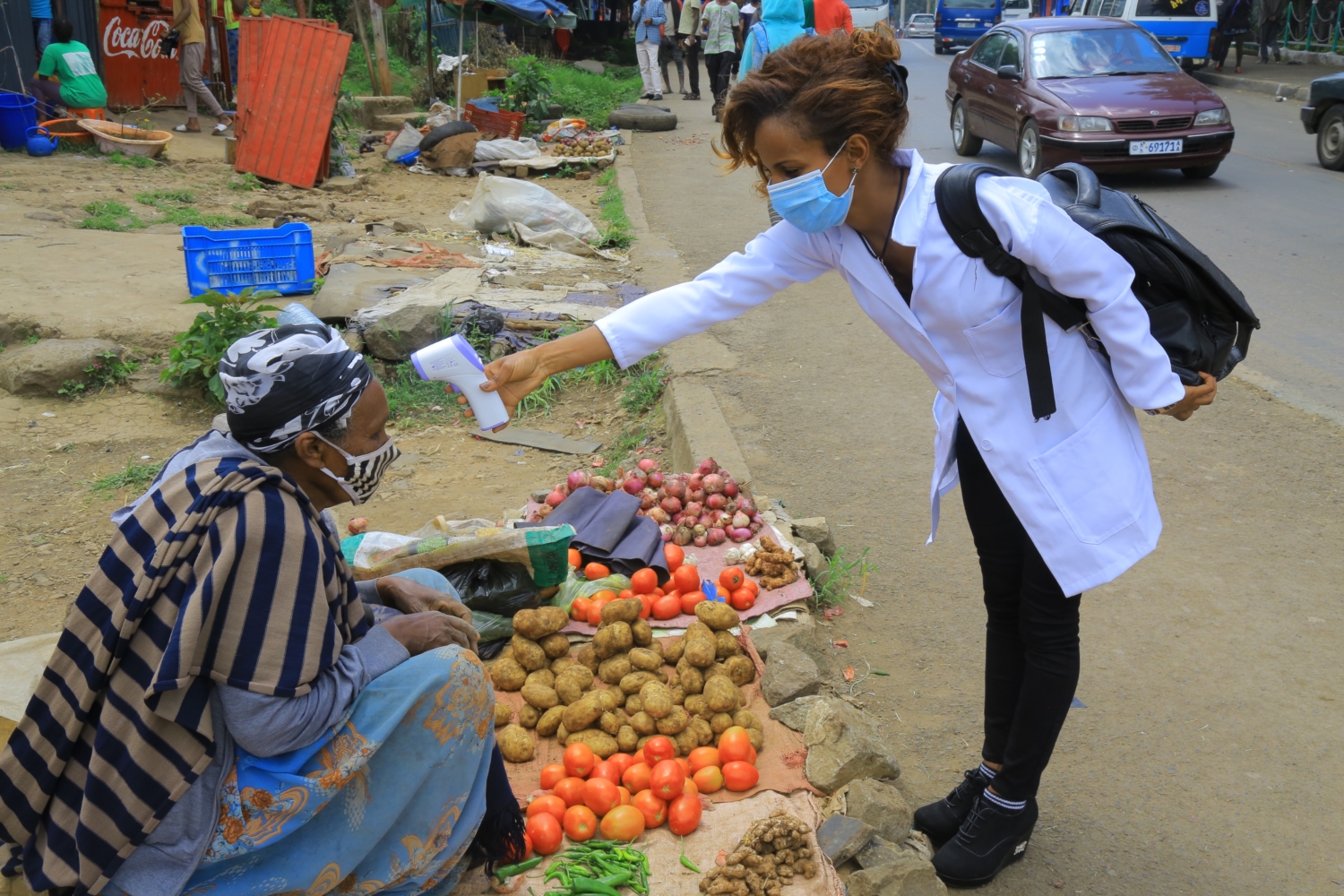 On a world map of the distribution of COVID-19 cases, the situation looks pretty optimistic for Africa. While parts of Europe, Asia and the United States are shaded by dark colors that implicate a higher infection rate,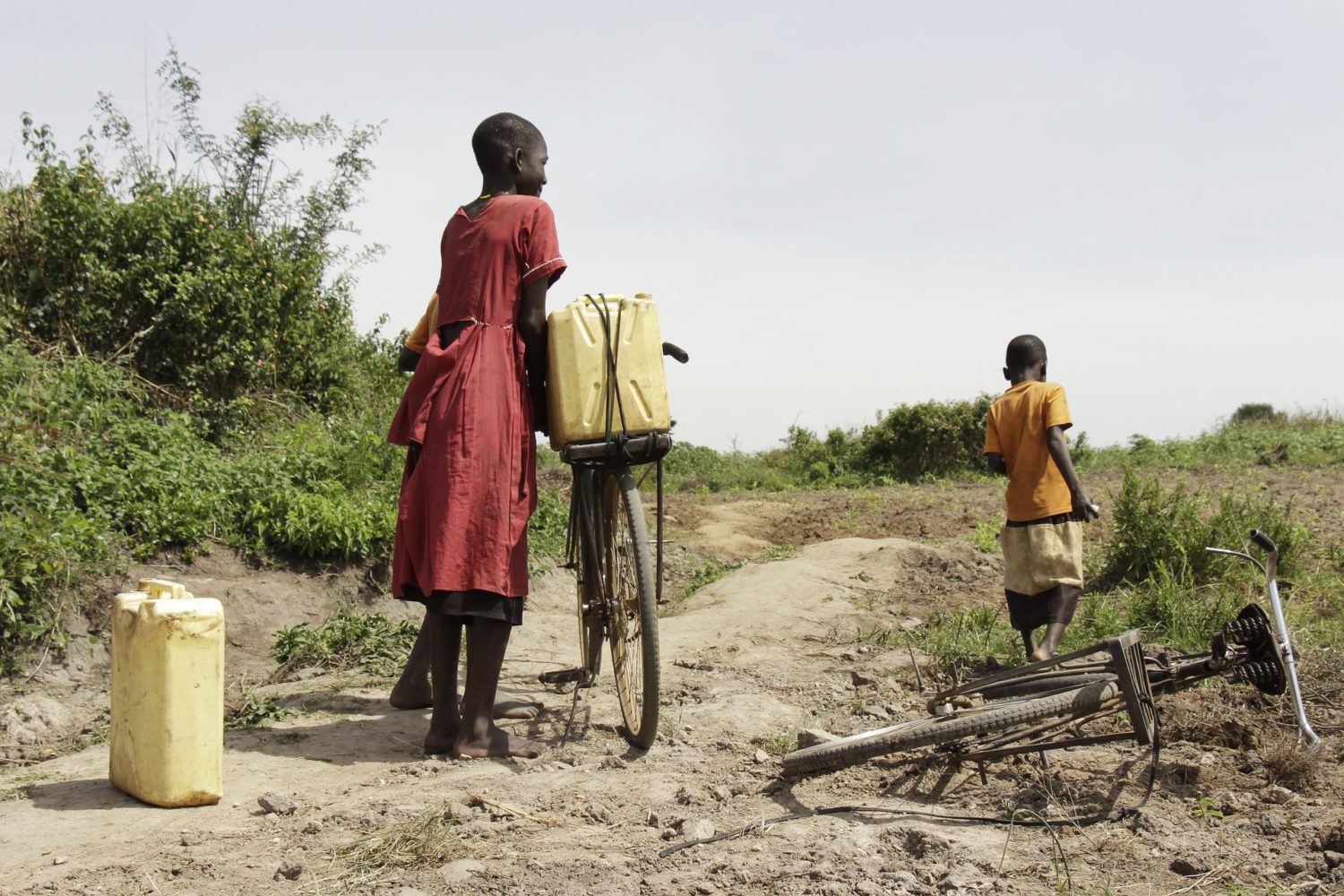
 Poverty affects millions of people around the world. What is often overlooked, however, is that women are deeply impacted by the struggle of poverty and are threatened by it in ways that men may not always be. One nonprofit, The Greater Contribution, has been tackling these issues in their battle against Ugandan poverty in the wake of the coronavirus.
 Those living in poverty often have limited access to basic necessities such as food, water and shelter. Beyond these basic necessities lies the need for free or affordable healthcare, yet so many countries are still lacking in that regard. Insufficient health centers and medical treatments do little to stop the spread of life-threatening diseases such as HIV. Mothers with HIV have
  Imagine
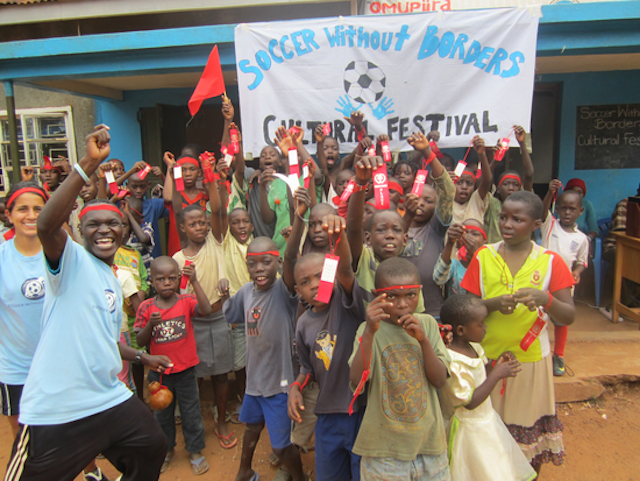 Soccer is more than just a sport. It connects people from all around the world, crossing boundaries and eliminating limitations. Soccer Without Borders embodies exactly what soccer’s purpose is. Soccer Without Borders is dedicated to building a more inclusive world using the world’s universal language. Founded in 2006, Soccer Without Borders achieves its vision through youth-development programs serving underprivileged youth in more than 65 countries.
 In recent years, the relationship between