Sustainable Agriculture in Belize Resorts to Ancient Practices
 About 50 percent of the land and water that comprises Belize is protected on some level. However, this protected land houses some of the Mayan and Garinigu villages. These villages are known for ancient agriculture practices that have long resulted in effective and productive farming. These practices are mimicked elsewhere to develop sustainable agriculture in Belize.
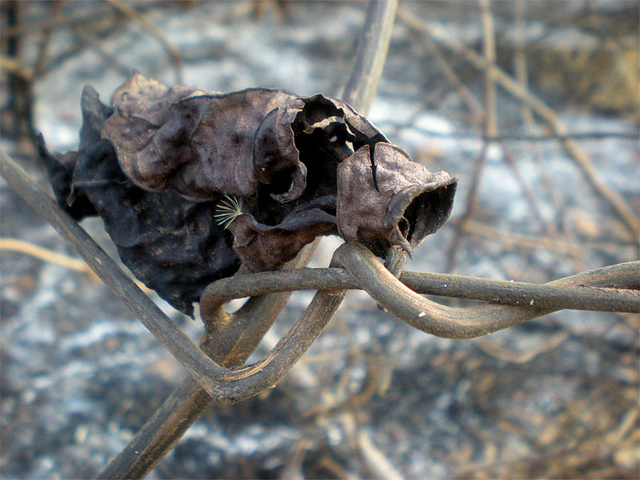
With practices used for over two thousand years, known as Milpa, the villages perform a control burn to restore soil and replenish carbon. Short term annuals are planted to fill the open space as plantains, avocados, fruits, fiber plants, leguminous trees and cocoa are planted and set to grow. After five to eight years, when the canopy closes, annuals are replaced with vanilla, coffee, ginger, allspice and other understory plants. This cycle of burning and planting continues every 15 to 30 years.
This ancient practice is different than the current “slash and burn” method that only plants the highest paying crops, such as corn and rice, and negates the need for crops as “nitrogen fixers” and wildlife habitats. This form also plants in steep terrain without swales or terrace, increasing the likeliness of soil erosion. This slash and burn method undermines the soil and potential future agriculture growth.
Governments and organizations are working to educate and remove this irresponsible practice and replace it with other forms of sustainable agriculture in Belize. Projects Abroad works in Belize on tropical agroforestry and sustainable farming, allowing for individuals to work on the processing of cacao and developing agroforestry systems that mimic the rainforest that originally grew in Belize.
Sustainable Harvest International-Belize (SHIB) delivers a five-year extensive training program that teaches impoverished families how to farm with sustainable practices while also providing for their families. This program works on family nutrition, sustainable and holistic farming, promoting soil conservation through the reduction of external additives and crop diversification. These methods tie into strategies that the Horizon 2030 development plan uses to promote sustainable agriculture in Belize.
The U.N. reported that the Horizon 2030 development strategy is progressing agriculture practices by teaching sustainable farming in schools, increasing finances for farmers with low-interest loans, developing agricultural insurance for crop losses, supporting communal farming operations and increasing investments in technology regarding irrigation, seeds and green pesticides. These are a few of the goals implemented to reach more sustainable farming practices in Belize.
Through these efforts, Belize could experience a shift from farming that is detrimental to the environment to sustainable agriculture that will bolster the economy and livelihoods of the people of Belize.
– Bronti DeRoche
Photo: Flickr
