• Link to X
  • Link to Facebook
  • Link to Instagram
  • Link to TikTok
  • Link to Youtube
  • About
    • About Us
      • President
      • Board of Directors
      • Board of Advisors
      • Financials
      • Our Methodology
      • Success Tracker
      • Contact
  • Act Now
    • 30 Ways to Help
      • Email Congress
      • Call Congress
      • Volunteer
      • Courses & Certificates
      • Be a Donor
    • Internships
      • In-Office Internships
      • Remote Internships
    • Legislation
      • Politics 101
  • The Blog
  • The Podcast
  • Magazine
  • Donate
  • Click to open the search input field Click to open the search input field Search
  • Menu Menu

Tag Archive for: The World Health Organization

Posts

Global Poverty

The Current Ebola Outbreak Funding Gap

Ebola Outbreak Funding Gap
Amid efforts to suppress the coronavirus effects, the Democratic Republic of the Congo (DRC) is now facing its 11th outbreak of Ebola since the discovery of the disease in 1976. The current outbreak officially began on June 1, 2020 — causing 24 deaths and garnering the attention of government officials and international agencies, such as the World Health Organization. The start of this outbreak coincides with the end of the 10th outbreak, which finished just 25 days earlier. Further complicating the latest outbreak is the fact that it comes when much of the international world is focusing on protecting themselves against the spread of the new coronavirus. As a result, there is an Ebola outbreak funding gap for what is required to sufficiently protect citizens of the DRC from the further spread of Ebola.

The Gap

The WHO reports that the $1.75 million raised so far will not last long enough to end the current outbreak. The organization estimates that the money will only last a few more weeks and that the unique location of the outbreak (in a more forested part of the country) is too costly to regularly send health officials.

This lack of funding could be a step backward for the country’s progress in limiting the disease. An outbreak in 2018 killed only 33 people, but from 2014 to 2016, 11,000 people died as a result of the disease. The main difference between the two time periods was the level of preparation and emergency funds to rely on, both of which are now decreasing due to the estimated gap.

The funding gap could have a direct impact on the current outbreak and may become a significant factor in the potential for new outbreaks. E.g., the recurrence of outbreaks is due to the virus’s presence in animals across the country. Therefore, there will most likely be another outbreak for which the WHO needs to be prepared.

Help from the United States?

The United States has donated more than $600 million to prevent the spread and minimize the devastation of previous outbreaks of the disease, in the DRC. This money has gone to building and managing health facilities, tracking the spread of the disease and evolving several safety measures for the country’s citizens. Those funds also went toward developing the two effective vaccines for Ebola and for transferring the dosages to citizens in need. Only a fraction of this money could make up for the lack of funding that the western part of the DRC needs today. Still, with most efforts and donations going toward coronavirus relief — very little attention has been placed on the current outbreak. This lack of attention contributes to the existing Ebola outbreak funding gap.

Looming Threats and Remaining Vigilant

A great challenge with this disease is that it could spread rapidly in the absence of a vaccine. Health officials typically vaccinate using a ring method — meaning they treat people that are near the center of the disease. Without the funds needed to disseminate the vaccine, the country’s infection rates could go up dramatically.

Officials are aware of this potential future, as the WHO Director-General, Dr. Tedros Adhanom Ghebreyesus states, “This is a reminder that COVID-19 is not the only health threat people face. Although much of the world’s attention is on the pandemic, the WHO is continuing to monitor and respond to many other health emergencies.” Some are urging other countries and organizations to take on this mindset. Aid from the United States could prove a significant help in preventing loss of life in the DRC by closing the Ebola outbreak funding gap.

– Aiden Farr
Photo: Pixabay

September 10, 2020
https://borgenproject.org/wp-content/uploads/borgen-project-logo.svg 0 0 Kim Thelwell https://borgenproject.org/wp-content/uploads/borgen-project-logo.svg Kim Thelwell2020-09-10 05:30:322020-09-10 08:04:02The Current Ebola Outbreak Funding Gap
Global Poverty

Tuberculosis in Timor-Leste: An Overview

Tuberculosis in Timor-Leste
Tuberculosis, also known as TB, is a bacterial disease that affects one’s lungs. The disease can cause symptoms such as coughing fits, sneezing, as well as troubled breathing; however, some people do not exhibit symptoms. Tuberculosis is an air-borne disease that can be exchanged through interacting with individuals who have tuberculosis, typically by either coughing or speaking.

There are also two different types of tuberculosis: latent TB infection and TB disease. Latent tuberculosis occurs when an individual has the bacteria that causes tuberculosis in their lungs but shows no active symptoms of tuberculosis; therefore, there is no spread of the bacteria. Tuberculosis disease refers to when an individual has the bacteria in their lungs and is showing symptoms due to the growth of the bacteria. The disease is typically treated through a mixture of different antibacterial medications, taken for six months to a year.

Though tuberculosis may not sound dangerous, there are some dangers for those who do not receive proper medical treatment. While TB does directly affect the lungs, the bacteria can also affect other organs such as the brain and kidneys, which can cause more concerning health issues like renal failure. Renal failure causes the kidneys to malfunction, so waste is not properly removed from the body. If not treated, tuberculosis can cause the lungs to be filled with fluid and blood and can ultimately result in death.

Which Countries are Most at Risk?

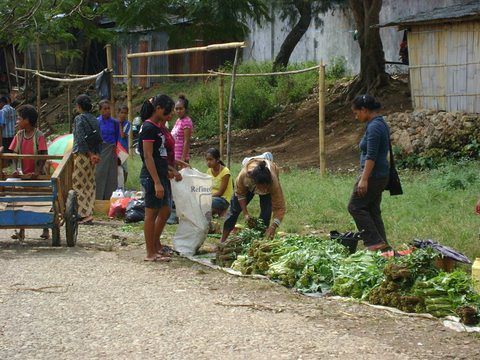
Timor-Leste, located in Southeast Asia, is one of the countries most affected by tuberculosis. Unfortunately, many people are not diagnosed, causing the disease to go on untreated. Timor-Leste has limited medical resources and supplies. As of 2017, the WHO estimates that for every 100,000 people in Timor-Leste, only 498 people are notified that they have tuberculosis, and 106 are killed annually.

83% of the treatment for tuberculosis in Timor-Leste comes with an enormous fee. Due to this, many are reluctant to be treated or even tested for tuberculosis in Timor-Leste. It is also estimated that in 2017, 46% of individuals living with tuberculosis in Timor-Leste have gone undiagnosed. Therefore, there is a dire need for education about tuberculosis in Timor-Leste. Many do not understand the disease or the medical treatment they are receiving and end up not completing the whole treatment.

What is Being Done to Help Timor-Leste?

According to the World Health Organization (WHO), certain programs have been created across Southeast Asia to teach tuberculosis prevention. Overall, there are thirteen districts, each of which focused on a different campaign. Originally, the program was started to address the missing cases in Timor-Leste. The WHO has also implemented more test screenings and treatment. It hopes to execute the “TB Free Core Package” in which there will be more TB prevention, detection, treatment, and protection. This package would be focused on helping low-income families who cannot afford the hefty price tag that comes with TB treatment. As the WHO programs have reached thousands of individuals, there is hope to decrease the number of TB cases and better educate the Timor-Leste public on tuberculosis prevention.

The International Organization of Migration and UN Migration Agency are working with Timor-Leste’s health ministry to help fund more test screenings. Supporting the National Tuberculosis Program will allow screenings to become more available to the public; as of 2018, more than 6,000 individuals have had a screen test. Programs such as this pave the way for more partake in reducing the cases of tuberculosis in Timor-Leste.

– Olivia Eaker
Photo: Flickr

August 21, 2020
https://borgenproject.org/wp-content/uploads/borgen-project-logo.svg 0 0 Kim Thelwell https://borgenproject.org/wp-content/uploads/borgen-project-logo.svg Kim Thelwell2020-08-21 13:07:482024-05-29 23:22:20Tuberculosis in Timor-Leste: An Overview
Global Poverty

Social Media Platforms Aid Global COVID-19 Efforts

Illustration of abstract background.

Three of the most prominent social media sites have taken steps to help with the coronavirus pandemic: TikTok, Instagram and Facebook have integrated unique techniques into their platforms to raise awareness and money for international COVID-19 relief. They are encouraging their users to utilize the platforms to raise money for their coronavirus fundraisers. Here are a few ways that these social media platforms are helping out with COVID-19 aid.

Facebook

Facebook has supported coronavirus relief in many ways. One way in which it has helped is through hosting the COVID-19 Solidarity Response Fund for the World Health Organization (WHO). Facebook pledged to match donations up to $20 million, and the platform ended up raising over $6 million on its site for WHO’s global efforts to fight the pandemic. They also donated $25 million to frontline healthcare workers.

Another way in which Facebook has helped with the pandemic is through the distribution of information and resources available. They have invested $100 million into the news industry and have supported fact checkers to make sure that coronavirus information is correct and to reduce misinformation distribution. Recognizing that social media and COVID-19 relief ought to work in tandem, they have also allowed global health organizations to utilize advertisement space free of cost to disperse information. Overall, Facebook has taken many steps towards aiding global organizations and providing resources for coronavirus aid.

TikTok

TikTok has been at the forefront of social media and COVID-19 efforts internationally. Content creators, for one, have posted inspirational messages for healthcare workers and spread awareness on resources available to people.

One of the most substantial ways that TikTok has started helping with relief aid, though, is through the concept of donation stickers. These stickers are interactive and embedded straight into videos and lives on users’ channels, allowing them to donate through Tiltify, a charitable fundraising platform. The stickers are currently available in the U.S., U.K., France, Germany, and Italy.

TikTok has focused on highlighting COVID-19 focused charitable foundations with these stickers. Through the utilization of the campaign #doubletheimpact and the donation stickers, TikTok has matched up to $10 million in donations for these organizations. With these stickers, hundreds of thousands of users were able to raise money for foundations and nonprofit organizations.

Instagram

As social media and COVID-19 relief can only vary so much, Instagram has also answered the call for action through interactive fundraising on its platform. Similar to the donation stickers utilized by TikTok, Instagram uses a form of donation sticker to allow users to donate towards specific organizations, with over a million to choose from.

Another specific way that Instagram has allowed fundraising is through the live feature. Through Instagram Lives, users are able to interact with comments and encourage donations to organizations right on videos. Previously, nonprofits were unable to fundraise via that platform; during the pandemic, though, Instagram has allowed these organizations to utilize the technology to raise money in this time of need. One hundred percent of all fundraising on the platform goes towards the organizations, with Instagram taking none of it. As the platform is owned by Facebook, the company has promised to match up to $10 million in donations.

During this time, Instagram has highlighted organizations with a focus on the COVID-19 pandemic. Influencers across the world have utilized this platform to give back to everyday people as well, in cash amounts ranging in the thousands. Fitness influencer Katie Sturino and friends pooled together $6,000 to give to those in need during the pandemic.

Social Media and COVID-19

These companies have shown the power of social media platforms and how users and companies can come together to make a real impact on coronavirus aid efforts. With the importance of social media in this day and age, utilizing it to help raise money for COVID-19 is an important role that Facebook, TikTok and Instagram have taken up. Fundraising is still continuing, and contributions towards awareness and funding is a battle that we all can continue supporting.

-Kiana Powers

August 20, 2020
https://borgenproject.org/wp-content/uploads/borgen-project-logo.svg 0 0 Kim Thelwell https://borgenproject.org/wp-content/uploads/borgen-project-logo.svg Kim Thelwell2020-08-20 11:28:112021-02-25 11:43:00Social Media Platforms Aid Global COVID-19 Efforts
Global Poverty

The Accessibility of Healthcare in Malta

Healthcare in Malta
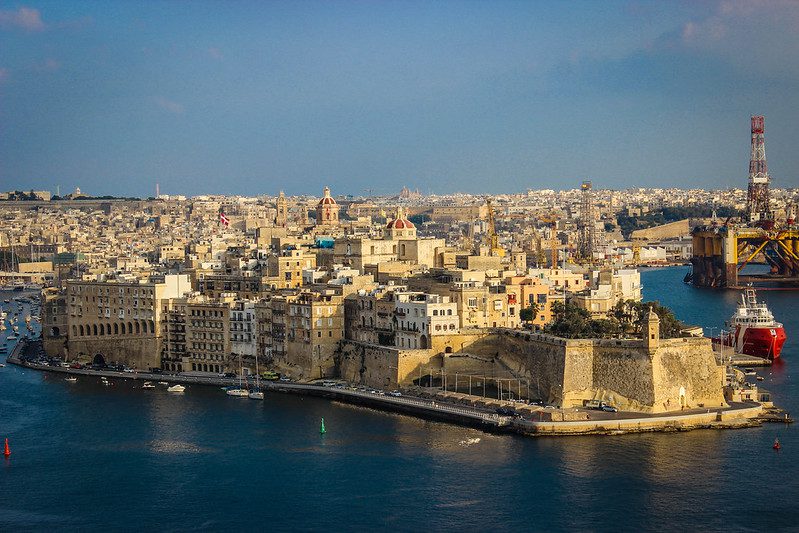
Malta is a picturesque country located in the Mediterranean, home to half a million people. While it is a tiny nation, healthcare in Malta is some of the best in the world. In fact, the World Health Organization (WHO) ranked Malta fifth out of more than 100 countries for its healthcare system. Other independent studies have found it to place even higher. Residents of Malta can choose between a public healthcare plan and purchasing a private one, and there are even options for tourists.

Citizens of Malta and other nations in the European Union have the option of receiving public healthcare or obtaining their own private insurance. The public healthcare plan is available to all citizens, legal residents who pay social security contributions and retirees. Taxes fund public health insurance, which covers any visits to public hospitals. It also covers a wide variety of conditions and issues, ranging from childbirth to rehabilitation. The plan includes special treatment as well, such as therapy and visits to special clinics. Due to the small size of Malta, it is fairly easy for residents to seek medical care no matter where they are. Public hospitals are easily accessible, with a total of eight spread across the country, as well as a network of smaller clinics and pharmacies.

Accessibility of Private Insurance

Some people will opt for private health insurance, which gives them a greater pool of doctors and hospitals to choose from. As public insurance does not cover non-E.U. citizens, they must also purchase a private plan. Private insurance is becoming increasingly popular; people often think that it is faster and easier to receive treatment this way. Costs vary depending on what the plan covers and most companies offer a range of options to suit the needs of each individual or family. Healthcare costs are generally very reasonable. Many residents will choose private insurance over the public one: an indication of how affordable healthcare in Malta is.

Citizens can also choose to rely primarily on the public healthcare system and pay for visits to private hospitals or clinics as they go. Medical costs and medicines are extremely affordable when compared to countries like the United States, so this is not an uncommon practice. A visit to the doctor will only cost about $20, and a visit to the specialist may cost $65.

Tourists and people on short visits from the E.U. nation can consider applying for a European Health Insurance Card (EHIC), which will provide the same coverage as a local would receive from the public healthcare plan.

Conclusion

Residents of Malta have the freedom to either rely on the country’s public healthcare system or buy private insurance. The public insurance covers visits to any public hospital as well as a wide range of treatments and conditions. While it is a competent plan, some people choose to pay for a private plan. Private insurance provides a greater number of doctors and practitioners to choose from, allowing for visits to private hospitals and clinics. Private insurance providers typically offer several plans designated for the different needs of clients. Citizens are also free to rely mostly on public healthcare and pay for visits to private practices out of pocket.

People who lack access to healthcare are at a greater risk of falling into poverty, and poor health conditions keep people trapped in poverty. The cost of medical services can be a huge burden on individuals and their families. Women and children may have to leave school in order to help their families earn money, causing an education disparity which only leads to more severe impoverishment. A good healthcare system is paramount to reduce poverty in a nation. Malta’s public healthcare system offers its benefits and services to everyone, keeping Maltese citizens out of poverty.

– Alison Ding
Photo: Flickr

August 19, 2020
https://borgenproject.org/wp-content/uploads/borgen-project-logo.svg 0 0 Kim Thelwell https://borgenproject.org/wp-content/uploads/borgen-project-logo.svg Kim Thelwell2020-08-19 09:24:052020-11-06 09:24:18The Accessibility of Healthcare in Malta
Global Poverty, Health

Healthcare in Oman: A Success Story


The country of Oman (officially know as Sultanate of Oman), located on the Arabian peninsula, can provide an example of a recovered and thriving healthcare system. Since 1970, Oman has been developing a highly esteemed healthcare system that is based on an efficient three-tiered system. The primary care model has produced a considerably healthier population compared to 50 years ago.

Oman’s Healthcare Progress

The progress of healthcare in Oman is represented in the statistics. Before His Majesty Sultan Qaboos first sat on the Omani throne in 1970, only 13 doctors were working for the 724,000 citizens of Oman. Since then, the number of doctors, as well as the number of hospitals, have grown tremendously. In 1958 there were only 2 hospitals while today there are 70 hospitals that are world-renowned for their medical treatment. There was also a significant growth in life expectancy from around 50 years in 1970 to over 76 years today.

At the beginning of his reign, His Majesty Sultan Qaboos made universal healthcare a goal, pushing for additional resources and policies to create accessible healthcare. The commitment of the government, including a law that ensures that the government will invest “in health care as a means of ensuring citizens’ well-being,” proved to be the momentum that the healthcare system needed to expand. With this commitment, a large amount of the government’s revenue from gas and oil, one of Oman’s largest exports, provided the healthcare sector the funding it needed to build hospitals, and improve medical staff and policy. By 2000, healthcare in Oman was ranked number eight in the world by the World Health Organization.

Moving Toward Universal Care

In addition to funding, healthcare needs policies to create a strong and lasting infrastructure. The platform on which Oman would grow its healthcare sector toward universal care was the focus on free primary care for all citizens. The aforementioned three-tiered healthcare system implemented in the Oman consists of primary care (hospitals at a local level), secondary care (care from a regional and district level), and tertiary care (any national care a citizen might receive.) By funding and creating ubiquitous accessibility for primary care, citizens can access healthcare in their community and be directed into a higher level or specialty if needed. Free primary healthcare for all has increased the quality and efficiency of healthcare in Oman.

Preventative Care

Healthcare in Oman has been effective in increasing life expectancy, decreasing child mortality and detecting diseases because there is a focus on preventative care. Preventive care is intertwined with the idea of accessible primary care because it encourages early detection of disease as well as easy and unburdened emergency care. Citizens can access the care they need without worrying about the cost of visiting a hospital in an emergency. In addition, the increasing amount of doctors who have an international perspective allows citizens to be better informed about their health issues and for doctors to take proactive measures in stopping development.

The progress made by Oman’s healthcare sector has caused significant positive change. From the efficient use of oil and gas revenue in the funding of hospitals to free primary healthcare for all, healthcare in Oman has arranged a secure and community-based framework that promises even greater future progress towards exemplary healthcare for all citizens. As the country continues to grow its investment in preventive care as well as the expansion of privatized healthcare, other healthcare systems can learn from Oman’s effective resource and policy implementation that has greatly improved healthcare for its citizens.

– Jennifer Long
Photo: Flickr

August 17, 2020
https://borgenproject.org/wp-content/uploads/borgen-project-logo.svg 0 0 Kim Thelwell https://borgenproject.org/wp-content/uploads/borgen-project-logo.svg Kim Thelwell2020-08-17 12:32:322024-06-07 05:08:05Healthcare in Oman: A Success Story
Food Insecurity, Global Poverty, Health

Health and Climate Correlations

Health and Climate Change
Health and climate issues closely relate as environmental hazards have the ever-increasing potential to inflict damage on human populations. Climate conditions are able to worsen human health in the form of physiological deterioration, such as heart and lung diseases, asthma, mental health illnesses and many more ailments.

Extreme natural disasters such as floods, droughts, hurricanes and wildfires are examples of environmental factors that hurt human health. While these elements can cause health issues like the ones above, indirectly, the correlation between health and climate issues appears in the form of ecological changes and other biological forms. Examples include food security, mental illness, malnutrition, water-borne diseases and/or other infectious diseases. Reducing environmental risks can ultimately reduce these health risks.

Food Insecurity

In 2017, there were 157 million more “heat wave exposure events” than in 2000, which are extreme weather conditions that drastically increase individuals’ chance of mortal health risks. Extreme heat leads to an increase in hospital admissions and deaths credited to cardiovascular diseases, respiratory disorders, heat stroke and more. Heatwaves also decrease productivity—people lost 153 billion hours of labor from “excessive heat,” primarily in the agricultural industry, in 2017. Productivity loss leads to food insecurity, disruption of livelihoods and poor income distribution for those depending on agriculture for jobs.

As well as productivity decline, extreme weather events can diminish biodiversity and change rainfall trends, which causes crop yields to decline around the world. Insufficient crop yields reduce the amount of “consumable food calories” or the amount of food produced from crop yields for people to eat. This process results in global food insecurity, malnutrition, stunted growth, diseases and death, and while most wealthy countries are able to import food or find other viable crop options, rural areas in poorer countries, where 70% of the world’s most food-insecure live, suffer. Globally, food production lost approximately 35 trillion calories, which could have fed undernourished populations, as a result of fluctuating and unfavorable environmental conditions. Meanwhile, about 70% of weather disasters (droughts, floods, storms and more) are climate-related and FAO specifies that agriculture endures more than 20% of the damages. Of the damages to all industries from droughts in Latin America and the Caribbean between 2006 and 2016, agriculture bore 80% of the damages.

Food insecurity from insufficient crop yields increases the demand for food without a supply, therefore prices rise, which generates a new level of vulnerability for poor populations and forces them to turn to less nutritional food and threatens mass malnutrition. The United Arab Emirates (UAE) possesses a small agricultural industry and imports approximately 86% of its food. Food insecurities from their produce suppliers will “constrain trade flows” to the UAE and pressure individual people and households to spend a greater proportion of their income on food.

Increase in Diseases

Infectious diseases, such as malaria and cholera, and waterborne diseases spread faster in warmer climates leading to illnesses becoming more prevalent in regions where they were previously not a threat. As the frequency of droughts increases, humans become dependent on contaminated water sources that are more likely to have waterborne viruses that infect populations.

Malaria is an example of a disease that can spread based on environmental factors. As the temperature of the earth rises, malaria becomes more prevalent and the death rate increases because warmer than usual conditions enable the disease to spread to new, previously immune regions, such as East Africa.

Because the threat level of food and waterborne diseases is dependent on climate conditions, governments must prepare surveillance and preventative measures within their health systems.

Air Quality

The increased frequency of wildfires that put human health at risk is another example of how health and climate intertwine. Wildfires produce smoke that leaves behind carbon monoxide and fine particulate matter in the air which dramatically reduces the air quality. The World Health Organization (WHO) and CDC credit smoke exposure and poor air quality as the causes of “hundreds of thousands of deaths annually” from cardiovascular and respiratory diseases, lung cancer, asthma and chronic obstructive pulmonary disease and strokes.

Additionally, poor air quality from unclean cooking, heating and lighting practices—using indoor stoves and burning kerosene, wood, animal dung or vegetables—kills 4 million annually and causes 93% of children around the world to suffer from respiratory infections, according to WHO. Air pollution impacts the population generationally, as those that suffer from exposure to polluted air are later more likely to give birth to premature children with increased susceptibility to diminished cognitive ability, asthma, cardiovascular diseases and cancer. In 2016, 1,432 individuals died as a result of air pollution in the United Arab Emirates.

Poverty undoubtedly plays a significant role in health. Factors such as geographic location, socioeconomic status, age, access to health care, the resiliency of health care infrastructure and type of ecological threat have the potential to drastically amplify the level of health risk to populations. A perfect example of the role of wealth regarding health is how 98% of “low- and middle income countries with more than 100,000 inhabitants” worldwide fail to reach air quality standards that WHO has presented. Comparatively, the number of high-income countries with inadequate air quality levels is 56%. The good news is that many of these environmental problems are reversible: just as environmental issues can cause health problems, solving environmental issues can improve global health.

Actions Taken

The East African Development Fund (EADB) is an example of an economic institution that recognizes the threat of environmental issues on socio-economic development and overall health. The EADB has identified the necessity of addressing health and climate threats through the process of development in developing countries and regions. By supporting various initiatives and technologies, the EADB helps those facing environmental obstacles such as droughts, changes in rainfall and diminished crop yields.

The Global Environment Facility (GEF) is an organization that finances projects that address environmental issues. The GEF has provided $20.5 billion in grants and $112 billion to finance environmentally regenerative projects in 170 countries. GEF prioritizes a multifaceted approach and deliberate engagements with the “private sector, indigenous peoples, and civil society” to establish a variety of strategies and results.

Many more organizations like these exist, such as the Least Developed Countries Fund (LDCF), International Union for Conservation of Nature (IUCN), Organization for Economic Co-Operation and Development (OECD) and the Latin American Energy Organization (OLADE). These environmental organizations support national strategies to mitigate the economic and health repercussions of the environment and encourages each nation to do its part in addressing environmental challenges.

WHO Recommendations

Every four years, WHO curates profiles for countries to identify climate risks, correlating health impacts and national responses. In these profiles, WHO connects health and climate issues, as well as categorizes health impacts and solutions that differ between country and region. Across the board, one of the primary recommendations is the implementation of policy and a national strategy for health and climate issues. For example, one of the primary concerns in the United Arab Emirates is air pollution and the respiratory effects, whereas, in the Solomon Islands and Tuvalu in Polynesia, rising sea levels produce the most concern. WHO helps plan and implement “climate-resilient health systems” which improves the health workforce’s ability to better respond to health effects from environmental problems. In Tuvalu and the Solomon Islands, health officials receive training on health services for extreme weather events and “climate sensitive diseases.”

There are innumerable ways that public health and climate issues interconnect—tackling health problems and global environmental problems together is like killing two birds with one stone. As an international organization, WHO is responsible for producing thorough health guidelines and coordinating global health and climate responses. It falls upon each country to determine its role in protecting global health and solutions for environmental challenges they can implement to ensure the safest future.

–  Nye Day
Photo: Flickr

August 10, 2020
https://borgenproject.org/wp-content/uploads/borgen-project-logo.svg 0 0 Kim Thelwell https://borgenproject.org/wp-content/uploads/borgen-project-logo.svg Kim Thelwell2020-08-10 10:57:012024-05-29 23:23:04Health and Climate Correlations
Global Poverty

What to Know about Healthcare in Gabon

Healthcare in Gabon
Gabon, a country of around 2 million people located in western Central Africa, shows how a universal healthcare system can succeed. The relatively recent improvement in healthcare in Gabon provides a roadmap for other countries. Furthermore, Gabon highlights which areas of healthcare could use improvement and how best to go about enhancing it.

The Good

Gabon’s national healthcare system, Caisse Nationale d’Assurance Maladie et de Garantie Sociale (CNAMGS), emerged in 2008. In its infancy, the program provided healthcare coverage to students, the poor and the elderly. Since then, it has extended coverage to public-sector workers in 2011 and private-sector workers in 2013. As early as 2011, 417,118 of the 546,125 eligible poor residents of Gabon signed up for the program.

Many typically consider healthcare in Gabon above-average for West Africa in both access and effectiveness. For instance, Gabon has a high healthcare center density and a below-average adult mortality rate from non-communicable diseases.

Gabon employs a novel and effective system to help finance its expansive healthcare coverage: levies on mobile phone companies and on money transfers outside of the country. This system is an incredible success, according to Dr. Inoua Aboubacar, a World Health Organization public health specialist located in Gabon. Overall resources for CNAMGS quadrupled from 2008 to 2011, increasing from 12.5 billion CFA to over 47 billion CFA (nearly $8.5 million). Around 17.5 billion CFA came from these levies.

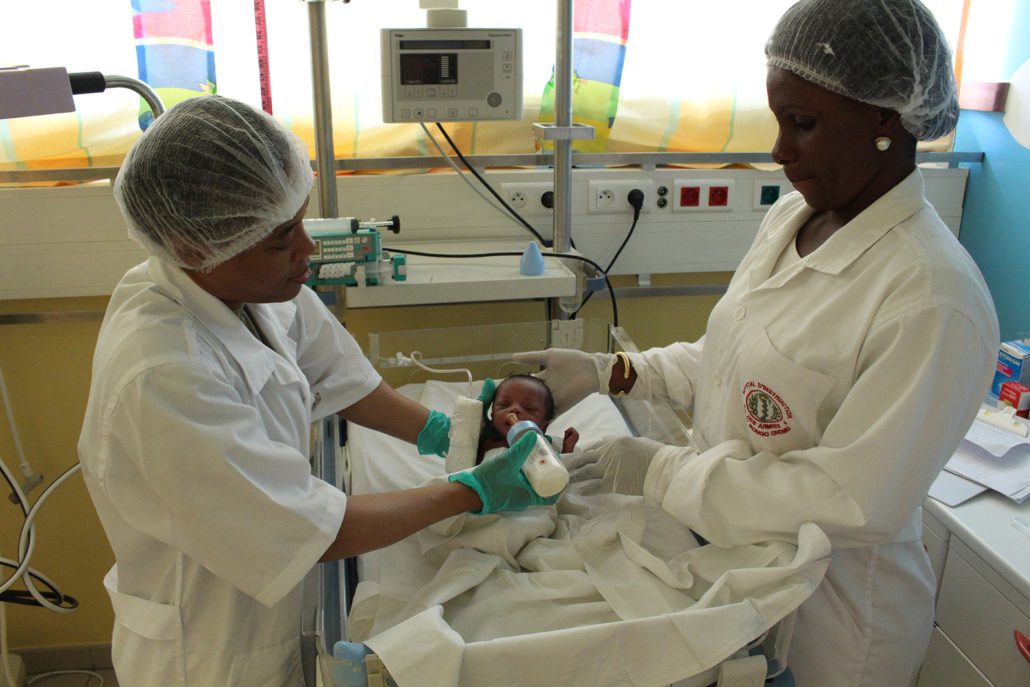
Launched in 2010, the National Health Strategy now provides 100% covered maternal healthcare in Gabon. The program covers approximately 85% of healthcare costs in other areas as well. Out-of-pocket copays cover any additional costs. Nevertheless, maternal mortality rates remain worrisome, with 261 deaths per 100,000 live births as of 2015.

Universal healthcare was achieved in Gabon in only 10 years, quicker than developed countries such as South Korea, where it took 12 years.

What Needs Improvement

Healthcare in Gabon, while successful in many ways, lacks the national spending that it deserves. Healthcare spending only accounts for 3.44% of the country’s total GDP, which is the lower than Gabon’s neighbors of Cameroon, Equatorial Guinea, the Democratic Republic of the Congo, Republic of Congo and Chad. Although Gabon has the classification of an upper-middle-income country, it still spends less on healthcare than many comparable countries.

HIV/AIDS is a major problem in Gabon. An estimated 3.8% of adults live with the disease in Gabon, which makes it the 14th worst affected country in the world. However, the effects of the disease are diminishing. In 2017, the Gabon Ministry of Health launched a program to raise awareness and understanding of HIV through various campaigns and events in high schools.

Out-of-pocket spending for the people of Gabon is still higher than ideal. In the country, one can attribute 21.87% of healthcare expenditures to out-of-pocket spending, which is higher than in most economically similar countries in the region.

Healthcare in Gabon is a success by most standards, especially in comparison with other countries in Africa. It is far from perfect, though, and improvements must continue in the future. Still, Gabon’s quick and targeted approach should be a model for other countries seeking to improve healthcare programs of their own.

– Evan Kuo
Photo: Department of Defense


August 4, 2020
https://borgenproject.org/wp-content/uploads/borgen-project-logo.svg 0 0 Kim Thelwell https://borgenproject.org/wp-content/uploads/borgen-project-logo.svg Kim Thelwell2020-08-04 13:14:222024-05-29 23:12:58What to Know about Healthcare in Gabon
Global Poverty

4 Facts About Healthcare in Morocco


Globalization and industrialization have improved living conditions and increased economic prosperity in Morocco. The introduction of economic reforms in the early 1980s also stimulated growth in a variety of sectors. Yet, despite these efforts, poverty, illiteracy and unemployment rates in Morocco remain high. In 2018, Morocco ranked 121st out of 189 countries in the Human Development Index—a statistic composite index of life expectancy, education and per capita income indicators. A significant factor in Morocco’s low ranking is the country’s inaccessible and inadequate healthcare. Here are four things to know about healthcare in Morocco today.

4 Facts About Healthcare in Morocco

  1. Ongoing institutional reforms. Morocco is undergoing a variety of health system reforms, including those affecting hospitals and institutions. Currently, the North African country’s health system has public and private sectors. The private sector is further divided into not-for-profit and for-profit divisions, which is often quite costly. The public sector, though more affordable, is unable to provide the same standard of care as the private sector. Due to the ongoing reforms, the World Health Organization has outlined the management of public hospitals and a “lack of a policy to manage and develop human resources” to be some of the Moroccan health system’s main challenges.
  2. A lack of healthcare workers. Morocco is suffering from a lack of skilled healthcare professionals in both sectors of its healthcare system. In 2017, there was an average of 7.9 health workers per 10,000 people in 12 regions, according to the Moroccan Ministry of Health. This ratio falls far below the WHO’s standard of one physician per 650 people.
  3. Limited accessibility to healthcare. Coinciding with cost barriers and limited healthcare personnel, many Moroccans lack access to healthcare outside of urban centers. Rural and remote areas of Morocco are often underserved, and citizens have to travel long distances to receive primary care. To attract and retain healthcare workers in these underserved areas, the Moroccan Ministry of Health proposed legislation in 2015 for new graduates to work in underserved areas for two years.
  4. Gender inequality affecting women’s access to healthcare. Women’s health in Morocco is lower than men due to socioeconomic factors limiting women’s standard of living and income. According to the Mohammed Bin Rachid Al Maktoum Foundation, Morocco’s estimated 2008 illiteracy rate was 43%. In the same report, women’s illiteracy rate sat higher at 54.7%. Moreover, according to a 2009 report by the High Commission for Planning for Morocco, women with higher education diplomas were more vulnerable to unemployment. The report found that, in general, 27.5% of women are unemployed, while 50.1% of women with credentials are unemployed. Furthermore, Morocco has one of the highest infant mortality rates in the world, with an estimated 21.90 deaths per 1000 live births in 2017.

Improving the Moroccan health system is a slow process; however, with support from international public health organizations like WHO and healthcare professionals, healthcare in Morocco could advance significantly. Equal healthcare to women and Moroccans living in rural and remote areas will ensure a brighter, healthier future for Morocco and the world.

– Alana Castle
Photo: Flickr

July 28, 2020
https://borgenproject.org/wp-content/uploads/borgen-project-logo.svg 0 0 Kim Thelwell https://borgenproject.org/wp-content/uploads/borgen-project-logo.svg Kim Thelwell2020-07-28 12:29:292024-05-30 07:52:164 Facts About Healthcare in Morocco
Global Poverty

8 Facts About Healthcare in Sri Lanka

Healthcare in Sri Lanka
Sri Lanka is a tropical island nation near the Indian Ocean with a population of approximately 21 million. A 30-year civil war that ended in 2009 tore the country apart. Meanwhile, it experiences frequent natural disasters such as mass flooding, monsoons and landslides. Despite these barriers, Sri Lanka has been making massive strides towards improving healthcare for its citizens. For the past 50 years, the country has shown impressive positive trends in comparison to its peers in South Asia. Here are eight facts about healthcare in Sri Lanka.

8 Facts About Healthcare in Sri Lanka

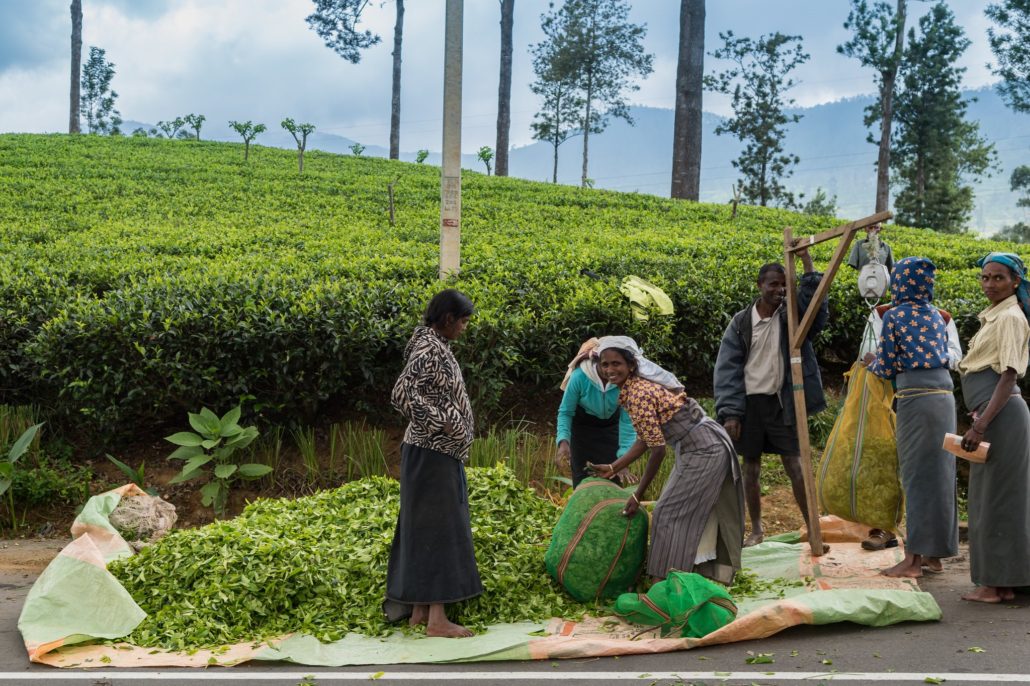
  1. Sri Lanka’s “pro-poor” health system covers all Sri Lankans. The government enacted the Free Health policy in 1951. The public healthcare system is state-funded and its facilities are accessible to all citizens. The system covers approximately 50% of outpatient services and 90% of inpatient services. Preventative services are free.
  2. Sri Lanka has the lowest maternal mortality rate in South Asia. The country made massive strides toward improving maternal and child health through the extensive use of professional midwives. In 2014, a skilled health profession attended 99.95% of births. Maternal mortality rates have dropped drastically from 56 deaths out of 100,000 live births in 2000 to 36 deaths out of 100,000 live births in 2017.
  3. Sri Lanka’s health ministry has established a strong surveillance system to monitor intractable diseases. The country is diligent in educating healthcare providers and the general public. Widespread accessibility to clinics and hospitals that provide readily available diagnostic testing and treatments has allowed the country to successfully eliminate diseases such as polio, measles and malaria. The country also eradicated vertical transmission of syphilis and HIV in 2019.
  4. The World Health Organization recommends that countries have a ratio of 2.5 health professionals to 1,000 patients. Although Sri Lanka has met this recommendation with one doctor and two nurses per 1,000 patients, the country has an extreme shortage of trained specialists like dentists, cardiologists and oncologists. The workforce distribution is uneven with a concentration of professionals in urban areas leaving rural hospitals understaffed.
  5. The government secures medication, but not enough to meet patient needs. The State Pharmaceutical Corporation purchases medication in bulk. Because most medications are free for patients, supply often experiences strain. The government prioritizes medications deemed essential while other medications that treat non-contagious chronic diseases are consistently in limited supply.
  6. Non-communicable chronic diseases such as diabetes, cancer and cardiovascular diseases are on the rise. These chronic diseases become more prevalent as Sri Lanka’s population rises. The limited supply of medications and medical specialists to address these diseases reduce the chances of patients receiving the care that they need.
  7. Sri Lanka frequently suffers from dengue outbreaks due to its tropical climate. Risk of dengue peaks from October to December and from May to July. In February 2020, the country’s Epidemiology Unit reported 11,352 cases, double the number of cases in 2019.
  8. The country faces a “double burden” of undernutrition and obesity. Stunting in children under 5 years old has stagnated since 2000, hovering between 15% and 19%. Income inequality causes unequal access to food, and many families in rural areas experience food insecurity and malnutrition. Around 45% of adult women, predominately wealthier and living in urban areas, are overweight or obese, a two-fold increase from 2006.

Solution

While it is important to celebrate the country’s successes, there are still aspects that need support. Widespread access to healthcare has increased the life expectancy of the general public but added pressure to a fragile system. The state must do more to close the gaps and improve healthcare in Sri Lanka.

In 2018 the World Bank partnered with the Sri Lankan government to develop a plan to address the gaps in the system. The World Bank supported the project with a $200 million financing from the International Development Association. There needs to be a strengthening of multiple facets of the system: financing, pharmaceuticals procurement and human resources.

There have been massive improvements to healthcare in Sri Lanka. Maternal and child healthcare have improved, emergency care is more robust and treatment for non-communicable diseases is more accessible. Much work remains, but Sri Lanka’s massive strides should receive celebration.

– Jasmine Daniel
Photo: Flickr

July 22, 2020
https://borgenproject.org/wp-content/uploads/borgen-project-logo.svg 0 0 Kim Thelwell https://borgenproject.org/wp-content/uploads/borgen-project-logo.svg Kim Thelwell2020-07-22 15:43:102024-05-29 23:18:068 Facts About Healthcare in Sri Lanka
Developing Countries, Global Poverty, Health

Treating Tuberculosis in Liberia

Tuberculosis in Liberia
As COVID-19 spreads across the world, it is still not the leading cause of death from a single infectious agent. According to the CDC, that title belongs to tuberculosis, a respiratory illness that the bacteria species Mycobacterium tuberculosis causes. It usually targets the lungs but can attack any part of the body. Tuberculosis in Liberia, among other impoverished countries, remains a predominant issue that the country needs to address.

While tuberculosis is largely curable, it can be lethal if left untreated. The disease still affects populations of developing nations due to their lower capacity health care systems. According to the CDC, tuberculosis is the eighth leading cause of death in Liberia. The disease infects over 300 people per 100,000 Liberians.

Poverty in Liberia

 An article in the Lancet explains that tuberculosis is the “archetypal disease of poverty,” remaining prevalent largely in developing nations such as Liberia. Over 90% of the Liberian population lives under the international poverty line of $5.50 per day. Poverty not only makes treatment costs excessively burdensome for many people, but it also contributes to risk factors that further the spread of the infection.

According to Dr. Saurabh Mehta, Associate Professor of Global Health, Epidemiology and Nutrition at Cornell University, conditions that weaken the immune system are risk factors for tuberculosis transmission. These conditions include HIV infection, diabetes and malnutrition, all of which correlate with a lower socioeconomic status.

Dr. Mehta explains that overcrowding is another risk factor that facilitates TB transmission. In a crowded setting, a person infected with tuberculosis has a higher potential to interact with susceptible people.

Both malnutrition and overcrowding could contribute to the impact of tuberculosis in Liberia. One in three Liberian children experience stunting due to malnutrition, and over half of Liberia’s urban population lives in slums. The World Food Program is working to alleviate hunger in Liberia by providing meals in schools, supporting refugees through direct food aid and creating food reserves in food-insecure communities. The World Food Program provided over 66,000 pounds of rice as an initial reserve, which community members can access at a low-interest rate.

Rebuilding Health Care System Capacity

In order to treat tuberculosis in Liberia, the Liberian government needs a robust health system. However, civil war and outbreaks of other illnesses, such as Ebola, have weakened Liberia’s health system leaving fewer than four physicians per 100,000 people.

From 1989 to 2003, a civil war wreaked havoc throughout the nation, killing more than 250,000 people. Because many either died or fled, the number of trained doctors in Liberia declined from 237 to less than 20 by the end of the war.

While training programs that the country established after the war helped increase the number of nurses, Liberia only had a few dozen of its own doctors at the outset of the 2013-2016 Ebola outbreak. Ebola killed 4,809 people and further damaged Liberia’s health systems, among other West African countries. In a few years, the disease killed at least 600 health care workers across Liberia, Sierra Leone and Guinea.

To expand and safeguard its health care system’s capacity, Liberia collaborated with the WHO and other organizations to invest in Ebola treatment units as well as training for over 21,000 health workers.

Multidrug-resistant Tuberculosis Treatment

Drug-resistant pathogens are a serious public health concern globally. As existing medications become less effective, previously treatable illnesses become more deadly.

Over 2.5% of people with tuberculosis in Liberia have a multidrug-resistant form of the illness, making their condition higher risk and their treatment more expensive. Additionally, according to Mehta, treatment for multidrug-resistant tuberculosis is less effective and takes two to four times as long to complete as the treatment for tuberculosis that is not drug-resistant.

Taking an incomplete course of tuberculosis treatment increases the risk that someone could develop multidrug-resistant tuberculosis. This risk would decrease, however, if patients had more affordable treatment options.

The Liberian National Leprosy and Tuberculosis Control Program has worked to expand access to the international standard of care for tuberculosis, DOTS (Directly Observed Treatment Short courses). Although the treatment success rate for those who received treatment was at 80%, less than half of people with tuberculosis obtain treatment.

Tuberculosis Comorbidity with HIV/AIDs

The World Health Organization reports that 53 out of every 100,000 people in Liberia have a particularly lethal combination of tuberculosis and HIV/AIDs. People who have both diseases face a higher risk of their tuberculosis becoming active rather than remaining latent/asymptomatic. This is because HIV/AIDS weakens the immune system. As a result, tuberculosis causes 40% of deaths in HIV/AIDS patients.

While treatment to prevent tuberculosis for HIV/AIDs patients exists, only 21% of HIV positive patients receive such treatment. Expanding access to preventative treatment has the potential to significantly reduce mortality for people with tuberculosis in Liberia who also have HIV/AIDs.

– Tamara Kamis
Photo: Flickr

July 14, 2020
https://borgenproject.org/wp-content/uploads/borgen-project-logo.svg 0 0 Jennifer Philipp https://borgenproject.org/wp-content/uploads/borgen-project-logo.svg Jennifer Philipp2020-07-14 07:30:292024-05-29 23:17:54Treating Tuberculosis in Liberia
Page 11 of 17«‹910111213›»

Get Smarter

  • Global Poverty 101
  • Global Poverty… The Good News
  • Global Poverty & U.S. Jobs
  • Global Poverty and National Security
  • Innovative Solutions to Poverty
  • Global Poverty & Aid FAQ’s
Search Search

Take Action

  • Call Congress
  • Email Congress
  • Donate
  • 30 Ways to Help
  • Volunteer Ops
  • Internships
  • Courses & Certificates
  • The Podcast
Borgen Project

“The Borgen Project is an incredible nonprofit organization that is addressing poverty and hunger and working towards ending them.”

-The Huffington Post

Inside The Borgen Project

  • Contact
  • About
  • Financials
  • President
  • Board of Directors
  • Board of Advisors

International Links

  • UK Email Parliament
  • UK Donate
  • Canada Email Parliament

Get Smarter

  • Global Poverty 101
  • Global Poverty… The Good News
  • Global Poverty & U.S. Jobs
  • Global Poverty and National Security
  • Innovative Solutions to Poverty
  • Global Poverty & Aid FAQ’s

Ways to Help

  • Call Congress
  • Email Congress
  • Donate
  • 30 Ways to Help
  • Volunteer Ops
  • Internships
  • Courses & Certificates
  • The Podcast
Scroll to top Scroll to top Scroll to top