• Link to X
  • Link to Facebook
  • Link to Instagram
  • Link to TikTok
  • Link to Youtube
  • About
    • About Us
      • President
      • Board of Directors
      • Board of Advisors
      • Financials
      • Our Methodology
      • Success Tracker
      • Contact
  • Act Now
    • 30 Ways to Help
      • Email Congress
      • Call Congress
      • Volunteer
      • Courses & Certificates
      • Be a Donor
    • Internships
      • In-Office Internships
      • Remote Internships
    • Legislation
      • Politics 101
  • The Blog
  • The Podcast
  • Magazine
  • Donate
  • Click to open the search input field Click to open the search input field Search
  • Menu Menu

Tag Archive for: The World Health Organization

Posts

Global Poverty

Dengue Fever in Singapore Is on the Rise

Dengue Fever in Singapore Is on the RiseDengue fever is not an uncommon virus, The World Health Organization estimates that there are around 390 million cases of dengue fever annually. The majority of these cases were reported in Asia with only 30% of these cases occurring outside of the continent. In 2019, it is estimated that Asia had 273 million cases of dengue fever. Dengue fever in Singapore has been rising since 2018, however, there has been a sharp increase of reported cases throughout 2020.
Dengue fever is spread by female mosquitoes and is most prominent in tropical areas. The severity of dengue fever can differ largely. In mild cases of dengue fever, the infected person may experience severe flu-like symptoms such as joint pain, fever, vomiting and headaches. However, severe dengue fever is associated with internal bleeding, decreased organ function and the excretion of plasma. Severe dengue fever, if left untreated, has a mortality rate of up to 20%.

Dengue Fever in Singapore

Singapore has experienced many dengue fever epidemics. The most recent epidemic occurred in 2013. It was the largest outbreak in Singaporean history. However, in 2020, Singapore has exceeded the 22,170 dengue fever cases reported throughout the 2013 outbreak. As of July 2020, the number of dengue fever cases reported in Singapore was higher than 14,000. This exceeds the number of cases reported in July during the 2013 outbreak and is almost twice as many cases reported in July 2019.

The National Environment Agency of Singapore reports that the number of cases being reported continues to be on an upward trend, suggesting this may be the worst outbreak of dengue fever in Singapore’s history. Singapore has also reported that there are 610 active dengue fever clusters as of October 3, 2020. A dengue cluster is where there are two or more confirmed dengue fever cases reported in a localized area within 14 days. As of October 5, there were more than 30,800 cases of dengue fever in 2020.

Changes in Dengue Fever

The 2020 outbreak of dengue fever has been driven by the virus serotype DenV-3. There are four major serotypes of dengue fever with DenV-3 being one of the least common. The prevalence of the serotype DenV-3 increased from the beginning of 2019 where nearly 50% of cases were reported to be DenV-3. This means there is lower population immunity, causing higher rates of infection and an increased likelihood of severe dengue fever development.

The typical season for dengue fever in Singapore is from June to October. However, Singapore had a major rise in cases in mid-May 2020, increasing the season length by two to three weeks. The sudden rise in dengue fever in Singapore has been attributed to a decrease in preventative measures due to the lock-down caused by COVID-19. Singapore imposed a lockdown on April 7 to minimize the spread of COVID-19. As a result, more people have neglected taking preventative actions such as removing still bodies of water around their homes to decrease mosquito breeding.

How Singapore Can Stop the Spread

The spread of dengue fever in Singapore can be decreased by mobilizing the Singaporean population to take active measures in preventing mosquito breeding. Removing stagnant water from gardens and gutters will help remove the breeding ground for mosquitoes. Also loosening hard soil and spraying pesticides in dark corners of the home will stop mosquitoes from laying eggs in these areas. The Singaporean government is also urging people to use insect repellent throughout the peak dengue fever season to stop the infection.

The Singaporean government has highlighted that the dengue fever outbreak in Singapore is a major health concern that needs immediate attention. With two significant health concerns, COVID-19 and dengue fever outbreaks occurring simultaneously, preventative measures must be taken to ensure the healthcare system is not overrun. With compliance to the National Environment Agency’s guidelines, the Singaporean people will be able to reduce the number of dengue fever infections.

– Laura Embry
Photo: Flickr

October 7, 2020
https://borgenproject.org/wp-content/uploads/borgen-project-logo.svg 0 0 Kim Thelwell https://borgenproject.org/wp-content/uploads/borgen-project-logo.svg Kim Thelwell2020-10-07 19:24:042020-10-07 19:24:04Dengue Fever in Singapore Is on the Rise
Global Poverty

Healthcare in Kiribati is Steadily Improving

Healthcare in Kiribati
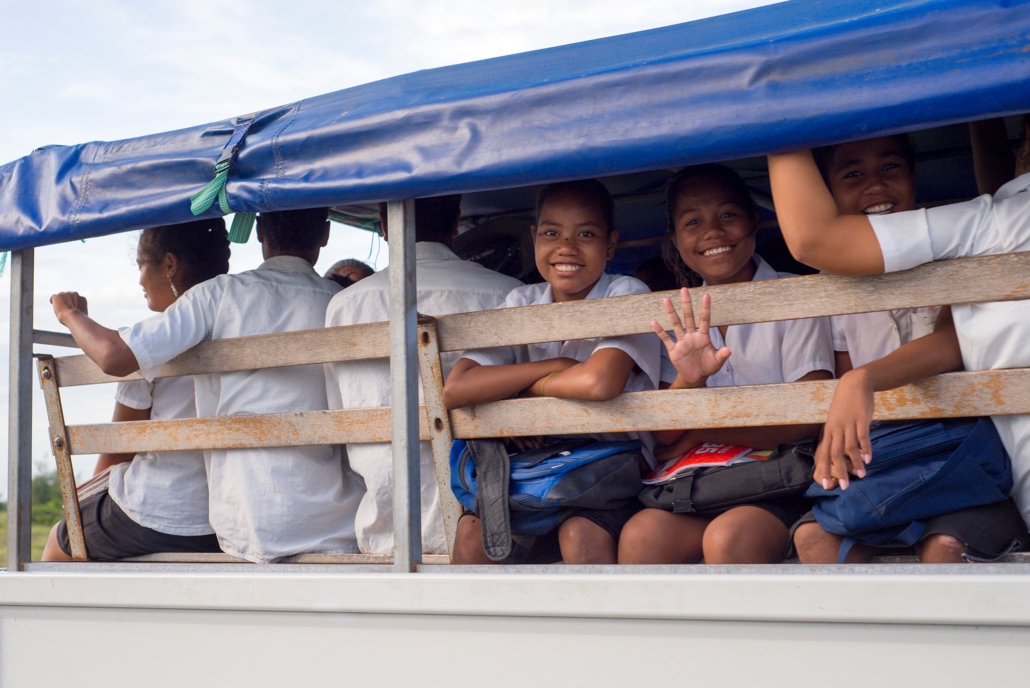
Kiribati is a small island nation in Oceania consisting of 32 atolls, or coral islands. A developing country and former British colony, Kiribati is now home to around 115,000 people. Unfortunately, healthcare in Kiribati is limited and citizens, known as I-Kiribati, suffer from unsafe drinking water and high child mortality rates. But there is a silver lining: healthcare has significantly improved over the past several decades and continues to improve today.

Lingering Healthcare Issues

Lack of access to clean water is one of the largest health issues in Kiribati. Water is largely unsanitary to the point that in 2014, only 67% of I-Kiribati used an improved water source. As a result of this lack of access to clean water, diarrhea and related health issues are common. Only 40% of I-Kiribati had access to adequate sanitation in 2014, exacerbating the clean water issue.

Another major issue is Kiribati’s under-5 child mortality rate, which is 50.9 per 1,000 live births. For comparison, the United States has an under-5 child mortality rate of 6.5 per 1,000 live births. Kiribati’s under-5 child mortality rate is higher than the global average of 39. Fortunately, child mortality rates in Kiribati have been declining for at least 20 years. The under-5 child mortality rate was 95.5 per 1,000 live births in 1990 and has decreased almost every year since then.

A notable portion of adults in Kiribati smoke, a practice known to cause respiratory complications later on in life. The smoking rate of I-Kiribati over the age of 15 was 47% in 2016, down from over 70% in 2000.

The government funds and operates all health services, which are free for citizens. There are only four hospitals in the country, with 30 health centers and 75 clinics scattered among the islands. Although these health centers and clinics offer care for relatively minor injuries and diseases, I-Kiribati have struggled to find proper care for more serious health concerns. Low-quality healthcare has been an issue as well.

The Kiribati-WHO Country Cooperation Strategy 2018-2022

Fortunately, the government is working with the World Health Organization (WHO) to improve access to quality healthcare in Kiribati. Through the Kiribati-WHO Country Cooperation Strategy 2018-2022 (and the preceding 2013-2017 one), the WHO and other partnered organizations send funds to support government-led efforts to improve health systems. According to a database compiled by the International Aid Transparency Initiative, the WHO has directly contributed a total of $2.6 million for 45 projects in Kiribati.

The government’s priorities for this initiative include combating communicable diseases such as tuberculosis and leprosy, which are more common in Kiribati than in any other Pacific country. Additional goals include combating non-communicable diseases and improving the quality, efficiency and accessibility of healthcare. Because the initiative is funding government-led efforts, it will improve health services for the entire Kiribati population.

FSP Kiribati

Local non-governmental organizations are helping to improve living conditions as well. The Foundation of the Peoples of the South Pacific International has a local branch, FSP Kiribati, which has worked in Kiribati for over 20 years. FSP Kiribati partners with other local NGOs and international groups to provide education in areas as wide-ranging as health, civic engagement and sanitation. They teach locals how to cook their produce and help them access clean water, improving their health.

Healthcare in Kiribati has greatly improved due to these efforts. As shown in the data above, the number of people affected by Kiribati’s most significant health issues (child mortality rate, tobacco usage, etc.) has steadily decreased over the past decades. Life expectancy has risen from 60 to 66 years between 1990 and 2015. Kiribati’s health concerns are not inconsequential, but the government has partnered with international groups to improve the situation. The government’s current prioritization of healthcare quality is an important next step.

– Sarah Brinsley
Photo: Flickr

October 6, 2020
https://borgenproject.org/wp-content/uploads/borgen-project-logo.svg 0 0 Jennifer Philipp https://borgenproject.org/wp-content/uploads/borgen-project-logo.svg Jennifer Philipp2020-10-06 15:15:382024-05-30 07:53:03Healthcare in Kiribati is Steadily Improving
Global Poverty

Healthcare in Estonia: A Healthcare System in Progress

Healthcare in Estonia
Estonia is a small country in eastern Europe. Estonia is a former USSR state that gained independence in 1991. As a part of the USSR, Estonia had to rebuild the entire country, including the healthcare system. Healthcare in Estonia has improved since its independence. Though Estonia has come a long way in advancing the quality of its healthcare system, the newly independent country still has a long way to go.

Issues with the Current System

According to the World Health Organization (WHO), Estonia is behind in many aspects of the healthcare system in comparison to the European Union counterparts. Estonia spends almost half of the money on healthcare per capita in comparison to the average in other European Union countries. Estonia’s life expectancy is 2.5 years less than the European average. Also, Estonia has a 13% rate of unmet medical needs while the European average is under 3%.

The lack of adequate healthcare funding causes Estonia to have a shortage of nurses, doctors and enough infrastructure to care for patients. The number of doctors and nurses in Estonia decreases every year because they do not get paid enough. According to Politico, Estonia has lost 141.6 doctors and nurses per 100,000 people between 1998 and 2016, the highest percentage in Europe. With a decreasing number of healthcare professionals, a future where citizens cannot receive the care they need seems imminent.

Another issue troubling the healthcare system of Estonia is the unhealthy habits of Estonia’s citizens. Estonia has a sizeable amount of people who are current smokers, alcohol consumers and overweight or obese. According to WHO, 24% of adults in Estonia smoke daily, 23% binge drink and 20% are obese. With the immense number of people with unhealthy habits and a progressing healthcare system, Estonia struggles to adequately care for the large number of people who develop chronic diseases.

Last, Estonia has one of the highest rates of those without long-term health insurance coverage in the European Union. Because so many people in Estonia do not have long-term health insurance, uninsured people do not get the healthcare they need to prevent and treat diseases.

Estonia’s healthcare system impacts the impoverished significantly more than its upper classes. According to WHO, the percentage of low-income Estonians who are in good health is 34% while the middle class is 51% and the high class is 75%. Also, low-income and educated individuals are more likely to binge drink, over twice as likely to smoke and almost 30% more likely to be obese. Lastly, the lowest education and income group in Estonia is about 50% more likely to have chronic respiratory conditions such as asthma and 40% more likely to have hypertension.

Positive Change

Though there are many issues facing healthcare in Estonia, promising developments in the system have been reported. Estonia recently approved a National Health Plan to run from the years 2020 to 2030. The overall goal of this plan is to improve life expectancy and quality of life. The National Health Plan is to implement three plans to improve the quality of healthcare, promote healthy choices and create a healthy environment.

The Estonian government also approved a bill to increase healthcare spending by 180 million euros on top of the normal funding. The government stated that the additional money will “improve the accessibility of healthcare services and the consistency and quality of care.”

With the implementation of a good deal of new legislation in Estonia, healthcare in Estonia has a promising future.

– Hannah Drzewiecki
Photo: Flickr
October 5, 2020
https://borgenproject.org/wp-content/uploads/borgen-project-logo.svg 0 0 Jennifer Philipp https://borgenproject.org/wp-content/uploads/borgen-project-logo.svg Jennifer Philipp2020-10-05 13:13:002020-10-05 13:13:00Healthcare in Estonia: A Healthcare System in Progress
Development, Global Poverty, Sustainable Development Goals

Updates on SDG 7 in Costa Rica

SDG 7 in Costa Rica
Costa Rica ranks 35th out of 193 countries in the United Nations 2020 Sustainable Development Goal (SDG) Report. This is quite an impressive feat for a Central American nation of just 5 million people. Especially when compared to its southern and northern neighbors — Panama and Nicaragua, which rank 81st and 85th, respectively. While challenges remain for many of Costa Rica’s sustainable development goals, the country is doing a remarkable job of achieving and maintaining SDG 7: Affordable and Clean Energy. SDG 7 aims to “ensure access to affordable, reliable, sustainable and modern energy for all.” Costa Rica is often lauded as one of the greenest nations on Earth and is consistently viewed as a case study in the development and application of renewable energy. Below is a brief update on three components of SDG 7 in Costa Rica, i.e. affordable and clean energy.

Population with Access to Electricity

The latest U.N. estimate finds that 99.6% of Costa Ricans have access to electricity. This is great for not only the government (in their attempt to achieve the SDG 7) but for everyday Costa Ricans who have a steady stream of electricity. Costa Rica is ahead of the curve in the methods that it uses to generate power; 98% of its electricity comes from renewable energy sources. In breaking down this 98% figure into its parts — 72% is hydropower, 16% wind, 9% geothermal and 1% biomass/solar. This virtually universal access to electricity from renewable sources is the basis for providing affordable and clean energy in Costa Rica.

Access to Clean Fuels & Technology for Cooking

Clean cooking fuels and technology are classified by the SDG report as those that lead to fewer emissions and/or are more fuel-efficient. According to the World Health Organization (WHO), kerosene is not a clean fuel. The SDG panel (composed of experts from the WHO, International Energy Agency, World Bank and other prominent organizations) estimates that nearly 3 billion people use “traditional stoves and fuels” which pose risks to human health, the environment and the climate.

Additionally, estimates point to household air pollution as the cause of death for 4.3 million people per year. Costa Rica’s nearly universal access to electricity and its foundation in renewable energy sources affords more than 93% of households access to clean fuels and technology for cooking. In contrast, just over 50% of Nicaraguan homes have access to clean energy and technology for daily cooking. Among Central American nations, Costa Rica leads the way in terms of progressing towards this fully realized, key component of SDG 7.

CO₂ Emissions: Fuel Combustion for Electricity & Heating

Costa Rica is bested in this statistic by only two nations in all of North and South America (Paraguay and Uruguay). While the SDG report lists Costa Rica as “on track” toward reaching zero emissions in this category, Costa Rica’s CO₂ emissions from fuel combustion for electricity and heating are marginally higher than its emissions in 2000. In this regard, SDG 7 in Costa Rica has room for improvement. However, both numbers are still lower than about 90% of all U.N. nations.

A Commitment to Further Progress

Affordable and clean energy in Costa Rica is a shining example of the country’s progress and strengths within its annual SDG report. This is due to Costa Rica’s stunning foundation of renewable energy and its commitment to developing and providing access to cheap, clean and reliable energy to citizens. The Ticos (native Costa Ricans) recognize the need to go even further and are dedicating themselves towards becoming a net-zero emitter by 2050 — with their recent Decarbonization Plan. Costa Rica is a model for countries seeking a shift towards clean energy amid the stark realities of the 21st-century climate situation.

– Spencer Jacobs
Photo: Flickr

October 4, 2020
https://borgenproject.org/wp-content/uploads/borgen-project-logo.svg 0 0 Kim Thelwell https://borgenproject.org/wp-content/uploads/borgen-project-logo.svg Kim Thelwell2020-10-04 08:11:542024-12-13 18:02:12Updates on SDG 7 in Costa Rica
Global Poverty

Sports can Foster Development in Developing Nations

Playing sports can foster development for developing countries
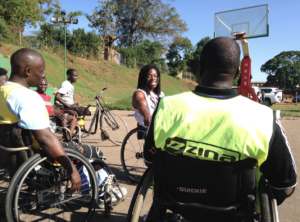
The implementation of sports programs provides children with the opportunity to learn teamwork, participation and leadership qualities. Physical activity also stimulates health improvements and offers children equal opportunities to engage in activities. Large, sports associations also spread awareness of global poverty and extend campaigns to a much greater audience. Therefore, sports can foster development in developing nations.

World Health Organization (WHO)

In 2018, the World Health Organization published a global action plan to increase the amount of physical activity worldwide. WHO plans to create a healthier world by 2030. Their strategy is to deliver various selections of physical activity including sports, recreational activities and walking. WHO specifically wants to create opportunities for women, middle-aged adults and individuals with debilities. Currently, 75% of children and 25% of adults do not satisfy the global standard for physical activity. Exercise is essential for healthcare and the development of a nation. Physical activity has also been confirmed to prevent heart disease, diabetes, cancer and mental health illnesses. Physical activity is important for child development, teaching children numerous lessons and qualities. Therefore, WHO targets to increase the amount of regular physical activity to reduce the amount of premature mortality. The WHO’s physical activity plan will also further aide in the achievement of the Sustainable Development Goals by 2030.

UNICEF

UNICEF has also designed sports programs to protect children from violence, disrupt inequality norms and eliminate limits on participation based on physical capabilities. The nonprofit organization strives for “inclusive sport.” UNICEF believes that sports will bring communities together in a positive setting. Sports also provide children with disabilities the opportunity to recognize their potential.  From 2010 to 2013, the Montenegro government and UNICEF ran an “It’s about ability” campaign. The campaign’s primary goal was to create a more accepting society. At the end of the campaign, Montenegro’s citizens recorded more than a 40% increase in citizen approval of their children being in the same class as a child with disabilities. This newfound acceptance will further benefit Montenegro’s government and economy. Therefore, sports can foster development in developing nations.

NFL Athlete Josh Doctson

Over the past couple of months, the coronavirus has dictated several shutdowns across the globe. The rise in the uncertainty of the virus has influenced several U.S. athletes to skip on this year’s upcoming season. One NFL star, Josh Doctson, has decided to sit-out this season and advocate for the world’s poor. Mr. Doctson plans on visiting several African countries, including Rwanda, in hope that he will raise awareness for the underprivileged. The NFL player’s decision to conduct a humanitarian campaign has attracted a lot of attention thus far and therefore already raised attentiveness for the cause.

Sports Events

Local sports events have the potential to generate employment and incentivize the production of goods and services related to the event. Sportanddev.org reports that marathon events hosted by local communities in Peru create a host of economic opportunities. One race, in particular, generated a manufacturing demand and a surge in tourism activities.

Sports programs have been proven to create safe environments, disrupt societal norms and teach children valuable lessons. If implemented appropriately, sports can foster development in developing nations. Nonprofit organizations, international sports teams and professional players also spread global awareness for poverty and inequality. As sports products become widely available globally, sports programs will begin to be implemented at an increasing rate and further contribute to the health, development and success of a nation’s upcoming generation and their economy.

– John Brinkman
Photo: Flickr

September 23, 2020
https://borgenproject.org/wp-content/uploads/borgen-project-logo.svg 0 0 Kim Thelwell https://borgenproject.org/wp-content/uploads/borgen-project-logo.svg Kim Thelwell2020-09-23 16:45:322024-05-29 23:23:22Sports can Foster Development in Developing Nations
Global Poverty

Healthcare in Cyprus: A Split System

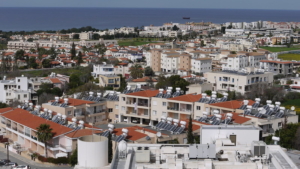
healthcare in cyprusIn the small Mediterranean country of Cyprus, healthcare systems function quite well. Though the World Health Organization recognizes it as being at the same level as that of other developed countries — the Cypriot Ministry of Health has decided to reform it. Here are four things to know about healthcare in Cyprus.

Important Points About Healthcare in Cyprus

Cyprus does not have universal healthcare. Instead, it is a system that is split between a private and a public sector. This, in turn, causes an imbalance. In the public system, “Entitlement to receive free health services is based on residency and income level.” Patients must endure long waiting lists for several services — a problem that has only worsened, recently. According to Cypriot Minister of Health Dr. Androulla Agrotou, “the majority of the population has the right to a free of charge access to public health services while the remaining population must pay per fee schedules set by the Ministry of Health.”

The private system is largely unregulated and financed out-of-pocket by entrepreneurs and voluntary health insurance providers. Moreover, the private system has a surplus of expensive medical technology that often goes underutilized. It also experiences staffing issues, problems with the quality of services and developing health facilities. According to Dr. Agrotou, the lack of a unifying base between the private and the public sector causes “a significant disequilibrium.”

Recent reforms

Despite the aforementioned flaws, the Cypriote Ministry of Health has recently unveiled a new, more comprehensive healthcare system in 2015. The title of the new system is — the General Health Insurance System (GHIS). It aims to provide universal coverage within many areas of the health system. In this same vein, the new healthcare system plans to provide more autonomy to and better management of public hospitals. To do this, GHIS will merge public and private health resources to introduce “information technology systems” and involve patients and the public “in developing and designing services.” In early 2019, the process of giving public hospitals more autonomy began and it aims to finish implementing the reforms in June 2020.

Where Healthcare in Cyprus Currently Stands

Healthcare in Cyprus is considered comparable to that of the U.K. or the U.S. It has made significant progress in disease prevention, as well as surveillance and control mechanisms. Notably, the indicators for life expectancy at birth are at about 75 and 80 years — for men and women, respectively. Other indicators, such as infant mortality and incidence of communicable diseases are also quite low, and “rank Cyprus in high positions in E.U.-wide and international comparisons” says Dr. Agrotou.

Future Outlook

In conclusion, though Cyprus lacks a universal healthcare plan, it is in the process of reforming its system to provide universal coverage to its citizens. Despite the split between the private and public systems, the current system is good enough as some considered it to be a high-quality service provider. However, despite this promising status, the Cypriot government is not settling for “good enough;” and valiant efforts to further improve healthcare in Cyprus are now underway.

– Mathilde Venet
Photo: Flickr

September 21, 2020
https://borgenproject.org/wp-content/uploads/borgen-project-logo.svg 0 0 Kim Thelwell https://borgenproject.org/wp-content/uploads/borgen-project-logo.svg Kim Thelwell2020-09-21 06:54:502020-09-21 06:54:50Healthcare in Cyprus: A Split System
Global Poverty, Technology, United Nations

UN Agencies Launch Tech Access Partnership

Tech Access PartnershipScience, technology and innovation are critical factors that contribute to socio-economic development. They are the engines of economic mobility in advanced countries and allow these regions to respond to dynamic challenges, with greater ease. However, a global, digital divide exists between developed and developing countries. This divide is caused by differences in access to technology and the infrastructure that supports it. Moreover, the digital divide has far-reaching implications beyond just a particular society’s relationship with communication technology and internet coverage. A lack of digital access also hinders access to medical technology, industrial and operational technology and production capability. Below is more information about an exciting initiative called the Tech Access Partnership which aims to address the core of the issue.

A Need Emerges

Following the outbreak of the COVID-19 pandemic, demand for personal protective equipment (PPE) and advanced medical devices increased, sharply. Yet, countries with limited production capability were unable to distribute the necessary resources, due to limited technical knowledge, shortage of manufacturing facilities and insufficient compliance with state regulations. These local deficiencies highlighted the urgent need to fill the gap in the production capabilities of underdeveloped regions. Through addressing these local deficiencies, these regions would enable themselves to respond effectively to the crisis and meet their citizens’ needs.

Thinking Long-Term

The Tech Access Partnership (TAP) is the United Nations Technology Bank’s latest collaboration involving the U.N. Development Program, U.N. Conference on Trade and Development and the World Health Organization. The program launched in May of 2020 to increase the production of essential, life-saving medical technology through technical expertise and market integration. By providing training and resources to developing countries, TAP hopes to create sustainable operations as opposed to temporary solutions, to bolster long-term production.

The Tech Access Partnership

The Tech Access Partnership has three main functions. First, it provides emerging manufacturers with design specifications, product information and technical knowledge to increase production capabilities. Second, the partnership also offers guidance regarding market information and production regulations. Furthermore, the scope of the project continues with providing technical support to tackle issues that arise during manufacturing processes, itself. Third, the organization acts in a partnership development capacity  by forging partnerships with private sector companies and global organizations alike. This aim is to provide expertise, optimize production and accelerate distribution.

Technology Access in a COVID-19 Era

In the past, inequalities in the field of technology have had an impact on educational attainment and opportunities for youth. Today, they pose an increased challenge — technology is a crucial component of the response to the COVID-19 pandemic. Without access to life-saving medical technology and protective equipment, developing countries are unequipped for responding to the devastating impacts of the virus. By providing these countries with the resources and expertise to produce these items themselves, TAP promotes self-sufficiency that can speed up the path to recovery. TAP’s mission of creating equity in the field of medical technology is crucial to the pandemic response. By expanding the skills and capacity of local manufacturers, the initiative will accelerate technical innovation in the long term. This, in turn, may open the doors to improved public health and steady economic growth, in the long-term.

– Sylvie Antal
Photo: Flickr

September 15, 2020
https://borgenproject.org/wp-content/uploads/borgen-project-logo.svg 0 0 Kim Thelwell https://borgenproject.org/wp-content/uploads/borgen-project-logo.svg Kim Thelwell2020-09-15 02:16:532020-09-15 02:16:53UN Agencies Launch Tech Access Partnership
Global Poverty, Water, Water Sanitation

Providing Water Services To the Poor

Water Services to the Poor
Water services to the poor are severely lacking around the globe. The World Health Organization estimates that 2.1 billion people lack access to safely managed drinking water services. Moreover, more than twice as many people lack safe sanitation. Consequently, 361,000 children less than the age of five die from diarrhea, every year. Of the people who do not have safely managed water, 844 million do not even have basic drinking water services. These conditions compel 263 million people to collect water from sources far from home — a process that takes over 30 minutes per trip. A further 159 million people still drink untreated water from surface water sources, such as streams or lakes.

At the current pace, the world will fall short of meeting the United Nations’ Sustainable Development Goal (U.N. SDG) of universal and equitable access to safe and affordable drinking water for all by 2030. Accelerating efforts to meet this goal will cost as much as $166 billion per year for capital expenditures alone. It seems that to achieve this U.N. SDG, something must change and soon.

A New Funding Approach

Private finance could play an important role in expanding access to improved, reliable water services to the poor. However, most providers that serve the poor are not privately financeable in their present state and will continue to require subsidies. Hence, development assistance and philanthropic funds are of utmost importance to protect the global poor.

A global funding model, known as a conceptual Global Water Access Fund (GWAF), has been established in other sectors to raise additional funds for targeted interventions. It pools resources in a way that provides incentives for access and utility performance for poor households.

This method is tried and tested. Gavi, the Vaccine Alliance, received $15 billion in pledges and yielded a net increase in funding. Unitaid, an organization that accelerates access to high-quality drugs and diagnostics in developing countries, generated more than $1 billion through a levy on airline tickets.

Investments in the poor are often perceived as having low or even negative returns. Therefore, pro-poor utilities face challenges entering financial markets. This also explains why profitable utilities are hesitant to expand their services to the global poor. GWAF changes this by bridging the funding gap and placing pro-poor utilities in stronger positions to attract capital for further service investments.

Making Individual Change

Though funding seems like a larger issue, there are ways for individuals to support clean water for all. Many nonprofits focus on bringing clean water services to the poor. Here are three organizations that are dedicated to the proliferation of clean water services to the world’s poor.

3 Nonprofits Tackling Global Water Services for the Poor

  1. Pure Water for the World works in Central American and Caribbean communities. The organization aims to provide children and families with the tools and education to develop sustainable water, hygiene and sanitation solutions. They directly connect fundraising dollars with impact, which immediately helps potential supporters see how their donation or peer-to-peer fundraising campaign will make a difference for the people they serve.
  2. Blood:Water is another nonprofit that works to bring clean water and HIV/AIDS support to over 1 million people. They partner with African grassroots organizations to make a change in 11 countries. Blood:Water works to provide technical, financial and organizational support to grassroots organizations. In this vein, they aim to help strengthen their effectiveness in their areas of operation.
  3. Drop in the Bucket’s mission is another organization that works towards water sanitation. They build wells and sanitation systems at schools throughout sub-Saharan Africa, enabling youth to fully harness the life-changing power of education. They teach the importance of clean water, hands and living spaces. Furthermore, the organization encourages girls to go to school, instead of spending hours fetching water.

Remaining on Track

Although sustainable development goals seem a difficult achievement to reach, innovative techniques such as GWAF and individual efforts through donations take steps in the right direction in ensuring water services to the poor. With nonprofit organizations such as the aforementioned as well as assistance from international organizations and governments like, there is still hope in reaching the U.N. SDGs.

–Elizabeth Qiao
Photo: Pixabay

September 14, 2020
https://borgenproject.org/wp-content/uploads/borgen-project-logo.svg 0 0 Kim Thelwell https://borgenproject.org/wp-content/uploads/borgen-project-logo.svg Kim Thelwell2020-09-14 08:03:212024-05-29 23:23:09Providing Water Services To the Poor
Developing Countries, Global Poverty

3 Agencies Improving Road Safety in Developing Countries

road safety in developing countries
When people help developing countries — they usually support policies that provide food, medicine and machines that will prevent malnourishment. Perhaps all to ease the transition into a stable society. All those efforts certainly benefit people, as 50 million fewer children around the world are malnourished compared to 20 years ago. Yet, the sometimes overlooked policy area of improving road safety in developing countries is also very important.

Lesser Income Countries Are Most Affected

Even if we save the world from malnourishment — it would not help the 1.35 million that fall victim to road accidents, every year. Also, 93% of road fatalities occur in middle or low-income countries, which impedes growth and hurts regions already suffering from other effects of poverty. International agencies around the world are proposing solutions to stop preventable deaths due to traffic accidents. Here are three agencies working to improve road safety in developing countries and thus — save lives with tried and true methods.

3 Agencies Improving Road Safety in Developing Countries

  1. WHO: The World Health Organization within the United Nations is primarily responsible for informing and organizing information about health-related issues, such as road safety in developing countries. In 2017, they released a guidebook for governments called Save LIVES, which outlines ambitious goals, such as reducing accident fatality by 50% by 2020. While the data is not yet available for 2020 — it may have happened, if only because of the coronavirus pandemic. Save LIVES suggests mitigation strategies as well, like lowering and enforcing speed limits. For instance, lowering the speed limit by just 1% holds the potential to reduce fatal crashes by 4%.
  2. Bloomberg Initiative for Global Road Safety (BIGRS): This philanthropic organization, funded by the Bloomberg financial company, uses evidence-based approaches to increase road safety in developing countries. They started in some of the hardest-hit countries in their pilot program. E.g., Cambodia, Mexico and Vietnam. In Ho Chi Minh City, Vietnam, BIGRS focused on reducing drunk driving through a combination of advertisements and increased enforcement as well as improving the existing transit system. As both efforts reduced deaths, Bloomberg has since expanded its efforts to other countries and is currently trying other approaches. For instance, working with manufacturers directly to make airbags and seatbelts standard, across the world.
  3. Global Alliance of NGOs for Road Safety: While this group does not directly build better roads or encourage legislation — it does organize and compile data from other NGOs. On the website are many articles about the impacts of those nonprofits. For example, ASIRT Kenya encouraged the creation of Nairobi Metropolitan Services in the neighboring country, to make journeys to school easier. Les Ambassadeurs de la Sécurité Routière (ASR) in Tunisia created a summer of road safety to encourage drivers and passengers to wear seatbelts and motorcycle helmets. Through a media campaign, they hoped to reduce road deaths by approximately 40%.

Road Safety and Poverty?

These organizations use many of the same solutions — encouraging people to wear seatbelts, increasing enforcement and decreasing speed limits. All of these efforts are for the same end goals of road safety in developing countries. Reducing traffic deaths has many benefits that people may not initially realize and can directly reduce poverty. The GDP growth of many developing countries could happen faster if they did not have the burden of losing citizens to the roads. An estimate by the WHO states that developing countries miss out on 7–22% of their potential GDP increase, because of such deaths. Countries with higher productivity (measured by GDP) tend to have less poverty because they can participate more in international trade. These countries also tend to produce more resources like food and medicine.

With safe roads both coming from and encouraging a greater GDP, impoverished people can continue their ascent out of poverty as road safety in developing countries and GDP simultaneously improve.

– Michael Straus
Photo: Flickr

September 11, 2020
https://borgenproject.org/wp-content/uploads/borgen-project-logo.svg 0 0 Kim Thelwell https://borgenproject.org/wp-content/uploads/borgen-project-logo.svg Kim Thelwell2020-09-11 22:06:552020-09-11 22:06:553 Agencies Improving Road Safety in Developing Countries
Global Poverty, Health

Positive Developments for Deaf People in Sub-Saharan Africa

deaf people in sub-saharan africaThe World Health Organization (WHO) reports that currently, 466 million people live with a hearing disability. This number is predicted to increase substantially in the coming years. WHO forecasts that by 2050, around 900 million people will be diagnosed with a hearing disability. Hearing loss can come as a result of many medical issues, such as overexposure to loud noise, ear infections, ototoxicity from medications and other general infections to the body. However, experts believe that the rise in hearing-impaired disabilities results from aging populations instead of infections. Deaf people in sub-Saharan Africa are no exception to this trend.

WHO reports that sub-Saharan Africa is one of the regions most affected by hearing-impaired disabilities, with four times more cases than high-income countries. In the past, Deaf people in sub-Saharan Africa have lacked equal opportunity to participate in society, particularly in education and employment. Thankfully, multiple countries are taking steps to improve the lives of Deaf people in sub-Saharan Africa.

Uganda

Uganda’s 1995 constitution prohibits discrimination based on disability. Uganda is also one of only a few countries to recognize Sign Language in its constitution. To further support citizens with a disability, the country passed The Persons with Disabilities Act. This law protects those with disabilities and provides a 15% tax reduction for private employers who have 10 or more persons with a disability on their full-time payroll.

Gallaudet University, the leading private university to educate Deaf and hard of hearing students, reports multiple Deaf organizations in Uganda. These include Deaf Link Uganda, an organization that financially supports Deaf entrepreneurs and business owners who struggle with socio-economic equality. Additionally, SignHealth Uganda is an NGO that works to provide equitable and necessary social services for Deaf men, women and children.

Following Uganda’s lead, other countries have begun to adopt anti-discrimination laws to protect Deaf people. For example, shortly after the passing of the Ugandan legislation, Togo drafted government regulations that prevent disability discrimination and promise to provide training, rehabilitation, counseling and employment to all who qualify. Togo now also recognizes Sign Language as the official language of Deaf people and has created a governmental committee that will consider Deaf and hearing-impaired disability aid during policy development.

South Africa

In South Africa, the population of Deaf and hard of hearing citizens reaches around 4 million. Like Uganda, South Africa also has anti-discrimination policies in place to protect those with a disability. South Africa mandates that a Sign Language interpreter be available for major events to ensure that communication accommodations are provided to all. Deaf culture is rather established in this country due to its prioritization of awareness and equity. Established as a National Language Unit in 2001, South African Sign Language (SASL) is the household language chosen by Deaf people in the region.

Naming September the National Month of Deaf People, South Africa has made it a priority that Deaf people be given the same opportunities and advantages as any other person, especially in education. The South African sector of the National Institute for the Deaf offers students the ability to gain workforce experience and interact with people of their culture in a new environment through student internships and practical work. Additionally, the Carel du Toit Center, a school in Cape Town, offers the Children Hear and Talk (CHAT) program, which acts as an early intervention method. The school offers weekly sessions for parents to discuss language exposure in everyday life, as well as sessions for younger children to get a head start on their education. Carel du Toit employs more than 60 professionals to work with students on speech training and communication in a natural setting.

South Africa has also made progress in technological advancements aimed at helping Deaf and hard-of-hearing people. In 2019, South African medical specialist Mashudu Tshifularo completed the first-ever successful middle-ear transplant using a 3-D printer. This breakthrough could prove to be a long-term solution for damage-caused deafness. Tshifularo’s procedure will be safe for people of all ages, including newborns. The minister of South Africa’s Department of Health stated that Tshifularo will “get all the help he needs” moving forward in this positive development for Deaf people in Sub-Saharan Africa.

Nigeria

Nigeria has focused on educational improvements in supporting its Deaf citizens. The Total Communication method, implemented by the Hands and Voices organization in Nigeria, is a Deaf and hard of hearing instructional approach that provides each student with a range of nonverbal communication tools. The Total Communication program works to offer communication options to allow language development for every child’s specific needs. Paralinguistics presented through the Total Communication method include formal sign language as well as finger-spelling, body language, natural gestures and facial expressions that can then be paired with spoken language comprehension if the child or parent so chooses. This program has become the primary mode of instruction for Deaf students in Nigeria.

Like South Africa, Nigeria offers Deaf students real-world learning opportunities and internships in preparation for life after school. Ibadan University in Nigeria was the first to create a Department of Special Education, while Jos University offers high-quality training for educators of the Deaf. Both universities recognize two languages for Deaf people in Nigeria, Hausa and Yoruba, both of which are the established sign languages in their respective regions.

Kenya

Of the 10% of Kenyans who have a disability, 3 million struggle with unemployment. Thankfully, workplace equality for the Deaf people of Kenya has grown substantially in the past decade. Kenya’s Disability Act of 2003 requires 5% of jobs to be given to citizens with a disability. Recognizing the stigma against hiring a Deaf person, the Pallet Cafe in Nairobi exclusively hires Deaf wait staff. Each server wears a shirt with #IamDeaf on the back and works with customers through sign language or other methods of nonverbal communication. The Pallet Cafe allows its Deaf waiters to be comfortably integrated into society by interacting with non-disabled people and helping them find empowerment in their employment.

To promote accessibility for its Deaf citizens, Kenya’s National Council for People with Disabilities has created a four-year education plan for public sector workers to learn and understand sign language. Kenya’s National Association of the Deaf aids Deaf Kenyans through rehabilitation, accessibility, training and employment. Unlike some other countries, however, Kenya has also taken physical action to address the needs of citizens with a disability by leveling pavements and ensuring accessibility to elevators and restrooms. In this way, Kenya supports the lives of Deaf people in sub-Saharan Africa.

Part of further efforts to diminish the stigma around Deaf and hard of hearing people, the documentary “Deaf Role Models in Africa” was created in 2014. The documentary highlights Deaf Kenyans’ accomplishments to prove that children with disabilities have the same intellect and potential as children without a disability. The short film discusses the need for a proper and well-funded education so that Deaf and hard of hearing children can succeed in their adult lives and continue to contribute to their country in new and inspiring ways.

Moving Forward

Progress in opportunities and education for Deaf people in sub-Saharan Africa may have been slow-moving in the past, but these countries are working hard to make sure their citizens with disabilities are represented and supported. These positive developments for Deaf people in Sub-Saharan Africa go beyond just accessibility in the workforce by promoting integration into a stigma-free society.

– Alexa Tironi
Photo: Flickr

September 11, 2020
https://borgenproject.org/wp-content/uploads/borgen-project-logo.svg 0 0 Jennifer Philipp https://borgenproject.org/wp-content/uploads/borgen-project-logo.svg Jennifer Philipp2020-09-11 07:34:392024-05-29 23:22:57Positive Developments for Deaf People in Sub-Saharan Africa
Page 10 of 17«‹89101112›»

Get Smarter

  • Global Poverty 101
  • Global Poverty… The Good News
  • Global Poverty & U.S. Jobs
  • Global Poverty and National Security
  • Innovative Solutions to Poverty
  • Global Poverty & Aid FAQ’s
Search Search

Take Action

  • Call Congress
  • Email Congress
  • Donate
  • 30 Ways to Help
  • Volunteer Ops
  • Internships
  • Courses & Certificates
  • The Podcast
Borgen Project

“The Borgen Project is an incredible nonprofit organization that is addressing poverty and hunger and working towards ending them.”

-The Huffington Post

Inside The Borgen Project

  • Contact
  • About
  • Financials
  • President
  • Board of Directors
  • Board of Advisors

International Links

  • UK Email Parliament
  • UK Donate
  • Canada Email Parliament

Get Smarter

  • Global Poverty 101
  • Global Poverty… The Good News
  • Global Poverty & U.S. Jobs
  • Global Poverty and National Security
  • Innovative Solutions to Poverty
  • Global Poverty & Aid FAQ’s

Ways to Help

  • Call Congress
  • Email Congress
  • Donate
  • 30 Ways to Help
  • Volunteer Ops
  • Internships
  • Courses & Certificates
  • The Podcast
Scroll to top Scroll to top Scroll to top