• Link to X
  • Link to Facebook
  • Link to Instagram
  • Link to TikTok
  • Link to Youtube
  • About
    • About Us
      • President
      • Board of Directors
      • Board of Advisors
      • Financials
      • Our Methodology
      • Success Tracker
      • Contact
  • Act Now
    • 30 Ways to Help
      • Email Congress
      • Call Congress
      • Volunteer
      • Courses & Certificates
      • Be a Donor
    • Internships
      • In-Office Internships
      • Remote Internships
    • Legislation
      • Politics 101
  • The Blog
  • The Podcast
  • Magazine
  • Donate
  • Click to open the search input field Click to open the search input field Search
  • Menu Menu

Tag Archive for: The World Health Organization

Posts

Disease, Global Poverty, Sanitation, Water

The Carter Center and Guinea Worm Disease

Guinea Worm Disease
“[I want the] last guinea worm to die before I do.” Jimmy Carter may soon get his wish. The former President of the United States has spent the last 30+ years on a number of humanitarian missions through his namesake nonprofit—The Carter Center—but people may undoubtedly see one particular mission as ranking among its magna opera. That mission is to eradicate Guinea worm disease (GWD), and frankly, those worms are unpleasant at best.

What is Guinea Worm Disease?

GWD is a parasitic infection in which extremely small worms enter the human body through contaminated water, leading to crippling, painful blisters about a year later when the matured female worm emerges. It has been infecting people since ancient times, and in the mid-1980s, an estimated 3.5 million cases existed across at least 20 countries, including 17 in Africa. In 2019, however, there were only 54 cases in humans.

Success in Reducing GWD

This is thanks largely to the efforts of The Carter Center, in partnership with the World Health Organization (WHO) and UNICEF. This partnership has been leading the charge against the disease both in introducing preventative measures in hotspots on the ground in Africa and by raising awareness in the developed world since 1986. Since no vaccine or other modern treatment exists for Guinea worm disease, The Carter Center’s strategies most often include working with health ministries and community-based volunteer groups in order to stop the spread of GWD and bring attention to it via health education.

The attention is important because of the rapid ability of the disease to spread. One missed case can lead to 80+ new infections over one year and delay a country’s ability to control the disease for just as long. This is partly why the WHO has strict criteria when assessing the disease in a given area.

When Can One Consider a Country Free of GWD?

A country must have zero new cases for at least three years for it to receive a declaration of being free of GWD. Despite the rigorous criteria, some countries continue to encounter problems confronting the disease. Chad, for example, has reported almost 2,000 infections in dogs in 2019—a testament to the disease’s stealth and endurance over the years.

In fact, “years” may be an understatement—GWD has emerged in Medieval Middle Eastern and Ancient Egyptian texts under a variety of labels, with some Egyptian mummies even showing evidence of the worm’s presence in their remains. The Old Testament even refers to it as a ‘fiery serpent’ (citing the on-fire feeling when the creature emerges through the skin).

The Correlation Between GWD and Sanitation

In more recent years, the disease received highlight in the early ‘80s as an international threat to clean water—which is where the fight to eliminate the disease originated. Even today, GWD exists primarily in countries—notably Chad and Ethiopia—that consistently rank among the poorest in the world (and are thus most lacking in access to clean water).

The Carter Center has sought to combat this shortfall as well, specifically by introducing a straw-like pipe filter that allows people in affected countries to drink from any water source without fear of contamination.

The eradication of the disease would mean the end of widespread, debilitating illness across several predominantly African nations. Although the fight has gone on for decades, the organizations working to eliminate it now say that the end is in sight. Even Jimmy Carter made his wish—that GWD would go before him—as he was battling cancer a few years ago.

Now, the eradication of all diseases of this sort will be the target of the U.S.’s End Neglected Tropical Diseases Act, which entered into law earlier in 2020. The goal of the act is to facilitate and coordinate an effective, research-based international effort to end neglected tropical diseases, such as GWD, with special emphasis on impoverished nations.

If the world meets international goals, GWD would become the second human disease (behind smallpox) and the first parasitic disease to experience eradication. It would also be the first disease to disappear without the use of a vaccine or medicine.

– Bardia Memar
Photo: Flickr

November 27, 2020
https://borgenproject.org/wp-content/uploads/borgen-project-logo.svg 0 0 Jennifer Philipp https://borgenproject.org/wp-content/uploads/borgen-project-logo.svg Jennifer Philipp2020-11-27 20:21:492024-05-30 07:55:45The Carter Center and Guinea Worm Disease
COVID-19, Global Poverty

Increasing Resources for Mental Health in Turkey

Mental Health in Turkey
Turkey is a country with a population of 82 million that is situated in both the continents of Europe and Asia. Turkey has held eight elections in the last five years, endured a failed coup attempt, transitioned to an executive presidential system and has a struggling economy. Inflation has risen as well as unemployment in recent years. Turkish psychologist Ahmet Özcan has said that people have suffered from social isolation and shown symptoms of post-traumatic stress disorder and anxiety due to political polarization and violence. Despite the need, mental health in Turkey has lacked resources and care options.

Statistics Regarding Mental Health Care in Turkey

The World Health Organization (WHO) stated that in 2011:

  • About 2.13 psychiatrists per 100,000 people were available.
  • About 1.62 psychologists per 100,000 people were available.
  • Approximately 0.76 social workers per 100,000 people were available.

To put these statistics in perspective, European countries have a significantly higher ratio of mental health care professionals.

  • Finland has 47 psychologists per 100,000 people.
  • The Netherlands has 30 psychologists per 100,000 people.
  • Greece has 14 psychologists per 100,000 people.
  • Denmark has 10 psychologists per 100,000 people.

Mental Health Services Decline Worldwide During COVID-19

Since the outbreak of COVID-19, the world has seen a decline in mental health. The effects of bereavement, isolation, rising poverty and fear are causing an increase in substance use, insomnia and anxiety as well as triggering mental health conditions. A World Health Organization survey from June to August 2020 evaluated how mental, neurological and substance use services have changed throughout COVID-19, which services the pandemic has disrupted and how countries are adapting to these adverse challenges. The results showed an overwhelmingly high disruption of mental health services in the 130 countries that participated in the survey including:

  • Reports of 67% disruptions to counseling services.
  • Reports determining 65% disruptions to critical harm reduction services.
  • Statements of 60% disruptions to mental health services for vulnerable people.
  • About 78% partial disruptions to school mental health services.

Fighting the Toll on Mental Health in Turkey with Hotlines and Online Counselling

A study determining depression and related factors in a society that COVID-19 affects found that in Turkey, the pandemic has caused mild-level depression across all socio-demographic groups. However, the results of the study also concluded that depression levels were significantly higher in the 18-29 year age group, women, single people and those living in poverty.

While many high-income countries have tried to mitigate the reduction in mental health services and increasing mental health problems with telemedicine or teletherapy, less than 50% of low-income countries have reported deploying these tactics.

Turkey is one low-income country that stands out in its effort to provide easy access to teletherapy from the increased anxiety, fear and negative feelings due to COVID-19. After March 2020, the government launched psycho-social support programs in every province. Turkey set up hotlines to address the various emotional impacts of COVID-19, as well as psychiatric guides for health care workers under risk of infection. There are more than 2,200 volunteers for the hotline, including psychiatry experts, social workers and health professionals from non-governmental organizations. The hotline has served more than 2,000 people according to professor Ejder Yıldırım, a director of the program. The system is set up so hotline workers make three calls to applicants at the first stage of therapy. In the second stage, hotline workers make around five calls over a period of five weeks to follow-up with patients.

The Coronavirus Online Mental Support Program

In Istanbul, Turkey’s most populated city, the local health authority has launched a Coronavirus Online Mental Support Program in addition to the hotline. As of August 2020, more than 1,100 people have used the online support system during the pandemic for issues related to COVID-19, natural disasters and crises.

While the world struggles to deal with the emotional and psychological impact of COVID-19, mental health in Turkey has highlighted the importance of having readily available resources in mental health care, especially in low-income countries.

– Charlotte Severns
Photo: Flickr

November 27, 2020
https://borgenproject.org/wp-content/uploads/borgen-project-logo.svg 0 0 Jennifer Philipp https://borgenproject.org/wp-content/uploads/borgen-project-logo.svg Jennifer Philipp2020-11-27 11:35:312024-05-30 07:55:46Increasing Resources for Mental Health in Turkey
COVID-19, Global Poverty, Refugees

5 Successes of Canada’s Foreign Aid

Canada’s Foreign Aid
In 2019, the last year Canada released a complete set on Canada’s foreign aid budget and distribution, its budget increased by 4.9% from the previous year to $4.6 billion. The top five countries that Canada distributed aid to were Ethiopia ($203 million CAD) followed by Bangladesh ($199 million CAD), Afghanistan ($197 million CAD), Syria ($150 million CAD) and Mali ($140 million CAD). Canada has consistently taken part in providing foreign aid during this time period when global health is almost an unavoidable topic and has been one of many countries to step forward to combat the pandemic. Here are five successes of Canada’s foreign aid.

5 Successes of Canada’s Foreign Aid

  1. COVID-19: Since the start of the COVID-19 pandemic, Canada has not only helped fight the virus globally by limiting case counts in its own country, but also by providing funding to vital health organizations and countries. For example, the Canadian government has provided $2 million to the World Health Organization (WHO) to assist with vulnerable countries’ preparation plans. Additionally, Canada has further committed $50 million to the WHO, continuing to help with global health efforts surrounding the effects of COVID-19. Canada has also provided China with 16 tonnes of personal protective equipment to help squash the outbreak at the epicenter. Finally, the government is also collaborating with international health regulators like the European Medicines Agency and the United States Food and Drug Administration to find suitable countermeasures to the virus and help vaccine development.
  2. Global Poverty Reduction: Canada’s foreign aid has also gone toward global poverty reduction over the last 30 years. For example, Canada launched the Development Finance Institution as part of Export Development Canada with the aim of increasing private sector investment in developing nations. The government committed $300 million toward this program and the private sector funding will prioritize initiatives in the private sector to back women and youth-led movements. The Canadian government is also trying to create more responsive programs like challenges, micro-funding and other incentive-based funding schemes.
  3. International Disarmament Efforts: Canada also uses its foreign aid in a leadership capacity to guide international disarmament efforts. The country made these strides following the 2001 9/11 attacks that sent shockwaves around the world. For example, Canada was one of the founding members of the G8 Global Partnership Against the spread of weapons and Material of mass Destruction initiative, originally receiving a budget of $20 billion over a 10 year period. Additionally, the former G8 partnership turned G7 led collective has further provided $25 billion in concise and clear programming to aid in disarmament efforts worldwide since the group’s original founding in the wake of the 9/11 attacks. Canada has also made a flagship-level contribution with the G7 led Global Partnership program by personally contributing $1.5 billion in projects to aid disarmament methods.
  4. Refugees: Canada is also implementing some of its foreign aid work back home by helping relocate refugees from Iraq and Syria to Canada. In fact, the country welcomed 25,000 refugees by February 2016, along with a further 25,000 refugees by the end of 2016. Canada has also either processed or is still in the midst of processing all the privately sponsored Syrian refugees who applied for amnesty by March 31, 2016.
  5. Sanitation: Canada’s foreign aid has also gone to international clean water measures. Some of Canada’s more notable support projects in developing nations include providing $40 million in funding to the African Water Facility, creating water infrastructure in post-war countries. Canada also gave $17.9 million to Ghana’s Enhanced Wash which allowed communities and schools better water, and the ability to practice better hygiene and further sanitation. Finally, in Peru, Bolivia and Burkina Faso, Canada supplied $17 million to the Food Security Innovation and Mobilization Initiative which allowed communities in these countries to have access to innovative technology. Some of this new technology included water pumps, but altogether the technology aided food security during the dry season.

While Canada has been a major player and helped many nations through foreign aid, Canada is still failing to meet the 0.7% Gross National Income (GNI) target G8 countries committed to by some distance, with only 0.27% GNI committed as of 2019. Canada still has room to improve, not just to alleviate global poverty, but to make good on the promises it made as part of the G8.

– Sean Armstrong
Photo: Flickr

November 8, 2020
https://borgenproject.org/wp-content/uploads/borgen-project-logo.svg 0 0 Jennifer Philipp https://borgenproject.org/wp-content/uploads/borgen-project-logo.svg Jennifer Philipp2020-11-08 07:30:402020-11-04 13:46:255 Successes of Canada’s Foreign Aid
Global Poverty, Hunger

5 Key Points to Know About Hunger in Gabon 

Hunger in Gabon
Many African nations are losing the fight against hunger. Levels of hunger are rising faster than governments can handle, but one country is setting an example of how nations should respond to this persistent struggle. Gabon, an African nation off the west coast of Africa, is taking steps to combat the threat of hunger around the region. Starvation is a massive problem in Africa and Gabon is no exception. Hunger proliferates throughout the African nation, but Gabon, with the help of international organizations, is making big strides that have helped thousands of Gabonese people.  Here are five key points to know about hunger in Gabon.

5 Key Points to Know About Hunger in Gabon

  1. The proportion of undernourished people in Gabon is rising again. According to the 2019 Global Hunger Index report, Gabon’s proportion of undernourished people has been steadily decreasing every year since 2008. However, hunger levels decreased every year between 2008 and 2014 but have since started to rise.
  2. Children and women are at the greatest risk. In 2018, the World Health Organization (WHO) indicated that 18% of children under 5 years old suffered from chronic malnutrition. Furthermore, a 2016 report found that close to 61% of women in Gabon were anemic. Improved access to food can help prevent starvation, malnutrition and sickness.
  3. GHI lists Gabon’s level of hunger as ‘moderate.’ Gabon’s GHI Score in 2000 was 20.8 indicating that the country’s level of hunger ‘serious.’ Many Gabonese people continue to suffer from malnutrition, but the Gabonese parliament had undergone great efforts to alleviate the problem. Gabon has adopted policy frameworks, such as the Comprehensive Africa Agriculture Development Program (CAADP), which outlines a plan for improved access to water and food security. In 20 years, Gabon has dropped its score to 18.2, lowering the nation’s level of hunger to ‘moderate.’ Today, Gabon continues to make progress in its fight to end hunger throughout the nation.
  4. Gabon’s government has taken measures to fight the hunger epidemic. In 2019, the Gabonese government founded the Gabonese Parliamentary Alliance for Food Security and Nutrition (APGSAN). The organization, established in association with the FAO Subregional Office for Central Africa and the United Nations, is committed to fighting hunger and malnutrition throughout the nation. APGSAN will work with other parliamentary coalitions to help provide sustainable food to the 42.7 million people who are starving in Central Africa. APGSAN’s formation proves that nations can allocate money, design legislation and form coalitions to combat pressing issues.
  5. From 2000 to 2019, the prevalence of growth stunting in children dropped from 25.9% to 20.2%. Growth stunting in children has seen a steady decline, but since 2010, the number of children suffering from stunted growth has in fact increased from 17% to 20.2%. In response, NGOs like ScalingUpNutrition (SUN) have created detailed action plans that illustrate hunger priorities the Gabonese government must address, such as resource mobilization for nutrition and budget allocations.

Like many other African nations, the threat of malnutrition has not spared Gabon. However, increased efforts on the part of Gabonese parliament and international bodies have proven effective in the fight against rising levels of hunger. Gabon is not 100% free from the hunger plague, but despite this harsh reality, the nation is getting better. Hunger levels in Gabon are decreasing faster than most countries in the same region. Continued commitment by the Gabonese government and international organizations to fight hunger will be the key to end it once and for all.

– Pedro Rodriguez
Photo: Flickr

November 1, 2020
https://borgenproject.org/wp-content/uploads/borgen-project-logo.svg 0 0 Jennifer Philipp https://borgenproject.org/wp-content/uploads/borgen-project-logo.svg Jennifer Philipp2020-11-01 07:41:582024-05-30 07:53:265 Key Points to Know About Hunger in Gabon 
Global Poverty

Privatizing Healthcare in Saudi Arabia

Healthcare in Saudi Arabia
Saudi Arabia is the largest country in the Middle East, with more than 34 million people, and it is a country highly dependent on oil for income. The Ministry of Health (MOH) operates, controls and manages public health in Saudi Arabia. Here is some information about the challenges and efforts to privatize healthcare in Saudi Arabia.

Challenges in Healthcare in Saudi Arabia

The MOH is responsible for prevention and primary care and sponsors over 3,300 health centers in Saudi Arabia. Saudi Arabia established the department nearly 100 years ago to provide free health services to its citizens. However, the MOH could not meet the population’s healthcare needs, which stimulated and motivated changes in the country’s healthcare systems.

Media reports claimed that the public health system in Saudi Arabia presented deficiencies in maintaining standards. Public health services were more difficult to maintain as public health spending rose due to the aging Saudi Arabian population and higher chronic disease rates.

The government’s challenge in sustaining proper public health services is primarily due to the reduced revenues from oil. But the government was keen on reforming the health sector to fulfill social demands in the country, which ultimately led to the privatization of public health systems. Privatization happens when a publicly-owned business or industry transfers to private ownership and control. In healthcare, privatization involves non-governmental individuals becoming engaged in financing and managing healthcare.

 A study in Taif found that only 59% of patients who sought treatment at public healthcare facilities were satisfied in comparison to 77% satisfaction in the private sector.

The New Saudi Health System (NSHS)

The New Saudi Health System (NSHS) allowed local and foreign insurance companies to deal with expatriates and citizens in the private healthcare sector. Additionally, new legislation allowed private healthcare providers to enter the healthcare market.  Private healthcare continued to grow after the government introduced interest-free loans to encourage the construction of private facilities. Foreign investment supported the transition, which reached $3.5 billion in 2018.

The Paycheck Protection Program (PPP)

Paycheck Protection Program (PPP) is a loan for a small business that needs help paying its workers. The World Health Organization (WHO) and the World Bank believe PPPs would improve health care services, and the Saudi Arabian government has drawn up a PPP law that aims to boost private healthcare.

Efforts to Privatize

 Privatization intends to serve the needs of the rising population. Saudi Arabia will need 5,000 more beds by 2020 and 20,000 more beds by 2035, so the country hopes to privatize 295 hospitals and 2,259 healthcare facilities by 2030. With these changes, experts expect to see life expectancy increase to 78.4 for males and 81.3 for females by 2050. Leaders hope that privatization will reduce government healthcare spending and ultimately produce new funding for the MOH.

Privatization increases the motivation to provide efficient healthcare. Leaders in Saudi Arabia constructed Vision 2030, which is a framework and collection of long-term goals and expectations “to create a vibrant society in which all citizens can fulfill their dreams.” A key factor in the Vision 2030 blueprint is the privatization of healthcare in Saudi Arabia as it aims to improve the lives of those living in the country.

– Rachel Durling
Photo: Flickr

October 30, 2020
https://borgenproject.org/wp-content/uploads/borgen-project-logo.svg 0 0 Jennifer Philipp https://borgenproject.org/wp-content/uploads/borgen-project-logo.svg Jennifer Philipp2020-10-30 18:52:502024-06-07 05:08:09Privatizing Healthcare in Saudi Arabia
Health

The State of Health and Healthcare in Ecuador

Healthcare in EcuadorHome to the Galapagos Islands and where the equator runs right through, Ecuador is also home to an extremely impoverished population, where 21.5% live beneath the poverty line. In a country where many people struggle to get their daily needs met, long-maintained and accessible healthcare in Ecuador gets set on the back burner. This can exacerbate the obstacles the population faces in seeking wellness alongside food insecurity and sanitation.
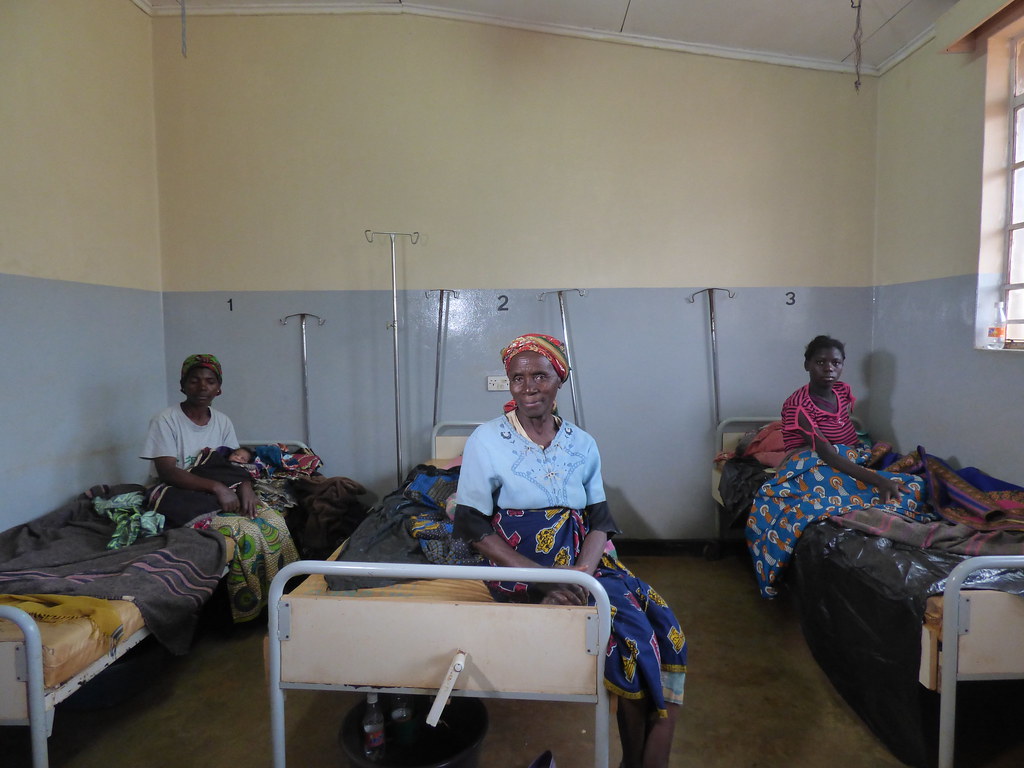
The national healthcare in Ecuador was first deployed in 1967, where it floundered in providing reliable and efficient coverage for its population. Spanning the time between 1992 and 2006, Ecuador underwent eight national governments. This lack of stability created a turbulent socio-political landscape. It ended up wounding the efficacy of the various infrastructural sectors, including health. The Constitution of 2008 declares health to be a right. This supports the moral tenants on which its publicly integrated healthcare system operates, those being the universality and equity of it.

Ecuador spends 9.16% of its GDP on health. This number grew from spending $1.153 billion in 2010 to spending $2.570 billion in 2015. For comparison, the United States, a much wealthier nation, spends about 17.7% as a health expenditure, which amounts to about $3.6 trillion.

The State of Health

Deficiency diseases, which are common in places that struggle with food and nutrition security, along with infectious diseases and degenerative conditions are prevalent within the population. The most common health issues tend to arise from vehicular accidents and assaults.

The World Health Organization measures an efficient healthcare system. It is according to population health, equality in healthcare, the responsiveness of the system, the distribution of a responsive system and the responsible allocation of healthcare expenditures. Ecuador is still making strides in all of these criteria.

Additionally, the healthcare system itself lacks consistency, as those delivering care struggle to coordinate. The classification of different sub-sets within the umbrella of healthcare is also poorly defined. Each healthcare institution has its own structure, management and funds. They can make for unequal care for the people depending on their varying circumstances.

The Healthcare System

Furthermore, Ecuador has two kinds of healthcare: private and public. The public sector includes Social Security and other government institutions such as the Armed Forces and the National Police. There are also private organizations that work within the public sector such as the Cancer Society and Ecuadorian Red Cross.

Also, the national budget, funds that come from outside of the budget, outside agreements and organizations and emergency funds all subsidize public healthcare. Meanwhile, private organizations selling their service to the public health sector, private health insurers and pre-paid health insurance bankroll the private health sector. Private insurers and pre-paid insurers cover 3% of the middle to high-income population.

The Country Takes Action

Fortunately, the country is fighting to create a healthcare system that works for and is accessible to everyone in Ecuador. This includes the poorest and most vulnerable communities. As a result, the Ecuador Ministry of Public Health decided to deploy healthcare in Ecuador that prioritizes primary care. The number of those covered by the healthcare system has been rising. In 2007, the number was just 1,518,164, which rose to 3,123,467 as of 2014.

Overall, healthcare in Ecuador has been improving throughout the years. However, as of June, Ecuador clocked in at one of the highest per-capita COVID-19 death rates in the world. Ecuador’s developing healthcare system struggles to keep up with the pandemic. In the meantime, organizations like Direct Relief are sending donations and resources to Ecuador. They attempt to triage the economic damage and loss of life that will be wrought. The nation continues to build a more robust, sustained infrastructure. Such relief is being used to fill in gaps where Ecuador may have been struggling with preventative measures, such as protective clothing and clinics.

– Catherine Lin
Photo: Flickr

October 20, 2020
https://borgenproject.org/wp-content/uploads/borgen-project-logo.svg 0 0 Kim Thelwell https://borgenproject.org/wp-content/uploads/borgen-project-logo.svg Kim Thelwell2020-10-20 01:30:032024-05-29 22:53:37The State of Health and Healthcare in Ecuador
Global Poverty, Health, Women and Children

Addressing Healthcare Worker Emigration

healthcare worker emigrationThe emigration of skilled healthcare workers from developing countries to higher-income nations has significantly impacted the healthcare systems of the countries these workers leave behind. The quantity and quality of healthcare services have declined as a result of healthcare worker shortages. While there is still incredible room for growth, recent governmental strategies have incentivized healthcare workers to work in their home countries.

Why Is Healthcare Worker Emigration a Problem?

When healthcare workers emigrate, they leave hospitals in developing countries without enough skilled workers. Lower-income countries are likely to carry a greater amount of the global disease burden while having an extremely low healthcare staff to patient ratio. For example, sub-Saharan Africa only has 3% of all healthcare workers worldwide, while it carries 25% of the global disease burden. In many African countries with severe healthcare worker emigration, like Lesotho and Uganda, hospitals become overcrowded. Furthermore, hospitals cannot provide proper treatment for everyone due to the lack of skilled workers.

This directly affects the quality of care patients receive in countries with high healthcare worker emigration. Newborn, child and maternal health outcomes are worse when there are worker shortages. When fewer workers are available, fewer people receive healthcare services and the quality of care worsens for populations in need.

Why Do Healthcare Workers Emigrate?

The emigration of doctors, nurses, and other skilled healthcare workers from developing countries occurs for a number of reasons. The opportunity for higher wages elsewhere is often the most important factor in the decision to emigrate. Additionally, healthcare workers may migrate to higher-income nations to find political stability and achieve a better quality of life. The rate of highly skilled worker emigration, which has been on the rise since it was declared a major public health issue in the 1940s, has left fragile healthcare systems with a diminished workforce.

Moreover, the United States and the United Kingdom, two of the countries receiving the greatest numbers of healthcare worker immigrants, actively recruit healthcare workers from developing countries. These recruitment programs aim to combat the U.S. and U.K.’s own shortages of healthcare workers. Whether or not these programs factor into workers’ migration, both the U.S. and the U.K. are among the top five countries to which 90% of migrating physicians relocate.

Mitigating Healthcare Worker Emigration

The World Health Organization suggests that offering financial incentives, training and team-based opportunities can contribute to job satisfaction. This may motivate healthcare workers to remain in the healthcare system of their home country. Some developing countries have implemented these strategies to incentivize healthcare professionals to remain in their home countries.

For example, Malawi faced an extreme shortage of healthcare workers in the early 2000s. Following policy implementation addressing healthcare worker emigration, the nation has seen a decrease in the emigration rate. Malawi’s government launched the Emergency Human Resources Program (EHRP) in 2004. This program promoted worker retention through a 52% salary increase, additional training and the recruitment of volunteer nursing tutors and doctors. 

In only five years after the EHRP began, the proportion of healthcare workers to patients grew by 66% while emigration declined. Malawi expanded upon this program in 2011 with the Health Sector Strategic Plan. Following this plan, the number of nurses in Malawi grew from 4,500 in 2010 to 10,000 in 2015. Though the nation still faces some worker shortages, it hopes to continue to address this with further policy changes.

Trinidad is another a country that has mitigated the challenges faced by the emigration of healthcare workers. Trinidadian doctors who train in another country now get government scholarships to pay for their training. However, these scholarships rest on the condition that they return home to practice medicine for at least five years. Such a financial incentive creates a stronger foundation for healthcare professionals to practice in their home country.

A Turn Toward Collaboration

A recent study determined that the collaboration of nurses, doctors and midwives significantly decreased mortality for mothers and children in low-income countries. As developing countries work toward generating strategies to manage the emigration of healthcare workers, a team-based approach can improve the quality of healthcare. When there are shortages of certain kinds of health professionals in remote areas, family health teams composed of workers in varying health disciplines can collaborate to provide care. 

Improving working conditions and providing both financial and non-financial incentives to healthcare professionals in developing countries not only benefits workers and the patients, but the nation’s healthcare infrastructure as a whole. An increase in the number of skilled healthcare workers in developing countries gives people there the opportunity for a better life.

– Ilana Issula
Photo: Flickr

October 19, 2020
https://borgenproject.org/wp-content/uploads/borgen-project-logo.svg 0 0 Jennifer Philipp https://borgenproject.org/wp-content/uploads/borgen-project-logo.svg Jennifer Philipp2020-10-19 07:30:202024-05-30 07:52:14Addressing Healthcare Worker Emigration
COVID-19, Global Poverty, Health, Technology

How BraineHealth Is Revolutionizing Healthcare

Limited access to healthcare is a challenge that millions of people face globally. According to data collected by the World Bank and W.H.O., roughly half of the global population had no way to access necessary health services in December 2017. The high costs of getting healthcare forced nearly 100 million people into poverty that year. For hundreds of millions of people across the world, even basic healthcare is economically out of reach. Unfortunately, COVID-19 has put additional strain on healthcare systems around the globe. The pandemic has disrupted medicine supply chains in many parts of the world, preventing vital medical supplies from reaching hospitals in a timely manner. This is particularly dangerous for developing countries with healthcare systems that were already struggling to meet their countries’ needs. However, recent technological innovations like BraineHealth are seeking to revolutionize healthcare to overcome these issues.

How BraineHealth Can Help

This problem may seem insurmountable, but not to BraineHealth. The Swedish company is hoping to use artificial intelligence and robotics to make healthcare more accessible for people throughout the world. BraineHealth’s healthcare innovations can apply many areas of healthcare, such as primary healthcare, senior healthcare and mental health services. In all these areas, BraineHealth hopes to connect doctors and other medical professionals with their patients in a way that is easy, affordable and safe.

With BraineHealth’s system, patients could potentially receive diagnoses and expert medical consultations without having to leave their homes. This would reduce medical costs and travel expenses for patients, and it would provide a safer alternative to in-person appointments. Here are four BraineHealth programs that seek to revolutionize healthcare.

4 BraineHealth Programs Revolutionizing Healthcare

  1. Artificial Intelligence: BraineHealth is developing an AI program that will allow for quicker and more efficient remote diagnoses. This program receives information about a patient’s symptoms provided by the patient and analyzes this report. By examining it against a database of thousands of documented diagnoses, the algorithm can provide as accurate a diagnosis as possible.
  2. Diabetio: This program combines social robotics and artificial intelligence to assist diabetic patients with managing their diabetes. The Diabetio robot will help manage the patient’s carbohydrate intake, and it will keep the patient informed about whether they are at risk of developing diabetes. To help the patient most efficiently, this program will retain and process information about the patient’s daily activities.
  3. Medipacker: BraineHealth is also looking to revolutionize healthcare by expanding access to medical information and education through its Medipacker education program. This program aims to give backpackers the opportunity to become qualified first-aid providers at little to no cost. By removing economic barriers to first-aid education, BraineHealth hopes to encourage more people around the world to learn about emergency medicine.
  4. InEmpathy: Recently, BraineHealth has partnered with the charity InEmpathy. InEmpathy’s work focuses on building better systems of healthcare in developing countries. Crucially, this organization is now helping to bring BraineHealth’s technological innovations to communities in need. BraineHealth will therefore be able to adapt its technologies to best fit the needs of their destination countries.

Looking to the Future

Millions worldwide lack adequate access to healthcare. Even in areas that have hospitals, the costs of health services are often too high for poor communities. Using technological innovation, BraineHealth is working to revolutionize healthcare so that the people in these communities can have access to healthcare that would otherwise be out of reach.

– Marshall Kirk
Photo: Flickr

October 16, 2020
https://borgenproject.org/wp-content/uploads/borgen-project-logo.svg 0 0 Kim Thelwell https://borgenproject.org/wp-content/uploads/borgen-project-logo.svg Kim Thelwell2020-10-16 08:55:242024-06-06 00:43:18How BraineHealth Is Revolutionizing Healthcare
Global Health, Global Poverty

What You Need To Know About Healthcare In Niger

Healthcare in NigerNiger, officially the Republic of Niger, is a country in Western Africa. It neighbors Algeria, Libya, Chad, Nigeria, Benin, Burkina Faso and Mali, and it spans just over 1.25 million square kilometers of land. Niger has faced several violent conflicts in the past. Some of the battles still pose a threat to the country and its 22.3 million inhabitants. Issues regarding inadequate healthcare are one of the several socio-economic problems Nigeriens live with on a day-to-day basis. Here is what you need to know about healthcare in Niger.

Human Development Index (HDI)

Out of 189 countries reviewed, Niger ranked the lowest on the United Nation’s 2019 Human Development Report. The major contributors to the ranking were the country’s life expectancy at birth and the average number of years of schooling. With a life expectancy of 62 years and only two years of education, Niger’s underdeveloped health and education facilities significantly strain them.

Global Hunger Index (GHI)

The majority of health problems stem from malnutrition and inadequate food supply. The Global Hunger Index score provides insights into the critical aspects of healthcare in Niger. The GHI comprises four categories to determine a country’s score: under-nourishment, child stunting, child wasting and child mortality. The higher the GHI score, the more hunger and health issues within the state.

Additionally, Niger’s GHI score in 2000 was at an alarming 52.1 and steadily decreased throughout the years. Five years later, in 2005, the score dropped to 42.2 and is currently at the country’s lowest score of 30.2. A significant decrease in the overall GHI score is because of the individual declines in each category.

Over the years, under-nourishment decreased from affecting 21.6% of the population to 16.5%. Child stunting decreased by approximately 15%, and child wasting decreased by 6% and child mortality decreased by about 14% over 20 years.

Progress Throughout The Years

Furthermore, the healthcare facilities within Niger still lack investments. Through funding and continuing to struggle to provide Nigeriens with quality health, the country has come a long way. It has been almost 20 years since the start of the United Nations’ Millennium Development Goals. With that, Niger has significantly increased the average life expectancy, literacy rate and poverty reduction initiatives.

The World Health Organization (WHO) reported Niger to have a life expectancy of 46, a literacy rate of 17% and extreme poverty for 60% of the population in 2005. Since then, much progress has been made in all categories. In 2019, the United Nations and the World Bank reported Niger’s life expectancy as 62, literacy rate as 30% and an extreme poverty rate of 41%.

 Overall, healthcare in Niger still lacks adequate funding and consists of several underdeveloped facilities. However, the country’s continuous work with international organizations such as the United Nations, the World Bank, UNICEF, USAID and more has led to a steady betterment and progress.

– Omer Syed
Photo: Flickr

October 14, 2020
https://borgenproject.org/wp-content/uploads/borgen-project-logo.svg 0 0 Kim Thelwell https://borgenproject.org/wp-content/uploads/borgen-project-logo.svg Kim Thelwell2020-10-14 01:30:132024-05-30 07:52:21What You Need To Know About Healthcare In Niger
Women

Maternal Mortality in Sub-Saharan Africa

Maternal Mortality
Maternal mortality refers to the death of a woman due to causes related to or aggravated by her pregnancy and/or childbirth. Almost all (99%) of maternal deaths occur in developing countries, and 68% occur in Sub-Saharan Africa alone. The Trends in Maternal Mortality 2000-2017 report is a joint effort by WHO, UNICEF, UNFPA, World Bank Group and the United Nations Population Division. Its statistics showcase huge global health disparities that leave African mothers extremely vulnerable, showing that maternal mortality in Sub-Saharan Africa is a prevalent issue.

Health Inequality in Maternal Healthcare

Almost all maternal deaths are preventable, yet in 2017, Sub-Saharan Africans suffered from the highest maternal mortality ratio (MMR) of 533 maternal deaths per 100,000 live births, or 200,000 maternal deaths a year. All three countries with the highest MMR globally with over 1,000 deaths per 100,000 live births, considered an extremely high rate, are in Sub-Saharan Africa: South Sudan (1,150), Chad (1,140) and Sierra Leone (112). In comparison, the 2017 MMR in North America and Western Europe was 18 and five.

The fact that MMR is under 10 in many countries means that current technology and medical knowledge are already capable of reducing MMR to almost zero. The global imperative is to improve health infrastructure and education in developing nations so that they, too, can access services and resources available to protect mothers in the developed world.

The Importance of Access

Lack of access to health facilities and medical professionals is among the main reasons for maternal deaths. Currently, in Africa, there are 985 people for every nurse/midwife and 3,324 people for every medical doctor. This means that many pregnant women do not receive antenatal, delivery and newborn care, which greatly increases their risk of dying from severe bleeding, infections or other complications. Ensuring that there are accessible and affordable health facilities for all women would eliminate risks of preventable and treatable deaths.

Adolescent Pregnancy

Improving sexual health education is key to eliminating adolescent pregnancies, which account for a significant portion of maternal mortality in Sub-Saharan Africa. Adolescent girls, especially those under 15, have a higher risk of maternal mortality compared to older women. In 2014, there were 224 adolescents per 1,000 cases of pregnancy in the Democratic Republic of Congo – the highest teenage pregnancy rate in the world, followed by Liberia (221) and Niger (204). Improvements in sexual health education would inform young girls of contraceptive options, family planning methods and safe abortion facilities.

Progress Tracker

Significant efforts have succeeded in reducing maternal mortality in Sub-Saharan Africa. From 2000 to 2017, Sub-Saharan Africa has achieved a substantial reduction of 39% of maternal mortality (from 870 to 533 maternal deaths per 100,000 live births). A significant number of countries in this region have reduced their MMR by more than half, such as Rwanda (79%), Mongolia (71%), Eritrea (63%), Zambia (60%) and Cabo Verde (51%).

WHO has stated that improving maternal health remains one of their key priorities. In 2015, the global health organization launched the Global Strategy for Women’s, Children’s and Adolescents’ Health aimed at ending all preventable deaths of women, children and adolescents. The UN’s Sustainable Development Goal target 3.1, also launched in 2015, aims to reduce global MMR to less than 70 per 100,000 live births by 2030. While the current MMR in Africa is still seven times less than the target, promising results from past and current campaigns indicate that a better future is within reach.

– Alice Nguyen
Photo: Flickr

October 11, 2020
https://borgenproject.org/wp-content/uploads/borgen-project-logo.svg 0 0 Kim Thelwell https://borgenproject.org/wp-content/uploads/borgen-project-logo.svg Kim Thelwell2020-10-11 10:00:172024-05-30 07:52:27Maternal Mortality in Sub-Saharan Africa
Page 9 of 17«‹7891011›»

Get Smarter

  • Global Poverty 101
  • Global Poverty… The Good News
  • Global Poverty & U.S. Jobs
  • Global Poverty and National Security
  • Innovative Solutions to Poverty
  • Global Poverty & Aid FAQ’s
Search Search

Take Action

  • Call Congress
  • Email Congress
  • Donate
  • 30 Ways to Help
  • Volunteer Ops
  • Internships
  • Courses & Certificates
  • The Podcast
Borgen Project

“The Borgen Project is an incredible nonprofit organization that is addressing poverty and hunger and working towards ending them.”

-The Huffington Post

Inside The Borgen Project

  • Contact
  • About
  • Financials
  • President
  • Board of Directors
  • Board of Advisors

International Links

  • UK Email Parliament
  • UK Donate
  • Canada Email Parliament

Get Smarter

  • Global Poverty 101
  • Global Poverty… The Good News
  • Global Poverty & U.S. Jobs
  • Global Poverty and National Security
  • Innovative Solutions to Poverty
  • Global Poverty & Aid FAQ’s

Ways to Help

  • Call Congress
  • Email Congress
  • Donate
  • 30 Ways to Help
  • Volunteer Ops
  • Internships
  • Courses & Certificates
  • The Podcast
Scroll to top Scroll to top Scroll to top