• Link to X
  • Link to Facebook
  • Link to Instagram
  • Link to TikTok
  • Link to Youtube
  • About
    • About Us
      • President
      • Board of Directors
      • Board of Advisors
      • Financials
      • Our Methodology
      • Success Tracker
      • Contact
  • Act Now
    • 30 Ways to Help
      • Email Congress
      • Call Congress
      • Volunteer
      • Courses & Certificates
      • Be a Donor
    • Internships
      • In-Office Internships
      • Remote Internships
    • Legislation
      • Politics 101
  • The Blog
  • The Podcast
  • Magazine
  • Donate
  • Click to open the search input field Click to open the search input field Search
  • Menu Menu

Tag Archive for: The World Health Organization

Posts

Education, Global Poverty, Health

The Fight Against Poverty in Fiji

Poverty in Fiji
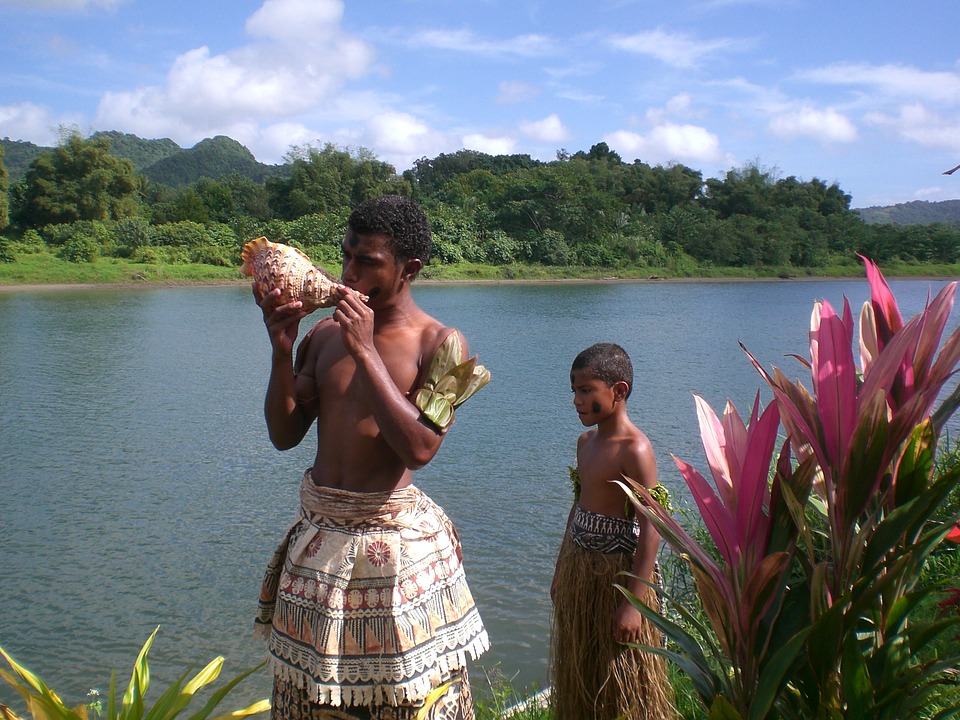
The island of Fiji is located in the South Pacific Ocean and has a population of more than 895,000. A vibrant native population traverses the tropical climate of Fiji. The economy is dependent on agricultural products and tourism. Farmers cultivate bananas, cocoa, pineapple and taro root to supplement trade between nations, and commercial fishing and sugarcane are similarly important exports. Despite the high amount of trade between bordering islands and nations, 28% of native Fijians live below the national poverty line. Here is some information about poverty in Fiji and efforts to combat it.
Relocation on Limited Land 

Many citizens of Fiji make a living in the boat-making or fishing industry; as a result, relocation threatens the livelihood of a small business economy. Rising water levels often force villages to move. Changing weather patterns have caused widening rivers and altered seasons, contributing to the issue. “Where there was rain, there is now sun,” reports a native islander who recently relocated because his village was flooded.

In the next 10 years, an estimated 676 villages will have to move, which will increase the number of unemployed islanders. As unemployment increases, those who live above the poverty line are at risk of falling below the global margin of $1.90 per day. The relocation of one village costs an estimated $445,000.

Education and Health Care

Fiji consists of 100 inhabited islands, a number that is drastically decreasing due to the rising water levels. Implementation of primary health care practices and basic amenity improvements in villages provide locals with clean water and permanent housing. The adoption of these principles by the World Health Organization (WHO) and the United Nations Children’s Fund sought to improve Fiji’s situation between 1970 and 2000. In the past 20 years, though, the flow of central health support from the capital city of Suva into villages has slowed due to a limited number of health professionals.

Previous Health Minister Jona Senilagakali states, “…the government did not schedule workers to go to all communities in all the islands to monitor the project. And health workers were not encouraged to work more with the communities to improve their health standards.” The slow progress of Fiji’s modern health initiative is also a direct impact of “brain drain.” This occurs when educated individuals emigrate for higher-paid positions. Proper education in Fiji is also progressing rather slowly. Though secondary enrollment and literacy rates are high, the university system in Fiji lacks resources and government funding. Improving higher education largely depends on the willingness of the government to provide more aid to the people.

Prospects of Hope

Last year Fiji saw high prospects in the global market of reduced unemployment and the lowest amount of extreme poverty in the country’s history. The percentage of those living below the global poverty line, currently 0.5%, continues to fall as a result of incentives by the United Nations. In 2013, Fiji received honors from the United Nations Food and Agricultural Organization (FAO) for a substantial decline in poverty and hunger among the population.

– Natalie Williams
Photo: Pixabay

July 12, 2020
https://borgenproject.org/wp-content/uploads/borgen-project-logo.svg 0 0 Jennifer Philipp https://borgenproject.org/wp-content/uploads/borgen-project-logo.svg Jennifer Philipp2020-07-12 01:30:322024-05-29 23:18:11The Fight Against Poverty in Fiji
COVID-19, Development, Global Poverty

Top 3 Athletic Companies Aiding COVID-19 Efforts


Sports often bring people together and provide a sense of normalcy and relief during times of crisis. Amid the COVID-19 pandemic, athletes have stepped up and contributed to COVID-19 relief efforts. Marcus Rashford successfully lobbied the United Kingdom government to provide meals for impoverished school children and Lionel Messi donated €1 million to COVID-19 research and treatment. Major athletic companies have also supported global responses to COVID-19 around the world. Here are three major athletic brands contributing to the global fight against COVID-19.

Top 3 Athletic Companies Aiding COVID-19 Efforts

  1. Nike: Nike is arguably the most responsive athletic company in the world in regards to supporting worldwide COVID-19 responses. Nike, along with the Nike Foundation, has committed to donating about $25 million to help with the COVID-19 response. This donation will go toward the World Health Organization as well as funding for communities where Nike has headquarters. This includes $1 million to the COVID-19 Solidarity Response Fund and $1.1 million to the King Baudouin Foundation. The Solidarity Response Fund helps vulnerable low-resourced communities, protects displaced people and refugees and provides essential supplies such as food to impoverished and at-risk people. The funds for the King Baudouin Foundation will go towards funding for vulnerable and disadvantaged groups in Europe, the Middle East and Africa who have been heavily affected by COVID-19.
  2. Adidas: Adidas is supporting frontline workers, as well as donating to the global COVID-19 response. The company has produced over 100,000 medical masks for worldwide distribution to frontline workers. Adidas’ donations to fight COVID-19 have reached almost $5 million. To date, Adidas’ donations add up to $3.25 million towards the COVID-19 Solidarity Response Fund and $1.35 million to the China Youth Development Foundation. The funds to the Solidarity Response Fund will go towards similar causes as the donation from Nike, helping impoverished individuals and communities around the world. Donations to the China Youth Development Foundation will be used to help treat and respond to COVID-19 in disadvantaged regions in the country and help impoverished children who have been affected by COVID-19.
  3. Reebok: Through its Reebok Love campaign, the company has supported funding for global COVID-19 relief efforts. With every pack of face masks sold until June 30, Reebok will donate $2 to COVID-19 relief efforts, up to a total of $1.5 million. The donations are going to Save the Children’s Global Coronavirus Response Fund. The Save the Children fund will help support vulnerable regions like refugee camps and conflict zones by providing these areas with preparedness training and medical supplies. Funding will also go towards meals and educational supplies for impoverished regions where remote learning is not an option.

The actions these major athletic brands took in response to the global pandemic shows what is possible when the world and companies unite for the betterment of global health. By donating equipment and funds, these athletic brands are helping healthcare and frontline workers in the battle against COVID-19 while also supporting impoverished communities impacted by the virus.

–Zachary Laird
Photo: Flickr

June 29, 2020
https://borgenproject.org/wp-content/uploads/borgen-project-logo.svg 0 0 Kim Thelwell https://borgenproject.org/wp-content/uploads/borgen-project-logo.svg Kim Thelwell2020-06-29 15:59:092024-05-30 07:52:16Top 3 Athletic Companies Aiding COVID-19 Efforts
Global Poverty, Sanitation

A Fight for All: 9 Facts About Sanitation in Malaysia

Sanitation In Malaysia
Malaysia is home to a diverse population of more than 32 million people. Water safety and sanitation in Malaysia has greatly improved over the years, but more action is required to secure access to safe water and sanitation for all. The World Health Organization and United Nations Children’s Fund Joint Monitoring Program for Water Supply, Sanitation and Hygiene (WHO/UNICEF JMP) has a goal to “leave no one behind” in the plan for sustainable development by 2030. Here are nine facts about sanitation in Malaysia.

9 Facts About Sanitation in Malaysia

  1. Basic sanitation access is now near-universal. The U.N.-Water Global Analysis and Assessment of Sanitation and Drinking-Water (GLAAS) conducted in 2016/2017 reported that 100% of the urban population and 99% of the rural population is using at least basic sanitation services. In 2000, 98% of the urban population and 94% of the rural population had access to basic sanitation according to a study by the WHO/UNICEF JMP.

  2. Investing in water and sanitation has benefited economic development and vice versa. The Malaysian government has prioritized the sanitation sector, using a top-down approach since Malaysia’s independence in 1957. Growth in tourism led to improvements in sewer infrastructure driven by this factor’s ability to spur economic development. Since 2010, Malaysia’s economy has been growing at about 5.4% annually. The World Bank expects Malaysia to become a high-income economy by 2024. The prospect of economic growth motivated improvements in sanitation, and development has helped make further investments financially possible.

  3. Urbanization and industrialization strain conditions. It is predicted that 80% of the overall population in Malaysia will live in urban cities by 2030. While these changes are benefiting economic development, the increases in urbanization and industrialization are increasing the demand for water resources. These elements are causing tensions, while simultaneously increasing the rate of water pollution. The sanitation infrastructure that originally helped Malaysia’s economic growth is now struggling to manage the increased capacity.

  4. Changing weather patterns pose a challenge. Malaysia is experiencing increased flooding problems which cause higher rates of sediment that are difficult to manage. Workers can build dams to help the flooding issue, but dams obstruct the natural environment and often force the relocation of already vulnerable populations. The World Water Vision project is working to promote clean water with a focus on the quality of life and the environment necessary to confront these intertwined issues.

  5. Institutional and legal issues are hindering progress. There is no single agency in Malaysia responsible for the holistic planning and management of water. The National Water Resources Council is one entity that promotes effective water management. Current institutional bounds are also causing a lack of regulation for sanitation and drinking water programs and policies, especially for rural areas.

  6. Discrimination affects access to safe sanitation and clean water. A 2018 report from the Special Rapporteur on the Human Rights to Water and Sanitation, Léo Heller, emphasized the pattern of discrimination in those excluded from safe sanitation access. People who are undocumented, stateless or gender nonconforming are particularly affected. Importantly, the International Convention on the Elimination of All Forms of Racial Discrimination was not ratified by the Malaysian government, which is discouraging to progress on this pertinent issue.

  7. Indigenous communities suffer from a lack of sanitation and clean water services. Improved drinking water infrastructure and policy are especially lacking in indigenous communities. The Orang Asli, the indigenous population in Malaysia, make up 0.7% of the population in Peninsular Malaysia. However, this group makes up 60% of the population in East Malaysia. This demographic collects its water directly from rivers and streams, but they also use these rivers in place of toilets. Heller reported that many of the water treatment facilities that do exist are not working and many are too difficult to maintain without proper training, which the Orang Asli lack.

  8. The Global Peace Foundation is improving conditions for the Orang Asli. The Communities Unite for Purewater (CUP) initiative, a joint effort between the Orang Asli and the Global Peace Foundation, is working to install water filters and educate the community about water, sanitation and hygiene. With the new filters, women no longer have to travel as far to collect water. This effort is also a great example of increased community engagement in policy. CUP has benefited more than 3,000 villagers who struggled to have access to safe water and sanitation due to their remote locations.

  9. Vulnerable populations are not adequately addressed in policymaking. Heller stated in his report that average figures are not always a good measure of conditions. Regarding sanitation in Malaysia, he says “We need to look at the marginalized and special groups. Usually, they are hidden in the average numbers.” There is a need to improve disaggregated data on water and sanitation services to better understand and target the lack of access to vulnerable communities. Additionally, targeted policies need to improve access for indigenous peoples and other marginalized groups. Refugees and undocumented peoples need the same right to safe sanitation as citizens.

Overall, access to basic sanitation in Malaysia is almost universal. The country now needs to handle issues of discrimination and inequity of access to these services, especially among vulnerable populations.

– Katie Gagnon
Photo: Flickr

June 16, 2020
https://borgenproject.org/wp-content/uploads/borgen-project-logo.svg 0 0 Kim Thelwell https://borgenproject.org/wp-content/uploads/borgen-project-logo.svg Kim Thelwell2020-06-16 06:28:182024-05-29 23:17:31A Fight for All: 9 Facts About Sanitation in Malaysia
Global Health, Global Poverty

Improving Healthcare in Rwanda

Healthcare in Rwanda
Rwanda, the small landlocked state with a population of 12.5 million people, has made tremendous strides in the years following the infamous 1994 Rwandan genocide. The fertile and hilly state borders the much larger and wealthier Democratic Republic of the Congo, Tanzania, Uganda and Burundi. Rwanda is currently undergoing a few initiatives that the National Strategies for Transformation plan outlines. For example, Rwanda is presently working towards achieving Middle-Income Country status by 2035 and High-Income Country status by 2050. Among many improvements, many widely consider universal healthcare in Rwanda to be among the highest quality in Africa and the state’s greatest achievement.

Structure of Healthcare in Rwanda

Healthcare in Rwanda includes designed subsidies and a tiered system for users based on socioeconomic status. From 2003 to 2013, healthcare coverage in Rwanda has jumped tenfold, from less than 7% to nearly 74%. The Rwandan system of governance enables this level of widespread coverage. At the district level, funding and healthcare are decentralized to afford specific programs’ autonomy, depending on the needs of individual communities. Policy formulation comes from the central government while districts plan and coordinate public services delivery. In 2005, Rwanda launched a performance-based incentive program, which rewards community healthcare cooperatives based on factors such as women delivering at facilities and children receiving full rounds of immunizations.

Rwanda’s innovative healthcare system does not come without challenges. Nearly 85% of the population seeks health services from centers. Due to such wide use, it often takes long periods of time for health centers to receive reimbursement from the federal government for services rendered.

Improvements in Healthcare Access and Vaccinations

The rate at which Rwandans visit the doctor has also drastically increased. In 1999, Rwandans reportedly visited the doctor every four years. Today, most Rwandans visit the doctor twice a year. In addition, vaccination rates have drastically increased for Rwandans. Over 97% of infants receive vaccinations against diphtheria, tetanus, pertussis, hepatitis B, Haemophilus influenza Type B, polio, measles, rubella, pneumococcus and rotavirus.

Part of the improved healthcare in Rwanda is the state’s fight against cancer. The most common cause of cancer in Africa is human papillomavirus-related cervical cancer. As part of Rwanda’s goal of eliminating cervical cancer by 2020, over 97% of all girls ages 11 to 15 receive vaccinations for HPV. Rwanda is currently developing a National Cancer Control Plan and data registry to help track and combat the spread of cancer. Finally, to improve testing for cancerous markers, the government built the Nucleic Acid Lab as part of the biomedical center in Kigali.

Growing Pains

Despite vast improvements, the country still has a lot to do in regard to healthcare in Rwanda. Over the past two decades, Rwandan healthcare has steadily closed the gap in developed states, such as France and the United States. Life expectancy for Rwandans at birth is 66 and 70 years for males and females respectively.

In France and the United States, life expectancy at birth is nearly 15 years more for both males and females. As a percent of GDP (7.5), Rwanda spends nearly 10% less per year on healthcare than the United States and 4% less than France. Malnutrition is rampant in children; 44.2% of all Rwandan children are classified as malnourished. From 2008 to 2010, anemia levels saw large increases. While family planning is more prevalent, access to contraception is not widely, or at all available, in most parts of the country. Despite the decline of child mortality rates, newborn deaths account for 39% of all child deaths.

Moving Forward

Along with the Rwandan state government, organizations such as Partners in Health (PIH) have helped make vast improvements to healthcare in Rwanda. Locally known as Inshuti Mu Buzima, PIH brings healthcare to over 860,000 Rwandans via three hospitals. The crown jewel of PIH is its Butaro District Hospital, which serves a region in Rwanda that previously did not have a hospital. Today, the hospital is well-known for its medical education and training for all of East Africa.

As widespread access to healthcare continues to spread and immunization efforts increase, healthcare in Rwanda has the potential to lead the way for additional state-wide improvements. Through such efforts, Rwanda’s target goal of Middle-Income Country status by 2035 is creeping further into reach.

– Max Lang
Photo: Flickr

June 9, 2020
https://borgenproject.org/wp-content/uploads/borgen-project-logo.svg 0 0 Lynsey Alexander https://borgenproject.org/wp-content/uploads/borgen-project-logo.svg Lynsey Alexander2020-06-09 01:30:122024-05-29 23:15:58Improving Healthcare in Rwanda
Global Poverty

Improving Healthcare in Jamaica

Healthcare in Jamaica
In the tourist’s eye, Jamaica is an enticing island with constant summer sun and alluring beaches. However, behind this guise, Jamaicans face a complicated reality. Healthcare in Jamaica is in desperate need of improvement. There is an increasing obligation to balance public access to health services with the practitioners’ ability to keep up with the enlarged workload.

Health Problems in Jamaica

Jamaica has many health issues that require an effective healthcare system. The top health issues that lead to premature death in Jamaica include stroke, diabetes, neonatal disorders, Ischemic heart disease and HIV/AIDS. Along with these issues, mental illness and STDs disproportionately affect Jamaica’s youth, and these often correlate with social and economic factors. The 2017 Global School Health Survey found that 24.8% of students seriously considered suicide and 18.5% of students attempted suicide over a 12 month period. In terms of STDs, only 31% of Jamaicans over the age of 15 and 51% of Jamaicans under 15 living with HIV were receiving treatment in 2018.

In order to try to make healthcare accessible to all Jamaica introduced free public health services to its citizens in 2008 by removing user fees. On the surface, this appears to be a positive step in removing the economic barrier that prevents the poor from receiving adequate healthcare. However, this has revealed deeper issues for healthcare in Jamaica.

Issues with Free Public Health Services

With the increase in patients, health practitioners have found themselves experiencing overwork and extreme stress. This shift has negatively affected the performance of these practitioners as patient demand has increased, but facilities remain understaffed. In 2016, researchers evaluated how the removal of charges has directly affected the workload. The study found that before the instigation of the free services, 50% of health practitioners had satisfaction with their workload. By 2016, eight years after the introduction of free healthcare, only 14% had satisfaction with their workload.

Some doctors interviewed for the study indicated that both the clinics and hospitals were seeing more patients daily after the elimination of charges. The quality of care worsened as medical professionals did not account for waiting times and availability of resources. The size of health clinics and the number of staff pale in comparison to the number of Jamaicans seeking care.

Along with the insufficient number of health practitioners, Jamaica’s medical infrastructures often do not match the demand of patients. Those in rural areas especially must travel long distances to access health care. The expansion of health facilities is extremely expensive. With Jamaica’s financial debt, this is not a project that it can take on lightly.

Also revealed in this situation is the scarcity of resources available to health clinics. The flood of patients has caused issues such as a delay of bloodwork and a shortage of medication. There have even been situations where patients had to purchase the medical supplies necessary for their surgery, costing an extreme amount that counteracts the efforts of free healthcare.

Upgrading Health Facilities

However, the failings of healthcare in Jamaica does not mean that the country is beyond help. In fact, the Minister of Health and Wellness announced in 2019 that over the next five years, Jamaica will be upgrading public health facilities with the funds of $200 million. The Minister plans to upgrade nine public health centers and six hospitals, one of which is the Cornwall Regional Hospital, which will benefit more than 400,000 residents. The Minister also plans to build a new Western Child and Adolescent Hospital, in addition to developing more sophisticated healthcare technology.

NGOs such as UNICEF are also doing work. The agency has established a Health Promotion program that works to provide quality health services to babies, adolescents and young mothers. The two goals of this program are to enhance institutional capacity to deliver effective health services and to boost the access of adolescents to these health services. By partnering with groups such as the Word Health Organization and Jamaica’s Ministry of Health and Wellness, UNICEF is carrying out its Baby-Friendly Hospitals Initiative, Adolescent-Friendly Services and Empowerment of Girls and Young Mothers.

Healthcare in Jamaica is lacking in many areas, but the country is doing continuous work to enhance health facilities and services. This progress shows that the country should see improvement in the future.

– Natascha Holenstein
Photo: Pixabay

May 30, 2020
https://borgenproject.org/wp-content/uploads/borgen-project-logo.svg 0 0 Kim Thelwell https://borgenproject.org/wp-content/uploads/borgen-project-logo.svg Kim Thelwell2020-05-30 01:30:162024-12-13 18:01:44Improving Healthcare in Jamaica
Global Poverty

6 Facts About NTDs in Comoros

NTDs in ComorosNeglected tropical diseases are afflictions that affect the world’s poor. They do not often receive attention from first-world nations. Developed nations typically ignore these diseases, which is why they are classified as neglected. The World Health Organization’s Expanded Special Project on the Elimination of Neglected Tropical Diseases has brought together 14 nations to bring an end to these afflictions once and for all. One of the countries involved in this initiative is Comoros. Many of the 14 nations have requested additional human resources, robust systems and technical capacity in order to increase NTD prevention. Attention, in particular, would go towards the ways in which they can research and combat multiple diseases at the same time as there are many different NTDs in Africa. Keep reading for more on these six facts about NTDs in Comoros.

6 Facts About NTDs in Comoros

  1. The Rift Valley fever virus (RVFV) has been infecting livestock in Comoros since 2009. A study found that livestock had the virus despite showing no physical signs. Mosquitoes that transfer infection from cattle to humans are the main spreaders of this illness. Comoros and other several other African countries also experienced outbreaks in 2007. One victim was a young Comorian boy with encephalitis, a kind of abnormal swelling of the brain caused by the virus.
  2. With the advancement of pharmaceutical technology, the NTD crisis can be solved. Pharmaceutical companies have donated more than $4 billion a year in medicines to help nations recover from NTDs. In the last 10 years, the world saw several hundred million people previously affected by these diseases liberated. More research and advanced medical technology will undoubtedly solve this problem.
  3. Comoros’ population have also been afflicted with an NTD known as elephantiasis, a mosquito-transmitted disease that preys upon the blood circulation system. This disease causes fever and, if left untreated, severe swelling of the lower limbs. Luckily, in the year 2017, treatment of this NTD was at 86 percent coverage from Universal Health Coverage (UHC), meaning the majority of people of Comoros had access to the services they need to treat this disease.
  4. Intestinal worms, another NTD affecting Comoros, are parasitic disease-causing worms that multiply in the host’s intestines. The worms feed on the nutrients provided by whatever the host eats, thereby causing malnutrition in hosts. This disease spreads through human waste and unsanitary living conditions. UHC covered 73 percent of treatment for this disease in 2017.
  5. The proportion of children in Comoros with leprosy in 2011 was around 38 percent. Leprosy is considered an NTD. It causes severe disfiguring of the skin and has been ravaging humankind since ancient times.
  6. Since 2012, 600 million tablets of albendazole or mebendazole drugs to treat NTDs have been available every year to treat young children. Programs in countries where soil-transmitted helminthiasis, or parasitic worms, are endemic have already requested an additional 150 million tablets. These facts are signs of a positive increase in the health coverage of NTDs.

In recent years, NTDs in Comoros have harrowed the population with no end in sight. Since 2017, however, the World Health Organization and pharmaceutical companies have come together to end NTDs in Comoros and other countries once and for all.

– William Mendez
Photo: Flickr

May 5, 2020
https://borgenproject.org/wp-content/uploads/borgen-project-logo.svg 0 0 Lynsey Alexander https://borgenproject.org/wp-content/uploads/borgen-project-logo.svg Lynsey Alexander2020-05-05 01:30:452024-05-29 23:15:096 Facts About NTDs in Comoros
Global Poverty

5 Leading Diseases in Sri Lanka

Leading Diseases in Sri Lanka
A 6-year-old boy cried from pain from a small room in an overcrowded ward. The small child had a fever and rash and pointed to the different parts of his body that hurt. Hannah Mendelsohn, a medical volunteer from Haifa, Israel, tried to distract the boy with games of tic-tac-toe and peekaboo.

The child displayed classic symptoms of dengue fever. Doctors diagnosed him with the virus at Karapitiya Teaching Hospital in Galle, Sri Lanka during the summer of 2015. “[The boy] had luckily gotten to the hospital when he was still in an earlier stage of the disease,” Mendelsohn told The Borgen Project. “There were a few times I heard doctors tell patients with dengue that there were no options for life-saving care.”

While non-communicable diseases are the main causes of death in Sri Lanka, many still consider certain infectious diseases, including dengue fever, threats to public health. Here are five leading diseases in Sri Lanka.

5 Leading Diseases in Sri Lanka

  1. Dengue Fever: Dengue is a mosquito-borne virus that is endemic to Sri Lanka. A person can contract dengue any time of year. However, the risk elevates during the monsoon season. This is the time of year when dengue-bearing mosquitos are most common, and severe storms often inhibit travel for care. The year 2019 saw double the cases when compared to the previous year with over 99,000 reported cases and 90 deaths. The World Health Organization (WHO) is currently working with Sri Lanka’s Ministry of Health, Nutrition and Indigenous Medicine to control the spread of dengue fever by enhancing dengue surveillance and training health care workers dengue case management and prevention. Among the suggested prevention strategies, WHO advises keeping neighborhoods clean and using mosquito netting and repellents to prevent bites.
  2. Acute Lower Respiratory Infections: Acute lower respiratory infections (ALRI) are leading causes of childhood mortality and morbidity in Sri Lanka; they are responsible for 9 percent of deaths of children under age 5. Poor access to health care, food shortages, lack of safe water and poor sanitation elevate the risk and disease burden. Fortunately, the political prioritization of public health has led to increased administration of vaccinations. This has reduced the impact of contracted ALRI. In 2014, Sri Lanka’s government enacted a national immunization policy which guarantees every citizen the right to vaccination. A separate line in the national budget aims to ensure the continuous availability of immunizations.
  3. Typhoid Fever: Typhoid is a bacterial infection that has a high mortality rate when a person does not receive treatment. Between 2005 and 2015, Sri Lank had 12,823 confirmed cases of typhoid fever. The risk of typhoid is related to overcrowding, food shortages and poor water quality. Sri Lanka’s prevention strategy has largely focused on disease surveillance and health education. Every medical practitioner has to notify the government of any typhoid fever diagnosis. Health education has involved the promotion of proper sanitation and immunization campaigns.
  4. Meningitis: Meningitis, a bacterial disease, was the 20th leading cause of premature death in Sri Lanka in 2010. Malnutrition, poor access to health care and poor sanitation are risk factors for infection and disease severity. Since 1990, the annual number of deaths due to meningitis in Sri Lanka has decreased. It was formerly the 16th leading cause of premature death. Experts largely attribute this to the growing accessibility of the Haemophilus Influenzae B vaccine.
  5. Tuberculosis: Tuberculosis was the 21st leading cause of premature death in Sri Lanka in 2010. The estimated number of cases has progressively increased from 10,535 in 1990 to 11,676 in 2007. The National Strategic Plan for Tuberculosis Control 2015-2020 states that Sri Lanka has successfully maintained a high treatment rate for tuberculosis. Because tuberculosis transmits from person-to-person, a high treatment rate reduces the risk of transmitting further infections. Additionally, Sri Lanka has received funding from the Global Fund for AIDS, Tuberculosis and Malaria. The funds are for raising awareness and increasing access to medication.

Non-communicable diseases currently represent a larger health burden. However, the continued incidence of infectious diseases ­­in Sri Lanka highlights the burden of poverty. For many of these five leading diseases in Sri Lanka, vaccinations are widely available and accessible in developed countries. Yet, reports of cases and fatalities in Sri Lanka still occur.

Still, for infectious diseases where vaccines remain elusive, poverty is a prominent risk factor for infection and severity of illness. Poverty affects the ability to receive adequate nutrition, sanitary housing, health care and more.

“Around the clock, patients died from diseases that are definitely preventable,” Mendelsohn said. “Coming from a developed country where medical care is among the best in the world, it was hard for me to accept that, just a continent away, people were still dying of infectious diseases to which the cures had already been found.”

– Kayleigh Rubin
Photo: Pixabay

April 5, 2020
https://borgenproject.org/wp-content/uploads/borgen-project-logo.svg 0 0 Lynsey Alexander https://borgenproject.org/wp-content/uploads/borgen-project-logo.svg Lynsey Alexander2020-04-05 01:30:502024-05-29 23:15:215 Leading Diseases in Sri Lanka
Global Poverty

The Struggles of Single Parents in Yemen

The Struggles of Single Parents in YemenThe current civil war in Yemen is a bloody one. Since the beginning of the civil war in 2015, the reported casualties reached 100,000 in October 2019. Among this number, about 12,000 were civilian casualties who attackers directly targeted. This ever-mounting amount of civilian casualties has multiple effects on many families in Yemen. On a surface level, these civilian casualties reflect the numerous children who lose their parents during the on-going conflict. Some reports suggested that there are currently more than 1.1 million orphans in Yemen. On the other hand, the casualty number also reflects the single parents in Yemen who are trying to raise their children in a war zone.

Single parents in Yemen are struggling due to many reasons including a lack of access to basic goods, or professional services such as maternal care during and after pregnancy. This struggle of being a single parent in Yemen falls mostly on many Yemeni women who lost their husbands in the on-going conflict.

Struggles of Single Parents in Yemen

Being a single parent, especially a single mother, in Yemen is difficult. Yemen’s female participation in the workforce is extremely low. This means that many women in Yemen rely on their husbands for financial support. However, the conflict in Yemen took many Yemeni men from their families. As casualties rise, both military and civilian, many women lose their husbands. However, because the majority of women do not have much work experience, they lack the experience or qualifications to go out and find employment.

The challenge of single parenting in Yemen begins even before a child is born. This is especially true for mothers, single or otherwise, in Yemen. According to UNICEF, one woman and six newborns die every two hours from complications during pregnancy and childbirth in Yemen. This is the reflection of poor conditions in Yemen where only three out of 10 births take place in regular health facilities. WHO’s 2016 survey of hospitals in Yemen reported that more than half of all health facilities in Yemen are closed or only partially functioning.

For mothers and newborns, this means that they lack essential natal care, immunization services and postpartum/postnatal interventions. This lack of natal care and medical services for newborns resulted in one out of 37 Yemeni newborns dying in the first month of their lives.

Malnutrition is another challenge that single parents in Yemen struggle against. Multiple factors contribute to malnutrition in Yemen. Some reports suggest that the Saudi coalition intentionally targeted Yemeni farms. A report suggested that the Saudi-led coalition launched at least 10,000 strikes against food farms, 800 strikes against local food markets and about 450 airstrikes that hit food storage facilities. This made civilian access to food extremely difficult on a local level. The Saudi-led coalition’s blockade of Yemeni ports and other entry points for food, medicine, fuel and foreign aid worsened this food shortage. Yemen’s impoverished civilians, 79 percent of whom are living under the poverty line, find it difficult to afford the ever-increasing food prices. For single parents in Yemen, this makes feeding their children a difficult challenge. An estimated 2.2 million Yemeni children are acutely malnourished.

Organizations Helping Yemen

Numerous organizations help single parents in Yemen. Doctors Without Borders, between 2015 and 2018, provided natal care for pregnant mothers and delivered 68,702 babies in Yemen. Oxfam provided multiple humanitarian services in Yemen. Since the beginning of the conflict in 2015, Oxfam provided cash to Yemeni families so that they could buy food. On top of this, Oxfam delivered water and repaired water systems in remote regions of Yemen. UNICEF launched the Healthy Start Voucher Scheme in 2019. This program provides coupons for poor and vulnerable pregnant women to help them cover the cost of traveling to hospitals for childbirth. The coupon also gives these women access to newborn care in case of complications.

The Future for Single Parents in Yemen

Single parents in Yemen struggle against the difficult daily conditions in the country. Lack of access to food, water, health care and basic goods makes it extremely difficult for single parents in Yemen to provide for their children. Malnourished children dying of hunger are truly a disheartening image of the current conflict in Yemen. However, there are signs of peace. In November 2019, the combatants of the conflict held behind-the-scenes talks to end the conflict in Yemen. In the meantime, the international community is relying on many relief organizations that work tirelessly to help the people of Yemen.

– YongJin Yi
Photo: Flickr

April 1, 2020
https://borgenproject.org/wp-content/uploads/borgen-project-logo.svg 0 0 Lynsey Alexander https://borgenproject.org/wp-content/uploads/borgen-project-logo.svg Lynsey Alexander2020-04-01 06:30:162024-05-29 23:15:23The Struggles of Single Parents in Yemen
Global Poverty, Life Expectancy

10 Facts about Life Expectancy in Brunei Darussalam

10 Facts about Life Expectancy in Brunei Darussalam
Brunei Darussalam is a small, Southeast Asian country nestled in the Indonesian Archipelago. Currently, the average life expectancy is about 76 years, which is roughly four years higher than the U.N.’s estimated global average of about 72.6 years. While certain factors like an individual’s personal habits and existing health conditions can factor into life expectancy, socioeconomic status drives this number on a larger level. With this in mind, here are 10 facts about life expectancy in Brunei Darussalam.

10 Facts About Life Expectancy in Brunei Darussalam

  1. The life expectancy in Brunei Darussalam has been steadily increasing. Since the 1950s, life expectancy was a mere 50 years old, whereas it is now 75.93 years. Women on average tend to live to 77 years old, while men live to be about 74.
  2. The infant mortality rate is worsening. As of 2018, there were about 9.8 deaths in infants for every 1,000 live births before they reached 1 year old. This number has been creeping up, since it was 7.7 per 1,000 in 2005, due to the high amount of babies being born underweight and the persistence of deficient red blood cells in women and young children.
  3. According to the U.N.’s Human Development Report, Brunei Darussalam is ‘very high in human development.’ It ranked Brunei Darussalam 39th among the world’s powers – tied with Saudi Arabia. Its Human Development Index ranking went up one from 2016, when it ranked 40, still falling within the ‘very high’ ranking in human development. Life expectancy is a component that the U.N. uses to measure a nation’s development index.
  4. The population has been increasing since 1955. While the rate of this increase is lessening, the percentage of the population that has urbanized has been increasing, with the urbanization percentage rising to 79.5 percent from its 34.6 percent in 1955. Urbanization largely occurs with an increased life expectancy, more employment opportunities and physical development within a nation.
  5. Most of the population over the age of 15 has employment. More men have employment than women at 70.6 percent, with the percentage of employed women sitting at 51.5 percent. This is an increase from 1991 when only 44.5 percent of women had work. Studies show that those in the labor force tend to live longer than those who are not.
  6. Coronary heart disease is the leading cause of death. As of 2007 and holding true to 2017, coronary heart disease remains the leading cause of death in Brunei, with it also being the leading cause of premature deaths.  In a study that determined the leading cause of death and disability combined, coronary heart disease ranked second.
  7. The rate of adult literacy in Brunei is 95.3 percent. In 2009, Brunei launched a new education program, which would give the populace a free six years of primary school and four or five years of secondary school, with the option for the pursuit of higher education or vocational school available. Literacy and life expectancy link together through socioeconomic factors, with those who are literate likely living in more favorable socioeconomic circumstances, which ultimately leads to a higher life expectancy.
  8. Brunei has an immunization coverage of 97.8 percent. This exceeds The World Health Organization’s target, which is 95 percent. Immunization is a major contributor to the increased global average life expectancy, as it protects people from diseases that were often fatal prior to vaccines.
  9. Brunei boasts good air quality. According to a real-time map index, the various checkpoints throughout Brunei (Kuala Belait, Pekan Tutong, Brunei Muara and Temburong) have consistently been reporting satisfactory air quality that poses little to no threat, the healthiest setting on the scale. This is comparable to the surrounding checkpoints in Malaysia, which indicate that people who are particularly sensitive to air pollution might be at risk.
  10. Brunei has a reliable infrastructure. Brunei’s population pays no income or sales taxes. Those in Brunei also enjoy low crime rates, free public schooling up through secondary education, free health care and subsidized housing, all of which contribute to a higher life expectancy.

The overall life expectancy in Brunei Darussalam, as well as components that contribute to a higher life expectancy, are doing well within the standards of the developed world. These 10 facts about life expectancy in Brunei Darussalam provide more information on several issues in the country.

– Catherine Lin
Photo: Wikimedia Commons

March 24, 2020
https://borgenproject.org/wp-content/uploads/borgen-project-logo.svg 0 0 Lynsey Alexander https://borgenproject.org/wp-content/uploads/borgen-project-logo.svg Lynsey Alexander2020-03-24 01:30:332020-03-19 08:11:3310 Facts about Life Expectancy in Brunei Darussalam
Global Poverty

Understanding the Venezuela Crisis

Understanding the Venezuela Crisis
Venezuela’s socioeconomic debacle has been grabbing headlines over the past few years, especially as the crippling inflation rate—recently eclipsing 10,000 percent—hit the country’s economy and began to unravel its health sector. But these are just two of the key components to understanding the Venezuela crisis and its various impacts as the humanitarian crisis continues to debilitate the region following many years of unrest.

Many Years of Strife

Since the death of former Venezuelan President Hugo Chávez in 2013 and the appointment of the current leader, Nicolás Maduro, the country has experienced a dire financial crisis as a result of low oil prices and financial mismanagement. Various power struggles and changes within the country’s National Assembly marked the political and humanitarian crisis that ensued.

The country’s military largely continues to back Maduro despite domestic, international and widespread condemnation of his authoritarian government. The political crisis has now spread to all levels of the economy and society, with nearly 4.5 million individuals having fled Venezuela due to the escalating unrest.

Following anti-government protests in 2014 after the victory of Maduro’s party the previous year, the economy and health care sector began their plunge and had all but collapsed by 2016. Malnutrition, child mortality and unemployment rates began to rise as a result. The United Nations estimates that the undernourishment rate in the country has quadrupled since the year 2012, putting more than 300,000 lives at risk due to limited access to medical treatment and medicines. Aid and relief efforts continue to face major hindrances due to mounting strife.

As the economic and humanitarian crisis grew over recent years, there was significant backlash and condemnation from foreign nations including the U.S. followed by significant international sanctions, especially over the increasingly authoritarian measures that Maduro took to pass laws autonomously and virtually unchecked.

Venezuela’s Refugee Crisis

Another dimension to understanding the Venezuela crisis is its refugee crisis as the economic and political problems have resulted in a dire humanitarian emergency. Since the beginning of the crisis back in 2014, over 4.6 million Venezuelans have fled the country. Mass displacement and humanitarian challenges continue mostly unabated due to integration obstacles, immigration and border pressures.

In 2019, the UNHCR-led joint effort, the Regional Refugee and Migrant Rescue Response Plan, along with the International Organisation of Migration (IOM) called for the provision of $738 million in assistance to countries in the Caribbean and Latin America that were dealing with the impacts of the migrant exodus. Unfortunately, the Venezuelan refugee crisis remains one of the most underfunded in the world.

Aid and Other Positive Developments

Throughout 2019, the Venezuelan government under Maduro refused aid relief headed by Brazil, Colombia and the U.S., relying on Russia’s 300 tons of humanitarian assistance instead which included food as well as medical supplies. The World Health Organisation (WHO) has been overseeing foreign aid, especially medical and food supplies from Russia and other countries. However, at the same time, aid relief and efforts such as the distribution of crucial medicines have stalled owing to the escalating political crisis and mounting corruption.

The U.S. and President Donald Trump have not only pledged humanitarian financial assistance but have declared their support for the democratic opposition group led by Juan Guaidó. In October 2019, USAID signed a major development agreement with Guaidó’s shadow government, thereby raising aid and assistance to $116 million and allocating a further $568 million to helping Venezuelans displaced by the conflict. Though the U.S. and its allies remain committed to toppling Maduro’s regime and reinstating rule of law, they are in serious conflict with Maduro’s international allies, namely Russia, Turkey and China.

Hope for the Future

The Center for Prevention Action from the Council on Foreign Relations believes it is imperative to consider important policy options to help promote democracy as well as channel crucial humanitarian aid and assistance, perhaps even by means of forced humanitarian intervention and post-transition stabilization.

Even though the Venezuelan crisis at times may seem to be reaching an impasse, it remains possible that the humanitarian and pro-democracy efforts of foreign powers could ultimately lead to a post-Maduro scenario. The year 2020 will be an important year in determining the ultimate fate of the country and the internal power struggles. The international community will hold an indispensable role in helping to create a better understanding of the Venezuela crisis and to help create a promising future for the country.

– Shivani Ekkanath
Photo: Wikipedia Commons

March 22, 2020
https://borgenproject.org/wp-content/uploads/borgen-project-logo.svg 0 0 Lynsey Alexander https://borgenproject.org/wp-content/uploads/borgen-project-logo.svg Lynsey Alexander2020-03-22 01:30:512020-03-18 09:31:34Understanding the Venezuela Crisis
Page 12 of 17«‹1011121314›»

Get Smarter

  • Global Poverty 101
  • Global Poverty… The Good News
  • Global Poverty & U.S. Jobs
  • Global Poverty and National Security
  • Innovative Solutions to Poverty
  • Global Poverty & Aid FAQ’s
Search Search

Take Action

  • Call Congress
  • Email Congress
  • Donate
  • 30 Ways to Help
  • Volunteer Ops
  • Internships
  • Courses & Certificates
  • The Podcast
Borgen Project

“The Borgen Project is an incredible nonprofit organization that is addressing poverty and hunger and working towards ending them.”

-The Huffington Post

Inside The Borgen Project

  • Contact
  • About
  • Financials
  • President
  • Board of Directors
  • Board of Advisors

International Links

  • UK Email Parliament
  • UK Donate
  • Canada Email Parliament

Get Smarter

  • Global Poverty 101
  • Global Poverty… The Good News
  • Global Poverty & U.S. Jobs
  • Global Poverty and National Security
  • Innovative Solutions to Poverty
  • Global Poverty & Aid FAQ’s

Ways to Help

  • Call Congress
  • Email Congress
  • Donate
  • 30 Ways to Help
  • Volunteer Ops
  • Internships
  • Courses & Certificates
  • The Podcast
Scroll to top Scroll to top Scroll to top