• Link to X
  • Link to Facebook
  • Link to Instagram
  • Link to TikTok
  • Link to Youtube
  • About
    • About Us
      • President
      • Board of Directors
      • Board of Advisors
      • Financials
      • Our Methodology
      • Success Tracker
      • Contact
  • Act Now
    • 30 Ways to Help
      • Email Congress
      • Call Congress
      • Volunteer
      • Courses & Certificates
      • Be a Donor
    • Internships
      • In-Office Internships
      • Remote Internships
    • Legislation
      • Politics 101
  • The Blog
  • The Podcast
  • Magazine
  • Donate
  • Click to open the search input field Click to open the search input field Search
  • Menu Menu

Tag Archive for: The Gates Foundation

Posts

Global Poverty, Health, Technology

AI Diagnostics in Rwanda Could Strengthen Frontline Health Care

AI Diagnostics in RwandaAI diagnostics in Rwanda are drawing attention because they suggest a practical way to strengthen health care in places where medical staff are stretched thin. In low-resource settings, frontline health workers often face difficult clinical questions with limited equipment, few specialists and heavy patient demand. Rwanda’s recent research suggests that artificial intelligence could help close part of that gap by supporting health workers rather than replacing them.

Why Health Care Access Matters in Rwanda

This matters because poverty and health care are closely connected in Rwanda. World Bank data shows that 27.4% of the population lives below the national poverty line and 38.55% lives below the $3-a-day international poverty line. When families live with limited income, delays in diagnosis, transport costs and shortages in local care can make treatment harder to reach and more expensive in practice.

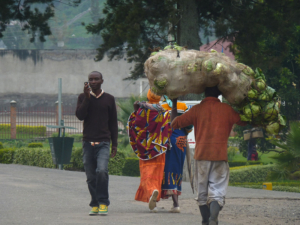
Rwanda has made major health gains, but access challenges remain. Government information says the country has about 58,000 community health workers and 66% of them are women. These workers are often the first link between communities and the formal health system. They monitor health at the village level, provide basic services and refer patients when cases become more serious. That makes better decision support at the community level especially important.

What the Study Found

A February 2026 study published in Nature Health tested five large language models using real clinical questions from Rwanda’s community health system. Researchers built a dataset of 5,609 questions submitted by 101 community health workers across four districts. They compared responses from Gemini-2, GPT-4o, o3-mini, DeepSeek R1 and Meditron-70B with answers from local clinicians. In a subset of 524 question-and-answer pairs scored across 11 expert-rated metrics, Gemini-2 and GPT-4o performed best and all five models outperformed local clinicians across every metric measured.

The cost difference made the findings even more striking. The study reported that clinician-generated answers cost an average of $5.43 per question for general practitioners and $3.80 for nurses. Model-generated responses cost about $0.0035 in English and $0.0044 in Kinyarwanda. Even when performance dropped slightly in Kinyarwanda, the models still outperformed clinicians and remained more than 500 times cheaper per response. For a health system trying to stretch limited resources, that level of efficiency matters.

Why AI Diagnostics in Rwanda Could Help

The promise of AI diagnostics in Rwanda is not only about answering questions faster. It is also about helping frontline workers decide when a case may be urgent, when symptoms point to a likely condition and when a patient should receive a referral for higher-level care. In settings where staff shortages and access gaps create pressure on the system, stronger support for frontline workers could improve speed, consistency and patient outcomes. Rwanda’s own health labor market analysis has documented workforce constraints and uneven distribution of health professionals, especially in lower-resource settings.

Rwanda is also building systems that could help these tools work at scale. In April 2025, the Ministry of Health launched the National Health Intelligence Center, a platform designed to collect and process real-time health data for evidence-based decisions. That matters because useful AI tools need more than strong models. They also need data systems, implementation planning and oversight.

International support is also growing in that direction. In January 2026, OpenAI and the Gates Foundation announced Horizon 1000, a $50 million initiative beginning in Rwanda. The goal is to support leaders in African countries, starting with Rwanda, and reach 1,000 primary health care clinics and surrounding communities by 2028. Reuters reported that the effort aims to improve health care delivery in places facing severe health worker shortages.

What Still Needs To Be Proven

Still, this story is not just about excitement over new technology. In February 2026, Wellcome, the Gates Foundation and the Novo Nordisk Foundation launched the Evidence for AI in Health initiative, backed by $60 million to support locally led evaluations of AI tools in low- and middle-income countries. That matters because governments need evidence on what works, where it adds value and how it can be used responsibly. In Rwanda, language quality, privacy safeguards, clinical safety and real-world implementation will shape whether these tools truly help patients.

AI will not replace doctors, nurses or community health workers. But it may help them do more with limited time and limited resources. That is what makes AI diagnostics in Rwanda worth watching. If Rwanda continues to pair innovation with evidence, oversight and local implementation, this approach could become a strong example of how technology can expand access to quality care in places that need it most.

– Adriana Carolina Herrera

Adriana is based in Mentor, OH, USA and focuses on Good News and Technology for The Borgen Project.

Photo: Wikimedia Commons
April 5, 2026
https://borgenproject.org/wp-content/uploads/borgen-project-logo.svg 0 0 Jennifer Philipp https://borgenproject.org/wp-content/uploads/borgen-project-logo.svg Jennifer Philipp2026-04-05 07:30:102026-04-03 13:43:46AI Diagnostics in Rwanda Could Strengthen Frontline Health Care
Artificial Intelligence (AI), Global Poverty, Health

A $50 Million AI Investment Will Boost Health Care in Rwanda

Health Care in RwandaBill Gates and OpenAI are planning to invest $50 million into AI health care systems in sub-Saharan Africa. The investment, which will chiefly benefit communities in Rwanda, will be implemented by 2028 and seeks to address persistent staff shortages in thousands of primary health clinics.

The Problem: Health Worker Shortages

Sustainable Development Goal (SDG) 3, one of 17 global SDGs set by the U.N. in 2015, is to “ensure healthy lives and promote well-being for all at all ages” by 2030. A key step toward realizing this goal is ensuring that everyone has access to quality health care. It follows that for a nation to have universal access to quality health care, it must have an appropriate number of health care professionals to tend to the needs of its population.

Rwanda and other sub-Saharan African nations have traditionally experienced a deficit of health care professionals according to their needs. In 2022, it was estimated that Africa as a whole needed a total of 9.75 million health workers to meet the health care needs of its population, of which it had only 43%. The number of health care workers in Africa is expected to increase.

However, at the current rate, only about 49% of the workforce needed to meet the continent’s health care demands will be in place by 2030. At this pace, SDG 3 will remain out of reach, leaving millions of Africans without access to quality health care.

To meet SDG 3 targets by 2030, African nations must significantly expand their health care workforce or adopt alternative strategies to improve health care efficiency and service delivery.

The Solution: AI Integration in Health Care

AI has great potential to provide a novel solution to the shortage of health workers in sub-Saharan African nations. Rwanda has just one health care worker per 1000 people, well below the WHO-recommended average of 4.45 per 1000 people. The $50 million investment proposed by the Gates Foundation and OpenAI in Rwanda will support the integration of AI into local health care clinics.

This technology will assist health workers with daily tasks, allowing clinics to operate more efficiently. As a result, the introduction of AI is expected to significantly improve health care outcomes across the country. Health workers in Rwandan clinics will be able to use AI tools to handle a range of administrative tasks, including record-keeping, automatic transcription of patient visits and the creation of clinical summaries.

This will allow doctors to see more patients and focus their time on critical responsibilities such as diagnosis and treatment. AI will also benefit maternal and child health. Sub-Saharan Africa accounted for almost 70% of global maternal deaths in 2023. By analyzing large datasets, AI can predict potential health problems during pregnancy, ensuring that doctors are well-prepared to treat patients and aware of regional health trends.

Rural communities in Rwanda are expected to benefit significantly from the integration of AI-driven telemedicine. These areas often have limited access to medical professionals and AI-enabled tools will allow doctors to monitor, diagnose and treat patients remotely through technologies such as smartwatches. This approach has the potential to reduce health care disparities in remote regions.

Furthermore, patients will be able to interact with AI chatbots that can answer basic medical questions, assist with scheduling doctor appointments and provide medication reminders.

Overall

The Gates Foundation and OpenAI’s $50 million investment will provide a novel solution to the shortage of health care workers in sub-Saharan Africa. The use of AI in the health care system in Rwanda will allow health professionals to care for a far greater number of patients while ensuring the quality of medical care remains high. AI is forecast to have an overwhelmingly positive impact on the health systems of sub-Saharan nations, making a universal basic standard of health care seem more achievable than ever.

– Arthur Horsey

Arthur is based in Hampshire, UK and focuses on Business and Technology for The Borgen Project.

Photo: Flickr

February 7, 2026
https://borgenproject.org/wp-content/uploads/borgen-project-logo.svg 0 0 Lynsey 2 https://borgenproject.org/wp-content/uploads/borgen-project-logo.svg Lynsey 22026-02-07 01:30:072026-02-06 11:20:15A $50 Million AI Investment Will Boost Health Care in Rwanda
Artificial Intelligence (AI), Global Poverty, Technology

Novissi: AI Fighting Global Poverty

NovissiHeadlines often cast artificial intelligence (AI) as a thief of jobs or a shadow over humanity’s future, yet in some of the world’s poorest communities, it has become a lifeline. In Malawi, AI-powered fetal monitoring is helping reduce one of the world’s highest neonatal death rates. Satellite data and mobile phone records in Togo are speeding up emergency cash transfers to families who would otherwise wait months for aid. In India, a digital platform is giving rural workers fair wages to build datasets in their own languages. Meanwhile, across Africa, solar-powered water pumps with AI-enabled monitoring are keeping clean water and electricity flowing in underserved communities. 

Newborns in Malawi

Malawi has long struggled with one of the world’s highest neonatal mortality rates. Between 2000 and 2015, the rate hovered around 27 deaths per 1,000 live births, far above the global average of 17. Conventional monitoring often missed early signs of distress, especially in overcrowded maternity wards with limited staff.

At Lilongwe’s Area 25 Health Centre, an AI-powered fetal monitoring system now tracks heart rate and oxygen levels continuously. It acts like a second pair of eyes, sounding the alarm before midwives can detect trouble. A six-month before-and-after study found that intrapartum stillbirths and early neonatal deaths dropped sharply once the system was introduced. At this single clinic, stillbirths and neonatal deaths have fallen by more than 82%.

For midwives, AI has become the colleague that never leaves the room; for mothers, it is the difference between heartbreak and hope. In Malawi, AI has stepped into the role of caregiver as a new angel for humanity, watching over the smallest lives.

Novissi Predicting Poverty

Before COVID-19, many poor households in Togo were invisible to social registries. Informal workers lacked paperwork or census records, so cash transfers often took months to arrange and often missed those most in need.

During the pandemic, the government built Novissi, a digital program that used satellite imagery and mobile-phone metadata to predict poverty at the household level. Families then received mobile-money transfers within days. Registration was simple, verification used voter IDs, and payments scaled quickly to hundreds of thousands of people. Independent evaluations found the AI-assisted targeting was both faster and more accurate than older methods. 

Offering Dignity in India

Rural India is home to millions who live on less than $2 a day, with unemployment and underemployment leaving families stuck in poverty. Even when work is available, it is often seasonal farm labor or insecure low-wage jobs.

The social enterprise Karya, backed by Microsoft and the Gates Foundation, is tackling this challenge by using AI to create dignified digital work. Villagers are paid to record speech and text in their own languages, building datasets that train global AI tools. Unlike most digital piecework, Karya guarantees above-minimum wages and shares royalties whenever the data is reused.

For workers, it means food on the table, children staying in school, and recognition that their voices matter. 

Carrying Water and Shining the Light in Africa

Across sub-Saharan Africa, more than 400 million people lack clean water and 600 million live without electricity. Even when solar pumps or mini-grids are installed, they often fail within months, leaving families hauling water long distances or studying by candlelight until repairs are made.

Organizations like Innovation: Africa, now fit solar-powered systems with remote monitoring sensors. These track water flow and electricity output, transmitting data over mobile networks. When a system falters, technicians receive alerts and can repair the problem within 48 hours instead of months. In one Ugandan village, a broken pump that once left families without water for weeks was repaired in two days after the system flagged the failure.

For families, it means reliable water and steady light to study at night, turning fragile systems into dependable lifelines.

– Diane Dunlop

Diane is based in Edmonton, Alberta, Canada and focuses on Good News and Technology for The Borgen Project.

Photo: Wikimedia Commons
September 5, 2025
https://borgenproject.org/wp-content/uploads/borgen-project-logo.svg 0 0 Lynsey 2 https://borgenproject.org/wp-content/uploads/borgen-project-logo.svg Lynsey 22025-09-05 03:00:042025-10-05 23:39:14Novissi: AI Fighting Global Poverty
Electricity and Power, Global Poverty, Health

Vaccine Coverage in Malawi Goes Solely Solar

Vaccine Coverage in MalawiIn 2010, the World Health Organization (WHO) approved the first solar direct-drive (SDD) refrigerators. It transformed how vaccines are stored in rural, remote areas worldwide. The Gates Foundation assisted in funding and supporting the spread of this innovation in Malawi; with the help of other organizations like UNICEF and Gavi, the Vaccine Alliance, WHO installed this in all 29 district-level vaccine storage facilities.

SDD Refrigerators

SDD refrigerators are solar-powered devices used to store vaccines at the proper temperature. Before the introduction of SDD refrigerators, earlier models were less reliable and more costly. Ice-lined refrigerators, which had been used for more than 20 years, were considered the most economical option.

Alongside absorption refrigerators and water-pack freezers, people found these units less efficient than solar-powered alternatives. They operated using gas, kerosene or batteries, which required frequent replacement and incurred high operational costs.

SDD Fridges in Malawi

Remote areas such as Malawi have been the top priority for the Gates Foundation due to their previous reliance on gas-powered refrigerators. Around 40% of community health clinics in Malawi are not on the electrical grid, making costly and outdated refrigerators their only option.

However, in 2015, Malawi received its first grant to implement only a few SDD fridges. After about three years of reliability, Gavi and UNICEF helped fund the installation of about 600 more in 2018. Since then, Malawi has replaced all gas and battery-powered fridges with solar-reliant fridges.

SDDs proved to be successful and sustainable. It is cutting carbon dioxide emissions significantly and giving cold chain managers the ability to track the maintenance of each refrigerator to confirm it is at the proper temperature. The equipment is also long-lasting and reliable, creating a concrete solution for Malawi.

Vaccine Coverage in Malawi

In addition to improving storage, Gavi and UNICEF are trying to bridge the gap between urban and rural access to vaccines. These organizations have specifically targeted communities with high rates of zero-dose children and developing equity-focused programming in collaboration with local governments.

The Expanded Programme on Immunization (EPI) from UNICEF shows that “across all antigens, Malawi is missing approximately 10% of children, with a significant portion of these zero-dose children in urban areas.” Providing adequate staff to recognize these patterns and advise immunization can catch these concerns promptly.

Impacts

According to Gavi, vaccine coverage in Malawi has shown impressive progress compared to a decade ago. This advancement has been supported by substantial funding and the availability of trained professionals in both rural and urban clinics, enabling effective vaccine storage and distribution.

Inclement weather is another factor in vaccine storage strategies. Malawi is particularly prone to extreme weather events such as cyclones and floods. When Tropical Storm Ana struck in 2021, significant damage was caused to the hydroelectric system, resulting in widespread power outages across the electrical grid. In previously vulnerable rural areas, health workers successfully kept vaccine doses cold using SDD refrigerators. At the same time, they had to move facilities relying on electricity-powered to avoid spoilage.

As a result, cold chain managers began re-evaluating the effectiveness of electric refrigerators compared to solar-powered ones. They transferred all vaccine doses from urban centers to more remote storage facilities. Solar refrigerators became the standard due to their strength and durability. 

Conclusion

The benefits of SDD fridges are vast, including bettering the environment and lowering long-term medical equipment costs. Cold chain management has taken a step in the right direction, with the Gates Foundation and more creating the possibility for success in countries like Malawi.

– Rachael Wexler

Rachael is based in Chicago, IL, USA and focuses on Technology and Global Health for The Borgen Project.

Photo: Unsplash

April 30, 2025
https://borgenproject.org/wp-content/uploads/borgen-project-logo.svg 0 0 Lynsey 2 https://borgenproject.org/wp-content/uploads/borgen-project-logo.svg Lynsey 22025-04-30 01:30:192025-04-30 00:48:56Vaccine Coverage in Malawi Goes Solely Solar
Africa, Development

Stellah Bosire: A Lifetime of Fighting Health and Economic Poverty

Stellah BosireAlthough widely described as the largest slum in Africa, Nairobi’s Kibera is deeply rooted in community values and caring for your neighbor. While women face higher rates of health risks in varying forms, Dr Stellah Bosire persevered as a child engulfed in poverty. Feeling encouraged by her community and teachers, she became a highly influential human rights activist.

Childhood

Before Bosire was a Gates Foundation Goalkeeper and accomplished actor globally, she faced the same struggles that persist to this day in Kenya. Children were taught at a young age that odd jobs were necessary to provide basic needs for your family. Along with unsafe work opportunities, Bosire and nearly a third of women in Kenya have experienced sexual violence.

Despite the overarching strength instilled in the women around her, Bosire could not help but realize how much they are being held back due to inevitable health risks. For example, the neighborhood struggles with inadequate sanitation, while dangerous social norms blockade women into unfair cycles of poverty.

After falling into this cycle herself at 13 years old, she prioritized finishing school despite selling drugs to financially support her family. She studied the material and took her final exams after just two weeks, scoring the second-highest grade in her school, The Gates Foundation reports. It was this validation that showed Bosire the potential of her knowledge and gave her the confidence to work hard at solving the hardships her community has faced for years.

Bosire’s Career and Giving Back

Bosire attended the University of Nairobi’s School of Medicine, receiving a full scholarship. Her long list of accolades began compiling soon after beginning schooling. She has achieved a Bachelor of Science in Medicine and Surgery, a Master of Business Administration in Health Care Management, and a Master of Science in Global Health Policy. To cover all aspects of her activism, she is currently pursuing a Bachelor of Law at the University of Nairobi.

Bosire has excelled in several leadership positions, allowing her to expand her efforts and help those internationally. She served as vice-chair for Kenya’s HIV Tribunal, focusing on women in the healthcare system who were discriminated against due to their HIV status, The Gates Foundation reports.

Bosire has brought a more holistic approach to health care in Kibera, focusing treatment efforts based on the context of individual lives. In 2021, Bosire created the HerConomy initiative to fund projects that allow women to excel economically, The Gates Foundation reports. This program provides aid and workshops to make a reliable worker, such as loans for healthcare expenses, making soap and professionalizing women-owned small businesses.

Along with accumulating more than 5,000 members, Bosire has also had to overcome harmful gender norms. Men in her own hometown called her “the homewrecker” for trying to shift gender dynamics in the home, according to The Gates Foundation. As a result of this, she invited the men to community discussions to shift their perspective on how economic empowerment for women can benefit all.

Using Her Own Experiences

Coming from an unsafe and uncertain environment, Bosire has used her power to give back to her community. Her mother was ill her entire life, and after Bosire’s education and exposure to formal schooling, they recognized her condition as depression and schizophrenia. In her last year of schooling at the University of Nairobi in 2011, she had lost her mom to Aids related complications.

The work that Bosire has put back into Kibera is present in the whole community. After her mother’s death, she became heavily involved in HIV/AIDS treatment and generated multiple projects for women affected with HIV/AIDS.

Street Healing Program

Tending to women in Kenya and all over Africa, Bosire has also digitized the experience of economic prosperity. She is building a software program to ease the lives of women in the economy, in the form of saving/accessing funds and building credit for a profile in the formal banking system, according to The Gates Foundation.

In addition to women’s economic empowerment, Stellah Bosire also tends to everyone she can on the streets of Kenya. Bosire runs what she calls the “Street Healing Program,” where she walks the business districts in Nairobi, medical bag in hand, ready to help any homeless people who are in need of common treatments or wound cleaning, Nation reports.

With no limits to her selflessness, Stellah Bosire has proven through overwhelming adversity that good change is possible. She credits hard work and resilience for her success, a message that has been relayed back to Kibera. Bosire’s childhood friends and others in Kibera call her achievements a “community degree” since that is where its efforts will flourish, right at home.

– Rachael Wexler

Rachael is based in Chicago, IL, USA and focuses on Good News and Global Health for The Borgen Project.

Photo: Flickr

April 16, 2025
https://borgenproject.org/wp-content/uploads/borgen-project-logo.svg 0 0 Naida Jahic https://borgenproject.org/wp-content/uploads/borgen-project-logo.svg Naida Jahic2025-04-16 01:30:482025-04-15 10:19:14Stellah Bosire: A Lifetime of Fighting Health and Economic Poverty
Global Poverty

Contributions of The Gates Foundation To Tackle HIV/AIDS

The Gates Foundation
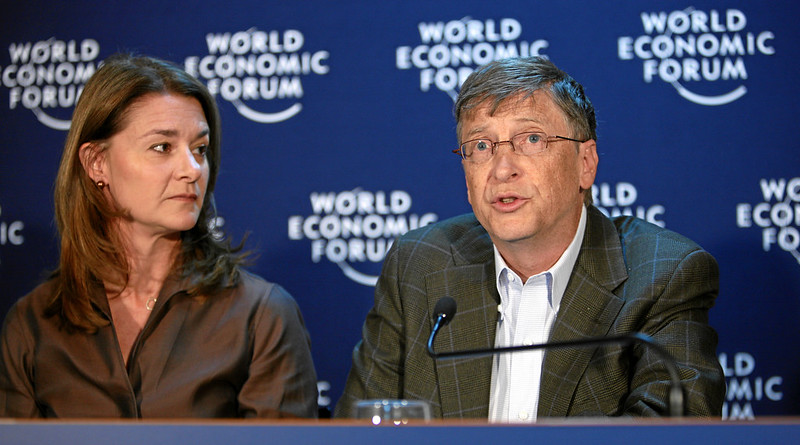
Bill Gates and his ex-wife Melinda French are two of the most prominent and generous philanthropists in the world. In 2000, they set up the Gates Foundation, an organization dedicated to alleviating a variety of social ailments, including global poverty and disease. Since its founding, the Foundation
has invested an unprecedented $79.2 billion towards this goal, with $39 billion of that coming from Bill and Melinda themselves. Today, the Foundation is one of the most powerful and influential nonprofits in the world. 

HIV/AIDS has ravaged vulnerable countries and societies since the 1980s, with the epidemic killing an estimated 40 million people since it was first discovered. Like many other nonprofits, the Gates Foundation has dedicated much of its research, volunteering and funding to tackling the epidemic. This ultimately helps the poorest and most vulnerable people across the world who are most at risk of becoming infected with HIV. 

Assisting the Global Fund

One of the main ways that the Gates Foundation is tackling HIV/AIDS is by supplying direct funding to The Global Fund to Fight AIDS, tuberculosis and malaria, an organization established by the United Nations in 2002 with the ultimate goal of removing those three diseases from the world. In fact, The Gates Foundation provided the seed money for the Fund when it was first established, making Gates and French crucial stakeholders in the organization. 

The Gates Foundation continues to make regular financial commitments to the Global Fund, particularly because of its work fighting HIV and AIDS. Over the course of 25 months between 2020 and 2022, the Foundation pledged more than $731 million for the Fund, with Gates himself calling the Fund “one of the most effective ways we invest our money every year.” Gates’ continuous support of the Global Fund allows the institution to continue its vital work, saving an estimated 100,000 lives a month through the provision of antiretroviral treatment and other forms of medication. 

By working in collaboration with The Global Fund, The Gates Foundation is an extremely significant instrument that is used to tackle HIV/AIDS, not just by funding the supply of medicinal supplies, but also through the financing of research on the diseases. By Gates’ own admission, treatment without prevention is entirely “unsustainable,” meaning that The Gates Foundation also uses The Global Fund to research microbicides and other preventative measures to stop the spread of HIV. 

Tackling the Stigma of HIV/AIDS 

In addition to providing financial support to The Global Fund, the Gates Foundation is also tackling HIV/AIDS by fighting the harsh stigma that surrounds the disease that prevents people from seeking and receiving the help that they so desperately need. 

Since the discovery of AIDS in 1981 and HIV in 1984, there has been a large, albeit reduced, fear of the disease and of its transmission. Thousands of people have died of AIDS as a result of this stigma in both developed and developing countries, which governments across the world largely ignored. The Gates Foundation has recently called for greater access to preventative HIV measures that reduce transmission rates dramatically, and has also called upon governments and NGOs to join them in breaking the stigma. 

The Gates Foundation acknowledges that researching and providing treatment for HIV/AIDS is a challenge in itself, with its difficulty being exacerbated by public opinion of the disease. Melinda French has publicly spoken out about the difficulty she faced trying to speak to sex workers who help fight HIV/AIDS during her travels around the world doing charity work on behalf of the Foundation, calling for greater advocacy to remove the stigma entirely. 

While there are an innumerable number of organizations, charities and government policies dedicated to tackling HIV/AIDS in 2023, the Gates Foundation’s resources, influence and longevity have made it one of the most effective institutions that prioritizes fighting the disease. Through a combination of funding vital research and allocation of medicine, and fighting the cruel stigma of the diseases, the Gates Foundation is making major contributions to tackling HIV/AIDS and has done so for many years.

– Tom Lowe
Photo: Flickr

October 27, 2023
https://borgenproject.org/wp-content/uploads/borgen-project-logo.svg 0 0 Yuki https://borgenproject.org/wp-content/uploads/borgen-project-logo.svg Yuki2023-10-27 07:30:452024-06-11 00:17:57Contributions of The Gates Foundation To Tackle HIV/AIDS
Global Poverty

4 Facts About Diarrheal Disease in South Asia

Diarrheal Disease in South Asia
Diarrheal diseases such as cholera, rotavirus and E. coli cause intense episodes of diarrhea which depletes the body of water and electrolytes (sodium, chloride, potassium, etc.) and eventually can lead to death if not treated. Unsanitary water, poor waste management, coming into contact with fecal matter and a lack of access to health care often are causes of these diseases. While diarrheal diseases impact people all across the globe, one of the areas in which people suffer from them the most is South Asia.

4 Facts About Diarrheal Disease in South Asia

  1. A substantial number of worldwide diarrheal disease-related deaths happen in South Asia. According to 2016 reports, diarrheal diseases are the eighth highest cause of death globally among people of all ages. Even more, they are the fifth highest cause of death in children under 5. Diarrheal diseases also disproportionately affect South Asian countries such as India, Nepal, Pakistan, Bangladesh, Sri Lanka and Bhutan. About 90% of deaths related to diarrheal disease worldwide occur in South Asia and sub-Saharan Africa.
  2. Children in South Asia are much more likely to die from a diarrheal disease than anything else. A 2020 study that BMC Public Health conducted in India found that diarrheal diseases caused 50% of deaths in children aged 1 to 5, putting children at a higher risk when it comes to diarrheal diseases.
  3. Diarrheal diseases disproportionately affect areas in South Asia with poor access to health care, sanitation and clean water. Once again, a 2020 study that BMC Public Health conducted found that in India, factors such as improper stool disposal in the home, having a dirt floor, having a thatched roof and environmental issues all contributed to a person’s likelihood of contracting a diarrheal disease. Evidence showed that 46.5% of children in the study had no access to a toilet facility, and the children with toilets were 18% less likely to contract a diarrheal disease. Of the people in this study, 43% of the children lived in houses with dirt floors, and some also had thatched roofs. These people were 8% more likely to contract a diarrheal disease. These statistics show just how threatening diarrheal diseases are to people living in South Asia without basic human needs.
  4. Despite this grim data, the negative effect of diarrheal disease is lessening in South Asia. In response to this high amount of diarrheal disease-related deaths in South Asia, many groups, government and not, are making efforts to end this crisis. Between 1990 and 2010, diarrheal disease-related deaths decreased by 55%. One organization in particular, The Gates Foundation, focuses on the development and delivery of safe and affordable vaccines for many diarrheal diseases. This organization began working in South Asia in 2003, with the implementation of an HIV vaccine in India. Between 2003 and 2014, The Gates Foundation implemented more than 170 million vaccines in the region.

WHO and UNICEF Providing Help

In addition, the World Health Organization (WHO) and UNICEF released a comprehensive plan in 2013 that will help lower diarrheal deaths worldwide, especially in high-risk places such as South Asia. This plan outlines many goals such as reducing mortality from diarrhea in children less than 5 years of age to fewer than one per 1,000 live births and 90% access to appropriate pneumonia and diarrhea case management by 2025. With these goals, the plan also lists steps that will be taken and that are being taken to achieve them such as administering vaccines, initiation of breastfeeding amongst new mothers and providing uncontaminated drinking water to areas that do not have access.

In conclusion, diarrheal diseases are very deadly to citizens of South Asia, especially children under 5, and people without access to proper waste disposal, health care and clean water. While these illnesses are very prevalent, they are also very preventable, and given the aid of organizations such as the Gates Foundation and the World Health Organization, South Asia is already lowering the number of deaths diarrheal diseases cause.

– Evelyn Breitbach
Photo: Unsplash

January 16, 2023
https://borgenproject.org/wp-content/uploads/borgen-project-logo.svg 0 0 Jennifer Philipp https://borgenproject.org/wp-content/uploads/borgen-project-logo.svg Jennifer Philipp2023-01-16 01:30:192023-03-06 17:01:474 Facts About Diarrheal Disease in South Asia
Global Poverty, Sanitation

How The Gates Foundation is Enabling Sustainable Sanitation Services

Sustainable Sanitation Services
The Bill and Melinda Gates Foundation is an organization dedicated to fighting poverty, disease, and inequity around the world. It has been working to create a world where every person has the opportunity to live a healthy and productive life. In order to reach their goal, in 2021 alone, the Gates Foundation has been responsible for funding 2,051 grants and contributing a total of $6.7 billion of charitable support to build economies across the globe. With $653 million going to global growth and opportunity, the Gates Foundation has been a leader in improving water, hygiene and sustainable sanitation services globally.

Sustainable Sanitation

Since the main objective of a sanitation system is to provide a clean environment to people living in a community, promote better health and break the cycle of disease in the process. It is imperative that all societies have access to clean, filtered water and sewage systems. Sustainable sanitation is a sanitation system that is economically viable and institutionally appropriate. For example, sustainable sanitation measures should be both socio-culturally acceptable and easy to operate. It should also be low-cost and effective in mitigating disease and preserving the health of the community.

The Importance of Sanitation Services

The World Health Organization (WHO) has reported that “poor sanitation is linked to the transmission of diarrheal diseases.” As the spread of diseases like cholera, dysentery, typhoid and polio contributes to the spread of antimicrobial resistance, proper sanitation is crucial to the development of a community. Often linked to reducing the well-being and economic development of society, sustainable sanitation services are crucial to reducing poverty. However, improving and providing sustainable sanitation services can lead to many more benefits such as:

  • Reducing the spread of neglected tropical diseases.
  • Reducing the impact of malnutrition.
  • Promoting safety and empowering women and girls to employ safe feminine hygiene practices.
  • Promoting school attendance.
  • Encouraging the potential recovery of water and renewable energy.

However, WHO reported that in 2020, only 54% of the world’s population were using safely managed sanitation services and more than 1.7 billion people still don’t have access to basic sanitation services. Since roughly 830,000 people die every year due to the effects of poor hygiene and inadequate water sanitation in low/middle-income countries, it is important to take steps to mitigate the problem.

The Gates Foundation and Its Goals

The Gates Foundation has been working with government leaders and technologists to revolutionize sanitation standards and practices around the world. Their core initiatives include:

  • Promoting and creating policies and outlets for global governments to take in order to establish sustainable sanitation services.
  • Investing in the following priority demographics:
    • Low-Income populations
    • Racial and ethnic minorities
    • Women
    • Children and adolescents
    • Elderly
    • Individuals with special needs
  • Investing in the adoption of new technologies that can radically change the management of human waste in an affordable manner.
  • Conducting research to help the sanitation section develop data and evidence about what works and what does not.

The Four Focus Regions

The Gates Foundation recognizes that the implementation of sustainable sanitation services is most pertinent in sub-Saharan Africa and South Asia. Even in the sub-Saharan countries with the best water coverage rates, as much as 25% of people still lack adequate access to proper sanitation services. The Gates Foundation reports that governments are now beginning to acknowledge the need for more innovative sustainable sanitation solutions as the population of towns and cities begins to grow rapidly. The organization has been focusing on four complementary areas, which are as follows:

  1. Investing in transformative technologies and commercialization is key to making sustainable sanitation accessible. Since 2011, the Gates Foundation has been working to “reinvent the toilet,” by designing a low-cost toilet that does not need access to an electrical grid, water or a sewer system.
  2. The foundation works with local governments, organizations and partners to stimulate the market and community demands to improve urban sanitation conditions.
  3. It also works to improve government policy and advocacy regarding sustainable sanitation by setting guidelines and providing funding. These efforts particularly work to increase women’s participation in sanitation decision-making areas.
  4. Lastly, the Gates Foundation invests in more research to measure the effectiveness of various sanitation services in order to reach its goal of providing equitable and safely managed sustainable sanitation services for all people by 2030.

Goals for the Future

Because poor sanitation is responsible for so many health complications, the Gates Foundation recognizes the importance of expanding access to clean water and providing sustainable sanitation. Solving sanitation challenges in the developing world will require new technologies that are both reliable and cost-effective. It is therefore crucial to invest in proper sanitation to lift poverty-stricken nations.

– Opal Vitharana
Photo: Flickr

December 22, 2022
https://borgenproject.org/wp-content/uploads/borgen-project-logo.svg 0 0 Jennifer Philipp https://borgenproject.org/wp-content/uploads/borgen-project-logo.svg Jennifer Philipp2022-12-22 01:30:512022-12-14 14:28:20How The Gates Foundation is Enabling Sustainable Sanitation Services
Family Planning and Contraception, Gender Equality, Global Poverty, Women and Female Empowerment, Women's Rights

Global Gender Equality and the Gates Foundation

Global gender equalityIn the fight for global gender equality, the Bill & Melinda Gates Foundation is leading the way. According to the Peace Corps, gender equality means that “men and women have equal power and equal opportunities for financial independence, education and personal development” and is a crucial issue worldwide. Recently, the Gates Foundation made a significant donation to help support global gender equality efforts. This is not the only action the organization has taken to express its passion for establishing gender equality. The Gates Foundation’s efforts, with support from other organizations, will make great strides in the fight for global gender equality.

A Generous Donation

At the 2021 Generation Equality Forum, the Gates Foundation announced it would donate more than $2 billion to help improve gender equality worldwide. Over the next five years, the foundation plans to use the money to advance gender equality in three main areas: economic support, family planning and placing women in leadership roles. The Gates Foundation’s goal behind this decision is to specifically focus on gender-related issues that have worsened due to the COVID-19 pandemic. For example, the International Labor Organization found that unemployment for women increased by nine million from 2019 to 2020. Since the foundation has dedicated itself to supporting gender equality for many years, this monetary commitment will accelerate its progress.

Actions From the Foundation

Besides its billion-dollar donation, the Gates Foundation has been dedicating its work to create solutions for the lack of women’s equality for many years. In addition to several other million-dollar donations, in 2020, the foundation formally established the Gender Equality Division to prioritize its commitment to improving the lives of women and girls. From family health to economic empowerment, the foundation is working on expanding access to a variety of social, medical and educational services. This includes analyzing factors that help or hinder women and advising international governments on how to better support gender equality.

Solutions From Other Organizations

Aside from the Gates Foundation’s various efforts, other projects can improve circumstances relevant to global gender equality. One vital step to this process is looking at data from around the world. Data2X created a campaign that draws attention to issues associated with gender and proposes possible improvements. Similarly, another organization, Equality Now, uses legal and systemic advocacy to help improve global gender equality. Furthermore, after donating more than $400 million, the Ford Foundation has also committed to helping fix various gender-related issues. These issues include inequality in the economy and workforce.

The Gates Foundation’s donation of more than $2 billion is one significant step in eliminating global gender inequality. With initiatives worldwide, women and girls are gaining the equality and respect they should have always had. In addition, the Gates Foundation is supported by Data2X, Equality Now and the Ford Foundation. Together, people everywhere are working to understand and improve global gender equality.

– Chloe Moody
Photo: Wikimedia

August 27, 2021
https://borgenproject.org/wp-content/uploads/borgen-project-logo.svg 0 0 Kim Thelwell https://borgenproject.org/wp-content/uploads/borgen-project-logo.svg Kim Thelwell2021-08-27 07:30:172021-08-27 01:49:32Global Gender Equality and the Gates Foundation
Global Poverty, Health

Adjuvant Capital: Investment in Health Innovations

Adjuvant CapitalGlenn Rockman and Jenny Yip are the leaders of Adjuvant Capital, an investment firm focused on public health. In February 2021, the firm announced a $300 million venture capital fund. The reason for raising this large amount is because the world is in great need of medical technologies and supplies and Adjuvant Capital wants to ensure those resources are accessible. The fund specifically works toward underprivileged and developing countries to ensure that those who would not otherwise have access to certain medical advances are getting the care they need. Multiple investors have pledged money to this fund, including the Gates Foundation, pledging $75 million to the venture capital fund.

The Venture Capital Industry

The venture capital industry has long since been overlooking new technologies in the medical field but Adjuvant Capital looks to change this in order to get the necessary medical resources to the people that need them. By investing in various companies, increased production will arise for new medical technologies that can help prevent or manage medical issues, from rare diseases to global pandemics. Many of the Adjuvant Capital investors are also contributing scientific advice and research as well as financial aid in order to cultivate the growth of wide-reaching medical resources.

Adjuvant Capital

The co-founders of Adjuvant Capital, Kabeer Aziz and Charlie Petty, have been global health investors in the past. Partners Rockman and Yip also have investment backgrounds, with Rockman being a former member of the Global Health Investment Fund. It is clear to see that these backgrounds have had a lot of influence over the firm’s current venture fund and can be seen further as Yip used to be a part of the Gate’s Foundation’s strategic investments group. The Gate’s Foundation is responsible for about 25% of the venture capital fund.

Although based in the United States, Adjuvant Capital commits to the most promising technologies globally, with investments in Nigeria, Bangladesh and China, among others. Recent financings include Beijing-based Yisheng Biopharma, which looks to resolve critical supply issues in the rabies vaccine market.

Medical innovations have been overlooked by investors for a long time, which is why this venture capital fund exists. Mark Suzman, CEO of the Bill and Melinda Gates Foundation, is quoted saying “there is an important role for investment capital to play in stimulating innovation and making markets work for the poor so that everyone has the chance to live a healthy, productive life.”

The investment into these innovations will not only help the underprivileged but it will create an effect that reaches everyone and promotes public health as well as growth. Among others, investors in the fund also include the Children’s Investment Fund Foundation, the Ford Foundation and the International Finance Corporation (IFC).

The Road Ahead

Adjuvant Capital’s investment fund could possibly produce life-changing healthcare solutions that have the potential to create significant global social impact. Adjuvant Capital is committed to ensure global access to healthcare and health equity worldwide. The ultimate goal is to bring quality healthcare to all by creating affordable, effective solutions that everyone has access to, regardless of income, region or socioeconomic status.

– Grace Aprahamian
Photo: Flickr

April 16, 2021
https://borgenproject.org/wp-content/uploads/borgen-project-logo.svg 0 0 Kim Thelwell https://borgenproject.org/wp-content/uploads/borgen-project-logo.svg Kim Thelwell2021-04-16 03:04:592024-05-30 22:23:21Adjuvant Capital: Investment in Health Innovations
Page 1 of 212

Get Smarter

  • Global Poverty 101
  • Global Poverty… The Good News
  • Global Poverty & U.S. Jobs
  • Global Poverty and National Security
  • Innovative Solutions to Poverty
  • Global Poverty & Aid FAQ’s
Search Search

Take Action

  • Call Congress
  • Email Congress
  • Donate
  • 30 Ways to Help
  • Volunteer Ops
  • Internships
  • Courses & Certificates
  • The Podcast
Borgen Project

“The Borgen Project is an incredible nonprofit organization that is addressing poverty and hunger and working towards ending them.”

-The Huffington Post

Inside The Borgen Project

  • Contact
  • About
  • Financials
  • President
  • Board of Directors
  • Board of Advisors

International Links

  • UK Email Parliament
  • UK Donate
  • Canada Email Parliament

Get Smarter

  • Global Poverty 101
  • Global Poverty… The Good News
  • Global Poverty & U.S. Jobs
  • Global Poverty and National Security
  • Innovative Solutions to Poverty
  • Global Poverty & Aid FAQ’s

Ways to Help

  • Call Congress
  • Email Congress
  • Donate
  • 30 Ways to Help
  • Volunteer Ops
  • Internships
  • Courses & Certificates
  • The Podcast
Scroll to top Scroll to top Scroll to top