• Link to X
  • Link to Facebook
  • Link to Instagram
  • Link to TikTok
  • Link to Youtube
  • About
    • About Us
      • President
      • Board of Directors
      • Board of Advisors
      • Financials
      • Our Methodology
      • Success Tracker
      • Contact
  • Act Now
    • 30 Ways to Help
      • Email Congress
      • Call Congress
      • Volunteer
      • Courses & Certificates
      • Be a Donor
    • Internships
      • In-Office Internships
      • Remote Internships
    • Legislation
      • Politics 101
  • The Blog
  • The Podcast
  • Magazine
  • Donate
  • Click to open the search input field Click to open the search input field Search
  • Menu Menu

Tag Archive for: The Gates Foundation

Posts

Global Poverty

How The Gates Foundation is Helping COVID-19 Relief Worldwide

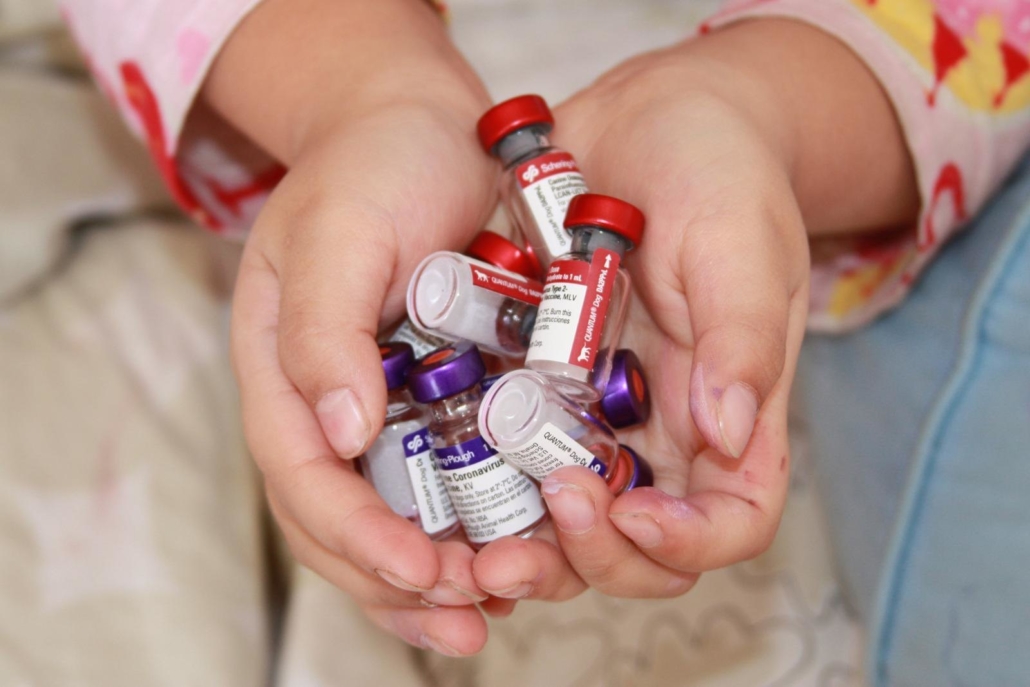
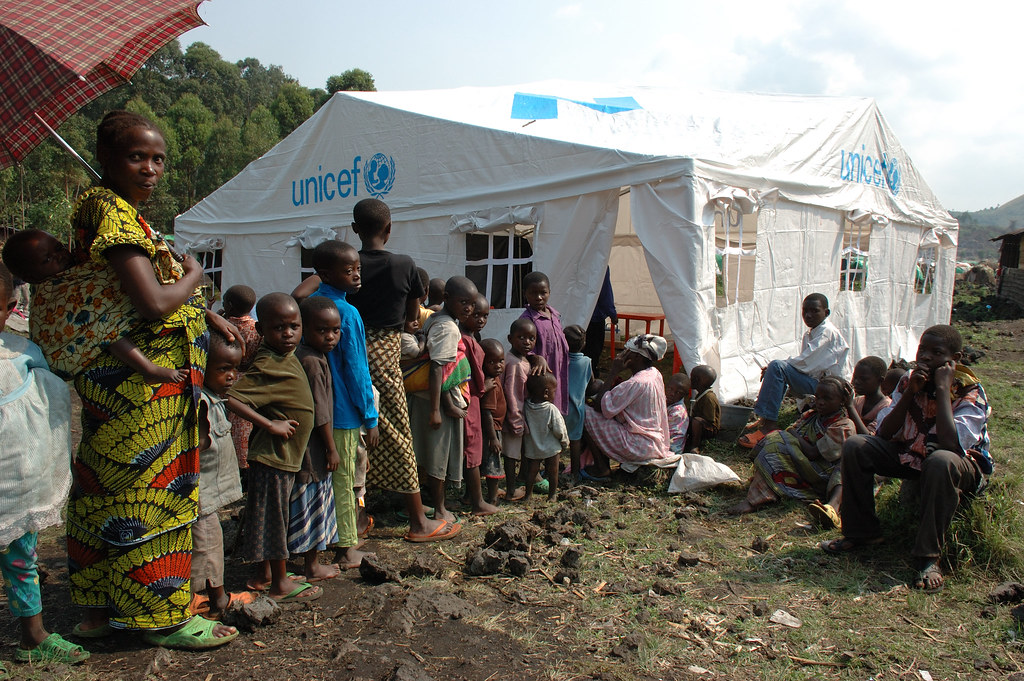
The Bill & Melinda Gates Foundation is Helping COVID-19 Relief WorldwideBill Gates first became interested in the effort for vaccines and immunizations in the 1990s. Over the years, the Gates Foundation has granted vaccine programs more than $16 billion to fight against AIDS, tuberculosis and malaria. Gates has also made a point to speak publicly on the issue of public health routinely. In fact, Gates nearly predicted the current pandemic, saying in 2015 that “if anything kills over 10 million people in the next few decades, it’s most likely to be a highly infectious virus” and that “we’re not ready for the next epidemic.” Six years and more than 2.5 million COVID-19 deaths later, the Bill and Melinda Gates Foundation is helping COVID-19 relief worldwide in three key ways.

The Gates Foundation and COVID-19 Fundraising

The Gates Foundation is helping COVID-19 relief is by providing funds. A central aim of the Gates Foundation is to aid global health by “[investing] heavily in developing new vaccines to prevent infectious diseases.” The foundation has upheld this promise during the COVID-19 pandemic, giving about $1.75 billion to the pandemic response. For example, the foundation provided a $300 million infusion to the Serum Institute of India. This allowed the institute to double its vaccine commitment. The bulk of the funds have gone “towards the production and procurement of crucial medical supplies.”  Notable examples of earmarked contributions include a $20 million grant to the Coalition for Epidemic Preparedness Innovations to further research on additional vaccine candidates. Also, a $250 million donation is dedicated to ensuring low- and middle-income countries have access to the same technology and solutions as developed countries.

The Gates Foundation Launch The Access to COVID-19 Tools (ACT) Accelerator

The ACT-Accelerator is an international coalition that brings together governments, health organizations, scientists and philanthropists that represent a comprehensive effort to assist in COVID-19 relief. The platform was launched by the WHO, European Commission, France and The Bill and Melinda Gates Foundation less than a year ago after calls from G20 Leaders. The organization focuses on four pillars of COVID-19 relief: diagnostics, treatment, vaccines and health system strengthening. While the organization’s holistic goal is to coordinate a truly global response to COVID-19, it has many specific, tangible aims. These goals include bringing 500 million tests to low-and-middle-income countries by mid-2021 and distributing 245 million treatments to these populations within the next year.

Established Relationships of The Gates Foundation During COVID-19

The Gates Foundation is also using established relationships to further the COVID-19 relief effort. Bill Gates’ work over the past two decades in the global infectious disease effort has helped him create strong relationships with humanitarian organizations and influential public figures. The foundation is drawing on these connections to further its efforts. Bill and Melinda have met with international actors, such as the President Macron of France and Chancellor Merkel of Germany. They also have connected with domestic figureheads, including Dr. Fauci and Sen. McConnell, to bring more attention and funding to COVID-19 relief efforts.  The Bill and Melinda Gates Foundation is helping COVID-19 relief through traditional methods such as donations and grants while also focusing on advocating for the equitable distribution of resources to low- and middle-income countries. Through its work in vaccine equity, the Gates Foundation is helping COVID-19 relief worldwide in many needed ways.

– Kendall Carll
Photo: Flickr
March 4, 2021
https://borgenproject.org/wp-content/uploads/borgen-project-logo.svg 0 0 Kim Thelwell https://borgenproject.org/wp-content/uploads/borgen-project-logo.svg Kim Thelwell2021-03-04 07:30:582021-05-14 09:35:26How The Gates Foundation is Helping COVID-19 Relief Worldwide
Advocacy, Global Poverty, Health

5 Ways to Decrease Sickle Cell Anemia in Sub-Saharan Africa 

Sickle Cell Anemia in Sub-Saharan AfricaThere are a total of 46 countries that compose sub-Saharan Africa. These countries account for 75% of the total cases of sickle cell anemia globally. Due to the high concentration of this disease in one area of the globe, high rates of early mortality have devastated sub-Saharan Africa. Researchers estimate that 50-90% of infants born with the disorder will die by the age of 5. In response, methodologies have been developed in hopes of eradicating sickle cell anemia in sub-Saharan Africa.
5 Ways to Decrease Sickle Cell Anemia in Sub-Saharan Africa

  1. Early Screening. It is crucial to provide screening for newborns in order to diagnose children with sickle cell anemia as early as possible. Early detection of the disease is proven to increase survival rates. In under-resourced communities, many children have died without ever receiving a diagnosis. Early detection allows for the initiation of treatments, therapies, physician follow-ups and medical attention. Previously, diagnoses of patients happened through isoelectric focusing and liquid chromatography, but these have shown to be inaccurate and expensive. Now, there are “point-of-care” diagnostic methods available that are affordable and provide accurate results.
  2. Vaccinations. A consequence of sickle cell disease (SCD) is an exponential increase in the transmission of bacterial infections. The main vaccination that has resulted in improvement for patients with sickle cell disease is penicillin prophylaxis. With the increased availability of penicillin and medical monitoring, mortality rates for patients with sickle cell anemia in sub-Saharan Africa will significantly decrease.
  3. Treatment Therapies. Once diagnosed, there are numerous preventive and therapeutic measurements that can alleviate the symptoms of SCD. Data collected through years of research have proven that hydroxyurea is the most effective therapy for patients with SCD. In addition, proper hydration and nutritious supplements are key to curing non-critical patients. The most critical patients receive blood transfusions. Lastly, stem cell transplantations bring great improvements to SCD patients; however, its high cost often prevents the utilization of this method.
  4. Health Education. A simple method to increase the life expectancy of SCD patients is to provide accurate and useful information about the disease. Parents well-informed on this condition can properly identify symptoms their children display and can seek immediate medical attention. This leads to early detection so the child can receive necessary medications, therapies, vaccinations and treatments.
  5. Global Advocacy. In recent years, more institutions have recognized the prevalence of sickle cell anemia in Africa and have shifted their focus to aiding those countries. The U.S. National Institutes of Health and the Gates Foundation created joint efforts in order to cultivate gene-based cures for both sickle cell disease and HIV. The National Heart, Lung and Blood Institute (NHLBI) and American Society of Hematology announced that one of their priorities is to support the impoverished, disadvantaged countries across Africa in regard to sickle cell anemia. Also, the NIH Small Business Innovation Research grant allowed for the utilization of the affordable, precise “point-of-care” diagnostic methods for SCD patients. Further advocacy for underprivileged, impoverished families is necessary to continue the fight in reducing sickle cell anemia in sub-Saharan Africa.

Looking Ahead

Despite its challenges, Africa has made major strides in improving sickle cell anemia in the last 40 years. Continuing to utilize these methods would not only save vulnerable children but would also help economies to flourish. A higher life expectancy has a direct correlation with an increase in projected lifetime incomes. This would result in more people contributing to their country’s economy and mobilizing their personal socioeconomic statuses. It is vital to take the above approaches to support patients with sickle cell anemia in sub-Saharan Africa.

– Bolorzul Dorjsuren
Photo: Flickr

December 23, 2020
https://borgenproject.org/wp-content/uploads/borgen-project-logo.svg 0 0 Kim Thelwell https://borgenproject.org/wp-content/uploads/borgen-project-logo.svg Kim Thelwell2020-12-23 16:43:442022-03-29 01:04:165 Ways to Decrease Sickle Cell Anemia in Sub-Saharan Africa 
Global Health, Global Poverty

Vaccines in Africa During COVID-19

Vaccines in Africa during COVID-19Medical progress in developing countries could unravel during COVID-19 because the global shutdown is preventing important vaccines from reaching Africa. In fact, global health organizations struggle to dispatch health care workers, make shipments, and store medical supplies and vaccines. Health care systems have halted vaccinations for cholera, measles, polio and other diseases in order to focus on stopping COVID-19. Also, parents are afraid of bringing newborns to get vaccines during the pandemic as many health care workers have been repeatedly exposed to COVID-19. Although the WHO says that children are not a high-risk category for COVID-19, the fear of exposure could perpetuate the vaccination gap and exacerbate the problem even as governments ease restrictions.

Effects of Halting Vaccine Distribution

The postponement of vaccines in Africa during COVID-19 could lead to a dramatic resurgence of measles, cholera and other diseases that have been decreasing worldwide. Children in countries with low-quality health care might not receive these vaccines. This inequality is a problem that many organizations are trying to combat. Experts are also recommending that leaders should track and trace unvaccinated children to administer the vaccines on a later date. These proactive measures could help prevent future outbreaks.

Measles Vaccinations

Measles cases have risen globally in recent years due to growing misinformation, low-quality health care and other cultural or societal issues. Coronavirus has stalled everyday life, international travel and vaccination campaigns. Because of the impact COVID-19 has had, it is now estimated that over 117 million children in 37 countries, in which the majority are located in Africa, will likely not receive their measles vaccine. The World Health Organization and other global health foundations have expressed concerns over this new problem. Data is now showing that deaths from other diseases will likely compare to COVID-19 deaths in Africa by a ratio of 100 to one because these preventable diseases will have been overlooked. 

What is Being Done to Help

Global health organizations such as UNICEF, the Gates Foundation and other private groups provide most vaccines. Most African health care systems are already not well equipped to handle basic care and disease management. The pandemic, as well as the threat of diseases becoming more prevalent, puts a strain on these health care systems. Organizations like the Gates Foundation have noticed this excess burden on the African health care system, so they are working to help improve Emergency Operations Centers and local disease surveillance and testing. The Gates Foundation is also focusing on providing routine care as that often goes overlooked during a pandemic. The foundation is working to build up their health care systems as a whole to fight other diseases.

Most world leaders are prioritizing the containment of COVID-19; however, global health organizations are encouraging governments to do more to prevent diseases that can be treated with vaccines. 

– Jacquelyn Burrer
Photo: Flickr

July 21, 2020
https://borgenproject.org/wp-content/uploads/borgen-project-logo.svg 0 0 Kim Thelwell https://borgenproject.org/wp-content/uploads/borgen-project-logo.svg Kim Thelwell2020-07-21 07:30:132024-05-29 23:17:44Vaccines in Africa During COVID-19
Economy, Global Health, Global Poverty, Health

The Impact of Coronavirus On the Global Economy

Impact of Coronavirus
Over the past several months, the outbreak of the fast-spreading pandemic of coronavirus or COVID-19 has taken the world by storm. In efforts to stop the pandemic from spreading and provide aid to the sick, many countries are closing borders and imparting quarantine policies on citizens. Not only is the coronavirus taking lives, but it is also heavily impacting the global economy in terms of billions of dollars. 

Efforts to Curb COVID-19

Currently, the WHO has reported 234,073 confirmed global cases and 9,840 deaths from the coronavirus. This pandemic is extremely contagious and spreads through respiratory fluids, which is why it is important to cover the mouth when coughing and washing hands frequently. The CDC recommends washing hands every hour for at least 20 seconds.

International governments are also closing borders and canceling flights to slow the impact of coronavirus. Further, people from CEOs to politicians and regular citizens are promoting social distancing. All over the world, authorities are telling people to only leave home when necessary like to buy groceries, travel to work, exercise or receive medical care. In Jordan, curfews exist that are punishable with jail time if people do not abide by them. Meanwhile, the United Kingdom is asking retired doctors and medical professionals to help fight the outbreak.

Organization Action

Organizations are also taking action to fight the outbreak. Organizations like the Gates Foundation, Wellcome and the Mastercard Impact Fund are contributing large sums to support economically impacted communities. The Gates Foundation and Wellcome have donated up to $50 million, and the Mastercard Impact Fund has committed up to $25 million. The CEO of Apple, Tim Cook, has announced the company will donate to “groups on the ground” that are in specific contact with those ill. Specific to the Gates Foundation, its initial donation is a part of the $100 million it has committed to help fight the outbreak and provide aid relief.

Additionally, the co-founder of Alibaba, Jack Ma, has donated $14.4 million to help develop a vaccine to reduce the impact of coronavirus. Ma has provided $5.8 million to support two Chinese government research organizations in tackling vaccine production. The rest of the funds are going towards prevention protocols. According to the latest CDC situation report, the first vaccine trials are in progression. Furthermore, the WHO has set up an international study in many countries to compare different treatments.

Impact on the Global Economy

From a financial standpoint, the pandemic is slowly weakening the global economy and will continue to do so until the situation is under control. So far, the impact of COVID-19 is billions of dollars of government money to go towards aid needs, prevention technology and protection measures. Estimates determine that the impact of coronavirus will have cost nearly $2 trillion by the end of 2020. However, some countries like the U.S. are already receiving billions of dollars in bailouts.

With an abundant amount of action per nation, generous donations and hard-work from medical professionals, it is the hope of many that the pandemic will soon take a more positive turn. It is important to take adequate measures to stay safe during the pandemic. Safety precautions allow a slower spread and provide medical professionals and the health care system time to reduce the impact of the virus. Additionally, these measures will aid in providing therapeutic resources and developing vaccines. 

– Sarah Mobarak
Photo: Flickr

March 21, 2020
https://borgenproject.org/wp-content/uploads/borgen-project-logo.svg 0 0 Lynsey Alexander https://borgenproject.org/wp-content/uploads/borgen-project-logo.svg Lynsey Alexander2020-03-21 12:30:462024-05-29 23:15:42The Impact of Coronavirus On the Global Economy
Food & Hunger, Global Poverty, Health, Hunger

What is Hunger?

What is Hunger?
Every day, people around the world experience those familiar sensations of emptiness and rumbling pangs in their stomach, signaling that it is time to eat. At this point, most people would get something to eat and go on with their day. Sadly, many people in the world, especially those in developing countries, do not receive this luxury. They experience chronic hunger, which is undernourishment from not ingesting enough energy to lead a normal, active life. It is difficult to empathize with what hunger feels like, to live with a body longing for nourishment, weakened by a lack of energy and unable to fulfill its basic need for food.

According to the Food and Agriculture Organization (FAO) of the United Nations, an estimated one in nine people, 821 million, live with chronic hunger. It also states that the number of people living with the condition has been on the rise since 2014, with a staggering 98 percent living in developing countries.

The Consequences of Hunger

Hunger brings along with it many problems other than an aching stomach. Prolonged lack of adequate nourishment results in malnutrition, which causes the stunting of growth and development in children and wasting syndrome. Wasting syndrome is a side effect of malnutrition, in which the victim’s fat and muscle tissues break down to provide the body with nourishment. The condition results in an emaciated body and in some cases, death. In fact, malnutrition links to around 45 percent of deaths among children under the age of five, according to the World Health Organization (WHO).  Fortunately, some have made progress. Since 2012, the number of stunted children in the world has decreased by nine percent from 165.2 million to 150.8 million, a significant improvement.

Hunger and Poverty

Poverty is the underlying determinant in who suffers from chronic hunger. Impoverished people are unable to consistently provide substantial amounts of food for themselves or their families, as they simply cannot afford to. This inability to provide nourishment creates a vicious cycle of hunger and poverty.

Undernourished people lack the energy required to perform basic tasks and therefore are less productive. Those who were malnourished as children develop stunted physical and intellectual abilities, which results in a reduction in the level of education achieved and the individual’s income, according to UNICEF.

What Can People Do?

People can break this vicious cycle and help people suffering from chronic hunger. Organizations such as The Hunger Project, the FAO and the Gates Foundation all have initiatives aimed at helping those in need get on their feet.

The Hunger Project works to empower those suffering from hunger with the tools they need to become self-reliant.  In Mbale, Uganda, the organization partnered with the local community to build a food bank where farmers are able to safely store grain, which has greatly increased their food security.

The FAO focuses on aiding governments and other organizations in implementing initiatives that aim to decrease hunger and malnourishment. A great example of this is Africa Sustainable Livestock 2050, in which the FOA helps countries such as Kenya and Ethiopia develop livestock infrastructure that will support the countries as their populations increase over the coming years.

Bill and Melinda Gates formed the Gates Foundation in 2000 with the main focus of providing internet to those who do not have access to it. Since then, the scope of the foundation’s mission has expanded to help the impoverished through global health and development initiatives. One of the foundation’s major initiatives is Seed Systems and Variety Improvement, which aims to improve seed breeding systems in Africa and India in an effort to make agriculture in those countries more sustainable.

With projects that aim to give impoverished people access to clean water, infrastructure, sustainable farming, disaster relief and education, these organizations have made significant strides.

Individuals can help eradicate chronic hunger by donating to charitable organizations or by contacting their government representatives, encouraging them to support bills and initiatives that aim to combat global hunger. Everyone can play a role and spread the word. There is a long road ahead, but with the tools available, chronic hunger can become a thing of the past.

– Shane Thoma
Photo: Flickr

September 3, 2019
https://borgenproject.org/wp-content/uploads/borgen-project-logo.svg 0 0 Kim Thelwell https://borgenproject.org/wp-content/uploads/borgen-project-logo.svg Kim Thelwell2019-09-03 05:45:122024-05-29 23:09:55What is Hunger?
Global Poverty, Health

Gates Foundation: Reducing Enteric and Diarrheal Diseases

Diseases Gates Foundation
According to a journal published in the Gastroenterology Section of the U.S. National Library of Medicine National Institute of Health, enteric and diarrheal diseases are the leading causes of death in young children under five years old. Of this age group, diarrhea occurs approximately 2.5 billion times each year resulting in the fatality of nearly 15 percent. The Bill and Melinda Gates Foundation aspires to eliminate enteric and diarrheal diseases by 2030, including typhoid in children under five by 2035. The World Health Organization (WHO) also reports that diarrheal related illnesses are the leading cause of malnutrition for children under five.

The Gates Foundation is committed to serving and advocating the lives of the world’s poor by improving health care, education and other areas that could dramatically impact the quality of life for billions. The foundation’s goal for this initiative is “We believe that all children — no matter where they live — should not suffer or die from enteric (gastrointestinal) and diarrheal infections.”

Understanding the development of children across the world can help prevent and reverse the issues of growth stunting caused by environmental enteric dysfunctionalities in young children under five. Improving socioeconomic conditions is a crucial component for the Gates Foundation to reduce these illnesses. Children will have better access to health care and treatment, and the improvement in the accessibility of clean and sanitized water and hygiene will help to significantly reduce the likelihood of occurrence.

The Gates Foundation is primarily focused on providing safe, effective and affordable vaccines to children in vulnerable countries where these illnesses are more prevalent. The Gates Foundation also invests in quality research aimed at improving case management and delivering treatment for children in medically vulnerable countries.

Currently, there are safe and effective vaccines available for rotavirus and cholera. WHO recommended that these vaccinations be included in national immunizations. Affordable treatments such as oral rehydration solutions, zinc supplements and antibiotics to treat dysentery could also prevent enteric and diarrheal diseases in young children. Breastfeeding exclusively for the first six months of life, personal and household hygiene improvements, access to safe and reliable drinking water and improved sanitation help reduce the development of gastrointestinal infections.

Gastrointestinal research is a growing field of study and is beneficial in understanding neurocognitive development and how to support physical growth. Promising opportunities have been made possible through research on gut microbiome, immune system and gut barrier to test and further the development of inventions that seek to prevent and reverse growth stunting.

Although advancements in research are occurring, not nearly enough political attention, adequate funding and thorough research go toward the alleviation of enteric and diarrheal diseases. This is partially due to the fact that the impact of these fatal illnesses has largely gone unnoticed in the international community.

Additionally, the lack of critical information on the pathogens and the environmental factors that cause theses pathogens limit proactive progress toward eliminating these devastating gastrointestinal illnesses.

The good news is that action and awareness can yield a more positive result in fighting against these diseases and essentially lower the number of lives they take.

– Haylee M. Gardner

Photo: Flickr

October 25, 2016
https://borgenproject.org/wp-content/uploads/borgen-project-logo.svg 0 0 Borgen Project https://borgenproject.org/wp-content/uploads/borgen-project-logo.svg Borgen Project2016-10-25 01:30:152024-05-26 23:17:48Gates Foundation: Reducing Enteric and Diarrheal Diseases
Global Health, Global Poverty, Malaria

President’s Malaria Initiative: Progress and Future

presidents_malaria_initiative
In 2005, George Bush launched the President’s Malaria Initiative (PMI) to work towards eradicating malaria across 15 high-risk African countries.

By acting quickly and efficiently, PMI has helped to reduce malaria mortality by 50 percent since 2005. Over 6 million people are alive today – without the influence of PMI, they would have died from malaria.

Since its creation, PMI has expanded and has helped hundreds of millions of people by core preventative strategies: providing people in high-risk zones with durable and insecticide-treated mosquito nets, antimalarial treatment options, fast-acting diagnostics, indoor anti-mosquito spray and prevention options for pregnant women.

Malaria is a disease carried by mosquitoes, which bite and infect people, leaving them ill with fevers, chills and symptoms associated with the flu. If the disease is not treated, people are at risk of death. In 2013, 198 million cases of malaria were reported, and of those, half a million people died. Many of these deaths were children under the age of 5.

The World Health Organization estimates that 106 countries and 3.4 billion people are at risk of malaria infection.

Mali is an example of where PMI has contributed to improving the quality of life of citizens through malaria treatment. The entire population of Mali is at risk of contracting malaria with 90 percent of citizens living in the central and southern regions where the disease is endemic.

People in transit, perhaps fleeing their homes due to displacement, are even more at risk because of their weaker immune systems. Malaria is the primary cause of death in Mali, especially for children under the age of five.

Despite malaria’s omnipresence in Mali, the devastation caused by malaria has diminished since PMI’s inception in 2005. The mortality rate of children under the age of 5 has decreased by 50 percent in 2013.

PMI’s success is not limited to Mali – the Initiative has made incredible progress across Africa. It has distributed over 31 million mosquito nets, sprayed over 5 million households with insecticides (impacting 18 million people), given over 13 million antimalarial medications for pregnant women and trained over 27,000 health workers.

According to the Bill and Melinda Gates Foundation on their website, Impatient Optimists, “Malaria is clever, resilient and capable of evading our most dependable interventions. If we aim for a malaria-free world, the global response must constantly evolve and adapt to challenges that don’t even exist yet.” The strategies that have worked in the past may not work in the future. Eradicating malaria fully will be a constantly transforming process.

In partnership with the President’s Malaria Initiative and other organizations, the Gates Foundation is committed to eradicating malaria in the future. On Impatient Optimists, the Foundation highlighted its goals broadly: “We need to expand access to prevention, diagnosis and treatment, which PMI has proven capable of doing on a massive scale. We also need to build stronger health systems and introduce new tools and strategies, an increasingly important part of PMI’s work in recent years.”

The reduction of malaria in the world so far illustrates the potential for completely eradicating malaria in the future — a goal that will save millions of lives.

– Aaron Andree

Sources: CDC, Impatient Optimists, PMI
Photo: Impatient Optimists

July 27, 2015
https://borgenproject.org/wp-content/uploads/borgen-project-logo.svg 0 0 Borgen Project https://borgenproject.org/wp-content/uploads/borgen-project-logo.svg Borgen Project2015-07-27 14:14:322024-06-04 03:53:07President’s Malaria Initiative: Progress and Future
Global Poverty

New Agriculture Methods Utilized by Small Farmers

Small Farmers New Agriculture Methods
When this issue of global poverty and hunger is discussed, one topic is often central to the conversation is the impact of small-scale farmers. In the developing world, these farmers are essential not only for providing food for their communities, but also for creating jobs and improving the local economy. While many experts are adamant that encouraging small farmers to participate in the “global cash economy” – meaning that farmers operate primarily to sell crops for cash – is the most effective way to diminish global poverty, others are advocating for a new approach.


New Methods Aid Small Farmers


This new method focuses on “non-mentised agriculture” and acknowledges other factors besides the sales of surplus crops as a way to alleviate hunger and poverty. Another term for this new method is the concept of ‘value-chains,’ the link between “input suppliers, farmers and markets.” The Gates Foundation, the Alliance for a Green Revolution in Africa, USAID’s Feed the Future, and the G8’s New Alliance for Food Security and Nutrition support the utilization of value-chains and are confident in its ability to decrease global poverty.

Value-chains differ from the cash economy model by acknowledging that, although farmers need to earn money from their crops, not all of the crops will be sold on the market. One way farmers are doing this is by switching from growing cotton, which is strictly a cash crop and harmful to the environment, to other types of food crops (like rice, maize and soybeans in Ghana). Value-chains also call for more interaction between small farmers, markets, financiers, equipment services and other forms of agriculture training.

By working with these other groups, small-scale farmers will be able to better financially manage their farms and decrease production costs in order to increase surplus crops and earn a profit. With this method, financers also have the opportunity to invest in small farms. It is through improving agriculture strategies and creating business-minded farmers that profits will begin to increase not by farming primarily cash crops. However, because the chain-value method does not rely on many cash transactions, any economic improvements for farms go widely unreported. Once government officials develop a better tool for measuring such progress in the agriculture community, the impact of the chain-value will be better understood.

– Mary Penn

Sources: Al Jazeera, Vibe Ghana
Photo: Vocabulary

August 3, 2013
https://borgenproject.org/wp-content/uploads/borgen-project-logo.svg 0 0 Borgen Project https://borgenproject.org/wp-content/uploads/borgen-project-logo.svg Borgen Project2013-08-03 04:19:492018-03-28 20:48:17New Agriculture Methods Utilized by Small Farmers
Health

Keith Klugman Named Director of Gates Foundation Pneumonia Program

keith-klugman-borgen-project-gates-foundation
Worldwide, pneumonia is the leading cause of death among children under five. In 2011 alone, pneumonia caused the deaths of 1.3 million children and accounted for 18% of child deaths – mostly in developing regions such as Sub-Saharan Africa and South Asia.

According to the Gates Foundation, “if properly diagnosed, childhood pneumonia can be effectively treated in a three-day course of antibiotics at a cost of only .21 to .42 US cents.” The Gates Foundation Pneumonia Program’s priority is “to promote full-scale delivery of currently available pneumococcal and meningococcal vaccines” in order to save 2.9 million children and prevent 52 million cases of pneumonia.

On July 11, the Bill and Melinda Gates Foundation named Keith Klugman as Director of the Gates Foundation Pneumonia Program beginning August 5.

As an accomplished professor and researcher, Klugman’s resume is very impressive. Formerly the William H. Foege’s Chair and Professor in the Hubert Department of Global Health at the Rollins School of Public Health at Emory University in Atlanta, Klugman’s research has centered around “antibiotics, antimicrobial resistance, and vaccines for bacterial pathogens – particularly the pneumococci.”

Klugman was also the Co-Director of the Respiratory and Meningeal Pathogens Research Unit of the University of Witwatersrand, the Medical Research Council and the National Institute for Communicable Diseases in Johannesburg, South Africa, according to the American Society for Microbiology. After assuming his new leadership position at the Gates Foundation, he will remain an Honorary Professor in the Respiratory and Meningeal Pathogens Research Unit.

During the course of his career, “Klugman has chaired or served on numerous expert committees for the World Health Organization (WHO) in Geneva, the Wellcome Trust in London, and the Centers for Disease Control (CDC).
He is also the Chair of the International Board of the American Society for Microbiology, “the largest single life science Society with over 40,000 members worldwide”, and the Treasurer of the Executive Committee of the International Society for Infectious Diseases.

Trained in South Africa and a postdoctoral graduate of the Rockefeller University in New York, Klugman stands out as one of the leading figures in the field of Microbiology.

– Lauren Yeh

Sources: The Gates Foundation, mBio, The Gates Foundation
Photo: Emory University

July 29, 2013
https://borgenproject.org/wp-content/uploads/borgen-project-logo.svg 0 0 Borgen Project https://borgenproject.org/wp-content/uploads/borgen-project-logo.svg Borgen Project2013-07-29 06:50:062024-12-13 17:49:30Keith Klugman Named Director of Gates Foundation Pneumonia Program
Page 2 of 212

Get Smarter

  • Global Poverty 101
  • Global Poverty… The Good News
  • Global Poverty & U.S. Jobs
  • Global Poverty and National Security
  • Innovative Solutions to Poverty
  • Global Poverty & Aid FAQ’s
Search Search

Take Action

  • Call Congress
  • Email Congress
  • Donate
  • 30 Ways to Help
  • Volunteer Ops
  • Internships
  • Courses & Certificates
  • The Podcast
Borgen Project

“The Borgen Project is an incredible nonprofit organization that is addressing poverty and hunger and working towards ending them.”

-The Huffington Post

Inside The Borgen Project

  • Contact
  • About
  • Financials
  • President
  • Board of Directors
  • Board of Advisors

International Links

  • UK Email Parliament
  • UK Donate
  • Canada Email Parliament

Get Smarter

  • Global Poverty 101
  • Global Poverty… The Good News
  • Global Poverty & U.S. Jobs
  • Global Poverty and National Security
  • Innovative Solutions to Poverty
  • Global Poverty & Aid FAQ’s

Ways to Help

  • Call Congress
  • Email Congress
  • Donate
  • 30 Ways to Help
  • Volunteer Ops
  • Internships
  • Courses & Certificates
  • The Podcast
Scroll to top Scroll to top Scroll to top