• Link to X
  • Link to Facebook
  • Link to Instagram
  • Link to TikTok
  • Link to Youtube
  • About
    • About Us
      • President
      • Board of Directors
      • Board of Advisors
      • Financials
      • Our Methodology
      • Success Tracker
      • Contact
  • Act Now
    • 30 Ways to Help
      • Email Congress
      • Call Congress
      • Volunteer
      • Courses & Certificates
      • Be a Donor
    • Internships
      • In-Office Internships
      • Remote Internships
    • Legislation
      • Politics 101
  • The Blog
  • The Podcast
  • Magazine
  • Donate
  • Click to open the search input field Click to open the search input field Search
  • Menu Menu

Tag Archive for: Poverty In Venezuela

Posts

Aid, Global Poverty

6 Organizations Helping Refugees from Venezuela in Colombia

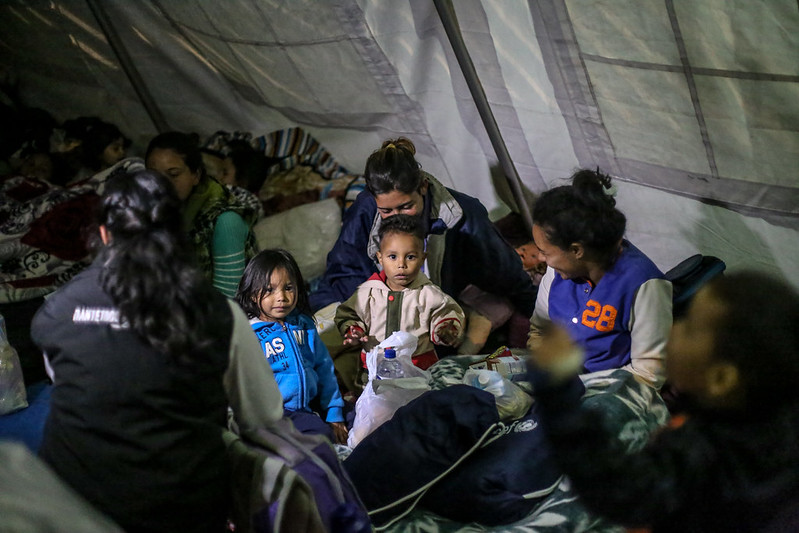
venezuela refugees Over the years, Venezuela has been struggling with an unstable economy and poverty across a vast number of its population. In fact, according to the Human Rights Watch (HRW), less than 8.8 million people out of the total population of nearly 29 million are not suffering from multidimensional poverty. That is only about 30% of the entire country’s population. This leads many Venezuelans to leave their country in search of better opportunities that are not present in their country. Most of these people often flee to other Latin American countries, with the most popular place being Colombia, with almost 3 million refugees from Venezuela as of 2023.

However, despite moving to Colombia, they still need support to help them above the poverty line. Fortunately, numerous organizations are assisting the Venezuelans in Colombia to overcome this crisis. Here are a few of them and what they do:

International Rescue Committee

Founded in 1933 by Albert Einstein to help Germans flee the Nazi regime, the International Rescue Committee (IRC) is a humanitarian non-governmental organization that support refugees from and residing all over the world. Later on, it expanded to the rest of Europe and in modern times, it assists refugees from all over the world, including the refugees from Venezuela in Colombia. Its main work in Colombia includes providing access to health care to the Venezuelans and ensuring the safety of their minors. The number of people it helped as of 2020 is 87,000.

HIAS

Originally established in 1903 as the Hebrew Immigrant Aid Society, HIAS is another organization that focuses on global refugee aid. According to its website, HIAS has helped more than 150,000 refugees from Venezuela in their Colombia branch, mainly with economic inclusion programs and giving the refugees legal support for living in the new country.

ZOA International

ZOA International is a non-governmental organization that focuses on improving the living standards of impoverished people in multiple countries, including Colombia. While it does not specifically focus on refugees, the organization has the refugees from Venezuela as a major demographic that it supports in its efforts to help the Colombians in need, as many of them are in the country’s slums.

Its main method of support in the country focuses on providing food, water and implementing hygiene improvements to the people they help. For refugees specifically, it also gives emergency aid to provide them with better access to food and water.

Mercy Corps

Mercy Corps is a non-governmental organization that provides humanitarian aid to countries that are facing some form of insecurity, including economic instability. In Colombia, it helps the country’s most impoverished, including the refugees from Venezuela. In Colombia, its main work for the refugees from Venezuela are mainly emergency support such as money reserves, medical aid and providing internet in their shelters.

Project Hope

Project Hope is an organization that focuses on providing health relief to countries in need. Originally founded in 1958, it has provided health services all over the world by working with other organizations and often help to introduce systemic changes to the country’s health system.

In Colombia, the organization gives to the refugees from Venezuela by helping to train doctors, giving the refugees access to maternal health services and providing them with better access to essential items like pharmaceuticals or other medical supplies.

Education Cannot Wait

Founded in 2016, Education Cannot Wait is an organization working with the United Nations that focuses on giving refugee children better education opportunities, often leading to them breaking the poverty cycles in their families. Its main work in Colombia includes giving the children of the refugees from Venezuela safer environments, especially for female students. According to its website, the organization has helped more than 130,000 children in Colombia.

These are only a few of the organizations that are helping these refugees survive and overcome poverty in their new home of Colombia. While it is unclear if and when the economic crisis in Venezuela will end, the efforts of organizations like these and the people who support them can significantly help fight poverty for the refugees from Venezuela.

– Jose Gabriel Lopez

Jose is based in the United Kingdom and focuses on Good News and Technology for The Borgen Project.

Photo: Flickr

May 11, 2025
https://borgenproject.org/wp-content/uploads/borgen-project-logo.svg 0 0 Naida Jahic https://borgenproject.org/wp-content/uploads/borgen-project-logo.svg Naida Jahic2025-05-11 01:30:562025-05-30 11:00:516 Organizations Helping Refugees from Venezuela in Colombia
Global Poverty, Politics, Poverty

Fragility and the Rule of Law in Venezuela

The Rule of Law in VenezuelaAt the heart of the crisis in Venezuela lies a deeper catastrophe: the collapse of the rule of law. Once a country of relative prosperity, Venezuela is now a fragile state where institutions no longer serve citizens, particularly people experiencing poverty. In 2024, Venezuela’s gross domestic product (GDP) per capita was $4,000, one of the lowest in Latin America.

The country also experienced one of the world’s highest inflation rates, rising consumer prices significantly. The consequences are not confined to its borders. From mass migration to regional instability, Venezuela’s collapse is a global poverty issue that cannot be ignored.

A Broken Justice System

Venezuela currently ranks last in the World Justice Project’s Rule of Law Index. According to the index, courts are politicized, the judiciary lacks independence and fundamental rights are routinely violated. Dissent is punished with arbitrary detention and torture and legal protections for the vulnerable have all but disappeared.

For those already living in poverty, this legal collapse is devastating. Without functioning institutions, workers can be exploited without recourse, communities lack public services and corruption goes unchecked. When the rule of law fails, poverty becomes entrenched.

A Regime That Fuels Poverty

The regime of President Nicolás Maduro has overseen the dismantling of democratic institutions and the collapse of the economy. Transparency International consistently ranks Venezuela among the most corrupt nations globally. Public resources are diverted to elites while health care, education and infrastructure are neglected.

Inflation reached 400% in 2023 and more than 80% of Venezuelans now live below the poverty line, according to the World Bank. The most impoverished households struggle to obtain food, medicine and clean water. This crisis is not just economic; it is political. The government’s refusal to allow reform or accountability sustains the systems that keep people poor. Aid efforts are often obstructed and humanitarian organizations face restrictions on their work.

The fallout from Venezuela’s collapse has sparked the second-largest migration crisis in the world after Syria. As of 2024, more than 7.7 million Venezuelans have left the country for safety and opportunity. Many have settled in neighboring countries like Colombia, Ecuador and Peru, where strained public systems struggle to accommodate them. This mass migration creates new poverty challenges in host communities, from overburdened schools to job market competition.

Migrants face their own vulnerabilities: exploitation, xenophobia and legal uncertainty. The crisis extends beyond borders, affecting the whole region and highlighting how fragile governance contributes to global poverty. Venezuela’s case reveals a broader truth: poverty thrives where the rule of law fails. Without functioning legal systems, enforcing labor rights, distributing aid effectively or combating corruption is impossible.

Final Remarks

Despite the repression, civil society organizations inside and outside Venezuela continue to document abuses, offer legal aid and support democratic movements. International watchdogs like Human Rights Watch and Amnesty International advocate for accountability. At the same time, diaspora-led groups aid migrants and lobby for policy change. These efforts are limited but vital. They keep the possibility of reform alive and help protect the rights of the most vulnerable.

– Charlie Baker

Charlie is based in London, UK and focuses on Politics for The Borgen Project.

Photo: Flickr

May 10, 2025
https://borgenproject.org/wp-content/uploads/borgen-project-logo.svg 0 0 Hemant Gupta https://borgenproject.org/wp-content/uploads/borgen-project-logo.svg Hemant Gupta2025-05-10 03:00:432025-06-09 01:18:25Fragility and the Rule of Law in Venezuela
Aid, Global Poverty, Nonprofit Organizations and NGOs

Poverty in Venezuela: Foreign Aid as a Lifeline

Poverty in VenezuelaOnce a prosperous country rich in natural resources, Venezuela now faces an alarming poverty crisis. With hyperinflation, food shortages and a collapsing health care system, millions of Venezuelans struggle to meet basic needs. In this challenging landscape, foreign aid has become a crucial lifeline, delivering essential services that the government is increasingly unable to provide.

The Role of Foreign Aid

Venezuela’s economy has spiraled for years, burdened by political turmoil, reliance on oil exports and international sanctions. As a result, more than seven million Venezuelans urgently need assistance. Foreign aid, primarily through nonprofits and international organizations, has become essential, filling the gaps in food security, health care and clean water access. Many Venezuelans depend on foreign aid to survive and keep families together and communities functioning.

World Food Programme

World Food Programme (WFP) World Food Programme is one of Venezuela’s largest humanitarian agencies providing food assistance. Its programs focus on distributing food baskets and providing school meals to fight hunger and malnutrition. WFP has aimed to reach at least 1.5 million children, especially in rural areas, where food scarcity is most severe. By targeting schools, WFP ensures that children receive proper nutrition and are encouraged to continue their education.

International Rescue Committee

The International Rescue Committee (IRC) provides essential health care, emergency support and cash assistance in Venezuela. It works with families to ensure access to lifesaving medicines and health services, which are otherwise too expensive or unavailable. The IRC also collaborates with partners in neighboring countries to assist those fleeing Venezuela, supporting them with food, shelter and legal assistance. The IRC’s focus on holistic support allows it to address immediate needs while helping people stabilize for the future.

Caritas Internationalis

Caritas Internationalis is a Catholic humanitarian organization with a strong local network across Venezuela. It provides food, medicine and clean water to those most affected by the crisis, including families in remote areas. Caritas also has nutritional programs that target malnourished children and pregnant women, who are most vulnerable to the effects of food insecurity. The organization runs soup kitchens, distributes medical supplies and promotes community health initiatives.

Challenges and Gaps in Aid

While these organizations are achieving significant impacts, their challenges are substantial. Political restrictions make it difficult for foreign organizations to operate freely and aid workers often face bureaucratic barriers that delay the delivery of supplies. Additionally, underfunding limits the reach of their programs. Despite their best efforts, organizations like WFP, IRC and MSF often report funding shortfalls, which prevent them from scaling their efforts to meet the growing demand.

A Call to Action

The poverty crisis in Venezuela is one of the most pressing humanitarian issues today, yet it receives limited global attention. Donor countries, private sectors and international institutions need to increase their support for Venezuelan aid. Without sustained and coordinated aid efforts, the situation will only worsen, deepening poverty and further destabilizing the region.

– Yuhan Ji

Yuhan is based in Cambridge, MA, USA and focuses on Good News for The Borgen Project.

Photo: Flickr

November 2, 2024
https://borgenproject.org/wp-content/uploads/borgen-project-logo.svg 0 0 Hemant Gupta https://borgenproject.org/wp-content/uploads/borgen-project-logo.svg Hemant Gupta2024-11-02 01:30:082024-11-02 02:22:12Poverty in Venezuela: Foreign Aid as a Lifeline
Aid, Global Poverty, Nonprofit Organizations and NGOs

CARE: Addressing the Crisis in Venezuela

CARE: An Organization Addressing the Crisis in VenezuelaIn just a decade, more than 7.7 million people have fled their homes due to the crisis in Venezuela, marking it as one of the largest exoduses in recent Latin American history and one of the largest displacements worldwide. The country struggles with three simultaneous crises: a massive exodus, escalating humanitarian emergencies and intensified crackdowns on government dissent.

Economic Decline

Venezuela, home to the world’s largest oil reserves, has become highly dependent on its fossil fuel income since the discovery, evolving into what is known as a petrostate. As the nation’s reliance on oil increased, political power concentrated increasingly in the hands of an elite minority, which weakened political institutions and led to widespread corruption. However, starting in 2014, oil production began to decline due to inadequate investment and maintenance. Between 2014 and 2021, Venezuela’s Gross Domestic Product shrank by three-quarters, leading to severe economic distress.

CARE’s Involvement in Crisis Management

Since 1945, CARE, a nonprofit organization, has been actively working to address the crisis in Venezuela at a local level and build lasting institutions that support Venezuelan citizens and refugees. Operating in 109 countries, CARE has implemented more than 1,600 development projects aimed at fighting poverty. As of 2024, its work has reached 167 million people. CARE focuses on creating and funding long-term development projects that aim to reduce poverty, rather than merely alleviating immediate needs.

CARE focuses on six main issues: crisis, food and water, health, education and work, climate and equality. The organization addresses these issues through advocacy, innovation, women’s economic justice, strengthening social systems and enhancing local partnerships. In crisis response, CARE aims to deliver gender-focused and localized humanitarian assistance to 10% of people affected by major crises by 2030, impacting at least 50 million people. In Venezuela, CARE is actively implementing crisis response programs to support citizens and refugees affected by the humanitarian crisis.

Regional Refugee Support and CARE’s Response

The crisis in Venezuela has forced approximately 20% of the country’s population to become refugees, with CARE heavily focusing on providing aid to these individuals in surrounding countries. Most Venezuelan refugees find themselves in Colombia, Ecuador and Peru. However, Ecuador curtailed its influx of refugees in 2019 by requiring entry visas from Venezuelan citizens, whereas Colombia has welcomed nearly 1.7 million Venezuelan refugees. Since 2018, CARE has expanded its operations in Latin America, specifically in Ecuador, Colombia and southern Venezuela, to respond to this mass exodus.

CARE offers cash vouchers for food and accommodation, transportation tickets, phone SIM cards and sanitary kits for women. In Colombia, new arrivals also receive legal counseling and information services through CARE. Nearly one million Venezuelans have fled to Peru, where CARE provides food and cash assistance and refurbishes shelters and health clinics. Additionally, CARE collaborates with local partners and leverages international support to help refugee host countries promote long-term integration. This includes providing education, health services, social protection, legal advice and entrepreneurship opportunities.

CARE’s Community and Gender-Specific Initiatives

In Venezuela, CARE organizes awareness campaigns and activities to combat gender-based violence and is initiating efforts to address child malnutrition in Caracas. Currently, CARE operates in Caracas and Miranda, collaborating with intervention partners to support vulnerable families, female-headed households, families with children under 5 and the elderly. It provides water, sanitation, hygiene, food and nutrition security, shelter, sexual and reproductive health education and cash voucher assistance. In all its programs, CARE aims to engage 30% of the community to foster social cohesion.

CARE allocates 90% of its expenses to fund programs like those addressing the crisis in Venezuela, but it has only raised 54% of the funds needed to assist everyone currently in crisis. Spreading these funds across all the countries it serves means that many projects cannot reach everyone it aims to help. CARE encourages people not only to donate but also to speak out about these issues. It provides resources where people can help, attend awareness and fundraising events, organize local events and stay connected with the CARE community.

Looking Ahead

The ongoing crisis in Venezuela has resulted in the displacement of millions and severe humanitarian challenges. CARE continues to play a vital role in supporting Venezuelan refugees and citizens, providing essential services like food, shelter and legal assistance across Latin America. Despite limited funding, CARE remains committed to addressing the crisis, emphasizing the importance of community engagement and gender-specific initiatives to foster long-term recovery and stability.

– Anna Thibodeau

Anna is based in Omaha, NE, USA and focuses on Good News for The Borgen Project.

Photo: Flickr

August 18, 2024
https://borgenproject.org/wp-content/uploads/borgen-project-logo.svg 0 0 Precious Sheidu https://borgenproject.org/wp-content/uploads/borgen-project-logo.svg Precious Sheidu2024-08-18 01:30:322024-08-17 10:33:55CARE: Addressing the Crisis in Venezuela
Developing Countries, Global Poverty, Refugees

3 Ways UNHCR Is Addressing Venezuelan Displacement

Venezuelan DisplacementVenezuelan displacement is one of the largest forced displacement crises in the world. The country, once a refugee hub in the past, now marks 7.7 million people being displaced globally due to widespread violence, economic pressure, food insecurity and more. Dreaming of security and a better life, 6.5 million, among 7.7 million, have fled to Latin America and the Caribbean. Specifically, as a result, there are nearly 3 million displaced Venezuelans in Colombia, searching for opportunities.

More and more children have been separated from their families and reported fleeing alone. This adds another layer of difficulty in getting proper sustenance and education for their growth and development. As a response, a nonprofit organization, the United Nations High Commissioner for Refugees (UNHCR), has stepped up to support the journey of Venezuelans. Here are three ways the UNHCR is addressing Venezuelan displacement:

The Graduation Model Program

One way UNHCR addresses Venezuelan displacement is through the Graduation Model program in Colombia. Launched in 2019, this model includes a series of support programs designed to help displaced Venezuelans. It offers workshops, training and mentorship to assist them in building their own businesses and achieving self-sufficiency. The workshops cover various skills, including business management, finance, marketing and customer service.

Yuli, who relocated to Colombia from Venezuela in 2019, launched her jewelry-making business after participating in the Graduation Model program. Referred to UNHCR by a local humanitarian aid partner, Yuli gained essential skills in budget management and business sustainability through the program. With her business, she could be independent economically and socially, which brought security and hope. She shares her experience: “Everything has changed for the better. Joining the project was my starting point to bring my family happiness, peace of mind and confidence — all I aimed for when I came to Colombia.”

The PPN Program

UNHCR also created the project called Pedagogy and Protection for Refugee and Migrant Children with a Mixed Approach (PPN) in 2019 to help Venezuelan children’s social integration into Colombia. Additionally, the project aims to teach children the value of interculturality through various programs and technical support to school staff.

Mariangelis, an eighth grader from Venezuela, attends Tierra Bomba school in Colombia, where the project has made a significant impact. She expressed her gratitude for receiving quality education and protection. She shared that her experiences have inspired her to pursue studies in human rights. Mariangelis is determined to address the challenges and mistreatment faced by refugees and migrants. Overall, PPN has raised awareness of the importance of quality education, emphasizing interculturality and diversity.

The Trust the Toucan Campaign

In May 2023, UNHCR initiated the Trust the Toucan campaign to address misleading information about relocation on social media that affects Venezuelans’ decisions. The campaign involves creating verified content for Venezuelans through interviews with refugees and sharing their experiences. Many refugees begin their journey without knowing the risk it takes and the dangers along the way, such as crossing the Darién jungle itself.

To ensure that people are well-informed about their journeys, the Trust the Toucan campaign has been informing people’s decisions. The trust aims to mitigate the risk factors with proper preparation. In its first year, it published 334 pieces of content and gained 16 million views.

UNHCR has taken crucial steps to help the refugees through the rebuilding of their lives in search of secure homes in a new country. Furthermore, continuous steps toward long-term solutions for improving the lives of Venezuelan refugees can gradually improve their quality of life and social integration in a new community.

– Sein Kim

Sein is based in Bellevue, WA, USA and focuses on Technology and Solutions for The Borgen Project.

Photo: Flickr

July 28, 2024
https://borgenproject.org/wp-content/uploads/borgen-project-logo.svg 0 0 Hemant Gupta https://borgenproject.org/wp-content/uploads/borgen-project-logo.svg Hemant Gupta2024-07-28 01:30:082024-07-27 09:35:423 Ways UNHCR Is Addressing Venezuelan Displacement
Developing Countries, Education, Global Poverty

Food Insecurity and the Venezuelan Educational System

Venezuelan Educational SystemOnce an oil-rich nation and one of the most progressive in South America, Venezuela is now experiencing an exponential downfall due to a six-year economic crisis. This crisis has severely impacted the Venezuelan educational system, with food insecurity taking a major toll. The educational system is declining as fewer students attend classes, educators struggle to perform their duties and medical care becomes increasingly insufficient.

Lack of Attendance

According to The New York Times, “In Boca de Uchire, the Caruto family has stopped sending its nine children to a nearby school when the cafeteria doesn’t open. ‘I can’t send them to class hungry,’ said José Luis Caruto, a 36-year-old unemployed father of two.” The Caruto family is just one out of thousands affected by food insecurity within the school system.

According to Global Issues, “Hundreds of thousands of children and young people and thousands of their teachers, drop out of regular schooling in Venezuela year after year and most of those who remain go to the classroom only two or three days a week, highlighting the abysmal backwardness of education in the country.” This is largely attributed to food insecurity plaguing the country, especially those most vulnerable, such as impoverished children.

Lack of Proficient Educators

Not only are students affected by Venezuela’s food insecurity crisis, the educators are, as well. In fact, according to the national teachers’ union, thousands of the country’s 550,000 teachers did not show up to classes when schools reopened in September 2020, abandoning their $8-a-month wages.

Venezuela teachers are among the groups most affected by food insecurity and the economic crisis. According to The New York Times, “The number of graduates at Venezuela’s main teacher training center, the Libertador Experimental Pedagogical University, fell 70% from 2014 to 2018.” As a result, many Venezuelan schools have had to enlist parent volunteers to come in and teach their children, resulting in an insufficient learning environment.

Poor Medical Care

As more and more school-age children have fallen helpless to the food insecurity crisis in Venezuela, there has been a high demand for medical care and attention, most of which is unattainable. In schools all across the country, students are fainting mid-class due to extreme hunger. “You can’t educate skeletal and hungry people,” said Maira Marín, a teacher and union leader in Boca de Uchire.

According to South American Initiative, a nongovernmental organization, “The infant mortality rate has doubled because hospitals and parents have no food to feed them. In some cases, parents are forced to abandon their children and drop them off at orphanages because they simply cannot afford food.” Venezuela’s food insecurity crisis, coupled with the unrealistic expectations for medical facilities and workers, makes the risk of attending schools unnecessary for many families. Instead, many children stay home with their parents to participate in the workforce to gain enough revenue to feed their families.

Solutions

While the food insecurity crisis and its effect on the Venezuelan school system looks like a bleak and lost cause, the World Food Programme (WFP) is working to curb the situation. WFP activities in Venezuela include providing school meals and food assistance for vulnerable populations, supporting climate risk management, building resilience and strengthening food systems infrastructure and logistical capacity. The organization aims to support one million Venezuelans with food by the end of 2025.

Conclusion

The Venezuelan educational system is struggling to provide students with adequate nutrition so that they can attend schools, have proper educators and appropriate medical care. However, nonprofit organizations like WFP are actively working to curb the food crisis in Venezuela.

– London Collins Puc

London is based in West Palm Beach, FL, USA and focuses on Global Health for The Borgen Project.

Photo: Pexels

July 27, 2024
https://borgenproject.org/wp-content/uploads/borgen-project-logo.svg 0 0 Hemant Gupta https://borgenproject.org/wp-content/uploads/borgen-project-logo.svg Hemant Gupta2024-07-27 03:00:152024-07-26 08:24:41Food Insecurity and the Venezuelan Educational System
Global Health, Global Poverty, HIV/AIDS

Addressing Recent Outbreaks of HIV/AIDS in Venezuela

HIV/AIDS in VenezuelaWith a series of economic and political crises throughout the past decade, Venezuela has become increasingly vulnerable to the rampant spread of HIV with little public accessibility to safe-sex materials and practices. The nation has faced extreme shortages of antiretroviral therapy (ART) in both pharmaceutical and clinical settings, leading to inflated treatment rates. Although there are around 110,000 people expected to be living with HIV/AIDS in Venezuela as of 2020, only 55% have proper access to complete and consistent viral regimens. Tens of thousands of individuals are continuously defenseless to this chronic, deadly virus with many forced to migrate to surrounding nations in the hope of receiving life-saving treatment plans.

Deterioration of Health Care Systems

Venezuela was previously considered one of the most well-suited nations in South America to deter the severity of the HIV/AIDs crisis, instituting free, centralized ART treatment through government funding in 1990s. However, when faced with newfound economic challenges in the early 2010s—the price of oil, a leading export of the nation, drastically plummeting worldwide—many mechanisms necessary for proper maintenance of its healthcare systems began to deteriorate. Hospitals could no longer upkeep effective follow-up and control measures with inaccurate estimations of affected patients.

Amid economic upheaval, the monthly price for ART rose to around $95-100 per month, a burdening cost for low-income citizens. From 2011 to 2015, there was a 75% increase in HIV-related deaths, the greatest amount since 2000. By 2017, there were no hospitals containing ART drugs to distribute, with 85% of pharmacies facing drastic drug shortages. Only 26% of people with HIV were able to acquire regular ART regimens, and more than 90% of individuals who had registered for ART treatment directly through the government did not receive it.

Barriers to Prevention of HIV/AIDS in Venezuela

HIV is a chronic, rapidly evolving virus, with ART serving as a long-term health necessity for those impacted. As many found themselves depleted of sufficient ART treatments, whether due to the heightened cost or sheer unavailability across the nation, they resorted to other temporary strategies to improve their condition: partaking in intermittent treatments or partial-self dosing, oftentimes utilizing expired medication.

Recent research showcased at the 19th European AIDS Conference in 2023 indicated that intermittent dosing of ART drugs increased the overarching rate of virological failure, leading to “concerningly higher” rates of resistance to this therapy. Although intermittent treatment may be beneficial in the short-term, shaping into the next-best option for those unable to obtain regular ART dosages, its long-term sustainability is undermined by these unintended, potentially life-threatening consequences. Even with the 67% coverage of ART for people with HIV reached by 2022, only 7% have obtained an undetectable (un-transmittable) status, speaking to the continued demand for full, regular ART dosages.

The primary preventative measure for HIV/AIDs is the usage of condoms, allowing for the practice of safe sex without the possibility of transmitting the virus. However, inflation has caused the price of condoms in Venezuela to escalate to over three times the monthly minimum wage. Education on HIV prevention is still stigmatized, especially for LGBTQ+ individuals, leading to an inability to navigate and employ fundamental safety measures.

Marginalized Communities

The presence of HIV/AIDS in Venezuela has disproportionately affected marginalized groups, highlighting the ongoing discrepancies in ART access. In 2022, there are an estimated 15,000 transgender individuals in Venezuela, with an HIV prevalence rate of around 35.8%, according to the Humanitarian Practice Network (HPN). Additionally, men who have sex with men (MSM) were found to have an HIV prevalence rate of 23.3%, contrasting the national 0.5% of the total population in Venezuela. Alongside other systemic barriers, many have noted the lack of enforcement of anti-discrimination laws instated throughout the Venezuelan health care system, leaving many LGBTQ+ individuals deprived of proper viral regimens.

The Warao people, the second-largest indigenous group in Venezuela, are another demographic experiencing the severity of the HIV/AIDs crisis. There is an overall prevalence rate of 10% among their population, although many doctors have suggested this rate may be as high as 35% among males. Removed from ART and other treatment measures that can properly manage the virus, many HIV-positive members of the community have ultimately passed away after developing end-stage AIDs.

Solutions for HIV/AIDS in Venezuela

Without acquiring the necessary ART from the government, many people with HIV in Venezuela have been forced to migrate to surrounding nations with more inexpensive treatment options, according to the HPN. And yet, as they relocated, another issue of xenophobia arose: while ART was now objectively more accessible, there were new barriers to treatment including health prejudice and discrimination.

In 2020, UNAIDS established a partnership with UNESCO to allow Venezuelan migrants “health education, prevention, and health promotion,” centering a future-oriented approach to ending the HIV/AIDs crisis. This collaboration emphasizes the physical and mental well-being of Venezuelan migrants, promoting sex education curriculums that prevent the onset of violence and discrimination. Activists have similarly focused on improving care for those living with HIV, such as Nilsa Hernandez, founder of Valientes Por La Vida (Brave for Life). A Venezuelan herself, she crossed the border to Brazil to continue receiving ART after being depleted of immunity for over two years. Hernandez hopes to support other migrants with HIV with guidance on adapting to life in Brazil, providing them with the necessary resources to navigate the country while obtaining access to viral regimens.

The rebuilding of Venezuela’s health care system—with international organizations continuously supporting migrants and other marginalized groups—reveals a hopeful path to mitigating HIV/AIDs in Venezuela by 2030.

– Eileen Lincoln

Eileen is based in Fairfax, VA, USA and focuses on Global Health for The Borgen Project.

Photo: Flickr

June 25, 2024
https://borgenproject.org/wp-content/uploads/borgen-project-logo.svg 0 0 Jennifer Philipp https://borgenproject.org/wp-content/uploads/borgen-project-logo.svg Jennifer Philipp2024-06-25 03:00:152024-06-24 13:29:31Addressing Recent Outbreaks of HIV/AIDS in Venezuela
Global Health, Global Poverty

3 Health Care Charities In Venezuela

Health Care Charities In VenezuelaVenezuela, a country in South America, has been dealing with economic and democratic instability, which has led to millions of Venezuelans emigrating to neighboring countries. Consequently, there has been a significant reduction in trained professionals such as doctors and nurses, as well as inadequate funding for basic public health necessities. In fact, eight out of 10 Venezuelans do not have sustainable access to sanitation facilities and safe drinking water. However, issues that many Venezuelans face on a day-to-day basis are being combatted with the help of these three health care charities in Venezuela that provide efficient and life-changing care in the country.

Healing Venezuela

Healing Venezuela became a registered nongovernmental organization (NGO) in 2016 and provided several sustainable health care programs to help all sectors of society. Due to Venezuela’s current medical instability, Healing Venezuela has provided an allowance and sponsored junior doctors working in seven different hospitals around the country. This helps cover junior doctors’ expenses and makes it easier to see their patients without financial burdens.

In 2023 alone, up to 100 junior doctors were sponsored, which contributed toward the treatment of more than 120,000 Venezuelan patients. Helping Venezuela also advocates for women’s reproductive health by offering free contraceptive and sexual health devices to women as well as training doctors to specialize and perform portable ultrasounds in state hospitals. The initiative aims to improve the medical space in Venezuela by supporting and training doctors to help patients in need who are facing limited medical resources.

Cuatro Por Venezuela Foundation

Another one of the health care charities in Venezuela making a difference is Cuatro Por Venezuela. This foundation, formed in 2016, works and partners alongside other existing organizations to reach the needs of people in Venezuela by developing programs and sharing resources. The Cuatro Por Venezuela Foundation partnered with another organization in order to provide sustainable medication for Venezuelans who have epilepsy but do not have access to adequate treatment.

In 2021, up to 622 patients received seizure medication for the whole year in six areas in Venezuela. The foundation also has an ongoing program that gives children in rural areas three nutritious meals a day. Between 2021 and 2022, the organization provided 75,300 meals to people in the village of Camblanche in Eastern Venezuela, helping 60 children and 420 family members in the rural community.

Mercy Corps

Mercy Corps is a global group of humanitarians who all share the aim to “alleviate suffering, poverty and oppression by helping people build secure, productive and just communities.” This humanitarian team has been working in Venezuela since 2018 and has made considerable efforts to support hospitals by donating important medical equipment. In fact, in 2022, Mercy Corps donated more than 50,000 items, such as syringes and surgical gloves.

Currently, there has been a rise in maternal and infant mortality rates, whereby nine out of 10 pregnant women in Venezuela lack access to medical care. In response, Mercy Corps encourages qualified specialists such as doctors and nurses to stay and work in Venezuelan state hospitals, particularly neonatal intensive care units, by offering financial incentives. Mercy Corps proves to be effective in its aim to “alleviate suffering” by expanding medical access to many in Venezuela.

– Zaynab Yusuf

Zaynab is based in London, UK and focuses on Global Health for The Borgen Project.

Photo: UNICEF

May 10, 2024
https://borgenproject.org/wp-content/uploads/borgen-project-logo.svg 0 0 Hemant Gupta https://borgenproject.org/wp-content/uploads/borgen-project-logo.svg Hemant Gupta2024-05-10 01:30:122024-05-10 00:46:353 Health Care Charities In Venezuela
Global Poverty, Government, Migration

The Venezuelan Exodus

The Venezuelan ExodusThe Venezuelan exodus represents one of the most notable mass migrations in recent history, with more than 7.5 million Venezuelans fleeing the country between 2015 and 2024 due to political repression and economic crises. These migrants leave their homeland to search for necessities such as food, safety, water, sanitation, hygiene and medical care, which are scarce in Venezuela. In their desperate and vulnerable state, many Venezuelans encounter abuse from armed groups, including sex trafficking and forced recruitment.

Colombia’s Role as a Host

Venezuela’s neighbor, Colombia, has historically experienced fluctuating relations with Venezuela and now stands at the center of the Venezuelan exodus. A World Bank report revealed that as of October 2022, Colombia hosted approximately 2.9 million Venezuelan migrants. The country addresses the challenges of mass immigration by implementing policies that integrate migrants into the broader Colombian population economically and socially. Colombia remains committed to ensuring migrants’ rights to work, live and integrate fully into society.

Institutional Support for Migrants

Colombia’s response to the increased amount of migration encompasses the establishment of a more solid legal and institutional framework to protect and facilitate the long-term integration of migrants in host regions. Central to this effort was the creation of the Presidential Border and Migration Management Office. This office issues necessary permits for the transit and stay of migrants within Colombia. They aim to regularize the migratory status of newcomers. Through the implementation of this office, more migrants gain access to vital markets and services they might otherwise lack. The services of the Migration Management Office include health care, education, social welfare, employment and housing. Other efforts have also been made to deploy services developed to protect vulnerable populations, such as initiatives for family reunification, child protection and aiding victims of human trafficking.

A Comprehensive Approach to Integration

Colombia has managed the Venezuelan exodus in three phases. Initially, in 2015, the country focused on humanitarian efforts for Colombian returnees and incoming Venezuelan migrants. It then shifted to a sustainable strategy aimed at ensuring migrants’ access to essential social services. The third phase involved a comprehensive, long-term approach, emphasizing mass regularization along with social and economic integration of Venezuelan migrants. Moreover, a key element of Colombia’s most recent phase is the Temporary Protected Status for Venezuelan Migrants (ETPV) launched in 2021. ETPV grants migrants permits to stay and work in Colombia for up to 10 years. The permits facilitate their integration into the host country and offer an escape from vulnerability and poverty.

Effective Migrant Integration Strategies in Colombia

Colombia’s clear and enduring regularization procedures enhance migrant integration. They drive positive development outcomes, leading to higher wages and employment rates. The adaptation of institutional frameworks, such as the Presidential Border and Migration Management Office, streamlines integration efforts at both national and local levels. Colombia’s ongoing response to the Venezuelan exodus establishes a significant standard for success that other countries might adopt.

– Ani Gonzalez Ward

Ani is based in Frances and focuses on Politics for The Borgen Project.

Photo: Flickr

April 3, 2024
https://borgenproject.org/wp-content/uploads/borgen-project-logo.svg 0 0 Precious Sheidu https://borgenproject.org/wp-content/uploads/borgen-project-logo.svg Precious Sheidu2024-04-03 07:30:202024-04-02 03:03:58The Venezuelan Exodus
Global Poverty, Humanitarian Aid, Nonprofit Organizations and NGOs

International Organizations Provide Aid to Venezuela

Aid to VenezuelaOver the past three decades, Venezuela has encountered a series of challenges. According to the National Institute of Statistics, in 2005, approximately 40% of the population lived below the poverty line. Additionally, a concerning 10% of households were found to be in extreme poverty conditions. Particularly vulnerable are women and indigenous groups, constituting half of the population, who struggle with economic and food security. Recognizing the severity of the situation, international organizations have been actively providing aid to Venezuelan citizens since the late ’90s.

IFAD Empowers Rural Venezuelans

The International Fund for Agricultural Development (IFAD) is an organization that empowers vulnerable rural populations. This organization has played a pivotal role in addressing the escalating socioeconomic disparities that have become increasingly pronounced across the region. Nowhere is this disparity more evident than in Venezuela, where poverty rates have become concentrated within specific demographics, notably indigenous regions like Warao and among landless households where women are primary income earners.

Recognizing the urgent need for targeted interventions, IFAD has been a beacon of hope for these marginalized communities. Since 1989, the organization has made substantial investments, totaling around $80 million in loans. The primary objectives of these investments have been twofold: promoting resource conservation and bolstering household incomes to mitigate the pervasive impact of poverty. Through its strategic investments, IFAD has directly benefited 50,000 households. This transformative assistance has been channeled through six projects, three still ongoing.

USAID Continues To Reduce Poverty

In a significant demonstration of its commitment to addressing the ongoing crisis in Venezuela, the United States Agency for International Development (USAID) publicly announced a substantial contribution of $171 million in aid to Venezuela. This announcement, made by U.S. Ambassador Linda Thomas-Greenfield on March 17, 2023, underscores the nation’s unwavering dedication to providing support to “people affected by the ongoing crisis in Venezuela and the region.”

Due to 7.1 million Venezuelans fleeing the country, the $171 million investment was distributed into distinct services to help Venezuelan citizens access basic needs and funding for host communities.

1. Around $85 million of the total assistance went to humanitarian efforts such as health care and nutrition vouchers.

2. Around $31 million went to human rights and civil society organizations to help Venezuelans integrate into Colombia and Ecuador.

3. The remaining $56 million went to life-saving humanitarian programs, providing emergency shelters, water, hygiene supplies and health care access.

This recent announcement adds to the cumulative aid provided by USAID, which has exceeded an impressive $2.8 billion since 2017. This substantial financial commitment makes the U.S. widely recognized as the largest donor of humanitarian assistance to Venezuela.

UNHCR Saves Venezuelan Refugees

The United Nations High Commissioner for Refugees (UNHCR), a global organization committed to saving the lives of refugees, has been actively responding to the escalating socioeconomic crisis in Venezuela. The compounding factors of COVID-19 and rising living costs have forced a staggering 7.7 million Venezuelans to leave their homes.

In a proactive move, UNHCR increased its border presence to provide basic needs such as food and water. Specially designed shelters were established to cater to the vulnerable groups among refugees, including children, older people and individuals with disabilities.

WFP Combats Food Insecurity

In 2022, the World Food Programme (WFP) played a pivotal role in the Bolivarian Republic of Venezuela by assisting approximately 550,000 individuals. WFP has been serving the developing nation due to the ongoing socioeconomic crisis, compounded by the recent COVID-19 virus and food price increases from inflation. Even with the economic growth experienced in 2022, families struggle to secure food and essential needs.

To combat food insecurity, aid to Venezuela in the form of school meals was started in 2021. The aim is to ensure children, especially those with disabilities, receive a meal daily. WFP transitioned to hot meals in April 2023 in three municipalities in Falcon, an agriculturally poor region with an arid climate. WFP partners with school staff to ensure the meal program rolls out to other areas through training and leadership programs. The work done in Venezuela prepares local communities on how to respond to emergencies to increase food security, providing logistical and coordination support.

Conclusion

Venezuela still requires further humanitarian aid to uplift its citizens to socioeconomic levels above the poverty line. The current obstacle for nongovernmental organizations working in the country is limited funding or resources transferred to other departments. While new and unpredictable challenges occur, organizations are still committed to providing aid to Venezuela with more significant opportunities, both in and outside the nation.

– Luis Lujano-Garcia
Photo: Flickr

March 11, 2024
https://borgenproject.org/wp-content/uploads/borgen-project-logo.svg 0 0 Hemant Gupta https://borgenproject.org/wp-content/uploads/borgen-project-logo.svg Hemant Gupta2024-03-11 01:30:372024-03-11 01:07:33International Organizations Provide Aid to Venezuela
Page 2 of 41234

Get Smarter

  • Global Poverty 101
  • Global Poverty… The Good News
  • Global Poverty & U.S. Jobs
  • Global Poverty and National Security
  • Innovative Solutions to Poverty
  • Global Poverty & Aid FAQ’s
Search Search

Take Action

  • Call Congress
  • Email Congress
  • Donate
  • 30 Ways to Help
  • Volunteer Ops
  • Internships
  • Courses & Certificates
  • The Podcast
Borgen Project

“The Borgen Project is an incredible nonprofit organization that is addressing poverty and hunger and working towards ending them.”

-The Huffington Post

Inside The Borgen Project

  • Contact
  • About
  • Financials
  • President
  • Board of Directors
  • Board of Advisors

International Links

  • UK Email Parliament
  • UK Donate
  • Canada Email Parliament

Get Smarter

  • Global Poverty 101
  • Global Poverty… The Good News
  • Global Poverty & U.S. Jobs
  • Global Poverty and National Security
  • Innovative Solutions to Poverty
  • Global Poverty & Aid FAQ’s

Ways to Help

  • Call Congress
  • Email Congress
  • Donate
  • 30 Ways to Help
  • Volunteer Ops
  • Internships
  • Courses & Certificates
  • The Podcast
Scroll to top Scroll to top Scroll to top