• Link to X
  • Link to Facebook
  • Link to Instagram
  • Link to TikTok
  • Link to Youtube
  • About
    • About Us
      • President
      • Board of Directors
      • Board of Advisors
      • Financials
      • Our Methodology
      • Success Tracker
      • Contact
  • Act Now
    • 30 Ways to Help
      • Email Congress
      • Call Congress
      • Volunteer
      • Courses & Certificates
      • Be a Donor
    • Internships
      • In-Office Internships
      • Remote Internships
    • Legislation
      • Politics 101
  • The Blog
  • The Podcast
  • Magazine
  • Donate
  • Click to open the search input field Click to open the search input field Search
  • Menu Menu

Tag Archive for: Poverty In Venezuela

Posts

Education, Foreign Aid, Global Poverty

Higher Education in Venezuela

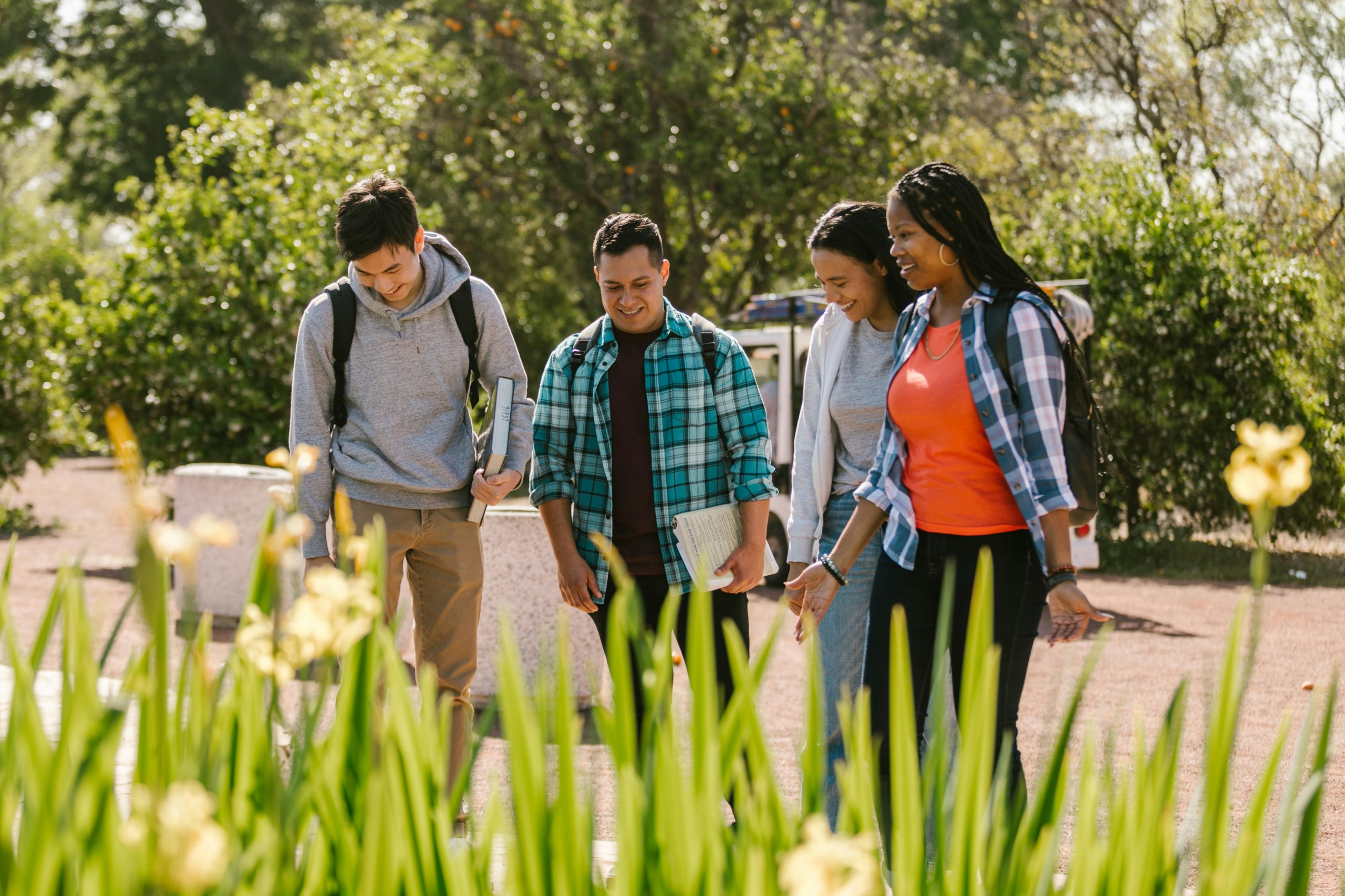
Higher Education in VenezuelaStudents aspiring to pursue higher education in Venezuela encounter numerous challenges, including low salaries, insufficient funding, limited supply access and more.  The ongoing political crisis in Venezuela makes it difficult for young adults to focus on or harbor hope for their future. This crisis has garnered the attention of other nations and a few organizations are providing aid for Venezuelan students.

Venezuela’s Higher Education Crisis

The political unrest in Venezuela has forced people to leave their homes since 2015. Approximately 1,600 professors have left institutions searching for higher-paying positions due to the sharp decline in faculty salaries in 2017. For those who have stayed, the ongoing inflation is a significant hardship. Inflation has rendered it exceedingly challenging for young adults to pursue higher education. Numerous people have felt compelled to abandon college or even high school to assist their parents in supporting their families. The economic downturn has already led many students to relinquish hope for their future.

Those who can afford university need help with the outdated curriculum. A report from Université Cheikh Anta Diop (UCAD) and Universidad Metropolitana (UNIMET) conducted in 2017 revealed corruption in the Venezuelan higher education system. In his presentation, UCAD rector Francisco Virtuoso reported that it had been ten years since the Consejo Nacional de Universidades (CNU) allowed universities to revise and renew curricula at the undergraduate or graduate levels. There has been constant meddling in the internal affairs of public universities, for example, in the selection and admission of new students and new professors. Many students have taken strike in light of these affairs.

Providing Aid for Venezuelan Students

The higher education crisis in Venezuela has garnered the attention of various organizations committed to aiding Venezuelan college students and professors. The Institute of International Education (IIE) is a global program supporting threatened and displaced scholars worldwide. In response to the crisis in Venezuela, IIE has stepped up its efforts by assisting college professors and researchers, as reported by Elliot-Meisel in 2020. The institute facilitates the relocation of a $25,000 grant for scholars facing challenging circumstances. These fellowships enable scholars to continue their research or teaching endeavors in Latin America or any chosen location.

IIE has extended its support to Venezuelan students grappling with the crisis, offering 59 grants to assist them. These students are seamlessly transitioned to American educational institutions and receive financial aid from the Emergency Student Fund (ESF), amounting to $3,000-$5,000. This funding helps cover tuition fees, accommodation expenses and the purchase of necessary supplies. Moreover, host institutions go the extra mile by providing work-study opportunities to these students throughout their studies. The United States (U.S.) has emerged as a preferred destination for these fleeing students, with nearly 8,400 opting to pursue their education there during the 2017-2018 academic year.

Despite grappling with corruption and economic turmoil, the Venezuelan government remains resolute in its commitment to keep every university operational, with new ones even being established. Notably, Venezuela boasts the most diverse higher education system in the region. Reports indicate many recent high school graduates enrolling in free programs across various fields. However, the absence of current official figures to substantiate this trend raises concerns and lingering uncertainties surrounding the sustainability and quality of these new educational institutions.

Future of Venezuela’s Students

Venezuelan students demonstrate remarkable resilience in adversity as they pursue education. Among them is Camille Covarrubias, who fled Venezuela during her sophomore year of nursing school amid pervasive corruption in her village. She relocated to the U.S. on a student visa for further studies in 2017. Camille remained undeterred despite the setback of not transferring her previously earned credits. She persevered through the support of college programs, dedicated professors and her peers. As of 2023, she is now advancing toward her master’s degree in nursing.

Conclusion

Given the state of the economy and government, the road to improving higher education opportunities for young adults in Venezuela is long and challenging. Students require assistance obtaining essential supplies financial support and ensuring their safety throughout their academic pursuits. Fortunately, there are organizations dedicated to providing aid for Venezuelan students like Camille, who are determined to pursue further education despite the challenges posed by corruption within the Venezuelan school system.

– Heather Gisi
Photo: Pexels

March 4, 2024
https://borgenproject.org/wp-content/uploads/borgen-project-logo.svg 0 0 Hemant Gupta https://borgenproject.org/wp-content/uploads/borgen-project-logo.svg Hemant Gupta2024-03-04 03:00:122024-03-03 08:32:31Higher Education in Venezuela
Global Poverty

El Sistema: How One Music Program is Fighting Poverty Globally

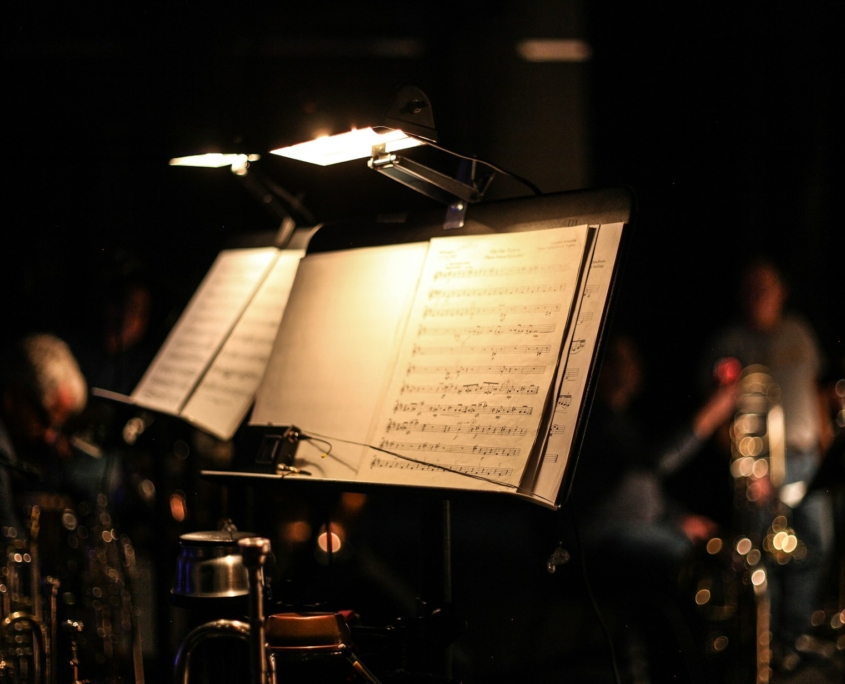
El Sistema: How One Music Program is Fighting Poverty GloballyThe International Journal of Applied Psychoanalytic Studies described El Sistema as, “free classical music education that promotes human opportunity and development for impoverished children.”

El Sistema, also known as The National System of Youth and Children’s Orchestra and Choir, was established in Venezuela in 1975 by José Antonio Abreu, a Venezuelan educator, musician and activist. The music education program operates within the voluntary sector and is funded publicly. El Sistema’s motto, “Music for Social Change” along with their organization, focuses on providing opportunities to play music for students who otherwise would not have access, with a focus on public health and wellness.

Abreu explained that music has to be recognized as an agent of social development in the highest sense because it transmits the highest values – solidarity, harmony and mutual compassion, crediting it with the ability to unite an entire community. Beyond social change, music can be a powerful force for education and a valuable tool for combatting poverty.

El Sistema Organization Background

El Sistema started in 1975 when 11 young musicians assembled in an underground parking garage in Caracas, Venezuela to make music together. José Antonio Abreu was their guide, local teacher, organist, engineer and politician. At the moment, the organization is a global network of music centers, or “núcleos,” serving more than 400,000 children in almost every Latin American country and more than 70 countries across the globe.

El Sistema operates as a decentralized global entity. Instead of exerting control over numerous Sistema-based programs worldwide, El Sistema Venezuela has made the principles of the organization accessible to all who wish to adopt them. Consequently, the concept of El Sistema has evolved into a form of open-source ideology, accommodating diverse approaches and cultural frameworks that align with various local contexts. This approach fosters a genuinely glocal (global and local) movement.

Youth Orchestra and Choir in Brazil

Núcleo de Orquestras Jovens e Coros da Amazônia (NOJCA), founded in 2012, is an El Sistema-inspired program based in Manaus, Brazil. Situated in the heart of the Amazon rainforest, NOJCA provides music education and performance opportunities to children and youth from underserved communities in the region. Through its innovative curriculum, which integrates traditional Amazonian music with classical repertoire, NOJCA seeks to preserve cultural heritage while empowering young people to aspire to new heights.

NOJCA’s impact extends beyond musical proficiency, fostering environmental stewardship and cultural pride among its participants. By incorporating themes of sustainability and conservation into its programming, the organization inspires young musicians to become advocates for environmental justice and guardians of the Amazonian ecosystem. Through music, NOJCA is not only nurturing the next generation of artists but also cultivating a sense of responsibility and connection to their natural and cultural heritage.

Batuta Foundation in Colombia

One prominent El Sistema program in Latin America is the Fundación Batuta in Colombia. Founded in 1991 by renowned Colombian musician and conductor, Eduardo “Gordito” Rozo. The program operates under the belief that music has the power to transform lives and communities, particularly in regions affected by poverty, violence and social inequality.

Fundación Batuta provides free music education to more than 50,000 students annually, offering instruction in a wide range of instruments, including violin, cello, flute, guitar  and percussion. Via its network of music schools and community centers, the program reaches underserved populations in both urban and rural areas, providing access to high-quality instruction and performance opportunities.

One of the distinguishing features of Fundación Batuta is its emphasis on social inclusion and youth development. Beyond teaching musical skills, the program seeks to instill values of discipline, teamwork and resilience in its students, empowering them to overcome adversity and pursue their dreams. Through ensemble playing and collaborative projects, participants learn the importance of cooperation and mutual respect, breaking down barriers and fostering a sense of belonging within their communities.

The Afghanistan National Institute of Music

Established in 2010 by Dr. Ahmad Sarmast, The Afghanistan National Institute of Music (ANIM) in Kabul, Afghanistan offers free music education to disadvantaged children, including orphans and street-working youth, to promote cultural revival and peacebuilding in a war-torn nation.

Through its comprehensive curriculum, which includes instruction in both Afghan and Western classical music, ANIM empowers students to become agents of change in their communities while preserving Afghanistan’s rich musical heritage. Despite facing numerous challenges, including security threats and limited resources, ANIM has made remarkable strides in transforming the lives of its students.

By way of its innovative approach to music education and community engagement, the program has not only nurtured musical talent but also provided a platform for dialogue, reconciliation and healing in a country ravaged by decades of conflict. ANIM serves as a testament to the power of music to transcend boundaries and inspire hope in the face of adversity.

El Sistema: Domestic Programs

El Sistema USA has played a pivotal role in bringing the transformative power of music education to underserved communities across the United States (U.S.). Through its partnerships with major orchestras such as the Los Angeles Philharmonic, the Philadelphia Orchestra and the New York Philharmonic, El Sistema USA has expanded access to quality music instruction and ensemble playing opportunities for thousands of children and youth.

These collaborations not only provide students with access to world-class musicians and resources but also serve as platforms for cultural exchange and artistic excellence.

“It’s great to work with the kids,” says Julia Johnson, an El Sistema teacher in the Denver, Colorado community. “Seeing them progress and get excited about music and get excited to learn makes an impact for their community,” she went on, “the program addresses how there is a disparity in access to classical music and how making it accessible can change lives.”

Looking Ahead

El Sistema has garnered international acclaim for its transformative impact on individuals and communities. By harnessing the power of music as a tool for social change, the program has helped to break the cycle of poverty and violence in marginalized areas while nurturing musical talent and instilling values of teamwork, discipline and perseverance.

Through its commitment to equity and excellence in music education, El Sistema continues to inspire similar initiatives around the world, demonstrating the universal potential of music to create positive social change. In the words of John Oates, “It’s the music that brings us together.”

– Ava Johnson
Photo: Unsplash
February 26, 2024
https://borgenproject.org/wp-content/uploads/borgen-project-logo.svg 0 0 Precious Sheidu https://borgenproject.org/wp-content/uploads/borgen-project-logo.svg Precious Sheidu2024-02-26 15:00:322024-02-26 12:09:28El Sistema: How One Music Program is Fighting Poverty Globally
Global Poverty

Poverty in Venezuela: 3 Impactful Nonprofits

Poverty in VenezuelaIn the face of economic challenges and social disparities, Venezuela has been fighting a lengthy battle affecting much of its population. In the last decade, the poverty rate in Venezuela has increased considerably each year, a glaring issue among South American countries. Fortunately, several impactful nonprofit organizations are dedicated to addressing and mitigating this growing crisis.

Alimenta la Solidaridad

This group was founded in 2016 by Roberto Patiño. It originally focused on managing the food crisis affecting the most vulnerable populations in Venezuela. The organization started small by installing canteens in neighborhoods and establishing relationships with communities and other health groups. Over time, this group has implemented programs to enhance welfare and development, evolving into one of the most effective nonprofits combating poverty. Currently, Alimenta la Solidaridad’s operations portfolio includes eight programs focused on developing community well-being.

Important programs created by Alimenta la Solidaridad addressing poverty alleviation concentrate on food security, health and nutrition. The organization has established “Community Kitchens” that provide communal cooking spaces where marginalized communities can access nutritious meals, fostering resource sharing and promoting sustainable solutions to hunger and malnutrition. The program guarantees a daily lunch containing 40% of the estimated caloric load beneficiaries should consume for optimal development. This aspect is particularly significant for communities currently facing malnutrition and scarcity consequences of poverty.

A personal account from a woman named Juanita, who runs an Alimenta la Solidaridad-sponsored community kitchen from her home, demonstrates the organization’s impact on an individual level. In 2019, massive blackouts throughout the country caused widespread panic. According to the report, Juanita was very moved that Alimenta la Solidaridad visited her community to offer help in a crisis. She expressed that they had given her hope, knowing she and her family had not been forgotten during the disaster. Years later, Juanita joined the movement to help keep the project running. The name “Alimenta la Solidaridad” translates to “Feed together in unity” and can be extrapolated to mean “an exchange of hope in a country of permanent crisis.”

Caracas Mi Convive

Roberto Patiño and Leandro Buzón founded this organization in 2013 to collaborate with local leaders and communities to promote solutions to nagging poverty and ongoing violence. Recently, the group has successfully implemented programs that support local leadership training, the development of capacities and the promotion of community organizations for the construction of safer areas. Over the last decade, the group has achieved significant accomplishments, making it one of the most impactful nonprofits fighting poverty in Venezuela today.

Many of these essential programs were created to improve living conditions and reduce violence. Caracas Mi Convive created the “Solidarity Network” (or “Red Solidaria”), a project dedicated to meeting with Venezuelan community leaders to advance social leadership, community organization and social coexistence. The Caracas Mi Convive website boldly states, “Venezuela is going through a political, social and economic crisis of great proportions. During recent years, the rule of law has been eroded, the democratic system has been fractured, institutions have been delegitimized and lack representativeness, human rights are constantly threatened and with this, the mechanisms of citizen participation have been restricted.”

In addition to combating the poverty rate in the city of Caracas, reducing the persistent threat of violence is also a priority since it greatly hinders social progress and economic development and perpetuates a cycle of instability within the population. In 2020, there was a recorded testimony from a community leader in western Caracas who was asked about violence during the ongoing COVID-19 pandemic. This unnamed individual seemingly speaks as if violence is a familiar theme in Caracas, “I have known about many homicides that have occurred during this quarantine, especially among young people. Just a few days ago, a young man was thrown off a building from the eighth floor because of a family row. Also, two young men were killed by state security forces.” There are further statistics that indicate roughly 100 homicides occur per 100,000 citizens, making Venezuela one of the most violent countries in Latin America. To combat this issue, the nonprofit works hard to construct safer environments and living spaces within the community.

Cuatro Por Venezuela

Founded in 2016 by four Venezuelan women, this group was established to create programs and partnerships to provide poverty relief in countries facing significant needs. Over time, these four friends, Gloria Mattiuzzi, Gabriela Rondón, Maria Elena Texeira and Carolina Febres, made it their mission to grow the small organization into something greater to support the ongoing needs in their birth country. Today, this group has become one of the most impactful nonprofits fighting poverty in Venezuela by providing humanitarian aid and support throughout the country.

Cuatro Por Venezuela has implemented projects to reduce poverty and hunger, one of the most prominent being the “Zero Malnutrition” program. This program is dedicated to feeding children and disabled elderly living in remote villages two nutritious meals each day, seven days per week for one year. By addressing hunger issues and improving the health and well-being of Venezuelans, initiatives like the “Zero Malnutrition” program contribute to reducing poverty.

Between 2017 and 2022, Cuatro Por Venezuela, with the support and contributions from its donors, facilitated the shipment of 116 tons of humanitarian aid in life-saving supplies to Venezuela. With this type of humanitarian influence, it’s no surprise that the organization is widely regarded as one of the most impactful nonprofits fighting poverty and hunger in Venezuela today.

– Caleb Ilayan
Photo: Flickr

February 7, 2024
https://borgenproject.org/wp-content/uploads/borgen-project-logo.svg 0 0 Hemant Gupta https://borgenproject.org/wp-content/uploads/borgen-project-logo.svg Hemant Gupta2024-02-07 07:30:082024-06-10 02:28:53Poverty in Venezuela: 3 Impactful Nonprofits
Global Poverty

US Treasury Licenses to Reduce Poverty in Venezuela

Poverty in VenezuelaOn October 18, 2023, three newly introduced U.S. licenses marked possible change for Venezuela. These have the potential to improve a fallen economy and reduce poverty rates in the nation. December 4, 2023, marked a further promise to restore Venezuelan democracy. Taken together, the South American nation enters 2024 with a majority supporting a governmental change — one that has the potential to reduce poverty in Venezuela.

Venezuela’s Economy and Politics

Ongoing economic collapse since the mid-2010s resulted in Venezuela losing 80% of its GDP, and the Venezuelan bolivar is a currency that is now worthless. The current crisis in Venezuela can be reduced to two causes: the authoritarian Maduro government and the consequent U.S. sanctions imposed with the hope of restoring democracy in the country.

Such sanctions limit American trading with Venezuela, particularly in natural resources, of which petroleum, natural gas and gold are leading components. The properties of the natural site once qualified Venezuela as the richest nation in South America. Now, more than 50% of households live in extreme poverty and humanitarian awareness is shifting toward reducing poverty in Venezuela.

Migration and Poverty Venezuela 

An estimated 5 million people are in need of humanitarian assistance in the South American nation. In addition, 11 million are suffering from malnourishment, 4 million do not have access to regular meals, 4 million lack access to clean drinking water and close to 1.5 million do not have basic sanitation. 

Living conditions in Venezuela depend upon the investments in natural resources. As they reduce, so, too, are economic opportunities. Consequently, the nation continues to undergo the largest refugee crisis in South American history, as nearly 8 million Venezuelans flee their home nation.

The U.S. recently recognized the association between Venezuela’s humanitarian and migration crisis, and the nation’s government and economy. Spotting this was the first step toward reducing poverty in Venezuela. 

New US Policy to Combat Poverty in Venezuela

Since 2017, the U.S. has offered $2.5 billion in humanitarian assistance to Venezuela, including $407 million pledged in 2021 to provide relief to the regional crisis and $171 million provided to the same cause in March 2023. Extending out of this are three licenses that the U.S. Treasury passed on October 18, 2023.

The first license ensures a six-month relief of restrictions placed on Venezuela’s oil and gas sector. The second lifts similar restrictions on the nation’s gold sector. Additionally, the third opens up secondary market investments in Venezuela’s leading petroleum company, Petróleos de Venezuela (PdVSA).

Many believe the suspension signifies a step toward restoring democracy in Venezuela, though one must consider the relief a humanitarian act as much as a political one — reviving the economy and thereby providing jobs serves as a hopeful attempt by the U.S. to reduce poverty in Venezuela.

December Agreement: Political Change

A December agreement informed the licenses, as a further attempt to restore democracy in Venezuela. Maria Corina Machado, a political opponent of Maduro who was previously barred from the 2024 election, won the Venezuelan primaries held on October 20, 2023, two days after the U.S. Treasury announcement.

On December 1, 2023, the Venezuelan government and opposition party agreed to an appeal process allowing banned candidates to run, which supports the hope that Machado, with U.S. backing, will be able to take office without further roadblocks.

A Pivotal 2024

The new U.S. licenses carry the potential to directly reduce poverty through the reopening of sectors, improving rates of employment and foreign investment and providing Venezuelans with better wages. As the licenses were passed alongside political support of Machado, the democratic resolutions have the potential to reduce poverty in Venezuela by introducing the free market, which Machado supports. It seems 2024 will be a pivotal year in Venezuelan history. Additionally, with the $54 million requested by the Biden administration in the new year’s budget, America’s continued efforts to reduce poverty in Venezuela may soon yield fruit.

– Joseph Wray
Photo: Flickr

December 27, 2023
https://borgenproject.org/wp-content/uploads/borgen-project-logo.svg 0 0 Lynsey 2 https://borgenproject.org/wp-content/uploads/borgen-project-logo.svg Lynsey 22023-12-27 12:11:012024-01-11 12:28:54US Treasury Licenses to Reduce Poverty in Venezuela
Global Poverty

3 Ways the NGO SAI Improves Venezuelan Lives

NGO SAIIn Venezuela, many challenges persist, mainly political instability and hyperinflation. These issues have hurt most Venezuelans, resulting in many other challenges. Extreme poverty is common, affecting three out of every four citizens, and if citizens aren’t in extreme poverty, they are on the brink. Many daily struggles Venezuelans face include inadequate health care infrastructure, limited food access and economic instability.

Many products are scarce in the country, including necessities like essential medicines, clean water and affordable food. Approximately 76% of Venezuela’s population lives on $1.90 per day. This economic climate has led an estimated 5 million citizens to relocate.

The South American Initiative (SAI), a non-governmental organization (NGO), is doing much groundwork for the Venezuelan community. SAI’s mission is to help assist the country’s Venezuela’s vulnerable, including mothers, orphans, children, seniors and even dogs.

Addressing Health Care Challenges

SAI’s commitment to the Venezuelan people is to provide adequate health care. Over the past three months, SAI has provided more than 800 citizens with medical care through their free clinics. The services include specialized care in gynecology and obstetrics, EKGs, ultrasounds, nutrition counseling, regular monthly checkups and medicines. SAI’s mission to help the community continues as they have partnered with five orphanages since 2022. The orphanages receive their health care services, too. 

Alleviating Hunger

Unfortunately, many Venezuelans have to deal with hunger, particularly orphans and children. The Venezuelan government’s funding for children and orphans is shrinking due to hyperinflation and reallocation of funds. The NGO SAI has taken the initiative from November 2022 to February 2023 to provide food deliveries to orphanages. In those three months, they delivered 9,850 meals to children in need nationwide. These meals provide the nutritional requirements and assortment to meet daily dietary needs. Like food, SAI has also provided essential medicines and vitamins to boost children’s health. SAI’s adaptability remains vital as they have had challenges from the lockdowns and rising prices to deliver the meals. However, SAI has continued doing meal deliveries despite roadblocks.

Compassion for Canines

SAI’s mission extends not only to humans but also to animals’ lives. In the first quarter of this year, the organization distributed over 4,000 pounds of dog food at their SAI A&G Sanctuary, with an additional 1,000 pounds provided to neighboring shelters. The SAI A&G Sanctuary, in partnership with allied shelters, is on a mission to rescue malnourished, sick and abandoned dogs from the streets of Venezuela. These rescued dogs often arrive with parasites, malnutrition and other severe medical conditions. SAI provides many services for these dogs, such as food, clean water, vaccinations, spaying/neutering and medications. 

Venezuela is a country that needs hope, and the South American Initiative (SAI) provides it. Their commitment to alleviating the suffering of Venezuelans, both human and animal, offers relief for the population.

– Ariana Wauer
Photo: Unsplash

November 7, 2023
https://borgenproject.org/wp-content/uploads/borgen-project-logo.svg 0 0 Yuki https://borgenproject.org/wp-content/uploads/borgen-project-logo.svg Yuki2023-11-07 03:00:332023-11-05 23:39:403 Ways the NGO SAI Improves Venezuelan Lives
Global Poverty

Elderly Poverty in Venezuela

Elderly Poverty in VenezuelaCurrently, almost 90% of Venezuelans more than the age of 60 are living below the world poverty line. While economic hardship is a widespread issue amongst all of the nation’s demographics, elderly poverty in Venezuela is a disproportionate problem. 

Underlying Causes and Exacerbating Factors

Since 2014, Venezuela has faced massive economic decline due to political corruption and fossil fuel reliance, yielding devastating effects on the nation’s elderly population. Over the past decade, Venezuela’s currency, the bolivar, has experienced an estimated 1 million percent inflation rate, making it increasingly difficult for Venezuelans to afford the goods and services necessary for survival, such as food and health care. 

These levels of inflation led to a mass exodus of more than 7 million Venezuelans – approximately 20% of the nation’s population – out of the country in search of better economic conditions and employment opportunities. As the majority of people fleeing the country were of working age, this left many seniors who decided to stay without younger relatives to care for them as they age. 

Although Venezuelans who are 65 and older have been following their families out of the country at increasing rates within the past few years, there are still plenty of elderly adults who are too weak to make the journey beyond the nation’s borders. For the senior citizens who remain in Venezuela, life is challenging, as the government lacks adequate policies and funding to care for its aging citizens.

The Current Situation

Like many nations, Venezuela maintains a government-funded old-age pension program that provides elderly individuals with a source of income after they retire from the workforce. Yet, the monthly pension that the government offers to elderly Venezuelans is essentially impossible to survive on, with each check equating to around $2.40. This $2.40 per month has already been adjusted to factor in the nation’s current inflation rate, with seniors having received less than $1 per month before May 2021. This meager monthly pension has forced many elderly Venezuelans to continue working in spite of their increasing age, and in many cases for elderly individuals who are too weak or too sick to work, to sell their possessions or beg on the streets. 

As of 2020, three in five Venezuelan seniors report going to bed hungry, and a shocking 95% of Venezuelan seniors report not having enough food on a daily basis. The Venezuelan government does have subsidized funds for community-based food distribution systems throughout the country known as Local Committees for Supply and Production. However, the food provided by these committees is generally not nutritionally dense and arrives sporadically for elderly individuals who are unable to leave the house and require their food to be delivered. 

Aside from food insecurity, there are also many obstacles preventing adequate health care for elderly Venezuelans including inflated prices and shortages of vital medications. Approximately 84% of Venezuelan seniors suffer from a chronic illness that requires medication, yet 75% of these seniors say that they are unable to access the medications or medical care that they need.   

Ongoing Efforts to Help Venezuela’s Elderly?

The European Commission has played a significant role in providing humanitarian aid to Venezuelans and has particularly focused on reaching the country’s most vulnerable populations including young children, pregnant women and the elderly. Since 2016, the European Commission has provided Venezuela with approximately  €390 million of humanitarian aid,  €75 million of which has been allocated throughout 2023. Improving food security, access to medical care and access to clean water are the top priorities for the European Commission’s work in Venezuela, and the organization continues to use its funds to provide Venezuela’s most vulnerable with critical medications, water purification equipment and nutrient-dense foods. 

Working specifically for Venezuela’s elderly is Help Age International, a non-governmental organization whose goal is to “improve the lives of older [individuals] in low-and middle-income countries” through advocacy and research, as well as direct humanitarian aid initiatives. In 2016, Help Age International formed a partnership with the Venezuelan humanitarian organization Convite in order to raise international awareness about the hardships affecting the elderly in Venezuela and to “deploy a humanitarian action program for distributing medicines” necessary to the health of seniors.

Moving Forward

Since Venezuela’s drastic economic decline, humanitarian aid organizations have provided extensive support in keeping the country’s population afloat. Fortunately as of 2021, the Venezuelan economy has begun to rebound and is now on a long, but hopeful track toward full revitalization. However, elderly poverty in Venezuela still remains a somewhat silent, and demographically disproportionate problem that continues to call for attention.  

– Reagan McDaniel
Photo: Flickr

September 2, 2023
https://borgenproject.org/wp-content/uploads/borgen-project-logo.svg 0 0 Lynsey Alexander https://borgenproject.org/wp-content/uploads/borgen-project-logo.svg Lynsey Alexander2023-09-02 01:30:442023-08-30 01:27:23Elderly Poverty in Venezuela
Global Poverty, Poverty

About Poverty in Venezuela

Poverty in Venezuela

Venezuela is a country in South America, bordering the Caribbean Sea and the Atlantic Ocean. It has a population of more than 31 million people and a diverse culture influenced by Arab, Spanish, African and indigenous heritage. A 2021 study found that three in four Venezuelans are living in extreme poverty. The rise in inflation and the country’s political climate have caused many Venezuelans to flee. Inadequate living conditions and the authoritarian style of government have exacerbated poverty in Venezuela.

Extreme Poverty

Food insecurity significantly increased in Venezuela following the COVID-19 virus. In 2022, 78.1% of Venezuelan homes were worried about not having enough food to eat. With prices rising as the country tries to recover from the economic downfall due to the pandemic, citizens are unable to afford basic necessities. Inflation, along with the absence of available jobs, has made it nearly impossible for individuals to overcome the rising poverty rates.

Political Climate

Venezuela is currently under the rule of Nicolas Maduro, who many people view as a dictator. Maduro leads a corrupt government that has led to a disruption of peace. The Venezuelan president does not have public approval and neighboring countries, including the United States (U.S.), do not recognize him as a president. Despite this, a military unit that uses force to maintain control supports and backs Maduro.

Through mass incarceration and corruption, Maduro has instilled fear in Venezuelans that has enabled him to continue leading the country. During the 10 years of Maduro’s presidency, the country has experienced its worst economic decline. To improve the economic crisis, Maduro has set price controls that have led to a decline in available goods, further increasing poverty in Venezuela.

The Good News

Cuatro Por Venezuela is a foundation that is greatly improving the lives of Venezuelans. The name translates to “four for Venezuela.” Four women, Gloria Mattiuzzi, Gabriela Rondón, Maria Elena Teixeira and Carolina Febres, founded the organization in 2016. With the goal of improving health care and nutrition, Cuatro Por Venezuela’s nutrition program is a great relief to struggling families. 

The program fills food pantries with goods and partners with schools and orphanages to ensure children are not hungry. Cuatro Por Venezuela also aids families who have lost their jobs and are struggling financially. By establishing micro businesses, Cuatro Por Venezuela is enabling individuals to establish a form of income. From 2017 to 2022, the nonprofit organization has been able to provide 116 tons of humanitarian aid to Venezuela.

Organizations such as Cuatro Por Venezuela have contributed to the progress in Venezuela’s poverty. Since 2021, the number of individuals living in poverty has reduced by 14.7%. The economic recovery has allowed more families to be able to afford food and housing. Venezuela’s gross domestic product (GDP) has also increased by 36.03% from 2020 to 2022. Further economic improvements could lead to an even more significant decrease in overall poverty within the country.

– Micaela Carrillo
Photo: Flickr
Updated: May 27, 2024

January 18, 2023
https://borgenproject.org/wp-content/uploads/borgen-project-logo.svg 0 0 Jennifer Philipp https://borgenproject.org/wp-content/uploads/borgen-project-logo.svg Jennifer Philipp2023-01-18 01:30:272024-05-27 13:10:22About Poverty in Venezuela
Aid, Global Poverty, Politics

Poverty and Politics in Venezuela

Politics in Venezuela
Venezuela is the most poverty-stricken country in Latin America. The nation’s position in poverty has led to Venezuelan citizens requiring aid from the United States, more so than any nation in Latin America. Some argue that poverty in Venezuela is mainly due to the politics in Venezuela. Notably, the politics within the country receive influence from both inside and outside parties. Below is an introduction to how the politics of Venezuela has influenced these seven facts about poverty in Venezuela.

7 Facts About Poverty in Venezuela

  1. The average person living in Venezuela lives on 72 cents per day.
  2. Inflation has decreased the value of the Venezuelan currency.
  3. Although it is rich in oil, it does not export enough of it to boost its economy.
  4. The U.S. has placed sanctions on Venezuelan trade, further accentuating poverty in Venezuela.
  5. Almost 5 million people have immigrated from Venezuela in the past 5 years because of the extreme poverty levels there.
  6. “Multidimensional poverty” affects 64.8% of homes in Venezuela (“multidimensional poverty” includes aspects of poverty other than just income).
  7. The income poverty rate is at 96%.

How Politics in Venezuela Plays a Role in Poverty

The President of Venezuela, Nicolás Maduro, has not allowed Venezuelans to receive aid from the U.S. The U.S. does not recognize Maduro as the legitimate president and that makes it much more difficult for Venezuelans to receive the aid that they desperately need. Also, Maduro has control over the country’s military. Therefore, people do not have much of a choice, but to follow him or to risk their lives.

Maduro has denied the U.S.’s foreign aid so that it does not go to the people suffering from poverty in Venezuela. He does not want to lose his power and if the aid is given to the people that oppose him, it could give them an edge that they need to overthrow him. Additionally, he mistrusts the U.S. because of incidents in the past. Maduro (and others) suspect that USAID worked alongside companies in the U.S. to cause a coup in Cuba. All of this was said to be under the guise of foreign aid.

A Hopeful Newcomer

Enter a new player — Juan Guaido. Guaido was elected by the National Assembly as president because Nicolás Maduro unconstitutionally kept the power of the presidency after his term was over. The U.S. officially recognizes Guaido as the president of Venezuela, even though he has no real power yet. Also, only around 20% of Venezuelan citizens approve of Maduro. He is a ruthless leader who allows for the occurrence of violence within his country.

Moving Forward in the Wake of COVID-19

Countries in Asia, such as Russia and China, are backing Maduro. However, the European Union is about to follow suit with many other nations and recognize Guaido as the President of Venezuela. The current state of the world has not helped any country, Venezuela is no exception. The country was already in crisis before the pandemic and now COVID-19 has made it even harder for them to get back on their feet.

With that said, hope is not lost. If there is any country with the capabilities to find a way to get the people of Venezuela what they need to survive, it is the U.S. The pandemic has caused people to take a hard look at the world around them and re-analyze many decisions. People all over are rising to the challenge and the Venezuelan crisis should be no different.

– Moriah Thomas
Photo: Pixbay

September 15, 2020
https://borgenproject.org/wp-content/uploads/borgen-project-logo.svg 0 0 Kim Thelwell https://borgenproject.org/wp-content/uploads/borgen-project-logo.svg Kim Thelwell2020-09-15 06:53:182020-09-15 06:53:18Poverty and Politics in Venezuela
Global Poverty

10 Facts About Poverty in Venezuela

Poverty in Venezuela
Venezuela was once a rich and stable country. Over the last few decades, Venezuela has fallen into financial and governmental trouble. In 1989, when rioting and looting polluted the streets due to increased petroleum prices, Venezuela began a spiral into debt. When Hugo Chávez became president in 1998, citizens became optimistic as he funded money into programs to assist the poor. Unfortunately, mismanagement allowed problems to persist. Within the last decade, poverty rates have risen dramatically. Here are 10 facts about poverty in Venezuela.

10 Facts About Poverty in Venezuela

  1. The economy has created a nationwide crisis. As Venezuela’s economy collapses many programs are collapsing with it. The country is experiencing hyperinflation. Over the past three years, the annual inflation rate is 10,398%. Hyperinflation in Venezuela has increased the number of people living in severe poverty and barely surviving from day to day. A national survey in 2017 found that 87% of families live below the poverty line.
  2. The government retains full control of the economy. Since 1989, the Venezuelan government has retained full control of the economy. In 2003, the government introduced price and currency controls and it became the sole provider of bolivars. As a result, funds denied businesses access and banks could only assist specific organizations. Additionally, companies had to sell products below production costs and close stores, which caused a supply shortage and negatively affected the economy.
  3. Government information is experiencing censorship. Journalists, lawyers and medical professionals experienced detainment and imprisonment for exposing the poor conditions of their country. Although the poverty Venezuelans face is no secret, censorship hides the depths of governmental and economic corruption, thus reducing the level of support that other countries offer. Venezuela ranked 173 out of 180 countries that Transparency International’s 2019 Corruption Perceptions Index assessed for corruption. The lower the ranking, the more corruption in the government.
  4. Venezuela is experiencing a split government. In May 2018, Nicolás Maduro, the incumbent president of Venezuela, “won” disputed re-election against Juan Guaidó, leader of the National Assembly. By the following June, the Organization of American States recognized Guaidó as President; Guaidó subsequently declared himself president on January 23, 2019. Blame for the free-fall of the economy lands on Maduro, but he holds all the military and refuses to relinquish power. Recognized by 50 other countries, Guaidó does not hold much authority on his own. As more becomes clear about the corruption that Venezuela experiences, Guaidó receives more assistance from other countries to help his people.
  5. Food and water shortages are at an all-time high. Since 2017, nearly two-thirds of Venezuelans reported losing an average of 25 pounds in the previous year; they refer to this as the “Maduro-diet” due to food and water shortages. These shortages have peaked with the COVID-19 emergency. Venezuela has 4,187 confirmed COVID-19 cases and 35 confirmed COVID-19 deaths. PAHO and UNICEF have provided relief by supplying medical equipment and COVID-19 tests and the U.N. has since stepped in to provide funds. When the global pandemic began, hospitals quickly found it difficult to care for patients while lacking running water. Additionally, sanctions that the U.S. put into place made access to food more difficult.
  6. Venezuela is experiencing medical shortages. Fernando Gomez is a 54-year-old man living in Venezuela. In an interview with The New Humanitarian Gomez said, “The government says wear masks, wash your hands often, and stay inside… but we don’t have water, we often don’t have electricity, and there are no masks.” Even before the pandemic, diseases such as measles, diphtheria and malaria rose. While proven vaccines and antibiotics exist for these diseases, shortages have led to high mortality rates from these illnesses. In the last five years, there also have been significant shortages of medical personnel and supplies, leaving Venezuela’s population at greater risk. PAHO, UNICEF and the U.N. are doing what they can to assist.
  7. Venezuela’s oil industry is collapsing. Petroleum was once a significant part of the Venezuelan economy; now it suffers from oil shortages at great cost to its people. Marcia Briggs, a reporter for Pulitzercenter.org, spent a day at a local Venezuelan gas station. The line stretched for miles and people would wait a day or more for fuel. Spending time in line means not working and earning wages. In 1998, the country produced 3.5 million barrels of oil a day but in 2002, when Petróleos De Venezuela went on strike against Chávez, he fired 19,000 workers. Since 2007, production has decreased dramatically and reached an all-time low in 2019.
  8. Although the minimum wage in Venezuela increased in 2020, it remains below a survivable level. In January 2020, Maduro increased the minimum wage from 300,000 bolivars an hour to 450,000 per hour; the equivalent of $5.45. In April 2020, Maduro decided to increase the wage again by 77.7%. The minimum wage currently sits at 800,000 bolivars ($4.60). It is “only enough to buy just over a kilo of beef.” As the minimum wage continues increasing, there is hope that it will soon reach a survivable level.
  9. Venezuela experiences a lack of education. The education system has lost thousands of teachers due to underfunding. Some children are so malnourished that they lack the necessary energy to attend school. Other families lack the funds to pay for transportation to classes. U.N. experts say that an uneducated future will do nothing but perpetuate the crisis the country faces. Education is free, although finding enough people to direct the students’ education is a problem with no current solution.
  10. Venezuelans continue to flee their country. All of these problems have led to Venezuelans fleeing the country in hopes of a better future. There have been roughly 5 million migrants from Venezuela. Fleeing the country gives the migrants a better chance at survival but worsens the situation in their home country. Essential jobs that lack workers now have even fewer available people. Citizens who remain in Venezuela say they no longer feel safe in their country and they have lost all hope and trust in officials to fix the crisis.

Looking Ahead

Although poverty, corruption and violence have been the narrative of Venezuela for the last few decades, hope still exists that the tide will turn. In the time of a government battle, citizens now have more than two options. It used to be that either Maduro needed to leave or they did. However, now a third option exists, which is to replace Maduro with President Guaidó.

Fortunately, there are many groups assisting with child security, food and water relief, education and poverty in Venezuela. These continued efforts will hopefully impact poverty in Venezuela significantly.

– Marlee Ingram
Photo: Flickr

July 22, 2020
https://borgenproject.org/wp-content/uploads/borgen-project-logo.svg 0 0 Borgen Project https://borgenproject.org/wp-content/uploads/borgen-project-logo.svg Borgen Project2020-07-22 01:30:352022-04-08 13:01:2310 Facts About Poverty in Venezuela
Children, Food & Hunger, Global Poverty

The “Happiness Plan” for Children of Venezuela

children in venezuela
In a nation experiencing an economic crisis, the children of Venezuela are suffering. Poverty is on the rise, including an increase in the malnutrition of children due to limited access to resources. Families fleeing to Peru have traveled quite far. Along the way, many have faced discrimination due to their migrant status. UNICEF and Plan International have developed a strategy for aiding children who are experiencing rapid changes in their home lives. They are helping children in Venezuela find a “Happiness Plan.”

Conditions in Venezuela

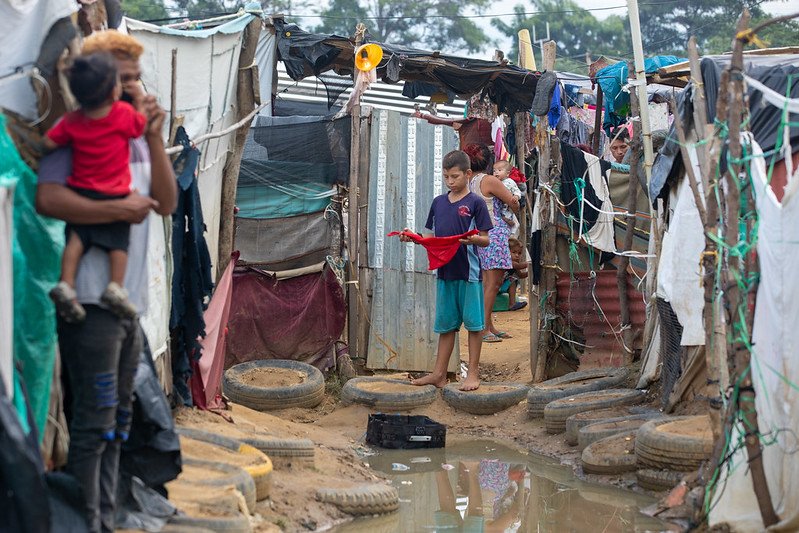
At one time, Venezuela was part of a wealthier portion of Latin America. However, with new officials and underdevelopment, poverty is now abundant. A large number of resources were focused toward developing the oil industry while other developments were delayed. With the newfound prosperity that oil brought, the economic gap grew further and further apart. The consequences of such destitution can be easily seen in the adults and children of Venezuela. Food, medicine, water and other resources are greatly lacking. This leaves people desperately searching for food.

The desperation associated with poverty was significantly increased in March due to a five-day blackout. Resources like food and water were even more scarce than usual. Some resorted to collecting water from sewage pipes. Multitudes of people were left without food. People rushed to stores to find food but discovered that the stores were already stripped. Some stores were even trashed and burnt in the chaos that ensued with riots. The riots were also the cause of several deaths from untreated medical conditions to gunshot wounds. Hospitals operated under less than ideal conditions, with limited access to electricity and supplies, such as soap.

The Effects of This Crisis On Children

In a press release, UNICEF stated, “ While precise figures are unavailable because of very limited official health or nutrition data, there are clear signs that the crisis is limiting children’s access to quality health services, medicines and food.” Statistics about conditions in Venezuela can be hard to come by, and the ones that are available are often disheartening. Malnutrition is becoming a larger issue for the children of Venezuela. While the government has attempted some measures of addressing the problem, such as monthly packages of food for sale, more still needs to be done to provide for the Venezuelan people.

As a result of the continued crisis in Venezuela, many have fled the country. As of 2018, two million people had already left Venezuela; without a doubt, numerous others have left since. For those who are awaiting refugee status or to be reunited with lost family members, UNICEF has created a safe place to help children with this difficult time.

The Happiness Plan

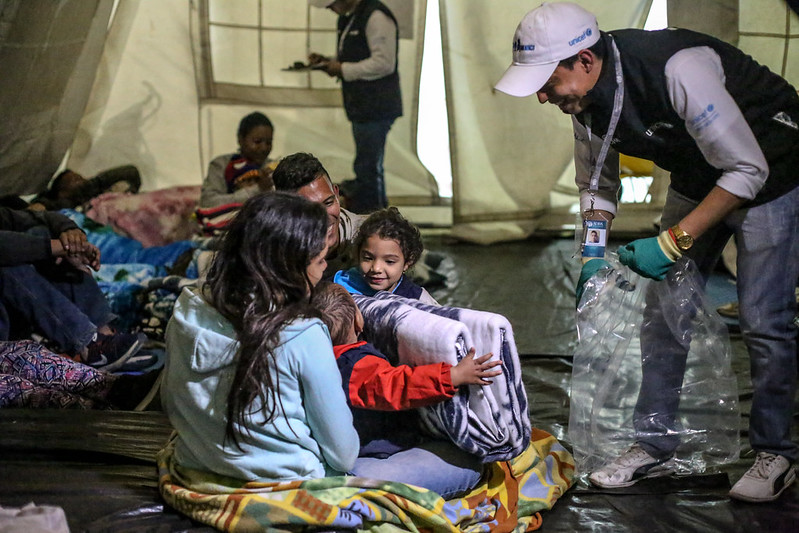
The “Happiness Plan” is a safe space for children that has been set up in a tent in the country of Peru. Filled with games, coloring pages and books, this tent provides an outlet for children to be children while awaiting their official entry into Peru. In addition to the fun activities, the “Happiness Plan” offers psychosocial support from professionals for children struggling with these difficult transitions they are facing.

Some of the children passing through the tent have been separated from their families. They are awaiting the chance to rejoin their families in Peru. Others are with some members of their nuclear family but had to leave the rest of their family and friends behind them in Venezuela. One survey taken by UNICEF and the International Organization for Migration stated that 73 percent of Venezuelan families in Tumbes, Peru, had to leave behind one or more of their children.

In such a dismal time for Venezuela, it is reassuring to know that organizations such as UNICEF and Plan International are implementing programs to help these children who have experienced such abrupt change. They will undoubtedly need physical and psychological support to heal from the trauma they have experienced in their home country.

– Carolyn Newsome
Photo: Flickr
April 15, 2019
https://borgenproject.org/wp-content/uploads/borgen-project-logo.svg 0 0 Kim Thelwell https://borgenproject.org/wp-content/uploads/borgen-project-logo.svg Kim Thelwell2019-04-15 01:30:252019-04-15 11:25:30The “Happiness Plan” for Children of Venezuela
Page 3 of 41234

Get Smarter

  • Global Poverty 101
  • Global Poverty… The Good News
  • Global Poverty & U.S. Jobs
  • Global Poverty and National Security
  • Innovative Solutions to Poverty
  • Global Poverty & Aid FAQ’s
Search Search

Take Action

  • Call Congress
  • Email Congress
  • Donate
  • 30 Ways to Help
  • Volunteer Ops
  • Internships
  • Courses & Certificates
  • The Podcast
Borgen Project

“The Borgen Project is an incredible nonprofit organization that is addressing poverty and hunger and working towards ending them.”

-The Huffington Post

Inside The Borgen Project

  • Contact
  • About
  • Financials
  • President
  • Board of Directors
  • Board of Advisors

International Links

  • UK Email Parliament
  • UK Donate
  • Canada Email Parliament

Get Smarter

  • Global Poverty 101
  • Global Poverty… The Good News
  • Global Poverty & U.S. Jobs
  • Global Poverty and National Security
  • Innovative Solutions to Poverty
  • Global Poverty & Aid FAQ’s

Ways to Help

  • Call Congress
  • Email Congress
  • Donate
  • 30 Ways to Help
  • Volunteer Ops
  • Internships
  • Courses & Certificates
  • The Podcast
Scroll to top Scroll to top Scroll to top