• Link to X
  • Link to Facebook
  • Link to Instagram
  • Link to TikTok
  • Link to Youtube
  • About
    • About Us
      • President
      • Board of Directors
      • Board of Advisors
      • Financials
      • Our Methodology
      • Success Tracker
      • Contact
  • Act Now
    • 30 Ways to Help
      • Email Congress
      • Call Congress
      • Volunteer
      • Courses & Certificates
      • Be a Donor
    • Internships
      • In-Office Internships
      • Remote Internships
    • Legislation
      • Politics 101
  • The Blog
  • The Podcast
  • Magazine
  • Donate
  • Click to open the search input field Click to open the search input field Search
  • Menu Menu

Tag Archive for: Poverty in Portugal

Posts

Education, Employment, Global Poverty

How Vocational Training Centers in Portugal Address Poverty

Vocational Training Centers in PortugalVocational training centers in Portugal help workers gain practical skills that lead to employment in industries ranging from agriculture to advanced manufacturing. Portugal continues to reduce poverty and diversify its economy beyond tourism, which accounts for roughly one-fifth of Portugal’s GDP. Heavy dependence on tourism leaves workers vulnerable to seasonal employment and extremely sensitive to global disruptions. During the first half of 2020, the COVID-19 pandemic caused a cumulative GDP drop of 17%. These training centers play an important role in preparing workers for stable careers. Although nearly 1.9 million Portuguese citizens remain at risk of poverty, vocational education has expanded opportunities in sectors such as Port wine production, olive oil processing and automotive manufacturing. 

Unemployment continues to affect many workers, particularly young adults, who face an unemployment rate of 19.7%. Vocational training centers address this challenge by allowing graduates to transition into stable employment quickly. Portugal continues to expand sectors with long-term growth potential, particularly automotive manufacturing by adopting public-private partnerships through its National Qualifications system. This allows employers to shape curricula, provide apprenticeships and create employment pathways for graduates.

Industries Benefiting From Vocational Training Centers in Portugal

  1. Port Wine: Portugal’s Port wine industry employs more than 150,000 workers, from vineyard workers to logistics specialists and export managers. Vocational training centers, such as Academia Douro and Porto, and School of Port, prepare workers for careers in viticulture, fermentation technology, food safety, quality control and international marketing. These programs support both the wine industry and wine-driven tourism. As demand for Portuguese wine continues to grow, vocational education helps businesses remain competitive and creates careers that increase stability.
  2. Olive Oil: Portugal is Europe’s sixth-largest producer of olive oil, producing about 160,000 tons yearly. Vocational training programs, such as AgroB and UTAD’s Technology of Olive Oil programs, prepare workers for careers in food processing, agricultural technology, supply chain management, quality assurance and export management. As workers gain specialized skills, businesses increase productivity and create stable jobs.

Automotive Manufacturing

Portugal is investing in the expansion of sectors with long-term growth potential, such as its automotive components industry. Portugal produces parts for four major automakers: Volkswagen, Stellantis, Mitsubishi Fuso and Toyota, as well as partners with more than 220 automotive suppliers. The automotive sector currently accounts for about 5% of the nation’s GDP and employs 8% of the workforce. Portugal manufactures wiring systems, molds, electronics and precision parts. As electric vehicle popularity grows in Europe, demand for technicians, robotics specialists and industrial maintenance professionals also grows.

Government funding and partnerships with private employers finance modern training centers that focus on advanced manufacturing, agricultural technology and industrial automation. Portugal operates a National Qualifications System, with programs that focus on robotics, IT and polytechnic training. The European Union subsidizes these programs. This gives graduates the opportunity to be set up for a career path that shows long-term growth and low volatility, combating the 19% young adult unemployment rate. 

Looking Ahead

Vocational training centers in Portugal continue to strengthen the country’s workforce by preparing students for careers in Port wine production, olive oil processing and automotive technology. These programs reduce unemployment, increase incomes and diversify Portugal’s economy beyond tourism. As more workers gain technical skills and access to secure employment opportunities, vocational education will remain an important tool for reducing poverty.

– Julia M Kozin

Julia is based in Livermore, CA, USA and focuses on Technology and Politics for The Borgen Project.

Photo: Unsplash

August 18, 2026
https://borgenproject.org/wp-content/uploads/borgen-project-logo.svg 0 0 Jennifer Philipp https://borgenproject.org/wp-content/uploads/borgen-project-logo.svg Jennifer Philipp2026-08-18 01:30:542026-08-18 02:19:10How Vocational Training Centers in Portugal Address Poverty
Education, Global Poverty

Higher Education in Portugal

Higher Education in PortugalMany may not be aware of the university structures that are within various countries, such as Portugal. To understand these educational stances is to understand the youth and the opportunities that exist for those in such areas. Here is information about higher education in Portugal.

The Accessibility of Higher Education in Portugal

Historically, Portugal was not known as having easily accessible education. From the 1950s to 1970s, a dictator ran Portugal who took away freedom of education, expression, health and security. Literacy rates and job security were at an all-time low. The country was known for providing agricultural resources, but the dictator took away any factory or industrial jobs to minimize competition, strikes and those gaining knowledge of the poor work conditions and decisions he was making. With the lack of education and accessibility for jobs, the citizens were not able to protest against or understand the immense poverty or deprivation they were facing.

The fight to create a better system in Portugal is not new. Back in 2005, the country witnessed legal movements aimed at making higher education more accessible to young people. It first created the new credit system, which created more opportunities for students to study abroad and hold clearer records on their diplomas, according to the Universidade Católica Portuguesa.

When it comes to studying abroad, there are diverse ways that students can achieve that. There are different programs they can join like Erasmus+ and the Almeida Garrett program. These programs allow students to look at different internships, schooling opportunities or work studies to experience life abroad. Since Portugal is a part of the EU, studying abroad is relatively easy as options are more accessible.

Improving Accessibility

Flash forward to 2009-2010, the Universidade Católica Portuguesa described how it implemented a new system to clarify expectations on knowledge, credits and hours students must have in their undergraduate and graduate degrees. This created that much-needed organized system, which helps to guide students by setting clear expectations and goals.

Knowing these new laws, it is also important to know the different types of universities they apply to. Higher education in Portugal has both private and public entities. Public structures are less expensive, while private structures are more expensive, often involving smaller schools. Both hold their pros and cons, but fit different students’ wants and needs.

Higher education in Portugal includes both universities and polytechnics. Attending a university gives someone more research and educational opportunities, a way for students to learn more about their major and concentration. Polytechnics are a space for students to learn more about their focused career. It is often more practical, helping students focus on working toward a specific job.

Poverty in Portugal

Poverty has existed in Portugal for many reasons, including the country being late to industrialization and having wars and inadequate infrastructure affecting its economy. Initiatives like the Child Guarantee National Action Plan are addressing poverty among children and helping them access the same opportunities as those who are not impoverished.

Portugal’s economy has grown, which has resulted in more jobs, higher wages for those with higher education and a large market for recent graduates. According to the Human Development Index, Portugal is now a highly developed country, ranking high in many aspects and 40th overall. Education plays a crucial role in people understanding their rights, gaining equal pay, shifting and creating gender norms and making a life for oneself. From 1990 to 2023, the HDI states, “expected years of schooling changed by 5.6 years and mean years of schooling changed by 4.4 years.” This overall plays a role in the HDI, helping to make Portugal’s change as pivotal as it was, preventing it from falling into poverty while working towards an outstanding economy.

Looking Ahead

All of this being said, improvements are still needed in Portugal’s higher education system. However, focusing on that discredits what Portugal has accomplished so far, which has resulted in it moving in a positive direction.

– Daniella Johnson

Daniella is based in the USA and focuses on World News for The Borgen Project.

Photo: Flickr

February 26, 2026
https://borgenproject.org/wp-content/uploads/borgen-project-logo.svg 0 0 Jennifer Philipp https://borgenproject.org/wp-content/uploads/borgen-project-logo.svg Jennifer Philipp2026-02-26 01:30:062026-02-25 23:56:49Higher Education in Portugal
Education, Global Poverty

A Glance Into Poverty in Portugal

Poverty in PortugalPortugal, a beautiful country, is littered with sprawling cathedrals and castles. One of Portugal’s primary attractions is its high number of visitors. According to Road Genius, Portugal attracts an average of 15 million to 18 million people per year; despite being such a popular tourist destination, Portugal continues to battle with many financial and economic problems. This article will outline the problems and solutions to tackling poverty in Portugal.

A Glance Into the Facts About Poverty in Portugal

SDG Watch Europe states that 2.2 million people, which makes up about one-fifth of Portugal’s population, are at risk of poverty or social exclusion. Portugal had an economic crisis from 2011 through to 2015, which elongated its existing financial issues. The impact of the COVID-19 pandemic furthered this.

Portugal observes an extremely large gap between the richest and the poorest. Euro Weekly News states that the wealthiest 25% of the population hold 48% of the country’s total income.

SDG Watch Europe argues that having a job in Portugal does not guarantee its citizens a decent standard of living. For instance, in 2017, about one out of every five people was earning the national minimum wage. Women earning the national minimum wage were double the amount of men.

SDG provides a few solutions: one is to strengthen the social protection and the benefits system to make it fairer and more effective for society in Portugal. Secondly, it recommends a focus on more inclusive growth through policies of income and wealth distribution. This includes more equal and progressive taxation.

Addressing Education in Portugal

SDG states that education is improving in Portugal. For example, school dropout rates have fallen and there has been a sharp increase in girls’ education. However, SDG illustrates that Portugal is one of the least educated countries in Europe with 22% of the population completing only the first cycle of compulsory education. Many children under the age of sixteen end up leaving school in search of work or live on the streets.

According to Eurydice, the Portuguese Ministry of Education, Science and Innovation has launched a Learning More Now Plan, in the school year of 2024-2025, which includes a “strengthening of assessment literacy in leadership” and “early interventions to prevent yearly retention and early school dropout.” Strengthening education is one solution to reducing poverty in Portugal.

The Portuguese National Action Plan

The Portuguese National Action Plan began in 2022 and plans to continue in 2030. This plan has seen a development of initiatives such as the reduction of poverty among children and young people, with the goal of a reduction of 170,000 children in poverty by 2030. So far, there has been 270 measures to reduce the risk of poverty such as the free school meals, enhanced housing support and social benefits.

The President’s Stance on Poverty

According to The Resident, the current president of the Republic, Marcelo Rebelo de Sousa, has admitted his frustration with the lack of improvement in Portugal’s poverty figures. At the start of the mandate, the president hoped to help eradicate poverty and improve the situation for the homeless. To improve, President de Sousa has argued for the implementation of a global strategy to eradicate poverty in Portugal.

Portugal needs a large improvement in reducing poverty, particularly for a country that attracts so many global visitors per year. Implementing the solutions that the SDGs set out helps tackle Portugal’s financial and economic issues. This is furthered by initiatives in education such as the Learning More Now Plan.

– Joe Langley

Joe is based in Edinburgh, Scotland and focuses on Good News and Technology for The Borgen Project.

Photo: Wikimedia Commons

February 5, 2026
https://borgenproject.org/wp-content/uploads/borgen-project-logo.svg 0 0 Jennifer Philipp https://borgenproject.org/wp-content/uploads/borgen-project-logo.svg Jennifer Philipp2026-02-05 07:30:212026-02-05 01:23:01A Glance Into Poverty in Portugal
Global Poverty, Politics

Fragility of Rule of Law in Portugal

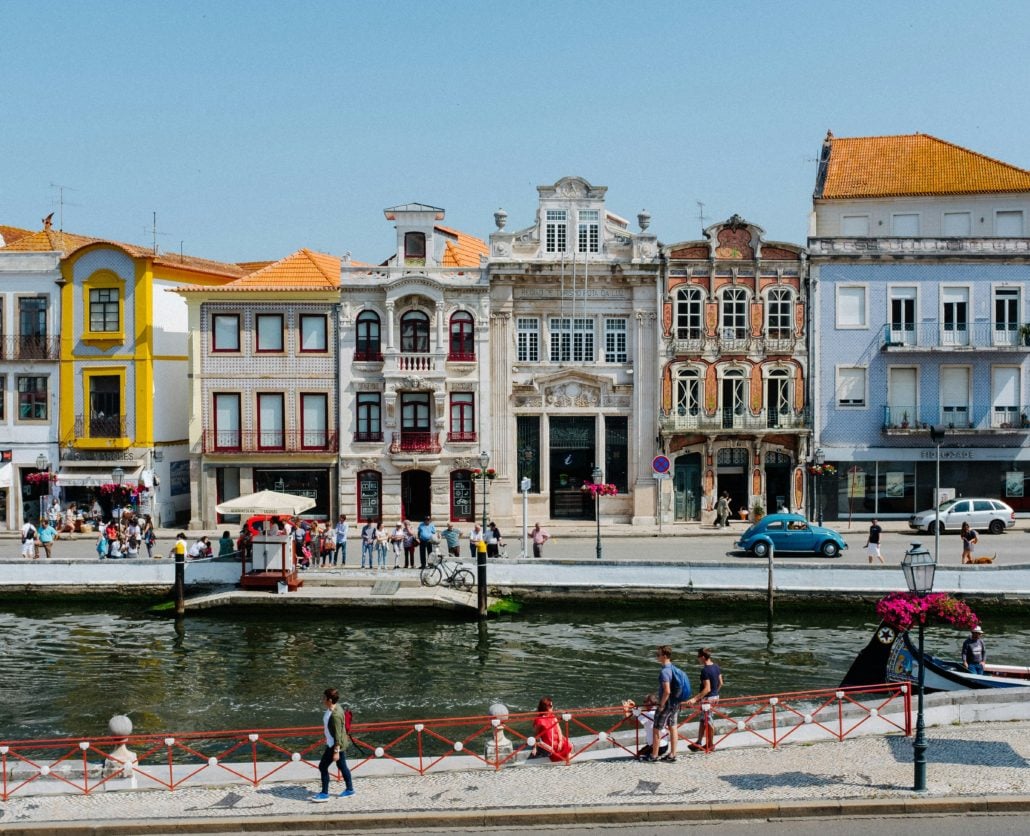
Rule of Law in PortugalPortugal’s journey since the turn of the millennium presents a paradox: a nation celebrated for progressive social policies that simultaneously grapples with deep-seated fragilities in the rule of law in Portugal. While landmark reforms have advanced human rights, systemic issues like corruption, entrenched social inequality and political instability continue to challenge public trust and the very foundations of its democratic institutions. This delicate balance between progress and peril defines the current state of the rule of law in Portugal.

The Reasons for Challenges With Fragility and the Rule of Law in Portugal

  • High-profile Corruption Cases and Political Polarization: Over the past decade, former officials, bankers and public figures have featured in corruption cases that shook Portuguese politics and finance. These prosecutions show that institutions can and do act — but they also erode public trust and fuel political polarization when citizens see accountability as uneven. According to Statista, 91%of Portuguese in 2025 believe corruption remains widespread in the country, up slightly from 90% in 2013. Moreover, Transparency International gave Portugal a score of 57 out of 100 in its 2024 Corruption Perceptions Index, marking the lowest score in recent years and ranking Portugal 43rd among 180 countries.
  • Institutional Obstacles, Sluggish Justice and Capacity Constraints: Portuguese judicial institutions confront chronic delays, particularly in administrative and tax courts, which undermines the rule of law in Portugal. Long delays reduce the law’s deterrent effect and deepen public frustration with the timely delivery of justice.
  • Legal Reforms Under Political Pressure: Political pressure sometimes prompts rapid legal modifications such as proposals to broaden asset-confiscation powers without a criminal conviction. Although such moves aim to strengthen enforcement, critics argue they risk undermining the presumption of innocence and property rights. These proposals illustrate the tension between the need for effective anti-corruption enforcement and the protection of fundamental rights, which is central to any robust rule of law in Portugal.
  • Transparency, Oversight and Conflicts of Interest: Various international watchdogs, including GRECO, repeatedly call on Portugal to strengthen transparency and oversight mechanisms. They recommend robust asset-declaration systems for MPs, judges and prosecutors; enforceable conflict-of-interest rules; and independent oversight bodies. Without these preventive measures, corruption scandals can re-emerge, and the public may conclude that institutions lack integrity.

Poverty and Social Inequality

Poverty remains a serious challenge in Portugal, and weaknesses in the rule of law often deepen socioeconomic vulnerability. In 2023 (reflecting 2022 incomes), official data indicate that roughly 17% of Portugal’s population lived at risk of poverty or social exclusion after social transfers. Some regions, including the Azores, Madeira, the Algarve and northern areas, face especially high risk.

Corruption and weak rule of law undermine governmental capacity to combat poverty. When public resources leak, public procurement inflates and misallocation of funds becomes common, the state loses the ability to deliver fair social services, maintain public infrastructure and allocate welfare effectively. The phenomenon harms not only economic growth but also social equity, increasing income and wealth inequality in which poorly served communities suffer most.

A recent report underscores the link between corruption and social deprivation: corruption erodes health, education and social welfare outcomes in a way that disproportionately harms the poor. Thus, improving the rule of law in Portugal could serve as a structural lever to reduce poverty, foster social inclusion and rebuild citizens’ faith in institutions.

Addressing the Rule of Law in Portugal

Experts from OECD, GRECO and other international bodies recommend a consistent set of reforms, and several named contributors and authorities appear repeatedly in these reports. The OECD justice report lists lead contributors and managers — Elsa Pilichowski (OECD Director for Public Governance), Tatyana Teplova (Senior Counsellor), Chloé Lelièvre (Head of Unit for Access to Justice) and Barbara-Chiara Ubaldi (Head of Unit for Digital Government and Data) — and the report presents specific recommendations to modernize courts, speed procedures and invest in skills and digital case management. GRECO’s evaluation team similarly sets out measures to strengthen asset disclosure, conflict-of-interest rules, post-employment restrictions and lobbying transparency. Transparency International, the EU Commission and independent academics have echoed these proposals.

Portugal has already adopted or launched some of these measures. The government published the National Anti-Corruption Strategy 2020–2024 (ENAC) and created a National Anti-Corruption Mechanism (MENAC) under Decree-Law No. 109-E/2021. MENAC aims to coordinate prevention, monitoring and enforcement across the public administration, and to improve asset-declaration systems, conflict-of-interest rules and whistleblower protection. GRECO and the OECD acknowledge this framework but report partial implementation; follow-up reviews note that Portugal still needs to strengthen enforcement, improve transparency of asset declarations and fully adopt measures on lobbying and post-employment restrictions.

Specific Expert Recommendations and Implementation Status

The OECD recommended modernizing case management, digitizing courts, recruiting targeted personnel and creating specialized chambers for complex economic crime to reduce delays and strengthen enforcement. The OECD named its project leads and listed technical recommendations based on stakeholder interviews and data. Portugal has accepted many recommendations in principle and started pilot digital initiatives, but full roll-out and resourcing remain works in progress.

Meanwhile, GRECO recommended enforceable asset-declaration rules, independent oversight and stronger cooling-off rules for high officials. The 2025 compliance report records partial implementation of several recommendations and outstanding gaps.

Additionally, the EU Commission recommended speeding up administrative and civil procedures and strengthening judicial capacity; national progress reports link these recommendations to OECD technical assistance projects.

The National Anti-Corruption Strategy and MENAC

The National Anti-Corruption Strategy 2020–2024 (ENAC) entered the official agenda in 2020–2021, and the Decree-Law No. 109-E/2021 (December 2021) established the National Anti-Corruption Mechanism (MENAC).

MENAC’s mandate includes coordinating implementation of the National Strategy, monitoring and evaluating anti-corruption actions across public bodies, improving prevention measures such as asset and interest disclosures, and strengthening whistleblower protection. The overall strategy sets out an action plan with measures on prevention, enforcement, transparency and international cooperation.

MENAC has centralized coordination functions, launched monitoring mechanisms and supported revisions to disclosure and whistleblower rules. Observers and follow-up reports (GRECO, OECD, EU) record progress on institutional design and legal frameworks, while also noting gaps in enforcement, the need for stronger oversight and incomplete implementation of several recommendations. GRECO’s compliance reporting (2025) finds that Portugal partially implemented a number of recommendations but still needs to address asset-declaration enforcement, lobbying transparency and post-employment rules.

A Fragile but Reformable Rule of Law in Portugal

Portugal has not faced a collapse of democracy and many institutions are still functioning. Yet, the rule of law in Portugal remains fragile in critical respects. Institutional inefficiencies, public distrust and repeated crises of political and financial malfeasance undermine social equity and hinder the country’s ability to reduce poverty.

The future of Portugal’s rule of law will depend on transparent and effective reforms, faithful protection of civil and property rights and the capacity to restore public trust through tangible improvements. If implemented well, such reforms could yield not only stronger governance, but also meaningful progress in reducing poverty and social inequality in Portugal.

– Vagner Trindade

Vagner is based in Portsmouth, UK and focuses on Business and Politics for The Borgen Project.

Photo: Wikimedia Commons
December 4, 2025
https://borgenproject.org/wp-content/uploads/borgen-project-logo.svg 0 0 Jennifer Philipp https://borgenproject.org/wp-content/uploads/borgen-project-logo.svg Jennifer Philipp2025-12-04 01:30:182025-12-04 00:26:50Fragility of Rule of Law in Portugal
Child Poverty, Global Poverty

Being Poor in Portugal: Ending the Cycle for Future Generations

Being Poor in PortugalPortugal, located in southwestern Europe, borders Spain to the north and east and stretches along nearly 1,800 kilometers of Atlantic coastline to the west. The capital of Lisbon was once a symbol of prosperity and influence among European nations, but being poor in Portugal was not uncommon for children and other disadvantaged groups. Today, Portugal is home to roughly 1.7 million children, many of whom still live below the poverty line.

A Society of Inequality

Many nations viewed Portugal as the world’s most powerful empire, despite its small size. During the 15th and 16th centuries, Portuguese explorers established routes to major regions, including India, Brazil and China. Yet, the prosperity concentrated in urban centers stood in sharp contrast to the poverty in rural areas.

By the mid-18th century, several major events weakened Portugal’s position on the world stage. The 1755 Lisbon earthquake devastated the capital and Napoleon’s invasion in 1807 further destabilized the country. With limited financial resources, Portugal struggled to keep pace with industrialization. Political instability, inadequate infrastructure and a fragile economy deepened poverty across the nation. Children were among the most vulnerable, facing restricted access to both health care and education.

In the early 2000s, major cities such as Lisbon experienced modest economic growth, driven by tourism and foreign investment. Yet being poor in Portugal remained a reality for many children, as poverty continued to affect a significant portion of the population.

Addressing the Challenge

Nations around the world often praise Europe for its education and health care systems, yet childhood poverty remains a pressing issue in Portugal. In 2021, UNICEF reported that nearly one in five Portuguese children were living in poverty, highlighting the work still needed to ensure equal opportunities for all.

Efforts to combat childhood poverty in Portugal are gaining momentum through advocacy and government programs. In 2023, the country launched the Child Guarantee National Action Plan, a major EU initiative aimed at improving children’s lives. The plan focuses on expanding access to health care, increasing educational opportunities, providing nutritious meals and ensuring adequate housing for those in need. Philanthropists and organizations like AMI are also driving meaningful change.

From the Pitch to the People: Soccer Star Gives Back

Cristiano Ronaldo, a native of Portugal, is one of the world’s most famous footballers. Fans will never forget his soccer achievements, and his advocacy continues to make a difference off the field.

In 2015, DoSomething.org recognized him as the world’s most charitable athlete. His generosity includes funding life-saving brain surgery for a 10-month-old baby suffering from seizures and donating $165,000 to the cancer center that treated his mother. More recently, during the coronavirus pandemic, he reportedly gave $1 million to hospitals in Lisbon and Porto.

One of Ronaldo’s greatest contributions to Portugal goes beyond financial donations. By using his platform to advocate for the world’s most vulnerable, he leaves a lasting impact not only on those he directly helps, but also by setting an example of generosity and compassion.

Solutions and Hope

Identifying the causes of child poverty in Portugal is the first step toward creating sustainable solutions and the Portuguese government has taken key measures to build a country where children have the opportunity to thrive.

Biennial reports on the Child Guarantee National Action Plan will track the program’s impact and help lawmakers make necessary adjustments to combat childhood poverty in Portugal. The 2024 report highlights new initiatives, including reduced health care costs for children and youth, expanded access to education for vulnerable communities and key housing reforms.

Being poor in Portugal is still a reality for many children, but growing advocacy, stronger government initiatives and rising public awareness are paving the way toward meaningful change. Improved data collection, especially for migrant children, will further strengthen efforts to build lasting solutions.

– Fernanda Nilson

Fernanda is based in North Charleston, SC, USA and focuses on Good News and Technology for The Borgen Project.

Photo: Unsplash

September 27, 2025
https://borgenproject.org/wp-content/uploads/borgen-project-logo.svg 0 0 Jennifer Philipp https://borgenproject.org/wp-content/uploads/borgen-project-logo.svg Jennifer Philipp2025-09-27 01:30:562025-09-27 02:18:26Being Poor in Portugal: Ending the Cycle for Future Generations
Global Poverty, Hunger

Hunger in Portugal

Hunger in PortugalPortugal is widely recognized for its high quality of life, ranking 19th globally according to U.S. News. The country has universal access to clean drinking water, near-universal sanitation, a literacy rate of 97% as of 2021 and a life expectancy nearing 83 years, according to the World Bank. As a member of the European Union and a nation, Portugal is celebrated for its economic stability, vibrant culture and societal progression. But, despite these successes, hunger and food insecurity remain persistent issues that affect thousands of Portuguese families. 

Poverty’s Persistence

Portugal’s GDP per capita has risen to around $30,000 as of 2024 (an $8,000 increase since 2014, and unemployment has dropped substantially to 6.4 % as of 2024. These statistics reflect impressive progress compared to a decade ago, when the country was still emerging from a financial crisis that left many residents of Portugal in poverty. However, poverty and food insecurity continue to affect vulnerable groups. In 2023, roughly 16.6 % of the population was at risk of poverty. 

The Face of Food Insecurity

Official estimates from Portugal’s National Statistics Institute show that around 4.1 % of the population faces moderate or severe food insecurity. They also report that in 2024, 1.7 % of people reported having felt hungry without having eaten at some point within the 12 months before they were interviewed. 

Children in particular are at high risk. Published in 2025, a cross-sectional study was conducted with 4,737 children living in Portugal. The results of the study showed that 13.2 % of children were living in households considered food insecure. Alarmingly, 25.5 % of those households included children who were overweight/obese. This emphasizes the relationship between poverty, poor nutrition and physical health. 

Policies and The Future

In recent years, food insecurity has become an increasingly prominent issue both globally and within Portugal. This has prompted many coordinated efforts to ensure that vulnerable populations have sufficient access to nutritious food. Fortunately, Portugal has taken important steps to address food insecurity. Through its participation in the European Union’s Common Agricultural Policy (CAP) 2023-2027, Portugal is investing in sustainable farming, food security and rural development. Social programs and local charities, including food banks, play a vital role in supporting food-insecure families. 

One of the largest food banks in Portugal is the Banco Alimentar Contra a Fome (Food Bank Against Hunger). The bank is a nationwide network of 21 nonprofit food banks that fight against food waste and hunger in Portugal. They recover surplus food from producers, retailers, and public donations. Additionally, they hold biannual campaigns and run daily food collection efforts to help support families in need. Amazingly, the food bank collected enough food items to provide about 400,000 people with baskets or prepared meals.  

Globally, hunger declined slightly in 2024, yet it is still a pressing issue. Approximately 733 million people face chronic hunger worldwide as of 2023. On paper, Portugal’s hunger statistics appear relatively low compared to global figures. However, for many families, food insecurity is persistent and dominates their lives. With continued efforts, Portugal could further reduce hunger and ensure that all families have access to the nutrition they need.

– Ashton Christo

Ashton is based in Baltimore, MD, USA and focuses on World News for The Borgen Project.

Photo: Flickr

September 16, 2025
https://borgenproject.org/wp-content/uploads/borgen-project-logo.svg 0 0 Borgen Project https://borgenproject.org/wp-content/uploads/borgen-project-logo.svg Borgen Project2025-09-16 01:30:392025-09-15 12:49:56Hunger in Portugal
Global Poverty, Migration, Refugees

Migrant Communities in Portugal: Gentrification and Deportation

Migrant Communities in PortugalGentrification in traditionally working-class neighborhoods in cities like Lisbon, Portugal, is increasing house prices. At the same time, the government’s recent plans to deport thousands of migrants are raising concerns. Together, these changes threaten multiethnic neighborhoods and immigrant identities across Portugal. However, many organizations are resisting this by empowering migrant communities in Portugal through a range of projects.

Deportation and the Rise of Populism

The recent rise in far-right populism and political strategy ahead of a general election has led to plans to deport 18,000 irregular migrants across Portugal. Luis Montenegro, leader of the center-right party Democratic Alliance and current Prime Minister, has faced criticism for announcing the deportation plans just before a snap election in May 2025 to gain voters. However, the Democratic Alliance didn’t win a majority. The head of the Socialist Party, Pedro Nuno Santos, resigned after winning the same number of seats as Chega, a relatively new far-right party rooted in anti-immigration rhetoric.

According to a Portuguese Migration and Home Affairs Office publication, attitudes toward immigrants among Portuguese people depend on their country of origin. Attitudes toward migrants from the Indian subcontinent, including countries such as India, Pakistan, Bangladesh and Nepal, are more negative. Moreover, 68% of the public believe Portugal’s immigration policies are too liberal. They also think that the presence of immigrants impacts their salaries, despite the country’s economic growth depending on sectors where most employees are migrants (such as agriculture and construction).

Gentrification and Touristification

Like many popular destinations, Portugal has become a victim of its success within the tourism industry. Lisbon had 5.6 million visitors in 2023 alone. Thanks to the rise of Airbnb, house prices are rapidly increasing while the availability of public housing is diminishing. In addition to touristification, digital nomads arriving in Portugal with higher salaries have contributed heavily to gentrification.

Although rent and house prices have risen by 120% in cities such as Lisbon, wage levels have remained stagnant. This means many people cannot afford to continue living in the neighborhoods where they grew up. Moreover, some of the neighborhoods most affected by gentrification are home to some of the most multicultural communities in Portugal, meaning that immigrants and working-class people are being pushed to the peripheries of their cities.

Organizations Empowering Migrant Communities

Despite the deportations of migrants and the cultural erosion of their neighborhoods, some grassroots organizations are stepping up. They support and empower migrant communities while resisting the effects of mass tourism, digital nomadism and far-right politics.

  1. The Lisbon Project. One of the most notable organizations empowering migrant communities in Portugal is the Lisbon Project. It is a nonprofit organization (NGO) founded in 2016 to strengthen migrant and refugee communities across Lisbon and make them feel a sense of belonging. The charity currently has 5,952 registered community members from 250 countries, with the top nationalities being Bangladesh, Nepal, India, Pakistan, Nigeria and Algeria.

    Focusing on integration and empowerment, the Lisbon Project operates across various domains, including community life, education, employability and social care. Some of its specific projects include the Benevolence Program, which provides free items such as furniture and home appliances to new arrivals). Others include the Portuguese Welcome Course and free Community Dinners, among many others. Despite currently only operating in Lisbon, the organization aims to expand into three hubs across Portugal by the end of 2030.

  2. Renovar a Mouraria Foundation. Renovar a Mouraria is another Lisbon-based NGO. However, it focuses its support on the multicultural Mouraria neighborhood, which has become a home to multiple immigrant and refugee communities in Lisbon. However, due to the neighborhood’s abandonment and marginalization, residents have been affected by drug trafficking, rising social tensions and gentrification.

    Working with various stakeholders, including the Lisbon City Council, Renovar a Mouraria has been coordinating community-strengthening services since 2008. These include integrated social support, migrant regularization, Portuguese language courses and vocational training. In addition to providing practical services, the NGO has fostered creativity and communication in the neighborhood. One example is Secondary Residence, a collaborative project where a group of residents produced a collective reflection. It was based on their interactions with local people and their experiences living in Mouraria.

  3. The Portuguese Refugee Council (CPR). Similarly, the CPR is empowering migrant communities in Portugal and addressing their marginalization by deconstructing myths about refugees. It is also providing designated spaces, including three Refugee Reception Centers.

    Operating since 1991, the CPR has supported 14,640 refugees and asylum seekers in Portugal through advocacy, legal support, international protection and training sessions. Moreover, the CPR runs multiple services and projects specifically supporting child refugees, such as the CPR daycare and the Shelter for Refugee Children.

Final Remarks

Multiculturalism and the rich history of working-class neighborhoods across Portuguese cities deserve celebration and preservation. Thanks to the amazing organizations empowering migrant communities in Portugal, resettled populations can continue to thrive and network, fostering creativity, cultural exchange and positive integration.

– Clodagh Dowson

Clodagh is based in Wiltshire, UK and focuses on Global Health and Politics for The Borgen Project.

Photo: Flickr

June 4, 2025
https://borgenproject.org/wp-content/uploads/borgen-project-logo.svg 0 0 Lynsey 2 https://borgenproject.org/wp-content/uploads/borgen-project-logo.svg Lynsey 22025-06-04 01:30:032025-06-04 00:29:18Migrant Communities in Portugal: Gentrification and Deportation
Gender Equality, Global Poverty, Women's Rights

How the PpDM is Addressing Women’s Rights in Portugal

How the PpDM is Addressing Women's Rights in Portugal According to the European Institute for Gender Equality, Portugal ranked 15th in Europe for gender equality in 2023. The study found that health care had the most significant gender disparities, while workplace equality showed the most progress. A Randstad study, conducted by the global talent company, reported that Portugal’s gender pay gap stood at 13%, aligning closely with the 2024 European average. Despite ongoing challenges, activists and nonprofit organizations continue working toward gender equality, advocating for women’s rights, awareness, policy change and social reform.

PpDM Promoting Women’s Rights in Portugal

The Portuguese Platform for Women’s Rights (PpDM), an independent, nonprofit humanist organization, promotes gender equality through research, advocacy, mobilization and training. Free from government, political or religious affiliations, PpDM represents Portugal in key international networks, including the European Women’s Lobby (EWL), the EU Civil Society Platform against Trafficking, the Association of Women from Southern Europe (AFEM) and the Euro-Mediterranean Women’s Foundation (FFEM). As the national coordinator for the EWL, PpDM works closely with European organizations to advocate for gender equality policies and initiatives. The organization focuses on eliminating discrimination and gender-based violence by providing training and resources to nongovernmental organizations (NGOs). PpDM fosters open discussions on gender issues, creating a platform for organizations to collaborate, exchange knowledge and implement gender equality initiatives.

Key PpDM Initiatives for Gender Equality

  • Mobilize Against Sexism!. Funded by the Council of Europe and organized by the EWL, raises awareness about sexism and discrimination. The initiative promotes public dialogue on gender-based biases and provides legal definitions of sexism to support advocacy efforts. To extend its reach, the campaign offers flyers, posters and educational materials for use in schools and public awareness programs.
  • Women in Climate. An initiative launched by the EWL integrates gender perspectives into climate policy. The project highlights how climate change disproportionately affects marginalized women and encourages civil society organizations to advocate for gender equality in environmental action. By bridging women’s rights and climate justice, the initiative strengthens policy discussions and advocacy strategies.
  • From the Voice III. It provides a digital platform for conversations about sexism, discrimination and gender-based violence. The initiative creates a safe online space where women can share experiences, participate in discussions and access educational resources. Webinars, podcasts and other digital content aim to challenge gender stereotypes and promote feminist discourse in Portugal.

Beyond these initiatives, PpDM has launched several other projects that amplify women’s voices, mobilize communities and influence policy change. Programs such as the Feminist Tribune, bE_SAFE, and Young Europe Sustainable Democracy Builders (YES) focus on human rights advocacy, gender-based cyber safety and youth involvement in democratic policy-making.

Advocacy and International Collaboration

PpDM actively engages in international human rights conventions that promote gender equality and women’s rights. The organization contributes to global policy discussions, influencing frameworks such as the Istanbul Convention and the Convention on the Rights of the Child. By working with international organizations and policymakers, PpDM strengthens its influence on gender policies at both national and global levels.

Looking Ahead

The PpDM calls for broader community participation in its mission to achieve gender equality. Indeed, by fostering education, advocacy and legal reforms, the organization remains a driving force in promoting women’s rights in Portugal. As challenges persist, continued collaboration with policymakers, activists and civil society could be essential in creating lasting change for future generations.

– Hannah Pacheco

Hannah is based in Boston, MA, USA and focuses on Good News and Global Health for The Borgen Project.

Photo: Flickr

March 18, 2025
https://borgenproject.org/wp-content/uploads/borgen-project-logo.svg 0 0 Precious Sheidu https://borgenproject.org/wp-content/uploads/borgen-project-logo.svg Precious Sheidu2025-03-18 01:30:342025-03-18 01:19:54How the PpDM is Addressing Women’s Rights in Portugal
Disability, Economy, Global Poverty

The Intersection of Disability and Poverty in Portugal

Disability and Poverty in PortugalIn Portugal, the intersection of disability and poverty is a pressing issue. Despite progress in disability rights and social support, many individuals with disabilities continue to face economic hardships. This challenge is not only about physical impairments but also the systemic barriers that contribute to persistent poverty.

The Reality of Disability in Portugal

Portugal has implemented laws like the “Basic Law on the Rights of Persons with Disabilities” (Law 38/2004). This legislation underscores the country’s commitment to protecting the rights of individuals with disabilities and fostering their active participation in society.However, the reality for many individuals with disabilities remains one of exclusion, especially in rural areas where services and infrastructure are limited.

Challenges are exacerbated by geographical isolation and a lack of targeted support, leaving many unable to benefit from these legal advancements fully. According to a report, more than 10% of Portugal’s population lives with a disability. Yet, many still struggle to access education, employment and health care. This persistent inaccessibility not only hinders personal development but also perpetuates a cycle of economic disadvantage, marginalization and social exclusion.

Disability and Economic Struggles

A key factor in the poverty faced by persons with disabilities is the lack of accessible employment opportunities. According to data from EU-SILC, the employment rate for people with disabilities in Portugal is about 58.4% compared to 77.4% for people without disabilities. Discrimination and inadequate workplace accommodations often hinder job prospects. Furthermore, the lack of accessible transport and facilities adds to the difficulty. Moreover, public services, including health care and transportation, can be inaccessible in many parts of the country.

Portugal lacks a national personal assistance scheme, leaving many individuals with disabilities reliant on family members or institutional care. This makes many of them report difficulty in accessing public transportation, especially in rural and less-developed regions. This lack of access further isolates individuals living with disabilities from society, making it even harder to engage in education, employment or social life.

Moving Toward Inclusion

Breaking the cycle of disability and poverty in Portugal requires a comprehensive approach that includes greater investment in inclusive education, better access to public spaces and increased employment opportunities for people with disabilities. The Convention on the Rights of Persons with Disabilities (CRPD) emphasizes that people with disabilities should have the right to choose where and with whom they live, free from mandatory institutionalization.

Integrating individuals with disabilities into the workforce holds immense potential for economic growth. This is a benefit acknowledged by the Portuguese government as part of its commitment to inclusivity under the 2030 Agenda for Sustainable Development. The success of these top-down-oriented strategies is crucial, not only for Portugal but for Europe as a whole, in addressing and reducing poverty effectively via political and administrative change.

– Lambros Andrikopoulos

Lambros is based in Birmingham, UK and focuses on Global Health for The Borgen Project.

Photo: Pexels

January 8, 2025
https://borgenproject.org/wp-content/uploads/borgen-project-logo.svg 0 0 Lynsey 2 https://borgenproject.org/wp-content/uploads/borgen-project-logo.svg Lynsey 22025-01-08 07:30:212025-01-07 07:56:08The Intersection of Disability and Poverty in Portugal
Global Poverty, Health, Nonprofit Organizations and NGOs

How GAT is Combating HIV/AIDS in Portugal

How GAT is Combating HIV/AIDS in PortugalPortugal, located in southwestern Europe, borders Spain and the Atlantic Ocean. Established in the 12th century, the country boasts a rich cultural heritage. However, Portugal faces a significant health challenge: the rapid spread of HIV, which has been affecting its population since the 1980s. HIV or Human Immunodeficiency Virus, attacks the body’s immune system, rendering it vulnerable to other diseases and pathogens. If untreated, HIV can progress to AIDS (Acquired Immunodeficiency Syndrome), a condition for which there is currently no cure.

HIV/AIDS in Portugal

Portugal reports relatively high HIV rates, with UNAIDS estimating around 47,000 adults and children living with the virus in 2023, nearly 0.5% of the population. HIV transmission occurs through various means, including the use of contaminated needles for drugs such as heroin, fentanyl and morphine. In 2023, drug use stood at 12.8% in Portugal, potentially influenced by the 2001 Drug Decriminalization Act, which reduced penalties for drug use and emphasized rehabilitation over punishment. Additionally, stigma surrounding HIV remains a significant issue. A 2023 survey revealed that approximately 37.7% of HIV patients experienced prejudice after diagnosis. This stigma fuels fear and hostility toward the virus, deterring people from educating themselves or undergoing regular testing.

GAT

Despite these ongoing challenges, several firms in Portugal are actively combating the spread of HIV/AIDS. Among them is the Treatment Activist Group (GAT), established in 2001 and recognized by both the World Health Organization (WHO) and the European Centre for Disease Prevention and Control. GAT offers a range of services, including an anti-discrimination center that supports individuals affected by HIV and aims to reduce stigma through education. This initiative has trained more than 620 individuals on tolerance and combating bias against those with HIV. Additionally, the group operates private centers across the country offering free HIV testing with quick results, primarily targeting sexual minorities while also providing free contraceptives and therapy. Moreover, GAT’s Housing First program furnishes free housing to those infected with HIV, drug addicts and sexual minorities, along with personalized services to support their needs.

GAT is committed to supporting the objectives of UNAIDS and the United Nations Sustainable Development Goals, particularly Goal 3, which focuses on health and well-being. The organization strategically intervenes in key areas of public health policy by involving the communities most affected by and vulnerable to these infections. GAT’s efforts aim to influence the development of care provisions, best practices and policies, adhering strictly to human rights, good practices and international standards. This approach ensures that GAT contributes meaningfully to the global targets set for controlling and ultimately ending the spread of HIV/AIDS.

Looking Ahead

Efforts to address HIV in Portugal have made strides in reducing stigma and providing essential services to affected populations. Organizations like GAT play a pivotal role by offering free testing, housing programs and education initiatives aimed at fostering inclusion and awareness. These actions target the underlying factors contributing to the spread of HIV and work to improve health outcomes for vulnerable groups. However, addressing societal attitudes and ensuring widespread access to testing and treatment remain critical to combating the epidemic.

– Mustafa Tareen

Mustafa is based in Lahore, Punjab, Pakistan and focuses on Global Health and Celebs for The Borgen Project.

Photo: Flickr

November 19, 2024
https://borgenproject.org/wp-content/uploads/borgen-project-logo.svg 0 0 Precious Sheidu https://borgenproject.org/wp-content/uploads/borgen-project-logo.svg Precious Sheidu2024-11-19 07:30:262024-11-18 12:17:42How GAT is Combating HIV/AIDS in Portugal
Page 1 of 212

Get Smarter

  • Global Poverty 101
  • Global Poverty… The Good News
  • Global Poverty & U.S. Jobs
  • Global Poverty and National Security
  • Innovative Solutions to Poverty
  • Global Poverty & Aid FAQ’s
Search Search

Take Action

  • Call Congress
  • Email Congress
  • Donate
  • 30 Ways to Help
  • Volunteer Ops
  • Internships
  • Courses & Certificates
  • The Podcast
Borgen Project

“The Borgen Project is an incredible nonprofit organization that is addressing poverty and hunger and working towards ending them.”

-The Huffington Post

Inside The Borgen Project

  • Contact
  • About
  • Financials
  • President
  • Board of Directors
  • Board of Advisors

International Links

  • UK Email Parliament
  • UK Donate
  • Canada Email Parliament

Get Smarter

  • Global Poverty 101
  • Global Poverty… The Good News
  • Global Poverty & U.S. Jobs
  • Global Poverty and National Security
  • Innovative Solutions to Poverty
  • Global Poverty & Aid FAQ’s

Ways to Help

  • Call Congress
  • Email Congress
  • Donate
  • 30 Ways to Help
  • Volunteer Ops
  • Internships
  • Courses & Certificates
  • The Podcast
Scroll to top Scroll to top Scroll to top