Posts

Malaria in BangladeshMalaria is one of the most prevalent and deadly diseases in South Asia, taking the lives of an estimated 600,000 people globally in 2023. That same year, however, in Bangladesh, it claimed only six. In fact, between 2008 and 2023, the country reduced malaria by 96%. This is a direct result of Bangladesh’s incredible effort to eliminate malaria. This effort is soon to bear fruit.

What Is Malaria?

Malaria is a mosquito-borne disease that can spread to vertebrates. Symptoms can include fever and headaches as well as vomiting and, in extreme cases, death. The World Health Organization (WHO) estimated 263 million malaria cases in 2023 alone.

In fact, travel is a major driver of malaria transmission in Southeast Asia. Understanding how migration influences the spread of the illness is essential to stopping it. Researchers and organizations in Bangladesh have developed several tracking methods, including travel surveys and mobile phone data.

Addressing the Issue

Climates like Bangladesh’s provide ideal breeding conditions for malaria-transmitting mosquitoes to thrive. This threat has been countered for decades with insecticide-treated nets; today, most families own at least one. However, these nets are insufficient to eliminate malaria; they primarily work to reduce transmission rates rather than fully eradicate the disease. To address malaria in Bangladesh, broader and more comprehensive solutions beyond nets are required.

Thankfully, nets are not the only tool Bangladesh has to combat malaria. In 2021, the WHO approved the first malaria vaccine, which Bangladesh quickly adopted and rolled out on as wide a scale as possible. Today, the country has established a strict treatment regimen for those afflicted, using the most up-to-date version of the vaccine to reduce the burden of the disease.

Additionally, in 2021, Bangladesh launched its National Strategic Plan for Malaria Elimination (2021–2025), outlining the ambitious goal of eliminating malaria from the country by 2030. The plan emphasizes early detection and treatment, monitoring evolving malaria strains, distributing insecticide-treated nets to at-risk populations and strengthening advocacy efforts to ensure widespread access to treatment.

Final Remarks

Malaria cases in Bangladesh have been steadily declining for years and the trend is expected to continue. From 2022 to 2023, infection rates fell by 9.2%, with predictions showing further decreases in the future. This consistent decline highlights Bangladesh’s perseverance, persistence and determination in combating the threat of malaria.

Bangladesh’s success proves that with the right mix of time, resources, international aid and strong leadership, no disease is unbeatable, not even one as deadly as malaria. The steady decline in cases shows what’s possible when governments, health organizations and communities work together toward a shared goal.

While challenges remain, Bangladesh’s progress stands as a powerful reminder that elimination is within reach and that with persistence, global health victories once thought impossible can, in fact, become reality.

– Cayle Harrison

Cayle is based in Columbia, SC, USA and focuses on Global Health and Politics for The Borgen Project.

Photo: Wikimedia Commons
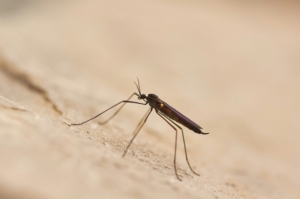
Zzapp MalariaEvery year, malaria sickens millions and kills hundreds of thousands worldwide, with most cases concentrated in Africa. In 2023 alone, there were an estimated 263 million malaria cases and nearly 600,000 deaths, with children aged 5 and less accounting for about 76% of those deaths.

Despite decades of progress, including a 38% reduction in malaria incidence and a 60% drop in mortality from 2000 to 2022, gains have stalled. Challenges such as drug and insecticide resistance, underfunding and changing climatic conditions continue to hamper efforts. As traditional tools fall short, technology to fight malaria is becoming increasingly vital.

AI as a Solution

Malaria has been eliminated in several countries that are able to carry out comprehensive control operations, particularly by targeting mosquito breeding grounds in stagnant water bodies. However, such interventions require significant investment.

To overcome these barriers, innovative initiatives like Zzapp Malaria are using technology to fight malaria. They are transforming control operations with AI and mobile tools to offer scalable, cost-effective solutions to one of Africa’s most persistent public health threats.

How Zzapp Malaria Works

Zzapp Malaria is an Israeli nonprofit startup. It uses AI-driven software to plan and execute malaria control operations, particularly larviciding and house spraying, in low-resource and urban settings across Africa.

Its approach combines several key steps:

  • Planning and mapping. Neural networks analyze satellite images to detect homes, stagnant water areas and breeding hotspots, incorporating climate and topographic data to determine optimal intervention timing.
  • Task allocation. The platform segments areas into grids and assigns them to field workers through its mobile app.
  • Field operations. App-guided teams map, sample and treat water bodies with larvicides or sprays, with real-time data optimizing interventions.
  • Monitoring. The system flags areas with insufficient treatment or high mosquito levels for rapid response.

The app works offline, supports low-end smartphones and uses icons for low-literacy users. It recognizes traditional huts and modern homes and training is simple. For many field workers, using the app is their first digital experience, empowering them with new skills.

Proven Impact and Cost-Effectiveness

  • Obuasi, Ghana. In partnership with the AngloGold Malaria Control Program (AG­AMaL), Zzapp Malaria piloted its system in 2017. A 2018 randomized controlled trial showed app-guided teams detected 28% more breeding sites with more than 90% coverage than standard methods. By 2020, a full-scale operation reduced mosquito populations by 60% in less than four months at $0.20 per person protected, compared to about $5 for traditional spraying.
  • São Tomé and Príncipe. In collaboration with the Ministry of Health, Zzapp Malaria conducted an eight month-long larviciding operation covering 166,000 people across 240 square kilometers. Results included a 75% reduction in mosquitoes, malaria cases cut by more than half and an average cost of $0.86 per person protected, dropping to $0.44 in urban areas — about twice as cost-effective as bed nets.

Zzapp Malaria remains active in Ghana, São Tomé and Príncipe and has expanded to Mozambique, Zanzibar in Tanzania, Ethiopia and Kenya. Its pilots have reached 500,000 people, with expansion agreements aiming for at least five million.

Recent Developments

  • Ghana. In April 2025, The Ghanaian Times reported that AGAMal and Zzapp Malaria’s tools reduced malaria prevalence to about 1% in Obuasi East.
  • Mozambique. Following a successful pilot in Maputo with Mozambique’s National Malaria Control Program (NMCP) and Goodbye Malaria, Zzapp Malaria is preparing a nationwide urban rollout.
  • Zanzibar. Drone integration trials are underway, using drone maps and LiDAR to identify breeding sites. Zanzibar’s Ministry of Health has implemented this project as part of the spatial intelligence system funded by the Bill and Melinda Gates Foundation through the Innovative Vector Control Consortium (IVCC).

Why Zzapp Malaria’s Solutions Matter

Despite large global investments, conventional tools often fall short and progress has stalled. Technology to fight malaria, like Zzapp Malaria, enables task-shifting to community health workers while enhancing surveillance, diagnosis and treatment. Its AI-powered mapping, targeted larviciding and drone-assisted detection fill key gaps:

  • Cost-effective interventions. Optimize resources where funding is limited.
  • Complementary strategies. Strengthen existing interventions facing resistance.
  • Enhanced operations. Improve data-driven decision-making in challenging contexts.

Zzapp Malaria exemplifies the transformative potential of technology to fight malaria through digital health solutions:

  • Technology as a solution. AI and drones directly reduce mosquito populations and malaria cases.
  • Scalability and cost-effectiveness. Proven impact at minimal cost.
  • Empowerment. Tools designed for low-literacy, low-infrastructure settings democratize access.
  • Evidence-based results. Peer-reviewed studies and credible media confirm its effectiveness.

In a world where malaria continues to claim hundreds of thousands of lives each year, Zzapp Malaria shows how technology to fight malaria can provide scalable, cost-effective solutions to one of the world’s most persistent health challenges.

– Jacobo L. Esteban

Jacobo is based in Cali, Colombia and focuses on Technology and Politics for The Borgen Project.

Photo: Flickr

Dengue Fever in IndonesiaDengue fever, a mosquito-borne illness, causes severe muscle and joint pain, nausea, vomiting and in extreme cases, death. This disease, often simply called dengue, is endemic in Indonesia, where it kills hundreds of people annually. Dengue cases spiked in 2024, forcing Indonesia to address the growing public health issue.

According to the Indonesian Health Ministry, nearly 250,000 Indonesians contracted dengue in 2024. The virus claimed 1,418 lives that year. Despite a swift government response that continues through today, dengue remains a serious public health threat. By examining how Indonesia is combating dengue fever in impoverished communities, we can also learn how to fight it in other countries.

How Dengue Fever Impacts Impoverished Communities in Indonesia

Mosquitoes easily infiltrate the porous, open housing common in Indonesia’s low-income communities, making it easier for dengue to spread. Families in these areas are also more likely to work outdoors, increasing their exposure to mosquitoes, unlike higher-income earners who often work in air-conditioned offices. Although Indonesian law mandates paid sick leave for all workers, including those with dengue, deaths still occur.

For struggling families, the loss of income from illness can be financially devastating and the death of a loved one brings intense emotional pain. Severe dengue cases often come with high out-of-pocket medical costs. When hospitalizations surge, public hospitals, relied on by low-income communities, can become overcrowded. This strains medical staff and reduces their ability to treat other life-threatening conditions, leading to increased deaths even when dengue itself is under control.

What Indonesia Did To Combat Dengue Fever in 2024

  1. Multisource Collaborative Surveillance. This sophisticated system enables public health professionals to collect and analyze diverse data sources. It allows for a more accurate prediction of where disease outbreaks, like dengue fever, may occur. This approach plays a critical role in Indonesia’s efforts to fight dengue, especially in low-income communities.
  2. Wolbachia Mosquito Technology. The government of Indonesia has begun using Wolbachia-infected Aedes aegypti mosquitoes that carry a bacterium that reduces the virus’s ability to replicate. This initiative is part of a broader government plan to achieve zero dengue deaths by 2030.
  3. The 3 Ms Program. The Indonesian government continues to promote this strategy as a practical way for communities to help control the spread of dengue. Citizens are encouraged to drain water containers regularly, cover water storage and recycle items that can collect standing water, which serves as a mosquito breeding ground.
  4. Vaccination. Indonesia has rolled out dengue vaccinations in local schools, targeting children as a key prevention group. Vaccination remains one of the safest and most effective ways to prevent severe dengue infections. The QDENGA vaccine, used in the country’s efforts, is developed by Takeda, a Japanese biopharmaceutical company with more than 70 years of industry experience.

Summary

Indonesia is tackling dengue fever in low-income communities through advanced technology and community-based solutions. From Wolbachia-infected mosquitoes and data-driven surveillance to school vaccinations and the 3 Ms Program, the country targets the virus and the conditions that allow it to spread. Though challenges persist, these efforts offer a practical model for other countries battling dengue.

– Jeff Mathwig

Jeff is based in Philadelphia, PA, USA and focuses on Global Health, Politics for The Borgen Project.

Photo: Unsplash

Vector-Borne DiseasesVector-borne diseases comprise 17% of known infectious diseases, like malaria, Dengue fever and West Nile virus. Vector-borne diseases result from an infection transmitted to humans and other animals by vectors. Despite causing millions of cases each year worldwide, adverse climatic conditions can worsen the global burden of these infections and negatively impact human health.

Effect of Adverse Weather on Vector-Borne Diseases

Vectors are sensitive to their environments. An increase in the earth’s average temperature presents a difficult challenge for addressing vector populations, as altered weather patterns and temperature changes affect vectors directly and indirectly. Rising temperatures can increase the speed of vector life cycles and breeding, which can increase vector populations and the speed of pathogen replication in hosts.

Indirectly, the weather changes impact the habitats and environments where these vectors exist and can change their geographic range and distribution. Mosquitoes, for example, breed in stagnant water; increased precipitation in some areas can amplify the number of vector breeding sites. These long-term changing weather patterns can increase vector’s geographic range, as warmer winter temperatures allow vector species to live in a larger area, increasing the range of the infections they spread to humans.

The burden of vector-borne diseases is highest in tropical and subtropical areas, disproportionately affecting the most impoverished populations. Malaria is one of the most prevalent vector-borne diseases globally, with an estimated 219 million cases and more than 400,000 deaths annually, according to the World Health Organization (WHO). Most of these deaths occur in children under five, with mosquitoes being the primary transmission vector.

Helpful Organizations

Many international organizations focus on this issue, working with the public health perspective and tackling changing climatic conditions to safeguard human health. GAVI, the Vaccine Alliance, has played a crucial role in combating vector-borne diseases by funding and supporting the distribution of vaccines for diseases such as yellow fever and Japanese encephalitis. GAVI-supported yellow fever campaigns in more than 10 African countries protected more than 130 million people. Its efforts have significantly increased vaccination coverage in low-income countries, reducing the incidence of these diseases and enhancing human health security.

While Gavi seeks immunization coverage for many diseases, the Malaria Elimination Initiative (MEI) focuses on eliminating malaria through surveillance and response, vector control, program management and drugs and diagnostics. MEI has a global focus and projects in South America, sub-Saharan Africa and Southern Asia. MEI has made significant progress in working at national, regional and international levels. Furthermore, the Nature Conservancy is an international organization with multiple priorities, including improving resilience for vulnerable habitats and communities, working with governments on clean energy policies and maximizing natural carbon storage opportunities through habitat conservation and agriculture practices.

Conclusion

The impact of changing temperatures on vector-borne infectious diseases is profound, exacerbating their global burden and highlighting the need for targeted investments and improvements. Investing in outbreak responses and enhancing disease surveillance systems is crucial to counter the increased infection potential from changing climatic conditions. These strategies can reduce exposure to vectors and susceptibility to vector-borne diseases, particularly in vulnerable populations. Additionally, investing in ecosystem stabilization and forest and wetland preservation can reduce greenhouse gas emissions, limit climate variability and contain vector habitats.

– Hodges Day

Hodges is based in San Francisco, CA, USA and focuses on Global Health for The Borgen Project.

Photo: Flickr

Zika Virus TreatmentIn 2015-2016, Latin America faced a formidable challenge with the outbreak of the Zika virus. This mosquito-borne illness sent shockwaves through communities and health care systems. Originating in Brazil, the virus quickly spread across the region, prompting the World Health Organisation (WHO) to declare a Public Health Emergency of International Concern (PHEIC). The declaration lasted for nine months, during which concerted efforts were made to contain the spread of the virus and mitigate its impact, particularly on pregnant women and their unborn babies. According to the National Library of Medicine, the Zika virus epidemic affected more than 400,000 people in Latin America. There has since been significant progress in the treatment of the Zika virus. However, the disease’s lasting effects impact many communities in the region.

Pregnancy Complications

One of the most alarming aspects of the Zika virus was its association with severe congenital disabilities, most notably microcephaly, a condition characterized by an abnormally small head and an underdeveloped brain. Pregnant women infected with the virus faced heightened risks, as it could be transmitted from mother to fetus, leading to potentially devastating consequences for newborns. Centers for Disease Control and Prevention noted that the Zika virus affected 5% of babies whose mothers had contracted the virus while pregnant and that many babies did not receive the recommended care.

Government Responses

In response to the crisis, governments, health care organizations and international agencies mobilized resources and expertise to combat the outbreak. Public health campaigns were launched to raise awareness about the virus and educate communities about preventive measures, such as eliminating mosquito breeding sites and using insect repellent.

Americares, a nonprofit organization based in Stamford, has been supporting affected families by ensuring hospitals are equipped with the appropriate medication and skills to combat the disease. It has also distributed mosquito nets and repellent to many people in Latin America in an effort to prevent transmission. Its family care clinic in El Salvador treats 60,000 patients a year.

Vector control efforts played a crucial role in reducing mosquito populations and curbing transmission rates. WHO created a vector control framework for tackling the Zika outbreak. Interventions ranged from insecticide spraying to community-based initiatives aimed at removing standing water where mosquitoes breed. These efforts, combined with improved surveillance and monitoring systems, helped to identify and contain outbreaks more effectively.

Furthermore, research into the Zika virus accelerated rapidly, leading to a better understanding of its transmission dynamics, clinical manifestations and long-term consequences. This knowledge proved invaluable in guiding public health strategies and informing clinical care for affected individuals.

Present Day Struggles

Despite significant progress in Zika virus treatment, challenges remain, particularly in providing support to families affected by its complications. Children born with microcephaly and other Zika-related congenital disabilities require specialized care and services to address their complex medical and developmental needs. Additionally, families may face social stigma, economic hardship and emotional distress as they navigate the challenges of raising a child with disabilities. BMJ Global Health conducted a study that found that children who were moderately affected by Zika have an economic burden of more than $204 million over 10 years.

Efforts to support affected families have encompassed a range of interventions, including access to medical care, rehabilitation services, psychosocial support and financial assistance. Governments and nongovernmental organizations have implemented programs to provide comprehensive support to affected families, with a focus on promoting inclusion, empowerment and dignity. Children’s National created one of the first congenital Zika virus programs, which provides patients with accurate diagnoses and treatment plans.

Final Remark

While the Zika virus epidemic of 2015-2016 presented unprecedented challenges for Latin America, it also showcased the resilience, solidarity and collective action of communities and stakeholders in responding to public health crises. By building on the progress made and continuing to prioritize support for affected families, Latin America can work toward a future where the impact of Zika is minimized.

The fight against Zika is far from over. However, with continued commitment and collaboration, Latin America can overcome this challenge and build a more resilient and inclusive society for all.

– Lauren McKenna

Lauren McKenna is based in Manchester, UK and focuses on Global Health for The Borgen Project.

Photo: Flickr

Yellow Fever in the DRC
While mosquito bites are rarely more than a summer nuisance for the average American, they can be carriers of dangerous illnesses. This year, the Democratic Republic of Congo (DRC) is facing an outbreak of yellow fever.

By August, there were 5,000 suspected cases and 400 reported deaths across the DRC and Angola. Yellow fever is difficult to diagnose because symptoms closely resemble other illnesses and vary from patient to patient.

Fortunately, World Health Organization (WHO) and the European Union announced that they have created a mobile lab to quickly diagnose and vaccinate people to stop the disease in the DRC.

The mobile lab was dispatched in mid-July with five technicians from Italy and Germany. Quick, accurate blood tests are crucial.

This mosquito-transmitted disease can become so prolific because most infected people never show symptoms, and risk exporting the illness or continuing to allow mosquitoes to spread it in crowded subtropical areas. Now tests can be done on site, which reduces the time wasted for transporting samples.

Those who develop symptoms after the incubation period experience fever, chills, aches, nausea and weakness. Unfortunately, 15 percent of people develop a serious form of the disease that leads to bleeding, jaundice, organ failure and death in 20 to 50 percent of cases. There is no cure, only prevention and palliative treatment.

The technicians have a tough job because of the sheer number of people affected by yellow fever in the DRC. Unfortunately, preventative measures like bug repellent and protective clothing only go so far against the persistent parasite.

The good news is a vaccine that provides lifelong immunity exists. To keep the disease out of the DRC, visitors are required to get the vaccine before entering the country.

The bad news is that the vaccine is expensive and the epidemic is straining the supply. Currently, there are only 6 million doses of the vaccine and it will take a year to make more. Reuters ominously reports that time and resources are not on the EU’s side in the face of this epidemic.

WHO and the EU remain positive. The mobile labs can get results to 50 to 100 people in a day. WHO is training lab technicians in DRC and Angola to continue accurate testing after the EU’s program ends.

Dr. Formerly explains, “Aside from getting patients on the right treatment, faster diagnosis helps to plan the response better, such as identifying where to conduct mass vaccination campaigns in the affected countries.”

Mass vaccinations have been effective in slowing the spread and tests will help. Without a cure, prevention is the only way to stop the disease.

The EU and WHO have been splitting each dose into fifths. While this does not provide lifelong immunity to yellow fever that the full vaccine provides, it does protect recipients for a year. The mobile lab program is a great step towards ending this epidemic.

Jeanette I. Burke

Photo: Flickr

genetically_modified_mosquitoes
Scientists have genetically modified mosquitoes in an effort to combat the spread of malaria globally. This technological advancement could substantially reduce the transmission of malaria which continues to have devasting impacts especially in developing countries.

Malaria Facts

According to the World Health Organization (WHO):

  • In 2015, there were 214 million malaria cases across the globe and approximately 438,000 deaths.
  • Sub-Saharan African countries, such as Chad, Sudan, and Angola, are the most at risk for contracting malaria and 90 percent of all malaria deaths occur in these areas.
  • Children are one of the most high-risk groups – 482,000 children under the age of five died from malaria in 2012 alone.

Researchers affiliated with Imperial College London will seek to genetically modify Anopheles gambiae, the mosquito species most responsible for malaria transmission. Using a technology called “gene drive,” the researchers will use a modified gene to “disrupt” the egg production in female mosquitoes, making them sexually unable to reproduce.

However, some mosquitoes will simply become carriers of the modified gene. The gene will then be passed down “at an accelerated rate to offspring,” slowly discontinuing the spread of malaria throughout the population over time.genetically_modified_mosquitoes

In order to test the gene drive, the team identified three genes that were important in female fertility. After diagnosing those genes, they altered them, resulting in an adjustment that “disrupted the activity.”

The genes were modified with the CRISPR/Cas9 endonuclease, a special type of tool that is able to cut designated parts of the genetic code. Having the enabled ability to cut DNA at an exact location, researchers could then mutate them, rendering female mosquitoes infertile.

The researchers are optimistic that the spread could not only drastically reduce the number of malaria cases, but, in three years’ time, local populations of malaria-carrying mosquitoes could be eliminated.

“If successful, this technology has the potential to substantially reduce the transmission of malaria,” said co-author Andrea Crisanti from the Department of Life Sciences at Imperial.

The technique, although only targeting the Anopheles gambiae, could be tested on other mosquito species as well. The team did target other species while conducting their research; however, they decided to focus their efforts on Anopheles gambaie. Their range of testing proves that their “gene drive” is flexible and can be applied to a range of varied genes.

However, it will still be a substantial amount of time before the gene-altered mosquitoes will be ready. Professor Austin Burt from Imperial’s Department of Life Sciences told The Economic Times that he expects it will be “at least 10 more years before gene drive malaria mosquitoes could be a working intervention”.

Naturally, there is more work that needs to be accomplished before genetically modified mosquitoes can be introduced. Safety assessments and extensive reports must be generated before field trials can take place. However, the futuristic technology is encouraging and could dramatically alter the spread of malaria, as well as change the way scientists will attack other diseases.

Alyson Atondo

Sources: WHO 1, WHO 2, IFLScience, India
Picture: Flickr1, Flickr2

Chickungunya

North Carolina’s first case of the Chickungunya virus was confirmed on June 12. Seven days later Georgia confirmed its first case. Two days after that Tennessee confirmed its second. With over 30 cases already confirmed in Florida, this mosquito-borne virus is quickly spreading.

Until 2007, Chickungunya was only found in Africa, Asia and the Indian subcontinent. Then it appeared in Italy and slowly made its way throughout Europe. In December of this past year the first case of Chickungunya was reported in the Caribbean. Now, barely six months later, the Pan American Health Organization has confirmed 5,000 cases of the virus and suspects another 160,000 cases in the region.

There is currently no vaccine for the virus or treatment for the symptoms. Those symptoms include fever, rash, nausea, chronic joint pain, swelling and headache. They usually first appear within three to seven days after infection with most symptoms abating after about a week’s time. However, the joint pain often lasts for months.

There are now 20 afflicted states and islands in the Caribbean, with Cuba being the most recent. The Center for Disease Control has reported approximately 60 total cases in the continental United States thus far. All such cases have included patients who have made recent trips to the Caribbean. The virus has been linked to the Aedes aegypti and Aedes albopictus mosquitoes, both of which are fairly common in the U.S. The CDC has recommended that people who are traveling to the Caribbean use bug spray and dress in long sleeves and pants to avoid being bitten by either kind.

Despite rising concerns about possible contraction of the Chickungunya virus, trips to the Caribbean remain popular among American tourists. With cruise season currently in full swing, the number of cases in the U.S. is sure to rise.

— Taylor Dow

Sources: LA Times, Island Gazette, CNN, AJC, Medpage Today
Photo: Wageningen Ur

Irrigation_infrastructure
Irrigation, known for improving crops and overall increasing capabilities of life for centuries, may have one major drawback. With an increase in water abundance through irrigation, infrastructure such as irrigation canals are proving to be havens for mosquito growth.

Recent research shows that newly constructed irrigation infrastructure in malaria prone areas can increase the risk of malaria in the local community.

Research was conducted in the northwest region of India known as Gujarat. The research project found that when irrigation infrastructure was already established in sub-districts, such as Banaskantha and Patan, the monsoon rain influx had less of a malarial increase than sub-districts with early and transitional irrigation systems.

These transitional irrigation systems, known as “low irrigated,” were found to be the most susceptible to malaria that comes after the rainy monsoon season. In comparison, “mature irrigated” areas that had established wells and canals for over thirty years, were less affected by the mosquitoes and the disease they carry.

Led by University of Michigan graduate student, Andres Baeza, the team of researchers monitored the methods and results of a large irrigation project that was set to irrigate 47 million acres of farmland.

“In these dry, fragile ecosystems, where increase in water availability from rainfall is the limiting factor for malaria transmission, irrigation infrastructure can drastically alter mosquito population abundance to levels above the threshold needed to maintain malaria transmission” according to Baeza.

Although it has been known that malaria increases and new irrigation improvements are correlated, this new research shows that the improvements to land that eventually reduce malaria may take longer than expected for farmers in malaria prevalent regions.

This is not to persuade readers that irrigation is not worth it. On the contrary, with irrigation improvements come improved farm yields, food security, better incomes and increased access to finance and healthcare. With improved farmland, malaria is deterred and over the course of a few decades will be much lower as long as farming improvements are made accordingly.

– Michael Carney

Sources: Humanosphere, Proceedings of the National Academy of the Scienes (PNAS)
Photo: The Gef