Progress in Zika Virus Treatment and Support in Latin America
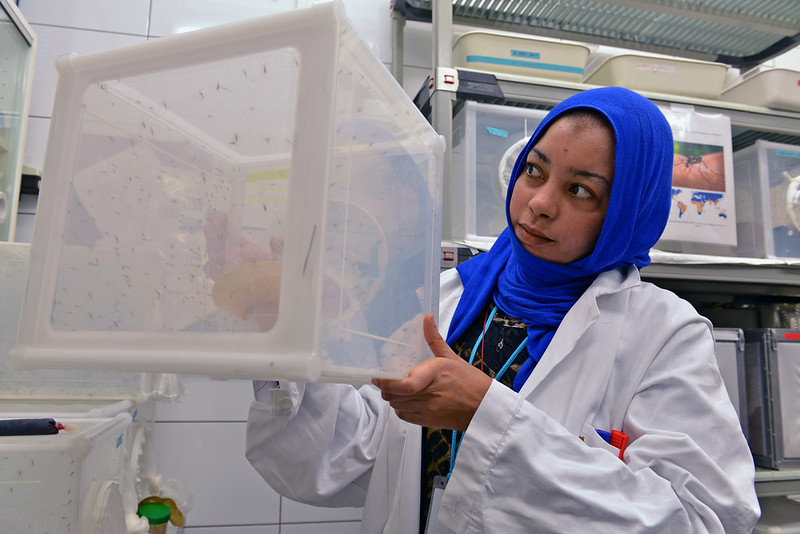 In 2015-2016, Latin America faced a formidable challenge with the outbreak of the Zika virus. This mosquito-borne illness sent shockwaves through communities and health care systems. Originating in Brazil, the virus quickly spread across the region, prompting the World Health Organisation (WHO) to declare a Public Health Emergency of International Concern (PHEIC). The declaration lasted for nine months, during which concerted efforts were made to contain the spread of the virus and mitigate its impact, particularly on pregnant women and their unborn babies. According to the National Library of Medicine, the Zika virus epidemic affected more than 400,000 people in Latin America. There has since been significant progress in the treatment of the Zika virus. However, the disease’s lasting effects impact many communities in the region.
Pregnancy Complications
One of the most alarming aspects of the Zika virus was its association with severe congenital disabilities, most notably microcephaly, a condition characterized by an abnormally small head and an underdeveloped brain. Pregnant women infected with the virus faced heightened risks, as it could be transmitted from mother to fetus, leading to potentially devastating consequences for newborns. Centers for Disease Control and Prevention noted that the Zika virus affected 5% of babies whose mothers had contracted the virus while pregnant and that many babies did not receive the recommended care.
Government Responses
In response to the crisis, governments, health care organizations and international agencies mobilized resources and expertise to combat the outbreak. Public health campaigns were launched to raise awareness about the virus and educate communities about preventive measures, such as eliminating mosquito breeding sites and using insect repellent.
Americares, a nonprofit organization based in Stamford, has been supporting affected families by ensuring hospitals are equipped with the appropriate medication and skills to combat the disease. It has also distributed mosquito nets and repellent to many people in Latin America in an effort to prevent transmission. Its family care clinic in El Salvador treats 60,000 patients a year.
Vector control efforts played a crucial role in reducing mosquito populations and curbing transmission rates. WHO created a vector control framework for tackling the Zika outbreak. Interventions ranged from insecticide spraying to community-based initiatives aimed at removing standing water where mosquitoes breed. These efforts, combined with improved surveillance and monitoring systems, helped to identify and contain outbreaks more effectively.
Furthermore, research into the Zika virus accelerated rapidly, leading to a better understanding of its transmission dynamics, clinical manifestations and long-term consequences. This knowledge proved invaluable in guiding public health strategies and informing clinical care for affected individuals.
Present Day Struggles
Despite significant progress in Zika virus treatment, challenges remain, particularly in providing support to families affected by its complications. Children born with microcephaly and other Zika-related congenital disabilities require specialized care and services to address their complex medical and developmental needs. Additionally, families may face social stigma, economic hardship and emotional distress as they navigate the challenges of raising a child with disabilities. BMJ Global Health conducted a study that found that children who were moderately affected by Zika have an economic burden of more than $204 million over 10 years.
Efforts to support affected families have encompassed a range of interventions, including access to medical care, rehabilitation services, psychosocial support and financial assistance. Governments and nongovernmental organizations have implemented programs to provide comprehensive support to affected families, with a focus on promoting inclusion, empowerment and dignity. Children’s National created one of the first congenital Zika virus programs, which provides patients with accurate diagnoses and treatment plans.
Final Remark
While the Zika virus epidemic of 2015-2016 presented unprecedented challenges for Latin America, it also showcased the resilience, solidarity and collective action of communities and stakeholders in responding to public health crises. By building on the progress made and continuing to prioritize support for affected families, Latin America can work toward a future where the impact of Zika is minimized.
The fight against Zika is far from over. However, with continued commitment and collaboration, Latin America can overcome this challenge and build a more resilient and inclusive society for all.
– Lauren McKenna
Lauren McKenna is based in Manchester, UK and focuses on Global Health for The Borgen Project.
Photo: Flickr
