• Link to X
  • Link to Facebook
  • Link to Instagram
  • Link to TikTok
  • Link to Youtube
  • About
    • About Us
      • President
      • Board of Directors
      • Board of Advisors
      • Financials
      • Our Methodology
      • Success Tracker
      • Contact
  • Act Now
    • 30 Ways to Help
      • Email Congress
      • Call Congress
      • Volunteer
      • Courses & Certificates
      • Be a Donor
    • Internships
      • In-Office Internships
      • Remote Internships
    • Legislation
      • Politics 101
  • The Blog
  • The Podcast
  • Magazine
  • Donate
  • Click to open the search input field Click to open the search input field Search
  • Menu Menu

Tag Archive for: Mental Health

Posts

Global Poverty, Humanitarian Aid

Caribbean Development Bank Improves Hurricane Resilience

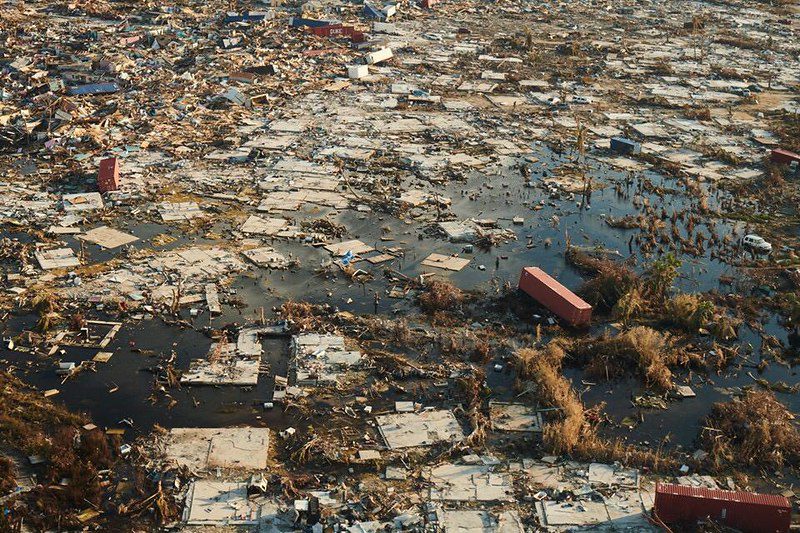
Hurricane ResilienceHurricane Dorian is the latest in a long series of hurricanes that have hit the Caribbean — impacting the Bahamas the worst. Initial reports from the U.N. estimated that nearly 70,000 people were in need of food, water and shelter in the archipelago and that around 30 people had died as a result of the hurricane.

For the estimated 10 percent of the population of the Bahamas who live below the poverty line, recovering from natural disasters such as this is a particular challenge. As a result, there is a massive need for programs that not only address the short-term impacts of hurricanes but also focus on the importance of long-term hurricane resilience.

The Caribbean Development Bank (CDB), based in Barbados, has pledged to provide $1 million in aid to the Bahamas, with $700,000 in the form of a loan and the remaining $300,000 as a grant. While disaster relief helps improve recovery for local economies and minimize the impact for impoverished communities, there are also other avenues of aid that the CDB could pursue which take the form of mental health programs and debt repayment plans.

Mental Health

As a part of the Stronger Together campaign, in collaboration with the Pan-American Health Organization, the CDB has also placed an increased focus on addressing the negative mental health impacts of hurricanes — which traditionally get little attention. However, this type of support is key to help uplift those who experience the trauma of losing their homes or worse, their loved ones.

The campaign, launched in July 2019, aims to train 16 new mental health service professionals, ranging from psychologists to social workers to promote resilience in the face of natural disasters. This program could have a major impact on helping people in the Bahamas recover, while also offering a path towards future mental resilience in the event of another damaging hurricane. This is especially valuable for communities living in poverty.

Debt Repayment

High levels of debt are a substantial impediment to the massive discretionary spending needed to successfully recover from a hurricane, as nations are often forced to choose between allocating resources towards serving the immediate needs of their citizens or maintaining their current repayment plans. As such, a debt relief program could prove incredibly beneficial in the Bahamas, as the country had a debt burden of $8.2 billion prior to the events of Hurricane Dorian.

There is already precedent for the CDB to offer debt restructuring opportunities. For instance, following Hurricane Ivan, Grenada was able to re-negotiate its debt repayment plan to cease repayment following a natural disaster. Some have argued that this program should be extended to all nations in the event of a natural disaster.

This would help to reduce an unsustainable reliance on foreign aid, as nations find themselves falling deeper into debt and failing to provide adequate assistance to their own citizens. Not only do such increases in debt leave countries less prepared for another similar natural disaster, but they also limit the amount of aid which governments can extend to the citizens facing the most significant damages as a result of the disasters.

Conclusion

While the recent pledge of $1 million in aid to the Bahamas by the CDB is a useful step in mitigating the impact of Hurricane Dorian, the CDB also has several other methods of improving not only hurricane recovery but also hurricane resilience. With investment in the mental health field, the CDB is working to train mental health services professionals who can provide psychological support to citizens. This could be supplemented by a re-negotiated debt repayment plan for the Bahamas, with many arguing that such a program would reduce the financial burden placed on the Bahamas by the need to take more loans.

– Alexander Sherman
Photo: Flickr

September 14, 2019
https://borgenproject.org/wp-content/uploads/borgen-project-logo.svg 0 0 Kim Thelwell https://borgenproject.org/wp-content/uploads/borgen-project-logo.svg Kim Thelwell2019-09-14 01:30:042024-05-29 23:12:40Caribbean Development Bank Improves Hurricane Resilience
Developing Countries, Global Poverty, Health

5 Ways Uganda is Improving Mental Health Care

5 Ways Uganda is Improving Mental Health Care
Following Uganda’s independence in 1964, the nation went through devastating periods of unrest that significantly impacted its population of 42.8 million people. While Uganda has seen major improvements in recent years due to reaching their millennium development goals, such as lowering poverty from 33.8 percent in 1998 to 19.5 percent in 2012, the nation is still struggling with an epidemic of mental illness. As much as 35 percent of the population suffers from mental illness, 15 percent of which require treatment.

Changing Precedents

Major improvements have been made to Uganda’s healthcare system, raising the average life expectancy from 44 to 59-years-old. However, less then 1 percent of the 9.8 percent of GDP Uganda dedicates to healthcare goes towards mental health. The majority of this funding goes towards the national mental health hospital in Butabika, which holds 500 beds and is still almost always overcrowded.

Mental Health Still Neglected

The rest of Uganda’s mental health budget is spread out over a network of 28 out-patient facilities that specialize in follow-up care. These services are starved of the funding needed for proper medication. According to a study conducted by the World Health Organization in 2006, only 57 percent of clinics had at least one psychotropic medication in each class, meaning medication someone needs is highly unlikely to be available in Uganda.

The stigma around mental illness in the nation comes in particular from traditional beliefs that associate illnesses of the mind with spirits and witchcraft. Due to religious culture in the area, mental illness is viewed as a spiritual curse.

While mental health care in Uganda is struggling, many improvements have been made in recent years to help those who are affected by it.

5 Ways Uganda is Improving Mental Health Care

  1. Ending the stigma around mental illness is the first step that must be taken to tackle the problem. According to the Community Development Officer of the rural district, “…most people think that [mental illness] is bewitching. Others associate it with disagreements with their elders.” Bringing awareness about the true cause of mental illness is allowing the healthcare system to grow and make room for mental health care. This may be the most important of the 5 ways Uganda is improving mental health care.
  2. Increased aid would drastically improve the living conditions in Uganda. For every dollar invested in mental health, the economy sees a return of $4 due to an improved ability to work. In Uganda, the mentally ill often have trouble finding employment, however, increased aid would allow them to become contributing members of society. Organizations such as Basic Needs are working to tackle both poverty and mental illness by supporting locals to create small businesses. By helping the mentally ill and their families, organizations such as this are increasing peoples means and helping them afford the care that can save them.
  3. The Mental Health Action Plan for 2013-2020 was released by the World Health Organization (WHO) in the spring of 2012. The plan cites its goal “is to promote mental well-being, prevent mental disorders, provide care, enhance recovery, promote human rights and reduce the mortality, morbidity and disability for persons with mental disorders.” In order to accomplish this, the WHO has set out to achieve four goals: strengthen government leadership, provide integrated mental health care in community-based areas, strategize prevention techniques, and strengthen information and research for mental illness.
  4. Grand Challenges Canada, an organization that supports “Bold Ideas with Big Impact,” has trained nearly 500 faith healers, otherwise known as witch doctors, to recognize symptoms of mental illness and refer them to physiatrists. This unlikely tactic takes advantage of the abundant number of traditional healers in Uganda. While there are only 32 western-trained, psychiatrists in the country, there is a ratio of one witch doctor for every 290 Ugandans. As a result, most suffers of mental illness go to faith healers for their symptoms. This new technique is building a bridge between traditional healing and western health care.
  5. New Legislation in Uganda such as the Mental Health Act of 2018 is improving health care conditions. The Act provides mental health treatment at primary health centers, along with emergency treatment and involuntary admission and treatment for those who need it.

Mental health care is a complicated system and as Uganda improves life expectancy and poverty reduction, improvements and funding for mental health will become more available. There is a long way to go for the Ugandans suffering from mental illness, but enhancements are present as indicated by these 5 ways Uganda is improving mental health care.

– Maura Byrne
Photo: Pixabay


July 21, 2019
https://borgenproject.org/wp-content/uploads/borgen-project-logo.svg 0 0 Kim Thelwell https://borgenproject.org/wp-content/uploads/borgen-project-logo.svg Kim Thelwell2019-07-21 09:50:522019-12-18 13:49:335 Ways Uganda is Improving Mental Health Care
Global Poverty, Refugees

Art for Refugees

Art for Refugees
Throughout history, art has been a respite for many who lived through trauma. Refugees live their lives in an almost constant state of precarity. Refugee children typically have a higher rate of experiencing many mental health problems such as depression, anxiety and post-traumatic stress disorder.

Art for refugees can help them express their feelings, grow in self-confidence, and develop problem-solving skills. There are a number of art initiatives which aim to help refugees cope with psychological stressors. Some are located in refugee camps, while others are located in resettlement cities, but they all have the same goal of providing an outlet for expression. Some such initiatives are listed below.

The Za’atari Project

The Za’atari Project is an art therapy program started by Joel Artista in the Za’atari refugee camp in Jordan. Za’atari is composed of Syrian refugees. This project serves as a bridge between the Jordanian and the Syrian communities and serves as a way to foster further understanding.

Adult artists and educators team up to create programs to enhance the lives of children living in refugee camps. These programs are both expressive and educational. They teach children about topics such as health and hygiene all while fostering healthy ways of articulating feelings. These projects include painting murals, wheelbarrows, tents and kites that allow the children to play.

The Exile Voices Project

Exile Voices is a project started by renowned photographer, Reza. This project offers a photography program to refugees in the age group of 11 to 15 in the Kawergosk camp in Iraqi Kurdistan. Exile Voices aims to tell refugee stories through the voices of refugees themselves.

Partnered with the UNHCR, Reza set out to empower these children on how to use the most powerful tool that they have–their own voice. Photographs from many children in the Kawergosk camp were lined along the Seine River in Paris, France in 2015 to show people the importance of art for refugees.

Art for Refugees in Lebanon

In 2017, 1 out of every 6 people in Lebanon was a Syrian refugee. This put significant pressure on schools to make the resources available for education. To tackle rising tensions in schools, the Skoun Association started an art therapy program within schools to help refugee and Lebanese students express themselves in healthy ways.

The art therapy program allows the students to overcome the trauma they experienced and helps to strengthen social bonds. It allows students to see themselves as children first. It also helps them forget the places of disconnect.

The Amsterdam Painting Project

In Amsterdam, refugees are housed in the Bijlmerbajes prison. The Amsterdam Painting Project aims to turn the prison space into something more welcoming, one that is full of renewed hope and life. This project aspires to serve as a bridge within the community and empower refugees to become more involved with one another.

The project was founded by Jeroen Koolhaas and Dre Urhahn. These two Dutch artists set out to promote community art by improving living conditions. The Project is funded by the Favela Painting Foundation, a group that has also completed projects in Rio de Janeiro, Brazil and Florence, Italy.

Clothes, food, shelter and other basic necessities will always be required in refugee camps or in resettlement cities. There is, however, also a need to ensure the mental wellbeing of refugees and create an outlet for them to share their experiences. Art is an excellent way to create this outlet. It allows refugees to tell their own stories and to express themselves productively. Most importantly, the idea of ‘art for refugees’ is one of the most effective ways to heal those minds that have been traumatized for a long period of time.

– Isabella Niemeyer
Photo: Flickr

January 31, 2019
https://borgenproject.org/wp-content/uploads/borgen-project-logo.svg 0 0 Kim Thelwell https://borgenproject.org/wp-content/uploads/borgen-project-logo.svg Kim Thelwell2019-01-31 07:30:502024-06-06 00:15:27Art for Refugees
Children, Global Poverty

Child and Adolescent Mental Health in Sub-Saharan Africa

Mental HealthIn sub-Saharan Africa, a poverty-dense region, there is a relative lack of mental health services. This is partly because most healthcare resources in sub-Saharan African countries are allocated to infectious diseases such as HIV/AIDS, malaria and tuberculosis.

Ninety percent of malaria deaths, 70 percent of people with HIV/AIDS and 26 percent of tuberculosis cases are concentrated in sub-Saharan Africa. Against this background, mental health problems do not always raise concern. Mental illness accounts for 10 percent of the disease burden in sub-Saharan Africa.

The most common mental disorders in the region are depression and anxiety. The prevalence rates of depression and major depressive disorder in sub-Saharan African countries range from 40 to 55 percent. Among the child and adolescent populations of Sub-Saharan Africa, mental health issues are common. Fourteen percent have mental health problems and nearly 10 percent have diagnosable psychiatric disorders.

Poverty, warfare and disease have all been identified as vulnerabilities and risk factors to child and adolescent mental health in sub-Saharan Africa. In one study conducted in southern Sudan, researchers found that 75 percent of children there suffer from post-traumatic stress disorder. There is a lack of evidence-based research on child and adolescent mental health in sub-Saharan Africa. However, a review of the literature indicates that psychological distress and mood, conduct and anxiety disorders are common among children who have experienced armed conflict.

In 2011 it was estimated that 90 percent of children infected with or directly affected by AIDS reside in sub-Saharan Africa. Rates of anxiety and depression are significantly higher in children who have been orphaned by AIDS than in other children. One study found that 12 percent of children orphaned by AIDS in rural Uganda had suicidal thoughts.

There are several challenges to providing quality mental health services in low- and middle-income countries. Two of these include cost and lack of research and needs-based assessments. Of all medical conditions, mental disorders are some of the most expensive to treat. In most sub-Saharan African countries, treatment facilities are limited in number and often inaccessible to much of the population. But without needs assessments and research demonstrating the value of providing effective treatments and services in the region, improving mental health care and its availability to those who need it remains a relatively low priority.

In recent years, mental health has been getting increased attention in sub-Saharan Africa and new efforts have been developed to improve mental health research and care in the region. In 2011, an association of research institutions and health ministries in Uganda, Ethiopia, India, Nepal and South Africa partnered with Britain and the World Health Organization to research the effect of community-based mental health treatment in low- and middle-income nations and to develop facilities and services in these areas.

Another effort is the Africa Focus on Intervention Research for Mental Health, which is working with several sub-Saharan nations on infrastructure development and has conducted a number of randomized controlled experiments to test affordable, accessible intervention methods for severe mental disorders.

This is only a small sample of the development efforts addressing mental health treatment and services in sub-Saharan Africa. Recognition of mental disorders’ significance in national health and more research on intervention will go a long way toward bettering child and adolescent mental health in sub-Saharan Africa.

– Gabrielle Doran

Photo: Google

August 13, 2017
https://borgenproject.org/wp-content/uploads/borgen-project-logo.svg 0 0 Borgen Project https://borgenproject.org/wp-content/uploads/borgen-project-logo.svg Borgen Project2017-08-13 01:30:142024-05-28 00:15:24Child and Adolescent Mental Health in Sub-Saharan Africa
Developing Countries, Global Poverty

Improving Mental Health in Poor Communities

Mental Health in Poor Communities
While it is proven that poverty leads to cognitive setbacks, similar studies suggest that there are methods to counter poverty and its psychological effects in both the family unit and schools.

Improving mental health in poor communities became a priority in sustainable development over the last decade. Children from low-income families face psychological challenges that are much less common for higher-income children, including developmental delays, mental disabilities, ADHD, anxiety, depression and attention disorders. Parents’ education levels, race and other critical factors are not shown to have as strong a correlation as family income. Scientists trace statistics concerning mental health in poor communities back to inadequate nutrition, obstacles to proper development and chronic stress.

In response to these findings, more promising studies have shown that efforts to improve mental health in disadvantaged populations can be particularly effective during childhood.

For example, nutrition during and for a year after pregnancy is a critical part of cognitive development. Mothers who prioritize nutrition and a high-protein diet during pregnancy and breastfeeding are far more likely to have children free of mental disability.

The parent-child relationship is also crucial. At least one parent or parental figure’s consistent ability to care for a child leads to “secure attachment,” which encourages brain development, feelings of being worthy of love and the development of positive relationships. Professionals today are using attachment theory to understand and assist disadvantaged families.

The takeaway is that prioritizing pregnancy education and support in addition to positive parental relationships can improve mental health in poor communities.

Outside of the family unit, schools are an additional opportunity to promote psychological health in disadvantaged populations. Encouraging students to set goals in the classroom and giving consistent feedback develops student autonomy and intrinsic motivation. Since impoverished individuals are at greater risk of adopting a “victim mindset,” the thought process that external events alone determine their circumstance, drive and independence are crucial to future success.

According to the self-determination theory, surrounding students having material that suggests they can overcome difficult circumstances lead them to believe that they can succeed. Supplementing this school material with similar cultural stories and values at home increases the chances of internalizing positive values.

Organizing students into cooperative learning groups promotes relaxation, high achievement, positive relationships and improved psychological health, according to a 2000 study. Encouraging children to work together may combat the anxiety and stress that results from living in a low-income family and improve socialization.

While the psychological effects of poverty can be discouraging, these studies suggest that simple changes in the home and classroom are highly effective ways of empowering disadvantaged individuals. As research continues in the areas of cognitive development and psychology, further improvement in mental health in poor communities is expected.

– Kailey Dubinsky

Photo: Flickr

August 4, 2017
https://borgenproject.org/wp-content/uploads/borgen-project-logo.svg 0 0 Borgen Project https://borgenproject.org/wp-content/uploads/borgen-project-logo.svg Borgen Project2017-08-04 07:30:542024-05-28 00:15:04Improving Mental Health in Poor Communities
Global Poverty

Five Reasons for the Link Between Poverty and Mental Health

Five Reasons for the Link Between Poverty and Mental Health
Poverty and mental health are inextricably tied for a myriad of reasons. A report published by the World Health Organization suggests that poor individuals are twice as affected by mental health conditions compared to rich individuals. The most important reasons for this stark inequality are outlined below.

  1. Destitute living conditions:
    Poverty often results in an inability to afford basic necessities such as food, clothing and shelter. This can result in poor living conditions and in some situations, homelessness, when individuals cannot afford rent or mortgage expenses. The uncertainty associated with living in unstable environments can often elicit a lot of stress, which can predispose individuals to mental health conditions such as depression. Poor standards of living can be addressed through aid provided by developed countries and increased public expenditure on necessary facilities such as schools, hospitals and transport systems.
  2. Stress over prolonged periods of time:
    In 2011, information published by the Fragile Families and Child Wellbeing Study revealed that generalized anxiety disorder, which is characterized by anxiety over non-specific things, was most prevalent in the poorest individuals of a particular sample population. Mothers, especially in developing countries, are constantly plagued by worry about their children’s safety, nutrition and physical and social development. Despite their worries, they are compelled to make ends meet and continue to provide for their families by cooking food, cleaning the house and ensuring utility bills are paid in a timely manner. Access to services that guide women on proper care and upbringing of children can address the effects of excessive stress on children. The government can also play a role in supporting households by providing subsidies and grants for education and discounts for health care. This is a major factor in the link between poverty and mental health.
  3. Unhealthy consumption habits:
    The effects of poverty are compounded by a multitude of problems such as homelessness, debt, risk of violence, increased rates of illness and loss of social standing and self-esteem. These problems can take a severe toll on an individual, resulting in self-harming habits such as excessive alcohol consumption, smoking, drug abuse and consumption of fast food, which is often more affordable than healthier alternatives. An alarming statistic states that approximately 33 percent of individuals suffering from poverty smoke compared to a significantly less 20 percent of individuals who are not poor.Unhealthy habits can be resolved through campaigns educating individuals about the importance of healthy eating and the negative health consequences of smoking and alcohol consumption.
  4. Insufficient access to health care services:
    Individuals suffering from poverty typically have insufficient financial resources, preventing access to affordable health care services. This prevents them from seeking help early, which may result in the progression of their mental health affliction. Poor populations can be encouraged to access health care services through subsidies and increased distribution of local clinics, which make it possible to receive this care without having to travel over long distances. Regular monitoring and sampling for mental health conditions in impoverished societies are also of critical importance.
  5. Diminished attention towards the needs of children:
    Working individuals living in poor households are likely to be preoccupied with several concerns such as debt, stress from work and even relationships with their partner. These stresses may take away attention from the growth and development of their children, leading to adverse effects on the mental health of these children. It is estimated that depression has a prevalence of 0.4 to 2 percent in children ages 6 to 12 years. Parenting training programs and reliable child care services can help children living in poor conditions receive the care they need.

While the relationship between poverty and mental health is complicated, individual measures taken to reduce global poverty are likely to have positive impacts on mental health issues in underprivileged populations.

– Tanvi Ambulkar

Photo: Flickr

November 3, 2016
https://borgenproject.org/wp-content/uploads/borgen-project-logo.svg 0 0 Borgen Project https://borgenproject.org/wp-content/uploads/borgen-project-logo.svg Borgen Project2016-11-03 01:30:252024-05-27 09:23:48Five Reasons for the Link Between Poverty and Mental Health
Global Poverty, Health

Poverty and Mental Health: How are They Connected?

depression_and_poverty
Most people have encountered something like it: When you spend a long period under high stress, you wind up with a cold because your immune system is down. And vice versa: when you’re sick for a long period, you start to feel down in the dumps.

They’re both examples of the interplay between mental and physical health, something that scientists are learning more and more about. In terms of global poverty, there are many possibilities that could arise from an increased focus on the mental health of those living in the third world. Poverty becomes a third factor in this cyclical relationship.

Those who have mental disorders are more likely to be sick, and also to be impoverished (because they can’t find jobs due to feelings of inadequacy, discrimination or inability to function.) When a person is impoverished, they are less able to afford health care and are also more vulnerable to mental disorders such as depression. And the convoluted cycle continues.

In fact, way back in 1963, in a study by Langner and Michael, it was conceded that generally there is a cause and effect relationship between poverty and mental health.

The link between all three is almost inextricable. The World Health Organization (WHO) offers a few statistics that make this point all too clear.

  • The percentage of HIV/AIDS patients suffering from depression may be higher than 60 percent.
  • Depression occurs approximately twice more often in low-income groups than it does among the rich.
  • “Babies of depressed mothers are 5 times more likely to be underweight and stunted than babies of non-depressed mothers.”

Furthermore, according to WHO, 31 percent of countries don’t have a specific budget dedicated to health. Seventy-six to 85 percent of people with serious mental health conditions do not receive treatment in developing countries.

But this isn’t a depressing indicator that the doom of the world is coming quickly and imminently. On the contrary, understanding the nature of the cycle means that aid can enter into it at any point to keep it from perpetuating itself.

Aid for physical health and economic disparity are most commonly offered to those in the developing world. Perhaps, by taking a look at poverty from a new angle – through the lens of mental health – huge strides could be made towards improving all three areas on a global scale.

WHO’s website states, “Mental health issues cannot be considered in isolation from other areas of development, such as education, employment, emergency responses and human rights capacity building.”

Knowing that that is not what is being done gives humanitarians the perfect opportunity to reconsider what to prioritize in the fight against global poverty and chronic diseases, whether physical or mental.

– Emily Dieckman

Sources: Journals of The Royal College of Psychiatrists, Europa, WHO 1, WHO 2
Photo: Google Images

October 11, 2015
https://borgenproject.org/wp-content/uploads/borgen-project-logo.svg 0 0 Borgen Project https://borgenproject.org/wp-content/uploads/borgen-project-logo.svg Borgen Project2015-10-11 01:30:232024-05-27 09:27:49Poverty and Mental Health: How are They Connected?
Children, Global Poverty

Overcoming Neural Bias and Living in Poverty

Neural_Bias
Poverty cuts deep – malnutrition, stress, a lack of access to medical care, little social mobility and other factors all affect how a person can interact and engage with their environment and community.

For those in poverty, a neural bias caused by stress can limit one’s ability to consider events neutral; this has implications for education, conflict resolution, gender equality and rates of violence.

This bias is called the hostile attribution bias. The hostile attribution bias primarily affects how people view neutral stimuli, such as a dog barking in the distance, a pencil dropping or a sudden movement by a person nearby.

As a result of this bias, an individual may attribute negative, hostile intent to this action, assuming that the action will end up hurting them in some way. This thinking views the world in binary: good or bad, black or white, safe or unsafe.

For those who grew up in stressed environments and were frequently exposed to or victims of aggression, this is a perfectly natural way to react; it works as a protective mechanism.

But, it also can lead to an inability to focus, difficulty trusting others and higher levels of perceived threats. In addition to its effects on cognition and emotional processing, the hostile attribution bias is also correlated with higher levels of aggression and violence.

While this bias may be protective for those in conflict areas, it also perpetuates conflict whether or not the affected individual is in a conflict zone. Consequently, if an individual is at home or any safe place, they may perceive a threat when there is none.

This can lead to acts of aggression in the home, such as domestic violence, abuse or neglect. If this behavior is being conducted by an adult, this behavior will most likely be passed down to children.

For children with this bias, this affects their development of social skills and also their academic performance.

Because neutral events are immediately perceived as negative, this increases their reactivity and reduces attention while impacting their relationships with teachers and peers. In conjunction with malnutrition and poverty, the hostile attribution bias creates another hurdle to success.

The hostile attribution bias has several implications for aid and development work. First, given the propensity of the hostile attribution bias in conflict areas, mental health initiatives should consider the bias during program development and implementation.

Secondly, since the hostile attribution bias is often occurring in tandem with malnutrition and poverty, it emphasizes the necessity of proper nutrition for mothers and children to ensure healthy brain development.

In ensuring the brain is healthy, the plasticity of the brain is more feasible as individuals move from poverty and conflict zones and the individual will be able to adapt.

While the hostile attribution bias may be a safety skill for those in conflict zones or facing abuse at home, this bias is ultimately maladaptive. As individuals are empowered, gain safety and reduce stress in their lives, addressing this bias will help them be more productive and successful in changing not only their lives but also the lives of those in their communities.

– Priscilla McCelvey

Sources: Pacific Standard, Practical Ethics
Photo: Amazon News

September 30, 2015
https://borgenproject.org/wp-content/uploads/borgen-project-logo.svg 0 0 Borgen Project https://borgenproject.org/wp-content/uploads/borgen-project-logo.svg Borgen Project2015-09-30 14:10:402020-06-29 12:09:18Overcoming Neural Bias and Living in Poverty
Children, Development, Global Poverty

The Power of a Smile: Hope in the Midst of Poverty

power_of_a_smile
When children are photographed, smiles come beaming through; this is generally true regardless of a person’s wealth or lack thereof. Smiles are indicators of happiness and hope that people in poverty can exhibit. While it is very true that many in poverty do not smile as their hope and joy are syphoned away by the cares of harsh everyday living, smiling is still exhibited by many throughout the globe.

Ron Gutman spoke at a TedTalk conference about the power of a smile. He cited studies done by UC Berkeley and Wayne State University who measured the width of alumni yearbook pictures and pre-1950 MLB player baseball cards respectively. They found that the wider the measure of a person’s smile, the longer that person lived and had a more fulfilling life.

This is not just a Western phenomenon. A separate study done by Paul Ekman in Papua New Guinea found that the aboriginal people perceived another person’s smile in the same way the rest of the world does, “to express joy and satisfaction.”

Smiling can be used as an emotional superpower. Gutman says that on average a person will smile around 20 times per day, yet “those with the most amazing superpowers are actually children, who smile as much as 400 times per day.”

Recently, a German study took fMRI images of people smiling and found “that facial feedback modifies the neural processing of emotional content in the brain, in a way that helps us feel better when we smile.”

This research is evidenced, in part, by photographs of people who live in poverty. When photo journalists are on assignment in areas of extreme poverty—in conditions that would strip most people of hope—smiles are spread across the faces of children.

Sebastian Cuvelier witnessed this when he traveled to the slums of Manila for a two month stay. He took pictures of children playing in the filthy streets, children taking baths in a blow-up swimming pool due to the lack of a proper bathroom, a mother smiling as she watched her children play and people living in make-shift houses.

The people of Manila are living in conditions that are heart breaking, but their smile is infectious, lights up their eyes, and draws the viewer in. Their hope shines through, a life that is grounded in family and not letting poverty steal their joy even when they have every reason to lose faith.

Part of the Manila street children’s hope, and the smiles, is through a Nongovernmental Organization (NGO) called The Virlanie Foundation. Their goal says that they are “giving back the smile to street children.” The organization was founded in 1992 and they work to help and protect the street children who are most vulnerable, such as the abused, neglected and orphaned, in order for those children to grow into productive, responsible adults.

Work by organizations like the Virlanie Foundation is important because while a smile is an indicator of hope, poverty tries to steal a person’s smile away. There are just as many pictures of smiling children in slums as there are children who have no smile because they have no future in their current condition. Giving a child hope through practical life-changing resources restores the smile and gives that child a chance to see their hope turn into something tangible. Then that child can use their smile to spread hope to others who need their own superpower smiles restored.

– Megan Ivy

Sources: Daily Mail, TedTalk, Virlanie Foundation
Photo: Flickr

August 15, 2015
https://borgenproject.org/wp-content/uploads/borgen-project-logo.svg 0 0 Borgen Project https://borgenproject.org/wp-content/uploads/borgen-project-logo.svg Borgen Project2015-08-15 05:09:472024-05-27 09:27:22The Power of a Smile: Hope in the Midst of Poverty
Disease, Global Health, Global Poverty

Mind Over (or at Least on Par with) Matter for HIV Patients

HIV_Patients
HIV-positive individuals face enormous challenges, in terms of both size and quantity, and the psychosocial aspect of their plight is often underestimated.

Living with the stigma of being someone who is “infected” can interfere with opportunities, relationships and one’s overall position in society. Many individuals living with the diagnosis face issues ranging from anxiety to suicidal thoughts, from personality disorders to substance abuse.

Feeling the reality of mortality, along with the sudden ostracism from the community that a person once belonged to due to the stigmatized nature of HIV, is enough to bring up these issues for anyone.

While the war against the physical symptoms and spread of the diseases is in full force, the psychological issues faced by sufferers are just as important to address.

While these “side effects” are not always taken into consideration as a priority, the World Health Organization itself “recommends that attention to the psychosocial needs of people with AIDS should be an integral part of HIV care,” according to a National Institutes of Health (NIH) study. Globally, there are many cases where it is being done with great effectiveness.

Microcredit programs provide small loans to people who, due to their life-threatening diseases and discrimination (despite legislation seeking to prevent it), are hard-pressed to receive them from other places. In the case of the Positive Partnership Program in Thailand, loans are provided for partnerships between one HIV-positive and one HIV-negative person.

Infected individuals who received loans through this program reported feeling a greater sense of self-efficacy, increased acceptance in the community and an overall improved outlook on life. HIV-negative individuals who participated in the program reported an increased understanding of HIV and decreased levels of anxiety, fear and discomfort toward HIV-positive individuals.

Programs like this one are exemplary in the move toward integrating HIV-positive individuals into the rest of society. This is on top of the opportunity they offer them to reach and prove their full mental and economic potential, as, in the study’s period of 2004-2006, 91% of the loans given were repaid on time.

Projects similar to this one include a study of a cognitive-behavioral-group program for HIV-positive men in Hong Kong, and another done in rural Uganda using interpersonal psychotherapy. Both of these studies showed that psychosocially-based programs were effective in reducing symptoms of depression and increasing overall mental health.

In truth, the efforts of groups that work to reduce stigma and increase quality of life are incalculably important. As lecturer in ethics and HIV prevention Bridget Haire says, “showing the nation how people living with HIV are a vibrant, vital and productive part of our community cannot be overestimated.”

Perhaps even more poignant are the words spoken by one of the participants in the Thai Positive Partnership Program: “Life is much improved. My social life is back. I may have HIV, but I am still a human being. I have my self-esteem, and my honor.”

– Em Dieckman

Sources: UNAIDS, NCBI, The Conversation
Photo: Flickr

July 28, 2015
https://borgenproject.org/wp-content/uploads/borgen-project-logo.svg 0 0 Borgen Project https://borgenproject.org/wp-content/uploads/borgen-project-logo.svg Borgen Project2015-07-28 10:05:302020-07-10 14:53:29Mind Over (or at Least on Par with) Matter for HIV Patients
Page 10 of 11«‹891011›

Get Smarter

  • Global Poverty 101
  • Global Poverty… The Good News
  • Global Poverty & U.S. Jobs
  • Global Poverty and National Security
  • Innovative Solutions to Poverty
  • Global Poverty & Aid FAQ’s
Search Search

Take Action

  • Call Congress
  • Email Congress
  • Donate
  • 30 Ways to Help
  • Volunteer Ops
  • Internships
  • Courses & Certificates
  • The Podcast
Borgen Project

“The Borgen Project is an incredible nonprofit organization that is addressing poverty and hunger and working towards ending them.”

-The Huffington Post

Inside The Borgen Project

  • Contact
  • About
  • Financials
  • President
  • Board of Directors
  • Board of Advisors

International Links

  • UK Email Parliament
  • UK Donate
  • Canada Email Parliament

Get Smarter

  • Global Poverty 101
  • Global Poverty… The Good News
  • Global Poverty & U.S. Jobs
  • Global Poverty and National Security
  • Innovative Solutions to Poverty
  • Global Poverty & Aid FAQ’s

Ways to Help

  • Call Congress
  • Email Congress
  • Donate
  • 30 Ways to Help
  • Volunteer Ops
  • Internships
  • Courses & Certificates
  • The Podcast
Scroll to top Scroll to top Scroll to top