Increasing Life Expectancy in Nigeria
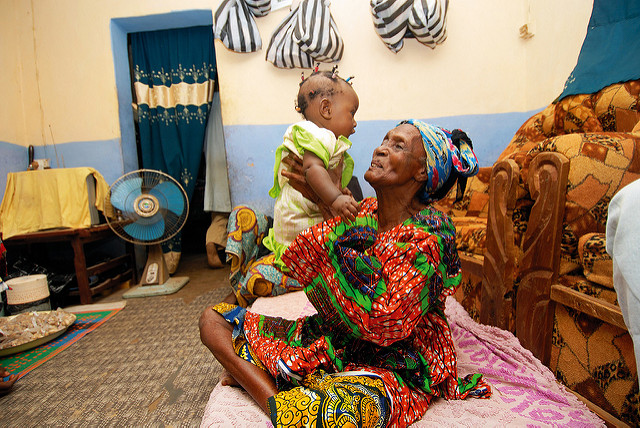
Nigeria has one of the lowest life expectancy rates in the world; in 2017, the country ranked 214th out of 224 nations. The current life expectancy in Nigeria is 53.8 years, with women living slightly longer than men.
Though the life expectancy in Nigeria is one of the lowest in the world, it has increased notably in recent decades. In 2000, the life expectancy in Nigeria was only 46.26 years; more than seven years lower than the current life expectancy rate. This increase reflects the current global trend of life expectancy rates increasing.
Some developed countries are expected to have an average life expectancy of 90 years within the next decade. Though Nigeria still has a long way to go before its life expectancy rates are near these levels, the country has been making changes that have led to this growth in life expectancy, and will continue to increase this rate in the future.
One of the ways that Nigeria has increased its life expectancy rate is through the increased healthcare improvements for women and children in the country. In 2015, three Nigerian states, Adamawa, Nasarawa, and Ondo, made healthcare improvements that were possible due to funding primarily from the World Bank, as well as other partners. These healthcare improvements made it possible for more than nine million people to gain access to improved healthcare facilities.
More specifically, pregnant women in these regions now have access to healthcare facilities. This is significant because one of the leading causes of death in Nigeria is attributed to infant mortality. With pregnant women and mothers gaining better access to healthcare services, there is an increased chance that their children will be able to receive more advanced medical attention that could potentially save their lives.
An additional factor potentially leading to the recent increase in the life expectancy in Nigeria is improved sanitation policies and practices. In Nigeria, more than 124,000 children under the age of five die because of diarrhea, mainly due to unsafe water, sanitation and hygiene. One advancement made recently to combat this is the eradication of guinea worm disease; in 2013, Nigeria was certified as being free of the disease.
In addition to the strides being made in water sanitation in Nigeria, there has also been an emphasis placed on ending open defecation. High volumes of open defecation lead to increased health risks, such as cholera. In 2016, Nigeria officially had over 16,000 open defecation-free communities. In 2008, only approximately 15 communities were considered to be open defecation free. This large reduction of open defecation has been achieved largely because of the development of a National Roadmap for the elimination of open defecation in Nigeria by 2025, which is supported by UNICEF.
Though the life expectancy in Nigeria is still one of the lowest in the world, it is increasing at a steady rate. With the future continuation of increased access to medical facilities, specifically for women and children, and continued sanitation efforts, there is hope that Nigeria as a nation will be able to make even larger strides in increasing the life expectancy rate for Nigerian citizens.
– Nicole Stout
Photo: Flickr
