• Link to X
  • Link to Facebook
  • Link to Instagram
  • Link to TikTok
  • Link to Youtube
  • About
    • About Us
      • President
      • Board of Directors
      • Board of Advisors
      • Financials
      • Our Methodology
      • Success Tracker
      • Contact
  • Act Now
    • 30 Ways to Help
      • Email Congress
      • Call Congress
      • Volunteer
      • Courses & Certificates
      • Be a Donor
    • Internships
      • In-Office Internships
      • Remote Internships
    • Legislation
      • Politics 101
  • The Blog
  • The Podcast
  • Magazine
  • Donate
  • Click to open the search input field Click to open the search input field Search
  • Menu Menu

Tag Archive for: Medecins San Frontieres

Posts

Global Poverty

The Fight Against Multi-Drug Resistant Tuberculosis in Afghanistan

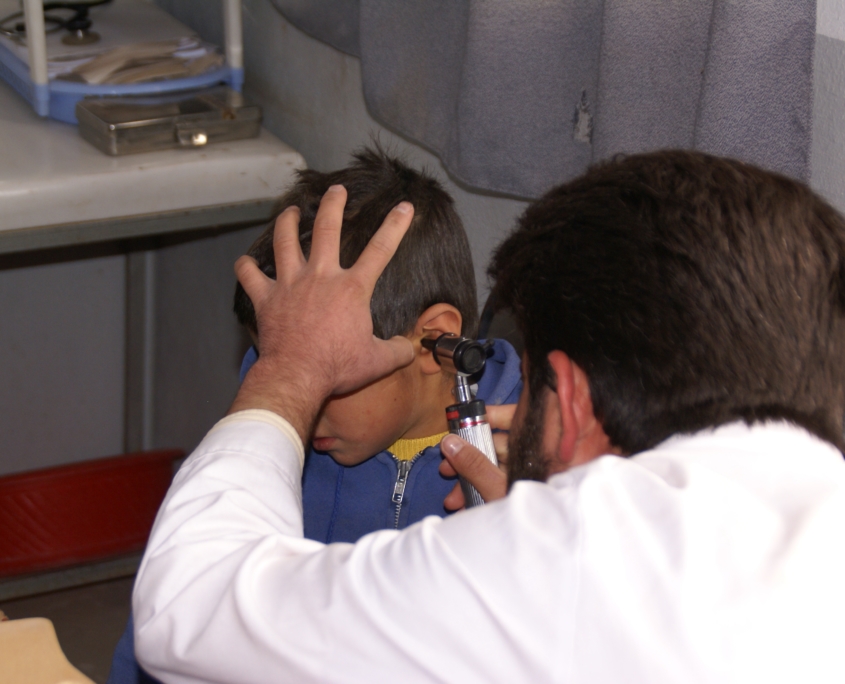
Tuberculosis in AfghanistanEvery year in Afghanistan, more than 60,000 citizens contract tuberculosis. A bacteria called mycobacterium tuberculosis causes the disease and spreads from one infected person to another through the air. Individuals recover from tuberculosis with antibiotics; however, some people struggle to recover with regular medicine. Multi-drug resistant tuberculosis (MDR-TB) occurs when individuals develop resistance to the antibiotics isoniazid and rifampicin. The United Nations Development Programme (UNDP), Medecins San Frontieres (MSF) and the Oriental Consultants Global Co., Ltd. (OC Global) work toward diagnosing, treating and improving tuberculosis in Afghanistan.

Medecins San Frontieres

MSF came to Afghanistan in 1980 and strives to serve individuals with critical medical conditions, children and pregnant women. More specifically, MSF started its MDR-TB program in 2017 to improve the quality of life of individuals with MDR-TB. Since the program’s inception, MSF identified over 40 patients with multi-drug resistant tuberculosis in Afghanistan and many of them received treatment that lasted nine months, as opposed to the standard 20 months. The short treatment time helped eliminate the negative symptoms the patients endured with regular treatment. During their treatment, MDR-TB patients received one of the two antibiotics called bedaquiline and delamanid.

Some patients reside at the association’s clinic in Kandahar to receive antibiotics every day. During their stay, individuals affected with MDR-TB consume nutritious food to help them recover faster. Also, the patients receive counseling and learn how to stop the transmission of tuberculosis to their loved ones.

United Nations Development Programme

The Government of Afghanistan provides universal healthcare to all its citizens. However, many Afghani citizens with MDR-TB do not receive treatment due to the inability to travel to medical centers in the city. The United Nations Development Programme (UNDP) noticed the struggle that individuals endured to get medical care and constructed four treatment centers in Kabul, Nangarhar, Herat and Balkh. The UNDP came to Afghanistan over half a century ago and strives to get rid of destitution, establish systemic change and teach citizens to be adaptable. More specifically, UNDP works towards providing better medical treatment for citizens affected with MDR-TB.

With the help of donations from the Global Fund, each treatment center bought over 20 beds and built enough space to manage 200 patients. Next, over 1,000 health care workers learned how to better identify and manage the disease. Lastly, programs teach Afghani citizens about the disease to decrease judgment towards MDR-TB patients.

Oriental Consultants Global Co., Ltd.

OC Global began helping Afghanistan in 2009 and aims to construct innovative projects all over the world. In Afghanistan, the corporation helped build a new hospital in Kabul that aims to reduce the number of MDR-TB cases.

Inside the hospital, a laboratory allows medical professionals to draw blood from patients to diagnose them more efficiently and swiftly. Next, the corporation bought all the necessary equipment needed to provide better medical treatment. Lastly, with the data collected from the patients, the hospital learns more about the disease and spreads this knowledge to others.

Looking Forward

All in all, MSF, UNDP and OC Global assist in lowering the cases of multi-drug resistant tuberculosis in Afghanistan. These organizations strive to provide easy access to medical care, better quality treatment and a quick diagnosis. As more citizens become aware of the services provided by these three entities, complete management of MDR-TB appears achievable.

– Samantha Rodriguez-Silva
Photo: Flickr
May 20, 2021
https://borgenproject.org/wp-content/uploads/borgen-project-logo.svg 0 0 Kim Thelwell https://borgenproject.org/wp-content/uploads/borgen-project-logo.svg Kim Thelwell2021-05-20 01:30:092024-05-30 22:23:21The Fight Against Multi-Drug Resistant Tuberculosis in Afghanistan
Aid, Global Poverty, Sanitation, Water Quality, Water Sanitation

5 Things Being Done to Prevent Cholera Outbreaks in Africa

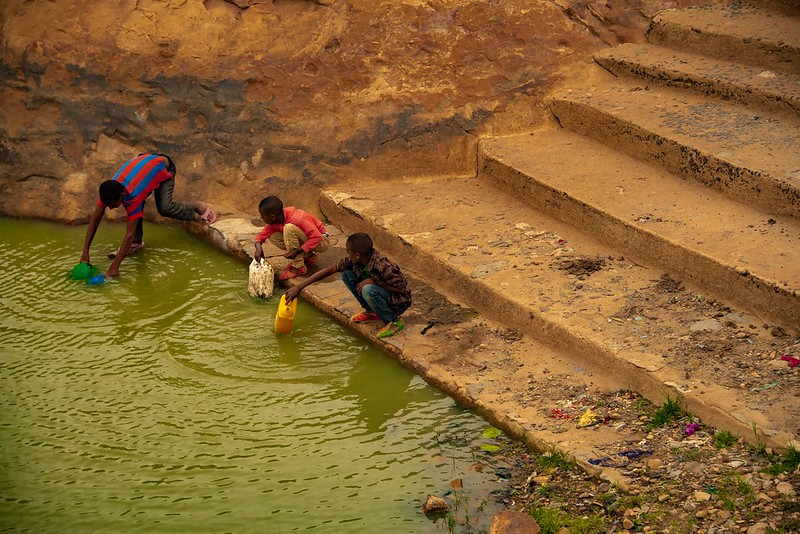
Cholera Outbreaks in AfricaDue to the use and ingestion of contaminated water, cholera has become one of the most common waterborne diseases in the world. Cholera is a bacterial disease that causes such symptoms as diarrhea, dehydration, and, if not treated quickly, even death. Lack of availability to drinking water and sanitation facilities in Africa allows cholera to spread easily and quickly. However, many organizations have come up with different ways over time to help reduce the spread of cholera. Here are five things being done to prevent cholera outbreaks in Africa.
5 Things Being Done to Prevent Cholera Outbreaks in Africa

  1. Access to Clean Water: Being a waterborne disease, cholera can be prevented most effectively with access to clean drinking water. CDC has created a program called The Safe Water System Project, which brings usable water to areas with contaminated water. The Project also treats water with a diluted chlorine solution, making it safe to drink. CDC was able to use this program to bring safe water to more than 40 schools in Kenya, providing clean water to the students, staff and their families.
  2. Oral Vaccination: The FDA approved an oral cholera vaccine called Vaxchora. Due to the spread of cholera cases in Africa, in 2017 and 2018, the World Health Organization (WHO) distributed Vaxchora to five different countries in Africa to prevent further cholera outbreaks. By distributing this vaccine, WHO is giving relief and medical treatment to millions of individuals who previously may not have had access to any medical care.
  3. Proper Sanitation Facilities: Cholera can spread very easily if proper sewage and sanitation facilities are not in place or contain defecation. An organization called Amref Health Africa has made it their goal to supply communities in Ethiopia with clean toilets, sinks and other sanitation facilities. Amref Health Africa also sends teams to help train the community on how to maintain the facilities and educate them on other hygiene practices.
  4. Establishing Treatment Centers: According to the United Nations Office for the Coordination of Humanitarian Affairs, 11 treatment centers have been established in Africa with the specific purpose to prevent cholera outbreaks. In addition, an organization called Medecins Sans Frontieres (MSF) has created mobile clinics to meet the needs of those in more rural areas who may have contracted cholera. MSF has also established the Cholera Treatment Centre (CTC), which is a facility where individuals can visit and be treated for cholera.
  5. Hygiene Practices: UNICEF has launched a campaign to help spread hygiene awareness. The campaign is called My School Without cholera and is brought to more than 3,000 schools in Cameroon. Along with this campaign, UNICEF is urging Cameroon’s government to act and address the impact cholera has had on its community.


While as of 2018, cholera hotspots around the world have seen a decline of 60% since 2013, thousands of individuals are still susceptible to cholera in Africa. The WHO has estimated that Cameroon, Kenya, Somalia, Sudan and the Democratic Republic of the Congo have had more thna 45,000 confirmed cases and close to 700 deaths just in the time span of 2017 to 2020. The call to educate others on and how to prevent cholera outbreaks is imperative to the health of those who face cholera as an everyday battle.

– Olivia Eaker
Photo: Flickr

June 26, 2020
https://borgenproject.org/wp-content/uploads/borgen-project-logo.svg 0 0 Kim Thelwell https://borgenproject.org/wp-content/uploads/borgen-project-logo.svg Kim Thelwell2020-06-26 12:23:472024-05-29 23:18:155 Things Being Done to Prevent Cholera Outbreaks in Africa
Global Poverty, Life Expectancy

10 Facts About Life Expectancy in Nauru

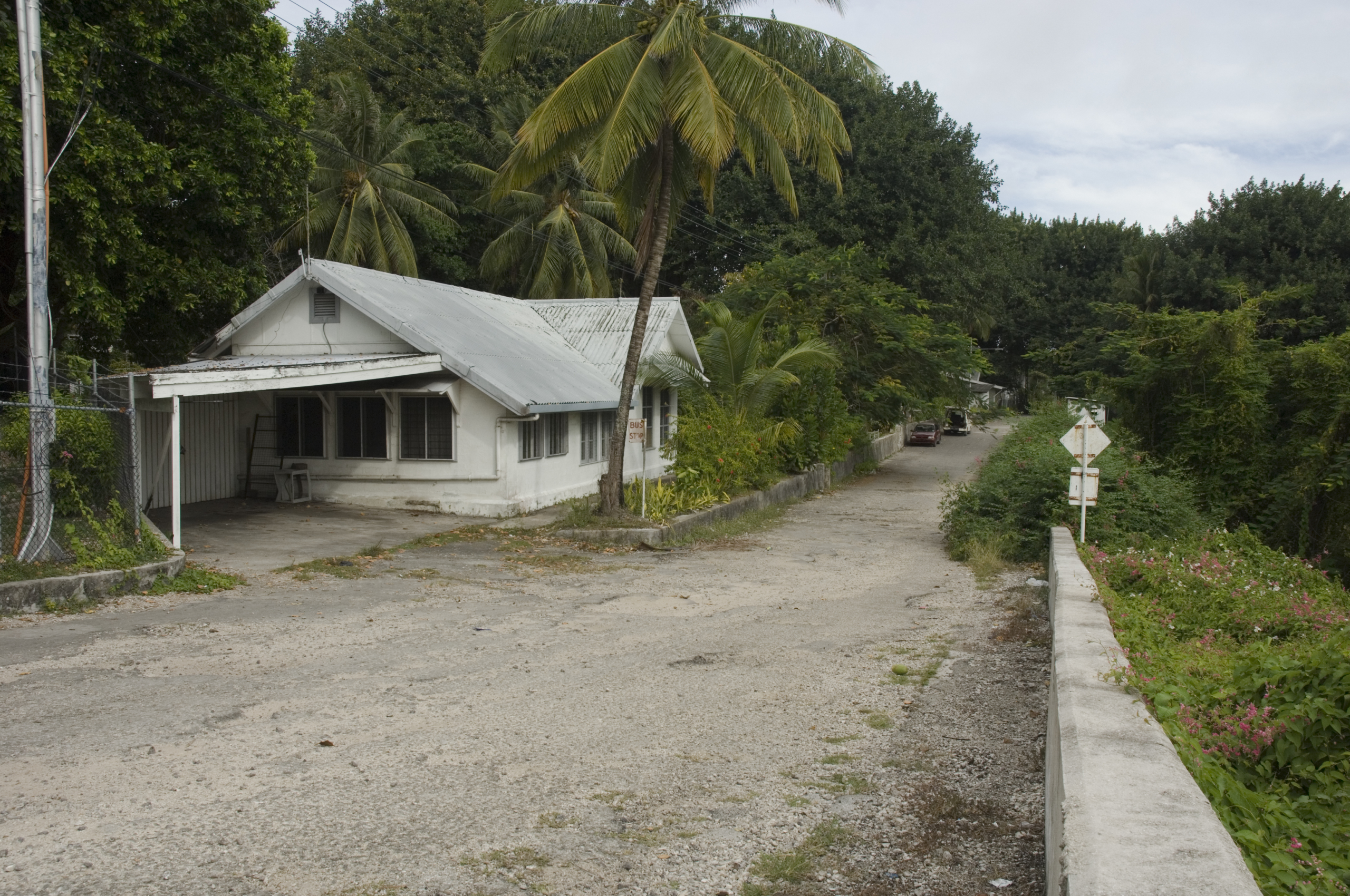
10 Facts about Life Expectancy in NauruNauru is an eight square mile island in the Central Pacific, located almost 2,500 miles northeast from Australia and with a population of nearly 13,000 people. Nauru has faced multiple major challenges in the past including diminishing all of its phosphate reserves and being the home of a controversial detention center for the refugees seeking asylum in Australia. However, in recent years, major improvements in the country’s quality of life have occurred, subsequently increasing the life expectancy of Nauru. These 10 facts about life expectancy in Nauru outline the progress the country has made in recent years.
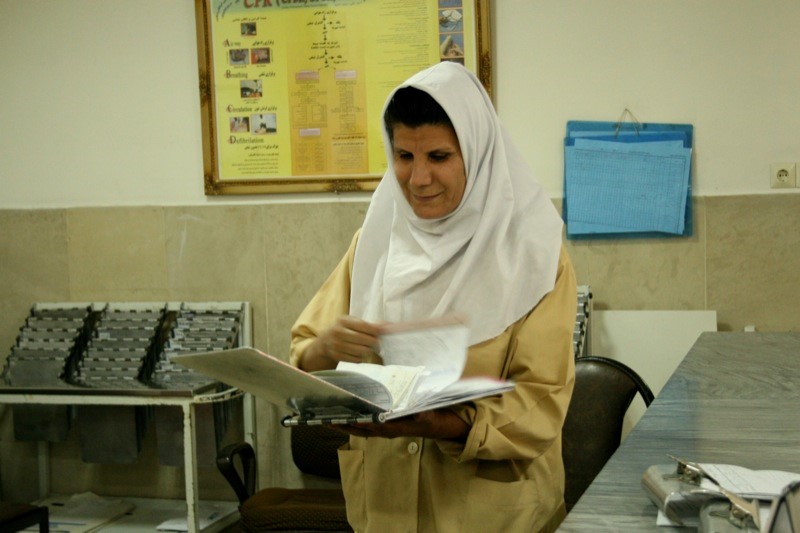
10 Facts About Life Expectancy in Nauru

  1. Life expectancy in Nauru is increasing. In 2020, it reached 68.4 years in contrast with the average life expectancy in 2000 of 60 years old.
  2. The unemployment rate has dropped immensely. In 2004, 90% of the country did not have employment. Meanwhile, strip mining ravaged the island, rendering most of its land unusable for agriculture, forestry or recreation. Additionally, these practices almost caused the school system to collapse. Nauru mined all of its phosphate resources and shipped them off to other countries to use as fertilizer. The country was simultaneously combating corruption, climate change and money-laundering. Despite these issues, the unemployment rate in 2011 has dropped by almost 70%, and after nine years, it is currently sitting at 23%. As the unemployment rate decreases, more people should be able to sustain themselves despite the country’s slowly growing economy, consequently boosting the life expectancy.
  3. The health crisis directly correlates with Nauru’s social and economic circumstances. Extreme levels of heart disease, type 2 diabetes and obesity are dropping in Nauru. While more than 70% of people in Nauru were obese in 2018, the percentage dropped to 45% in 2014. Slowly, but surely, people are starting to decrease their alcohol and tobacco consumption and choose a healthier lifestyle.
  4. From 1960-1970, Nauru held one of the highest GDPs, conceding only to oil-rich Saudi Arabia. In 1973, Nauru’s Annual GDP was $26 million. Meanwhile, Saudi Arabia’s was almost $15 million. Nauru lost its rich economic potential during the crash of the phosphate industry and unfortunately, Nauru has exhausted all of its natural resources. Today, Nauru’s GDP is only $112 million and it is surviving with Australia’s help and ambitious plans for the future.
  5. Nauru has 1.24 physicians per 1,000 of the population. Meanwhile, 96.5% of people have access to improved drinking water sources, such as protected wells or public taps. Nauru has more physicians available for its population than countries like Chile, Egypt, Iran and Vietnam.
  6. Around 11% of Nauru’s federal budget or expenditure goes towards the health of its citizens. Nauru’s facilities include two big hospitals located on the island that provide free medical and dental treatments for Nauruans and employees of the Nauru Phosphate Corporation. Furthermore, while the risks of contracting bacterial diarrhea and malaria are high, Nauru is on its way to completing the Millennium Development Goals. The Millennium Development Goals, outlined by the World Health Organization (WHO), aim to reduce the prevalence of malaria and HIV as well as child mortality. It is also important to note that for a developing country, Nauru’s mortality rate from these diseases is low.
  7. Nauru is partnering with the Green Climate Fund to upgrade its maritime port. This partnership will directly boost Nauru’s food security, local economy, commerce and life expectancy. It will be easier for shipping vessels to disembark and for local business owners to have new opportunities due to incoming exports. Nauru is also advancing its Higher Ground Initiative, which will remove infrastructure from coastal areas and place them elsewhere. Both the Higher Ground Initiative and the new port facility will stimulate employment, create renewable energy and provide a stable income for many. These developments will, in turn, improve the citizens’ Human Development Index (HDI), which estimates the wellbeing, health and life expectancy in Nauru.
  8. Another partnership with The World Health Organization (WHO) resulted in the National Health Strategic Plan of 2018-2022, an attempt to revive Nauru’s healthcare system. This plan will implement high immunization coverage, improve mental health, monitor the drinking-water quality, strengthen systems that protect people from HIV, STIs and tuberculosis and create a national plan to increase life expectancy in Nauru. In 2019, the WHO discovered that Nauru had zero cases of bacterial diarrhea, influenza, donor lymphocyte infusions and pulmonary fibrosis. This suggests that the implemented health plan has made positive changes.
  9. The mortality rate of children under 5 years old has been decreasing. In 2018, the mortality rate was 32 deaths per 1,000 live births. In 2020, it dropped to 7.4 deaths per 1,000 births. The mortality rate has also decreased by more than 97% as skilled health staff now assist all births.
  10. Despite economic and health care progress, life expectancy for refugees in Nauru remains low. Medecins Sans Frontieres (MSF) reported that out of the 208 refugee patients that it served, 60% had suicidal thoughts and 30% attempted suicide.  The life expectancy of refugees living in detention camps is also low. The Guardian reported two dire instances of refugees’ desperation. In the first, a refugee set himself on fire out of despair and powerlessness. In the second instance, a 12-year-old boy was at risk of dying from a two-week-long hunger strike out of hopelessness.

While Nauru is making a lot of progress in its health care and economy, it must continue addressing its refugee crisis that leads to the loss of innocent lives. A coalition of prominent NGOs and Australia’s largest human rights organizations such as the Refugee Council of Australia and Australian Lawyers Alliance are working to re-locate refugee children from Nauru to Australia. In 2019, many resettled in the United States and Australia.

If Nauru continues to strive for financial independence, provide jobs for its people and create stable sources of income, it could eliminate many of the country’s health problems that come from smoking and alcohol addiction. This, in turn, should increase life expectancy in Nauru. By developing as an economically stable and self-sufficient country, it may also no longer need to support Australia’s controversial detention camps for asylum seekers.

– Anna Sharudenko
Photo: Flickr

May 25, 2020
https://borgenproject.org/wp-content/uploads/borgen-project-logo.svg 0 0 Jennifer Philipp https://borgenproject.org/wp-content/uploads/borgen-project-logo.svg Jennifer Philipp2020-05-25 01:30:052024-05-29 23:17:3010 Facts About Life Expectancy in Nauru
Children, Development, Global Poverty, Health, NGOs

10 Health Costs of the Syrian Civil War

Health Costs of The Syrian Civil War
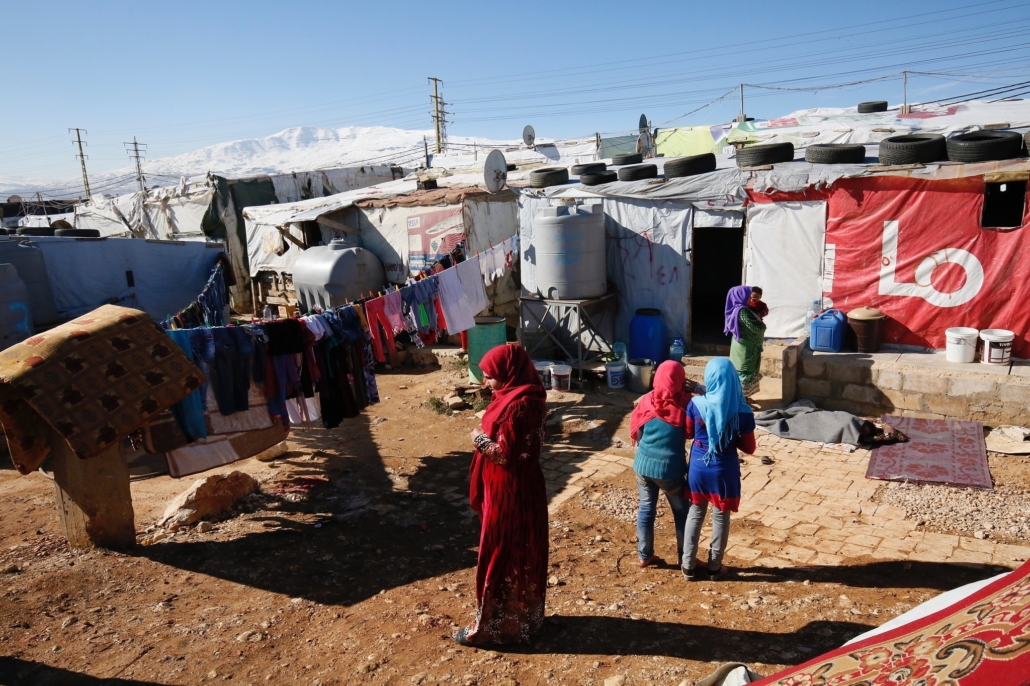
The Syrian civil war, which began in 2011, has led to a monumental refugee crisis, hundreds of thousands of deaths, the rise of the Islamic State of Iraq and Syria (ISIS) and destabilization in the Middle East. Yet another devastating effect of the war is the health consequences for people still living in Syria. Civilian doctors and nurses in active war zones face significant challenges not encountered in peacetime. These include a massive amount of trauma victims, shortages of medical equipment and personnel, infectious disease epidemics and breaches in medical neutrality. Here are 10 health costs of the Syrian civil war for the Syrian people.

10 Health Costs of the Syrian Civil War

  1. Because of the war, Syrian life expectancy has plummeted by 20 years from 75.9 years in 2010 to 55.7 years through the end of 2014. The quality of life in Syria has also worsened. As of 2016, 80 percent of Syrians are living in poverty. Moreover, 12 million people depend on assistance from humanitarian organizations.
  2. The civil war devastated Syria’s health care infrastructure, which compared to those in other middle-income countries prior to the war. By 2015, however, Syria’s health care capabilities weakened in all sectors due to the destruction of hospitals and clinics. The country faced a shortage of health care providers and medical supplies and fear gripped the country.
  3. The Syrian Government has deliberately cut vital services, such as water, phone lines, sewage treatment and garbage collection in conflict areas; because of this government blockade, millions of Syrian citizens must rely on outside medical resources from places like Jordan, Lebanon and Turkey. In 2012, the Assad regime declared providing medical aid in areas opposition forces controlled a criminal offense, which violates the Geneva Convention. By the following year, 70 percent of health workers had fled the country. This exodus of doctors worsens health outcomes and further strains doctors and surgeons who have remained.
  4. The unavailability of important medications presents another health cost of the civil war. Due to economic sanctions, fuel shortages and the unavailability of hard currency, conflict areas face a severe shortage of life-saving medications, such as some for noncommunicable diseases. Commonly used medicines, such as insulin, oxygen and anesthetic medications, are not available. Patients who rely on inhaled-medications or long-term supplemental oxygen often go without it.
  5. A lack of crucial medications has led to increased disease transmission of illnesses, such as tuberculosis. Furthermore, the conditions Syrians live in, for instance, the “tens of thousands of people currently imprisoned across the country… offer a perfect breeding ground for drug-resistant TB.”  Indeed, the majority of consultations at out-patient facilities for children under 5 were for infectious diseases like acute respiratory tract infections and watery diarrhea. According to data from Médecins Sans Frontières-Operational Centre Amsterdam  (MSF-OCA), the largest contributor to civilian mortality was an infection.
  6. In addition to combatant deaths, the civil war has caused over 100,000 civilian deaths. According to the Violation Documentation Center (VDC), cited in a 2018 Lancet Global Health study, 101,453 Syrian civilians in opposition-controlled areas died between March 18, 2011, and Dec 31, 2016. Thus, of the 143,630 conflict-related violent deaths during that period, civilians accounted for 70.6 percent of deaths in these areas while opposition combatants constituted 42,177 deaths or 29.4 percent of deaths.
  7. Of the total civilian fatalities, the proportion of children who died rose from 8.9 percent in 2011 to 19.0 percent in 2013 to 23.3 percent in 2016. As the civil war went on, aerial bombing and shelling were disproportionately responsible for civilian deaths and were the primary cause of direct death for women and children between 2011 and 2016. Thus, the “increased reliance on the aerial bombing by the Syrian Government and international partners” is one reason for the increasing proportion of children killed during the civil war according to The Lancet Global Health report. In Tal-Abyad’s pediatric IPD (2013-2014) and in Kobane Basement IPD (2015–2016), mortality rates were highest among children that were less than 6 months old. For children under a year old, the most common causes of death were malnutrition, diarrhea and lower respiratory tract infections.
  8. The challenges doctors and clinicians face are great, but health care providers are implementing unique strategies that emerged in previously war-torn areas to meet the needs of Syrian citizens. The United Nations (the U.N.) and World Health Organizations (WHO) are actively coordinating with and international NGOs to provide aid. The Syrian-led and Syrian diaspora–led NGOs are promoting Syrian health care and aiding medical personnel in Syria as well. For instance, aid groups developed an underground hospital network in Syria, which has served hundreds of thousands of civilians. These hospitals were “established in basements, farmhouses, deserted buildings, mosques, churches, factories, and even natural caves.”
  9. Since 2013, the Médecins Sans Frontières-Operational Centre Amsterdam (MSF-OCA) has been providing health care to Syrians in the districts of Tal-Abyad in Ar-Raqqa Governorate and Kobane in Aleppo Governorate, which are located in northern Syria close to the Turkish border. The health care MSF-OCA provided included out-patient and in-patient care, vaccinations and nutritional monitoring.
  10. New technologies have enabled health officials to assist in providing aid from far away. For instance, telemedicine allows health officials to make remote diagnosis and treatment of patients in war zones and areas under siege. One organization that has used this tool is the Syrian American Medical Society, which “provides remote online coverage to nine major ICUs in besieged or hard-to-access cities in Syria via video cameras, Skype, and satellite Internet connections.” Distance learning empowers under-trained doctors in Syria to learn about disaster medicine and the trauma of war from board-certified critical care specialists in the United States.

Conditions on the ground in Syria make it more difficult for Syrian citizens to receive vital medical aid from health care workers. Many people and organizations are working diligently to help injured and sick Syrians, however. These 10 health costs of the Syrian civil war illuminate some of the consequences of war that are perhaps not as storied as the refugee crisis. While aiding refugees is an undoubtedly worthy goal for international NGOs and governments, policymaker’s and NGOs’ agendas should include recognizing and alleviating the harm to those still living in Syria.

– Sarah Frazer
Photo: Flickr

October 8, 2019
https://borgenproject.org/wp-content/uploads/borgen-project-logo.svg 0 0 Kim Thelwell https://borgenproject.org/wp-content/uploads/borgen-project-logo.svg Kim Thelwell2019-10-08 01:30:502019-12-04 13:47:5710 Health Costs of the Syrian Civil War
Global Poverty, Life Expectancy

10 Facts About Life Expectancy in Iran

10 Facts about Life Expectancy in Iran
Since the 1979 Iranian Revolution, the government of the Islamic Republic of Iran (IRI) has prioritized the need to improve Iran’s health care system. Indeed, Article 29 of the IRI’s Constitution establishes every Iranian citizen’s right to high-quality health. The Ministry of Health and Medical Education is responsible for providing the health care necessary to achieve this goal. Here are 10 facts about life expectancy in Iran and the state of the country’s health care system.

10 Facts About Life Expectancy in Iran

  1. Starting in the early 1980s, Iran successfully launched a reformed primary health care system or PHC. Because of Iran’s PHC programs, life expectancy in Iran has steadily risen from 55.7 years in 1976 to 75.5 years in 2015. Since the implementation of the PHC system, Iran has also experienced increased economic growth and literacy, and an improvement in safe water access and sanitation. The Community of Health Workers suggests that all of this may have contributed to Iran’s increased life expectancy.

  2. The aim of PHC was to provide all Iranians with health care by 2000. Especially in the beginning, PHC prioritized reducing health inequality between urban and rural populations by focusing attention on and resources to rural areas. Central to PHC was the establishment of health houses in rural areas. Behvarzes, local community members who had personal ties and commitments to the community, would run these houses.

  3. As of 2009, more than 90 percent of Iranians have some type of health insurance according to data cited by the Japan Medical Association Journal. Both the public and private sectors play a pivotal role in Iran’s health care system, which is a nation-wide network that includes local primary care centers in Iran’s provinces, secondary care hospitals in the provincial capitals and tertiary hospitals located in big cities. The public sector provides most of the primary care and some of the secondary and tertiary health services. Some public services, like prenatal care and vaccinations, are free. The private sector focuses on secondary and tertiary services. Additionally, NGOs play an active role in Iran’s health system, specifically concerning issues like children with cancer, breast cancer, diabetes and thalassemia.

  4. In addition to higher life expectancy, Iran has seen better health outcomes on several fronts. For one, the incidences of malaria-related deaths have decreased significantly from 15,378 cases in 2002 to 777 cases in 2015; 28 of these cases resulted in death. The reduction in malaria-related deaths is the result of interventions, such as the introduction of tap water and electricity into villages.

  5. To completely eradicate malaria, health officials should concentrate resources to prevent and treat the disease in the specific provinces where the disease is most prevalent. Policymakers should monitor borders to prevent the spread of malaria into Iran from outside the country. They should strengthen cooperation between institutions and improve the health systems’ ability to quickly identify epidemics.

  6. Between 1995 and 2011, Iran’s neonatal (NMR), infant (IMR) and under-5-year (U5MR) mortality rates in rural parts of the country decreased substantially. In particular, Iran’s NMR and IMR saw a statistically-significant decline as a result of a family physician program and rural insurance program. Implemented in 2005, Iran intended these programs to reform PHC, which did not cover access to specialists or private-sector physicians for rural populations. The family physician program and rural insurance program provided preventive and outpatient care to rural communities and made health care access more equitable between urban and rural areas. By providing greater access to important health services, these reforms improved many health indicators, such as child mortality. From 1995 to 2011, Iran’s NMR dropped from 17.84 to 10.56; the IMR decreased from 31.95 to 15.31; and Iran’s U5MR declined from 40.17  to 18.67.

  7. One of Iran’s significant health achievements is a dramatic increase in child immunization; indeed, providing vaccinations was one of the main activities of the community health workers under PHC. From 1990 to 2006, the percentage of one-year-olds immunized with three doses of DPT rose from 91 to 99 percent. Over that same period, one-year-olds immunized with three doses of the hepatitis B vaccine increased from 62 to 99 percent; similarly, one-year-olds immunized with MCV rose from 85 to 99 percent. This increase in immunization among children correlates with a sharp decline in Iran’s infant mortality rate.

  8. Cardiovascular diseases are the most common causes of mortality in Iran and connect to more than 45 percent of deaths. The second most common cause of death in Iran is accidents at 18 percent. Cancer follows at 14 percent and then neonatal and respiratory diseases, each of which accounts for about 6 percent of deaths in the country. Many NGOs, like the Union for International Cancer Control (UICC), are cooperating with the Iranian Ministry of Health to combat these frequent causes of mortality. For instance, at the beginning of 2019, the country launched a national campaign to fight cancer. This campaign seeks to bring hope to cancer patients and to raise awareness about the fact that cancer is treatable and often preventable. Officials note that behavioral and dietary risks can cause cancer.

  9. While Iran’s health care system has improved significantly, it still has room for growth. For instance, greater than half of the under-5 deaths in Iran are the result of preventable or easily-treatable diseases and illnesses, such as malnutrition, which affects some 45 percent of children under the 5-years-old in Iran. One NGO that is helping food-insecure refugees in Iran is the World Food Programme (WFP), which has had a presence in Iran since 1987. In January 2018, WFP implemented the Iran Country Strategic Plan (2018-2020), which provides a combination of cash and monthly distributions of wheat flour to refugees in need, especially the most vulnerable women-headed households. In January 2019 alone, WFP helped 29,736 people in Iran.

  10. Another NGO providing health services to Iranians in need is Médecins Sans Frontières (MSF), which translates to Doctors Without Borders. MSF provides marginalized groups in south Tehran, such as drug users, sex workers, street children and the ghorbat ethnic minority, with free health care. MSF runs a clinic in the Darvazeh Ghar district, where they provide services including medical and mental health consultations, testing and treatment for sexually transmitted infections, ante- and postnatal care and family planning. In 2018, MSF provided 29,900 outpatient consultations.

As these 10 facts about life expectancy in Iran show, the health of the Iranian people and health care system of Iran have improved significantly in the past few decades, due largely to the reforms of PHC and the family physician program and rural insurance program. If the Iranian government continues its investment in these programs, there is a good reason to believe life expectancy in Iran will continue to rise in the coming years.

– Sarah Frazer
Photo: Flickr

September 28, 2019
https://borgenproject.org/wp-content/uploads/borgen-project-logo.svg 0 0 Jennifer Philipp https://borgenproject.org/wp-content/uploads/borgen-project-logo.svg Jennifer Philipp2019-09-28 07:30:202019-12-16 10:26:3810 Facts About Life Expectancy in Iran
Humanitarian Aid

Humanitarian Aid’s Shortcomings

A report released by Medecins Sans Frontieres (MSF) last week has shocked the humanitarian aid community. The report, entitled “Where is everyone?,” took a hard look at areas where aid has been falling short, especially in regard to emergency responses.

The three main issues the report finds are: funding is too slow and inflexible, NGOs operating at the grassroots are shut out of the UN-dominated system and emergency response is not prioritized in the humanitarian aid system.

Responses to MSF’s report have not all been favorable. Some, such as Bertrand Taith, a cultural historian of humanitarian aid and director of the Humanitarian and Conflict Response Institute at the University of Manchester, have criticized MSF’s methodology. Taith called the approach taken by MSF “headline grabbing.”

However, despite the controversy over MSF’s methods, the overwhelming response has been appreciation for the debate it has sparked. The MSF report’s website states: “We intend this paper to start a real discussion with our colleagues in the aid community…to make us all improve how we respond.”

One contribution to the debate has taken the form of a blog entitled, “Where is everyone? We’re standing right next to you.” Bob Kitchen, director of the International Rescue Committee’s emergency preparedness and response unit expressed in the blog that his agency and others “continue to stand and deliver in the face of chaos and mounting humanitarian needs.”

Kitchen’s comment is in response to the report’s finding that humanitarian aid agencies are not targeting the most vulnerable areas, because they are too dangerous and hard to access. One such population being unregistered urban refugees in Jordan.

“We’re not saying [agencies] should take unnecessary risks, but we do feel that in some cases, a perceived lack of security becomes a rather defensive argument,” says Jens Pedersen, a humanitarian adviser with MSF.

Kitchen, however, cites the work his agency is currently doing in Somalia. “A country,” he describes, “so violent that MSF itself has withdrawn.”

Funding is another issue that the report addresses. Not lack of funding in general, but lack of flexible and easily accessible funds. The report begins by saying, “the international humanitarian aid system has more means and resources at its disposal…than ever before.”

The issue is that the money is often inflexible and earmarked. It is also slow; on average, it takes three months for donor funds to be disbursed through UN agencies and reach their target. Three months that emergency response situations cannot afford.

To combat this delay, certain networks have been established. One is the START network, which operates outside the UN. It provides a shared source of emergency funding for 19 major NGOs.

The report effectively sparked debate in the aid community. MSF “has made it clear that [the report] is intended as a trigger for critical discussions in the aid community,” reports IRIN. And, in that regard, it has succeeded.

Humanitarian aid agencies across the globe are preparing for the World Humanitarian Summit, which will take place in Istanbul in 2016. The stated goal of the summit is to “find new ways to tackle humanitarian needs in our fast-changing world,” and the summit will provide space for the conversation about aid effectiveness to continue.

– Julianne O’Connor

Sources: IRIN, MSF, World Humanitarian Summit
Photo: NewInt

July 24, 2014
https://borgenproject.org/wp-content/uploads/borgen-project-logo.svg 0 0 Borgen Project https://borgenproject.org/wp-content/uploads/borgen-project-logo.svg Borgen Project2014-07-24 11:44:322024-05-27 09:19:06Humanitarian Aid’s Shortcomings

Get Smarter

  • Global Poverty 101
  • Global Poverty… The Good News
  • Global Poverty & U.S. Jobs
  • Global Poverty and National Security
  • Innovative Solutions to Poverty
  • Global Poverty & Aid FAQ’s
Search Search

Take Action

  • Call Congress
  • Email Congress
  • Donate
  • 30 Ways to Help
  • Volunteer Ops
  • Internships
  • Courses & Certificates
  • The Podcast
Borgen Project

“The Borgen Project is an incredible nonprofit organization that is addressing poverty and hunger and working towards ending them.”

-The Huffington Post

Inside The Borgen Project

  • Contact
  • About
  • Financials
  • President
  • Board of Directors
  • Board of Advisors

International Links

  • UK Email Parliament
  • UK Donate
  • Canada Email Parliament

Get Smarter

  • Global Poverty 101
  • Global Poverty… The Good News
  • Global Poverty & U.S. Jobs
  • Global Poverty and National Security
  • Innovative Solutions to Poverty
  • Global Poverty & Aid FAQ’s

Ways to Help

  • Call Congress
  • Email Congress
  • Donate
  • 30 Ways to Help
  • Volunteer Ops
  • Internships
  • Courses & Certificates
  • The Podcast
Scroll to top Scroll to top Scroll to top