Addressing Child Labor in South Sudan
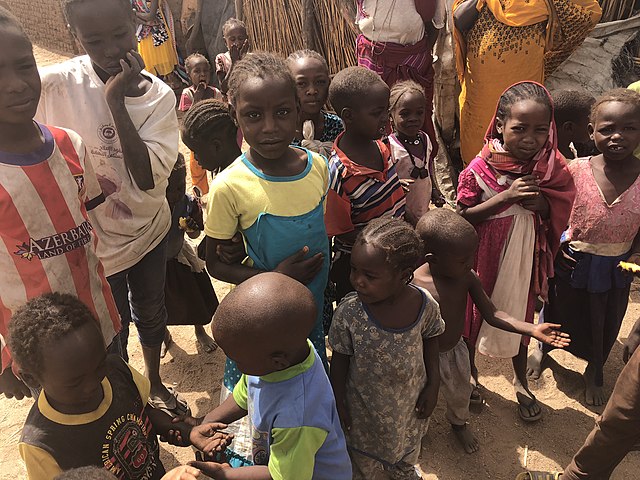
South Sudan is an East-Central African nation considered to have one of the worst cases of child labor in the world. The crisis of child labor has been amplified by the outbreak of civil war in 2013, spreading violence and insecurity nationwide. Child labor in South Sudan is a complex issue that negatively affects children’s health and education. However, UNICEF is working to end child labor in the nation.
4 Causes of Child Labor in South Sudan
- The civil war has increased the number of displaced persons vulnerable to recruitment by armed group or abduction for forms of child labor including spies, messengers, child soldiers and prostitutes.
- Many communities in South Sudan have inadequate access to schools and overall poor quality of education. Thus, much of the population does not see education as a viable alternative to work.
- Embedded cultural traditions and social attitudes increase rates of child labor by perpetuating ideas, such as work building character and girls being better suited to domestic work than education. Furthermore, many children in South Sudan are expected to follow their parent’s career paths and learn their trade from an early age, resulting in family sponsored child labor over child education.
- Poverty is arguably the most significant factor contributing to child labor globally, with South Sudan being no exception. Child’s incomes are often understood to be necessary for the survival of the household, with 91.9% of South Sudan living in multidimensional poverty. The mass impoverishment of South Sudan has been amplified by the civil war that has devastated the economy, and thus fueled child labor.
Formal vs. Informal Sector
Data on child labor can only be effectively collected from children working within the formal sector. As of 2019, nearly 46% of children aged 10-14 work in the formal sector. About 60% of these children find themselves working in agriculture, over 38% percent in industry and nearly 2% in services. While these ratios of children engaged in formal labor are large, even more children likely work in the informal sector, including jobs such as child soldiers and prostitutes.
Impact on Education and Health
Poor education in South Sudan increases participation in child labor. As a result, only 31.5% of children aged 6-14 were enrolled in school in 2019. Despite the fact that education is free, the rate of primary school completion sits at just 25.7%. Consequently, as of 2019, only about 27% of the adult population in South Soudan is literate. Not only does a lack of education stunt individual children’s development, health and economic opportunities, but also those of communities in which they live.
South Sudan also has a poor healthcare structure. This is reflected in the national life expectancy of 57.6 years, which is only worsened by the institution of child labor. Children working in the informal sector are placed at great risk: these jobs are life-threatening and drastically reduce life expectancy. However, children working in the informal sector are not the only children at risk. Jobs in the formal sector, such as construction and mining, are labor heavy and place great strain on children’s bodies. Journalist Losika Losepio reported in 2018 that an 8-year-old girl in South Sudan working in the mines said “It’s hard work digging and the shovel is heavy. I just want to be in school,” while holding an infected wound on her elbow. In the best of cases, child labor only takes children out of school; in the worst of cases, they are injured by their labor and potentially even killed.
The Good News
UNICEF is a United Nations agency responsible for providing humanitarian and developmental aid to children. Programming by UNICEF has made great progress in regard to child labor in South Sudan. In 2018, UNICEF freed over 1,000 children, many of whom were child soldiers for various armed groups. Additionally, UNICEF combats the root causes of child labor, such as lack of education. In 2018, the organization helped to rehabilitate schools damaged by conflict by leading teacher training and providing necessary classroom supplies. Through such efforts, UNICEF also helped 550,000 children re-enroll in school in 2018.
Children everywhere have a right to education, health and safety. Child labor in South Sudan serves as an obstacle to each of these rights and must be counteracted. Progress has been made through organizations such as UNICEF, but the situation remains dire: these efforts must not only continue but expand across the nation.
– Lily Jones
Photo: Wikimedia
