• Link to X
  • Link to Facebook
  • Link to Instagram
  • Link to TikTok
  • Link to Youtube
  • About
    • About Us
      • President
      • Board of Directors
      • Board of Advisors
      • Financials
      • Our Methodology
      • Success Tracker
      • Contact
  • Act Now
    • 30 Ways to Help
      • Email Congress
      • Call Congress
      • Volunteer
      • Courses & Certificates
      • Be a Donor
    • Internships
      • In-Office Internships
      • Remote Internships
    • Legislation
      • Politics 101
  • The Blog
  • The Podcast
  • Magazine
  • Donate
  • Click to open the search input field Click to open the search input field Search
  • Menu Menu

Tag Archive for: Doctors Without Borders

Posts

Global Poverty

Clinics in Bamyan Provide Beacon of Hope

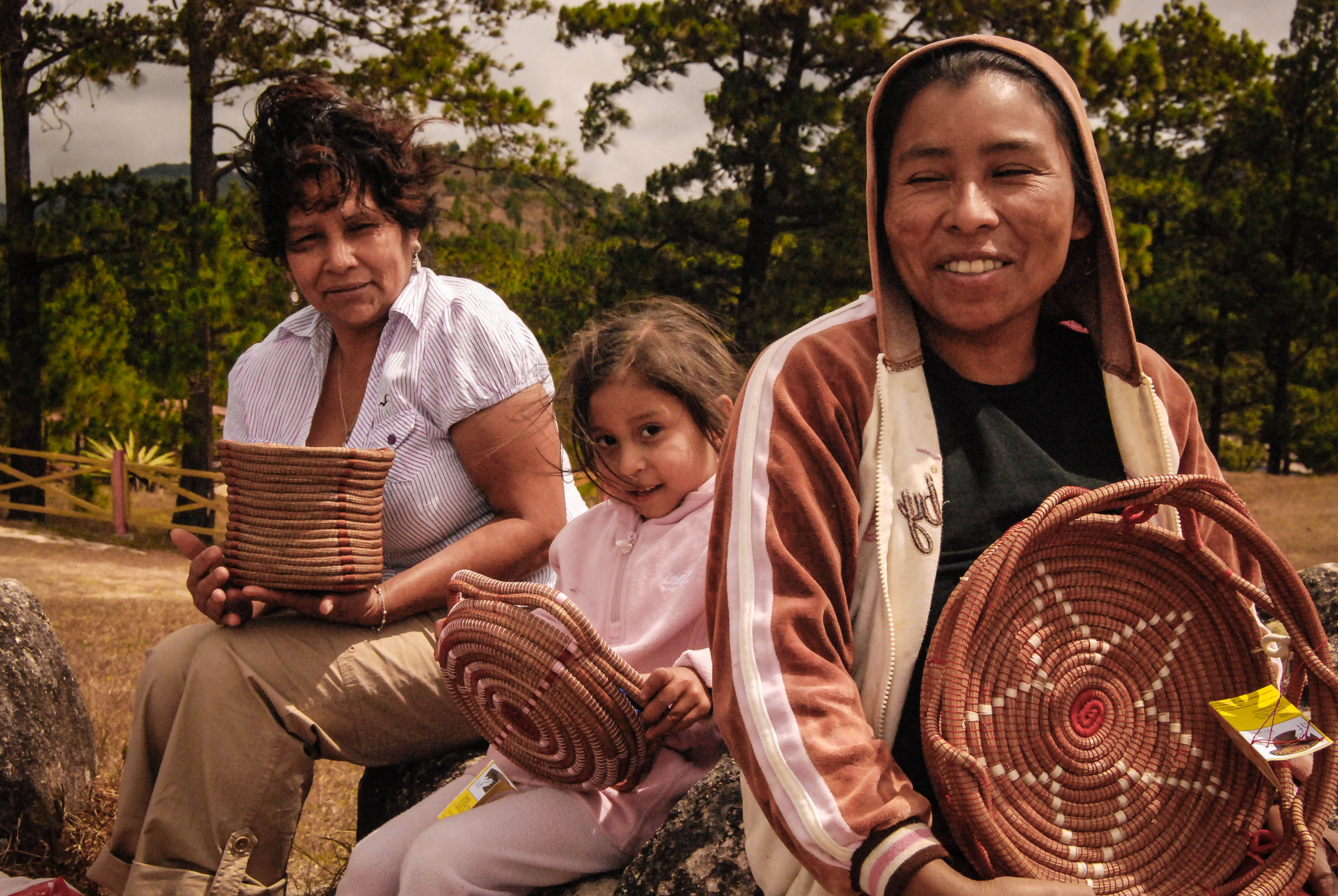
Clinics in BamyanThe United Nations estimates that over 60% of people in Afghanistan will require humanitarian aid to combat the devastating poverty plaguing the Afghani people. With almost 97% of Afghans living at or below the poverty line, rural communities like Bamyan, a mountainous province in Afghanistan, are particularly at risk. This poor and marginalized community had no access to health care for years. But in March 2023, Doctors Without Borders provided a beacon of hope when they opened eight clinics in Bamyan, providing this poverty-stricken community with essential medical care.
Afghanistan in Crisis

Afghanistan has struggled with decades of conflict and political upheaval, leaving many without critical social support systems. Since the Taliban takeover in 2021, locals have seen a staggering rise in cost-of-living expenses, resulting in 28.3 million Afghanis needing humanitarian assistance – particularly medical assistance.

In 2022, Doctors Without Borders saw increased traffic to existing medical facilities in Afghanistan. Kabul and Kandahar were hit particularly hard with outbreaks of diarrhea, and medical workers fortified existing medical facilities in response to outbreaks in these areas. However, many communities in Afghanistan do not have access to medical care due to their remote and rural location, including rural communities in the large province of Bamyan.

Hope for the People of Bamyan

Bamyan is home to the Hazara people, a poor ethnic minority who live in rural and remote villages that historically had little access to centralized health care. Naqiba, aged 19, delivered her second child at one of the new clinics in Bamyan supported by Doctors Without Borders. Her previous childbirth experience was much more taxing for her and her family. Naqiba recalls, “When my first son was born, my mother-in-law had to pay 6,000 AFG (about $70) so we could travel to Bamyan’s provincial hospital. Now, we can finally get care closer to home for free.”

Naqiba’s family was able to assist with her travel expenses during her first pregnancy, but over 40% of new mothers in Bamyan delivered children at home without professional medical assistance, likely due to financial restrictions. New medical clinics in Bamyan are already revving up to bring much-needed childbirth and pediatric care to these impoverished communities. Since Doctors Without Borders built these clinics in early 2023, their workers have provided over 1,200 prenatal and postnatal consultations, screened nearly 2,000 children for malnutrition and provided more than 3,400 pediatric consultations.

Prenatal and pediatric care are critical for impoverished communities like Bamyan, but standard medical care and regular check-ups are just as critical for rural communities like this. Standard health care essentials like access to vaccines, nutrition information, family planning services and basic health screenings were previously out of reach for many Afghans living in rural villages scattered across Bamyan’s vast and mountainous region. These new clinics in Bamyan are bridging the health care gap for rural residents like Rohida.

Rohida, a middle-aged woman in Afghanistan’s Bamyan province, visited a clinic close to her hometown in Jalmish to treat her high blood pressure. Rohida commented, “Before, we had no place to go. Sometimes, it feels like women have been forgotten around here. I’m happy that someone remembered us.”

–  Ann-Jinette Hess 
Photo: Unsplash

October 11, 2023
https://borgenproject.org/wp-content/uploads/borgen-project-logo.svg 0 0 Yuki https://borgenproject.org/wp-content/uploads/borgen-project-logo.svg Yuki2023-10-11 15:00:422023-10-11 09:59:45Clinics in Bamyan Provide Beacon of Hope
Global Poverty, Poverty Reduction

Poverty and Mental Health in Nicaragua

Mental Health in NicaraguaNicaragua ranks among the countries in Latin America with low-income levels. Its population of 6.5 million faces challenges, with approximately 3.2% living on less than $1.90 per day and around 24.5% below the national poverty line. Widespread poverty in Nicaragua exacerbates mental health issues.
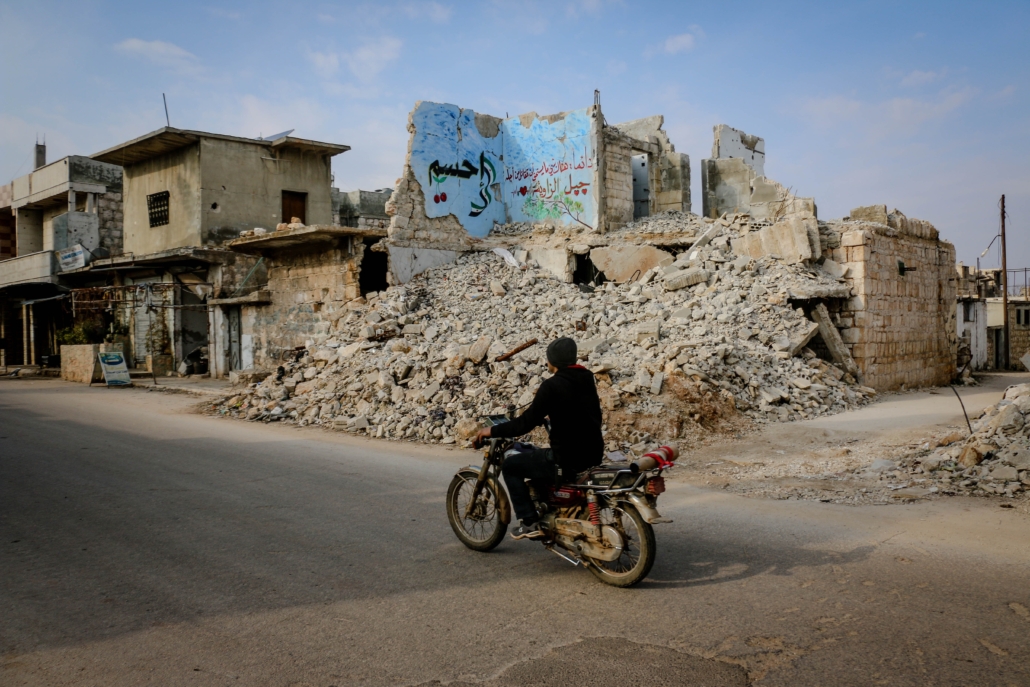
Living in poor conditions creates a challenging and unpredictable environment for families and communities in the area. It is widely known that poverty and socioeconomic disadvantages increase the chances of experiencing life events. In countries with development like Nicaragua, factors such as limited social connections, inadequate public services and insufficient public security contribute to these stress-inducing situations within these communities. Due to a struggling economy, access to health services is scarce for individuals, particularly the poorest. Consequently, they live in unsupportive environments, making it difficult for them to cultivate resilience or develop self-esteem.

The Impact of Poverty on Mental Health

Research indicates that individuals enduring poverty and social hardships often encounter a frequency and greater severity of life events (SLEs) compared to the general population from childhood and adolescence to adulthood. These SLEs have been linked to a range of mental health issues, ultimately diminishing the quality of life for those affected. In interviews conducted in León and Chinandega (Nicaragua), homeless women shared how their financial circumstances were influenced by the SLEs they experienced before reaching 18 years old and their age while experiencing them.

When asked about the life events that had an impact on their experience of homelessness, the women mentioned other factors. These included:

  • Having difficulties with their family.
  • Experiencing the loss of their mother and/or father.
  • Facing unemployment.
  • Enduring intimate partner violence.
  • Struggling with poverty and economic challenges.

Moreover, some interviewed women believed that certain significant life events contributed significantly to their situation. These events included:

  • The death of a partner.
  • Separation or abandonment by a partner.
  • Being abandoned by their children.
  • Substance abuse issues.
  • Lack of education opportunities.
  • Dealing with illness or health problems.

Additionally, one woman in each case indicated that becoming homeless was due to an accident, debt, or mismanagement of assets, time spent in prison, being a victim of rape, engaging in sex work, experiencing the death of a child, lacking family support, struggling with self-esteem issues or having experienced violence.

Health Care and Support Initiatives in Nicaragua

Médecins sans Frontier (MSF, Doctors Without Borders) is an initiative that offers medical assistance. Each day, the dedicated teams of Doctors Without Borders provide health care to individuals facing crises undertaking endeavors across over 70 nations. Since its establishment in 1971, MSF has positively impacted millions of lives, expanding from a group of 13 doctors and journalists to a movement comprising more than 45,000 individuals.

In Nicaragua, they provide psychological and psychiatric assistance to individuals affected by political and social violence. MSF’s initial mission in 1972 took place in Managua, the capital and largest city of Nicaragua. During that time, an earthquake devastated most of the city, claiming the lives of 10,000 to 30,000 people. In 2018, MSF returned to Nicaragua to support those experiencing anxiety, adjustment disorder and post-traumatic stress due to their exposure or personal experiences with events linked to civil unrest and political turmoil. Additionally, MSF conducted training sessions on health care, psychological first aid and self-help for community leaders, groups and educators. This training empowered them to provide support during crises.

Conclusion

Nicaragua’s intersection of poverty and mental health poses difficulties for individuals and communities. The combination of resources and inadequate access to necessary services and support worsens mental health problems. Organizations such as Doctors Without Borders play a part in offering psychiatric aid along with training to tackle these challenges. They assist individuals affected by social violence find ways to recover and build resilience amid adversity.

– Aysu Usubova
Photo: Flickr

October 11, 2023
https://borgenproject.org/wp-content/uploads/borgen-project-logo.svg 0 0 Yuki https://borgenproject.org/wp-content/uploads/borgen-project-logo.svg Yuki2023-10-11 04:57:442023-10-11 10:09:01Poverty and Mental Health in Nicaragua
Disease, Global Poverty

Addressing Diseases Impacting Syria

Diseases Impacting SyriaSyria, a nation with a rich cultural history tragically torn apart by years of conflict, has faced a complex crisis that extends beyond the frontline. The devastation of war is evident in the physical destruction of cities and the displacement of millions, but what is less often mentioned is the destruction caused by diseases impacting Syria.
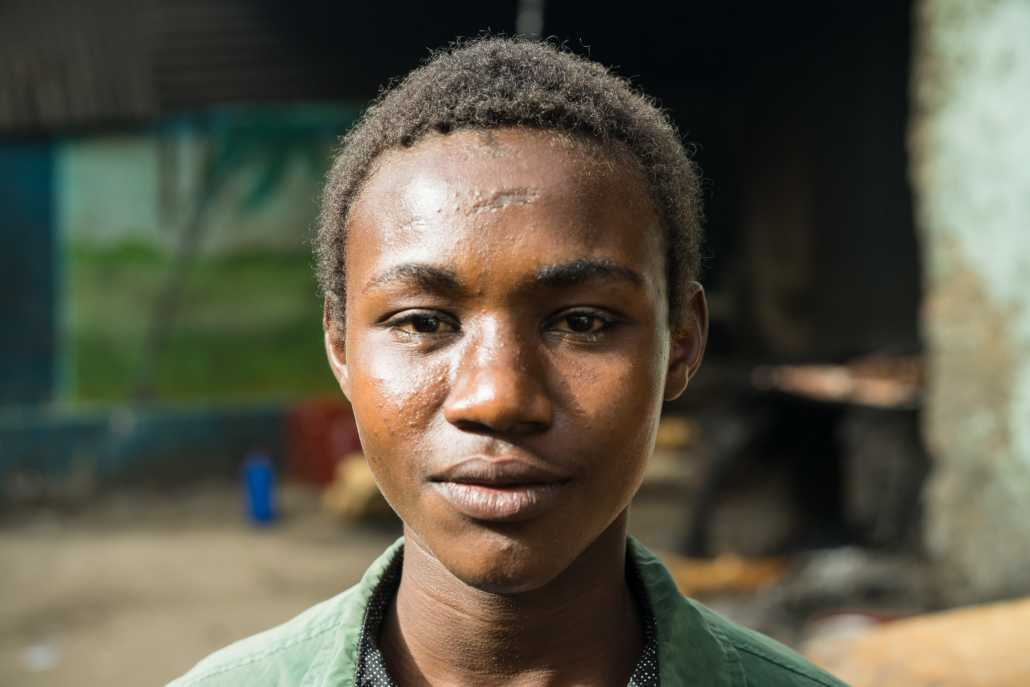
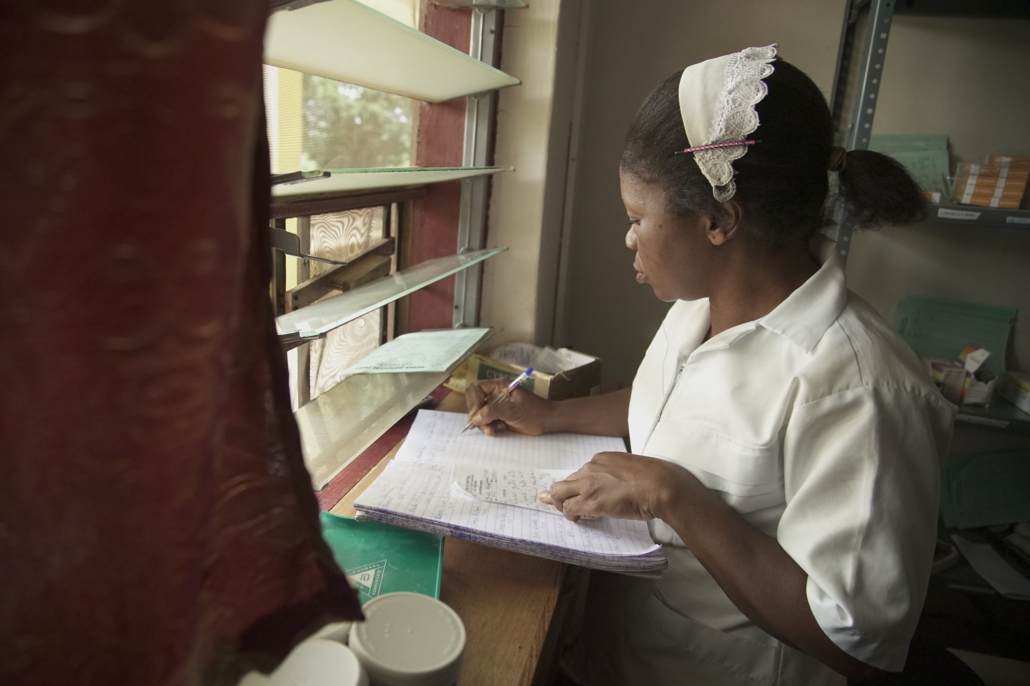
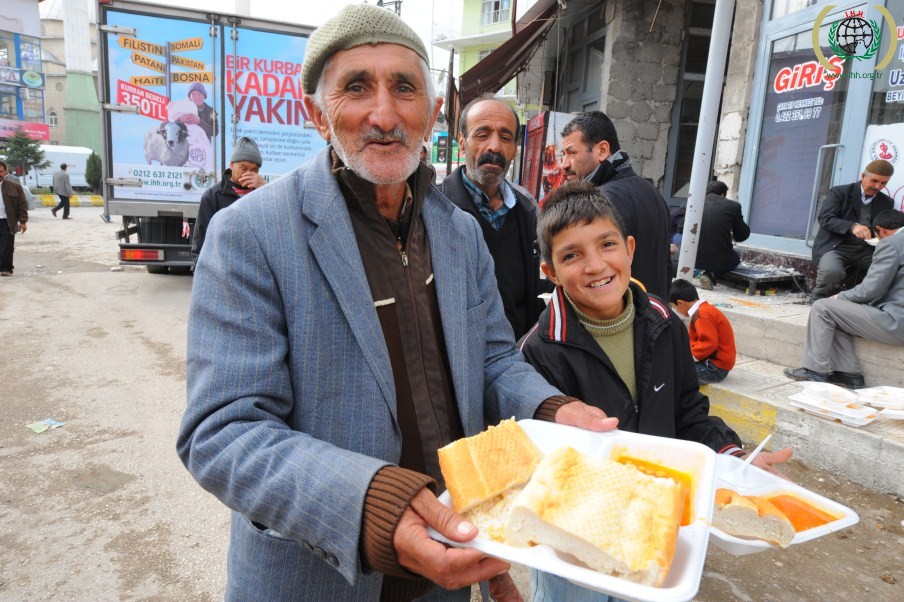
The Syrian conflict has caused widespread damage to health care and sanitation facilities as well as the resettlement of 5.7 million people into crowded refugee camps where poverty is rife. The spread of these diseases and poverty goes hand-in-hand for multiple reasons. Firstly, malnutrition associated with poverty compromises the individual’s immune system and can make people more susceptible to disease. Secondly, crowded, unsanitary conditions associated with poverty are ripe for the spread of disease. This, coupled with a lack of access to basic health care, has meant that diseases such as cholera, tuberculosis and leishmaniasis (a parasitic infection that sandflies spread) are common and widespread. The sheer number of recorded cases speaks for itself in terms of just how common these diseases impacting Syria are:

  • Cholera affected 92,649 individuals between August 2022 and February 2023.
  • Tuberculosis afflicted 1,800 individuals.
  • Leishmaniasis affected 89,357 people in 2019.

Obstacles to Tackle to Eliminate Diseases Impacting Syria

  1. Extensive Damage to Health Care Infrastructure. Hospitals across the nation have been subject to airstrikes, and medical professionals have fled the country, leaving essential medical supplies in chronic short supply. Syrian and Russian forces deliberately targeted hospitals as a war strategy, and U.S. bombing campaigns dropped 60 bombs per day on Syria and Iraq in 2016, causing severe damage to health care facilities. This kind of breakdown in health care infrastructure disproportionately affects the poor, who are often unable to access or afford even basic health care services. Organizations like Médecins Sans Frontières (MSF) or Doctors Without Borders have provided vital aid since the outbreak of the conflict in 2011 by supporting existing health care facilities and delivering medical equipment. Its efforts have resulted in the treatment of more than 1,017,900 patients in Syria in 2022 alone. The fantastic work by organizations such as Médecins Sans Frontières, coupled with repairing health care infrastructure, will be a vital step in eliminating the diseases impacting Syria.
  2. Lack of Sanitation. Approximately 35% of Syrians lack access to safe drinking water, putting them at risk of waterborne diseases. The conflict in Syria has forced millions to become internally displaced or seek refuge in neighboring countries. Unsanitary living conditions in refugee camps provide fertile ground for the spread of diseases, as it is nearly impossible to maintain basic hygiene in such conditions. The lack of access to clean water, sanitation facilities and proper nutrition exacerbates the vulnerability of displaced populations to these diseases. However, concerted efforts are being made to improve sanitation and malnutrition in Syria. During the first half of 2019, UNICEF reached 2.1 million people in Syria with improved and sustained access to safe water. The World Food Programme (WFP) also provides food to 5.4 million people a month in Syria. By supporting organizations on the ground to improve sanitation in Syria, the crisis of disease could become a thing of the past.
  3. Economic Devastation. The economic impact of the Syrian conflict has been monumental. Syria’s GDP shrank by more than half between 2010 and 2020, and war has decimated the country’s economy, leading to skyrocketing unemployment levels of 9.6%. As a result, an estimated 90% of the population lives below the poverty line. Families who were once self-sufficient now struggle to meet their basic needs. Poverty is closely associated with malnutrition, weakened immune systems and limited access to health care. These conditions make individuals more susceptible to diseases and less able to recover when illness strikes. In turn, illness can lead to further economic hardship, as medical expenses and lost wages further strain already fragile budgets. Tackling diseases impacting Syria could involve remedying the great economic hardship facing the nation today.

Looking Ahead

While the situation in Syria is serious, international organizations and humanitarian groups continue to provide assistance. These organizations work tirelessly to deliver medical supplies, food and clean water to affected populations. Breaking the cycle of disease and poverty could require collaborative international efforts to provide aid and work toward sustainable peace in the region.

– Genevieve Martin
Photo: Pexels

October 1, 2023
https://borgenproject.org/wp-content/uploads/borgen-project-logo.svg 0 0 Jennifer Philipp https://borgenproject.org/wp-content/uploads/borgen-project-logo.svg Jennifer Philipp2023-10-01 01:30:212023-09-27 02:18:45Addressing Diseases Impacting Syria
Global Poverty

Progress Toward Bettering Mental Health in Chad

Mental Health in Chad
The Republic of Chad takes a unique perspective on mental health and psychological disorders. Many in the country view these conditions as curses, and their consequences can be profound, impacting not only the afflicted individuals but also their families and even entire communities.

In some cases, these beliefs lead to physical interventions in an attempt to address the disorder or, in unfortunate instances, to hide the affected person from view due to the family’s distress over their lack of improvement. For example, others chained a 35-year-old woman to a log for two years due to her mental health troubles after contracting meningitis.

Chad faces significant economic challenges, being one of the poorest nations globally, with approximately 86% of its population living in poverty. The country has also experienced multiple civil wars since gaining independence from France in 1960. As a result, prioritizing a modern and compassionate approach to mental health has not been at the forefront of its agenda.

Despite these challenges, there are efforts within Chad to address mental health issues with greater sensitivity and understanding. Below is an overview of the state of mental health in Chad and initiatives that aim to improve it.

Mental Health Among Refugees

In areas like the Lake Chad province, where communities often have to abandon their belongings and flee due to attacks from Boko Haram or other groups, risks of mental health disorders are larger when combined with the economic exhaustion of the community and what casualties may have been caused by the attacks. Anxiety syndrome and depression are the most common physiological disorders in these communities.

In an attempt to help refugees who have fled to Chad, Médecins Sans Frontières (MSF), also known as Doctors Without Borders, provides psychologists who work in the Lake Chad region. These psychologists have noted that one in four refugees seeking support show signs of depression. Other common reactions include sleep disorders, trauma-related anxiety and severe emotional reactions.

The Goundi Project

In spite of the numerous obstacles in Chad’s way, the country seems to be working toward a more accurate understanding of mental health struggles and what needs to happen to benefit those suffering from such issues.

In 1990, a group of Jesuits founded an integrated health program in Goundi, located in the south of Chad. This health program included a hospital and eight health care centers situated in a 30-kilometer radius, aimed to treat as many people as possible for the lowest price.

The Goundi Project has also been a help to Chad. Established in 2013, The Goundi Project aims to create a gasification system that uses agricultural residual biomass, such as corn cob waste, to generate electricity for the small community. A major goal of The Goundi Project is to get a local hospital and water supply up and running again. The overall goal is to create a gasifier that can be made and operated using materials found in Goundi so the community can operate it on its own.

This project benefits the locals of Goundi in a multitude of ways. They get a firm grasp on technology that they can adapt to their specific needs and situations and change the way that money flows. Before, money would go from the non-governmental organizations to the petroleum companies, but in using their own agriculture to power the gasifier, the money can go straight to Goundi, which would make for a better environment and economy.

The Goundi Project also includes collaboration between those designing the gasifier and the residents of Goundi. By including the local members of the community in corn cob picking and operating and maintaining the gasifier, the community of Goundi is able to make a noticeable difference in its way of life. Furthermore, the Physically Disabled Association of Goundi receives preference when it comes to helping out, in order to make the excluded group feel just as useful.

What UNICEF is Accomplishing

Additionally, in a 2022 study, the United Nations International Children’s Emergency Fund (UNICEF) found that 32,000 children and caregivers were accessing the mental health and psychosocial support that UNICEF provided to them. UNICEF also plans to find solutions to gender-based violence against women, which includes making them more active members of their communities and instilling in them ways to prevent and respond to any risks of gender-based violence (GBV).

The results of that response will go toward prioritizing mental health services, protecting children on a community-wide basis and supporting interventions that focus on children who have escaped from armed groups and are survivors of GBV.

About Cooperazione Internazionale’s Efforts

Additionally, Cooperazione Internazionale (COOPI), with funding from the U.S. Foreign Disaster Assistance Office has started projects designed to help the displaced refugee communities who may be struggling with mental health issues without knowing how to overcome them.

COOPI has created awareness-raising sessions that aim to showcase the mental health issues addressing Chad’s population. It is trying to remove the stigma against seeing psychological disorders as curses and it discusses ways services it offers in the community can help with psychological disorders.

Due to the positive word of mouth in response to these activities and sessions, the rate of cases that these health care centers are reporting is rising. September 2018 and September 2019 saw 217 psychological consultations and 571 psychiatric cases from girls, boys, women and men.

Looking Ahead

If this kind of progress continues, Chad will no longer be a country that chains its mentally ill community members to logs and abandons them to the marabou, a traditional healer, when communities no longer know what to do for them. Chad’s lack of legislation on mental health in Chad and inability to provide specialized assistance may not be as detrimental as it once was.

Instead, the Republic of Chad will become a more understanding and intelligent community that knows the risks of mental health and psychological disorders, but will also know how to combat them and make their way of life that much better.

– Dylan Hubbard
Photo: Flickr

September 26, 2023
https://borgenproject.org/wp-content/uploads/borgen-project-logo.svg 0 0 Jennifer Philipp https://borgenproject.org/wp-content/uploads/borgen-project-logo.svg Jennifer Philipp2023-09-26 07:30:332023-09-22 10:22:48Progress Toward Bettering Mental Health in Chad
Disease, Global Poverty, Health

5 Ways MSF is Tackling Noma in Nigeria

Noma in Nigeria
Noma, a disfiguring tropical disease in Nigeria, is a preventable and treatable condition that has unfortunately been neglected in impoverished areas in Nigeria. Doctors Without Borders/Médecins Sans Frontières (MSF) has taken significant steps to support noma patients and combat the disease. Here is some information about noma and how MSF is tackling noma in Nigeria.

What is Noma?

Noma is an infectious but non-contagious bacterial disease that affects the face, primarily afflicting children between 2 and 5 years old living in impoverished conditions. Despite available preventions and cures, only up to 15% of affected children survive. Noma spreads rapidly, causing devastating damage to facial tissue and bones. Many survivors of the tropical disease in Nigeria are left with severe facial disfigurements and endure discrimination from their communities. The scars left from noma can lead to growth disturbances and result in functional impairment, making basic functions such as eating and speaking challenging. Here are five ways MSF is addressing noma in Nigeria.

5 Ways MSF is Tackling Noma in Nigeria

  1. Advocating for Global Attention: MSF recognizes the lack of epidemiological data and research on noma due to its neglected status. To address this, MSF, alongside 30 countries, has asked the World Health Organization (WHO) to officially include noma in its list of neglected tropical diseases. This addition would bring much-needed attention from professionals and ensure early symptom recognition and timely intervention. The WHO will likely decide on this matter during one of its biannual meetings in 2023.
  2. Promoting Sustainable Development Goals (SDGs): The lack of attention that noma receives is a major human rights violation. Noma thrives in regions where poverty deprives families of access to food and medical care. In addition to noma, affected children often struggle with other preventable diseases such as measles and malaria due to a lack of accessible vaccinations. In response, MSF began to fight for the implementation of SDGs to address the underlying causes of noma and improve overall health in affected families and communities.
  3. Conducting Community Outreach Programs: Early detection of noma remains a challenge, with many parents and local healers unaware of the disease’s symptoms until it is too late. MSF has taken a proactive approach by leading numerous outreach programs in Nigerian communities. These initiatives educate parents, health care workers, community members and traditional healers to recognize the early signs of noma. By facilitating early intervention, these programs have been instrumental in preventing deaths and providing simple yet effective treatments like antibiotics, oral hygiene and wound dressing. Thanks to these outreach programs, outreach medical teams identify many patients and send them to Sokoto for treatment.
  4. Training Health Care Professionals: MSF recognizes the need for accurate diagnosis and treatment of noma. In collaboration with the WHO, MSF has trained 740 Nigerian health workers to effectively detect and treat noma. Additionally, the Nigerian Ministry of Health has incorporated noma into the curricula of national and district health schools. On July 28, 2022, the WHO launched a free online interactive noma course that is available to anyone who wants to learn more about the disease.
  5. Providing Free Treatment and Care: MSF, in partnership with the Nigerian Ministry of Health, has been offering free health care and surgeries to noma patients at the Children’s Hospital in Sokoto since 2014. This initiative ensures that financial constraints do not hinder patients’ access to essential medical interventions. The medical teams have provided 1,152 free surgeries to 801 patients, making a significant impact on the lives of those noma affected.

Looking Ahead

Free and accessible health care and SDG action plans have been crucial factors in noma prevention and treatment. MSF and other humanitarian organizations are making a remarkable difference in combating this neglected tropical disease in Nigeria. With ongoing dedication and support, it is possible to work towards a future where noma no longer exists. 

– Sophia Holub
Photo: Flickr

September 15, 2023
https://borgenproject.org/wp-content/uploads/borgen-project-logo.svg 0 0 Lynsey Alexander https://borgenproject.org/wp-content/uploads/borgen-project-logo.svg Lynsey Alexander2023-09-15 01:30:542023-09-12 04:36:275 Ways MSF is Tackling Noma in Nigeria
Global Poverty

How Doctors Without Borders is Helping People in Turkey

Doctors Without Borders
Doctors Without Borders, also known as Médecins Sans Frontiers (MSF), is a global organization dedicated to providing essential medical care worldwide. The program collaborates with countries in need of emergency medical assistance. As reported by The Guardian, the devastating Turkey-Syria earthquakes of February 2023 resulted in the loss of 47,000 lives, with thousands of people missing and millions displaced from their homes. Doctors Without Borders has been actively involved in providing aid and support to the affected areas. Here is how Doctors Without Borders has been helping people in Turkey during the recent crisis.

6 Ways That Doctors Without Borders is Helping the People in Turkey

  1. Rapid Assessment: The medical teams from MSF in northern Syria immediately provided urgent medical care to patients following the disaster. In Idlib, the organization successfully treated more than 200 patients within the first hour of the crisis. Due to the extensive damage, numerous hospitals, including MSF’s two maternity centers in Northwestern Syria, became unusable.
  2. Medical Assistance: MSF provided medical assistance to 3,465 injured individuals in Syria, ensuring they received the necessary care. It also supplied medical kits to hospitals and clinics. In Idlib, MSF established mobile clinics to offer ambulance services, facilitating the transfer of critically ill patients for proper treatment. Although MSF was not initially present in Turkey during the earthquake, it swiftly intervened to provide aid.
  3. Mental Health Support: In the aftermath of the disasters, the destruction of numerous buildings and homes posed significant challenges for the survivors, making it exceedingly difficult for them to cope with the immense devastation and its repercussions. In response, MSF initiated efforts to offer psychological assistance to those who had lost their loved ones and residences. The fear of earthquakes left people feeling unsafe even indoors, leading to a range of mental health issues, including sleep disturbances, aftershock-related anxiety, nightmares and high levels of stress. To address these concerns, MSF volunteers collaborated with local non-governmental organizations to provide specialized psychological support, particularly for children, through the implementation of various therapeutic activities such as drawing, dancing and music.
  4. Water and Sanitation: In the affected areas, while the urgency for rapid assessment has diminished, crucial future needs still require attention. These include the provision of clean water, sanitation, hygiene and education, among others. As of April 2023, MSF has made significant progress in meeting these needs. The organization installed 61 water tanks, 312 toilets and 160 showers, and has provided over 2.5 million cubic meters of water to the crisis-affected population. Additionally, the NGO has donated substantial amounts of firewood, fruits, vegetables, hygiene kits, tents and other essential materials. MSF’s efforts have also resulted in the implementation of clean running water in the camps, effectively safeguarding the people from waterborne diseases.
  5. Collaborations: In collaboration with local partners, MSF in Turkey teams provided 38,154 hygiene kits, 2,624,721 liters of water, served 390,500 meals and distributed more than 50 tons of firewood by April 25, 2023. Generous donations from individuals around the world have greatly contributed to MSF’s efforts in assisting those who the disaster affected. All MSF operations partner with local organizations, such as Imece Inisiyatifi, Yardım Konvoyu, Maya Vakfı and others. These partnerships have been instrumental in providing aid to affected people in Turkey located in Adıyaman, Gaziantep, Hatay, Kahramanmaraş, Kilis and Malatya provinces.

Looking Ahead

The efforts of MSF teams were vital in providing essential aid and medical assistance to the earthquake survivors in Turkey and Syria. They worked diligently to assess medical needs quickly and offer psychological and hygiene support, ensuring that the affected communities had access to basic facilities. Additionally, MSF teams provided training to local staff to ensure the sustainability of their efforts. Their primary focus was on enhancing the capacity of health care and relief services for those facing crises.

– Gurjot Kaur
Photo: Flickr

July 11, 2023
https://borgenproject.org/wp-content/uploads/borgen-project-logo.svg 0 0 Lynsey Alexander https://borgenproject.org/wp-content/uploads/borgen-project-logo.svg Lynsey Alexander2023-07-11 07:30:192023-07-07 10:16:01How Doctors Without Borders is Helping People in Turkey
Global Poverty, Health

Saving Afghanistan’s Health Care System

Afghanistan’s Failing Health Care System
Despite the constitutional promise from the state to provide health care to its citizens, Afghanistan remains unable to fulfill its pledge, leaving millions of its citizens struggling with poverty and poor health. Extreme poverty and falling income rates further stress the failing health care system. The UNDP reported in September 2021 that 97% of the population faced a risk of falling into poverty by the middle of 2022. Thankfully, despite the poor state of Afghanistan’s health care system, the medical community is receiving international financial and medical aid from organizations, including the United Nations and Doctors Without Borders.

Afghanistan’s Health Care System

The Afghan government implemented a new constitution in 2004, with Article 52 stating, “The state shall provide free preventative health care and treatment of diseases as well as medical facilities to all citizens in accordance with the provisions of the law.” With the assistance of international and domestic donors, Afghanistan created a health care system intending to take the burden of medical care and costs off its citizens regardless of financial status. The progress made over 17 years led to health improvements nationwide and costs minimizing exponentially.

Before the Taliban assumed full control of Afghanistan in 2021, the Afghan government passed countless measures to expand the country’s health care system. Slowly but surely, Afghanistan had begun broadening how much the government’s health care system could do for its people and expanding operations into the rural regions. Under the health care system, Afghanistan had more than 3,000 state-run hospitals and clinics, meaning each district and region at least had access to some form of health care.

Since the Taliban took control of Afghanistan, donors paused or fully stopped their funding of the Afghan health care system. Afghanistan’s failing health care system must deal with and navigate the resurgence of rising poverty rates in conjunction with devastating issues, such as increasing malnutrition, rising maternal mortality rates and the continued spread of polio.

The Shortcomings of Afghanistan’s Health Care System

After the Taliban assumed power in 2021, all previous improvements made by the health care system fell apart. Less than 10 years after the constitutional commitments to improve health, Afghanistan’s maternal mortality rate reduced to around 300 maternal deaths per 100,000 births. However, by the end of 2021, mere months after the system’s collapse, the maternal mortality rate rose to around 630 deaths per 100,000 births.

What remains of Afghanistan’s failing health care system is minimal and centralized in the largest cities as the country could not keep the rural hospitals and clinics open when international donors pulled their funding.

In 2020, 47% of Afghanistan’s population lived in poverty, but by 2021, 97% became susceptible to falling into conditions of poverty by mid-2022. The pulling of financial assistance from all international partners and allies sent Afghanistan into a humanitarian crisis with soaring poverty rates and limited access to basic resources. These inadequacies contribute to worsening health as lacking food causes malnutrition and poor access to water and sanitation causes illnesses including diarrhea, dysentery and typhoid. To make matters worse, the inflated prices of goods in the country, especially medical resources, deter people from seeking medical assistance as they cannot afford these costs.

Organizations Improving Afghan Health Care

Afghanistan’s failing health care system has garnered international attention. As the underfunded health care system faces daily struggles, international organizations are trying to bring relief to Afghans without bringing power to the Taliban. The greatest source of income for Afghanistan’s health care system is the United Nations. In September 2022, the U.N. promised its first batch of emergency funds for Afghanistan. The U.N. released $45 million to various non-government organizations (NGOs) that will bring immediate and long-term assistance to Afghans in need of health care.

Doctors Without Borders brings medical personnel and resources to hospitals throughout Afghanistan and even opened new trauma centers to help Afghans needing immediate assistance. The work of Doctors Without Borders brings help to the regions most impacted by a lack of water and sanitation access, where the risk of waterborne diseases and other illnesses is high.

The NGOs supporting Afghanistan are easing the economic and poverty challenges that Afghans face daily while supporting Afghanistan’s collapsing health care system. The health care system is finding support from international organizations as the health of citizens and the humanitarian crisis worsen. Afghanistan’s citizenry will find relief through international assistance.

– Clara Mulvihill
Photo: Flickr

March 25, 2023
https://borgenproject.org/wp-content/uploads/borgen-project-logo.svg 0 0 Jennifer Philipp https://borgenproject.org/wp-content/uploads/borgen-project-logo.svg Jennifer Philipp2023-03-25 01:30:402023-03-23 05:30:38Saving Afghanistan’s Health Care System
Disease, Global Poverty

Diseases Impacting the Central African Republic

Diseases Impacting the Central African Republic
The Central African Republic is one of the poorest nations in Africa, with a GDP of just $2,516.50 in 2021. The nation has a history of engulfment in humanitarian crises and political instability. The ongoing civil war, which began in 2012, detrimentally affected the health care system and increased the prevalence of transmittable diseases impacting the Central African Republic. About 33% of its health facilities are partially damaged and just 22% are operational, according to assessments from 2021. However, organizations are working to strengthen health systems and provide critical health care to the country’s people, particularly in rural areas.

Malaria

Malaria is a life-threatening, tropical disease transmitted to humans via female mosquitoes. It is one of many endemic diseases impacting the Central African Republic, infecting a vast number of people annually. In 2020, malaria impacted 336 people per 1,000.

The civil war between Christian militias and Muslim rebels contributed to the rapid increase in malaria cases and deaths. Doctors Without Borders (MSF) states that malaria cases in Bossangoa increased by more than threefold to 6,507 in May 2014, with children under 5 accounting for close to 66% of infections.

The war displaced thousands of civilians as militias burned and looted villages, leaving villagers without shelter and protection from mosquito-borne infections. A 2012 report by the MSF said approximately 12,000 displaced individuals resided nearby MSF health care projects in Kabo and Batangafo. The CAR government had established an initiative to provide free malaria treatment to children under 5 but it lacked the capacity and resources to properly function.

The MSF is tackling diseases impacting the Central African Republic, like malaria. In 2020, it launched a “mass drug administration” to prevent malaria infections. The organization broadcasted its campaign via local radios and then visited households to distribute anti-malaria treatment to avoid crowded areas during the COVID-19 pandemic. MSF and other international medical humanitarian organizations had provided treatment to 39,631 people in Batangafo.

HIV/AIDS

HIV is one of the most widespread diseases impacting the Central African Republic. In 2021, approximately 83,000 adults and children lived with HIV, UNAIDS says. The disease is controlled using antiretroviral therapy (ART), which involves taking a combination of HIV medicines to stop the virus from replicating.

Marie Charlotte Bantah Sana, the head of the program against communicable diseases at the CAR’s Health and Population Ministry, told MSF in 2020 that 30% of patients who test positive for HIV do not come back to undergo treatment due to financial constraints.

Since 2019, MSF has provided “free medical care and psychological support for patients” with advanced HIV and tuberculosis problems. MSF prioritized advanced care in Bangui, CAR’s capital, where the HIV incidence is double the national average. Outside of Bangui, MSF is prioritizing the treatment of individuals with advanced stages of HIV in Paoua, Carnot, Kabo and Batangafo.

MSF also established community antiretroviral (ARV) groups in several areas, which involve designated community members supplying HIV patients with ARV drug refills. This decreased transport expenditure and allowed people to avoid hospitals where stigma and discrimination are common. By the close of 2020, MSF had established 276 community ARV groups to represent 2,300 HIV-infected individuals.

HIV/AIDS incidence rates in the Central African Republic have declined as more patients received antiretroviral therapy. Between 2016 and 2019, the number of people receiving antiretroviral therapy rose from fewer than 25,000 to more than 47,000.

Tuberculosis

Tuberculosis is a highly infectious airborne bacterial disease that affects the lungs and is easily transmitted in crowded areas. It is one of many common diseases impacting the Central African Republic. In 2000, the Central African Republic reported 540 tuberculosis cases per 100,000 individuals. This value has remained unchanged from 2000 to 2021.

The COVID-19 pandemic negatively affected the CAR’s ability to detect tuberculosis as the country suffered shortages of skilled staff in labs. Fortunately, the World Health Organization (WHO) provided financial and technical support to strengthen the country’s laboratory network.

The WHO helped with the purchase of 11 out of the total 23 GeneXpert machines the Central African Republic received between 2020 and 2021. GeneXpert machines are utilized for instant diagnostic testing and can detect the presence of tuberculosis bacteria in less than two hours. The WHO trained staff on how to install, utilize and maintain the machines. The addition of GeneXpert machines helped laboratories conduct 4,690 tuberculosis tests in 2021 compared to 1,345 tests before the COVID-19 pandemic.

With the efforts of organizations such as MSF and the WHO, the prevalence of diseases impacting the Central African Republic is reducing.

– Dami Kalejaiye
Photo: Flickr

March 16, 2023
https://borgenproject.org/wp-content/uploads/borgen-project-logo.svg 0 0 Kim Thelwell https://borgenproject.org/wp-content/uploads/borgen-project-logo.svg Kim Thelwell2023-03-16 07:30:302023-03-15 10:41:47Diseases Impacting the Central African Republic
Global Poverty

Child Mortality in the Central African Republic

Child Mortality in the Central African Republic
Child mortality in the Central African Republic (CAR) is a significant issue. According to UNICEF, in 2021, the CAR had one of the worst child mortality rates in the entire world, with 100 deaths per 1,000 live births, which equates to about one in 10 children dying before their fifth birthday. This issue of child mortality in the CAR is a multifaceted issue that has deeply rooted itself in the country.

Causes of Child Mortality in the Central African Republic

Researchers conducted a study in 2020 with the help of the Ministry of Health and Population and the Central African Institute for Statistics and Economic and Social Studies, which sheds light on the rampant child mortality in the CAR. The researchers conducted the study in one prefecture of the CAR called Ouaka, in which the researchers interviewed a sample size of 4,000 residents.

According to the study, 64% of the deaths of children under 5 resulted from three treatable diseases —  malaria, diarrhea and respiratory infections. Usually, diseases like diarrhea are simple to treat, however, in the CAR, inadequate access to health care presents barriers.

Doctors Without Borders discusses in an article why children in the CAR risk mortality even though these diseases are treatable. Firstly, parents attempt traditional medicine before taking their children to skilled health professionals, and by the time the parents seek out professional care, the child is in a severe state of health.

Additionally, urgent medical attendance is delayed by the fact that the distance to get to a hospital or health care center is long for those in rural locations. Many parents do not vaccinate their kids, which also impacts child mortality in the CAR. Many children have not received critical childhood immunizations, Doctors Without Borders says.

According to a 2012 article by Doctors Without Borders, 13% of under 5 child deaths in the CAR occurred while traveling to a hospital and 60% of child deaths occurred at home.

Doctors Without Borders Takes Action

Doctors Without Borders has worked in the CAR since 1997. From 2015 onward, Doctors Without Borders carried out a vaccination campaign to immunize more than 213,000 children in the CAR against nine common illnesses. During this campaign, the organization administered more than 1 million vaccines to children under 5. The Doctors Without Borders team also introduced preventative measures, such as, “distributing vitamin A, bed nets, anti-parasite treatment and screening for malnutrition,” its website says. Since then, the organization has launched many other immunization initiatives in the country.

For instance, in January 2020, the Ministry of Health in the CAR warned of a countrywide measles epidemic. In response, Doctors Without Borders held a large-scale measles vaccination initiative with the goal of immunizing more than 340,000 children in seven health zones in the CAR.

Overall the prevalence of child mortality in the CAR is concerning, however, it has seen an impressive decrease in the rate of death with the help of organizations like Doctors Without Borders. In 2000, under-5 child mortality rates in the CAR stood at 166 deaths. In 2012, more than 10 years later, under-5 child mortality in the CAR stood at 123 deaths but reduced to 100 in 2021.

Due to the ongoing work of organizations, there is hope for child mortality in the Central African Republic to continue decreasing in the coming years.

– David Keenan
Photo: Flickr

March 14, 2023
https://borgenproject.org/wp-content/uploads/borgen-project-logo.svg 0 0 Kim Thelwell https://borgenproject.org/wp-content/uploads/borgen-project-logo.svg Kim Thelwell2023-03-14 07:30:052023-03-13 07:30:23Child Mortality in the Central African Republic
Aid, Global Poverty

How Countries are Helping Ukraine

Helping Ukraine
In February 2022, Russian President Vladimir Putin announced the beginning of a full-scale land, sea and air invasion of Ukraine. As of August 2022, the fighting has caused the internal migration of more than 6.6 million Ukrainians. Military losses are extreme on both sides, with an estimated 9,000 Ukrainians dead and 45,200 Russians either wounded or killed, NPR reported in August 2022.

A Restricted Response

Due to Russia’s economic, social and military power, it is extremely difficult for other nations to assist Ukraine. Slovakia, Lithuania, Poland, Finland, Hungary, Romania, Estonia, Germany, Czech Republic, Greece, Belgium, Netherlands and Latvia all heavily depend on Russian oil. These countries are virtually unable to assist Ukraine, as this factor has caused inflation and threatens economic collapse.

Larger, less dependent countries, such as the United States, Japan and the United Kingdom, are also restricted due to the veto power of the United Nations. Because of Russia’s veto power — determined by the outcome of World War II — the United Nations as a whole has no capability of placing any restrictions or punishments on Russia for the country’s actions. However, despite these challenges, countries worldwide are still attempting to use their power to assist Ukraine.

Aid That is Helping Ukraine

In the United States, Ukrainians have risen to the top of the immigration list. As of June 2022, the U.S. has accepted more than 20,000 Ukrainian refugees and has provided them with food, clothing, technology, housing and education upon their arrival. The U.S. also placed several sanctions on Russia and has invested $19.3 billion in security defense for Ukraine since January 2021. This includes $18.3 billion since “Russia’s launched its premeditated, unprovoked, and brutal war against Ukraine on February 24, [2022].” Along with the U.S., Belgium, Canada, Czech Republic, France, Germany, Greece, Portugal, Romania, Spain, Sweden, Netherlands and the United Kingdom have also sent military aid to Ukraine.

Countries located closer to Ukraine – Poland, Moldova, Romania, Slovakia and Hungary – are helping Ukraine by accepting and providing for millions of displaced Ukrainians. Over the past year, several nonprofit organizations have also joined in helping Ukraine, such as United24, Razom for Ukraine, UNICEF, Doctors Without Borders, Save the Children, International Medical Corps, Voices of the Children and more.

The current aid that various organizations are offering Ukraine varies from health care to psychological support. Voices of the Children, for example, is a charitable foundation in Ukraine, that aims to provide psychological and psychosocial support for children who experience war, while Save the Children helps deliver lifesaving aid to vulnerable children in Ukraine. UNICEF, similar to other major organizations, supports the sanitation and protection of the Ukrainian people by providing a variety of aid and an immense amount of assistance from volunteers.

Looking Ahead

As the Ukrainian War trudges on, these efforts are becoming vital to the country’s survival and its people. Through these efforts, the Ukrainian people may be able to focus more on themselves and their families, rather than the stress of survival.

– Sania Patel
Photo: Flickr

November 28, 2022
https://borgenproject.org/wp-content/uploads/borgen-project-logo.svg 0 0 Jennifer Philipp https://borgenproject.org/wp-content/uploads/borgen-project-logo.svg Jennifer Philipp2022-11-28 04:09:142022-11-30 11:02:04How Countries are Helping Ukraine
Page 3 of 12‹12345›»

Get Smarter

  • Global Poverty 101
  • Global Poverty… The Good News
  • Global Poverty & U.S. Jobs
  • Global Poverty and National Security
  • Innovative Solutions to Poverty
  • Global Poverty & Aid FAQ’s
Search Search

Take Action

  • Call Congress
  • Email Congress
  • Donate
  • 30 Ways to Help
  • Volunteer Ops
  • Internships
  • Courses & Certificates
  • The Podcast
Borgen Project

“The Borgen Project is an incredible nonprofit organization that is addressing poverty and hunger and working towards ending them.”

-The Huffington Post

Inside The Borgen Project

  • Contact
  • About
  • Financials
  • President
  • Board of Directors
  • Board of Advisors

International Links

  • UK Email Parliament
  • UK Donate
  • Canada Email Parliament

Get Smarter

  • Global Poverty 101
  • Global Poverty… The Good News
  • Global Poverty & U.S. Jobs
  • Global Poverty and National Security
  • Innovative Solutions to Poverty
  • Global Poverty & Aid FAQ’s

Ways to Help

  • Call Congress
  • Email Congress
  • Donate
  • 30 Ways to Help
  • Volunteer Ops
  • Internships
  • Courses & Certificates
  • The Podcast
Scroll to top Scroll to top Scroll to top