• Link to X
  • Link to Facebook
  • Link to Instagram
  • Link to TikTok
  • Link to Youtube
  • About
    • About Us
      • President
      • Board of Directors
      • Board of Advisors
      • Financials
      • Our Methodology
      • Success Tracker
      • Contact
  • Act Now
    • 30 Ways to Help
      • Email Congress
      • Call Congress
      • Volunteer
      • Courses & Certificates
      • Be a Donor
    • Internships
      • In-Office Internships
      • Remote Internships
    • Legislation
      • Politics 101
  • The Blog
  • The Podcast
  • Magazine
  • Donate
  • Click to open the search input field Click to open the search input field Search
  • Menu Menu

Tag Archive for: Doctors Without Borders

Posts

Aid, Food & Hunger, Global Poverty

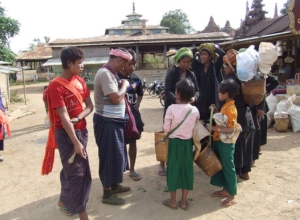
Aid in Yemen: Three Charities Providing Support

aid in yemenAs the civil war in Yemen remains ongoing, so does the world’s largest humanitarian crisis. Since 2014, violence offset by the civil war has led to the deaths of 377,000 people in Yemen, including 10,000 children, as of 2022. The impact of the violence reflects through the depletion of resources and economic collapse, leaving 23.4 million people in need of humanitarian assistance and 17.4 million without stable access to food. The rate of malnutrition in children is also incredibly concerning, with estimates suggesting that every 10 minutes a child will lose their life through malnutrition.

Aid in Yemen

UNICEF report from August 2024 suggests that acute malnutrition in Yemen is “rapidly increasing.” It states that the rate of acute malnutrition in Yemen threatens to surge during the lean-season months between July and October, where agricultural activity is minimal. Continuing the provision of aid in Yemen is therefore more important than ever. Numerous charities are doing crucial work to ensure the delivery of aid in Yemen. Islamic Relief Worldwide, Doctors without Borders and Yemen Relief U.K. are all notable examples of charities whose ongoing work is incredibly important, particularly during these critical upcoming months.

Islamic Relief Worldwide

Founded in 1984, Islamic Relief Worldwide is one of the world’s largest relief and development charities and provided £193 million worth of aid in 2022 alone.

Islamic Relief has been active in Yemen since 1998, having strengthened its programming significantly since the outbreak of the civil war. The organization has helped 800,000 people gain access to safe drinking water, providing support for children and establishing 167 new health facilities in the country. Islamic Relief provided food aid in Yemen to at least 2 million people each month until the World Food Programme (WFP) paused its food distribution into the northern regions of Yemen last December.

Doctors Without Borders

Medecins Sans Frontieres (MSF), also known as Doctors Without Borders first started in 1971 in France. MSF provides medical care in situations of unprecedented humanitarian disaster, including during disease outbreaks, natural disasters and conflict. It takes care to be impartial in providing medical care and prioritizing assistance to those most in need. It is currently active in more than 70 countries across the world

In 2023, MSF provided significant medical aid in Yemen, supporting 17 hospitals and 18 health facilities across the country. This includes the support of feeding centres in response to the rising rates of acute malnutrition. For instance, they expanded the therapeutic feeding centre in Abs General Hospital in Hajjah from 45 beds to 88. https://www.doctorswithoutborders.org/what-we-do/where-we-work/yemen

A recent MSF publication describes how a health care facility in the neglected mountain town of Mafraq Al Mokha now provides care free of charge, thanks to the support of MSF since 2022.

Yemen Relief UK

Yemen Relief U.K. is a U.K.-based charity solely that focuses on providing humanitarian assistance, alleviating poverty and easing suffering in Yemen. It undertakes several programs and projects to provide support.

It provides a charity bakery through the support of donors, supplying bread to thousands of families daily to tackle food insecurity. Yemen Relief also provides food packs and clean water wells through the support of donors. In Yemen, 1.1 million children have lost a parent in the ongoing conflict, leaving many dependent on humanitarian aid to survive. Willing donors can also sponsor an orphan through Yemen Relief U.K.

Willing donors can also sponsor an orphan through Yemen Relief UK. 1.1 million children have lost a parent in the ongoing conflict, leaving many dependent on humanitarian aid to survive. https://www.yemenrelief.org.uk/yemen-orphan-sponsorship/

The Future of Aid in Yemen

As UNICEF highlights, the continued support of Yemen is crucial in the next couple of months when acute malnutrition threatens to rise.

The rising rate of malnutrition can be mitigated if charities such as Islamic Relief, MSF and Yemen Relief U.K. continue to be supported in providing medical care and aid in Yemen. These charities, among many others, have already had a positive impact on the livelihoods of thousands of families in Yemen. The world’s largest humanitarian crisis has been devastating, yet there is hope for Yemen’s future thanks to the continued charitable work and support being done in the country.

– Joshua Marriott

Joshua is based in Cardiff, Wales and focuses on Technology and Politics for The Borgen Project.

Photo: Flickr

August 31, 2024
https://borgenproject.org/wp-content/uploads/borgen-project-logo.svg 0 0 Naida Jahic https://borgenproject.org/wp-content/uploads/borgen-project-logo.svg Naida Jahic2024-08-31 01:30:182024-08-30 06:35:26Aid in Yemen: Three Charities Providing Support
Aid, Global Poverty, Health

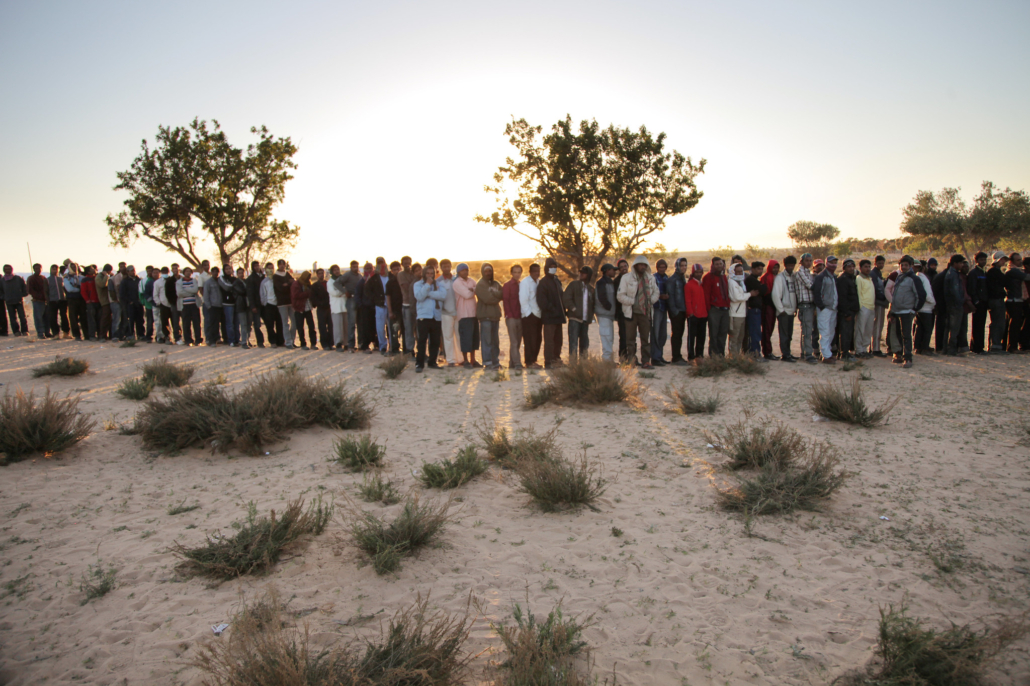
Health Care in Palestine

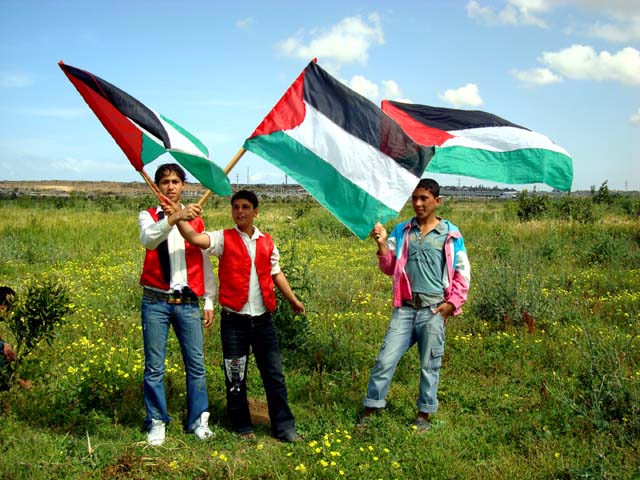
Health Care in PalestineRecent violence in Palestine has had serious consequences for civilians living in the Gaza Strip. As of June 29, 2024, “at least 37,834 Palestinians had been killed and 86,858 wounded in Israel’s war on Gaza since October 7,” according to Aljazeera. With the rise of violence in the Gaza Strip, an area that measures just 141 square miles, the necessity of health care in Palestine has also risen in importance.

Health Care Difficulties

Even before the most recent conflict, the health care system in Palestine could not always provide satisfactory health services to all of its residents. Limitations have been imposed on items coming into Palestine, most notably the Gaza Strip, making it difficult for the health care sector in the region to get access to the supplies it needs to treat everyone properly.

Deficits of water, electricity and staff have also further created problems for the health care industry in Palestine. On top of this, many Palestinians live in refugee camps, which not only produces more health risks, but these camps do not often receive the health care that they need.

Israel’s Impact

However, activity coming from Israel has amplified these health care limitations as the Israeli military has destroyed hospitals and has been attacking patients and workers in the Gaza Strip. Beyond just health care, the Israeli military has prevented Palestinians from receiving “water, food, electricity and fuel,” as evidenced by the Institute for Palestinian Studies and this certainly creates its own set of problems. In the West Bank as well, roads that ambulances utilize have been blocked by Israeli forces.

As far as aid goes, only certain entrances to the country have been made accessible by Israel to allow relief to come into the country. Israeli forces have been accused of killing many individuals hoping to provide aid to the Gazan people.

Limitations of Aid

On top of these issues, robberies on deliveries of aid are further extrapolating the difficulties of getting assistance to the Palestinian people. Some argue that Israel needs to institute stronger levels of security to ensure that aid can actually make it into the country and be utilized to help the Palestinians. Aid in other forms, such as food, has also been limited in entering the country which has certainly created repercussions for the welfare of Palestinians. Malnutrition has become a widespread problem across the region.

Doctors Without Borders has identified how slow the process of moving aid into the country has been, which has created the problem of less than sufficient medical care resources being available. In fact, the organization has reported that “it has been unable to bring any medical supplies into Gaza since the end of April.”

Providing Aid

However, Doctors Without Borders has still been able to help thousands of people in the state of Palestine in the past couple of months. Thousands of wounds have been bandaged, tens of thousands of health appointments have been administered to Palestinians and surgeries have been able to take place as a result of Doctors Without Borders’ efforts.

 Another organization, Medical Aid for Palestinians (MAP), has also completed enormous amounts of work in the region. This group has provisioned Gaza with millions of dollars worth of medical necessities, such as antibiotics, bandages and medicines, while simultaneously working to limit the impacts of malnutrition. MAP has worked in both Gaza and the West Bank.

– Brendan Sheehan

Brendan is based in San Rafael, CA, USA and focuses on Global Health for The Borgen Project.

Photo: Flickr
July 21, 2024
https://borgenproject.org/wp-content/uploads/borgen-project-logo.svg 0 0 Lynsey 2 https://borgenproject.org/wp-content/uploads/borgen-project-logo.svg Lynsey 22024-07-21 03:00:072024-07-21 01:27:49Health Care in Palestine
Child Poverty, Education, Global Poverty

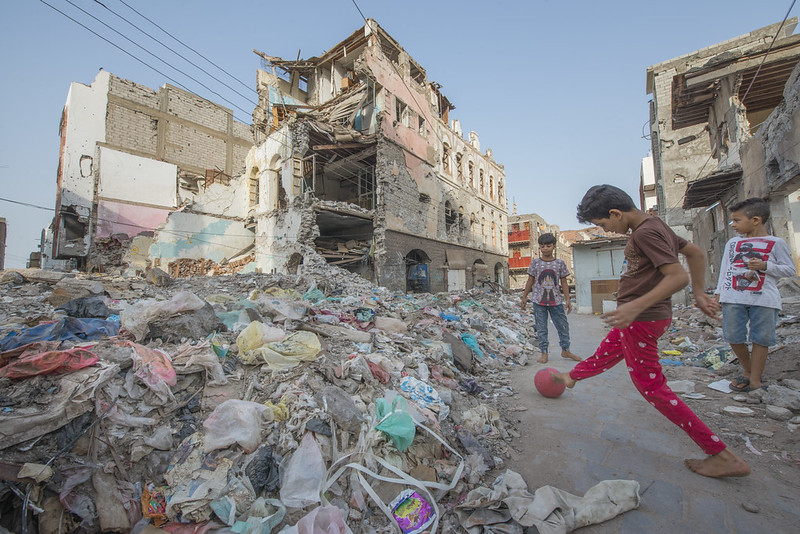
Addressing Child Poverty In Kiribati 

Child Poverty in Kiribati
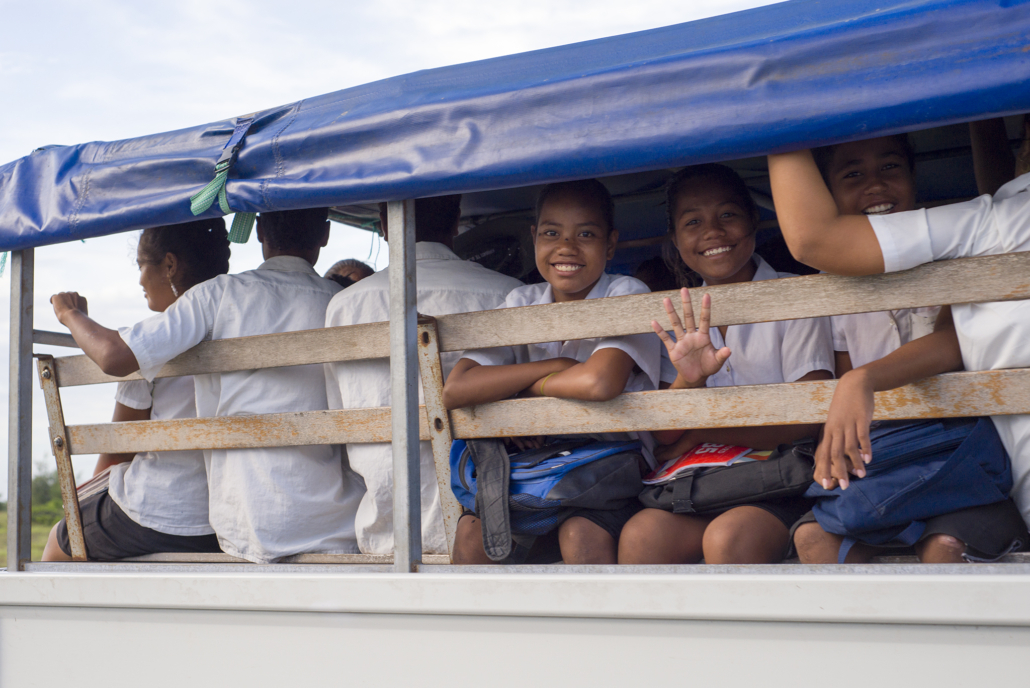
As a country that is geographically isolated, fragmented, environmentally vulnerable and economically challenged, Kiribati struggles with degraded soil, and challenges with education access, along with overpopulation. This trickles down to the children–the heart and bulk of its society. About 21.9% of the country lives below the poverty line, living off of subsistence farming, sea-faring industries or opportunities in the urban center of South Tarawa. Child poverty in Kiribati results in a lifestyle for those who must fend for themselves.

The Current State

Kiribati is a youthful country. About 36% of the population is under the age of 15. The under-5 mortality rate sits at 48 per 1,000 live births and has one of the highest neonatal rates of mortality in the Pacific—39 per 1,000 live births. In comparison, Australia sits at three per 1,000 live births.

About 22% of people live in poverty. However, this varies based on the region, education and labor market characteristics of certain households. Kiribati’s remote, decentralized structure, makes it hard to obtain an accurate sense of the situation amongst these islands. However, there seem to be two groups of poor existing in Kiribati: those in South Tarawa, the capital, and those who live in the southern and northern divisions of the country.

Those who live in South Tarawa—a rapidly growing urban center—have access to more services, human capital and opportunities for employment and education, according to the SPC Statistics for Development Division. Those in other regions may not have access to basic needs or the possibility of economic mobility.

Geography

Kiribati is vulnerable to sudden weather changes. None of the islands rises above eight meters, the highest being Banaba (285 feet). Lower levels leave the land at risk of floods, as well as droughts, according to Britannica. In 2022, an extended drought created a scarcity of quality drinking water, putting people at risk for waterborne disease.

The bulk of Kiribati’s economy comes from the capital of South Tarawa, where tourism, agriculture and fishing provide jobs.

Overpopulation and Waste Management

Though the increasing population makes for a larger workforce, the lack of economic diversity, its remote location and reliance on imports create a situation where much of the population still lives in poverty.

South Tarawa is devastatingly overcrowded, holding upwards of 69,000 people with a density that resembles Tokyo or Hong Kong. People who live a subsistence lifestyle on the outer islands aim to move to the urban sectors. This migration to the main islands puts pressure on the structural systems of the city, leaving multitudes of citizens struggling and unemployed.

Waste and sewage management is an issue that puts freshwater sources at risk. The city holds just over half the total population of Kiribati, contributing to the water crisis. The Country holds the highest infant mortality rates in the Pacific, the deaths inevitably linked to diarrhoea, dysentery and gastroenteritis.

Education

Primary education is free for children ages six through 15. Eight out of 10 children complete lower-level secondary education, but the rate dips to two out of 10 for upper-level secondary education. Though many teachers have certification up to year 11 of secondary primary school, there have been reports of inaccurate qualifications and certifications.

Those who can send their children to secondary school do so in Tarawa, swelling the overpopulation issue. Children attending school in urban centers are isolated from their parents. This leaves them more vulnerable to different forms of neglect and abuse. In the home, corporal punishment is an accepted form of discipline, a practice that is embedded in social and cultural norms.

By law, children under the age of 14 cannot work in Kiribati and those under 16 are not allowed to work industry jobs or on sea-faring ships. As a result, many children work unofficially after mandatory school hours, producing funds by selling small items such as brooms, combs, etc.

The lack of status, education and money exacerbates child poverty in Kiribati. Many are at risk of sexual exploitation and violence. These issues have been linked to fishing vessels coming to sell food and other items. According to the U.S. Department of State, Kiribati is a “source country” for sex trafficking.

Food Poverty and Malnutrition

The malnutrition crisis is the leading cause of death for children under 5. Poor soil quality makes agriculture challenging. As a result, people rely on imported, processed foods that fail to provide adequate nutrition needs. The intake of more unhealthy food intensifies the problem, increasing levels of anaemia, malnutrition and overweight/obesity issues.

Food poverty affects many developing countries living under adverse conditions. As of 2022, one in three children (200 million globally) consume food from less than two food categories a day, as opposed to the recommended eight. Half of East Asian and Pacific children eat under four food groups, according to Global Citizen.

As for Kiribati, the situation is dire. A recent study from UNICEF found that “upwards of 90% of children live in food poverty,” Global Citizen reports. The situation could only get worse with the stagnation of the efforts to improve food security in the East Pacific.

Improving Child Poverty in Kiribati

Doctors Without Borders (MSF) began providing maternal and neonatal health care in Kiribati in 2022, focusing on Tarawa and the Gilbert Islands. It aims to reduce pregnancy-related illnesses and mortality by training local health care workers and offering clinical support. In 2022, MSF assisted 520 births and conducted 87 parental consultations.

The Child Fund helps impoverished children and their communities build self-reliance. In the Pacific, it focuses on Kiribati, Papua New Guinea and the Solomon Islands. The organization addressed the water crisis in Kiribati by installing solar water distillation units in schools and communities and educating about sanitation and hygiene, according to its website.

– Jonathan McCloud

Jonathan is based in Royse City, TX, USA and focuses on Good News and Global Health for The Borgen Project.

Photo: Flickr
July 20, 2024
https://borgenproject.org/wp-content/uploads/borgen-project-logo.svg 0 0 Jennifer Philipp https://borgenproject.org/wp-content/uploads/borgen-project-logo.svg Jennifer Philipp2024-07-20 07:30:152024-07-20 04:28:27Addressing Child Poverty In Kiribati 
Development, Global Poverty, Nonprofit Organizations and NGOs

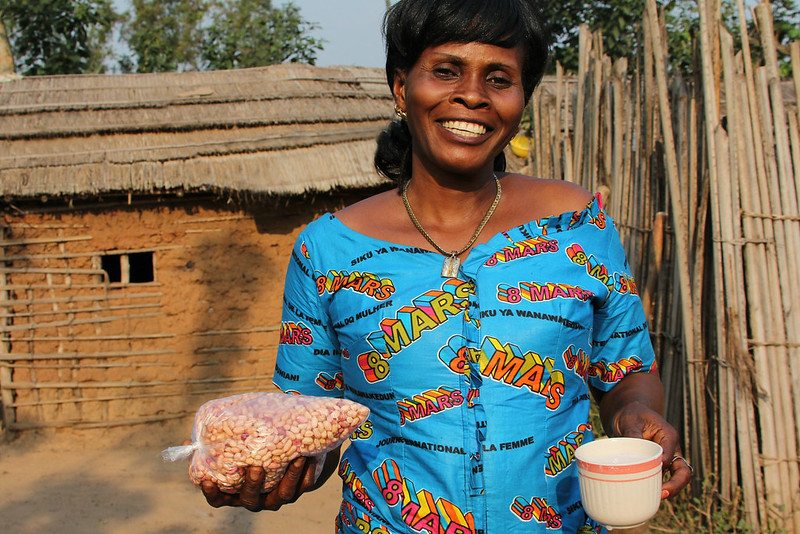
5 Shark Tank Alumni Fighting Poverty

5 Shark Tank Alumni Fighting PovertyShark Tank and its international versions have become a global phenomenon. Hundreds of hopeful entrepreneurs pitch their ideas to a panel of savvy investors. Among these entrepreneurs, some have dedicated their businesses to combating global poverty. Here are a few notable businesses where the worlds of Shark Tank alumni and poverty alleviation have powerfully converged:
5 Shark Tank Alumni Fighting Poverty

  1. Yellow Leaf. Yellow Leaf impressed the Sharks with its mission to strengthen Thailand’s economy. Joe Demin discovered the hammocks during a vacation in Thailand and decided to introduce them to the United States (U.S.) market. The company hires local artisans from the Mlabri tribe, also known as the “people of the yellow leaves,” to craft each hammock. The popularity of these hammocks has even led to its feature on Virgin cruise ships. An estimated 90% of the wages paid contribute to the health, nutrition and education of a Mlabri family.
  2. X-Torch. The X-Torch is a powerful flashlight and solar-powered phone charger. Although it did not secure a deal on the show, the product has succeeded in both profit and philanthropy. Communities without power or those affected by natural disasters often receive X-Torches. Several nonprofits, including Compassion International and Bethany Christian Services, distribute X-Torch products. Compassion International provides them to children in Haiti and Bethany Christian Services gives them to Venezuelan refugees. Together, Bethany Christian Services and X-Torch have supplied more than 1,000 flashlights to refugees on the Colombian border. 
  3. LuminAID. This inflatable solar lantern, designed to be safer than kerosene or candles, sells as a consumer product but originally targeted countries without stable access to electricity. After securing a deal with Mark Cuban, LuminAID expanded its product line to include a variety of solar lanterns, a speaker and other survival products. LuminAID also partnered with the nonprofit Shelterbox to distribute kits containing essential supplies, including LuminAID lanterns, in disaster zones. For instance, in 2016, LuminAID distributed 2,000 lights to earthquake victims in Nepal. Additionally, the company has partnerships with Doctors Without Borders and organizations under the United Nations (U.N.).
  4. Grace and Lace. The company donates a portion of its proceeds to build orphanages in India. After securing a deal with Barbara Corcoran, the venture expanded rapidly. To date, Grace and Lace have constructed 12 orphanages and a school in India, as well as a shelter in Nepal for women and children who are victims of trafficking. Initially selling only socks, the company has grown into a full women’s apparel brand, offering dresses, blouses, bags and more.
  5. TaDAH Foods. TaDAH Foods surprised the Sharks by announcing that it donates 25% of its profits to multiple charities dedicated to social change, notably the Meant 2 Live Foundation, which aims to lift children out of extreme poverty. It specializes in healthy falafel street wraps in various flavors. With more than $10 million in lifetime sales, the brand has thrived with the help of Shark Tank’s guest shark Daniel Lubetsky. Through its donations to Meant 2 Live, it sponsors more than 200 Zambian children.

Looking Ahead

Shark Tank and its international counterparts have showcased entrepreneurs dedicated to fighting global poverty through innovative solutions. Businesses such as Yellow Leaf, X-Torch, LuminAID, Grace and Lace and TaDAH Foods demonstrate how entrepreneurial ventures can potentially make significant social impacts by supporting vulnerable communities and addressing critical needs. These companies have provided sustainable livelihoods, essential resources and humanitarian aid, highlighting the transformative potential of socially conscious business practices. As more entrepreneurs follow suit, the intersection of business and social good promises to foster greater economic and social change worldwide.

– Meredith Wyrick

Meredith is based in Magnolia, TX, USA and focuses on Good News and Global Health for The Borgen Project.

Photo: Flickr

June 25, 2024
https://borgenproject.org/wp-content/uploads/borgen-project-logo.svg 0 0 Precious Sheidu https://borgenproject.org/wp-content/uploads/borgen-project-logo.svg Precious Sheidu2024-06-25 07:30:432024-06-24 14:03:425 Shark Tank Alumni Fighting Poverty
Global Poverty, Health, NGOs, Women's Empowerment

Doctors Without Borders’ Impact on Women’s Health in the DRC

Women’s Health in the DRCIn the vast and diverse landscapes of the Democratic Republic of Congo (DRC), women’s health has long been a pressing concern. The DRC presents a formidable challenge with a history of conflict, limited health care access and staggering maternal mortality rates. This narrative explores the profound impact of Doctors Without Borders on women’s health in the DRC, a story encompassing life-saving interventions and women’s empowerment woven intricately into the fabric of this remarkable journey.

Maternal Health and Sexual Violence

The Democratic Republic of Congo (DRC) grapples with a profound and interconnected women’s health crisis, characterized by two critical dimensions: maternal health challenges and the scourge of rampant sexual violence. This crisis paints a harrowing picture, with the DRC consistently ranking among the countries with the highest maternal mortality rates globally. The startling figure of 547 maternal deaths per 100,000 births, as classified by the World Health Organization, underscores the severity of this issue, marking it as “very high” on the global scale.

Factors contributing to this dire situation include a shortage of skilled health care providers, limited access to quality maternal care in remote regions and the enduring consequences of armed conflict that have ravaged the nation’s health care infrastructure. These barriers encompass health care infrastructure, socio-economic hurdles and weak health governance, making it a multifaceted challenge.

Unfortunately, many women continue to depend on traditional birth attendants, resulting in critical delays when complications arise. These delays often lead to devastating outcomes such as stillbirths and obstetric fistulas, inflicting severe health consequences on mothers and infants. Moreover, the lack of timely access to cesarean sections remains a significant challenge, further underscoring the urgency of improving maternal health care services in the region. 

In tandem with maternal health issues, sexual violence has cast a long shadow over the DRC, leaving countless women physically and psychologically scarred. Shockingly, one in two women in the DRC reports having experienced physical or sexual abuse at least once. 

Rape, disturbingly, has been weaponized as a tool of war, with dire consequences resonating throughout communities, perpetuating cycles of trauma and stigma. Indeed, multiple warring factions, including the Congolese Army and various rebel groups, have employed rape as a deliberate warfare strategy, amplifying the urgency of this complex and interconnected women’s health crisis. 

Doctors Without Borders’ Approach to Women’s Health

In the face of the escalating conflict in 2022, Doctors Without Borders (Médecins Sans Frontières or MSF) exhibited unwavering commitment to women’s health in the DRC. Operating in challenging environments, MSF embarked on a multifaceted approach to address women’s pressing health care needs. 

In the conflict-affected regions of Rutshuru, Binza, Kibirizi and Bambo, MSF provided crucial support to local health facilities. Their interventions spanned a wide spectrum of medical activities, including providing intensive care, surgical procedures, therapeutic nutrition and specialized treatment for survivors of sexual violence. The organization’s presence and dedication were instrumental in ensuring that women in these regions had access to life-saving medical care despite the challenging circumstances. 

Moreover, MSF’s commitment extends beyond immediate medical needs. They focused on the comprehensive well-being of women, including their sexual and reproductive health. This focus encompassed vital services such as HIV and tuberculosis treatment, sexual and reproductive health care, safe abortion care and mental health services. By providing a holistic range of services, MSF aims to address existing health issues and empower women to make informed decisions about their bodies and well-being.

In Salamabila, MSF introduced innovative programs such as “husband schools” and awareness sessions on sexual violence. These initiatives aimed to tackle the root causes of gender-based violence and promote gender equality. By engaging with both women and men in the community, MSF sought to challenge traditional norms and behaviors contributing to sexual violence and discrimination.

The Organization’s Impact

Doctors Without Borders has made an indelible impact on women’s health in the Democratic Republic of Congo (DRC), exemplifying their commitment to saving lives and empowering women. In their tireless efforts, MSF treated a staggering 10,000 patients for sexual violence, a testament to their unwavering dedication to addressing this critical issue. 

Since the resurgence of conflict in 2022, MSF’s teams have remained steadfast in their mission. Between April 17 and 30, 2023, they provided critical care to 314 victims of sexual violence in Bulengo, Lushagala, Kanyaruchinya, Eloime and Munigi camps — areas that have faced a shortage of humanitarian assistance. This timely intervention offered much-needed medical and psychological support to survivors and underscored MSF’s commitment to reaching the most vulnerable, even in the most challenging environments. 

With a dedicated team of over 2,670 full-time staff, Doctors Without Borders’s impact on women’s health in the DRC has been monumental. Their holistic approach, spanning medical care, trauma support, community engagement and awareness initiatives, has saved lives and nurtured empowerment and resilience among women. MSF’s unwavering dedication and adaptability in the face of evolving health care challenges continue to be indispensable in pursuing a brighter and healthier future for Congolese women. Their work is a source of inspiration, illuminating the path toward improved women’s health and gender equality in the DRC. 

Moving Forward

However, comprehensively addressing the crisis goes beyond infrastructure development. Political change and reform are vital components of a sustainable solution. In certain African nations, like Mauritania and Kenya, governments have taken bold steps by prohibiting home births to reduce serious complications due to home deliveries in remote areas, a doctor working for the organization explained in the interview. Such policies aim to ensure safer deliveries and reduce maternal mortality, highlighting the potential impact of political initiatives in addressing the challenges faced by women in health care access.

Doctors Without Border’s work exemplifies the path to a brighter and healthier future for Congolese women. This collective effort, driven by compassion, dedication and a commitment to justice, is essential for progress in the challenging health care landscape of the DRC.

– Hannah Klifa
Photo: Flickr

May 15, 2024
https://borgenproject.org/wp-content/uploads/borgen-project-logo.svg 0 0 Kim Thelwell https://borgenproject.org/wp-content/uploads/borgen-project-logo.svg Kim Thelwell2024-05-15 22:17:152024-05-15 22:17:15Doctors Without Borders’ Impact on Women’s Health in the DRC
Africa, Charity, Global Poverty

5 Charities in Sudan

Charities in SudanThe United Nations (U.N.) now refers to the situation in Sudan as the “world’s largest human displacement crisis.” This is due to an ongoing civil war that Sudan’s armed forces and the paramilitary rapid support forces are fighting. Nearly eight million people have experienced displacement, with six million within Sudan and 1.5 million fleeing to neighboring countries. Nonetheless, here are five charities working to ease the plight of people in Sudan.

Save the Children

Save the Children, which has been operating in Sudan since 1983 and was founded by sisters Eglantyne Jebb and Dorothy Buxton, is dedicated to supporting communities in need. With a focus on delivering essential medical supplies and emergency trauma kits, Save the Children operates mobile health clinics within displaced camps. Additionally, it addresses malnutrition by distributing nutrition supplements to children in need. Recognizing the profound impact of psychological trauma on children, the organization also provides recreational activities and games to aid in their recovery. The nonprofit helped more than two million people, including 1.5 million children, in 2022. 

Islamic Relief

Islamic Relief, operating in Sudan since 1984 and founded by Dr. Hany El-Banna and some students from the University of Birmingham, is adamant about reducing the practice of Female genital mutilation (FGM) in Sudan. Despite facing formidable challenges due to ongoing conflict in the region, Islamic Relief remains committed to this cause.

Sudan’s struggle with FGM is pronounced, with the United Nations Children’s Fund (UNICEF) reporting an alarming statistic: 86.6% of women in the region have been subjected to this harmful practice. It’s frequently the harshest form of FGM that women are put through and young girls aged 5-9 years old often fall prey to this practice. 

The procedure is a breach of fundamental human rights. Therefore, it should be advocated against on a much larger scale than it is now, which is why the work of Islamic Relief is essential. Islamic Relief supports 26 health centers nationwide, providing health care and medicine access to 55,261 people. The nonprofit also offered food aid to 116,975 people. Further, it also provided shelter assistance to 2,395 people.  

Doctors Without Borders (MSF)

Doctors Without Borders, which has been present in Sudan since 1971 and founded by Max Recaimer and Bernard Kouchner, both volunteer doctors working with the International Committee of the Red Cross funding, operate in 11 of the 18 Sudanese states. “An estimated 11 million people in Sudan need urgent health assistance,” according to the World Health Organization. 

Since the conflict started in April 2023, the organization has donated medical equipment, fuel, oxygen, water tanks and other vital tools to hospitals and other health facilities in different parts of Sudan. MSF has successfully provided 586,800 outpatient appointments, delivered 350 tonnes of medical supplies and assisted in 1,950 births.

Muslim Aid

Muslim Aid, founded in 1985 by 17 Islamic organizations and operating in Sudan since 1991, works to improve the country’s overall state. In 2022, the organization prioritized several key areas to uplift communities across Sudan. Among these initiatives was a concerted effort to enhance access to education by supporting 2000 children. Additionally, the nonprofit supported economic empowerment, aiding in the restoration of independent businesses and offered regular child sponsorship starting from £30 ($38.17) per month. The country office for the charity is considered one of the “main partners of UNHCR in addressing asylum seekers from Eastern Sudan.” More than 100,000 people have been beneficially impacted by “key projects” set up by Muslim Aid.

International Committee of the Red Cross (ICRC)

Founded in 1859 by Henry Dunant, ICRC, a nonprofit organization, has been active in Sudan since 1978. In 2023, the ICRC provided essential household items to 20,700 individuals and facilitated 66,500 phone calls between separated family members. Furthermore, it assists farmers by providing seeds and tools and vaccinating pastoralist livestock against diseases. The organization also plays a pivotal role in facilitating the release of detainees. It offers them necessities like clothing and resources to aid in returning to their respective areas of origin.

Many more charities are operating in Sudan due to the intensity of the current conflict. These charities have been on the ground in Sudan for decades and continue to make a positive impact. 

– Uswah Khan
Photo: Pexels

April 1, 2024
https://borgenproject.org/wp-content/uploads/borgen-project-logo.svg 0 0 Jennifer Philipp https://borgenproject.org/wp-content/uploads/borgen-project-logo.svg Jennifer Philipp2024-04-01 01:30:222024-03-30 11:43:145 Charities in Sudan
Global Poverty

Disability and Poverty in Armenia 

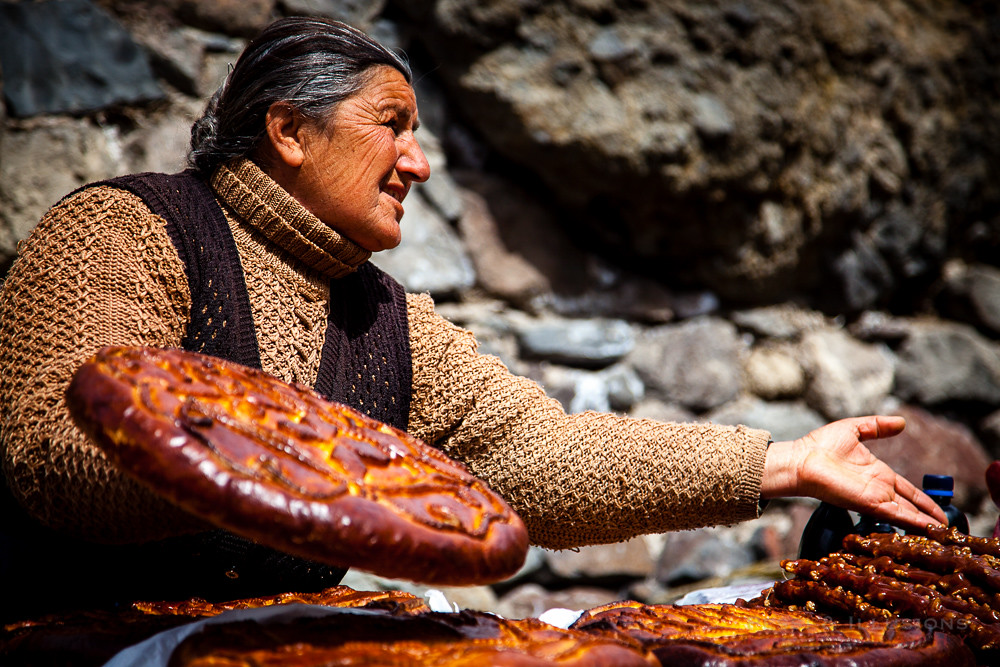
Disability and Poverty in ArmeniaArmenia, a small country in the Caucasus region of Asia, is one of the oldest countries in the world. However, despite its rich history, disabled individuals continue to fight for disability rights in this historic country. Here is how some are combating the correlation between disability and poverty in Armenia.

Current Reality for People With Disabilities in Armenia

Estimates from the United Nations Economic and Social Commission for Asia and the Pacific (ESCAP) and the World Health Organization (WHO) place the number of Armenians living with disabilities between 6.2% and 15%. 

The following are some statistics on the living conditions of people with disabilities in Armenia:

  1. Roughly 92% of Armenians with disabilities are unemployed, which is in stark contrast to the non-disabled population in Armenia. The overall unemployment rate in Armenia is only 18%.
  2. About 69% of Armenians with disabilities report facing discrimination. The majority then try to solve the problems they face on their own instead of turning to anybody for help.
  3. Approximately 60% of Armenians with disabilities report that the status of public transportation is inaccessible.
  4. A meager 19% of Armenian teenagers with disabilities are in school. This educational disparity also starts very young, with only one-third of Armenian children with disabilities being enrolled in preschool.
  5. Of the thousands of children with disabilities in Armenia, 64.8% live in poverty. Within that high number, 8.4% are “extremely poor.”

An Increased Need

Between late September and early October 2023, there was a mass exodus of ethnic Armenians from the Nagorno-Karabakh region of Azerbaijan. In particular, these ethnic Armenians fled to Armenia. This has only exacerbated the need to better address the interconnectedness of disability and poverty in Armenia. Of the more than 100,000 refugees, many are “vulnerable people including pregnant women, people with disabilities and others with chronic health conditions,” according to the United Nations High Commissioner for Refugees. Additionally, Doctors Without Borders has reported that many of these new refugees experience symptoms of mental health issues. The World Health Organization includes mental health disorders, such as depression, in their definition of a disability.

Armenian Government Action

The current Constitution of Armenia, adopted in 1995, codifies the rights of Armenian citizens with disabilities to receive social security benefits from the government. For just under two decades since the passage of the current constitution, there was little to no new legislation protecting the rights of individuals with disabilities in Armenia, despite the government’s 2010 ratification of the United Nations Convention of the Rights of Persons with Disabilities. This past decade, however, has shown additional progress in improving the lives of disabled Armenians.

In 2014, the Armenian government began to specifically tackle the issue of access to education for people with disabilities. The government passed the Law on Mainstream Education, which stated that every school in Armenia accept children with disabilities by 2025. Incorporating children with disabilities into the same school system as non-disabled children is called mainstreaming, and that is exactly where the law got its name.

Then, in 2021, the Armenian government passed the Law on the Rights of Persons with Disabilities. This law officially banned discrimination on the basis of disability, ensured the right for people with disabilities to access reasonable accommodations and allowed nongovernmental organizations (NGOs) to file lawsuits on behalf of a person with a disability who has faced discrimination, but does not have the ability to represent themselves in court. The law also created more passageways for people with disabilities to live independently instead of inside institutions, and allowed disabled Armenians the right to justice and accessibility.

Finally, in 2022, Armenia signed the Marrakesh VIP Treaty. This allowed libraries to create versions of books that accommodate those with “print disabilities,” including those who are blind.

NGO Action 

With all the progress the Armenian government has made toward tackling the issue of disability and poverty in Armenia being interconnected, it is important not to forget the important work of NGOs. After all, it was Armenian NGOs focused on disability rights who fought for years for legislation such as the Law on the Rights of Persons with Disabilities.

For everything the Armenian government has addressed, there have been NGOs on the ground working to address the same issues. Bridge of Hope, an NGO based out of Yerevan, Armenia, has provided accessible education to disabled Armenian children since 1996. Since the Law on Mainstream Education passed, Bridge of Hope has trained staff at 20 special education centers. 

The Agate Rights Defense Center for Women With Disabilities, based out of Gyumri, Armenia, and Equal Rights, Equal Opportunities (EREO), based out of Vanadzor, Armenia, provide independent living for Armenians with disabilities. Its work combined has allowed many disabled Armenians to find meaningful employment. Countless disabled Armenians have benefitted from peer support and self-advocacy tools to better their own lives.

Looking Ahead

For those with disabilities in Armenia, there is hope. NGOs are working to combat stigmas and the lack of support numerous citizens face. The outcome of their work is destined to improve the lives of those facing disability and poverty in Armenia.

– Natalie Coyne
Photo: Flickr

December 8, 2023
https://borgenproject.org/wp-content/uploads/borgen-project-logo.svg 0 0 Jennifer Philipp https://borgenproject.org/wp-content/uploads/borgen-project-logo.svg Jennifer Philipp2023-12-08 01:30:222023-12-04 09:15:32Disability and Poverty in Armenia 
Global Poverty

Aid Groups Rally to Assist Afghanistan Amid Herat Earthquakes

Herat Earthquakes
On Saturday morning, October 7, 2023, 
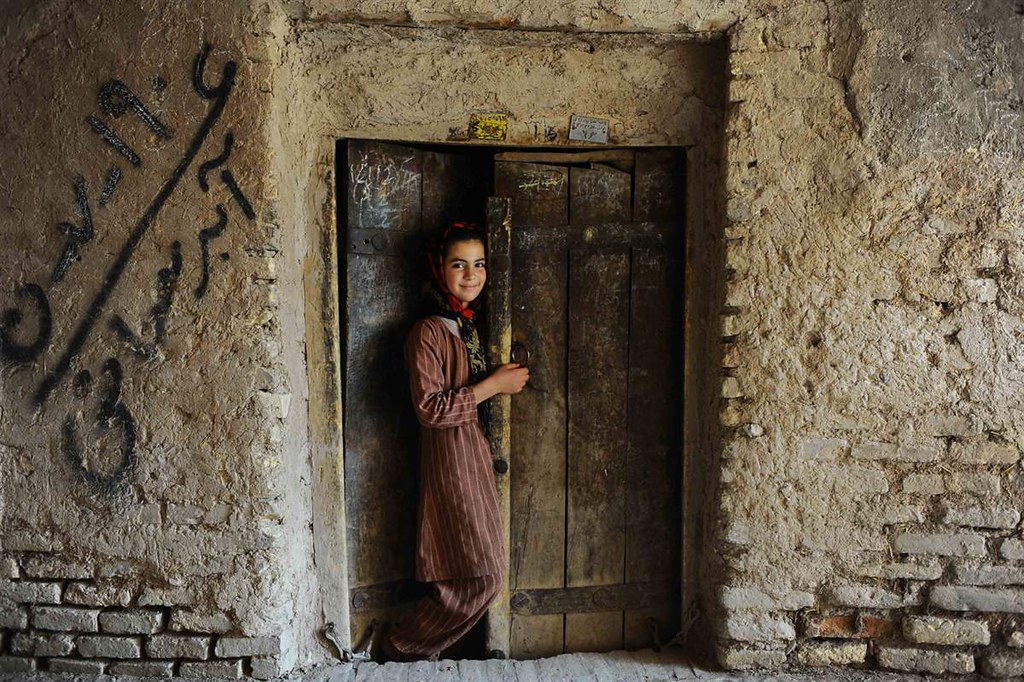
a 6.3 magnitude earthquake struck western Afghanistan, followed by several aftershocks. On October 11, another 6.3 magnitude earthquake hit the same region, leading to widespread destruction of villages, with hundreds of mud-brick homes — typical structures for those living in poverty — demolished beyond repair. Then, on Sunday, October 15, a third earthquake registering the same magnitude on the Richter scale hit the already devastated Herat region. International aid groups are rallying to help those who have survived the Herat earthquakes, which have killed nearly 3,000 and left countless more injured in a nation already in an economic crisis. Many residents sleep outside tonight — mostly in public parks and streets, fearing that any homes still standing could collapse in another round of tremors and aftershocks. 

Poverty-Stricken Afghanistan 

Afghanistan has suffered many economic, humanitarian and environmental blows over the past two years. Since the Taliban takeover in 2021, locals have seen a sharp rise in their cost of living. Changing weather patterns have significantly impacted the Afghani region, devastating local agriculture and leaving almost 90% of Afghani citizens in extreme poverty without enough food to eat. The United Nations estimates that over 60% of people in Afghanistan require humanitarian aid to combat the devastating poverty plaguing the Afghani people. 

Since the Herat earthquakes began their devastation in the western region of Afghanistan on October 7, 2023, they have directly affected 43,395 people (7,165 families) across the districts of Injil (23,053 people), Kushk / Rabat-e-sangai (8,541 people), Zindajan (7,523 people), Gulran (3,428 people), Herat (717 people) and Kohsan (133 people). The earthquakes have destroyed more than 3,330 homes — the majority in the Zindajan district — and severely or moderately damaged more than 3,000 homes. The earthquakes did not spare their vital community infrastructure, including schools and health clinics. 

Aid Groups Assist Afghanistan Amid Herat Earthquakes

The UN and humanitarian partners have deployed health and humanitarian field teams to assess and respond to needs in the most affected areas. The World Food Program (WFP), an international organization within the United Nations that provides food assistance worldwide, has provided 525.07 metric tons of food assistance to the affected areas. On October 13 and 14, the WFP delivered mixed food commodities to 1,715 households (more than 12,000 individuals). These distributions occurred in various locations, including towns and villages most affected, and among food distribution points (FPDs) within the Zindajan district. Additionally, 984 households, comprising roughly 6,900 individuals, received fortified biscuits and supplements in the Shakiban food distribution point in the Zindajan district and the Herat Babahaji school. On October 15, an additional 77.74 metric tons of food assistance was delivered to affected villages in the Herat Province. 

Humanitarian responders are still assessing damages in more remote areas and expect to find more locals needing assistance in the days to come as responders fully grasp the severity of this tragedy. 

Looking Ahead

While the WFP has focused on food delivery and security in the region, Doctors Without Borders (Médecins Sans Frontières/MSF) treats hundreds of wounded at the Herat Regional Hospital. Today, more than 540 patients have been treated at the Herat Regional Hospital with MFS support. The MSF teams have also set up tents for residents who do not have homes to go to, providing temporary shelter for families in need. 

While humanitarian responders are scrambling to provide as much assistance as possible to families in need, facilities are full and supplies are limited, leaving many residents in dire need of help. “These past few days have been incredibly distressing. We’ve spent the last two nights in the desert, and more aftershocks keep occurring,” said Shakib, a Herat resident. “My two-year-old son is unwell, and there’s nowhere to take him for medical care.” 

– Ann-Jinette Hess
Photo: Flickr

November 4, 2023
https://borgenproject.org/wp-content/uploads/borgen-project-logo.svg 0 0 Yuki https://borgenproject.org/wp-content/uploads/borgen-project-logo.svg Yuki2023-11-04 07:30:172023-11-06 06:56:58Aid Groups Rally to Assist Afghanistan Amid Herat Earthquakes
Disease, Global Poverty

Noma: The Disease That Should Not Exist

The Disease That Should Not ExistDoctors Without Borders estimates that noma affects 140,000 children each year. Without treatment, 90% of victims die within the first two weeks. The disease is rapid and painful, and it leaves those who survive with traumatic and often life-impacting injuries. It is also easily preventable and treatable. Here is everything to know about noma, the disease that should not exist.

What is Noma?

Noma, also known as gangrenous stomatitis, is a rapidly progressive bacterial disease that affects the mouth, nose and lips. It is most commonly found in sub-Saharan Africa and mainly affects children, with most cases occurring under the age of 10. If detected at an early stage, noma is easily treatable through basic hygiene, antibiotics and nutrition.

The Symptoms

The word noma stems from the Greek word “nomē,” meaning “to devour,” and looking at the disease, it is easy to see why. The disease starts in the mouth, with gingivitis developing in the gums over one to two days. In three to four days, ulcers develop within the mouth, along with swelling in the gums and cheeks. These ulcers spread rapidly and before the end of the week, the disease begins to eat away at the soft tissue within the mouth and cheeks, leading to a hole developing in the face. The infection continues to spread over the following days and gangrene sets in in the affected areas, causing devastating damage to facial tissue and bones. Depending on where the infection began, the jaw, lips, cheeks, nose or eyes are quickly destroyed, leading to severe disfigurement and life-threatening impairments.

The Causes

The exact cause of noma is unknown, but certain factors can influence the development of it within patients.

  • Malnutrition: Malnutrition, particularly severe protein malnutrition, often occurs in the victims of noma.
  • Hygiene: Like most diseases, the chance of noma drastically increases for people who do not have access to clean living conditions and adequate sanitation.
  • Previous illness: The risk of developing noma also increases with the presence of prior diseases that cause immunodeficiency, such as HIV, tuberculosis, measles or scarlet fever. A compromised immune system is a common precursor to developing noma.
  • Living in a developing country: Many of the risks listed above are factors that impact people living in a developing country every day. Add to this the lack of medical infrastructure and treatment available, and the risk of noma developing becomes much more likely.

The Fight Against Noma, a Disease That Should Not Exist

Noma, a disease that should not exist, has left a devastating mark on many children and adults in developing countries, both mentally and physically. There are, however, those out there who are fighting to lessen the impact of the disease. Medecins Sans Frontieres (MSF), supports one of the world’s only dedicated noma hospitals. Based in Sokoto in Northern Nigeria, the hospital is a haven for victims and survivors of noma.

Founded in 2009, the hospital offers four main components of care. They offer intensive care, such as wound treatment, medication and oral hygiene. It also offers continuous care, such as surgical interventions and post-operative care for survivors. Finally, it offers integrated hospital and community-based services that provide support for patients and lessen the stigma that often comes with the facial disfigurements left by the disease. The hospital admitted nearly 500 patients between 2014 and 2019 and continues to help those in need today.

Through continuous efforts, hopefully, noma will disappear completely. Until then, MSF is making a significant difference.

– Jodie Donovan
Photo: Unsplash

November 3, 2023
https://borgenproject.org/wp-content/uploads/borgen-project-logo.svg 0 0 Yuki https://borgenproject.org/wp-content/uploads/borgen-project-logo.svg Yuki2023-11-03 01:30:502023-10-30 09:39:46Noma: The Disease That Should Not Exist
Global Poverty, Health

The Doctors Helping Those in Need Amid Health Care Collapse in Sudan

Health Care CollapseOn April 15, 2023, conflict erupted again between the Sudanese Armed Forces and Rapid Support Forces, resulting in more than 400 deaths and a further 3,700 injured. The health care system in Sudan is under immense strain and could collapse as it tries to cope with the casualties.

According to the World Health Organization (WHO), more than 11 million people require health care assistance in Sudan, and 80% of hospitals in conflict-affected areas are no longer functional due to the violence, destruction and interruption to access deliveries and essential resources. Since April, the WHO has found more than 50 attacks targeting health facilities, transport, health workers and patients.

To help with this health care collapse and to relieve the pressure on the health care system in Sudan, Doctors and humanitarian aid organizations have come forward to offer their critical skills and help with the crisis.

The Doctorbase App Helps Those in Need of Urgent Care

Ahmed Mujtaba runs the innovative health app y. It was created to provide health care advice to address existing issues such as poverty, with the poverty rate steadily rising from 32.2% in 2022 in Sudan. When war broke out, the app had an influx of people seeking desperate help as the violence escalated and more people were displaced. In response, dozens of doctors worldwide have signed up to advise those needing medical help, teach essential medical aid, offer potential diagnoses and direct people to the nearest functional medical facility. 

Doctors Without Borders Rapidly Respond to the Crisis

Doctors Without Borders, also known as Médecins Sans Frontières (MSF), has worked relentlessly across Sudan to help those in need by providing emergency trauma care to those wounded. It created mobile clinics as hospitals were destroyed and provided clean drinking water to those displaced all over the country. The logistics team delivered fuel and critical supplies to the remaining hospitals.

The organization deployed a specialist surgical team to Bashair Teaching Hospital, performing 587 essential procedures in July. It also treated thousands of children for malnutrition. Since April, around 50,000 children with acute malnutrition have had their treatment disrupted due to the conflict, aggravated by a sharp decline in international aid.

WHO’s Public Health Expert Stays Behind to Offer Critical Assistance

The World Health Organization’s Sudanese public health expert, Dr. Nader Makki, stayed behind voluntarily amid the crisis to offer his critically needed specialist support. Political insecurity, fuel shortages and a lack of internet access have exacerbated the strain on the health care system in Sudan. Still, Makki has been facing these challenges with more than 18 years of experience in humanitarian settings behind him.

After relocating his family to a safe place, he helped set up the World Health Organization Emergency Hub in Gezira. He coordinated emergency response, negotiated, led supply distribution and provided technical and strategic support.

While the future of the health care system in Sudan remains uncertain and many remain at risk, these doctors and organizations will continue to work tirelessly to provide desperately needed health care.

– Maia Winter 
Photo: Flickr

October 16, 2023
https://borgenproject.org/wp-content/uploads/borgen-project-logo.svg 0 0 Yuki https://borgenproject.org/wp-content/uploads/borgen-project-logo.svg Yuki2023-10-16 07:30:432023-10-11 20:34:04The Doctors Helping Those in Need Amid Health Care Collapse in Sudan
Page 2 of 12‹1234›»

Get Smarter

  • Global Poverty 101
  • Global Poverty… The Good News
  • Global Poverty & U.S. Jobs
  • Global Poverty and National Security
  • Innovative Solutions to Poverty
  • Global Poverty & Aid FAQ’s
Search Search

Take Action

  • Call Congress
  • Email Congress
  • Donate
  • 30 Ways to Help
  • Volunteer Ops
  • Internships
  • Courses & Certificates
  • The Podcast
Borgen Project

“The Borgen Project is an incredible nonprofit organization that is addressing poverty and hunger and working towards ending them.”

-The Huffington Post

Inside The Borgen Project

  • Contact
  • About
  • Financials
  • President
  • Board of Directors
  • Board of Advisors

International Links

  • UK Email Parliament
  • UK Donate
  • Canada Email Parliament

Get Smarter

  • Global Poverty 101
  • Global Poverty… The Good News
  • Global Poverty & U.S. Jobs
  • Global Poverty and National Security
  • Innovative Solutions to Poverty
  • Global Poverty & Aid FAQ’s

Ways to Help

  • Call Congress
  • Email Congress
  • Donate
  • 30 Ways to Help
  • Volunteer Ops
  • Internships
  • Courses & Certificates
  • The Podcast
Scroll to top Scroll to top Scroll to top