• Link to X
  • Link to Facebook
  • Link to Instagram
  • Link to TikTok
  • Link to Youtube
  • About
    • About Us
      • President
      • Board of Directors
      • Board of Advisors
      • Financials
      • Our Methodology
      • Success Tracker
      • Contact
  • Act Now
    • 30 Ways to Help
      • Email Congress
      • Call Congress
      • Volunteer
      • Courses & Certificates
      • Be a Donor
    • Internships
      • In-Office Internships
      • Remote Internships
    • Legislation
      • Politics 101
  • The Blog
  • The Podcast
  • Magazine
  • Donate
  • Click to open the search input field Click to open the search input field Search
  • Menu Menu

Tag Archive for: Disability and Poverty

Posts

Global Health, Global Poverty

LoCHAid and the Future of Hearing Aids in Developing Countries

Hearing Aids in Developing CountriesAccording to the World Health Organization (WHO), one-fifth of the world suffers from some degree of hearing loss. Hearing impairment is especially prevalent in underprivileged regions, yet few have access to hearing aids in developing countries. The consequences of hearing loss can be extreme, including hindering communication, possibly involuntarily isolating an individual from their peers, creating higher risk for mental health issues, diminishing opportunities for education or employment and $980 billion spent on “health sector costs (excluding the cost of hearing devices), costs of educational support, loss of productivity and societal costs,” according to WHO.

Age-Related Hearing Loss (ARHL)

In particular, age-related hearing loss (ARHL) is a prominent problem globally, affecting 226 million elderly people. According to experts from Georgia Tech and Lamar University, ARHL is five times as common in many developing nations throughout Asia and Africa than in wealthier countries. Although no “cure” exists for ARHL to date, hearing aids often help alleviate its effects.

WHO estimates that only 3% of those who need it have adopted hearing aids in developing countries compared to 20% in higher-income countries. The number one barrier for not having hearing aids is its unaffordability.

LoCHAid’s Low-Cost Solution

LoCHAid has created hearing aids that cost less than $1 in components per hearing aid. However, this price fails to include assembly, which raises the price to $2.40 if bought from MacroFab, according to PLoS One article. Yet these numbers are still notable, especially in comparison with other products on the market and their several-thousand-dollar price tags. LoCHAid hearing aids can even be customized to every individual with 3D-printable features, and their target is specifically elderly patients with ARHL. Also increasing its accessibility is the fact that LoCHAid is sold over-the-counter instead of requiring a specialist, which is crucial for those who may not have such a resource available to them.

LoCHAid is unique in how well it treats ARHL acoustically. LoCHAid uses innovative open-source technology instead of requiring parts that are impossible to acquire. Plus, it uses inexpensive materials that still manage to be durable and effective.

Other Hopeful Solutions

Besides the recent invention of LoCHAid seeking to address the affordability of hearing loss technology, there are fortunately many organizations fighting for this cause.

The Global Foundation for Children with Hearing Loss (GFCHL) focuses on minimizing the impact of hearing loss in children around the world. With initiatives in Kenya, Bhutan, Vietnam, Mongolia, Nepal, and Ecuador, the Global Foundation for Children with Hearing Loss trains educators and families in early intervention for children suffering from hearing loss, helping them adapt with technology and communication lessons.

Nonprofits Hear the World Foundation and World Wide Hearing teamed up to screen 85,000 Peruvian kids and give 2,000 the hearing aids they needed.

Addressing Needs of Those in Poverty

As hearing loss is such a prevalent global poverty and exacerbated by lack of accessible resources in many developing countries, these affordable hearing aids in developing countries will transform lives for millions of hard-of-hearing people. By addressing their hearing impairment, these people will have new opportunities–from social to employment–open to them. This is especially important for those in poverty, providing a light at the end of the tunnel.

– Klara Jones

Klara is based in Los Angeles, CA, USA and focuses on Good News and Technology for The Borgen Project.

Photo: Flickr

July 12, 2025
https://borgenproject.org/wp-content/uploads/borgen-project-logo.svg 0 0 Naida Jahic https://borgenproject.org/wp-content/uploads/borgen-project-logo.svg Naida Jahic2025-07-12 07:30:262025-07-11 13:04:16LoCHAid and the Future of Hearing Aids in Developing Countries
Disability, Global Poverty

The Link Between Poverty and Disabilities in Ghana

Disabilities in Ghana In Ghana, between 2023 and mid‑2025, non-governmental organizations have partnered with the government and international organizations to spearhead transformative programs for persons with disabilities, crucial in breaking the cycle of poverty.

Disabilities in Ghana

According to the 2021 Population and Housing Census by the Ghana Statistical Service, around 8% of Ghanaians experience some form of disability. According to Ghana Districts in 2017, visual impairment makes up 38.3% of people with disabilities in Ghana, followed by physical at 18.1%, intellectual at 8.0%, emotional at 23.1%, hearing at 14.6% and speech at 14.7%.

Because of these disabilities, according to Ghana Districts, approximately 67.9% of individuals with physical disabilities have attended school, but just 2.6% have attained post-secondary education.

Additionally, according to Emerging Public Leaders, only 30% of public buildings in Ghana meet accessibility criteria. According to a 2020 article, households with a person with disability face significantly higher poverty levels, 38.5% vs. 22.6%.

Training Social Workers for Inclusive Support

In July 2024, UNICEF, in coordination with the Ministry of Gender, Children and Social Protection and USAID, launched a seven-week certified training program, which upskilled 60 social service workers from all 16 regions, enhancing their ability to support disabled individuals through better case management, disability rights awareness, and community-based rehabilitation.

“By improving and building the capacity of social workers, Ghana is paving the way for the delivery of quality care and services for children and vulnerable families to thrive,” UNICEF Representative Osama Makkawi said at the launch of the program, according to UNICEF’s website.

Ghana Federation of Disability Organizations

Legal frameworks have historically lagged behind Ghana’s commitment to disability rights. The Ghana Federation of Disability Organizations (GFD), a national umbrella body, has taken the lead in addressing this gap.

According to Ghana News Agency (GNA), in mid-2024, GFD ramped up advocacy for the reenactment of the 2006 Persons with Disability Act (Act 715) to align with the U.N. Convention on the Rights of Persons with Disabilities.

With support from the legal NGO Centre for Public Interest Law (CePIL) and funding from Oxfam, which provides services and training to people with disabilities. CePIL organized trainings nationwide capacity-building workshops to train people with disabilities in legal advice.

ACLiDD-Ghana Promotes Inclusive Employment

While legislation is critical, economic empowerment remains a key challenge for Ghana’s disabled population. According to GNA, Advocacy for Children Living with Developmental Disabilities (ACLiDD) has led efforts to push for policy incentives for inclusive employment.

On International Day of Persons with Disabilities 2024, according to GNA, ACLiDD launched a public campaign. This campaign called for leadership roles to not be based on physical abilities, but instead on competency, vision, passion and determination.

It emphasized the importance of mentorship and job-readiness programs to support transition from education to work, according to GNA..

Africa Disability Institute Performs Accountability Activity

In April 2024, the Africa Disability Institute (ADI) launched a five-year USAID-funded Performance Accountability Activity in select directs across the Volta and Oti Regions, according to GNA.

The program includes assemblies in Keta, Ketu South and Nkwanta North and South as well as the empowerment of persons with disabilities in Ghana, according to GNA. It monitors ans holds public institutions accountable in essential sectors such as education, healthcare, WASH, agriculture and fisheries.

According to GNA, at stakeholder meetings in Keta, ADI emphasized strengthening user voice and community networks to secure equitable service delivery. The project aims to enhance local economic outcomes by ensuring inclusive development plans are implemented in these four districts before expanding nationwide.

Looking Forward

Despite growing momentum, challenges remain. Funding gaps, inconsistent data collection and social stigma continue to hinder progress.

According to the International Labour Organization (ILO), investing in disability inclusion can yield significant economic returns, potentially increasing GDP by up to 7% in some countries.

Additionally, Ghana’s Direct Assemblies Common Fund for Persons with Disabilities is mandated to allocate 3% of district development funds towards disability support, according to My Joy Online. However, civil society groups like SEND Ghana have reported delays and inconsistent disbursement at the district level.

In all, Ghana’s journey toward disability inclusion is not complete, but the foundation is being laid.

– Clarissa Dean

Clarissa is based in Bowling Green, KY, USA and focuses on Good News and Celebs for The Borgen Project.

Photo: Flickr

July 11, 2025
https://borgenproject.org/wp-content/uploads/borgen-project-logo.svg 0 0 Naida Jahic https://borgenproject.org/wp-content/uploads/borgen-project-logo.svg Naida Jahic2025-07-11 07:30:052025-07-11 04:32:34The Link Between Poverty and Disabilities in Ghana
Disability, disability and poverty, Global Poverty

Disability and Poverty in Paraguay

Disability and Poverty in ParaguayLandlocked between Brazil, Bolivia and Argentina, Paraguay is a small country located in the center of South America. Of the working-age population (all individuals aged between 18 and 65 years old) in Paraguay, 6.9% are disabled. A disproportionate number of these individuals, when compared to able-bodied individuals, are impoverished, a clear indication of the relationship between disability and poverty in Paraguay.

Discrepancies in Disability

Though disability rates remain relatively the same across rural and urban areas, a difference exists across gender. Disability rates are nearly doubled in women at 9.7% versus 4% in men. Women make up 71% of the total disabled population in Paraguay and only 49% of non-disabled individuals.

Regarding education and employment, disabled individuals fall behind when compared with their able-bodied counterparts. For one, individuals with disabilities typically complete 0.45 fewer years of education. Additionally, 56% of individuals with disabilities complete primary school versus 72% of able-bodied individuals.

Only 49% of individuals with disabilities are employed compared with the 65% of able-bodied individuals that are employed. This gap becomes even more apparent in rural areas, where 47% of disabled individuals are employed versus 66% of able-bodied individuals. Disabled individuals are also more likely to be self-employed than able-bodied individuals (68% versus 52%).

Disability and Poverty in Paraguay

There exists a relationship between disability and poverty in Paraguay. Households with disabilities typically own fewer assets than other households. Disabled households have an asset index of 48.23, while other households have an asset index of 51.73. Households with disabilities also face higher poverty rates than those without disabilities. In both rural and urban areas, households with disabilities face a 40% poverty rate while able-bodied households face a 29% poverty rate. Notably, 9.06% of impoverished households have a disability, while only 5.93% of non-impoverished households have a disability.

Making Changes

A meeting with the Committee on the Rights of Persons with Disabilities revealed that Paraguay is taking strides to improve the conditions of life for its disabled population. For one, Paraguay has started compiling an atlas of disabled individuals. Additionally, Paraguay’s Permanent Representative to the United Nations Marcelo Scappinni Ricciardi stated that Paraguay’s “National Secretary for the Human Rights of Persons with Disabilities had implemented a biopsychosocial model of disability with a rights-based approach.” By this model, Paraguay has established a method to monitor its progress with regard to disabled persons.

Legal Changes in Paraguay

Paraguay’s government has made various legal changes to improve conditions for individuals with disabilities. Created in 2013, Law 5136, for instance, enhances education for disabled students. This is achieved by promoting the use of accessible resources (teachers, technology, etc.) and prohibiting discrimination from members of the educational community. Not only has this law formed a more equitable environment for learning, but it also has initiated further action, providing opportunities for gifted students.

Meanwhile, Law 5421, which Paraguay implemented in 2015, forbids discrimination against disabled persons in the workplace and mandates that training services must be at least 5% aimed at individuals with disabilities. In passing this law, Paraguay creates equal opportunity to disabled individuals to seek job training and employment.

Law 6354, which Paraguay created in 2019, ensures that at least one official trained to communicate with hard-of-hearing individuals is in every State entity. This was closely followed by Law 6530 in 2020, which officially recognizes Paraguayan Sign Language. Both 6354 and 6530 have spurred the inclusion of sign language in both its education and public service sectors. Paraguay has also taken additional steps to improve mental health care. 

By improving both its educational and working environment for individuals with disabilities, Paraguay promotes equal opportunity. Furthermore, this reduces the disparity in poverty rates between its disabled and able-bodied populations. In this way, the government fights disability and poverty in Paraguay.

Looking Ahead

While discrepancies in poverty, education and employment rates remain between individuals with and without disabilities, Paraguay has taken large steps to close this gap. By implementing change in the form of legal action and fleshed-out plans for the future, Paraguay is on its way to creating an equal playing field for its disabled population.

– Ariana Wang

Ariana is based in Dallas, TX, USA and focuses on Global Health for The Borgen Project.

Photo: Wikipedia Commons

July 10, 2025
https://borgenproject.org/wp-content/uploads/borgen-project-logo.svg 0 0 Jennifer Philipp https://borgenproject.org/wp-content/uploads/borgen-project-logo.svg Jennifer Philipp2025-07-10 07:30:172025-07-10 02:13:09Disability and Poverty in Paraguay
Disability, disability and poverty, Global Poverty

Everything To Know About Disability and Poverty in Andorra

Disability and Poverty in AndorraMany countries have developed plans and programs to help the disabled, be it through funding, services or a mix of both. For example, Andorra’s government provides many different benefits and social programs to help combat disability and poverty in Andorra.

An Overview of Disability and Poverty in Andorra

Andorra, as a country, has impressive anti-discriminatory laws when it comes to disabled groups in its nation. Andorra is a signatory of the 2006 United Nations (UN) resolution, “Convention on the Rights of Persons with Disabilities (CRPD).” In accordance with being a signatory to this resolution, Andorra offers numerous provisions to “general obligations of the public authorities with respect to the exercise of human rights and fundamental freedoms by persons with disabilities.” This includes “[improving] access to communication for all persons with disabilities,” providing protections for service dogs, and regulating that landlords will not charge renters for improvements to their dwellings with the intention of improving accessibility.

In addition, disabled members of Andorra’s population are allowed to access public funds—such as disability pensions and social insurance—in order to help them pay for food, rent and other basic necessities, provided they meet a certain number of criteria.

Disability Benefits

The government of Andorra gives much to the disabled community to combat disability and poverty in Andorra. For most, the government calculates the amount of a disability pension that someone is entitled to by “multiplying the insured’s total lifetime pension points by the value of the pension point.”

There are multiple pension types in Andorra as well, each corresponding to a specific disability benefit that the government offers. For example, Andorra offers social insurance to the disabled so long as the disabled are younger than the retirement age. Additionally, recipients must have an assessed earning loss of at least 60% due to their disability and have at least 12 months of contributions if they are under the age of 21.

The disability solidarity pension, meanwhile, offers disability benefits to those who are older than 18 but younger than the retirement age of Andorra. The income of the disabled must also be less than the “social cohesion threshold,” which is “100% of the legal monthly minimum wage for a person living alone[…] plus 50% for each dependent child younger than age 14.”

Once someone who is disabled reaches the Andorran retirement age, the Andorran government phases out of the disability pension program they are on, and phases them into Andorra’s old age pension system.

Looking Ahead

Studying how the Andorran government is combating disability and poverty in Andorra can be beneficial in numerous ways. For one, it can allow people to fully understand how Andorra can apply the social policies it has to help the disabled to the general population. Understanding the framework for how Andorra cares for its disabled can help to combat areas of social division where Andorra is lacking. One such example is coverage of essential health services, which, as of 2021, UNICEF marked as only average compared to other nations.

– Caelan Caukin

Caelan is based in Los Angeles, CA, USA and focuses on Global Health and Politics for The Borgen Project.

Photo: Unsplash

July 8, 2025
https://borgenproject.org/wp-content/uploads/borgen-project-logo.svg 0 0 Jennifer Philipp https://borgenproject.org/wp-content/uploads/borgen-project-logo.svg Jennifer Philipp2025-07-08 08:54:412025-08-04 14:07:38Everything To Know About Disability and Poverty in Andorra
Disability, disability and poverty, Global Poverty

Disability and Poverty in Rwanda

Disability and Poverty in RwandaPoverty is a worldwide issue; statistics show that 700 million people (8.5% of the population) suffer from extreme poverty. Rwanda has a poverty rate of 27.4%, with 5% of the population being disabled. Being impoverished causes disabilities due to inadequate medical care and long distances to hospitals for aid. Here is information about disability and poverty in Rwanda.

About Poverty in Rwanda

In Rwanda, poverty has decreased for the past two decades, with the Human Development Report (HDR) reporting that Rwanda’s Human Development Index (HDI) is ranked 159 of 193 countries. The gross network income is an estimated 2,971 in 2023, compared to 2013, which was 1,995. One of the direct causes of poverty in Rwanda is the corruption that has been prominent for 60 years. During the late 1950s to 1994, the genocide of Tutsi led to “thousands being displaced and forced to flee to neighboring countries.” Tutsis in Rwanda were unable to financially or physically provide care for themselves or their children due to the discrimination that they faced and the fear of being killed.

The genocide of Tutsis still impacts Rwanda because, according to journalists, Rwanda is “not free” regarding civil liberties such as freedom of speech, and points to a lack of free and fair elections. In addition to the genocide, there is no trust within the government and the people of Rwanda. Government corruption and lack of transparency damage public institutions by the misuse of funds, and the lack of equality between the government and its people, “reducing social trust.”

Disabilities in Rwanda

Poverty is a pipeline for disabilities. Physical work is essential to earning money in Rwanda as statistics from the Comprehensive Food Security and Vulnerability Analysis (CFSVA) “demonstrate that 90% of households are farmers and 83% raise livestock.” Certain physical and mental disabilities do not allow people to work in Rwanda. As statistics show, since 90% of households rely on physical labor, it is difficult for disabled individuals to financially provide for themselves. As a result, disabled individuals are likely to experience poverty unless they have a caretaker. 

Causes of Disabilities in Rwanda

A disease that is likely to cause mobility issues, which then turns into a disability, is malaria. Malaria was a prominent issue in Rwanda, with the CDC reporting that travelers should take prescriptions for malaria medication before, during, and after a trip. With Rwanda being impoverished, malaria is unlikely to be treated due to the lack of funding that medical care does not receive, and as a result, people lose their limbs. However, statistics from the Malaria Journal demonstrate that malaria, from 2018 to 2023, has significantly decreased, with only 50,000 people dying from malaria in 2023 in staggering comparison to 2018, where 500,000 people, including children, died of malaria.

Malaria has rapidly decreased due to the increase in medical care provided by medical professionals. Medical professionals are more accessible in Rwanda, including impoverished areas. As a result, they diagnose malaria early on, and consequently, this leads to proper health care and treatment, preventing death.

Ignorance of disabilities in young children who live in poverty-stricken countries such as Rwanda leads to malnutrition, mistreatment, diseases and death. Specifically, children with physical disabilities like cerebral palsy and craniofacial deformities such as a cleft lip and palate are more likely to suffer due to neglect.

Prosthetics in Rwanda

For decades, individuals who have lost their limbs due to those circumstances were not able to have the proper care or financial stability to have options of having a prosthetic limb. Recently, that has changed. In 2020, UNDP Rwanda and “non-profit Swiss Limbs and Home de la Vierge des Pauvres (HPV) Gatagara Centre in Rwanda established a technology that creates state-of-the-art prosthetics.” The collaboration between the organizations produced around 2,000 devices to provide for the people of Rwanda who had lost some or full mobility in specific body parts.

According to Emile Niyonkuru, one of the technicians who has helped with the process of prosthetics, “Producing a positive cast of a corset to correct the posture of Jolie Mwubahamana, a 12-year-old girl with scoliosis, only took us one hour using 3D milling technology.” The use of prosthetics in Rwanda improves people’s quality of life by allowing them to choose a prosthetic if needed. 

Disability and Poverty in Rwanda

Disability and poverty correlate in Rwanda because the lack of care for disabled individuals causes poverty in an already impoverished country. According to UNDP Rwanda, minorities, such as disabled people, are more likely to “systematically experience poorer health outcomes; lower educational achievements; less economic, political, and cultural participation; higher rates of poverty; increased dependency and less legal protection than others.”

The Development of Smart White Canes

The accommodations for disabled individuals have become more prominent over the last decade, with innovative inventions from other countries being imported to Rwanda, having a helpful impact on the disabled community. An example of this is smart white canes, a walking stick for people in Rwanda who are visually impaired. The UNDP Accelerator Lab, a local tech company in Rwanda called Beno Holdings and the Rwanda Union of the Blind developed the smart white cane in 2021. Amani Niyoyita, one of the pioneers and inventors of the cane, mentions that it is fully electronic, and that it “tracks where they are located because it has GPS of wherever they are. This means the stick can’t be stolen and go missing because it can be tracked using a mobile phone or machine using a software we have developed,” meaning that it is extremely reliable and convenient.

Looking Ahead

Rwanda still has the issue of poverty and the lack of social understanding from the government, but the country has taken many steps to elevate itself. Compared to the last decade since 2013, the life expectancy has increased by 3.1%, from 64.7 to 64.8. There is also an increase in care for disabled individuals via nonprofit organizations and collaborations to decrease poverty. With added resources for able people and to address disability and poverty in Rwanda, poverty in Rwanda is likely to decrease significantly over the next decade.

– Erin Lee

Erin is based in Queens, New York, USA and focuses on Good News for The Borgen Project.

Photo: Pixabay

July 8, 2025
https://borgenproject.org/wp-content/uploads/borgen-project-logo.svg 0 0 Jennifer Philipp https://borgenproject.org/wp-content/uploads/borgen-project-logo.svg Jennifer Philipp2025-07-08 01:30:222025-07-08 01:26:42Disability and Poverty in Rwanda
Disability, Global Poverty, Refugees

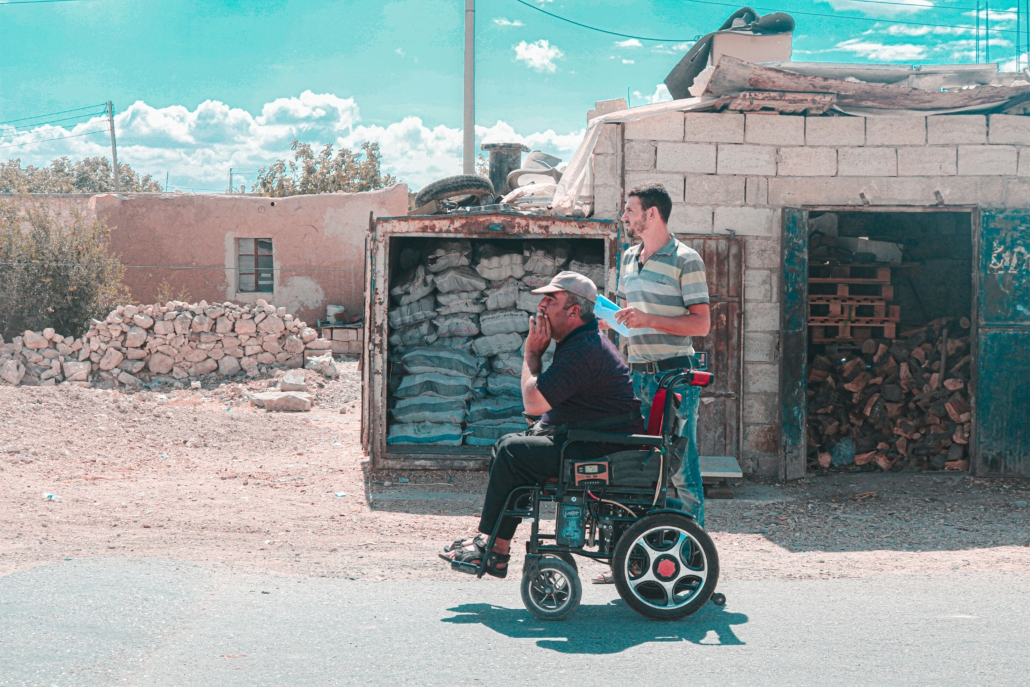
The Connection Between Disability and Poverty in Chad

Disability and Poverty in ChadChad is the largest landlocked country in Africa, as well as being the fifth largest country on the continent. It gained independence from being a French colony in 1960, and post-independence faced conflicts, internal and external, resulting in an unstable nation. Chad boasts a rich history and some experts believe it is one of the original places where humans developed as a species. In the modern day, Chad has a population of around 21 million people and has become a place of refuge for disabled Sudanese people displaced by the Sudanese Civil War.  

Chad has seen a rise in refugees fleeing from the Sudanese Civil War, and notably, the population of disabled individuals has risen since the migration began. Here are some key facts about how the Sudanese Civil War affects disability and poverty in Chad.

Why They Flee

The most recent Sudanese Civil War began in 2023 as a result of conflict between two military forces within the country, forcing more than 15 million people from their homes. Between 10-15% of the Sudanese population is disabled due to the effects of living in a war zone and have common injuries and physical deficits such as amputated limbs, broken bones and severe burns that go on to affect the rest of people’s lives. Refugees from the war, particularly those with disabilities, have found themselves fleeing to the borders of Chad to escape the violence. Living in Chad allows some to find care for their impairments, whether these impairments be new onset or pre-existing.

The Marginalization of People With Disabilities  

As is the case in other countries around the world, disabled people living in Chad find themselves disempowered. In the social hierarchy of Chad, disabled people are often the lowest tier of society. This is due to long-held ideas of prejudice against those who are less able, which can eventually result in social isolation and exclusion. Disability and poverty in Chad are beacons for each other, each one making the other more possible.

The Increase in Refugees

Due to the Sudanese Civil War, around 1.1 million Sudanese people have fled their country to Chad. This has caused a population surge in the already severe living conditions, resulting in a stark lack of shelter, clean water and access to medical assistance. Health care is often a distance from refugee camps, and people with specific disabilities can find themselves without a mode of transportation to get treatment. This discrepancy often emphasizes the difficulties that people with disabilities in poverty face in Chad.

Disability and Poverty in Chad

With disabled people in Chad often facing issues of transportation to places such as health care facilities and job opportunities, the difficulties of escaping poverty increases. If people cannot travel to a health care clinic, then they cannot receive treatment for their disabilities and, in turn, are unable to work. Another factor influencing the difficulty in finding work for disabled people in Chad is discrimination. People with disabilities are much less likely to be hired and lose out on opportunities to make money and help them improve their financial status.

Key Takeaways

While the poverty levels in Chad are increasing due to refugees from the Sudanese Civil War, countless organizations are working to assist the people living there. These organizations work to bring awareness to the issues that Chadians face, as well as to bring relief to them directly. Disabled refugees fleeing the Sudanese Civil War receive more opportunities in Chad than in Sudan. This does not imply a perfect standard of living, but it does imply an improved one. One organization that is key in the fight against disability and poverty in Chad is UNICEF. UNICEF offers key aid to Chadian and Sudanese youth by improving living conditions, supplying clean water and adding mental health support to refugee camps. Its work centers around bringing aid to Chadians and Sudanese refugees as they fight for the return to normalcy.

– Zoe Felder

Zoe is based in Charlotte, NC, USA and focuses on Global Health for The Borgen Project.

Photo: Unsplash
July 7, 2025
https://borgenproject.org/wp-content/uploads/borgen-project-logo.svg 0 0 Jennifer Philipp https://borgenproject.org/wp-content/uploads/borgen-project-logo.svg Jennifer Philipp2025-07-07 03:00:372025-07-07 01:50:04The Connection Between Disability and Poverty in Chad
Disability, Global Poverty

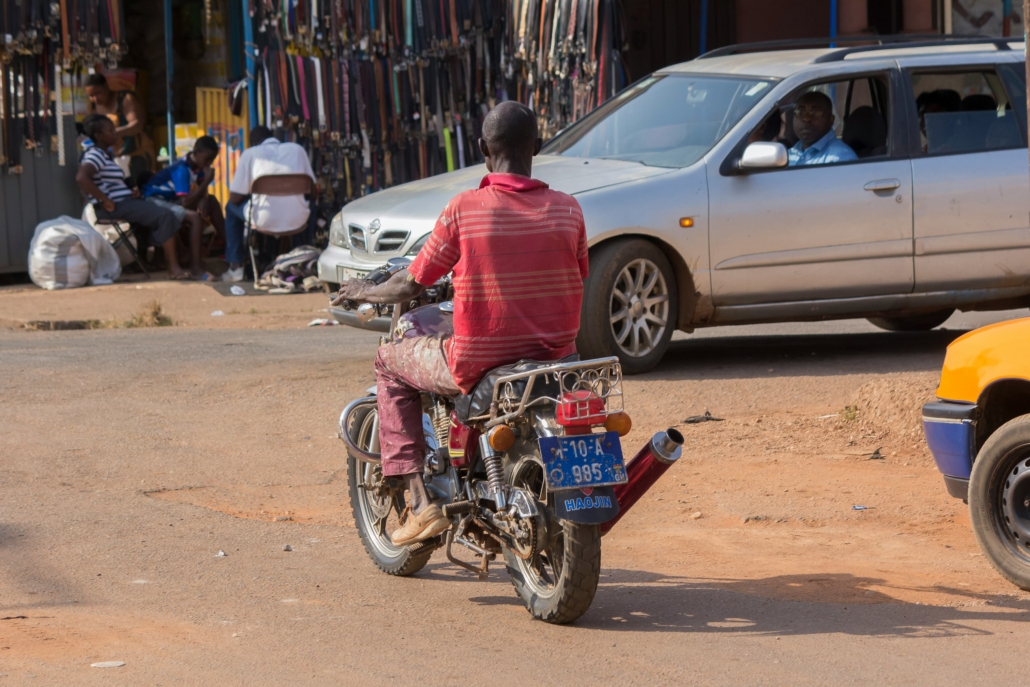
Disability and Poverty in Somalia

Disability and Poverty in SomaliaDisability affects 11.7% of Somalia’s adult population, revealing deep inequalities in education, employment and access to services—issues worsened by poverty, rural hardship and a fragile health system amid ongoing humanitarian crises. Many people with disabilities face systemic exclusion from schools, workplaces and public life due to a lack of inclusive policies and cultural beliefs. These challenges are further intensified by widespread poverty and rural isolation. In many areas, the fragile health care system—undermined by decades of conflict—cannot provide the necessary treatment leaving people with disabilities more vulnerable during ongoing humanitarian emergencies. Here is information about disability and poverty in Somalia.

About Disability in Somalia

About 13.5% of adults in rural areas have reported having a disability. This higher rate is likely influenced by limited access to health care services, poor nutrition and the impact of prolonged conflict, which increases the risk of injury and chronic illness. Rural communities also tend to face greater barriers in accessing rehabilitation services and assistive devices, contributing to higher levels of untreated or unmanaged disabilities. It is estimated that landmines and “Explosive Remnants of War” are causing 7,000 disabilities a year.

The most prevalent disabilities among both females and males are an inability to see or walk properly. Such physical impairments will significantly impact someone’s ability to perform daily activities, access education, and participate in the workforce.

Somalia has ratified other international treaties such as the UN Convention on the Rights of the Child (2015), the Convention on Economic, Social and Cultural rights and the African Charter on Human and People’s Rights which make some commitment to prevent discrimination and promote care and inclusion. However, there is little enforcement of these provisions and they did not ratify the UN Convention on the Rights of the Child. Due to this, Amnesty International says that, “the rights of most people with disabilities continue to be excluded, and their particular needs and concerns forgotten.”

About Life for the Disabled in Somalia

Life poses several challenges for disabled people, showing the link between disability and poverty in Somalia.

  • What is the literacy rate of disabled Somali people? The literacy rate of those who are disabled is substantially lower than those who are able-bodied. About 80.6% lack education, and only 3.3% achieve higher education. 
  • What is the mobile phone ownership rate? Mobile phone ownership is less common among people with disabilities, with 79.2% owning a device compared to 92.1% of those without disabilities. Similarly, mobile banking usage is lower, 74.3% versus 88.6%, respectively. This is significant because a lack of mobile phones suggests a broader disparity in digital and financial inclusion.
  • How much of the population is in poverty? Nearly 70% of Somalia’s population lives below the international poverty line, defined as earning less than $2.15 a day. People with disabilities consistently face higher unemployment levels than those without disabilities, regardless of where they live. In urban areas, for instance, 23.2% of individuals with disabilities do not have employment, versus 17.6% of non-disabled individuals.
  • What is the median food consumption? In Somalia, it is $399. Rural areas have a median food consumption of $364, while in urban areas, the lowest median food consumption is $281. In comparison, the average household food expenditure has increased to $10,000 in the USA. People with disabilities in Somalia face even greater challenges, as limited mobility, discrimination and lack of inclusive aid often prevent them from accessing food assistance. In households already struggling with low food consumption, having a member with a disability can further strain resources.
  • What is the health system like? The country’s health system faces critical shortages, and only one-third of the existing health facilities are functional. This has largely been due to the war, and because of the collapse of their health system there has been a spread of diseases such as polio or meningitis which have led to impairments. Further, it is extremely difficult to access the existing health facilities, due to transportation and medical costs. Transportation can cost up to $300 in some cases which prohibits much of Somalia’s poverty stricken-population.

Humanitarian Aid

The EU has allocated up to €202.54 million for humanitarian interventions in the country between 2023 and 2025. This funding supports aid organizations in delivering food assistance, basic health and nutrition services, clean water, protection, shelter and education.

In addition, the International Rescue Committee (IRC) has been delivering critical services in Somalia since 1981. It delivers programming in health, nutrition, water and sanitation services, women’s protection, as well as addressing the impacts of drought and food insecurity. For example, in 2023, it was able to impact 500,000 people through its work. In particular, it provided life-saving healthcare in challenging environments by delivering it through mobile outreach teams to ensure “hard-to-reach communities can access healthcare.”

Looking Ahead

One cannot separate disability in Somalia from the broader context of poverty, conflict and systemic neglect. With nearly 12% of the adult population living with a disability, the issue is far from marginal. The challenges—ranging from poor health care access and lack of education to food insecurity and digital exclusion—are deeply rooted in both social inequality and the country’s ongoing humanitarian crises. While international aid and local initiatives offer some relief, lasting change requires sustained investment in inclusive policies and community-based support. 

– Noorum Khan

Noorum is based in London, UK and focuses on Celebs and Politics for The Borgen Project.

Photo: Unsplash
July 5, 2025
https://borgenproject.org/wp-content/uploads/borgen-project-logo.svg 0 0 Jennifer Philipp https://borgenproject.org/wp-content/uploads/borgen-project-logo.svg Jennifer Philipp2025-07-05 07:30:482025-07-05 02:56:02Disability and Poverty in Somalia
Disability, Global Poverty

Deaf People in Tanzania: From Exclusion to Opportunity

deaf people tanzaniaIn Tanzania, living with a disability is often connected with marginalization and poverty. Among the most affected are members of the deaf community. Individuals face deeply entrenched barriers to education, employment and financial inclusion. For many years, systemic challenges have caused widespread social exclusion and a lack of economic agency. However, a quiet revolution is unfolding. Across the country, deaf people in Tanzania are increasingly turning to small business ownership. With vocational abilities, support from NGOs and gradually improving public policy, they are building businesses that uplift not only themselves but also their communities. These stories reflect more than personal triumph; they signal a shift in how inclusive development can be achieved in low- and middle-income countries.

Understanding the Context

Tanzania has more than 500,000 deaf and hard-of-hearing individuals, yet many face major barriers to education. According to government data, more than half of this population cannot read or write in English or Swahili. The Convention on the Rights of Persons with Disabilities (CRPD) says people with disabilities should have equal access to education. This poses a challenge, as Tanzania lacks enough trained teachers who know sign language. Most deaf students drop out before secondary school because classrooms are not adapted to their needs. This prevents them from gaining the basic skills needed for future jobs and independence.

The CRPD also protects the right of people with disabilities to work and earn a living. In Tanzania, many deaf individuals could be left out of the job market because they did not receive a proper education. Without training or support, they could often rely on family or informal work to survive. Social stigma and a lack of workplace accommodations could make it harder to find stable jobs. This exclusion could not only affect individuals but also hold back the country’s economy by leaving a large group of people underemployed and unable to contribute fully to national development.

Entrepreneurship as a Path to Empowerment

Entrepreneurship is becoming a valuable path to employment for deaf individuals in Tanzania, offering a way to overcome traditional job market barriers. FUWAVITA, a deaf women’s organization founded in 2018 with the support of Light for the World, empowers its members through economic skills training. Based in Dar es Salaam, the group teaches deaf women how to create and sell handmade products like soaps, batiks and beaded items. After completing the training, many participants launch small businesses that generate income and promote financial independence. This initiative not only creates sustainable livelihoods but also builds confidence and community leadership among deaf women and other deaf entrepreneurs in Tanzania overall.

Harnessing Technology for Inclusion

In Tanzania, the Federation of Disabled People’s Organizations (SHIVYWATA) is working to amplify the voices and rights of people with disabilities through advocacy and awareness. As a beneficiary of the Voice program, SHIVYAWATA promotes inclusive participation and campaigns for equal access to resources, including digital platforms, with a strong focus on reaching marginalized groups such as the deaf community. Its public engagement and visibility work had garnered recognition for fostering disability rights in innovative ways.

Meanwhile, DS International supports deaf people in Tanzania by working with local organizations that focus on advocacy, education, vocational training and more.

Building a More Inclusive Ecosystem

Tanzania has unveiled strategies regarding national disability and guidelines on disability-inclusive planning to ensure that individuals with disabilities are part of the national development. These initiatives aim to integrate disability inclusion across sectors such as education, employment, health and economic development. By addressing systemic barriers and promoting inclusive planning, the government is working to create an enabling environment where individuals with disabilities can participate equally in society. This approach reflects a commitment to equity and sustainable development in Tanzania and a more inclusive approach to society where deaf entrepreneurs can thrive and help strengthen their communities and the country as a whole.

A Model for Sustainable Development

Deaf people in Tanzania are breaking the cycle of poverty and changing how society views disability. They are proving that with the right support, people with disabilities can drive meaningful change. Tanzania combines grassroots programs, vocational training and national policies to empower these individuals.

As donors and development agencies search for effective poverty reduction strategies, Tanzania’s deaf people’s movement stands out. It shows that accessible economic systems benefit everyone- not just people with disabilities, but entire communities.

– Vasara Mikulevicius

Vasara is based in West Bloomfield, MI, USA and focuses on Good News and Global Health for The Borgen Project.

Photo: Flickr

June 27, 2025
https://borgenproject.org/wp-content/uploads/borgen-project-logo.svg 0 0 Naida Jahic https://borgenproject.org/wp-content/uploads/borgen-project-logo.svg Naida Jahic2025-06-27 07:30:442025-06-27 02:21:09Deaf People in Tanzania: From Exclusion to Opportunity
Education, Global Poverty

Progressing Education in Albania

Progressing Education in Albania Albania’s education sector has faced increased strain following the COVID-19 pandemic and a major earthquake in 2019. Issues of underfunding, limited infrastructure and unequal access to resources have disproportionately affected vulnerable student populations. However, with support from local organizations and international partners, efforts are underway to strengthen the system and ensure quality education for all children in Albania.

Education Investment and Teacher Conditions

Albania has not yet met the global recommendation of allocating 6% of its gross domestic product (GDP) to education. As a result, public schools face challenges including under-resourced classrooms, limited infrastructure and a lack of inclusive tools to support diverse learners. Teachers are especially affected by these gaps, receiving low wages while working in overcrowded environments with limited professional support. According to Education International, these conditions have long-term implications for teacher retention and system performance. In response, local education unions have begun mobilizing to advocate for increased public funding and fair treatment for educators.

Barriers for Roma Children and Students With Disabilities

While Albania maintains a high enrollment rate overall, the quality and accessibility of education remain unequal. Roma children, Europe’s largest ethnic minority, face additional obstacles including poverty, discrimination and language barriers. These factors increase the risk of dropout and limit long-term academic success. Children with disabilities also encounter barriers, particularly due to limited teacher training and a lack of specialized educational strategies. According to Broken Chalk, very few teachers are equipped to support inclusive learning and those who are trained are not widely distributed across schools. As a result, many children with disabilities are unable to receive consistent, high-quality education.

UNICEF and Local Efforts to Expand Access

In partnership with the Ministry of Education and civil society, UNICEF has launched programs to identify out-of-school children and bring them back into the education system. These efforts aim to address the specific needs of marginalized groups and provide technical guidance to local and national governments. UNICEF’s involvement includes improving data systems, promoting inclusive learning environments and enhancing coordination between central and local authorities. These collaborations are designed to ensure long-term reform and more equitable educational access across Albania.

Community-Based Support Through Nehemiah Gateway

GlobalGiving has partnered with Nehemiah Gateway, a nonprofit that supports an educational program helping around 200 individuals each year in southern Albania. The program is inclusive of all students—especially Roma youth—and provides a strong academic foundation for future employment and personal growth. Nehemia Schools offer small class sizes for students in kindergarten through 12th grade, allowing staff to provide individualized attention. Every year, students from kindergarten to ninth grade receive free hot meals and social support, helping create a stable learning environment for those at risk of falling behind.

Advocacy Campaigns Push for Systemic Reform

To address structural challenges in Albania’s education system, Education International launched the Go Public! Fund Education campaign. This global movement has taken root locally, mobilizing teachers, civil society groups and policymakers to push for increased investment in education and improved working conditions. In February 2025, Albania hosted its first Community Forum on Education, which brought together educators, families and government officials. Forum participants called for stronger infrastructure, increased teacher salaries and greater transparency in school funding. A subsequent Policy Analysis Workshop focused on evaluating national education budgets and drafting reform proposals.

Looking Ahead

Ongoing advocacy from international and local stakeholders continues to spotlight education as a critical pillar of Albania’s development. While challenges persist, collaborative initiatives—such as those led by UNICEF, Nehemiah Gateway and Education International—are helping to bridge access gaps and build a more inclusive system. Progress could require sustained investment, teacher support and targeted reforms to reach underserved communities. With continued coordination and policy engagement, Albania could take further steps toward ensuring equitable, high-quality education for all students.

– Sarina Francis

Sarina is based in Tallahassee, FL, USA and focuses on Good News for The Borgen Project.

Photo: Flickr

June 26, 2025
https://borgenproject.org/wp-content/uploads/borgen-project-logo.svg 0 0 Precious Sheidu https://borgenproject.org/wp-content/uploads/borgen-project-logo.svg Precious Sheidu2025-06-26 01:30:542025-06-25 11:59:29Progressing Education in Albania
Disability, Global Poverty

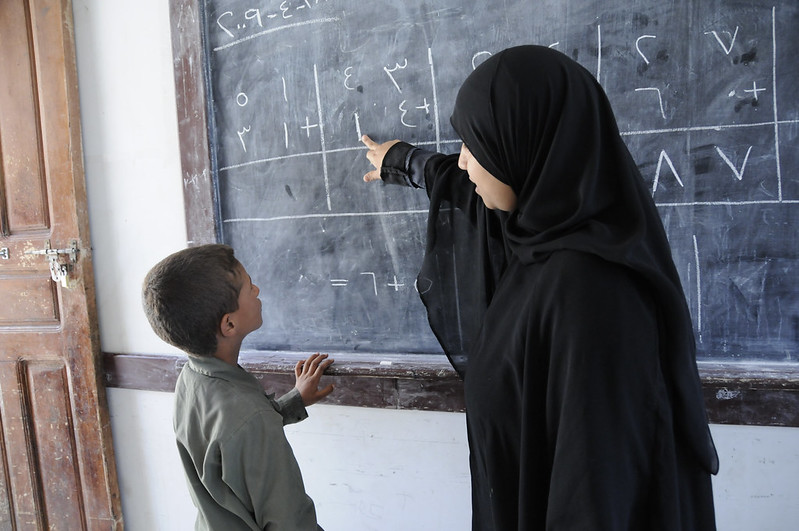
Invisible Inequality: Disability and Poverty in Singapore 

Disability and Poverty in SingaporeSingapore is home to one of the world’s most affluent and exhilarating economic markets, a world-class healthcare system and an exquisite cuisine. Yet, beneath this polished image, lies concerns that receive far less attention: the invisible inequality around disability and poverty in Singapore. These matters continually involve barriers and challenges that the Singapore government is helping to eradicate.

SG Enable is an agency that centers around disability and poverty in Singapore, aiding anyone from different underprivileged backgrounds. It also aims to make Singapore a more inclusive society by helping to advocate and raise awareness.

About Disability and Poverty in Singapore

According to the Singapore government data, around 3.1% of Singapore’s adult population lives with some form of disability, the rate rising to 13.3% among those aged 50 and above, the biggest percentage seen. Students in Singapore cover the smallest percentage at 2.1%.

While the numbers may seem modest, households and communities deeply feel the effects. People with disabilities (PWDs) in Singapore are significantly less likely to be employed: only 32.7% of working-age PWDs held jobs as of 2023, compared to more than 80% in the general population. 

Saltandlight, a foundation that provides a digital gathering space for Christians globally, interviewed Aaron Wong, who has a type of muscle dystrophy called charcot-marie-tooth disease and decided to return to Singapore in 2025, where he grew up. Upon returning, Mr. Wong detailed his tough transition into Cheshire House, a nonprofit care home: “I had to be assisted by hired help whom I barely knew with dressing up and toileting. It was humbling and humiliating.” He described Cheshire House as a “godsend” and said that he “started to see that [he] was not in Cheshire Home as a means to an end, but there was meaning and purpose in me being here within its walls with 110 other people.” 

Those living with a disability can contact SG Enable for further help. Otherwise, there are other ways to seek help through the specific organization such as The Singapore Association for the Deaf (SA Deaf) or the Singapore Association of the Visually Handicapped (SAVH).

Addressing Disability and Poverty in Singapore

Through multiple initiatives, the Ministry of Social and Family Development (MSF) announced many ways to help those most affected. The Enabling Masterplan of 2030 was announced on October 11, 2022, which outlines the plan for Singapore as a society that is inclusive for all in 2030, as it was created by, for and alongside persons with disabilities and their caregivers. Along the way, the government has also announced new measures in place to help such as flexible work schedules, and building disability-friendly buildings and sites.

The high cost of living exacerbates this inequality around poverty too. In 2021, The National Institute of Health surveyed the possible correlation between disability and poverty in Singapore. The study’s analysis further revealed that individuals with lower levels of education and those who were unemployed or economically inactive were significantly more likely to have disabilities. This association indicates that individuals facing economic hardship might be at a higher risk of disability, or conversely, that the presence of a disability could lead to reduced educational and employment opportunities, thereby increasing the likelihood of experiencing poverty. 

However, the government is taking several measures to help bridge the gap between disability and poverty in Singapore. The Ministry of Culture, Community and Youth (MCYS) introduced subsidized health care, housing and education, and a Ministry spokesperson told the BBC that “Singapore has an extensive social safety net.” 

The ComCare Endowment Fund

The ComCare Endowment Fund also emerged in June 2005, which financially aids low income people and families through support programs to the public. To qualify, those applying must have a total income for the household of $1,900 or less, or a per capita household earnings of $650 or less. The Straits Time reported that ComCare had distributed more than $236 million to those in need, a Singapore record since the Fund’s creation. 

One can define a developed nation by the dignity and opportunity it provides to its most vulnerable citizens, not by GDP or worldwide rankings. Singapore’s next frontier of prosperity may not be innovation or money, but rather deepening its social contract.

– Sumayyah Karim

Sumayyah is based in London, UK and focuses on Global Health for The Borgen Project.

Photo: Unsplash
June 23, 2025
https://borgenproject.org/wp-content/uploads/borgen-project-logo.svg 0 0 Jennifer Philipp https://borgenproject.org/wp-content/uploads/borgen-project-logo.svg Jennifer Philipp2025-06-23 01:30:492025-06-23 00:52:01Invisible Inequality: Disability and Poverty in Singapore 
Page 6 of 10«‹45678›»

Get Smarter

  • Global Poverty 101
  • Global Poverty… The Good News
  • Global Poverty & U.S. Jobs
  • Global Poverty and National Security
  • Innovative Solutions to Poverty
  • Global Poverty & Aid FAQ’s
Search Search

Take Action

  • Call Congress
  • Email Congress
  • Donate
  • 30 Ways to Help
  • Volunteer Ops
  • Internships
  • Courses & Certificates
  • The Podcast
Borgen Project

“The Borgen Project is an incredible nonprofit organization that is addressing poverty and hunger and working towards ending them.”

-The Huffington Post

Inside The Borgen Project

  • Contact
  • About
  • Financials
  • President
  • Board of Directors
  • Board of Advisors

International Links

  • UK Email Parliament
  • UK Donate
  • Canada Email Parliament

Get Smarter

  • Global Poverty 101
  • Global Poverty… The Good News
  • Global Poverty & U.S. Jobs
  • Global Poverty and National Security
  • Innovative Solutions to Poverty
  • Global Poverty & Aid FAQ’s

Ways to Help

  • Call Congress
  • Email Congress
  • Donate
  • 30 Ways to Help
  • Volunteer Ops
  • Internships
  • Courses & Certificates
  • The Podcast
Scroll to top Scroll to top Scroll to top