• Link to X
  • Link to Facebook
  • Link to Instagram
  • Link to TikTok
  • Link to Youtube
  • About
    • About Us
      • President
      • Board of Directors
      • Board of Advisors
      • Financials
      • Our Methodology
      • Success Tracker
      • Contact
  • Act Now
    • 30 Ways to Help
      • Email Congress
      • Call Congress
      • Volunteer
      • Courses & Certificates
      • Be a Donor
    • Internships
      • In-Office Internships
      • Remote Internships
    • Legislation
      • Politics 101
  • The Blog
  • The Podcast
  • Magazine
  • Donate
  • Click to open the search input field Click to open the search input field Search
  • Menu Menu

Tag Archive for: Disability and Poverty

Posts

Developing Countries, disability and poverty, Global Poverty

Disability and Poverty in Morocco

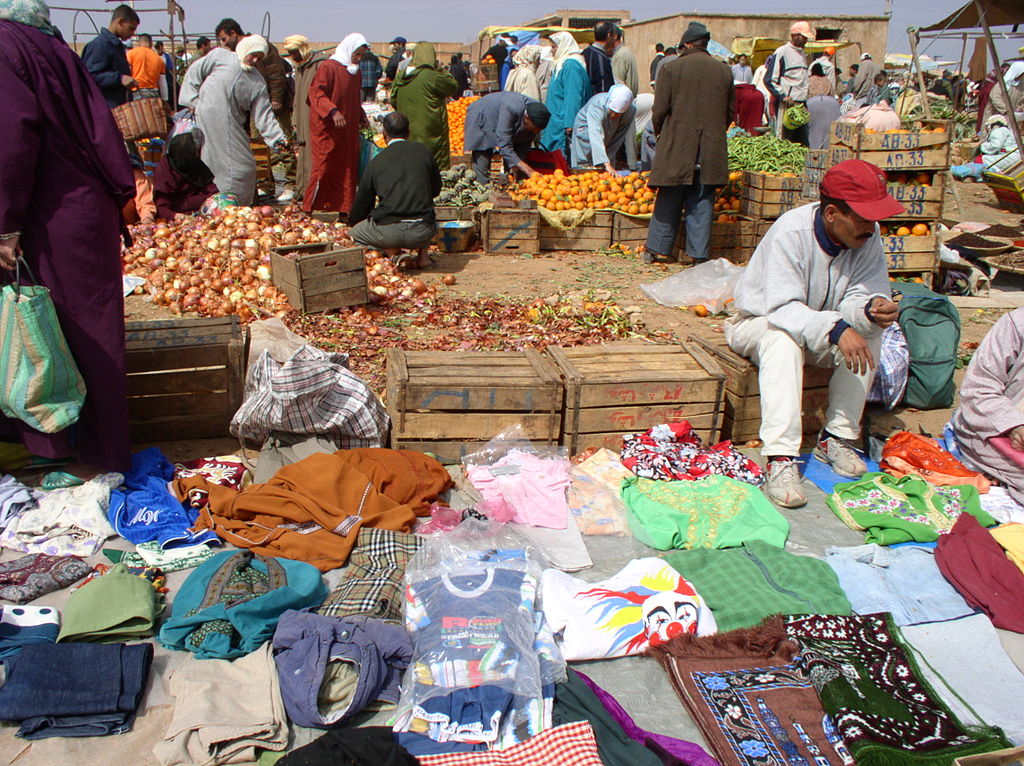
Disability and Poverty in MoroccoMorocco is working to create an equitable society that is inclusive of people living with disability and poverty. The king and ministers of government in recent years have expressed concerns regarding the connection between disability and poverty in Morocco and have set out to address those concerns. The Moroccan government in conjunction with international nonprofit and aid organizations has made significant progress toward reaching reform goals.

The King’s Decree

King Mohammed VI decreed in 2022 that social protections for citizens experiencing disability and poverty in Morocco would be a top priority moving forward. That year, the king set a 2025 goal for finalizing initial reforms to Morocco’s social protection programs. 

The Arab Reform Initiative has called King Mohammed VI’s decree to focus on health care and social reforms, “one of the most significant decisions since the nation’s independence.”

The Relationship: Poverty and Disability

According to 2023 statistics from the United Nations Development Program, 5.5% of Morocco’s population (727,833 people) have a disability. UNICEF statistics from 2022 show that one in seven children in The Middle East and North Africa live with a disability. Children with disabilities in the region are often marginalized from society due to social stigmas and lack of access to health care and social protection services.

People with disabilities, both visible and invisible, are more likely to experience multidimensional poverty than their peers without disability. One can attribute this to several interrelated factors which cause people with disabilities to experience more barriers when attempting to access education, employment, transportation and health care.

Assistive devices give people with disabilities the opportunity to hear and be heard, to communicate, be mobile and access services. However, these devices, hearing aids and wheelchairs for example, are often costly.

Social stigma and lack of access to services create prohibitive barriers to social and economic inclusion for people experiencing poverty and disability in Morocco. The Moroccan government hopes to reduce those barriers and stigma with its new social reforms.

Urgent Reforms

By the end of 2023, Morocco had already made significant progress towards its goals by working with international organizations and nonprofits. In 2023, the World Bank contributed $350 million USD to social protection initiatives in Morocco.

Dalal Moosa, Senior Economist and Program Co-Leader at the World Bank commended Morocco’s reforms, saying, “The implementation of [social protection programs] will be critical to protecting vulnerable populations such as women, children, people with disabilities and isolated populations in rural or remote areas against health risks.” 

Reforms supportive of those living with disability and poverty in Morocco continued to progress when the government introduced its 2024 budget plan. The 2024 budget specifically allocates funding to programs for children with disabilities. 

About $36.6 million USD of the 2024 Moroccan governmental budget is going to programs and initiatives supporting children with disabilities in Morocco. Minister Naima Ben Yahya estimated that programs funded by the 2024 budget would reach and support 27,500 children living with disabilities.

First Steps

Morocco took its first step toward its goal of providing its citizens with universal health care by merging the private and public health care sectors in 2022. Since then, access to private health care options has reduced the stress on the public health care sector.

In an added push towards its goal of universal health care, Morocco is funding initiatives to support telehealth options for its citizens. The positive impact of the telehealth initiatives is especially noticeable in rural areas of Morocco where health care facilities can be few and far between.

Human Rights and Autonomy

Social stigma is a significant barrier to inclusion and fulfilment for people living at the crossroad of disability and poverty in Morocco. The United Nations Development Programme (UNDP) is focused on breaking down those barriers by upholding and strengthening the human rights and autonomy of people with disability. 

UNDP projects in Morocco include the standardization of sign language within the nation, improvements to the disability certification process and increasing the accessibility of buildings and restrooms. Additional projects that the UNDP is managing in Morocco aim to reduce social stigma by actively dismantling prejudice, spreading awareness and information and promoting social inclusion of people with disability. 

The United Nations Development Programme has expressed optimism about Morocco’s reforms, saying,  “Imagine a world where every person, regardless of their disability, can thrive, actively participate, and fully contribute to society. In Morocco, this paradigm is becoming a reality.”

– Caitlyn Erwin

Caitlyn is based in Asheville, NC, USA and focuses on Good News for The Borgen Project.

Photo: Wikimedia Commons

January 21, 2025
https://borgenproject.org/wp-content/uploads/borgen-project-logo.svg 0 0 Jennifer Philipp https://borgenproject.org/wp-content/uploads/borgen-project-logo.svg Jennifer Philipp2025-01-21 07:30:582025-01-21 00:20:59Disability and Poverty in Morocco
Disability, Economy, Global Poverty

The Intersection of Disability and Poverty in Portugal

Disability and Poverty in PortugalIn Portugal, the intersection of disability and poverty is a pressing issue. Despite progress in disability rights and social support, many individuals with disabilities continue to face economic hardships. This challenge is not only about physical impairments but also the systemic barriers that contribute to persistent poverty.

The Reality of Disability in Portugal

Portugal has implemented laws like the “Basic Law on the Rights of Persons with Disabilities” (Law 38/2004). This legislation underscores the country’s commitment to protecting the rights of individuals with disabilities and fostering their active participation in society.However, the reality for many individuals with disabilities remains one of exclusion, especially in rural areas where services and infrastructure are limited.

Challenges are exacerbated by geographical isolation and a lack of targeted support, leaving many unable to benefit from these legal advancements fully. According to a report, more than 10% of Portugal’s population lives with a disability. Yet, many still struggle to access education, employment and health care. This persistent inaccessibility not only hinders personal development but also perpetuates a cycle of economic disadvantage, marginalization and social exclusion.

Disability and Economic Struggles

A key factor in the poverty faced by persons with disabilities is the lack of accessible employment opportunities. According to data from EU-SILC, the employment rate for people with disabilities in Portugal is about 58.4% compared to 77.4% for people without disabilities. Discrimination and inadequate workplace accommodations often hinder job prospects. Furthermore, the lack of accessible transport and facilities adds to the difficulty. Moreover, public services, including health care and transportation, can be inaccessible in many parts of the country.

Portugal lacks a national personal assistance scheme, leaving many individuals with disabilities reliant on family members or institutional care. This makes many of them report difficulty in accessing public transportation, especially in rural and less-developed regions. This lack of access further isolates individuals living with disabilities from society, making it even harder to engage in education, employment or social life.

Moving Toward Inclusion

Breaking the cycle of disability and poverty in Portugal requires a comprehensive approach that includes greater investment in inclusive education, better access to public spaces and increased employment opportunities for people with disabilities. The Convention on the Rights of Persons with Disabilities (CRPD) emphasizes that people with disabilities should have the right to choose where and with whom they live, free from mandatory institutionalization.

Integrating individuals with disabilities into the workforce holds immense potential for economic growth. This is a benefit acknowledged by the Portuguese government as part of its commitment to inclusivity under the 2030 Agenda for Sustainable Development. The success of these top-down-oriented strategies is crucial, not only for Portugal but for Europe as a whole, in addressing and reducing poverty effectively via political and administrative change.

– Lambros Andrikopoulos

Lambros is based in Birmingham, UK and focuses on Global Health for The Borgen Project.

Photo: Pexels
January 8, 2025
https://borgenproject.org/wp-content/uploads/borgen-project-logo.svg 0 0 Hemant Gupta https://borgenproject.org/wp-content/uploads/borgen-project-logo.svg Hemant Gupta2025-01-08 07:30:212025-01-07 07:56:08The Intersection of Disability and Poverty in Portugal
Disability, Employment, Global Poverty

3 Political Actions Impacting Disability and Poverty in Jordan

Disability and Poverty in Jordan
Jordan is the home to 11.34 million people of which an estimated 2.72 million live in poverty. Additionally, somewhere around 11% of all Jordanians are diagnosed with a disability. The unemployment rate for individuals with disabilities in Jordan is almost double the amount of individuals without disabilities. Unequal access to services caused by poverty leads to an increase in disability rates. The main inequalities surrounding disability and poverty in Jordan are in employment, education and health care.

How Does Poverty Affect People With Disabilities?


Poverty leads to an increase in isolation and vulnerability, because of that people with disabilities can be unable to receive necessary care. Having a disability makes it harder to access employment, education and health care. Often the available services do not have the resources to care for disabled people. Individuals with disabilities require care that is not available to them in areas of poverty, which leads to an increase in mortality rates. Here are three
political actions impacting disability and poverty in Jordan.

Ratification of United Nations Convention

Jordan has ratified and incorporated some important tools to help people with disabilities. One of these tools is the United Nations Convention on the Rights of Persons with Disabilities which has a set of protocols that Jordan has been using since 2007. This agreement essentially states that people with disabilities deserve equal education and employment opportunities. This agreement holds the government responsible for providing necessary medical care for people with disabilities. Jordan has created councils dedicated to creating legislation that upholds the conventions agreements. 

HCAPD

In 2007, Higher Council for the Affairs of Persons with Disabilities (HCAPD) was formed to uphold laws passed to protect individuals with disabilities. The council’s main functions are to create plans for the future, execute current plans and create legislation for people with disabilities. The goal of this council is to implement specific and broad legislation that helps individuals with disabilities. An example of their impact is when HCAPD worked with the Ministry of Higher Education to transition 10 schools into being inclusive spaces for all abilities. This is a small-scale example of the positive impact HCAPD can have.

National Social Protection Strategy

Jordan created the National Social Protection Strategy in 2019 to address social inequalities. Among these inequalities are disability, exclusion and poverty, which Jordan has agreed to prevent. The plan has three parts: opportunity, empowerment, and dignity. Jordan plans to use the combination of those parts to create legislation moving forward that addresses inequalities among disabled people. Creating a protective environment allows for economic growth that benefits people of all abilities. Part of the protection program is aiding poverty that affects people with disabilities. One outcome is Jordanian businesses that employ more than 50 people must have 4% of that be people with disabilities.

Jordan’s Current Situation

The implementation of those political actions has been a great start in aiding people with disabilities in Jordan. The combined effort from multiple organizations within Jordan to create funding and legislation has had positive effects nationally. With that in mind, it’s also important to understand that this problem requires funding to solve. Poverty is one of the main contributors to disability inequalities. Addressing poverty is the first step in addressing the inequalities in education, employment and health care. Poverty requires funding from the national government and foreign aid to decrease. Actions taken by the Jordanian government can serve as a model for other countries looking to improve the quality of life for people with disabilities who are impoverished.

– Kaleb Monteith

Kaleb is based in Greeley, CO, USA and focuses on Good News and Global Health for The Borgen Project.

Photo: Flickr

January 8, 2025
https://borgenproject.org/wp-content/uploads/borgen-project-logo.svg 0 0 Jennifer Philipp https://borgenproject.org/wp-content/uploads/borgen-project-logo.svg Jennifer Philipp2025-01-08 07:30:042025-01-08 08:10:433 Political Actions Impacting Disability and Poverty in Jordan
Disability, Employment, Global Poverty

5 Facts About Disability and Poverty in Uzbekistan

Disability and Poverty in UzbekistanUzbekistan is a country in Central Asia neighbored by Kazakhstan to the north, Kyrgyzstan to the northeast, Afghanistan to the south, Tajikistan to the southeast and Turkmenistan to the southwest. It is one of only two countries in the world that is doubly landlocked, or surrounded by other countries that are also landlocked. Disability and poverty in Uzbekistan often go together, with people having a tougher time participating in society. In recent years, the nation has made a concerted effort to improve the conditions of disabled people within its borders. Here are five facts you need to know about disability and poverty in Uzbekistan.

5 Facts About Disability and Poverty in Uzbekistan

  1. Disabled people make up about 2.5% of the population. In 2022, it was reported by KUN that 845,000 people were officially recognized by Uzbekistan as being disabled. More than half of people over the age of 60 have some kind of disability. Most disabled people live in rural communities across Uzbekistan, though a few live in cities like Tashkent. The largest region, Navoiy, also has the highest rate of disability in the nation, at 3.6%.
  2. Employment is difficult to come by for those with disabilities in Uzbekistan. In Uzbekistan, people with disabilities are 4.3 times less likely to have a full-time job than people without disabilities. Additionally, people with disabilities make just 74% the monthly wage of people without disabilities. Disability:IN reported that people with disabilities made 612,000 UZS per month ($47.55). In comparison, in 2019, people without disabilities made 827,000 UZS per month ($64.26).
  3. Some welfare is provided to those with disabilities in Uzbekistan. The World Bank reported that almost 700,000 people with disabilities in Uzbekistan were given pensions and other social benefits in 2019. However, many of those people survive only on those pensions because they find it difficult to gain full-time employment.
  4. There are organizations that are helping disabled people. Some organizations, like the Gulbahor Nurli Kelajak LLC, provide much-needed employment in the tailoring industry for disabled people. Gulbahor Nurli Kelajak has employed more than 50 disabled people, mostly women, since its founding in Termez, Uzbekistan in 2021. Additionally, the United Nations Development Programme (UNDP) works in Uzbekistan, with one of its goals being to alleviate disability and poverty concerns in the country.
  5. Laws are in place to protect people with disabilities in Uzbekistan. In 2020, Uzbekistan passed its first comprehensive law, “On the Rights of Persons with Disabilities”. The law aims to provide more opportunities and better conditions for people with disabilities. In 2021, the country ratified the UN Convention on the Rights of Persons with Disabilities, further enshrining protections.

Other Considerations

Alongside these five facts about disability and poverty in Uzbekistan, the country has recently been doing more to protect and give more opportunities for people with disabilities to participate in life. Universities give admission preference to students with disabilities. This is starting to show signs of improving disability and poverty in the country, with students having more opportunities than before.

However, activists across the country are disgruntled with the slow adoption of the law. Many wish more could be done to change the culture of pity toward people with disabilities. The infrastructure for equal facilities for people with disabilities is not yet in place and people still feel stigmatized from participating in events like elections or festivals. Although the International Day of Persons with Disabilities is celebrated like a holiday, activists in the country believe the day should be more about educating people about disabilities. 

Looking Ahead

Together, these five facts about disability and poverty in Uzbekistan paint a picture of a country that is trying to bring reforms that bridge the gap between people with disabilities and people without disabilities. Although the reforms have happened within the last five years, Uzbekistan has shown willingness to improve conditions for its people.

– Julius Millan

Julius is based in New York, NY, USA and focuses on Global Health and Politics for The Borgen Project.

Photo: Flickr

January 3, 2025
https://borgenproject.org/wp-content/uploads/borgen-project-logo.svg 0 0 Jennifer Philipp https://borgenproject.org/wp-content/uploads/borgen-project-logo.svg Jennifer Philipp2025-01-03 01:30:172025-01-02 12:20:435 Facts About Disability and Poverty in Uzbekistan
Disability, disability and poverty, Global Poverty

Disability and Poverty in Mauritania

Disability and Poverty in MauritaniaThe Islamic Republic of Mauritania lies in the Sahel region in North West Africa. It is a dry, hot region that has struggled with high poverty rates for decades. However, according to The Last Two Permanent Surveys on Household Living Conditions (EPCV) cited in the June 2024 International Monetary Fund (IMF) report, Mauritania reduced its poverty rate from 30.9% to 28.2%.

However, poverty remains a significant issue, especially in rural areas, where 41.2% of the population experience poverty compared to 14.4% of those in urban areas. Recent data also shows that the majority of those in poverty have disabilities. These numbers have enabled the Mauritanian government to look at disability and poverty in Mauritania with help from social protection projects and international organizations. 

Poverty in Mauritania

The World Bank in 2019 estimated that only 15% of the rural population had access to sanitation services, which leaves 85% of the population vulnerable to diseases. Access to water remains a significant challenge in Mauritania’s desert climate. As of 2020, 78% of the population had access to water, a notable increase from 40% in 2010. However, 22% of the population still lacks access to water. The World Bank also estimates that only 47% of the population has access to electricity. 

Not having the necessary amenities has made day-to-day life difficult in Mauritania for many people, especially for those with disabilities. A strong link exists between disability and poverty in Mauritania. Data collected by the Disability and Data Initiative from 2019 to 2021 shows that 85% of individuals with multiple functional difficulties live in poverty, often in rural areas in the country. In comparison to those with fewer or no functional challenges, 71.2% and 71.3% were found. The lack of public service institutions in rural areas leaves many disabled individuals without the proper care, treatment or education necessary for survival.

The Stigma Associated With Disability

Despite many Mauritanians living with some disability, the stigma and discrimination that affect them are very real. Mauritanian law prohibits discrimination against individuals with physical, sensory, intellectual or mental disabilities. Yet, a 2023 country report on human rights practices in Mauritania conducted by the U.S. Department of State found that this law is not enforced. It found that people with disabilities do not have access to education, health services or any other types of public services. 

Solutions

Mauritania has been trying to help its needy citizens by adopting adaptive social protection. As of September 2024, 200,000 impoverished households are registered in the social registry database, where they can benefit from the Tekavoul National Social Transfer Program. This program provides families with cash transfers from the Mauritanian government every few months. 

The Mauritanian government implemented this program with support from the International Development Association. The program allows families to spend the money on whatever they choose. However, people typically use it to buy hygiene products, school supplies and food. This program is meant to cover struggling families’ basic needs while encouraging them to invest in things like their children’s future. 

To end the stigma surrounding people with disabilities, the World Vision Organization, a nonprofit organization, organized an inclusion project in partnership with the National Federation of People Living with Disabilities earlier this year. More than 120 explored disability issues through activities to break down stereotypes and promote a better understanding of the realities of living with a disability. 

Overall, Mauritania is currently working to end poverty and reduce stigmatization for those who are disabled. It’s just going to take some time.

– Aya Diab

Aya is based in Queens, New York, USA and focuses on Global Health and Politics for The Borgen Project.

Photo: Wikimedia Commons

December 24, 2024
https://borgenproject.org/wp-content/uploads/borgen-project-logo.svg 0 0 Hemant Gupta https://borgenproject.org/wp-content/uploads/borgen-project-logo.svg Hemant Gupta2024-12-24 01:30:392025-02-21 08:44:04Disability and Poverty in Mauritania
disability and poverty, Global Poverty, Health

Disability and Poverty in Jamaica

Disability and Poverty in Jamaica Disability and poverty in Jamaica are intertwined, perpetuating a cycle of hardship. Despite the enactment of the 2014 Disabilities Act, which aims to eliminate discrimination and ensure equal rights for persons with disabilities, many still struggle with maintaining a decent quality of life due to systemic barriers and economic instability. Approximately 200,000 Jamaicans live with a disability and they disproportionately suffer from poverty and unemployment. Census data from 2001 revealed that just over 6% of Jamaica’s population or about 160,000 people, identified as living with a disability. Yet, fewer than 1% of these individuals are in paid employment, highlighting the extreme vulnerability of the disabled community in Jamaica.

Challenges for People with Disabilities in Jamaica

Surviving in Jamaica is particularly challenging for people with disabilities who live in poverty. About 15% of the Jamaican population lives with a disability, yet many lack access to high-quality education and employment opportunities. In 2019, the unemployment rate among disabled individuals in Jamaica reached 90%, severely limiting their ability to maintain a satisfactory standard of living. This high unemployment rate restricts their financial ability to afford food and essential items, trapping them in a cycle of poverty. Consequently, many people with disabilities struggle to achieve independence due to insufficient income and barriers to securing housing. Additionally, accessing many public places remains physically challenging for disabled people.

Globally, half of the people living with disabilities cannot afford health care and among those who can access practitioners, more than double report finding their medic’s skills inadequate for their needs. In Jamaica, access to health care, like many other public services, varies widely based on the individual’s location, the nature of their disability, their mobility and ability to communicate with health care professionals. Consequently, certain groups do not receive the necessary level of treatment and fall through the cracks.

Disability Support Initiatives in Jamaica

  • Jamaica Council for Persons with Disabilities (JCPD). JCPD advocates for disabled rights and promotes participatory policies, providing vocational training for persons with disabilities (PWDs). Its programs create pathways out of poverty by improving employability for PWDs.
  • Mustard Seed Communities. The organization provides accommodation, care and vocational training to persons with disabilities, helping them gain independence and learn marketable skills. Its projects focus on engaging participants through practical training in agriculture and construction. Currently, the organization supports more than 440 Jamaicans, including children affected by HIV and teen mothers with their infants.
  • The World Bank. The World Bank has collaborated with Jamaica to enhance the economic inclusion of persons with disabilities through social protection programs. This effort involves collecting data on disabilities to better tailor responses.

Looking Forward

Breaking systemic barriers remains crucial to improving the lives of people with disabilities in Jamaica. Efforts to enhance vocational training, expand employment opportunities and strengthen social protection systems are essential to reducing the socioeconomic disparities they face. By fostering inclusion and accessibility, these ongoing initiatives aim to address the root causes of inequality, offering individuals the chance to lead independent and dignified lives.

– Georgia de Gidlow

Georgia is based in Watford. UK and focuses on Global Health for The Borgen Project.

Photo: Flickr

December 4, 2024
https://borgenproject.org/wp-content/uploads/borgen-project-logo.svg 0 0 Precious Sheidu https://borgenproject.org/wp-content/uploads/borgen-project-logo.svg Precious Sheidu2024-12-04 07:30:402026-04-16 09:59:41Disability and Poverty in Jamaica
Disability, Global Poverty, Nonprofit Organizations and NGOs

Bina Foundation: Promoting Inclusivity for PWDs in Nigeria

PWDs in NigeriaDespite various legal frameworks, many persons with disabilities (PWDs) in Nigeria face limited opportunities and widespread neglect, hindering their ability to participate fully in society. This issue is significant, as PWDs represent a large and often invisible population that continues to encounter barriers to inclusion. The problem extends to all sectors of society, affecting not only PWDs but also their families and communities.

Bina Foundation works to bridge these gaps by advocating for inclusive policies, providing skills development and economic empowerment programs, offering healthcare and psychosocial support and fostering greater awareness of the rights of PWDs. Its goal is to create a more inclusive society where every individual, regardless of ability, has the opportunity to lead a life of dignity and purpose. By doing so, it aims to increase the inclusivity of PWDs while making them economically self-reliant.

Addressing the Marginalization of PWDs in Nigeria

Bina Foundation is committed to addressing the marginalization of PWDs in Nigeria through inclusivity, empowerment and community-driven solutions. The organization believes meaningful change begins with understanding the unique challenges PWDs face, which is why it prioritizes direct engagement with individuals and communities.

The Foundation’s approach combines advocacy, capacity building and service delivery, ensuring that PWDs not only access essential resources but also gain the skills and confidence needed to thrive independently. It offers comprehensive training in skills acquisition, from computer literacy to vocational trades, empowering PWDs to become self-reliant. Additionally, the initiative provides grants, equipment and psychosocial support to sustain their progress long after the programs conclude.

Furthermore, the nonprofit incorporates sports and recreational activities into its interventions. Sports can be a powerful tool for promoting physical, emotional and social well-being, especially for PWDs. The organization’s specialized sports programs, including blind football, goalball, judo and blind powerlifting, not only promote fitness but also help PWDs build confidence, reduce anxiety and combat social isolation. Through this inclusive and multifaceted approach, it is gradually breaking down the barriers that prevent PWDs in Nigeria from leading fulfilling lives.

Empowering Vulnerable Populations

Bina Foundation has empowered many to overcome significant challenges, one of the most notable being the case of the first-ever pharmaceutical graduate in a wheelchair at the University of Nigeria, Nsukka. Despite meeting the required cut-off mark to study pharmacy at the institution, he was initially denied admission due to his disability, as authorities questioned his ability to complete the course. Bina Foundation intervened, advocating for his right to pursue his dream. Today, he stands as an inspiring example of how determination and support can break down barriers, showing that physical disability should never limit one’s potential.

Beyond advocating for educational rights, Bina Foundation has significantly impacted the economic empowerment of vulnerable populations. It has helped thousands of widows and PWDs become economically self-reliant through various funding and skills development programs. For many widows, losing a spouse meant losing financial security, but through its initiatives, more than 1,000 widows and people with special needs have been given the opportunity to start and sustain their own businesses. In addition to financial support, the organization provided equipment and resources needed to ensure the long-term success of their ventures.

Impact on Blind Sports in Africa

Bina Foundation’s work extends to sports, where it has actively promoted inclusivity for people with special needs, particularly in blind sports. Its blind football and goalball teams have gained international recognition, participating in numerous championships. Bina Foundation teams have competed in events such as the Goalball Championship in Ghana, the 2019 IBSA competition, which was kicked off at Nnamdi Azikiwe Stadium in Enugu, Nigeria and the 2022 IBSA Blind Football African Championship in Morocco.

In addition, it proudly hosted the International Blind Football Association African Championship in 2021 in Enugu, Nigeria, marking a significant milestone for blind sports in the country. Its team also competed in the blind football competition in France. “We didn’t just train and send these athletes to compete; we ensured they had all the support they needed, from providing housing to covering their food and essential needs throughout the training period,” a foundation representative said. “Our efforts continue to empower people with disabilities, not just through immediate interventions but by providing long-term solutions that enable them to become economically independent and socially included.”

Final Remark

Bina Foundation is not just addressing immediate needs but is dedicated to building a future where PWDs, widows and vulnerable populations can thrive independently. It is passionate about creating an inclusive society where everyone has the opportunity to realize their full potential.

– Staff Reports
Photo: Flickr

November 23, 2024
https://borgenproject.org/wp-content/uploads/borgen-project-logo.svg 0 0 Hemant Gupta https://borgenproject.org/wp-content/uploads/borgen-project-logo.svg Hemant Gupta2024-11-23 01:30:252024-11-23 02:09:38Bina Foundation: Promoting Inclusivity for PWDs in Nigeria
Disability, Global Poverty, Poverty Reduction

Disability and Poverty in Georgia 

Disability and Poverty in Georgia According to a 2022 UNDP report, disability and poverty in Georgia are still affecting the country, with improvements to such situations only beginning recently. During the Soviet period, Georgia handled those with disabilities and those suffering from poverty because of their disabilities, with a mindset and a practice of “exclusion and institutionalization.” Reformations to this mindset and the subsequent practices are going through implementation and amendments to help people with disabilities lead to a better quality of life.

Background on Disability and Poverty in Georgia

In 2021, the Social Service Agency registered about 128,285 people with disabilities living in Georgia. This number could be greater due to the lack of statistical data on people with disabilities in the country, according to a 2022 UNDP report. The types of disabilities that one may encounter within the country are those with physical, mental, sensory or intellectual long-term impairments, UNDP reports.

Life for those with disabilities within Georgia is incredibly difficult. They often face discrimination due to their impairments and they live out their days in boarding houses and institutions for an indefinite amount of time, according to UNDP. Those with disabilities are more likely to be a part of the impoverished population of Georgia as the society sees them as not being capable of contributing to the workforce within Georgia’s economy, with the right to employment being one of the biggest issues that people with disabilities face within the country, according to UNDP.

The general poverty rate within Georgia stood at 4.3% as of 2022. In 2023, the total population of Georgia is around 3,760,365 people. Given the Social Service Agency of Georgia’s registered amount of people with disabilities in 2022, of 128,285 people, one can assume that the general poverty rate of people with disabilities could be at around 29.3%.

Georgian Young Lawyers Association

To help aid those suffering from disabilities and poverty in Georgia, several NGOs are helping to fight for people with disabilities to have rights in Georgia. One of which is the Georgian Young Lawyers Association (GYLA).

GYLA has been fighting for human rights since its establishment in 1994. It set out to protect human rights, strengthen the country’s democratic institutions and create fair governance by promoting transparency and governance accountability within the country. So far, GYLA has helped to provide Georgia with a Legal Aid Program that has helped to provide Georgians with 1.3 million consultations in free legal aid assistance. The Legal Aid Program that GYLA has established focuses on offering its assistance to those with disabilities, representatives of minorities, women and children, and those that face discrimination, by providing them with lawyer services both in local and international courts.

Organizations such as GYLA, as well as other companies and their consumers, are also helping to fight poverty in Georgia and have been able to see drastic results early this year. Specifically, companies like the Asian Development Bank (ADB) that develop year-long contracts to help provide the country with a more sustainable economy have helped to decrease Georgia’s unemployment rate by 14% in 2024, alone. With the increase in domestic consumption of goods and services within the economy by consumers, it is projected that the GDP will continue to increase in 2025, by about 7%.

Results

The country is not only working to reduce poverty, it is also working toward providing people with disabilities with personal agency. In 2014, Georgia ratified the UN Convention on the Rights of Persons With Disabilities. This ratification would allow them to make reforms to policies and legislation that would enable people with disabilities to be better represented within the country, as well as within their own families and communities. More recently, the country passed a 2020 Law on the Rights of Persons With Disabilities. This law would further allow for people with disabilities to be on an equal basis with their peers, by encouraging deinstitutionalization and essentially shifting the mindset of the country’s views towards people with disabilities to be that of a more inclusive one. 

Conclusion

Not only is Georgia beautiful to visit, but it has also been steadily and successfully addressing disability and poverty in Georgia. Georgia has been fighting against poverty since the early 2000s and has managed to increase GDP and monetary circulation throughout the economy. Overall, it would seem Georgia is headed for a bright future with the consistent fulfillment of the country’s SDG goals for the elimination of poverty and providing rights to those with disabilities and poverty within the country.

– Sadie Treadwell

Sadie is based in Grovetown, GA, USA and focuses on Business and Good News for The Borgen Project.

Photo: Flickr

November 16, 2024
https://borgenproject.org/wp-content/uploads/borgen-project-logo.svg 0 0 Jennifer Philipp https://borgenproject.org/wp-content/uploads/borgen-project-logo.svg Jennifer Philipp2024-11-16 07:30:082024-11-15 10:38:05Disability and Poverty in Georgia 
Africa, Disability

How UNPRPD is Addressing Disability and Poverty in Cameroon

Disability and Poverty in CameroonGlobally, 16% of the population experiences significant disability, with the risk of these individuals developing depression, asthma and strokes, doubling. Furthermore, alongside increased risk of contracting health conditions, disabled people are also more vulnerable to poverty; discrimination, stigmas and exclusion from employment are all inequities that disabled people face.

Of the 28.6 million people in Cameroon, 5.4% have a disability. In higher prevalence regions like South and Littoral, this figure can increase to 11%. Discriminatory treatment of disabled people in Cameroon increases the likelihood of these individuals experiencing poverty. For example, disabled adults between the ages of 18-49 in North West Cameroon were almost three times more likely to live in the poor quarter in comparison to non-disabled adults. The United Nations Partnership on the Rights of Persons with Disabilities (UNPRPD) has partnered with U.N. Cameroon to address the experience of disabled people in the Central African country and decrease the chance of individuals becoming impoverished.

UNPRPD’s Work

UNPRD supports nations in implementing a disability-inclusive CRPD, which focuses on the human rights of people with disabilities. The Partnership funds this support with the vision that every person with a disability can fully participate in society and be completely respected, protected, and fulfilled.

With a budget of $700,000, UNPRPD has implemented a program that aims to strengthen disability inclusion within Cameroonian public institutions by monitoring disability-inclusive legislation of key duty bearers, such as CONRHA and CHRC.

UNPRD has identified a Strategic Framework to promote disability inclusion, with five preconditions that must be in place to ensure that the addressing of the rights of disabled persons in Cameroon:

  1. “Equality and non-discrimination”
  2. “Accessibility”
  3. “Inclusive service delivery”
  4. “CRPD-compliant budgeting and financial management”
  5. “Accountability and governance”

These preconditions aim to educate Organizations of Persons with Disabilities so that they can further understand how to improve the experiences of those with disabilities.

Disability and Poverty in Cameroon

UNPRPD’s program could have a significant impact on disability and poverty in Cameroon. Equality and non-discrimination are key to reducing the link between disability and poverty; negative attitudes towards disability increase the likelihood of disabled people experiencing poverty due to lack of understanding, inclusion and respect. According to a 2021 Country Report, a key finding of the program indicated that the development of the non-discriminatory provision of the CRPD to the public, schools and hospitals would combat the stigmatization and exclusion of disabled persons. False perceptions and beliefs about disability are damaging, therefore UNPRD addressing these issues that disabled people face is crucial in destigmatizing disability and reducing poverty. 

Another key precondition that targets poverty in the lives of disabled persons is accessibility. Cameroonian laws that ensure disabled people can access public and private buildings are not always enforced. Moreover, budgets to improve accessibility measures are minimal, excluding disabled persons from having the same opportunities as non-disabled Cameroonians, according to a 2021 Country Report. UNPRPD’s program addresses accessibility issues, minimizing the risk of poverty for disabled people by enabling these individuals the same education and employment opportunities.

Final Thoughts

By 2050, the Cameroonian population could increase by 85%, meaning that an estimated 51,279,577 people will live in the Central African nation. A significant population increase would translate to an increase in poverty also, but UNPRPD is working to prevent this.

The Cameroonian Ministry of Social Affairs (MINAS) met with the UNPRPD program’s steering committee (UNFPA, OHCHR and UNESCO) in May 2024 to discuss its results. Pauline Irène Nguene, Minister of Social Affairs in Cameroon, commended those involved in the project. Nguene directly addressed one of the program’s preconditions – accessibility – and expressed that people with disabilities “will have access to inclusive services without discrimination in Cameroon.”

In a visit to Cameroon in August 2024, the U.N. High Commissioner also noted that more than 40% of Cameroonians are under 15. Indeed, Volker Türk was optimistic that the new generation would “prompt social change […] on equality, on accountability and more”, promising a brighter tomorrow for all Cameroonians.

The UNPRD helps cultivate a more inclusive society for people struggling with disability and poverty in Cameroon, helping individuals in their everyday lives.

– Megan Hall

Megan is based in Suffolk, UK and focuses on Global Health and Celebs for The Borgen Project.

Photo: Unsplash

October 14, 2024
https://borgenproject.org/wp-content/uploads/borgen-project-logo.svg 0 0 Naida Jahic https://borgenproject.org/wp-content/uploads/borgen-project-logo.svg Naida Jahic2024-10-14 07:30:482024-10-14 05:53:32How UNPRPD is Addressing Disability and Poverty in Cameroon
Children, Disability, Global Poverty

Improving Conditions for Children with Disabilities in Pakistan

children with disabilities in pakistan
Internal and external conflicts have clouded Pakistan’s current climate. Recorded as of 2023, Pakistan’s political, economic and social crises have taken a toll on the state. Food insecurity and the increase of inflation have led to an outcry of suffering Pakistani people. According to the World Report 2024, the prison system is a breeding ground for the mistreatment of Pakistani people who seek mental health support. Additionally, children with disabilities are facing challenges in Pakistan. Here is what Family Network is doing to help children with disabilities in Pakistan.

Children With Disabilities in Pakistan

The BMC Health Services Research reports that “children with disabilities make up around 150 million of the billion people with disabilities in the world.”  Furthermore, the research articulated a big concern among sub-Saharan Africans who are concerned about their children being treated badly by others in the community, causing them to hide or not seek proper treatment for their children. These stigmas exist everywhere, including the Western world, and they harm children with developmental needs by neglecting their ability to have access to the special care they need. Oftentimes, developmental disabilities affect a child’s cognitive growth, potentially hindering the development of their nervous system, behavior and motor skills. Moreover, certain Mexican, Haitian and Latin American cultures may see a disability (physical or intellectual) as a curse, further ostracizing children with additional needs and developmental disorders.

Oftentimes children with disabilities experience neglect in their formative years due to a lack of resources. This issue is ever present in Pakistan as it is riddled with all sorts of conflict. Children who have additional needs often develop at a slower rate than their peers (talking, walking, sitting later than their peers).

Developmental disorders can cause society to ostracize these children as they are unable to conform to societal norms. This can be a burden to these Pakistani parents in rural lower class areas as the children with disabilities may not be able to take care of themselves, placing the pressure on an extremely codependent relationship between parent and child (including but not limited to; not knowing when danger is prevalent, being unable to function by themselves/without a parent present). According to FaNs “Over 6% of children in Pakistan have developmental disorders” Treatment is oftentimes consolidated in urban areas, leaving the rural Pakistani children with these developmental disorders to suffer.

The Family Network for Kids

 The Family Network for Kids (FaNs) has committed to bettering life for the children of Pakistan, primarily those with disabilities. FaNs is an organization and supportive network that uses technology to aid people in rural Pakistan who have a child with disabilities (developmental disorders) to provide sufficient care. Using mhGAP tech, FaNs is training families through interactive technology to educate and equip society/families to cater and care for children with disabilities.

Roleplay technology that plays scenarios through three animated children who teach the dismantling of stigma, as well as allow parents to practice parental management and problem-solving skills. Once a family passes the training, they become champions who will then further equip their communities with the skills to care for children through a peer-supervised group focused on building community. These champions have monthly check-ins with health specialists, keeping the program in order while pursuing the self-sustenance of the champion families. Implemented in Rawalpindi Pakistan, roughly 70 trained families, 36 of those being trained “family volunteers” who do further diligence to the community as they are training 270 families to properly care for their children.

Looking Ahead

Every child dreams and deserves to be understood regardless of their circumstance. FaNs is working to ensure that every child with a disability in Pakistan has the support system to do so. Cultural stigmas contribute to the exclusion of children with developmental disabilities being shunned from society. By doing the work to abolish cultural stigma, the Family Network for Kids is making rural Pakistan a safe space for kids who are normally ignored and taught to suppress themselves. By giving children the space to be themselves, the world becomes a place filled with authentic adults who can focus on bringing change to the world instead of changing themselves for the world.

– Petralyn Yeboah-Manson

Petralyn is based in New Jersey, USA and focuses on World News for The Borgen Project.

Photo: Flickr

September 20, 2024
https://borgenproject.org/wp-content/uploads/borgen-project-logo.svg 0 0 Jennifer Philipp https://borgenproject.org/wp-content/uploads/borgen-project-logo.svg Jennifer Philipp2024-09-20 03:00:082024-09-20 03:29:58Improving Conditions for Children with Disabilities in Pakistan
Page 8 of 10«‹678910›»

Get Smarter

  • Global Poverty 101
  • Global Poverty… The Good News
  • Global Poverty & U.S. Jobs
  • Global Poverty and National Security
  • Innovative Solutions to Poverty
  • Global Poverty & Aid FAQ’s
Search Search

Take Action

  • Call Congress
  • Email Congress
  • Donate
  • 30 Ways to Help
  • Volunteer Ops
  • Internships
  • Courses & Certificates
  • The Podcast
Borgen Project

“The Borgen Project is an incredible nonprofit organization that is addressing poverty and hunger and working towards ending them.”

-The Huffington Post

Inside The Borgen Project

  • Contact
  • About
  • Financials
  • President
  • Board of Directors
  • Board of Advisors

International Links

  • UK Email Parliament
  • UK Donate
  • Canada Email Parliament

Get Smarter

  • Global Poverty 101
  • Global Poverty… The Good News
  • Global Poverty & U.S. Jobs
  • Global Poverty and National Security
  • Innovative Solutions to Poverty
  • Global Poverty & Aid FAQ’s

Ways to Help

  • Call Congress
  • Email Congress
  • Donate
  • 30 Ways to Help
  • Volunteer Ops
  • Internships
  • Courses & Certificates
  • The Podcast
Scroll to top Scroll to top Scroll to top