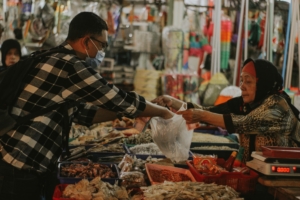
 Small businesses are the “backbone” of Myanmar’s economy. Not only do they create jobs, but they provide higher levels of fulfillment, support and cultivate communities and neighborhoods. Overall, small businesses improve Myanmar’s standard of living. The World Bank reports that Myanmar’s economic growth baseline will drop to 0.5 from 6.8 due to COVID-19. The pandemic could reverse Myanmar’s significant progress in poverty eradication. Even so, there are businesses that are still operating and contributing to Myanmar’s economy’s recovery.
Meet U Min Htin
U Min Htin is an education service provider in Myanmar. Before the pandemic, the education market flourished. Now demand is slowing as citizens focus on surviving the pandemic rather than honing professional skills. Like most institutions worldwide, U Min had to transition services online. Although the business is not doing as well, as usual, he counts his blessings. The service is still available, and he has not gone bankrupt. The need for education services will rise again. As Myanmar’s economy recovers, the demand for educated professionals will naturally increase.
Meet Javier Phua and Melissa Koh
They are the owners of Easy Speciality Coffee. Their business suffered considerably at the start of the pandemic. Most of their customers are from outside Myanmar, and border restrictions forced them to return and remain home. However, Easy Specialty Coffee is recovering strong. Incredible menu changes as well as food delivery services have helped their business stay alive. They have begun providing relief to those struggling from COVID-19 through their new Coffee for Food initiative. All proceeds from selling coffee beans go to this initiative. They also offer free coffee to frontline medical workers.
Meet Daw Moe Moe Kyaw
She is a sugar trader in Myanmar. The pandemic has significantly slowed operation and increased costs. New restrictions prohibiting Myanmar truck drivers from entering China now forces her to switch drivers at the border. Now it takes double the time and capital to move her products. Also, communication with her Chinese partners is continuously interfered with as China hardens regulations on chat services. Also, foreign bank transactions take five times as long to get approved, affecting cash flow. Despite these drawbacks, Daw’s sales are still increasing. Sugar is one of those commodities that will likely maintain its high demand.
Meet Myint
Myint makes and sells multipurpose cloth bags in nearby villages and markets. The local government restrictions on social gatherings are slowing sales. However, she has been able to stay afloat thanks to a grant she received from the United Nations Women’s Rahkine Program. Rather than close her business, Myint is transitioning her business online. She is also seeking other ways that will allow her to sell in compliance with COVID-19 guidelines.
A New Economic Pillar
E-commerce is a potential saving grace for Myanmar’s economy. Myanmar has seen a significant increase in online sales since COVID-19. The government’s new economic relief plan now prioritizes the protection and support of e-commerce. Online businesses are now considered a pillar of Myanmar’s economy. Although e-commerce looks hopeful, supply chain disruptions, expense increases and demand declines are still real problems that will not go away.
In Conclusion
The Myanmar Times reports that almost a third of businesses have closed temporarily due to COVID-19. Naturally, small businesses are limited in cash flow and have slim profit margins. The effects of this pandemic stress the strain even more. However, these businesses and many others provide hope for a fully recovered Myanmar economy. With their ability to adopt new business models, change operating procedures and provide relief to their neighbors, all businesses worldwide should take notes.
– LaCherish Thompson
Photo: Unsplash
 Japan has handled the COVID-19 pandemic much better compared to other nations. For example, the death rate for COVID-19 in Japan is
 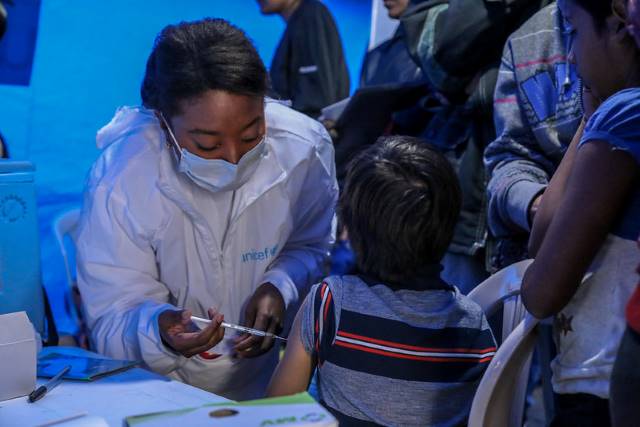 Colombia’s healthcare system is not perfect but it also far from inadequate. Located in the northernmost part of South America, Colombia has estimable healthcare provision for the country’s people. With both public and private insurance plans, reputable facilities and well-equipped healthcare providers, Colombia sets an example of what sufficient healthcare looks like in a developing country. To understand this better, it is necessary to know some key facts about healthcare in Colombia.
 There are numerous reasons to invest in foreign aid in general. That can include partaking in growing the global economy, promoting international human rights and opening donor countries to potential investment returns. What makes Brazil a particularly good market to invest in is its promising role in the global economy. There are several reasons why investing in Brazil is beneficial.
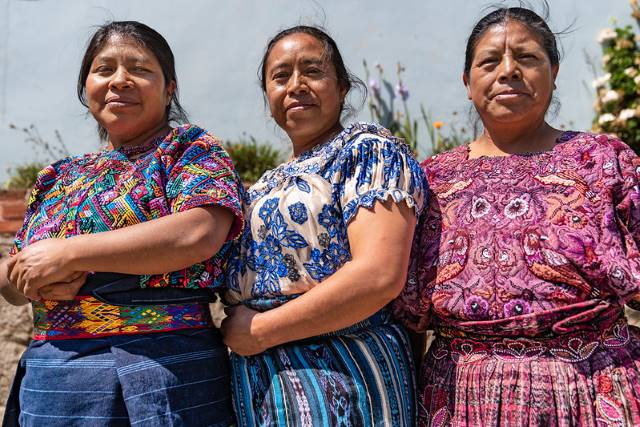 New telemedicine clinics in Guatemala are providing vital resources to women and children living in remote areas with limited access to healthcare specialists. This advancement in healthcare technology increases Guatemala’s healthcare accessibility and follows a trend of a worldwide increase in telemedicine services.
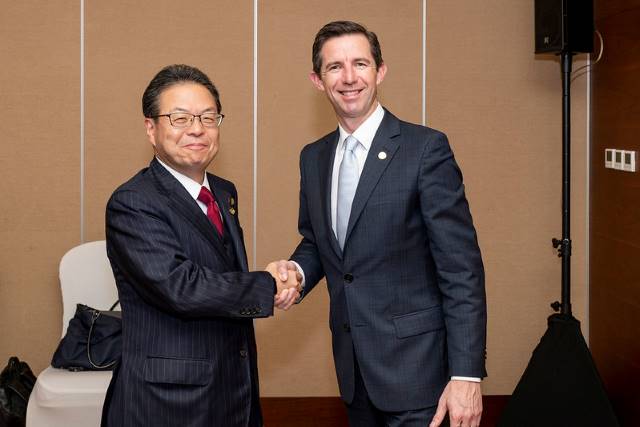 On November 15, 2020, 15 Asia-Pacific countries signed The Regional Comprehensive Economic Partnership (RCEP). The RCEP is a
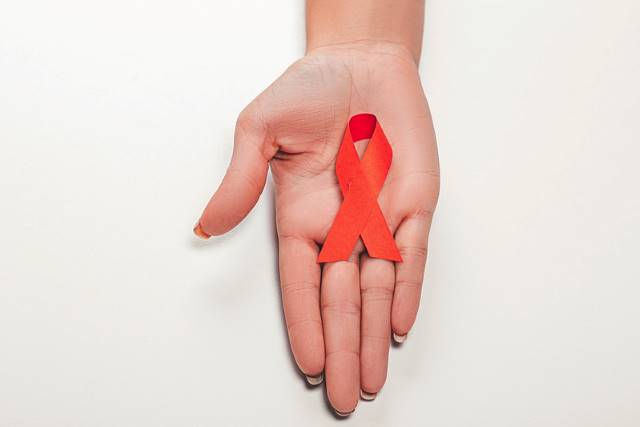 Amid a global pandemic, Russia is fighting a medical war on two fronts; as Russia deals with the spread of COVID-19, Russia’s AIDS epidemic is worsening. As the HIV infection rate continues to decline in the rest of Europe, the transmission rate of HIV in Russia has been
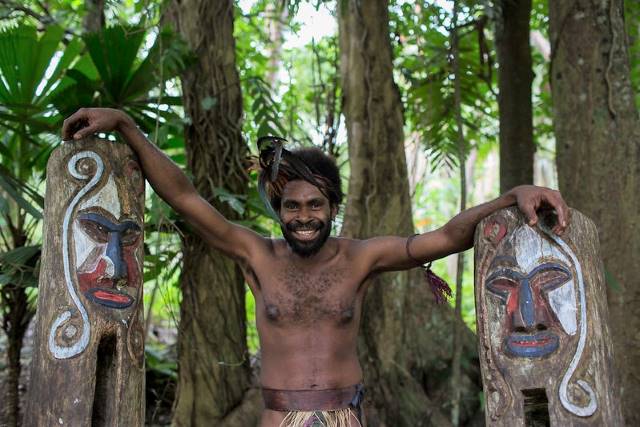 Since the United Nations created the least developed countries (LDCs) list in the 1970s, only six nations have moved off of the list to a higher ranking of development. Vanuatu, an island nation in the South Pacific, became the sixth country to do so on December 4, 2020, after being designated an LDC in 1985. Vanuatu’s graduation from the LDCs list can serve as a beacon of hope for more LDCs to achieve higher rates of development.
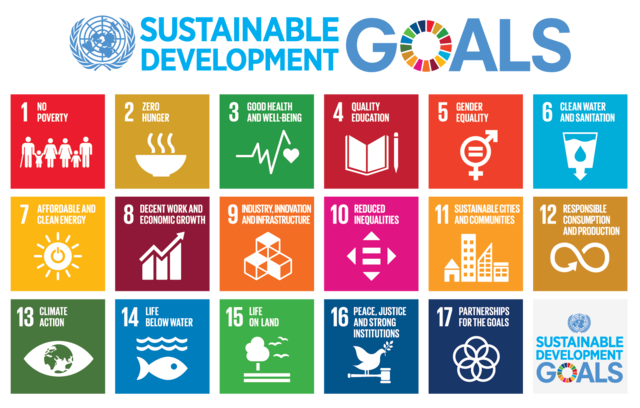 In Argentina, the COVID-19 pandemic and ensuing economic unrest has stalled efforts to close the inequality gap. Before the pandemic hit, Argentina was making progress on a series of Sustainable Development Goals (SDGs), which is a
  Before the COVID-19 pandemic, the poverty rate was expected to