• Link to X
  • Link to Facebook
  • Link to Instagram
  • Link to TikTok
  • Link to Youtube
  • About
    • About Us
      • President
      • Board of Directors
      • Board of Advisors
      • Financials
      • Our Methodology
      • Success Tracker
      • Contact
  • Act Now
    • 30 Ways to Help
      • Email Congress
      • Call Congress
      • Volunteer
      • Courses & Certificates
      • Be a Donor
    • Internships
      • In-Office Internships
      • Remote Internships
    • Legislation
      • Politics 101
  • The Blog
  • The Podcast
  • Magazine
  • Donate
  • Click to open the search input field Click to open the search input field Search
  • Menu Menu

Tag Archive for: COVID-19

Posts

Economy, Education, Global Poverty

Economic Development in Nicaragua Set to Improve Through Education

Economic Development in NicaraguaEconomic development in Nicaragua has encountered issues that have slowed the country’s development. Nicaragua declared itself an independent country in 1821. However, it has directly felt the crippling effect of economic issues from the onslaught of crimes. As recently as 2020, Nicaragua was recognized as a critical threat location for crime by the Overseas Security Advisory Council. Nicaragua has also encountered natural disasters. As of November 2020, Hurricane Eta and Hurricane Iota, Category 4 and 5 hurricanes respectively, caused more than $740 million in damage.
However, even with mounting external and internal pressure, economic development in Nicaragua has shown potential for improvement. This change is based on securing educational opportunities that turn into growth in economic projects. Private organizations have created community centers and offered low- and middle-income citizens better access to education. Such organizations have also created jobs by amplifying the reach of renewable energy, agricultural irrigation expansion and fortification of infrastructure.

Nicaraguan Poverty

Nicaragua has faced an uphill battle in economic growth due to its criminal and poverty-stricken background. The conflict between rival gangs within the country exacerbates this issue. This instability has also caused a decline in economic fortitude. Moreover, inflation has reached undeniably high levels, and people have left Nicaragua in droves to pursue better economic opportunities. The people left behind continue to suffer from a lack of proper healthcare and education.

Education Improves Economic Development

The educational system within Nicaragua is adjacent to the poverty level. Children within the educational system find themselves facing the challenge of completing school due to a wide range of reasons. A recent study from the USAID reported that an estimated 72% of Nicaraguans do not finish secondary school, leaving them likely to be impoverished. In addition, more than 18% of teachers do not have more than primary school education. This creates a new generation of unprepared Nicaraguan citizens.

The correlation between educational attainment and job development is significant. It is the bridge that keeps many Nicaraguans in impoverished income brackets. With the constant issues that many lower-income Nicaraguan students face, there has been an increase in steering them toward an attainable educational path and improving educational success.

Formative Ways of Change

Outside help from the U.N. and the U.S. has created a shift in economic and educational development in Nicaragua in recent years. Organizations such as Save the Children and the World Bank have supported the upturn of educational prowess within Nicaragua. Save the Children has created an infrastructure for educational access by establishing toll roads and paving new ones. Additionally, the World Bank has established more community centers with creative and technical workshops to teach and fortify skills. The skills taught include knowledge of irrigation, infrastructure fortification and a new era of clean and renewable energy.

The organizations have also increased job development and commercial development projects from the private sector. These development projects have provided more job opportunities within the industries of agricultural irrigation, the fortification of infrastructure, renewable energy and the reinforcement of trade.

Projects of this magnitude were given more than just a prime objective with the World Bank portfolio. Such projects totaled more than $400 million for nine planned projects. These projects include the enhancement of telecommunications, roads, education, health and insurance for natural disasters. Two credits have already been passed together, worth more than $100 million, to combat COVID-19 and help those most affected by hurricanes.

The Nicaraguan educational system has had a rise in scholars coming through the ranks to create an ever-growing class of job-ready individuals. Problems of organized crime and violence have troubled Nicaragua in the past, but there is hope to establish a better economic system that can create many more jobs and lead Nicaragua to a better future. Organizations like the World Bank and Save the Children are instituting an educational and job pathway for young and experienced Nicaraguan citizens alike to create a more prosperous Nicaragua.

– Mario Perales
Photo: Unsplash

July 2, 2021
https://borgenproject.org/wp-content/uploads/borgen-project-logo.svg 0 0 Lynsey Alexander https://borgenproject.org/wp-content/uploads/borgen-project-logo.svg Lynsey Alexander2021-07-02 07:31:342024-05-30 22:23:33Economic Development in Nicaragua Set to Improve Through Education
Global Poverty

4 Facts About Healthcare in Bulgaria

4 Facts about Healthcare in Bulgaria
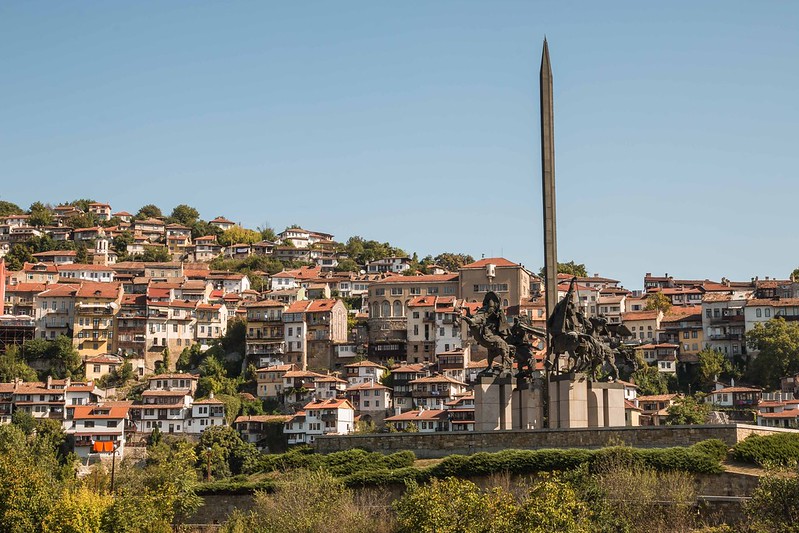
Bulgaria is culturally diverse and geographically unique. The Balkan nation borders the Black Sea and has Greek, Slavic, Ottoman and Persian influences. Still suffering from the effects of the 2008 financial crisis; however, Bulgaria is the most impoverished country in the European Union based on GDP per capita. The Eastern European country has seen both success and shortcomings in attempting to address healthcare outcomes. Here are four facts about healthcare in Bulgaria.

4 Facts About Healthcare in Bulgaria

  1. Spending on healthcare in Bulgaria is low. In 2018, the Bulgarian healthcare budget was approximately $2.2 billion, or 4.3% of the Bulgarian GDP. As one of the lowest spenders in Europe, the system in Bulgaria relies on out-of-pocket payments. This is problematic because it limits access to healthcare, particularly for those living in poverty. Moreover, external development is not helping solve the problem. Such sources provide only one percent of the total health funds in Bulgaria.
  2. There have been gradual improvements in healthcare outcomes. Despite low spending levels, healthcare outcomes in Bulgaria have been progressively improving. Life expectancy in Bulgaria has been increasing throughout the past four decades. Between 2000 and 2015, the Bulgarian life expectancy increased by 3.1 years. The death rate for circulatory system diseases has also declined since 2000, following its peak in the 1990s. While Bulgaria has been making progress in these areas, the most significant is related to infant mortality rates. In 2000, the infant mortality rate was 13.3 per 1,000 live births, but the rate decreased to 6.6 in 2015. The neonatal mortality rate also decreased, roughly halving between 1980 to 2015.
  3. Healthcare in Bulgaria is financed by both public and private sources. In order to generate funds, Bulgaria employs a mixed-finance system. While the government covers some portions of healthcare, private sources finance many procedures. There is a rough balance, with 57.8% of total health expenditures from public finances and 42.2% from private sources. The percent of private expenditures, however, is increasing at a faster rate than public expenditures. On the public side, the most significant health service purchase is the National Health Insurance Fund (NHIF). While citizens are free to purchase additional insurance packages, “less than 3% of the population purchased some form of voluntary health insurance in 2020.”
  4. Healthcare in Bulgaria is undermined by a dwindling healthcare workforce. The overwhelming impact of the COVID-19 pandemic has illuminated one of the most significant struggles of healthcare in Bulgaria: there simply aren’t enough healthcare workers. While Bulgaria has received substantial investment from international organizations like the European Union to upgrade medical infrastructure, these funds do little to ensure Bulgaria has a thriving healthcare workforce. At present, thousands of Bulgarian healthcare workers are finding better-paying jobs in Western Europe. Kristina Macneva, an emergency doctor that has stayed in Bulgaria, explains that “the main problem is the lack of medical staff” and that they are in “dire need.”

Looking Ahead

Though great strides have been made in healthcare in Bulgaria, more work still needs to be done to ensure all citizens are receiving quality care. Moving forward, it is essential that the government devotes more resources to healthcare in the nation.

– Kendall Carll
Photo: Flickr

June 10, 2021
https://borgenproject.org/wp-content/uploads/borgen-project-logo.svg 0 0 Kim Thelwell https://borgenproject.org/wp-content/uploads/borgen-project-logo.svg Kim Thelwell2021-06-10 07:30:092021-06-11 08:37:304 Facts About Healthcare in Bulgaria
Global Poverty

Examining COVID-19 in South Korea

COVID-19 in South KoreaThe COVID-19 pandemic that began in late 2019 has impacted families, communities and society as a whole. The pandemic precautions have been a worldwide effort to keep everyone safe. In South Korea, there have been a total of 118,243 cases of COVID-19 as of April 2021. Of the 118,243 who tested positive, there have been 1,812 deaths but 107,781 individuals have recovered. The statistics show the persistent effort that is being demonstrated by the South Korean government to keep the country and its citizens safe.
COVID-19 in South Korea

South Korea has made it a priority to establish a system for the country and its citizens in order to keep everyone safe. In the early stages of COVID-19, South Korea made it a priority to mitigate the situation by distributing tests to as many people as possible. The results of the test, positive or negative, would gauge the severity of the outbreak. The goal was to have everyone quarantine so that the transmission of the virus, regardless of the positive or negative test result, would be slowed. The procedure that the South Korean officials followed was: test, trace and isolate. Within weeks of the first COVID-19 case, South Korea was the leading country in distributing tests. In perspective, by the end of April 2020, the United States had more than one million positive cases. South Korea had fewer than 11,000 cases. In the early stages of COVID-19, South Korea had 3,700 cases whereas the United States had 32. Managing the quick outbreak, and dealing with its repercussions was not easy for any country. However, South Korea was able to quickly formulate a system of test, trace and isolate. This helped lessen the number of lost lives.

Vaccine Efforts in South Korea

The creation and distribution of vaccines have been a large factor in the success that South Korea has seen in combatting COVID-19. South Korea has signed a contract with Pfizer to purchase another 40 million doses of its vaccine. Collectively, South Korea has 192 million doses of vaccines from Moderna, AstraZeneca PLC, Johnson & Johnson and Novavax. The goal that South Korea had set was to have 70% of its citizens vaccinated with the first dose by November.

In order to obtain aid and assistance to receive these large quantities of vaccines, South Korea looks to the United States for help. South Korea provided assistance to the United States in the early stages of the pandemic with COVID-19 testing kits and face masks. Therefore, South Koreans hope for help from the United States in return. The U.S. State Department has made a statement regarding this vaccine alliance. The Department sees a possibility to help other countries increase their vaccine supplies but the citizens of the United States will be the priority.

Looking Ahead

South Korea was extremely successful in combating the virus at the beginning of the pandemic by acting quickly in response to testing and isolation. When no one knew how to handle the pandemic, South Korea stood as a strong example of how to minimize the effects of a global pandemic.

– Nicole Sung
Photo: Flickr

June 2, 2021
https://borgenproject.org/wp-content/uploads/borgen-project-logo.svg 0 0 Kim Thelwell https://borgenproject.org/wp-content/uploads/borgen-project-logo.svg Kim Thelwell2021-06-02 10:43:522021-06-02 10:47:01Examining COVID-19 in South Korea
Global Poverty

Tourism in Turkey Could Be Turning a Corner Post-Pandemic

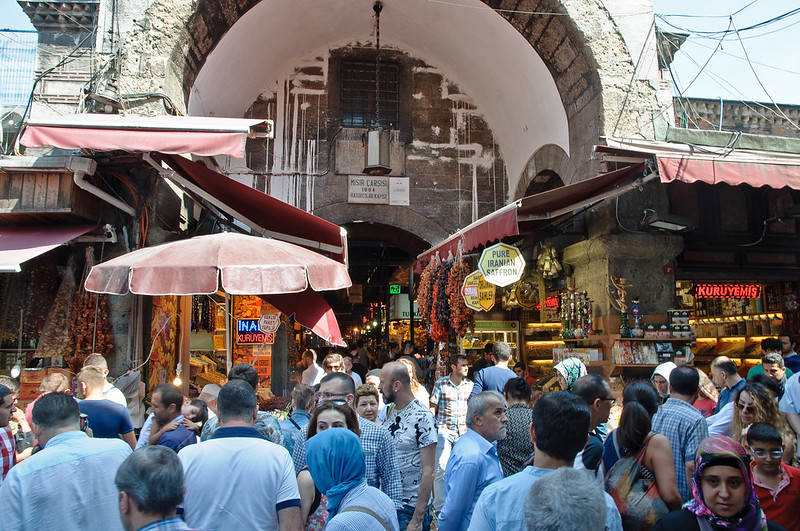
Tourism in TurkeyThe COVID-19 pandemic gripped the world over a year ago and tourism worldwide has since seen a considerable decline. Turkey heavily relies on its tourism industry and previously hosted hundreds of thousands of visitors daily. But in 2020, figures fell significantly due to the virus and subsequent travel restrictions. However, implementation of increased safety measures provides hope for the tourism industry in Turkey. 
The Pandemic’s Effects 

With a rich cultural history, Turkey offers a variety of stunning historic sites and tourist attractions. In recent years, the country has ranked among the top 10 most-visited countries worldwide, according to WorldAtlas. Places like Istanbul and Antalya draw in millions of visitors, creating thousands of jobs as well as revenue for the country. This was before the pandemic. 

The COVID-19 pandemic was devastating for many countries, especially those that relied on tourism and travel for economic stability. For Turkey, the pandemic led to up to $12 billion in lost revenue and slashed tourism rates by 75% in the first half of 2020 compared to the previous year.

Contrasting those dim statistics, Turkey was labeled as a success last year by the WHO due to its fast actions in containing the virus. The Turkish government quickly instituted strict curfews for citizens,  which proved successful and indicated a quick end to the virus. Consequently, President Recep Tayyip Erdoğan loosened restrictions in Turkey’s “controlled normalization” phase in early 2021. Since then, there has been a drastic spike in cases this year. There is an estimated 1000% increase in daily cases, with an average of around 50,000 cases per day. Despite Turkey’s impressive initial control of COVID-19, deaths have doubled since the end of 2020. 

Turning a Corner with Safety

When will former capacity return to sites like Istanbul’s Grand Bazaar? That is the main question business have in 2021. In response, the president of Turkey’s Travel Agencies Union, Firuz Bağlıkaya, stated that tourist agencies plan to create the best experiences possible for tourists rather than increasing tourism rates. As such, the government has begun to roll out what it calls the Safe Tourism Certification Program, which is spearheaded by the Ministry of Culture and Tourism.

The program is mandatory for businesses with 30 or more rooms and optional for smaller businesses. After a company applies, an accredited team comes to assess the safety of the establishment. Companies that pass the inspection are then announced on the Ministry of Culture and Tourism’s website. Certified companies also receive safety logos that are visibly placed throughout the facilities. To ensure continual safety, periodic inspections occur in both a planned manner and secretive visit on a monthly basis. All of this information is made easily accessible to everyone, including guests, by simply scanning the QR code found on every safety logo. 

Tourism Season in 2021

Although small businesses and vendors in Turkey have been hit hard, things are looking up for the country’s tourism industry. According to Firuz Bağlıkaya, European countries rolling out vaccines at higher rates is an encouraging sign for the tourism industry. Tourists from these countries may be more inclined to travel, which is very important since the tourism industry relies on foreign traffic. Additionally, establishments within Turkey are measuring up to safety standards due to the Safe Tourism Certification Program. This will entice more visitors to come back the country and see its famous sites. With increased vaccine rollouts and continued safety protocols, Turkey may be back on its feet for the 2021 tourism season.

– Maddie Youngblood

Photo: Flickr

June 2, 2021
https://borgenproject.org/wp-content/uploads/borgen-project-logo.svg 0 0 Kim Thelwell https://borgenproject.org/wp-content/uploads/borgen-project-logo.svg Kim Thelwell2021-06-02 01:31:262024-05-30 22:23:30Tourism in Turkey Could Be Turning a Corner Post-Pandemic
COVID-19, COVID-19, Global Poverty

The World Bank’s Projects Adapt to COVID-19

The World Bank's Projects Adapt to COVID-19The World Bank is a global financial institution that provides funding to low- and middle-income nations to aid in development. Since its inception, the World Bank has always been focused on sustainable solutions to the problems facing developing nations. For many countries and organizations, COVID-19 has been a massive unexpected barrier to the progress being made. Through 2020 and into 2021, the World Bank has had to adapt its existing projects and new endeavors to operate with COVID-19 in mind.
The Ghana Accountability for Learning Outcomes Project

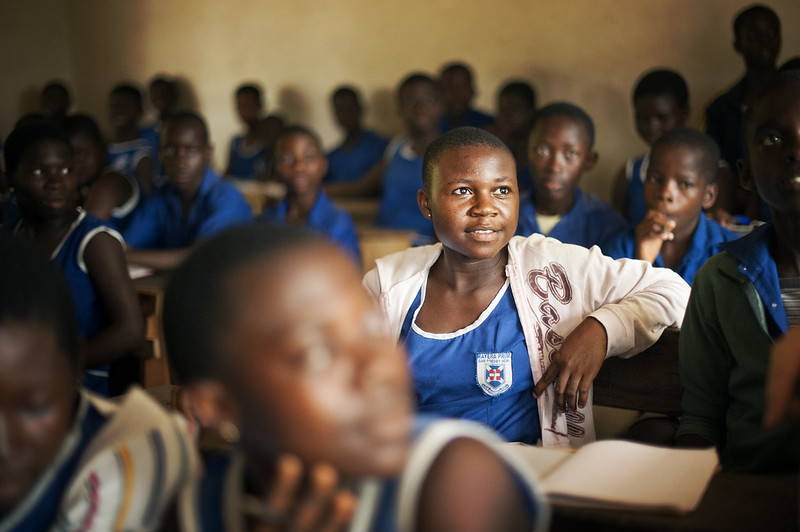
The Ghana Accountability for Learning Outcomes Project, or GALOP, was established in 2019 with the goal of improving the quality of low-performing schools in Ghana and ultimately improving education equity. GALOP operates in 10,000 schools in disadvantaged areas, implementing measures to improve the quality of education and the presence of accountability. The project benefits more than two million students and tens of thousands of teachers.

Since COVID-19 struck and majorly disrupted education systems and school attendance, the project has been adjusted to remain as effective as possible. Notably, it has expanded its benefits for children with disabilities, for whom education is less accessible than ever. The World Bank is responding to the consequences of COVID-19 on the school system to provide more appropriate aid where necessary.

The Sahel Women’s Empowerment and Demographic Dividend Project

The Sahel Women’s Empowerment and Demographic Dividend Project, which has been active since 2014, is also being adapted to compensate for the impacts of the pandemic. The goal of this project is to empower African women and increase their accessibility to health services. A substantial part of its mission involves education and raising awareness about female empowerment.

The World Bank has been presented with a significantly heightened issue compared to when it took this project on more than five years ago. Domestic violence rates have increased, girls’ enrollment in schools is lower than ever and much progress in the way of female empowerment seems to have been undone by the pandemic. In response to this, the World Bank project has shifted its focus primarily to young girls and women at risk of violence. These are two groups whose hardships are most exacerbated by COVID-19. The World Bank recognizes that and has adjusted its actions to prioritize those most at-risk.

New Projects

In addition to revising and expanding existing projects, the World Bank has taken on many new projects specifically to help relieve the consequences of COVID-19. The organization has played a large role in providing vaccine accessibility to developing countries and has provided significant funding for its member nations to assist in mitigation and COVID-19 relief efforts.

Some projects, like Building Back Better, were created to provide support for impoverished communities so that they cannot only recover from the global health crisis but to maintain the progress made prior to it. Building Back Better focuses on implementing solutions that are sustainable and will be functional long-term within developing nations.

Other projects, like the Kinshasa Multisector Development and Urban Resilience Project, known as Kin Elenda, focus on problems that existed prior to COVID-19 but have been exacerbated by the crisis. In particular, Kin Elenda targets accessibility issues present in urban neighborhoods in the Democratic Republic of the Congo. It is providing solutions that are rooted in resilience and introducing equity to these urban areas.

In an April 2021 conference, India’s Minister of Finance Nirmala Sitharaman urged the World Bank to continue funding at this level, which is considered a “crisis response.” It is clear that the organization’s targeted efforts are providing genuine relief during this crisis, and the countries impacted would benefit from the continuation of these efforts.

The World Bank is dedicated to ending extreme poverty and promoting shared prosperity. While the global crises presented by COVID-19 have exacerbated many of the issues that contribute to poverty, the international organization has proved that it will continue to fight for its mission. The World Bank’s success in fighting the pandemic has presented evidence of poverty solutions that are both sustainable and adaptable.

– Samantha Silveira
Photo: Flickr

May 26, 2021
https://borgenproject.org/wp-content/uploads/borgen-project-logo.svg 0 0 Kim Thelwell https://borgenproject.org/wp-content/uploads/borgen-project-logo.svg Kim Thelwell2021-05-26 01:30:252021-05-25 12:15:14The World Bank’s Projects Adapt to COVID-19
COVID-19, Global Poverty

COVID-19 in Mexico

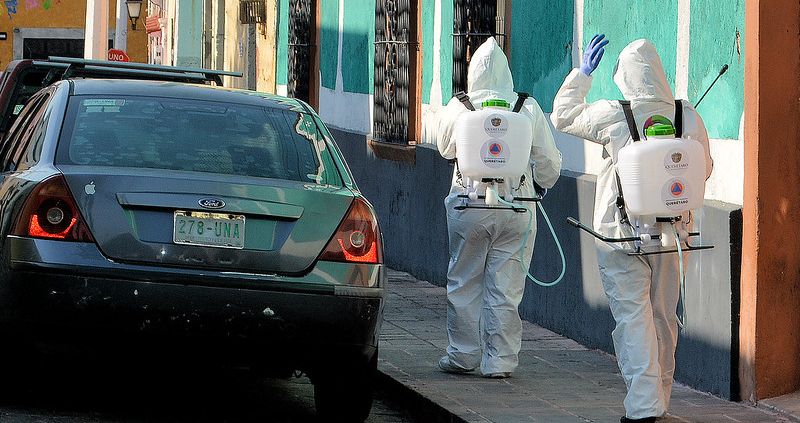
COVID-19 in MexicoThe COVID-19 pandemic has led to a historic level of downfall in Mexico’s economy, causing thousands of individuals to lose their jobs. As of 2018, approximately 42% of the Mexican population lived below the poverty line; the pandemic has unfortunately strongly contributed more and more individuals to the impoverished communities in Mexico. The Mexican government did not impose a general lockdown because many citizens could not afford it. Even so, the economy was paralyzed due to most consumers locking themselves down voluntarily. Furthermore, public hospitals collapsed, resulting in people unable to receive medical attention or the private visit that could ultimately save their lives. COVID-19 in Mexico has brought to light the wealth disparity among citizens in Mexican society.

Vaccine Inequality

Vaccine inequality is prominent among those living in poverty. Vaccines are not currently reaching the rural areas of Mexico where there are thousands of people who are now geographically isolated from vaccine centers. Additionally, those who live in rural areas would require technology to stay informed about these vaccine centers, but poverty inhibits people from accessing technology and therefore the necessary education and information about vaccination.

Many citizens in Mexico did not originally believe in the severity of the novel coronavirus; face masks did not start being worn as soon as recommended. Health authorities reported not only that many people were not using face masks but also a large number of people were unable to afford one. As a result, patients who were living in extreme poverty are less likely to survive COVID-19 in Mexico. This is largely due to the fact that the impoverished are more exposed to the virus compared to those who are able to afford to quarantine and avoid exposure.

Demographics

The Mexican government is struggling to give the necessary attention to many who need it most. According to the National Council for the Evaluation of Social Development Policy, or CONEVAL, COVID-19 in Mexico caused a 63% drop in household income. The pandemic has proven that staying home is a privilege that many impoverished citizens do not have. Statistically speaking, 27% of people living in poverty contracted the novel coronavirus, while only 5% of the upper-class contracted COVID-19. This demonstrates the clear relationship between high rates of infection and socioeconomic status in Mexico.

Looking Forward

COVID-19 in Mexico has caused thousands of deaths, and the lack of infrastructure and government initiatives has caused delays in the vaccination process. However, Mexico has received more than 2.7 million COVID-19 vaccines on behalf of the United States. The White House has made what is considered a positive diplomatic step forward in providing Mexico with these doses of the vaccine, and the hope is that even more vaccines will be sent by the U.S.

The NGO Direct Relief has donated 330,000 masks to help relieve the crisis. As well, Direct Relief assisted in importing the 100,000 KN95 masks donated by Academy Award-winning film director Alfonso Cuarón. Many people are benefiting from the action, and the vaccination process is slowly improving in Mexico.

COVID-19 in Mexico has demonstrated how socioeconomic status affects access to healthcare and the ability to protect oneself from the pandemic. However, vaccination has begun and donations of personal protective equipment, or PPE, are steps in the right direction for Mexico’s handling of the novel coronavirus.

– Ainara Ruano Cervantes
Photo: Flickr

May 22, 2021
https://borgenproject.org/wp-content/uploads/borgen-project-logo.svg 0 0 Lynsey Alexander https://borgenproject.org/wp-content/uploads/borgen-project-logo.svg Lynsey Alexander2021-05-22 01:31:282021-05-18 12:19:23COVID-19 in Mexico
Global Poverty

The Decline of Deforestation in Indonesia

The Decline of Deforestation in IndonesiaLast year, Indonesia recorded its lowest annual deforestation rate since 1990. The country lost only 285,300 acres of forest cover— a startling 75% drop from 2019. Belinda Arunarwati Margono, the Indonesian ministry’s director of forest resource monitoring, commended the country’s progress, remarking that, “in the past, we’ve often said that our deforestation was in the millions [of hectares]”, but the 2020 deforestation rate, “is remarkable for us because this is the lowest deforestation figure that we’ve ever achieved.” The decline of deforestation in Indonesia has many contributing factors that made it possible.
Causes of the Decline of Deforestation in Indonesia

Indonesia’s government attributed the drop to their several prohibited forest-clearing policies imposed last year. These include, “a permanent ban on issuing new permits to clear primary forests and peatlands; a moratorium on new oil palm plantation licenses; forest fire mitigation; a social forestry program; land rehabilitation and increased enforcement against environmental violations.”

Due to La Niña, 2020 was one of Indonesia’s rainiest years in the past four decades. As a result, deforestation from forest fires decreased significantly. Additionally, the economic fallout caused by COVID-19 slowed Indonesia’s timber production, contributing to the low deforestation rate. A researcher with Forest Watch Indonesia, Mufthi Fathul Barri, commented on the matter, “The disruption to economic activity can be seen from timber production from natural forests, which declined. In 2019, Indonesia produced timber from 8.4 million hectares of natural forests. In 2020, it was 6.6 million hectares.” As such, the very low rate of deforestation in Indonesia last year will be difficult to mimic in the near future.

Conservation Work

Yet another factor contributing to Indonesia’s declining deforestation rate is the conservation work done by advocacy groups such as Rainforest Alliance. This organization assists farm and forest communities across the island through training and certification. It successfully improves the health of the environment as well as the people. The Rainforest Alliance details their conservation efforts in Kalimantan on their website, which reads, “FSC [Forest Stewardship Council] certification significantly reduced deforestation by 5% points and air pollution by 31% compared to the rates of control villages in non-certified logging concessions.”

In addition, the Rainforest Alliance has helped educate Indonesian people on ecosystem conservation and sustainable farming. Their educational initiatives help protect the ecosystem while simultaneously administering information that can improve the livelihoods of Indonesian farmers. Overall, this aspect of the Rainforest Alliance’s mission offers considerable aid to low-income communities.

The organization’s work in Central Sulawesi has helped restore the region’s watershed, Lake Poso. This was achieved through a community-led program with the Karya Bersama cocoa cooperative in Pamona Seletan. Since the cooperative started working with Rainforest Alliance, their 500 farmers have experienced increased crop productivity, with a 20% yield increase in 2019. Rainforest Alliance’s work with the Karya Bersama cooperative shows significant potential to restore Indonesia’s ecosystem while improving the quality of life in rural communities. This can all be achieved through conservation and sustainable farming education.

Looking Ahead Amidst the Decline of Deforestation in Indonesia

Many factors caused the 75% drop in deforestation in Indonesia last year. The government’s new anti-forest-clearing policies, the rainy season and the slow in timber production due to COVID-19 all contributed. Although the climatic conditions of 2020 and the economic lull offered favorable circumstances for a decrease in deforestation, the Indonesian government, along with organizations can not be discounted for their tremendous efforts. Hopefully, Indonesia can continue the favorable trend into the future.

– Eliza Kirk
Photo:Flickr

May 12, 2021
https://borgenproject.org/wp-content/uploads/borgen-project-logo.svg 0 0 Kim Thelwell https://borgenproject.org/wp-content/uploads/borgen-project-logo.svg Kim Thelwell2021-05-12 01:30:132024-05-30 22:23:14The Decline of Deforestation in Indonesia
COVID-19, Global Poverty

Healthcare in Barbados: Combating COVID-19

Healthcare in Barbados

Healthcare aids in the prevention, treatment and diagnosis of an illness. Healthcare has greatly improved through research and newly discovered science and medicine. Although, the outbreak of COVID-19 has hurt many populations around the world. As a result, healthcare was forced to adapt radically and rapidly. According to the World Health Organization (WHO), almost every country experienced a disruption to its health services. Low and middle-income countries reported the greatest difficulties. However, Barbados’s response to the COVID-19 crisis has proven to be more successful than other nations.

Barbados

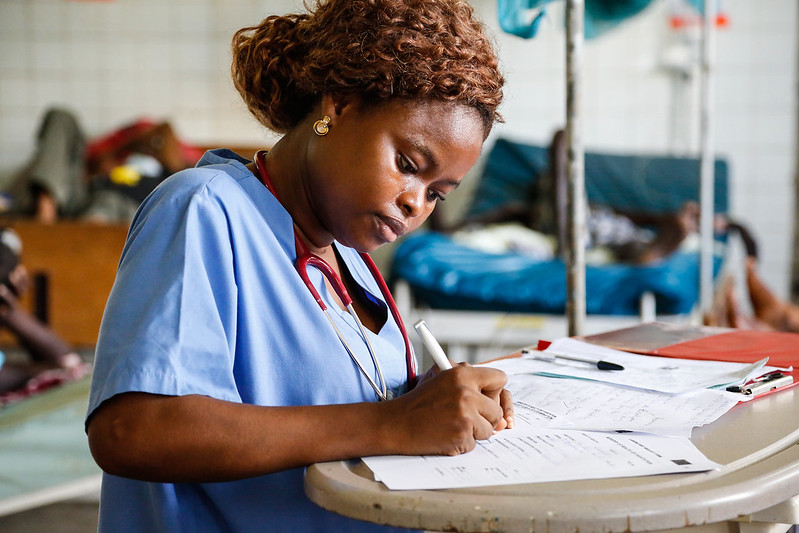
Healthcare in Barbados is of high standard and easily accessible to everyone. The Queen Elizabeth hospital has about 600 beds and offers care in areas such as radiology and obstetrics. Furthermore, there are eight government Polyclinics that provide free medical treatment for minor ailments, five Geriatric hospitals for elderly care and a network of Child Care facilities. With a population of about 287,375 people, the country has seen around 365 COVID-19 cases and seven deaths.

Combatting the Virus

The Pan American Health Organization (PAHO) planned to strengthen laboratory capacity for early detection of COVID-19. Barbados ‘Bet-dos Santos Public Health Laboratory’ became one of the first in the Caribbean to acquire test kits and reagents for COVID-19 detection. Additionally, Barbados received concurrent training of laboratory personnel in the new testing protocol.

According to Barbados Today, COVID-19 patients were receiving an experimental drug called Remdesivir and were recovering quickly in April. The doctor leading the trial said, “the patients taking part in a clinical trial of the drug have all had severe respiratory symptoms and fever but were able to leave the hospital after less than a week of treatment.”

Barbados’s government established a COVID Rapid Response Unit and a COVID Engagement Unit to monitor quarantine sites and crack down on violation of COVID-19 protocols. A Cuban medical team in Barbados won the 2021 Nobel Peace Prize for its outstanding work in response to the COVID-19 pandemic in December. David Comissiong, the Ambassador of Barbados to CARICOM (Caribbean Community) nominated the nation. Additionally, medical teams have gone to up to 38 countries and 12 Caribbean countries.

Adjusting for Visitors

Barbados is a popular tourist hotspot and it still wishes to accommodate visitors. The government created the Welcome Stamp, a new visa for remote workers. This visa allows visitors to stay for up to 12 months and work remotely. According to the Insider, Barbados’s new incentive allows people to relocate to a popular destination and still continue to work from home. Barbados had 1,693 Welcome Stamp applications by the end of October. Travel guidelines have been implemented to prevent the spread of the virus. Thus, airports require health screening procedures and quarantine procedures.

Barbados is a thriving country that successfully utilizes its accessibility to healthcare. Healthcare in Barbados is vital. The country is not selfish or prejudice with its medical management. Furthermore, it lives by an egalitarian system regarding health protection. Barbados has used its resources to aid other countries and provide solutions and trials to carriers of the virus. The country and its medical teams will continue to take the proper precautions to protect its inhabitants and those in other countries.

– Thomas Williams

Photo: Flickr

March 22, 2021
https://borgenproject.org/wp-content/uploads/borgen-project-logo.svg 0 0 Kim Thelwell https://borgenproject.org/wp-content/uploads/borgen-project-logo.svg Kim Thelwell2021-03-22 19:35:452021-03-22 19:31:52Healthcare in Barbados: Combating COVID-19
Education, Global Poverty

Education in India During COVID-19

Education in India
Schools in India shut down in March 2020 due to COVID-19. While a lot of schools transitioned into online curriculums, many were unable to make this infrastructural shift. More than half of India’s population lives in rural areas. Furthermore, only 15% of rural households have access to the internet. The pandemic has put a spotlight on the digital divide within the country. NGOs, foundations and other social enterprises have become key to improving education in India.

Sampark

Sampark Foundation has reached more than 10 million children in six states throughout India. It focuses on education equality, providing low-cost educational services in order to broaden its reach. Sampark Smart Shala uses innovations such as board games, mobile applications and rechargeable audio devices to keep students engaged in lessons. These innovations specifically cater to students in rural areas.

Sampark’s COVID-19 response utilizes the national television channel Doordarshan and language-friendly apps to share quizzes and improve education in India. Furthermore, this organization posts ideas on a crowdsourced platform called Baithak for teachers to use. Teachers are also encouraged to keep in touch with their pupils.

Recently, Sampark has launched a program called Har Ghar Science STEM for Girls. This program’s goal is to establish science labs in rural schools and adopt an ascending approach to educating girls. As a result, education in India continues to evolve positively within rural communities.

Pratham

Pratham is an NGO based in Mumbai. Its goal is to bridge the gap in the Indian education system by implementing high-quality, low-cost and replicable interventions. This organization’s programs have improved education in India tremendously. Additionally, Pratham aids the government in encouraging children to regularly attend school. The organization relies on parents, local communities, volunteers and state governments to create personalized models of learning.

Currently, Pratham is working to engage underprivileged children and improve education in India through new programs. Karona Thodi Masti Thodi Padhai (Do it: A Little Fun, A Little Study) is a new program developed to aid students during the COVID-19 pandemic. This program uses popular messaging services, radio and WhatsApp to check in with students virtually. This new aspect of learning prioritizes “fun” and “study” to motivate students during this stressful time.

Eklavya

Eklavya is an NGO that works in education resource centers in Madhya Pradesh. This organization focuses on helping impoverished children become self-sufficient learners. Eklavya has published several books on education, children’s literature and other resource material, believing that education should be based on curiosity and experiences to motivate students. This NGO aims to enhance education in India by focusing on rural areas. Eklavya trains eligible parents, siblings and local youth to teach at well-ventilated spaces within local, socially distanced locations. Additionally, it has established a mobile-library system that rotates between localities.

Vidya

Vidya is an NGO that has served 3.7 million people in major cities such as Delhi, Gurgaon, Bangalore, Pune and Mumbai. This organization aims to provide education on life-skills, vocations and mental and physical wellbeing. Vidya’s goal is to improve education equality throughout India.

In response to the pandemic, Vidya developed strategies to combat the effects of COVID-19 on education in India. The NGO divided its solutions into technology and organization-based approaches. Solutions include reorganized exam schedules, adjusted syllabi and increased planning for a teaching aid for the next academic year.

The technological divide has made it difficult for students living in impoverished areas to access education in India. However, Vidya has received donations for phones, laptops and other devices to improve access to education. It arranges for students to pick up these devices at their convenience.

Thinkzone

Thinkzone is a social enterprise that aims to improve educational outcomes for children living in vulnerable communities. It uses “tech plus touch” models to combat inequality in education. Similar to other organizations, Thinkzone uses community-based approaches. This organization’s COVID-19 response is rooted in home-based learning that relies on phone calls and SMS to interact with parents who have started teaching their children. Fortunately, automated calls and interactive voice response technologies are accessible in many different languages. These automated calls provide pre-recorded course material to improve education in India.

This organization also strives to train community educators and assess the needs of students for further improvement. Furthermore, Thinkzone has partnered with various organizations and the government to improve education in India. Its home-based initiative has successfully reached more than 10,000 children in India.

These organizations have taken significant steps to improve education in India and aid the government in creating a more sustainable way of learning. With improved access to technology, education equality will continue to improve long after the pandemic has ended.

– Anuja Mukherjee 
Photo: Flickr

March 8, 2021
https://borgenproject.org/wp-content/uploads/borgen-project-logo.svg 0 0 Jennifer Philipp https://borgenproject.org/wp-content/uploads/borgen-project-logo.svg Jennifer Philipp2021-03-08 01:30:342024-05-30 07:56:32Education in India During COVID-19
Global Poverty

4 Small Businesses Keeping Myanmar’s Economy Alive Amid COVID-19

Myanmar’s EconomySmall businesses are the “backbone” of Myanmar’s economy. Not only do they create jobs, but they provide higher levels of fulfillment, support and cultivate communities and neighborhoods. Overall, small businesses improve Myanmar’s standard of living. The World Bank reports that Myanmar’s economic growth baseline will drop to 0.5 from 6.8 due to COVID-19. The pandemic could reverse Myanmar’s significant progress in poverty eradication. Even so, there are businesses that are still operating and contributing to Myanmar’s economy’s recovery.

Meet U Min Htin

U Min Htin is an education service provider in Myanmar. Before the pandemic, the education market flourished. Now demand is slowing as citizens focus on surviving the pandemic rather than honing professional skills. Like most institutions worldwide, U Min had to transition services online. Although the business is not doing as well, as usual, he counts his blessings. The service is still available, and he has not gone bankrupt. The need for education services will rise again. As Myanmar’s economy recovers, the demand for educated professionals will naturally increase.

Meet Javier Phua and Melissa Koh

They are the owners of Easy Speciality Coffee. Their business suffered considerably at the start of the pandemic. Most of their customers are from outside Myanmar, and border restrictions forced them to return and remain home. However, Easy Specialty Coffee is recovering strong. Incredible menu changes as well as food delivery services have helped their business stay alive. They have begun providing relief to those struggling from COVID-19 through their new Coffee for Food initiative. All proceeds from selling coffee beans go to this initiative. They also offer free coffee to frontline medical workers.

Meet Daw Moe Moe Kyaw

She is a sugar trader in Myanmar. The pandemic has significantly slowed operation and increased costs. New restrictions prohibiting Myanmar truck drivers from entering China now forces her to switch drivers at the border. Now it takes double the time and capital to move her products. Also, communication with her Chinese partners is continuously interfered with as China hardens regulations on chat services. Also, foreign bank transactions take five times as long to get approved, affecting cash flow. Despite these drawbacks, Daw’s sales are still increasing. Sugar is one of those commodities that will likely maintain its high demand.

Meet Myint

Myint makes and sells multipurpose cloth bags in nearby villages and markets. The local government restrictions on social gatherings are slowing sales. However, she has been able to stay afloat thanks to a grant she received from the United Nations Women’s Rahkine Program. Rather than close her business, Myint is transitioning her business online. She is also seeking other ways that will allow her to sell in compliance with COVID-19 guidelines.

A New Economic Pillar

E-commerce is a potential saving grace for Myanmar’s economy. Myanmar has seen a significant increase in online sales since COVID-19. The government’s new economic relief plan now prioritizes the protection and support of e-commerce. Online businesses are now considered a pillar of Myanmar’s economy. Although e-commerce looks hopeful, supply chain disruptions, expense increases and demand declines are still real problems that will not go away.

In Conclusion

The Myanmar Times reports that almost a third of businesses have closed temporarily due to COVID-19. Naturally, small businesses are limited in cash flow and have slim profit margins. The effects of this pandemic stress the strain even more. However, these businesses and many others provide hope for a fully recovered Myanmar economy. With their ability to adopt new business models, change operating procedures and provide relief to their neighbors, all businesses worldwide should take notes.

– LaCherish Thompson
Photo: Unsplash

March 2, 2021
https://borgenproject.org/wp-content/uploads/borgen-project-logo.svg 0 0 Jennifer Philipp https://borgenproject.org/wp-content/uploads/borgen-project-logo.svg Jennifer Philipp2021-03-02 01:30:382021-02-26 14:54:264 Small Businesses Keeping Myanmar’s Economy Alive Amid COVID-19
Page 6 of 23«‹45678›»

Get Smarter

  • Global Poverty 101
  • Global Poverty… The Good News
  • Global Poverty & U.S. Jobs
  • Global Poverty and National Security
  • Innovative Solutions to Poverty
  • Global Poverty & Aid FAQ’s
Search Search

Take Action

  • Call Congress
  • Email Congress
  • Donate
  • 30 Ways to Help
  • Volunteer Ops
  • Internships
  • Courses & Certificates
  • The Podcast
Borgen Project

“The Borgen Project is an incredible nonprofit organization that is addressing poverty and hunger and working towards ending them.”

-The Huffington Post

Inside The Borgen Project

  • Contact
  • About
  • Financials
  • President
  • Board of Directors
  • Board of Advisors

International Links

  • UK Email Parliament
  • UK Donate
  • Canada Email Parliament

Get Smarter

  • Global Poverty 101
  • Global Poverty… The Good News
  • Global Poverty & U.S. Jobs
  • Global Poverty and National Security
  • Innovative Solutions to Poverty
  • Global Poverty & Aid FAQ’s

Ways to Help

  • Call Congress
  • Email Congress
  • Donate
  • 30 Ways to Help
  • Volunteer Ops
  • Internships
  • Courses & Certificates
  • The Podcast
Scroll to top Scroll to top Scroll to top