• Link to X
  • Link to Facebook
  • Link to Instagram
  • Link to TikTok
  • Link to Youtube
  • About
    • About Us
      • President
      • Board of Directors
      • Board of Advisors
      • Financials
      • Our Methodology
      • Success Tracker
      • Contact
  • Act Now
    • 30 Ways to Help
      • Email Congress
      • Call Congress
      • Volunteer
      • Courses & Certificates
      • Be a Donor
    • Internships
      • In-Office Internships
      • Remote Internships
    • Legislation
      • Politics 101
  • The Blog
  • The Podcast
  • Magazine
  • Donate
  • Click to open the search input field Click to open the search input field Search
  • Menu Menu

Tag Archive for: Child Mortality

Posts

Child Poverty, Global Poverty

Facts About Child Poverty in Uzbekistan 

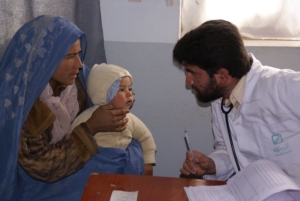
Child Poverty in UzbekistanUzbekistan has made remarkable strides in reducing poverty and improving child welfare. Despite these gains, child poverty in Uzbekistan remains a pressing issue, with many children living in disadvantaged conditions. 
Declining Child Mortality Rate 

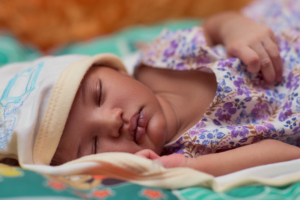
Uzbekistan has significantly reduced the infant and under-5 mortality rates over the past four decades. According to World Bank data, the infant mortality rate fell drastically from 98 per 1,000 live births in 1980 to just 13 per 1,000 live births in 2021. Likewise, the under-5 mortality rate reached an all-time low of 14 per 1,000 live births in 2021. 

Child Poverty in Uzbekistan

Nonetheless, child poverty remains a pressing issue in Uzbekistan. UNICEF’s 2019 report, “Building a Better Future: A Child-sensitive Social Protection System for Uzbekistan,” stated that 30% of young children and 24% of children between five to 14 years old belong to the poorest quintile of Uzbekistan. While the general poverty in Uzbekistan is 21%, the child poverty rate stood higher at 24%. 

As of 2019, 57% of children in the country lived on less than 10,000 UZS per day, approximately 1.5 times the minimum wage. The minimum wage in Uzbekistan also serves as the income eligibility threshold for families to receive child benefits. The prevailing circumstances signified that many children lived in households struggling to provide adequate child care. 

UNICEF currently estimates that children in Uzbekistan are one and a half times more likely to be poor than adults.

Malnutrition

Many young children in Uzbekistan experience undernutrition. Another 2019 UNICEF report, “Building a National Social Protection System Fit For Uzbekistan’s Children and Youth,” reported that 9% of children are stunted, causing irreversible damage to the children’s cognitive development. The report also highlighted that stunted children were likely to earn 26% less as adults than their non-stunted peers, further exacerbating a cycle of poverty and inequality. 

However, from 2002 to 2017, the stunting rate in Uzbekistan dropped from 21% to 8.7%, thanks to Uzbekistan’s immense strides in reducing malnutrition and expanding social welfare.  

Children With Disabilities 

In 2019, 13% of children with disabilities between the ages of 7 and 15 were not enrolled in school. Nearly one-third of young people with disabilities could not attain any diploma, limiting their educational and employment opportunities.

Moreover, UNICEF also determined that 52% of children with severe disabilities lacked access to services from the Child Disability Benefits program, indicating the limited reach of social support for vulnerable children and their families in Uzbekistan.

Social Insecurity 

52% of Uzbekistan’s impoverished households are excluded from any support by the national social protection system, leaving many families with children without benefits and social services. Subsequently, only 17% of children living in households have access to child benefits, only 23% of children under two gain Child Allowance, and only 10% of children between 2 to 14 years old collect the Family Allowance.

Ongoing Efforts by UNICEF

Currently, UNICEF’s global interventions emphasize child-sensitive social protection programs and investing in early childhood and adolescent development. For example, UNICEF is helping Uzbekistan develop a cash benefits program to address household income poverty. The organization plans to further invest in childhood education, health care access, clean water and sanitation to provide impoverished children with the needed care, security and nutrition. The organization hopes to establish sustainable social investments and integrate child-poverty-reduction policies into government budgets. 

Addressing child poverty, improving social security systems and ensuring better access to education and health care for children with disabilities are crucial areas that require concerted efforts from the government, civil society and international organizations to improve the well-being of children in Uzbekistan. 

– Freya Ngo
Photo: Flickr

September 10, 2023
https://borgenproject.org/wp-content/uploads/borgen-project-logo.svg 0 0 Lynsey Alexander https://borgenproject.org/wp-content/uploads/borgen-project-logo.svg Lynsey Alexander2023-09-10 05:45:592023-09-11 16:17:08Facts About Child Poverty in Uzbekistan 
Global Health

Maternal Mortality in South Sudan

Maternal Mortality in South SudanOne of the happiest moments in a mother’s life is taken away from her in South Sudan. With 789 deaths amongst 100,000 births, South Sudan’s maternal mortality rate ranks as one of the highest in the world. The probability of death when giving birth is higher when a woman is in poverty. Also, with little access to professional assistance and resources, death becomes far more likely. 
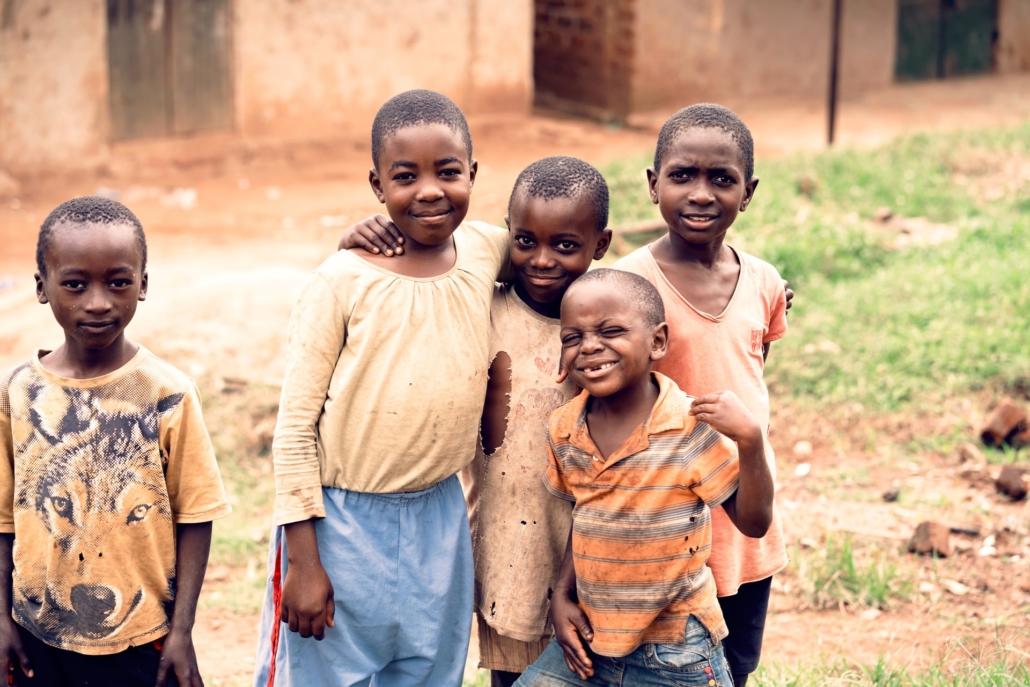
In turn, when maternal mortality occurs, the risk for child mortality increases. Orphaned children are more likely to become subject to child labor. They also tend to have limited access to high-quality education and encounter more obstacles that prevent them from reaching their highest potential. Maternal mortality in South Sudan is an urgent issue not only because mothers die, but also because maternal mortality leads to the ongoing suffering of the children left without moms.

Causes of Maternal Mortality in South Sudan

First, studies have shown that many women do not receive professional assistance when giving birth. In Juba, the capital of South Sudan, only a quarter of the women go to a hospital during the time of labor. That low figure partially stems from a lack of South Sudanese trained in maternal, newborn and child health (MNCH). With only one physician per 65,574 people and one midwife per 39,088 people, the country has a severe lack of professionals at hand. For this reason, mothers are forced to request assistance from non-certified individuals.

Poverty is a significant cause of maternal mortality risk factors. According to the World Health Organization (WHO), 4.8 million people in South Sudan, mothers included, suffer from food insecurity. Additionally, only 7% of the population has access to sanitation resources, which further prevents safe births. Poverty also influences South Sudan’s high illiteracy rate of 88% among women. In turn, that high illiteracy rate limits awareness of healthy birth practices.

Finally, communicable and chronic non-communicable diseases contribute to maternal and child mortality. Tuberculosis, a risk factor of maternal mortality, is high at 146 cases per 100,000 people in South Sudan.  Second, HIV/AIDS is at epidemic levels in South Sudan. Finally, diabetes and cardiovascular diseases are on the rise and elevate maternal mortality risk factors.

 A Focus on Increasing Trained Labor and Delivery Staff

Several initiatives have been launched to reduce maternal mortality rates in South Sudan. One significant example is the Global Health Innovation Laboratory’s Maternal, Newborn, and Child Survival (MNCS) program. Launched in 2010, MNCS has worked to increase training for MNCH professionals throughout South Sudan. Importantly, MNCS trainees learn how to identify and prevent major threats that women face during labor. In its first two years, MCNS trained 732 healthcare workers who are now providing assistance in labor and delivery patients in South Sudan.

Also, in 2012, the Ministry of Health in South Sudan, the United Nations Population Fund (UNPFA) and local nonprofits collaboratively launched the Strengthening Midwifery Service to train midwives and nurses. Additionally, three years later, the Ministry of Health also began partnering with the Canadian Association of Midwives and UNPFA to foster professional mentorships between midwives in Canada and South Sudan so they can exchange expertise with each other.

On the Path to Save South Sudanese Women and Children

Maternal mortality in South Sudan has been an urgent issue since the beginning of the South Sudanese Civil War. It puts both the mother and child at risk of death and may permanently jeopardize the future of a baby. Fortunately, the South Sudanese government and international organizations are working to improve that dire situation. With more professional help available to mothers, slowly, South Sudan is saving its women and children.

– Mariam Kazmi
Photo: Flickr

October 11, 2021
https://borgenproject.org/wp-content/uploads/borgen-project-logo.svg 0 0 Lynsey Alexander https://borgenproject.org/wp-content/uploads/borgen-project-logo.svg Lynsey Alexander2021-10-11 10:36:562024-05-29 23:22:47Maternal Mortality in South Sudan
Global Poverty

Causes and Prevention of Child Mortality in Uganda

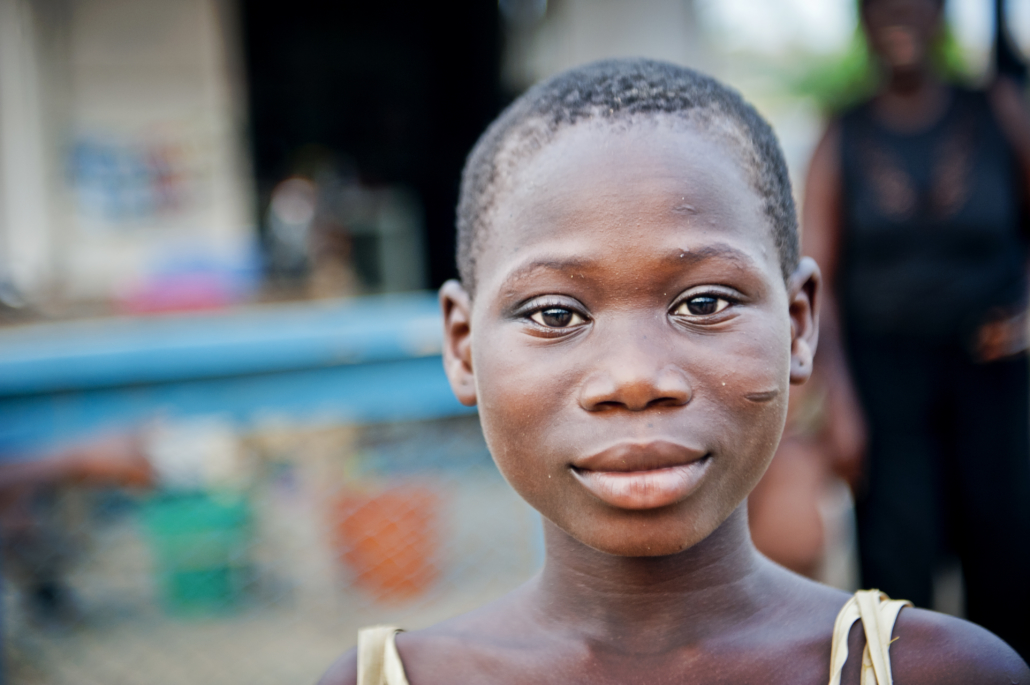
Child Mortality in UgandaFatal diseases are taking the lives of children in Uganda, claiming the futures of the young generation. Approximately 8.2 million children younger than 5 die annually due to various illnesses and complications during childbirth. Roughly 40% of these deaths occur within the first 30 days of life, falling into the category of neonatal deaths. Rates of child mortality in Uganda have been on a decline since 1970 when there were 191 infant deaths among 1,000 births. Today, there are 45.8 deaths in 1,000 births. Although there is a marked decrease in numbers, under-five deaths still pose a problem for Uganda. Fortunately, many organizations recognize the issue and are implementing programs to effectively combat it.
Causes of Child Mortality in Uganda

Roughly 16% of child mortality cases in Uganda are caused by pneumonia. Symptoms of the illness include chest pain, persistent coughing, fever and low body temperature. About 99% of pneumonia cases occur in less-developed countries such as Uganda, making clear the correlation between poverty and pneumonia. In poverty-stricken areas, malnutrition, poor air quality and limited access to healthcare cause the development and dispersion of pneumonia among a population. Children in Uganda are vulnerable and quickly become victims of the illness.

Malaria also leads to child mortality in Uganda. Malaria is a fatal disease caused by parasites that spread from person to person. Symptoms include fever, headache and chills. Young children are especially susceptible to the disease, and in 2019, 67% of malaria cases affected children younger than 5. The illness can kill children within 30 seconds. Malaria is most common in Africa and costs the continent $12 billion each year. Access to treatment is difficult to obtain in the poverty-stricken areas of Uganda where malaria dissipates. The most impoverished areas of Africa are the ones most affected by malaria, with children younger than 5 at most risk.

Finally, diarrhea causes 10% of infant deaths in Uganda. Symptoms of the infection include cramps, nausea, vomiting and fever. Studies have shown that in Pajule Subcounty and other rural areas of Uganda, the rates of diarrhea are higher. A lack of clean water and inadequate health education contribute to these health consequences.

Working Toward a Solution

Recognizing the issues that surround child mortality in Uganda, many organizations have taken the initiative to reduce the severity of the situation. One such organization is the United Nations Children’s Fund (UNICEF), which is dedicated to the well-being and longevity of children worldwide. Among its many programs to address under-five deaths in Uganda, UNICEF has established a water, sanitation and hygiene (WASH) program seeking to increase access to clean drinking water and teach healthy sanitation habits. Only 8% of mothers with children younger than 5 have access to soap and resources necessary for handwashing. Such habits lead to illnesses such as diarrhea. In tandem with the Government of Uganda, UNICEF is working to provide sanitation resources and increase awareness of healthy habits.

With similar intentions and efforts, Living Goods is a nonprofit organization collaborating with Bangladesh-based BRAC to help rural Ugandan mothers prevent infant mortality. Through its Community Health Promoters (CHP) program, the organization implements grassroots efforts to improve community health. CHPs are workers who go door-to-door to communicate healthy practices, relay important information, diagnose child illnesses and provide care to mothers and their newborns. This work has led to a 27% decrease in under-five child mortality in targeted regions. Ugandan villagers now take more precautions in order to maintain their own health and that of their young children.

Looking Ahead

Child mortality in Uganda is a problem that has not yet been eliminated. Many Ugandan families face unhealthy living conditions that are unfavorable to a child’s health. However, organizations such as UNICEF, Living Goods and BRAC are working to educate rural villages on the importance of sanitation and are giving families the resources to establish healthier lifestyles. Thanks to such efforts, under-five death rates are declining. If the work of these organizations continues, in the near future, more positive progress lies ahead.

– Mariam Kazmi
Photo: Unsplash

August 5, 2021
https://borgenproject.org/wp-content/uploads/borgen-project-logo.svg 0 0 Lynsey Alexander https://borgenproject.org/wp-content/uploads/borgen-project-logo.svg Lynsey Alexander2021-08-05 09:57:162024-12-13 17:49:06Causes and Prevention of Child Mortality in Uganda
Global Poverty

4 Facts About Healthcare in Ghana

Healthcare in Ghana
Healthcare in Ghana has many levels to it. There are three primary levels: national, regional and district. Within these, there are different types of providers: health posts, health centers/clinics, district hospitals, regional hospitals and tertiary hospitals. On average, Ghana spends 6% of its gross domestic product on healthcare, and the quality of healthcare varies by region. Here are four facts about healthcare in Ghana.

4 Facts About Healthcare in Ghana

  1. Ghana has a public insurance system. In 2003, Ghana made the switch from the “cash and carry” system to public insurance. The “cash and carry” health system required patients to pay for their treatments before receiving care. Because of this process, few people were able to afford treatment. In response, the government established the National Health Insurance Scheme (NHIS). This system provides wide coverage, covering 95% of the diseases that affect Ghana. The coverage includes treatment for malaria, respiratory diseases, diarrhea and more. Between 2006 and 2009, the proportion of the population registered to NHIS increased by 44%
  2. Child mortality rates have decreased. Data from 2019 showed that 50 out of 1000 babies die before the age of five. While this may appear unsettling at first, the twice as high a few decades earlier. In low-income communities, there is a higher risk of death because of limited access to healthcare. To help prevent this, the NHIS provides maternity care, including cesarean deliveries. In the 1990s, Dr. Ayaga Bawah began a study to provide healthcare in rural areas to see if it would decrease mortality rates. Between 1995 and 2005, the study showed that when qualified nurses were working in communities, there was an equal distribution of child mortality throughout the country, rather than mostly in rural communities.
  3. Access to health services has increased. In rural communities, health posts are the primary healthcare providers. A 2019 study found that 81.4% of the population had access to primary healthcare in Ghana, while 61.4% have access to secondary-level, and 14.3% to tertiary care. Despite these relatively high rates of accessibility, approximately 30% of the population has to travel far to access primary facilities or see a specialist. To increase access to services, Ghana’s president, Nana Akufo-Addo, stated in June 2020 that he intended to build 88 more district hospitals.
  4. More and more scientists are being trained. Throughout Africa, scientists are being trained to improve research and the dissemination of information. The World Economic Forum has pushed for research in programs such as Human Health and Heredity in Africa. This program is dedicated to helping local institutes manage the diseases and conditions that affect its area. Another group, H3-D, trains scientists in many African countries, including Ghana, to focus on conditions that are prevalent in Africa, such as malaria, tuberculosis and cardiovascular disease.

These four facts about healthcare in Ghana illuminate the progress that has been made, as well as the work that still needs to be done. While healthcare has improved, the government must take more steps to increase accessibility for all throughout the country. With a continued focus on healthcare, Ghana will hopefully continue to provide more communities with health services.

– Sarah Kirchner
Photo: Flickr

February 25, 2021
https://borgenproject.org/wp-content/uploads/borgen-project-logo.svg 0 0 Lynsey Alexander https://borgenproject.org/wp-content/uploads/borgen-project-logo.svg Lynsey Alexander2021-02-25 10:27:572021-02-25 10:27:564 Facts About Healthcare in Ghana
Global Poverty, Government

The Demand for Child Rights in Latin America

demand for child rightsWith 25% of Latin America’s population being under the age of 15, an increased demand for child rights is inevitable. As a result, Latin America and the Caribbean have seen gradual implementations of protection for children under the law. Countries in these regions have seen improvements spanning from a growing economy to quality health care.

Health Improvements for Children

One immediate causes for the demand in children’s rights is because of the abuse that many children in impoverished countries endure. Some issues that exemplify the need for child rights are sexual abuse, drug and alcohol consumption and child labor. The health care systems in Latin American countries are responding.

For example, increased demand for child rights in places such as Argentina and Peru has resulted in more representation for children in health care services. Argentina has had children’s rights written in law since 1994. Now, with children included in health plans, child mortality rates have decreased to 9.9 deaths per 1,000 live births in 2018, compared to 12.6 just five years earlier.

Strengthening Written Law

Previously, many children in these countries were not seen as separate individuals until they reached adult age. However, increased children’s rights in certain Latin American and Caribbean countries have improved the livelihoods of the underaged. Children’s rights in Latin America and all across the world have moved to the forefront of many political agendas thanks to the UN Convention on the Rights of the Child and active citizens.

Countries such as El Salvador have shown that the demand for child rights have proved their international leadership on the issue. There are more than 15 comprehensive laws within the country protecting children and almost 20 international laws protecting El Salvadoran children.

Though the numerous laws, in theory, protect the children, it is not as easy to enforce the laws. A large discrepancy still remains between the sentiment and enforcement of law for the protection of children. Legislature rendered ineffective through lack of enforcement “allows perpetrators of violence against children and adolescents to continue committing the same crimes with no fear of prosecution or punishment.”

The BiCE

One organization that has made child rights in Latin America a priority is BiCE, the International Catholic Child Bureau. The organization’s main goal is the preservation of child rights in different countries in Latin American and around the world. Current field projects take place in countries such as Ecuador, Guatemala and Peru. Most of the projects focus on fighting sexual abuse of children.

BiCE’s projects have many goals that ensure the safety of a child. For the programs fighting sexual abuse, they offer therapy services for recovery. They also train people to learn advocacy techniques for children’s rights. Over 1,000 children in Peru have received help from BiCE and the organization continues to do more in other countries in Latin America.

Most countries in Latin America and the Caribbean have written laws and statutes that protect children. However, this has not proved to be enough for the safety of children in these countries. There have been health improvements and decreased poverty rates, but more still needs to be done to enforce the written laws.

– Josie Collier
Photo: Flickr

November 7, 2020
https://borgenproject.org/wp-content/uploads/borgen-project-logo.svg 0 0 Kim Thelwell https://borgenproject.org/wp-content/uploads/borgen-project-logo.svg Kim Thelwell2020-11-07 01:31:042024-05-30 07:52:42The Demand for Child Rights in Latin America
Children, Global Poverty, Health

Last Mile Health Rebuilds Healthcare in Liberia

Last Mile HealthLiberia borders Sierra Leone, Guinea, Cote d’Ivoire and the Atlantic Ocean. The West-African nation was established as a settlement by freed American slaves in 1820. Despite gaining independence in 1847, the country suffered from years of instability brought on by the military coup of 1980. Civil war broke out in Liberia in 1986 and endured until late 2003. With 14 years of civil war devastating both the population and the economy, Liberia, now home to nearly five million immigrant and indigenous peoples, has shifted its focus towards recovery. Many efforts acknowledge the inadequacies of healthcare in Liberia, one of them being Last Mile Health.
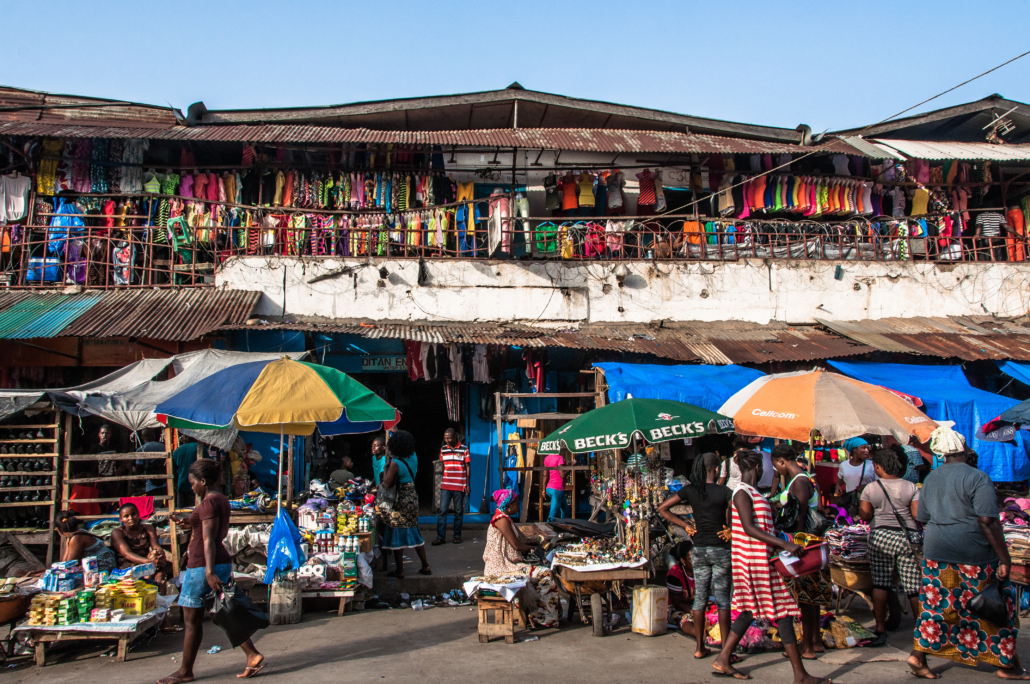
Founded by Liberian civil war survivors and American healthcare workers in 2007, Last Mile Health is a nonprofit organization dedicated to rebuilding healthcare in Liberia by creating a stronger, more resilient public health infrastructure within both urban and remote regions of the country. To date, Last Mile Health is responsible for a plethora of noteworthy improvements in healthcare and health outcomes in Liberia.

Healthcare in the Past

Between 1986 and 2003, 80% of healthcare clinics across Liberia closed their doors as a result of looting, destruction and the exodus of healthcare workers. Only 168 physicians remained in Liberia, predominantly in the capital city of Monrovia. Medical training systems stood on the verge of collapse. Today, nearly 1.2 million people throughout Liberia live more than an hour’s walk from the nearest healthcare facility.

Lack of access to quality healthcare in Liberia has resulted in poor health outcomes for Liberians. Alongside suffering from one of the world’s worst maternal and under-5 mortality rates, malaria, diarrhea, HIV/AIDS and other preventable and treatable illnesses are amongst the leading causes of death and disease in Liberia. A mere 39% of children under two in Liberia have received their recommended vaccinations.

Bringing Care to Patients

Last Mile Health builds community-based primary health systems within Liberia to bring healthcare to the poorest and hardest-to-reach regions. In 2012, Last Mile Health piloted a community health worker program in the Konobo District of Liberia that resulted in an unprecedented 100% coverage of the district by healthcare personnel. This pilot program has since been replicated, extending primary healthcare in Liberia to 1.2 million people.

Training Healthcare Workers

In 2017, Last Mile Health launched the Community Health Academy to strengthen the clinical skills of community health workers in Liberia. The Community Health Academy provides training to health care leaders to help them build resilient and effective public health infrastructure. As of 2019, more than 16,000 healthcare personnel from around the world have enrolled in the academy’s courses.

Improving Health Outcomes

In 2010, Last Mile Health launched Liberia’s first rural, public HIV/AIDS treatment program. The program exists in over 19 of Liberia’s public clinics.

By increasing access to and quality of healthcare in Liberia, Last Mile Health has increased the number of children receiving malaria, pneumonia and diarrhea treatment by over 40%, resulting in a significant reduction in under-5 mortality rates and improvement in child health outcomes. Maternal health outcomes have improved as more women can access skilled birth attendants and facilities for delivery and maternal care.

Increasing Average Life Expectancy

The average life expectancy for Liberians continues to increase each year as healthcare in Liberia rebuilds and recovers. By linking community healthcare workers with nurses, doctors and midwives at community clinics and equipping workers with the knowledge and skills that they need, Last Mile Health continues to fulfill its mission of bringing life-saving care to people in even the most remote areas of the country.

Last Mile Health promises a future in which no patient is out of reach from quality healthcare in Liberia. In the years to come, the nonprofit organization intends to expand its reach within Liberia and across Africa.

– Alana Castle
Photo: Flickr

September 10, 2020
https://borgenproject.org/wp-content/uploads/borgen-project-logo.svg 0 0 Jennifer Philipp https://borgenproject.org/wp-content/uploads/borgen-project-logo.svg Jennifer Philipp2020-09-10 01:31:212024-05-29 23:17:54Last Mile Health Rebuilds Healthcare in Liberia
Food Insecurity, Global Poverty, Hunger

6 Facts About Hunger in Liberia

Hunger in Liberia
Liberia is a country on the West African coast. Neighboring the Ivory Coast, Guinea and Sierra Leone, it spans just under 100,000 square kilometers of land. A long civil war, consistent disease outbreaks and widespread economic instability have led to prevalent hunger and malnutrition. Here are six facts about hunger in Liberia.

6 Facts About Hunger in Liberia

  1. Human Development Index: Liberia ranks 176th out of 189 countries on the Human Development Index. The country is one of 14 African countries ranking within the lowest 15 on the index. This is largely because the country’s life expectancy at birth is quite low, being less than 64 years.
  2. Global Hunger Index: The country ranks 112th out of 117 countries on the 2019 Global Hunger Index (GHI). The index consists of a range of scores, 0.0-50.0, where Liberia holds a score of 34.9. The score indicates the country’s hunger levels are ‘serious’ and on the brink of becoming ‘alarming.’ According to the previous index scores, however, Liberia has consistently improved their conditions and lowered their GHI score by 13.7 points throughout a course of 19 years, from 48.6 in 2000 to 34.9 in 2019.
  3. Malnourishment: Approximately 45% of Liberia’s population is chronically or acutely malnourished. According to several experts and NGOs, the country’s destitute circumstances are due in part to the Ministry of Health undermining the severity of the situation. Additionally, in the country’s impoverished capital, Monrovia, 45% of deaths of children under the age of five are due to a lack of food and being underweight.
  4. Sustainable Development Goals: Liberia ranks 154th out of 157 countries on track to meet the Sustainable Development Goals. The country’s economic and social development has been stunted for a long period of time. The 14-year civil war, which formally ended in 2003, contributed to the country’s leading issues today: widespread economic instability and insecurity, destroyed infrastructure, poverty and poor living conditions. According to Famine Early Warning Systems Network, 32% of the country’s population is classified as having moderate or severe chronic food insecurity. This affects more than 1.55 million people.
  5. Economic Collapse: The country’s continued engagement in several internal and external conflicts led to a 90% drop in the GDP between 1987 and 1995. Liberia’s plummeting economic situation is amongst the biggest economic collapses ever recorded. The weak economy has continually increased the prices of products and decreased income, making it hard for families to sustain their basic needs. The rising cost of food has resulted in increased chronic food insecurity throughout Liberia. On average, 1 in 5 households in the country is food insecure. Moreover, 2 in 5 households are marginally food insecure. While the country has been successful in decreasing their chronic malnutrition rates from ‘critical’ to ‘serious’ levels according to the WHO classifications, food insecurity continues to remain an important issue.
  6. Child Hunger and Mortality: One in 11 Liberian children dies before the age of five. In 2007, an average Liberian woman had more than five children. This number decreased to just under five in 2013. While poor water sanitation and an alarming rate of food insecurity consistently claim the lives of approximately 10% of children under five, 60% of girls that survive tend to begin childbearing at the age of 19. These malnourished adolescent girls tend to give birth to malnourished babies with low birth weights. And as a result, the babies have an increased risk of illnesses and premature death.

Fighting Hunger in Liberia

While hunger, malnutrition and poverty are persistent issues, many humanitarian organizations such as the WHO, UNICEF and the Action Against Hunger are working toward improving Liberia’s living conditions. Action Against Hunger, for example, recently assisted more than 90,000 people and helped the country’s government implement policies to make progress in alleviating Liberia’s hunger.

Action Against Hunger started Liberian programs in 1990 and has continually improved the lives of hundreds of thousands in the country. One of the prominent programs started by the organization involved training of mother-to-mother support groups to ensure healthy child-feeding practices. With widespread malnutrition, Action Against Hunger also worked with Liberia’s Ministry of Health to implement clean water, sanitation and hygiene improvement programs.

Moving Forward

Hunger in Liberia, while affecting millions every day, is on the path of improvement. With the help of numerous humanitarian organizations, hunger in Liberia will hopefully decrease. The United Nations aims to end hunger and diminish food insecurity in Liberia within the next ten years. Accomplishing this will require a continued focus on decreasing hunger in the nation.

– Omer Syed
Photo: Flickr

August 16, 2020
https://borgenproject.org/wp-content/uploads/borgen-project-logo.svg 0 0 Kim Thelwell https://borgenproject.org/wp-content/uploads/borgen-project-logo.svg Kim Thelwell2020-08-16 10:00:552024-05-29 23:18:476 Facts About Hunger in Liberia
Developing Countries, Global Poverty

7 Facts About Overpopulation and Poverty 

Facts about overpopulation and poverty Overpopulation is defined as “the presence of excessive numbers of a species, which are then unable to be sustained by the space and resources available.” While many definitions of poverty exist, the simplest is that it all but guarantees struggle, deprivation and lost opportunity.

Contemporary understandings of poverty are more holistic, rather than just quantitative measures of income. Considering factors such as health care and education helps broaden the view of poverty and its causes. Here are 7 facts about overpopulation and poverty.

7 Facts About Overpopulation and Poverty

  1. Population growth and poverty present the classic “chicken or egg” dilemma. According to Dr. Donella Meadows, “poverty causes population growth causes poverty.” Her eponymous 1986 essay explains why the classic “chicken or the egg” dilemma regarding overpopulation and poverty leads to different conclusions on how best to intervene. Dr. Meadows ultimately concludes that the question itself is less of an “either/or” and more of a “both/and” question.
  2. There is a cycle of poverty and overpopulation. One factor causes the other and vice-versa. For example, when child mortality is high (usually due to living in impoverished conditions), the overall birth rate is also high. Therefore, it is in everyone’s best interest to lower the child mortality rate by reducing poverty.
  3. There is a correlation between declining birth rates and rising living standards. Declining birth rates and rising living standards have occurred simultaneously in the developing world for decades. This relationship between fertility and economic development results in a virtuous circle, meaning “improvements in one reinforce and accelerate improvements in the other.” As a result, this pattern between fertility and economic development helps reduce poverty.
  4. By the end of this century, the population is expected to grow by 3 billion people. Over the next 80 years, the majority of the increasing population will live in Africa.
  5. Although Africa has experienced record economic growth, the much faster rate of fertility still leaves much of the population impoverished. While Africa’s economy continues to grow, the Brookings Institute notes that “Africa’s high fertility and resulting high population growth mean that even high growth translates into less income per person.” The most effective strategy to combat this is to reduce fertility rates.
  6. The number of megacities has more than tripled since 1990. Megacities are cities with more than 10 million people. Although there are currently 33 megacities in the world, that number is expected to increase to 41 by the year 2030. Of those 41 megacities, five will appear in developing countries. Megacities are susceptible to overpopulation and concerns about disease control. Furthermore, some megacities relieve poverty while others exacerbate it.
  7. A sense of taboo surrounds discussions about overpopulation. Is talking about overpopulation still taboo? Some experts believe so, citing the 17 goals and 169 targets of the UN Sustainable Development Agenda that have been silent on the issue. Luckily, philanthropists and voters are leading the way in normalizing frank discussions regarding facts about overpopulation and poverty.

Despite gradually increasing developments, global overpopulation and poverty continue to remain prevalent. Steps such as viewing poverty holistically and working to end the stigmatization and taboo surrounding discussions about overpopulation help further the much-needed improvements for overpopulation and poverty.

– Sarah Wright 
Photo: Flickr

May 20, 2020
https://borgenproject.org/wp-content/uploads/borgen-project-logo.svg 0 0 Lynsey Alexander https://borgenproject.org/wp-content/uploads/borgen-project-logo.svg Lynsey Alexander2020-05-20 07:30:252024-05-29 23:15:557 Facts About Overpopulation and Poverty 
Global Poverty, Health

10 Facts About Healthcare in Nepal

Healthcare in Nepal
Nepal remains one of the world’s poorest countries as well as one of the most prone to natural disasters. The country suffers from the effects of climate change and population increase, which further increases the damage caused by natural disasters. Landslides and floods are particularly common, especially during the monsoon season. These catastrophes kill more than 500 people a year. The healthcare in the country is often unequally distributed, with healthcare resources centralized around the country’s major urban centers. This unequal distribution hinders the quality and accessibility of healthcare provided in Nepal. Here are 10 facts about healthcare in Nepal.

10 Facts About Healthcare in Nepal

  1. The 1978 Alma Ata Declaration: In an effort to improve healthcare, Nepal was influenced by the 1978 Alma Ata Declaration. The declaration emphasized community-oriented preventive, promotive and curative healthcare services. Nepal also took steps to improve the lives of its citizens by establishing a network of primary healthcare facilities. In addition, the nation deployed community healthcare workers to provide healthcare at the community level.
  2. Life expectancy: As a result of improving healthcare in Nepal, life expectancy has seen a dramatic increase. According to the Nepali Times, life expectancy went up 12.3 years between 1991 and 2011. Currently, the country has the second-highest life expectancy in South Asia, largely due to the fact that the country has seen a sharp decrease is birth rate mortality. The Central Bureau of Statistics reported that 295,459 Nepalis were more than 75 years old in 2001 and in 2011 that number increased to 437,981.
  3. Accessibility: Most of Nepal’s healthcare resources are located in or around Kathmandu, the capital city of Nepal. This centralization leads to other areas of Nepal being neglected. In 2015, however, Nepal’s government formed a Social Health Security Development Committee as a legal framework in an effort to start implementing a social health security scheme. The program’s goal was to increase the accessibility of healthcare services to Nepal’s poor and marginalized communities. It was also aimed to increase access to people who live in hard to reach areas of the country. Problems, however, remain with financing the effort.
  4. Healthcare as a human right: In 2007, the Nepalese Government endorsed healthcare as a basic human right in its Interim Constitution. Despite this, only 61.8 percent of Nepalese have access to healthcare facilities within a 30-minute radius. Nepal also suffers from an inadequate supply of essential drugs and poorly regulated private healthcare providers. Statistically, Nepal also only has 0.67 doctors and nurses per 1,000 people. This is less than the World Health Organization’s recommendation of 2.3 doctors, nurses and midwives per 1,000 people.
  5. Lack of basic health facilities: Around 22 percent of Nepalis do not have access to basic health facilities. The groups who lack healthcare in Nepal tend to be the Dalits from Terai and Muslims. However, there has been a 19 percent increase in the usage of outpatient care by Dalits.
  6. Common diseases in Nepal: The top diseases in Nepal are ischemic heart disease, COPD, lower respiratory infection, diarrheal disease, stroke and diabetes.
  7.  Oral health: More than half of adults in Nepal suffer from bacterial tooth decay. Bacterial tooth decay can lead to chronic pain, heart disease and diabetes. Many in rural villages do not have access to tooth filling, toothpaste or water. There is a belief among some Nepalese that tooth extraction causes blindness.
  8. Maternal and child mortality rates: There has been a reduction in maternal and child mortality rates.  The rates have decreased from 539 per 100,000 to 281 per 100,000 live births in 2006, according to the DHS survey. The 5 and under mortality rate decreased in rural areas from 143 per 1000 to 50 per 1000 live births in 2009.
  9. Earthquakes: The earthquakes that hit Nepal in April of 2015 are one of the greatest natural disasters in Nepal’s modern history, destroying over 1,100 healthcare facilities. Possible Health.org, a global team of people committed to the belief that everyone deserves access to quality healthcare without financial burden, signed a 10-year agreement with their government partners to attempt to rebuild the healthcare system in the Dolokah district, which suffered the destruction of 85 percent of their healthcare facilities.
  10. Government corruption: While there are efforts to improve the lives of Nepalis, corruption exists, according to the Himalayan Times. The Corruption Perceptions Index ranks Nepal 124 out of 175 countries worldwide. This corruption leads to a lack of resources dedicated to healthcare. The Nepali government only allocations 5 percent of its national budget toward healthcare, not enough to create significant improvements.

These 10 facts about healthcare in Nepal illustrate the challenges the nation has faced, as well as the progress that has been made. To help improve healthcare, the European Union provides continual support. In 2019, they gave 2 million pounds of assistance to the country. Moving forward, continued work by humanitarian organizations and the Nepali government is needed to continue improving healthcare in Nepal.

– Robert Forsyth
Photo: U.N. Multimedia

February 27, 2020
https://borgenproject.org/wp-content/uploads/borgen-project-logo.svg 0 0 Lynsey Alexander https://borgenproject.org/wp-content/uploads/borgen-project-logo.svg Lynsey Alexander2020-02-27 14:45:462024-05-29 23:14:5510 Facts About Healthcare in Nepal
Disease, Global Poverty

Azithromycin Could Help Ethiopian Children

Helps Ethiopean ChildrenAfrica has the highest child mortality rate of any continent. Ethiopia sits in the middle of the child mortality ranking of countries throughout Africa with 59 out of 1,000 children dying before the age of five. While it is not as high as the rate of 76 per 1,000 children found in sub-Saharan Africa, it is much worse than many developed nations, which average around 6 deaths per 1,000 children annually. New research, however, shows that childhood mortality can be significantly lowered in Africa using an antibiotic that could help Ethiopian children prevent blindness.

Azithromycin Helps Ethiopian Children

Trachoma is the leading bacterial infection that causes blindness. In an effort to lower the number of cases of trachoma, researchers preemptively gave azithromycin, an antibiotic effective at fighting trachoma, to thousands of children under the age of nine in Ethiopia. The researchers administered these doses of azithromycin to children twice a year.

After observing the children for several years, they came to a shocking discovery: azithromycin will help Ethiopian children live longer. Not only did the bi-annual antibiotic prevent against trachoma, as the researchers believed it would, but it also protected against many other common ailments as well. For those children in the case study, the childhood mortality rate was cut in half.

The discovery seemed too good to be true, so this group of researchers tried to replicate their findings in other African nations with higher child mortality rates. Close to 200,000 children were given azithromycin in Tanzania, Malawi and Niger. While the results were not quite as impressive as cutting the child mortality rate in half, as seen with Ethiopia, the results were still high. The twice-yearly drug lowered child mortality rates between 14 to 19 percent in each country.

Research Into Other Illnesses

Research must continue before Africa will see widespread use of azithromycin for children. If approved for widespread use, this antibiotic could help prevent some of the common illnesses that lead to child mortality. These common illnesses include:

  • Pneumonia: Pneumonia kills nearly 100,000 children per year in Africa. This accounts for 16 percent of childhood death under the age of five. Currently, when children contract pneumonia, only one third are able to receive lifesaving antibiotic treatment.
  • Diarrhoeal disease: Diarrhea is the leading cause of death in children under the age of five. Diarrhea is a common infection in the bowels. It is completely preventable and treatable, yet it is estimated that 525,000 children in Africa die annually from this illness.
  • Malnutrition: Malnutrition contributes to childhood mortality rates. While the use of azithromycin will not be able to prevent malnutrition, it may be able to help prevent other ailments that the body is not able to fight off because of the lack of nutrients and calories.

Long term effects of azithromycin used to prevent ailments in children are not known. However, the studies have shown promising results in saving the lives of hundreds of thousands of African children. With a few more years of research and more funding, these researchers may be able to permanently lower the childhood mortality rate in Africa. Not only will this research continue to help Ethiopian children but it will also help children of other nations, ensuring they live into adulthood.

– Kathryn Moffet
Photo: Pexels

July 26, 2019
https://borgenproject.org/wp-content/uploads/borgen-project-logo.svg 0 0 Kim Thelwell https://borgenproject.org/wp-content/uploads/borgen-project-logo.svg Kim Thelwell2019-07-26 01:30:142019-07-23 21:18:34Azithromycin Could Help Ethiopian Children
Page 2 of 512345

Get Smarter

  • Global Poverty 101
  • Global Poverty… The Good News
  • Global Poverty & U.S. Jobs
  • Global Poverty and National Security
  • Innovative Solutions to Poverty
  • Global Poverty & Aid FAQ’s
Search Search

Take Action

  • Call Congress
  • Email Congress
  • Donate
  • 30 Ways to Help
  • Volunteer Ops
  • Internships
  • Courses & Certificates
  • The Podcast
Borgen Project

“The Borgen Project is an incredible nonprofit organization that is addressing poverty and hunger and working towards ending them.”

-The Huffington Post

Inside The Borgen Project

  • Contact
  • About
  • Financials
  • President
  • Board of Directors
  • Board of Advisors

International Links

  • UK Email Parliament
  • UK Donate
  • Canada Email Parliament

Get Smarter

  • Global Poverty 101
  • Global Poverty… The Good News
  • Global Poverty & U.S. Jobs
  • Global Poverty and National Security
  • Innovative Solutions to Poverty
  • Global Poverty & Aid FAQ’s

Ways to Help

  • Call Congress
  • Email Congress
  • Donate
  • 30 Ways to Help
  • Volunteer Ops
  • Internships
  • Courses & Certificates
  • The Podcast
Scroll to top Scroll to top Scroll to top