4 Facts About Healthcare in Ghana
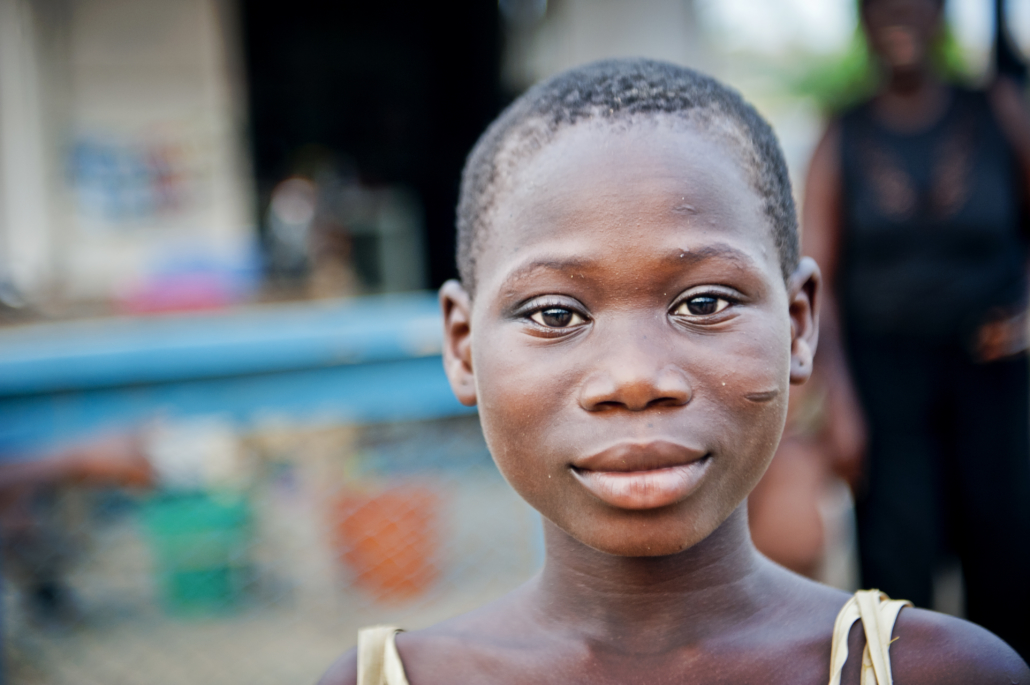
Healthcare in Ghana has many levels to it. There are three primary levels: national, regional and district. Within these, there are different types of providers: health posts, health centers/clinics, district hospitals, regional hospitals and tertiary hospitals. On average, Ghana spends 6% of its gross domestic product on healthcare, and the quality of healthcare varies by region. Here are four facts about healthcare in Ghana.
4 Facts About Healthcare in Ghana
- Ghana has a public insurance system. In 2003, Ghana made the switch from the “cash and carry” system to public insurance. The “cash and carry” health system required patients to pay for their treatments before receiving care. Because of this process, few people were able to afford treatment. In response, the government established the National Health Insurance Scheme (NHIS). This system provides wide coverage, covering 95% of the diseases that affect Ghana. The coverage includes treatment for malaria, respiratory diseases, diarrhea and more. Between 2006 and 2009, the proportion of the population registered to NHIS increased by 44%
- Child mortality rates have decreased. Data from 2019 showed that 50 out of 1000 babies die before the age of five. While this may appear unsettling at first, the twice as high a few decades earlier. In low-income communities, there is a higher risk of death because of limited access to healthcare. To help prevent this, the NHIS provides maternity care, including cesarean deliveries. In the 1990s, Dr. Ayaga Bawah began a study to provide healthcare in rural areas to see if it would decrease mortality rates. Between 1995 and 2005, the study showed that when qualified nurses were working in communities, there was an equal distribution of child mortality throughout the country, rather than mostly in rural communities.
- Access to health services has increased. In rural communities, health posts are the primary healthcare providers. A 2019 study found that 81.4% of the population had access to primary healthcare in Ghana, while 61.4% have access to secondary-level, and 14.3% to tertiary care. Despite these relatively high rates of accessibility, approximately 30% of the population has to travel far to access primary facilities or see a specialist. To increase access to services, Ghana’s president, Nana Akufo-Addo, stated in June 2020 that he intended to build 88 more district hospitals.
- More and more scientists are being trained. Throughout Africa, scientists are being trained to improve research and the dissemination of information. The World Economic Forum has pushed for research in programs such as Human Health and Heredity in Africa. This program is dedicated to helping local institutes manage the diseases and conditions that affect its area. Another group, H3-D, trains scientists in many African countries, including Ghana, to focus on conditions that are prevalent in Africa, such as malaria, tuberculosis and cardiovascular disease.
These four facts about healthcare in Ghana illuminate the progress that has been made, as well as the work that still needs to be done. While healthcare has improved, the government must take more steps to increase accessibility for all throughout the country. With a continued focus on healthcare, Ghana will hopefully continue to provide more communities with health services.
– Sarah Kirchner
Photo: Flickr
