Posts

The Gavi Board’s New PlanThe board for Gavi, the Vaccine Alliance, has announced adjustments to its five-year plan (2026-2030) following financial withdrawals from some of its donors. The Gavi Board’s new plan for improving global health takes into account its limited resources, but also introduces the prospect of new, life-changing projects.

The Impact of Gavi

In the last 25 years, Gavi has reduced child mortality by half. This has been made possible by providing children with access to life-saving vaccines, which is especially important for underserved countries. For instance, regions in West Africa still experience deadly outbreaks of diseases like meningitis, a disease which is extremely rare in the U.S. Developing nations are unable to afford the same vaccination access as countries like the U.S. or the U.K. Gavi aims to help finance this and allow children to be saved from preventable diseases.

Gavi has also helped many countries become financially independent. Nineteen countries that Gavi once supported have now become faithful donors. Not only has the organization provided vaccines for millions, but it has also helped whole countries escape poverty.

The Trump Administration’s Foreign Aid Review

Historically, the U.S. government has been one of Gavi’s largest donors, making up 13% of its total funding. However, this has all changed after the Trump administration’s foreign aid review earlier this year. The administration has announced that its Fiscal Year 2026 budget will not provide funding for Gavi.

Gavi has provided catastrophic estimates that outline what the lack of U.S. funding could mean for the world. Its statistics show that more than 1.2 million children will lose their lives because they will not have access to vaccinations. This is because the help that Gavi provides is only made possible through the support of other countries and organizations. These changes in funding are what inspired the Gavi Board’s new plan for improving global health.

Support From the UK

Like the U.S., the U.K. has been a long supporter of Gavi. However, while the U.S. is withdrawing its support, the U.K. is pledging more than $1.5 billion to Gavi. This will provide vaccination access to millions of children over the next five years.

The U.K. Foreign Secretary David Lammy was quoted as saying: “Our ongoing partnership with Gavi will give millions of children a better start, save lives and protect us all from the spread of deadly diseases.” This pledge will also have a positive impact on the U.K. Working with health organizations across the globe provides jobs for thousands of people within the U.K.

Additionally, by funding Gavi, there is better security for U.K. citizens. Funding research and vaccine development reduces the likelihood of deadly diseases reaching the U.K. This guarantees less stress on U.K. health workers and hospitals.

The Future of Gavi (2026-2030)

The Gavi Board’s new plan for improving global health has factored in its limited financial resources. Due to the Trump administration, as well as other donors who have withdrawn their support, Gavi is now operating with $3 billion less than it anticipated for the next five-year period. As a result of these budget cuts, Gavi will be giving less support to immunization programs. Yet, the organization is continuing to ask for more funding from potential donors, so hopefully, this can change in the future.

Despite the financial challenges Gavi is currently facing, the board has announced the creation of a Respiratory Syncytial Virus (RSV) maternal vaccine program. The details of this program aren’t yet released. However, the organization has stated that it will work to eradicate one of the key causes of pneumonia in children aged less than 5. The board is also now starting its funding for the development of an Mpox emergency vaccine stockpile.

In the case of an emergency outbreak, vaccines would be provided quickly to the areas affected. This is an essential step in working to end the current Mpox epidemic in Africa. Gavi is now working to provide children across the globe with access to vaccines through its first health system strategy. This strategy will create unique programs for a variety of countries with a simpler funding process. Primary health care will be a large focus of this operation.

New funding policies have been implemented as part of the Gavi Board’s latest plan for improving global health. The board has requested that countries participating in its vaccination programs make greater financial contributions. Additionally, an amended Health Systems and Immunization Strengthening (HSIS) policy will be introduced in 2026. This policy will help countries finance their vaccine programs effectively.

Conclusion

Overall, the Gavi Board’s new plan for improving global health overcomes the obstacles the Trump administration has put in place. Gavi is still managing to introduce lifesaving programs despite its limited resources. The organization is also hopeful that if other donors decide to re-commit to being sponsors, it will achieve even greater success in protecting the globe against deadly diseases.

– Katie Gray

Katie is based in Glasgow, UK and focuses on Global Health for The Borgen Project.

Photo: Flickr
SDG 3 in BrazilBrazil, Latin America’s largest country, faces a diverse and unequal health landscape. From urban favelas to remote Indigenous communities, access to care varies widely. Millions lack regular health services, and regional disparities in medical infrastructure persist. These challenges make Sustainable Development Goal 3 (SDG 3 in Brazil)—ensuring health and well-being for all—a particularly urgent priority.

SDG 3 includes targets to reduce maternal mortality, combat infectious diseases, improve mental health and ensure universal health coverage. Brazil has made significant progress in some areas, although gaps remain. The country is advancing this goal through a combination of public policy, innovation and grassroots action.

According to the Sustainable Development Report, Brazil is making steady progress on SDG 3 in Brazil, particularly in reducing child mortality and expanding access to primary health care. However, ongoing challenges in infrastructure and staffing call for targeted investment and coordination. Here are five ways Brazil is working to enhance the health and well-being of its people.

1. Expanding Universal Health Coverage

Brazil created the Sistema Único de Saúde (SUS) in 1988, declaring health a right for all citizens. SUS now provides free and universal health care to more than 200 million Brazilians, including vaccines, preventive care, childbirth support and HIV/AIDS treatment.

Despite challenges, Brazil continues to strengthen SUS through mobile health units, telemedicine and community outreach. These efforts, in particular, benefit rural and underserved populations in the Amazon and Northeast. SUS is a cornerstone of progress toward SDG 3 in Brazil, as it reduces inequality and ensures that all Brazilians—regardless of income or location—can access essential care.

2. CONASS and the Oral Health Care Network

Oral health inequality remains a serious issue in Brazil, particularly among low-income populations. Many families cannot afford dental services, and untreated oral diseases disproportionately affect people experiencing poverty. In response, the National Council of Health Secretaries (CONASS) and Conasems created the Oral Health Care Network (RASB) in partnership with the Ministry of Health.

This initiative aims to make comprehensive and preventive dental care accessible through the SUS network. The federal government increased investment in oral health programs from R$1 billion to R$4.5 billion, a fourfold rise. This funding supports public dental clinics, mobile services and training for oral health teams. By addressing an often-overlooked dimension of public health, this initiative helps Brazil advance SDG 3 in Brazil more equitably.

3. Addressing Doctor Shortages in Remote Areas

Remote regions of Brazil face a chronic shortage of doctors. In 2023, the government relaunched the Mais Médicos (More Doctors Program) to place trained physicians in underserved areas.

The program now includes incentives for long-term placements, expanded residency opportunities and support for Brazilian medical graduates. Its goal is to reduce turnover and strengthen primary health care delivery where it is most needed. Brazil advances SDG 3 by implementing strategies that enhance continuity of care and guarantee equitable access to health services across all regions.

4. Community-Led Health Outreach in the Amazon

Since 1987, Projeto Saúde e Alegria (PSA) has been working in the Amazon region to deliver health services to remote Indigenous and riverine communities. These groups often lack access to public clinics and face threats from illegal mining and environmental degradation.

PSA operates mobile clinics, provides clean water solutions, and trains community health agents. In response to mercury contamination from mining and the COVID-19 pandemic, PSA expanded its water and hygiene programs. Serving more than 30 villages, PSA shows how grassroots, community-led models can close health gaps and contribute directly to SDG 3 in Brazil.

5. Brazil’s Role in Global Health Policy

In 2024, Brazil hosted the G20 Health Working Group in Salvador, highlighting the need for sustainable financing in primary health care (PHC). To advance SDG 3 in Brazil, the Pan American Health Organization (PAHO), the World Bank and the Inter-American Development Bank (IDB) co-hosted the event, bringing together global leaders to discuss sustainable health financing.

At the summit, Brazil helped launch the Alliance for Primary Health Care in the Americas, a regional initiative to boost PHC investment and resilience. Brazil’s leadership showcased its commitment to building equitable health systems, both domestically and across Latin America. This international engagement reflects Brazil’s growing role as a health leader and its long-term investment in achieving SDG 3 in Brazil.

Progress and Outlook

Through programs such as SUS, Mais Médicos and PSA, Brazil has made significant strides toward achieving universal health coverage, particularly in marginalized regions. Oral health investments and regional partnerships further illustrate its multifaceted strategy to achieve SDG 3 in Brazil. According to recent SDG dashboards, Brazil is showing steady progress in reducing maternal and child mortality and expanding primary health care.

Challenges remain—particularly in infrastructure, staffing and rural care access—but Brazil’s combination of national policy and local innovation is producing measurable impact. Continued investment and coordination will be crucial to sustain progress and enhance the well-being of all Brazilians by 2030.

– Isaac Nelson

Isaac is based in Florianópolis, Santa Catarina, Brazil and focuses on Good News for The Borgen Project.

Photo: Unsplash

Somalia's Vaccination ProgramLack of health care accessibility has left Somalia with extremely low vaccination rates and high levels of child mortality. To combat this, the Somali administration has implemented national programs to amplify the routine vaccination of children against polio and measles. Recently, two vaccines are now also a part of the initiative’s coverage; rotavirus and the pneumococcal conjugate vaccine (PCV).

On the Ground

In Somalia, there is about a 10% chance that a baby of one month will not make it to the age of 5. This is largely due to low immunization rates, which are especially important for children, as they are more vulnerable to disease. High child mortality rates correlate with slow economic development, poor education and lack of government healthcare funding.

Historically, Somalia has had some of the lowest vaccination rates across the world; however, since its election in 2022, the Somali government is proving its commitment to lowering under-5 mortality rates by investing in nationwide immunization programs.

Somalia’s Vaccination Program

In 2022, the Somali government joined the U.N. and WHO to create the “Big Catch-Up” vaccination plan targeting polio and measles. The campaign achieved the vaccination of 3.2 million children under five against polio, and another 3.5 million against measles. More recently, in 2024, the Somali government implemented the Immunization and Polio Eradication Task Force (SIPE), a multi-agency initiative between the government, WHO and U.N. It also launched the Child Survival Forum to prioritize “zero dose” children, monitor progress and design action plans. An example of its success includes the nation-wide implementation of an electronic immunization registry to efficiently trace individuals’ vaccination records.

In April 2025, SIPE introduced two new vaccines to its agenda; the rotavirus vaccine and PCV. Rotavirus is deadly due to diarrheal effects which can severely dehydrate the child and cause malnutrition. Meanwhile, pneumococcal bacteria can lead to illnesses including pneumonia and meningitis, which are infections of the lungs and infections of the spinal cord and brain tissue, respectively. Together, vomiting, pneumonia and measles account for 43% of child deaths in Somalia.

Looking to the Future

Projections from 2023 suggest that by 2030, Somalia’s child mortality rate could see a decrease from 104 out of 1,000 newborns dying to approximately 91 out of 1,000. Additionally, Lives Saved Tool (LiST) projections show that accounting for both rotavirus and pneumococcal related illnesses, an estimated 28,974 lives could be saved and 1,309,326 cases could be averted between 2024 and 2030.

Government prioritization and financial investment in a robust national immunization initiative are already seeing success. Expansion since implementation, and partnerships with institutions including WHO, U.N. and Vaccine Alliance, prove Somalia’s commitment to a strong, lasting vaccination program for children. Ultimately, slow progress is better than no progress, and the impact of efforts to combat major social obstacles is best observed on a broader scale of time.

– Emily Galán

Emily is based in Edmonton, Canada and focuses on Global Health and Politics for The Borgen Project.

Photo: Flickr
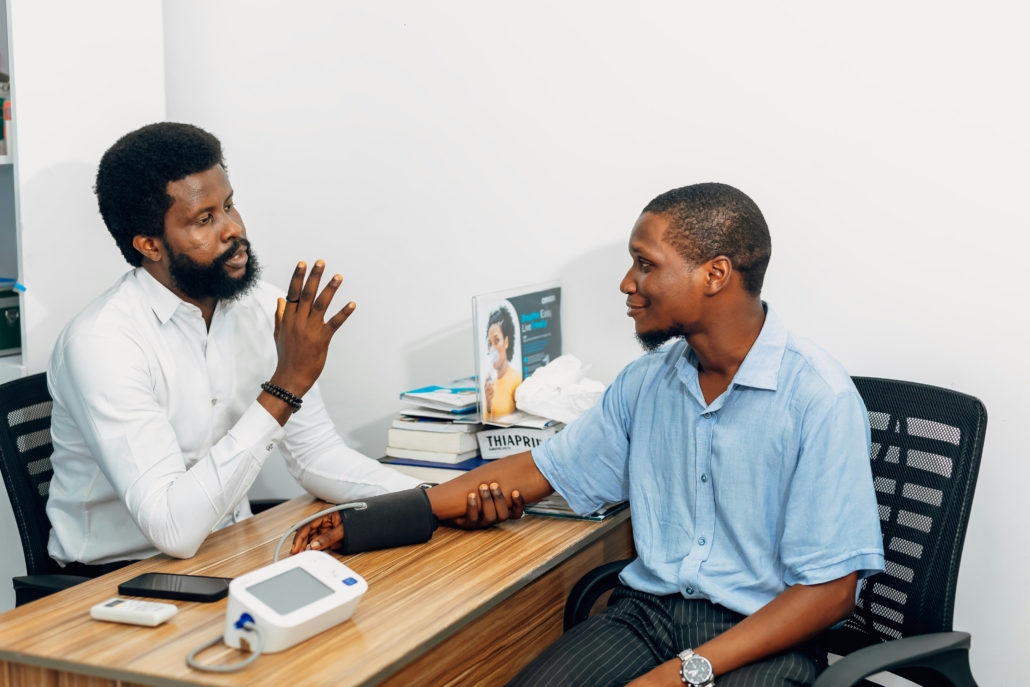
Health Care System in TurkeyTurkey has made big changes to its health care system over the past two decades. Once floundering with access to medicine and infrastructure, the country boasts near-universal content, high-performing megacity hospitals and medical tourism. However, recent dishonors and public health challenges suggest its success story is still evolving. The backbone of Turkey’s health care reform is the General Health Insurance Scheme (Genel Sağlık Sigortası), introduced as part of the administration’s Health Transformation Program in 2003.

Backed by the Social Security Institution (SGK), the scheme now covers nearly 97% of the population, offering access to public and private providers. The country has a mixed public-private model, with more than 870 public hospitals, 571 private hospitals and 68 university hospitals as of 2022. According to the Organisation for Economic Co-operation and Development (OECD) reports, Turkey spends around 6.3% of its gross domestic product on health, well below the OECD normal of 9.3%, but still achieves good results. Life expectancy has reached nearly 79 times and under 5 years old mortality has fallen by 88% between 1990 and 2021.

Growing Pains

Despite these achievements, systemic problems remain. Turkey faces indigenous differences in child mortality and access to health care, according to the World Health Organization (WHO). There are also growing concerns about high levels of antibiotic use, air pollution and rising rates of rotundity and diabetes, which now affect around 13% to 17% of people in the country.

Turkey is also a world leader in medical tourism, attracting cases from Europe and the Middle East with affordable dentistry, ornamental surgery and hair transplants. Turkey is also a world leader in medical tourism, attracting cases from Europe and the Middle East with affordable dentistry, ornamental surgery and hair transplants. The government-backed USHAŞ (International Health Services Inc.) agency has helped promote these services worldwide. At the same time, numerous hospitals retain Joint Commission International delegations.

However, confidence in the health care system was shaken after serious allegations of fraud and price fleecing in neonatal ferocious care units surfaced. Several croakers and nurses are under investigation and several private conventions have been closed after babies were allegedly transferred from one sanitarium to another to inflate insurance claims.

Following this incident, all private hospitals in Turkey were required to obtain accreditation from the Turkish Health Care Quality and Accreditation Institute (TÜSKA) starting January 2025. A total of 58 standards and 244 criteria will be enforced and hospitals seeking accreditation must report their compliance in detail. While health care system in Turkey has made significant progress in coverage, infrastructure and innovation, it now faces the challenge of maintaining quality and integrity amid rising demand and increased ethical scrutiny.

Looking Forward

Turkey has taken decisive steps to rebuild trust and strengthen oversight in response to recent setbacks. The introduction of mandatory TÜSKA accreditation marks a serious push toward greater transparency and accountability in private care. The Health Ministry has also increased digital monitoring of insurance claims and expanded training for hospital staff. Meanwhile, investments continue in public health infrastructure, with new city hospitals opening and e-health services expanding. These moves show Turkey’s commitment to safeguarding the gains of its health care reform while adapting to new challenges.

– Ksenia Potaturina

Ksenia is based in Antalya, Turkey and focuses on Global Health for The Borgen Project.

Photo: Freepik

Grassroots Health InitiativesSub-Saharan Africa is home to more than a billion people across countries with diverse cultures and economies. Yet across rural communities, a shared reality persists: poverty and limited health care access. Geographic isolation, underfunded health systems and economic hardship often make even basic care inaccessible, and the consequences are fatal. Under-5 child mortality in this region is 68 per 1,000 live births, while 70% of the global maternal deaths occur there. However, there are several grassroots health initiatives in place that aim to improve overall health care in these communities.

Background

Despite commitments like the 2001 Abuja Declaration, most countries in sub-Saharan Africa have not met health funding goals, hence, health systems remain vulnerable, dependent on fluctuating foreign aid. Consequently, even basic services involve out-of-pocket costs that deter those in poverty from accessing essential care.

Most rural areas lack nearby clinics and existing facilities often suffer from shortages in medicine, equipment and staff. As a result, many turn to traditional healers or informal providers. Chronic poverty, gender inequality and food insecurity further restrict access, especially for women who may lack the autonomy or resources to seek care.

Yet amid these challenges, hope is emerging from within. Across Ethiopia, Malawi and Nigeria, women and mothers are leading the charge through grassroots health initiatives ― bridging the gap between poverty and care by bringing services closer to those who need them most. Here are some grassroots health initiatives transforming rural sub-Saharan communities impacted by poverty and poor healthcare access:

Ethiopia’s Health Extension Program

Despite its low-income status, Ethiopia has made notable progress in rural health care through its Health Extension Program (HEP), launched in 2003. The program provides universal access to basic health services. It operates through local health posts staffed by trained Health Extension Workers (HEWs), many of whom are women from the communities they serve. HEWs identify pregnant women, provide antenatal care and refer them to formal health systems if complications arise.

More than 30,000 women received training and are now reaching more than 12 million households with health education, vaccination campaigns and family planning services. These, among other efforts contributed to Ethiopia meeting the under-5 mortality reduction target (MDG4) four years early in 2012, with major improvements in child and maternal health outcomes — including a reduction in infant mortality to only 68 per 1,000 live births.

Meseret’s Story: From Mother to Health Hero

Meseret, from rural Meki, grew up drinking polluted water from the nearby Lake Ziay. A visit from a community health worker introduced her village to water purification, inspiring her to train as a health worker. Today, she works with PSI’s Smart Start program, educating young couples on contraception and financial planning, empowering them to make informed decisions. Meseret’s efforts have contributed towards the 75,000 adolescent girls reached by Smart Start, more than 35,000 of which now use modern contraceptives  — proof of the life-changing impact grassroots health workers can have on underserved communities.

The MaiMwana Project

In rural Malawi, where 73.9% of the population lives on less than $1.25 per day and maternal, neonatal and infant mortality rates are especially high, women-led initiatives like the MaiMwana project and Secret Mothers have become crucial.

Running from 2005 to 2010, the MaiMwana Project mobilized women in Mchinji District to identify health problems, create solutions, and implement interventions like home vegetable gardens and bicycle ambulances. Inspired by similar projects in Asia and South America, it formed 207 groups across 310 villages, involving more than 12,000 attendees, the majority of whom were women. The project contributed towards a 22% reduction in neonatal mortality, highlighting the life-saving potential of women-led, community-rooted health work

Secret Mothers

In Chiyang’anira Village, Chikwawa District, another grassroots solution has emerged: a group of women known as the Secret Mothers, or “Amayi Achinsinsi.” Previously, many pregnant women in the region avoided antenatal appointments due to the expensive 200 km journey to the nearest hospital, but Secret Mothers have improved this situation, supporting them by encouraging antenatal visits and modelling safe health practices. Since its inception in 2012, more than 100 women have joined, including 50-year-old mother Stella Sabstone, a founding member. Thanks to their efforts, eight in 10 expectant mothers now receive appropriate care. By building trust within familiar networks, Secret Mothers are transforming maternal health outcomes in the geographically isolated and economically disadvantaged community.

Grassroots Health Governance in Nigeria

In Nigeria’s Kaduna State, Ward Development Committees (WDCs) have emerged as a powerful community response to maternal health issues. Sparked by a maternal death in Yakasai village, the initiative, developed in collaboration with the Population and Reproductive Health Initiative, engages local leaders, health workers, and community representatives to improve health service delivery and accountability. WDCs promote health education, monitor local facilities and lead programs like the community Maternal and Perinatal Death Surveillance and Response (cMPDSR). These efforts have radically increased facility-based births and antenatal care use.

They also address cultural norms that hinder care. In some areas, WDCs have created policies encouraging the presence of male partners at antenatal visits, a critical shift in communities where health decisions are often male-dominated. While funding and sustainability challenges remain (such as the need for ongoing training), WDCs are helping to build a more responsive, locally-rooted health system to benefit the rural poor.

Grassroots Health Initiatives: Lasting Transformation

What unites these grassroots health initiatives ― from Ethiopia’s HEWs to Malawi’s women’s groups and Nigeria’s Ward Committees ― is their focus on empowering those most affected by poverty. By leveraging local knowledge, building trust, and expanding access, these programs are breaking barriers to health care in some of the world’s most underserved areas.

Women and mothers in particular are leading this transformation. Their leadership is not only radically improving health outcomes but also strengthening community resilience. These locally driven efforts demonstrate that scalable, cost-effective health solutions can emerge from within even the most resource-constrained settings, offering valuable lessons for broader poverty reduction strategies.

– Holly McArthur

Holly is based in Somerset, UK and focuses on Good News and Global Health for The Borgen Project.

Photo: Flickr
Child Mortality in AfghanistanAfghanistan has one of the highest infant mortality rates in the world, with 43 deaths per 1,000 live births. The child mortality rate in Afghanistan is even higher, with 97 out of every 1,000 children dying before they reach the age of 5. Child mortality has numerous causes, including malnutrition, sepsis, sudden infant death syndrome (SIDS), malaria, HIV/AIDS, preterm birth complications and diarrhea. External factors, such as the political climate, can also play a significant role.

Afghanistan’s limited medical facilities exacerbate the issue. The country’s fragile health care system leaves mothers and young children particularly vulnerable to the spread of infectious diseases. With underdeveloped immune systems, children are especially susceptible to illnesses that claim the lives of thousands in Afghanistan each year. However, there are several charities fighting infant mortality in Afghanistan.

HealthProm

HealthProm, established in 1984, is a U.K.-based nonprofit organization focused on reducing child and maternal mortality. It started working in Afghanistan in 2008 and has significantly lowered the country’s high child mortality rate. The organization has achieved this by providing emergency transport for women in labor to health centers. It also encouraged the local communities to establish Women’s Safe Motherhoods Groups and Men’s Support Groups to create awareness of the risks associated with pregnancy and child birth.

Afghan Mother and Child Rescue

Afghan Mother and Child Rescue (AMCR) is another nongovernmental organization (NGO) dedicated to supporting women and children in Afghanistan. The organization focuses on constructing and maintaining health clinics and medical facilities to improve maternal and child health outcomes. The charity spends approximately $37,000 toward building and maintaining these essential facilities, ensuring greater access to health care for vulnerable populations.

UNICEF

Working alongside Afghanistan’s Ministry of Public Health, the United Nations Children’s Fund (UNICEF) facilitates the care of children, especially those in vulnerable regions. UNICEF supports Afghanistan’s children through initiatives focusing on health, nutrition, water sanitation and hygiene, all aimed at reducing child mortality. Nearly 1.2 million children younger than 12 months receive life-saving vaccines each year. These immunizations protect against nine diseases, significantly improving their chances of leading healthy lives.

Looking To the Future

Charities like HealthProm, AMCR and UNICEF are working to combat child mortality in regions with the highest rates. As child deaths in Afghanistan continue to decline, achieving the Sustainable Development Goal (SDG) of ending preventable deaths among children younger than 5 by 2030 becomes increasingly attainable, thanks to the growing number of children surviving and thriving.

The efforts of these charities, alongside other projects, are making a difference in the child mortality rate in Afghanistan by improving access to medical care and providing appropriate life-saving treatments and vaccinations. Since 2020, the infant mortality rate per 1,000 live births has decreased by 5.4 deaths.

– Megan Hall

Megan is based in Suffolk and focuses on Global Health and Celebs for The Borgen Project.

Photo: Flickr

Child Mortality in Sub-Saharan AfricaIt is estimated that about 11 children aged less than 15 die every minute. This is around 16,000 deaths daily and an annual figure of six million child deaths. The child mortality rate in Sub-Saharan Africa is no different. Children have a life expectancy of 51 years, with almost 10% dying in their first year of life. About 155 of every 1000 children born in Sub-Saharan Africa do not reach age 5. Child mortality is particularly high in the first month of life of children in Sub-Saharan Africa, with neonatal mortality of 40 out of every 1000 births.

Causes of Child Mortality in Sub-Saharan Africa

Children in Sub-Saharan Africa are 14 times more likely to die before the age of 5 than children in North America and Europe. The causes of these deaths vary and range from medical to socioeconomic factors. Medical causes range from birth asphyxia, preterm birth, neonatal causes, child pneumonia, malaria, diarrhea, HIV/AIDS and measles. Socioeconomic causes range from poverty, low levels of maternal education and inaccessible quality health care.

Other secondary causes that can be identified include inefficient neonatal health care and the lack of reliable data on the child mortality rate in Sub-Saharan Africa. Most countries in Sub-Saharan Africa do not register births and deaths of children. It is estimated that as many as half of newborns who die go unregistered. The implication is that newborns and their mothers are unreachable by national and regional policies and programs aimed at reducing the child mortality rate in Sub-Saharan Africa.

The Impact of GAVI Alliance Vaccine Programs

GAVI is an international nonprofit that partners with public and private sectors to save lives and protect people’s health by increasing the equitable and sustainable use of vaccines. It has made significant contributions to eradicating child mortality in Sub-Saharan Africa. Since its establishment in 2000, GAVI has disbursed nearly $5.9 billion to Sub-Saharan African countries, which has helped to reach more than 364 million children and averted more than 8.9 million potential child deaths in the region.

GAVI has been partnering with other international nonprofits, like the World Health Organization (WHO) and the United Nations Children’s Fund (UNICEF), since 2019 to implement the Malaria Vaccine Implementation Programme (MVIP) in Ghana, Kenya and Malawi. The malaria vaccine is administered in four doses to children at around five months of age. More than two million children have received the vaccine. This has led to a significant 13% reduction in all-cause mortality among eligible children.

As of February 2024, through its Zero-Dose Immunization Programme (ZIP), GAVI had successfully delivered one million life-saving vaccines to children across Ethiopia, Somalia, Sudan and South Sudan. These particular countries are located in the Horn of Africa. They are known to suffer from multiple crises. These include civil conflicts, food and water shortages, extreme droughts and flooding, making children vulnerable to vaccine-preventable diseases, resulting in a high child mortality rate.

Gavi’s Impact in Nigeria

As of 2014, in Nigeria, nearly 480 children per 100,000 died of pneumonia or other lower respiratory infections. That same year, with the support of GAVI, Nigeria launched the PCV vaccine as part of its routine immunization program. By 2019, the figure had decreased from 480 to 386 per 100,000. In 2022, Nigeria achieved 60% coverage with the final dose of the PCV vaccine.

Gavi’s Director of High Impact Countries, Tokunbo Oshin, highlighted that, in partnership with other international organizations, GAVI, as of 2023, has delivered 11.7 million doses of the highly effective pentavalent vaccine to children in Nigeria. The vaccine protects children from five life-threatening diseases, including diphtheria, pertussis, tetanus and hepatitis B.

It has also delivered a dose of the tetanus-diphtheria vaccine to more than 670,000 eligible children aged 4 to 14 years old across 18 high-burden local government districts in Kano State. Also, 75,000 zero-dose children aged less than 2 received their very first dose of the pentavalent vaccine.

Gavi’s Effort Against Rotavirus in Sub-Saharan Africa

GAVI’s support has been instrumental in the fight against rotavirus, a major cause of deadly diarrhea in children in Sub-Saharan Africa. The impact of GAVI’s vaccination programs is significant, with a reported prevention of 64% of severe rotavirus diseases during the first year of life in children in Sub-Saharan countries, including Ghana, Kenya and Mali.

In the first quarter of 2023, Kenya was hit with an outbreak of rotavirus, which was managed through the supply of vaccines from the National Vaccines and Immunization Program. In Mombasa County, 8,000 children have received vaccinations in Q1 2024. A target of 9,000 vaccinations has been set to help protect the future of children in Kenya.

Certainly, GAVI’s contribution to reducing the child mortality rate in Sub-Saharan Africa has not gone unnoticed. Its continued partnership with other international organizations will help it achieve its objectives.

– Olusegun Odejobi
Photo: Pixabay

Child Poverty in KosovoKosovo, a small country in southeastern Europe, declared itself independent on February 17, 2008, after experiencing ethnic violence and forced displacement in the late 1990s. The United States (U.S.) officially recognized Kosovo as a sovereign state on February 18. This marked a significant development in Kosovo’s history after a challenging period. However, only around 100 United Nations (U.N.) member states recognize Kosovo as a sovereign state.

Kosovo remains one of the poorest countries in Europe, with an estimated 23% of the population living in poverty. The country struggles with widespread corruption and a low employment rate, with the unemployment rate in Kosovo predicted to reach 22% by the end of 2023.

Poverty in Kosovo has a big impact on children, mainly because many Kosovans had to leave their homes during the Kosovo War and couldn’t go back. The education system is also not doing well. Just 41% of kids in Kosovo have good reading skills, and only 42% are strong in math. For children from minority groups like Roma, Ashkali, and Egyptian communities, the numbers are even lower—18% in reading and 13% in math. This makes it harder for them to succeed in the future.

The nation’s struggle to join the European Union (EU), mainly because of the Serbian deadlock, significantly contributes to its ongoing issue of high child poverty rates. This situation has lasting effects on the well-being of children in the country.

5 Important Facts About the Issue of Child Poverty in Kosovo

  1. Poverty disproportionately affects children in Kosovo: Not only does poverty disproportionately affect Kosovan children, but particularly children from Roma, Ashkali and Egyptian communities, or those who have disabilities or live in rural areas. Moreover, children in Kosovo account for half of those benefitting from social assistance.
  2. Only a fraction of Kosovo’s GDP goes toward social protection:  The country spends 8.5% of its GDP on social protection, compared to an average of 28% in the wider EU. Therefore, access to health care, education and other social services remains limited for its children, exacerbating the issue of child poverty in Kosovo.
  3. Child begging: Child begging is a significant concern in Kosovo, notably affecting Romany children and serving as a major sign of child poverty. In the initial half of 2023, authorities intervened and recorded 41 cases of child begging, potentially setting a new yearly record. The prevalence of this issue highlights ongoing challenges related to child poverty in Kosovo.
  4. High child mortality rate: Child mortality rates are a concern, especially in certain communities where the numbers are higher. For example, in Roma, Ashkali and Egyptian communities, the child mortality rate is eight times higher than the EU average. There are also differences in health services, with only 38% of children under 2 fully immunized in these communities, compared to 73% in the general population (UNICEF 2021).
  5. Active Charities: Several charities work tirelessly to alleviate child poverty in Kosovo. Actions for Mother and Children (AMC) stands out as a crucial player, dedicated to supporting Kosovo’s mothers and children facing poverty since 2009. AMC takes a dual approach: advocating for improved health care for mothers and children and raising funds to provide essential life-saving equipment and medications. Notably, its Women’s Health Resource Center program, launched in 2014, has been instrumental. This initiative educates and supports women throughout pregnancy, delivery and the early postpartum period, impacting at least 10,000 pregnant women and their partners since January 2014.

Looking to the Future

As Kosovo looks to the EU for guidance on its future, charities like AMC are tackling child poverty. This work is vital as the country navigates its path, waiting to see what its European future holds.

– Eleanor Lomas
Photo: Flickr

Child Poverty in UzbekistanUzbekistan has made remarkable strides in reducing poverty and improving child welfare. Despite these gains, child poverty in Uzbekistan remains a pressing issue, with many children living in disadvantaged conditions. 

Declining Child Mortality Rate 

Uzbekistan has significantly reduced the infant and under-5 mortality rates over the past four decades. According to World Bank data, the infant mortality rate fell drastically from 98 per 1,000 live births in 1980 to just 13 per 1,000 live births in 2021. Likewise, the under-5 mortality rate reached an all-time low of 14 per 1,000 live births in 2021. 

Child Poverty in Uzbekistan

Nonetheless, child poverty remains a pressing issue in Uzbekistan. UNICEF’s 2019 report, “Building a Better Future: A Child-sensitive Social Protection System for Uzbekistan,” stated that 30% of young children and 24% of children between five to 14 years old belong to the poorest quintile of Uzbekistan. While the general poverty in Uzbekistan is 21%, the child poverty rate stood higher at 24%. 

As of 2019, 57% of children in the country lived on less than 10,000 UZS per day, approximately 1.5 times the minimum wage. The minimum wage in Uzbekistan also serves as the income eligibility threshold for families to receive child benefits. The prevailing circumstances signified that many children lived in households struggling to provide adequate child care. 

UNICEF currently estimates that children in Uzbekistan are one and a half times more likely to be poor than adults.

Malnutrition

Many young children in Uzbekistan experience undernutrition. Another 2019 UNICEF report, “Building a National Social Protection System Fit For Uzbekistan’s Children and Youth,” reported that 9% of children are stunted, causing irreversible damage to the children’s cognitive development. The report also highlighted that stunted children were likely to earn 26% less as adults than their non-stunted peers, further exacerbating a cycle of poverty and inequality. 

However, from 2002 to 2017, the stunting rate in Uzbekistan dropped from 21% to 8.7%, thanks to Uzbekistan’s immense strides in reducing malnutrition and expanding social welfare.  

Children With Disabilities 

In 2019, 13% of children with disabilities between the ages of 7 and 15 were not enrolled in school. Nearly one-third of young people with disabilities could not attain any diploma, limiting their educational and employment opportunities.

Moreover, UNICEF also determined that 52% of children with severe disabilities lacked access to services from the Child Disability Benefits program, indicating the limited reach of social support for vulnerable children and their families in Uzbekistan.

Social Insecurity 

52% of Uzbekistan’s impoverished households are excluded from any support by the national social protection system, leaving many families with children without benefits and social services. Subsequently, only 17% of children living in households have access to child benefits, only 23% of children under two gain Child Allowance, and only 10% of children between 2 to 14 years old collect the Family Allowance.

Ongoing Efforts by UNICEF

Currently, UNICEF’s global interventions emphasize child-sensitive social protection programs and investing in early childhood and adolescent development. For example, UNICEF is helping Uzbekistan develop a cash benefits program to address household income poverty. The organization plans to further invest in childhood education, health care access, clean water and sanitation to provide impoverished children with the needed care, security and nutrition. The organization hopes to establish sustainable social investments and integrate child-poverty-reduction policies into government budgets. 

Addressing child poverty, improving social security systems and ensuring better access to education and health care for children with disabilities are crucial areas that require concerted efforts from the government, civil society and international organizations to improve the well-being of children in Uzbekistan. 

– Freya Ngo
Photo: Flickr

Maternal Mortality in South SudanOne of the happiest moments in a mother’s life is taken away from her in South Sudan. With 789 deaths amongst 100,000 births, South Sudan’s maternal mortality rate ranks as one of the highest in the world. The probability of death when giving birth is higher when a woman is in poverty. Also, with little access to professional assistance and resources, death becomes far more likely. 

In turn, when maternal mortality occurs, the risk for child mortality increases. Orphaned children are more likely to become subject to child labor. They also tend to have limited access to high-quality education and encounter more obstacles that prevent them from reaching their highest potential. Maternal mortality in South Sudan is an urgent issue not only because mothers die, but also because maternal mortality leads to the ongoing suffering of the children left without moms.

Causes of Maternal Mortality in South Sudan

First, studies have shown that many women do not receive professional assistance when giving birth. In Juba, the capital of South Sudan, only a quarter of the women go to a hospital during the time of labor. That low figure partially stems from a lack of South Sudanese trained in maternal, newborn and child health (MNCH). With only one physician per 65,574 people and one midwife per 39,088 people, the country has a severe lack of professionals at hand. For this reason, mothers are forced to request assistance from non-certified individuals.

Poverty is a significant cause of maternal mortality risk factors. According to the World Health Organization (WHO), 4.8 million people in South Sudan, mothers included, suffer from food insecurity. Additionally, only 7% of the population has access to sanitation resources, which further prevents safe births. Poverty also influences South Sudan’s high illiteracy rate of 88% among women. In turn, that high illiteracy rate limits awareness of healthy birth practices.

Finally, communicable and chronic non-communicable diseases contribute to maternal and child mortality. Tuberculosis, a risk factor of maternal mortality, is high at 146 cases per 100,000 people in South Sudan.  Second, HIV/AIDS is at epidemic levels in South Sudan. Finally, diabetes and cardiovascular diseases are on the rise and elevate maternal mortality risk factors.

 A Focus on Increasing Trained Labor and Delivery Staff

Several initiatives have been launched to reduce maternal mortality rates in South Sudan. One significant example is the Global Health Innovation Laboratory’s Maternal, Newborn, and Child Survival (MNCS) program. Launched in 2010, MNCS has worked to increase training for MNCH professionals throughout South Sudan. Importantly, MNCS trainees learn how to identify and prevent major threats that women face during labor. In its first two years, MCNS trained 732 healthcare workers who are now providing assistance in labor and delivery patients in South Sudan.

Also, in 2012, the Ministry of Health in South Sudan, the United Nations Population Fund (UNPFA) and local nonprofits collaboratively launched the Strengthening Midwifery Service to train midwives and nurses. Additionally, three years later, the Ministry of Health also began partnering with the Canadian Association of Midwives and UNPFA to foster professional mentorships between midwives in Canada and South Sudan so they can exchange expertise with each other.

On the Path to Save South Sudanese Women and Children

Maternal mortality in South Sudan has been an urgent issue since the beginning of the South Sudanese Civil War. It puts both the mother and child at risk of death and may permanently jeopardize the future of a baby. Fortunately, the South Sudanese government and international organizations are working to improve that dire situation. With more professional help available to mothers, slowly, South Sudan is saving its women and children.

– Mariam Kazmi
Photo: Flickr