• Link to X
  • Link to Facebook
  • Link to Instagram
  • Link to TikTok
  • Link to Youtube
  • About
    • About Us
      • President
      • Board of Directors
      • Board of Advisors
      • Financials
      • Our Methodology
      • Success Tracker
      • Contact
  • Act Now
    • 30 Ways to Help
      • Email Congress
      • Call Congress
      • Volunteer
      • Courses & Certificates
      • Be a Donor
    • Internships
      • In-Office Internships
      • Remote Internships
    • Legislation
      • Politics 101
  • The Blog
  • The Podcast
  • Magazine
  • Donate
  • Click to open the search input field Click to open the search input field Search
  • Menu Menu

Archive for category: Women’s Rights

Global Poverty, Women's Rights

Improving Women’s Rights In Pakistan

Women’s Rights in Pakistan
A gender-based violence crisis in Pakistan is depriving millions of women in Pakistan of legal protection and leaving them fearful for their rights and livelihood. According to the Women, Peace and Security Index, Pakistan is ranked 167th out of 170 countries in terms of women’s health and wellbeing. In recent years, women in Pakistan have been engaging in protests to speak out against inequality and violence and demanding action from the government to improve women’s rights in Pakistan.

Domestic and Economic Abuses

Women in Pakistan suffer an alarmingly high rate of domestic violence. The United States Institute of Peace (USIP) estimates that 28% of women in Pakistan face some kind of physical violence in their lives before the age of 50. Because of the constant threat of violence against women, many women have to labor as domestic workers and often receive little to no wages as a result.

Women account for 49% of the Pakistani population but receive only 18% of its labor income, according to the USIP. The Pakistani government often denies legal protection and social security to women of low social classes, particularly home-based workers. The crisis of women’s rights in Pakistan is especially evident in environments like education and health care, where women cannot access social protections and face threats of violence.

In 2018, the U.N. reported that only 48.6% of Pakistani women had their reproductive health care needs satisfied by the resources available to them.

Because of these inequalities and injustices against women, women in Pakistan are more likely to live in poverty than men, while also carrying the burden of domestic work. Gender-based discrimination in education forces women at a social disadvantage. In 2021, the USIP found that women had a 22% lower literacy rate than men.

The relationship between social disadvantages, threats of violence and poverty is a vicious cycle for the women living in Pakistan. Because they experience discrimination in education and face threats of violence from men in power, they have to labor domestically and receive low wages, which keeps them in poverty.

Government and International Initiatives

The good news is that global organizations like the United Nations are not ignoring the crisis of women’s rights in Pakistan. In 2017, the U.N. initiated a three-year project called ‘The Economic Empowerment of Women Home-Based Workers and Excluded Groups in Pakistan.” The purpose of the initiative was to allow women, home-based workers, to effectively contribute to and benefit the economy of Pakistan.

This initiative benefited the private sector, the state, the women of Pakistan and the organization of the United Nations. Additionally, in 2020, the Pakistani Government passed an anti-rape ordinance that promised harsh punishments for those who commit sex crimes. This ordinance offers a higher degree of protection and security for women facing domestic violence.

Since the beginning of the COVID-19 pandemic, the Pakistani government has made small but essential improvements for victims of domestic violence including shelters, psychological support and national helplines. In 2021, USAID assisted the Pakistani government in providing counseling services to about 61,000 female survivors of domestic violence, improving the system of maternal health care and training public defenders on how to protect women’s rights in Pakistan under law.

Women Speaking Out

Women in Pakistan have not been silent in recent years about the injustices against them. In 2018, Pakistani women held the Aurat March on International Women’s Day. Thousands of women rallied across Pakistan to demand an end to the gender-based violence that has been sweeping Pakistan for decades, USIP reported. The march became an annual tradition and women have gathered to collectively use their voices and fight against gender and class-based oppression for the most recent four International Women’s Days.

These marches ensure that the public hears the voices and demands of the oppressed women in Pakistan. However, they also present an escalated threat of violence against women from the Taliban. Pakistan’s Taliban criticized the march, accusing it of being a “western agenda.”

The fight for women’s rights in Pakistan is not over and is making significant improvements year by year despite worrying reactions from the Pakistani Taliban. Pakistani women have organizations like the United Nations and the United States Institute of Peace fighting for social, political and economic justice. Equity and gender equality are necessary for Pakistan’s long-term development as a democracy, as well as its fight against violent extremism.

– Ella DeVries
Photo: Flickr
June 23, 2022
https://borgenproject.org/wp-content/uploads/borgen-project-logo.svg 0 0 Jennifer Philipp https://borgenproject.org/wp-content/uploads/borgen-project-logo.svg Jennifer Philipp2022-06-23 07:30:052022-06-22 07:02:49Improving Women’s Rights In Pakistan
Development, Global Poverty, Health, Women, Women and Female Empowerment, Women's Rights

Progress in the Fight for Women’s Rights in Costa Rica

Women’s Rights in Costa Rica
In Costa Rica, there is hard evidence to support the “feminization of poverty” in which more women and women-led households are experiencing higher rates of poverty. Between 2010 and 2016, gender inequality increased mainly through the increasing rates of income inequality. In addition, the inaccessibility of health rights for low-income women contributes to lower levels of education, delayed or restricted incorporation into the workforce and increased health risks resulting in economic repercussions that perpetuate a cycle of poverty. Therefore, reducing the gender inequality index and providing more resources to empower and fight for women’s rights in Costa Rica is paramount.

The Statistics

The gender divide continues to persist in Costa Rica and maintains a large influence in many areas, including the workforce. Only 50% of women participate in the workforce as opposed to 72% of men. Women also receive about 12% less in salary, increasing this gap more since 2013. Gender roles and stereotypes translate to career development with men making up 70% of science and engineering programs in Costa Rican universities and women entering more traditionally female positions with less economic and social standing. U.N. Women has reported that the unemployment rate for women in the nation is 15%, compared to 9.1% for men. This report also provides the nation’s overarching legal frameworks that “promote, enforce and monitor gender equality” with the level of achievement ratings, with public life and employment and economic benefits receiving low scores of 70 and 60 respectively.

Recent Progress

However, the government made significant progress in the past couple of weeks by passing legislation that will work to close the gender divide and protect women’s rights in Costa Rica. The Comprehensive reparation bill for survivors of femicide, which received approval on April 28, 2022, will provide support to the families of femicide victims. Since 2007, 400 women have died of femicide with 51 cases still pending investigation. This bill will provide a comprehensive reparation fund for the families of victims, supporting them through the psychological, social and economic effects of this crime.

In addition, the government enacted the Law to Prevent, Address, Punish and Eradicate Violence against Women in Politics on May 3, 2022. This law protects the political rights of women and considers such actions as the prevention of a woman exercising the responsibilities of their position, restriction of workplace reincorporation following pregnancy, undermining their public image and disclosing their private information. As the National Women’s Institute of Costa Rica (INAMU) stated, the law also “considers discriminatory actions that affect the right to life, personal integrity and property rights to prevent the free exercise of political rights, as well as harassment, physical, psychological or sexual violence.” Consequences for members of politics that engage in this behavior range from ethical reprimands to the withdrawal of credentials.

Organizations in Costa Rica

Both the National Women’s Institute of Costa Rica (INAMU) and the Vital Voices nonprofit organization make up a large presence fighting for women’s rights in Costa Rica. INAMU is a governing institution that supports the expansion of women’s rights in coordination with the Costa Rican government by reinforcing the national effort toward the cause and providing comprehensive information training and resource access.

Vital Voices advocates for women’s rights in Costa Rica through its investment in women leaders that support the fight for change. Through its multifaceted approach, it addresses multiple issues in the nation including climate justice and political and policy advocacy. One of its many tenets includes the economic empowerment of women leaders by financially supporting their businesses, social enterprises and nonprofit organizations which in turn can boost the progression of their platform. Vital Voices is also fighting against gender-based violence by investing in leaders that strengthen the legislation around this issue, providing life-saving services immediately following an incident of violence and increasing the capacity of survivor-focused organizations to deliver locally-based solutions.

Although Costa Rica has seen some progress, there are more steps that the country can take. Income inequality is the most prevalent obstacle that many women in the nation are facing. Resolving inequality in the workplace can expand opportunities and give women more agency which in turn could lead to the disruption of the poverty cycle. The new legislation that passed will also allow women more freedom to be active participants in society through femicide prevention efforts and the protection of their workplace rights.

– Kimberly Calugaru
Photo: Flickr

June 8, 2022
https://borgenproject.org/wp-content/uploads/borgen-project-logo.svg 0 0 Jennifer Philipp https://borgenproject.org/wp-content/uploads/borgen-project-logo.svg Jennifer Philipp2022-06-08 07:30:232024-05-30 22:24:07Progress in the Fight for Women’s Rights in Costa Rica
Global Poverty, Women's Empowerment, Women's Rights

Women’s Political Participation in Egypt

Women’s Political Participation in Egypt
Although the advancement of women’s rights in Egypt has faced barriers in the past, change is on the horizon. The World Economic Forum’s 2021 Global Gender Gap Report notes progress in terms of gender equality. In particular, Egypt has made advancements for women in politics. A closer look at the country’s policies and culture around women’s political participation in Egypt will show how Egypt has garnered such success and point to the areas still in need of improvement.

Electoral Quota System in Egypt

Women in Egypt gained suffrage and the right to run for election with the 1956 Constitution. Before the 1979 elections, Egypt implemented a quota of 30 seats (9% of total seats in the People’s Assembly) reserved for women. In 1984, 36 women held seats. Eventually, arguments arose against the quota and Egypt repealed it in 1987, leading to the decline of female representation down to just nine women out of the 454 members of the People’s Assembly (2%) from 2005 to 2010. Over the next few years, Egypt reinstated the quota system and repealed it again. In 2014, Egypt implemented a new quota system, which includes non-gender-related quotas.

In 2019, Egypt amended the constitution to reserve at least 25% of seats in parliament for women, leading to a dramatic rise in women’s political participation in Egypt. Women hold 162 seats in the new parliamentary term (2016-2021), making up 27% of parliament, marking the first time this percentage surpassed 15%. As a consequence, “Egypt now ranks 67th in the world for women’s representation.”

According to the Global Gender Gap Report of 2021, Egypt is one of three MENA (the Middle East and North Africa) countries that closed its Political Empowerment Gap between 20% and 22.7%, with all other countries at 15.1% or lower.

Voting Registration

Egypt now automatically registers voters once they turn 18, which has increased women’s voting turnout. Although voter registration is about even now, there remain certain barriers that women voters face before turning in their ballots. Egypt requires “a valid digital passport, a valid ID card, or an invalid ID card that bears a valid identification number.”

Although this seems protocol for most countries, women in Egypt face cultural challenges when presented with such requirements. Women are more unlikely to possess a valid ID card, and if they do have one, their husbands often hold onto the cards, which may prevent a woman from voting without her husband’s permission. In order to ensure women’s political participation in Egypt, Egypt must address these barriers.

UN Empowers Egyptian Women

Clearly, women are making great advances in the political realm in Egypt. Now, the challenge is to ensure women’s representation goes beyond tokenism. The quota system Egypt implemented will increase numbers, but ensuring women’s voices receive support goes beyond the election.

U.N. Women Egypt works to address all areas that impact women’s lives in Egypt. Past initiatives have dealt with educational opportunities, economic empowerment, violence against women and political participation. One example of U.N. Women Egypt’s advocacy for women’s political participation in Egypt is its work with the National Council for Women (NCW) and partners to issue ID cards for women. The cards have stamps with the slogan “Your ID, Your Right.”

Again, alongside the NCW, U.N. Women Egypt helped encourage women in 27 governorates to “vote and/or run for candidacy at the municipal level,” reaching 35,000 women. As time passes, the number of women in political representation continues to increase.

Despite cultural difficulties, Egypt is making obvious efforts to include women in its policymaking. As the nation’s efforts continue and women also rise up in the government, Egypt will move toward gender equality in its politics.

– Rachael So
Photo: Flickr

May 22, 2022
https://borgenproject.org/wp-content/uploads/borgen-project-logo.svg 0 0 Kim Thelwell https://borgenproject.org/wp-content/uploads/borgen-project-logo.svg Kim Thelwell2022-05-22 07:30:232022-05-19 07:09:42Women’s Political Participation in Egypt
Global Poverty, Women's Empowerment, Women's Rights

Poverty Among Single Mothers in South Korea

Single Mothers in South Korea
In 2020, South Korea had 1.5 million single-parent households. One factor that impacts this statistic is that gender inequality is a pressing issue in many Asian countries, South Korea included. In 2017, women in South Korea earned 63% less than their male counterparts did, and, according to a 2018 OECD working paper, “16.5% of poor Korean households spend at least 30% of their income on children’s education.” With such inequality and heavy demands on childcare, single mothers in South Korea continue to struggle. This article will explore the difficulties that single mothers in South Korea face.

Education

South Korea’s widening educational inequality pressures families to spend more on their children’s education with private education becoming increasingly important. On average, Korean households pay for roughly 42% of their children’s primary and secondary education in comparison to the OECD average of 22%.

On top of that, Korean households also pay for “Hakwon” or “cramming schools,” which are private tutoring sessions that cost “18% of median household income per student.” As the educational system grows increasingly more competitive, these cramming school costs also increase in importance. For single mothers, particularly unwed mothers, supporting their children through the educational system is difficult as women cannot avoid the social stigma of having children outside of marriage because Korea’s birth registry, which is visible to schools and workplaces, labels their children as extra-marital.

Financial Support

Almost half of women in South Korea did not work in 2017 as many of them left the workforce to raise children. In Korea, more women than men have tertiary education qualifications. In fact, 76% of Korean women between the ages of 25 and 34 “had a tertiary qualification in 2020 compared to 64% of their male peers.” Yet, many women are not part of the labor force and those within the workforce earn significantly less than their male peers.

As one can imagine, single mothers may not have the option of leaving work due to the burden of financial responsibilities falling on them. Furthermore, South Korea’s workplace demands long hours. According to the OECD, in 2018, 71% of working women in South Korea worked at least 40 hours and 17% worked at least 60 hours; both of these averages are significantly higher than the OECD average.

The government also provides little financial support for single-parent families. If a single parent makes less than 1.55 million won ($1,400) per month, the government gives them 200,000 won ($180). Considering that the average monthly income of a Korean household is 4 million won ($3,640), an amount sufficient to cover most costs, the government payment to single mothers does not equate to much. Lastly, single motherhood, particularly for unwed mothers, carries a social stigma that prevents even families from providing support.

Progress

Although the pressing demands on single mothers in South Korea grow, statistics show wins for single-parent households. The educational attainment of impoverished single parents has risen, reducing from a low-level education rate of 40% in 2006 to 23% in 2012. This has led to a rise in these households’ standards of living and disposable income.

For single mothers, particularly those who face the social stigma of being unwed, the Korean Unwed Mothers’ Families Association (KUMFA) aims to create a society in which unwed mothers can raise their children without the social stigma of their situation impacting their lives.

A group of unwed mothers founded KUMFA in 2009 as a place for unwed mothers to meet monthly. Since that time, it has grown into an organization. According to its website, “KUMFA holds camps for each major holiday in Korea in order to provide family environments for moms and children during holiday seasons.” In addition, the organization “also provides educational, advocacy, and counseling support programs for unwed mothers.”

Single mothers in South Korea face the crunch between rising educational costs and low wages for women. On top of that, the social stigma around single motherhood follows them everywhere and embeds itself even in the registration of their children’s births. Despite this, women have shown resilience and KUMFA is a great example of solidarity between those facing the same circumstances.

– Rachael So
Photo: Wikimedia Commons

May 18, 2022
https://borgenproject.org/wp-content/uploads/borgen-project-logo.svg 0 0 Kim Thelwell https://borgenproject.org/wp-content/uploads/borgen-project-logo.svg Kim Thelwell2022-05-18 01:30:432024-05-30 22:25:59Poverty Among Single Mothers in South Korea
Global Poverty, Women's Empowerment, Women's Rights

Women’s Rights in Japan

Women’s Rights in Japan
The World Economic Forum ranks countries’ progress toward gender equality by assessing gender gaps across four categories: Economic Participation and Opportunity, Educational Attainment, Health and Survival and Political Empowerment. According to its 2021 Global Gender Gap Report, Japan ranks 120th out of the 156 included countries. This lower-end ranking highlights the struggle for the progression of women’s rights in Japan. For example, despite Japan’s former prime minister Shinzo Abe’s intention to implement gender equality reforms, particularly in the workplace, Japan scores very poorly in the Economic Participation and Opportunity index, with only 60.4% of this gap closed as of 2021. A closer look at women’s rights in Japan within the political and workplace environments provides insight into the country’s progress.

Japan’s Political Arena

Women endure significant underrepresentation in Japan’s political environment, with only 45 women elected to the 465-member House of Representatives in 2021. As such, the Inter-Parliamentary Union ranked Japan 165th on its index of women in national parliaments. The 2003 prime minister, Junichiro Koizumi, set the missed target of having 30% females in leadership positions by 2020. Since then, Japan has set several other goals for gender equity with little to no action. Yuriko Koike, the governor of Tokyo, referred to the gender inequality barrier for women as an “iron plate” rather than simply a “glass ceiling.” With such underrepresentation in government, women’s rights in Japan remain an issue with limited advocates for aggressive policy changes.

Women in the Workplace

According to the 2021 Global Gender Gap Report, 72% of Japanese women participate in the workforce, however, “the share of women working part-time roles is almost twice that of men.” Although Shinzo Abe, serving from 2012 to 2020, urged companies to bring more women into management positions, his efforts effectively stopped there. While there are laws that ensure equality between men and women and there are courts to hear cases of discrimination, litigation is a long (averaging five years), expensive and inconsistent process. There also remains the cultural shame of pursuing such a case.

Overwhelmingly, parenting in Japan falls on the women to ensure children succeed in a highly competitive educational system. Certain policies have emerged to alleviate some burdens, such as 12 months of parental leave at 50% income. There are also programs in place for the provision of childcare services. However, these changes have proven to be largely ineffective as the demand for childcare services grows significantly faster than the supply and there is a lack of legally binding authority for parental leave policies. Many employers, especially in small organizations, do not have specific policies around parental leave. The societal view of a woman’s place within the household is still visible in the workplace, which shows in the policies surrounding women’s rights.

Women’s Rights Progress

One success for Japanese women is that there is no gender gap in educational opportunity in terms of primary education. In addition, Japan has closed “95.3% of its secondary enrolment education gender gap and 95.2% of its tertiary enrolment education gender gap.”

For other areas of improvement, there are organizations advocating for more women in leadership positions. For example, the Japanese Women’s Leadership Initiative “empowers Japanese women to become leaders and to make positive social change and innovation in Japan.” The initiative started in 2006 in Boston, Massachusetts, with three women, Atsuko Toko Fish, Mary Lassen and Catherine Crone Coburn. The program invited emerging women leaders in Japan to participate in a four-week training during which they would develop action plans to create social change after returning to Japan. After receiving more funding, JWLI expanded to hold public forums in Japan, reaching hundreds of Japanese citizens.

Politically, the new Japanese prime minister, Fumio Kishida, reinforces his predecessor’s commitment to promote gender equality and “become one of U.N. Women’s top contributors.”

The advancement of women’s rights in Japan may entail a long journey of fundamental reform within Japanese society, but with the pressing need for women’s economic contributions to end poverty and the rise of more women wishing to join the workplace, Japan will need to prioritize changes to women’s rights in the workplace. Although slowly, the Japanese government is taking steps toward transforming the nation into a more equitable society. Often, change does not happen linearly, but rather, exponentially. Perhaps it is Japan’s time for exponential change.

– Rachael So
Photo: Unsplash

May 5, 2022
https://borgenproject.org/wp-content/uploads/borgen-project-logo.svg 0 0 Kim Thelwell https://borgenproject.org/wp-content/uploads/borgen-project-logo.svg Kim Thelwell2022-05-05 01:30:202022-05-09 06:04:35Women’s Rights in Japan
Global Poverty, Women's Rights

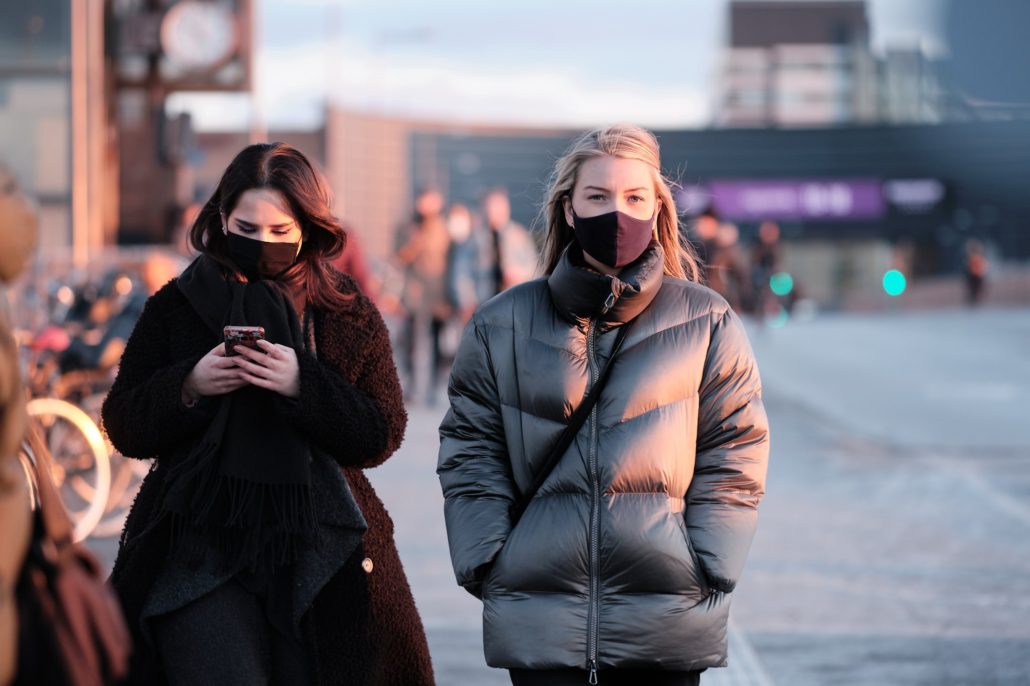
The Fight for Women’s Rights in Denmark

Women's Rights in Denmark
Denmark is well-known as an egalitarian society with a generous welfare system that provides equal opportunities for men and women to thrive. However, in recent years, the nation’s efforts in advancing women’s rights in Denmark have been progressing slower in comparison to neighboring Scandinavian regions of Sweden and Norway. The World Economic Forum’s Global Gender Gap Report 2021 report ranked Denmark 29th for gender equality out of 258 nations, down from 14th place in 2020.

Political Participation

In 1814, Denmark passed a law on “universal primary education,” granting children irrespective of gender the right to seven years of education. This was the beginning of gender equality efforts in Denmark.

In Denmark’s 1849 and 1866 constitutions, “political engagement was reserved for men over the age of 30 who headed their own households.” In 1871, the Danish Women’s Society emerged to promote social change for women through advocacy and legislation. In addition, in 1915, Denmark through the “democracy constitution” granted women the right to vote and run for the parliamentary election.

Then, in 1924, Denmark appointed Nina Bang as minister of education, becoming “the world’s first female minister in a country with parliamentary democracy.” Women’s rights in Denmark have continued to evolve and advance over the years considering the increased level of women’s involvement in social causes and politics. Denmark elected the country’s first female prime minister, Helle Thorning-Schmidt, in 2011. In addition, Denmark elected Prime Minister Mette Frederiksen as the second female prime minister and current Danish leader in 2019.

Gender Equality

The 1999 Amsterdam Treaty of the European Union influenced the gender equality legislation in Denmark. The Amsterdam Treaty “promotes respect for human rights and fundamental freedoms into the formal structure of the EU. It also strengthens and focuses the European commitment to gender equality and extends the equality principle beyond the workplace.”

Efforts to achieve gender parity in Denmark have focused for many years on women’s participation in public life and the decision-making process. The traditional independence of Danish women influenced women’s integration in the decision-making process. In 1999, the Danish government, in its effort to strengthen and promote equal gender participation, appointed a minister for gender equality to advance women’s rights in Denmark.

In furtherance of these efforts, the Danish parliament amended provisions of the Act on Gender Equality. The legislation “provides for promotion of gender equality, including equal integration, equal influence and equality in all functions of society on the basis of women’s and men’s equal status.” ​​

Gender Wage Gap

In 2020, out of 3 million people who registered in the Danish labor force, females made up 47%. The increased influx of women’s participation in the workforce demonstrates that females have strong representation in the labor market.

Despite this increase in labor participation, Denmark has stalled in its efforts to reduce gender wage gap differences. The Global Gender Gap Report for 2021 revealed a 38% income gap between men and women.

Experts attribute inequality in pay to gender segregation in labor participation. Danish women are more likely to hold public-sector jobs “while men are more likely to work in the private sector” and in science, technology, engineering and mathematics (STEM) jobs.

The Public Servant Reform Act of 1969 paved the way for an unequal labor market as well. This law assigned job sectors that female employees commonly dominate, such as nursing, childcare and education, to lower wages than jobs that are more male-dominated, such as law enforcement. Furthermore, working long hours and employment pressures exacerbated by the COVID-19 pandemic worsened the disparity in income and the gains achieved in enhancing women’s rights in Denmark.

Parental Leave

Denmark has a flexible parental leave system as do neighboring Nordic countries Sweden and Norway. In 2019, Denmark’s Parliament expanded parental leave to “24 weeks of leave per parent, 13 of which are transferable, for a total of 48 weeks of leave combined.” This is a significant departure from the previous policy of 32 total weeks of paid leave. Parents receive entitlements to a combined parental leave benefit for 52 weeks. To qualify for parental leave benefits, certain employment duration requirements are necessary. The expanded parental leave will provide equal opportunities to integrate work and life balance for parents.

Looking Ahead

Danish society places a high value on equal opportunities for women with the election of two female prime ministers, but the work to achieve complete gender equality in Denmark is far from accomplished, more so with the income inequality challenge. The Danish government, in cooperation with civil society and the private sector, can improve women’s rights by creating safe spaces and repealing the 1969 Civil Service Reform Act to ensure equal pay for equal work. It is important for countries to leverage policies and programs that provide equal opportunities for men and women to achieve gender parity for a peaceful and prosperous world.

– Sylvia Eimieho
Photo: Flickr

April 5, 2022
https://borgenproject.org/wp-content/uploads/borgen-project-logo.svg 0 0 Kim Thelwell https://borgenproject.org/wp-content/uploads/borgen-project-logo.svg Kim Thelwell2022-04-05 01:30:512022-03-28 10:45:46The Fight for Women’s Rights in Denmark
Global Poverty, Women's Rights

Facts About Women’s Rights in Iceland

Women's Rights in Iceland
Women’s rights in Iceland have evolved and the country has earned a reputation as the most advanced nation in terms of gender equality. The World Economic Forum’s Global Gender Gap Report 2021 ranked Iceland as the “best country for gender equality” for the 12th consecutive year. The Nordic country in 2020 had a population of 366,425 with women accounting for 49.7%. Women’s solidarity by means of political organizing and advocacy have been important catalysts for change and are instrumental in promoting gender equality in Iceland.

Gender Equality in Iceland

In the year 1850, “Iceland was the first country in the world to grant equal inheritance rights to both men and women.” Prior to that proclamation, women had rights to just one-third of the inheritance. In 1917, Iceland gave women and men equal rights over their children. Iceland enacted the Act on Equal Status and Equal Rights Irrespective of Gender in 2000 “to prevent discrimination on the basis of gender and to maintain gender equality and equal opportunities for the genders in all spheres of society.”

Iceland passed a law in 2010 requiring company boards to have a minimum of 40% of women or men. The law came into effect on September 1, 2013. In 2021, women occupied about 42% of managerial roles and 40% of parliamentary positions in Iceland.

Political Participation

In 1881, Iceland extended women’s rights in Iceland by allowing them to vote in local elections for the very first time. Then, in 1907, the Icelandic Women’s Rights Association began as the first formal women’s organization to focus on political gender equality and “equal access to education” and the workplace. In 1908, Iceland elected four females to serve on the city council in Reykjavik.

Following this achievement, on June 15, 1915, women older than 40 gained the right to vote in national elections. Before this, men could vote from 25 years of age and women only at 40 years old. In 1920, Iceland removed “the age barrier to voting eligibility for women” completely. Then, in 1922, Iceland elected Ingibjorg Bjarnason as the first female member of the Icelandic Parliament.

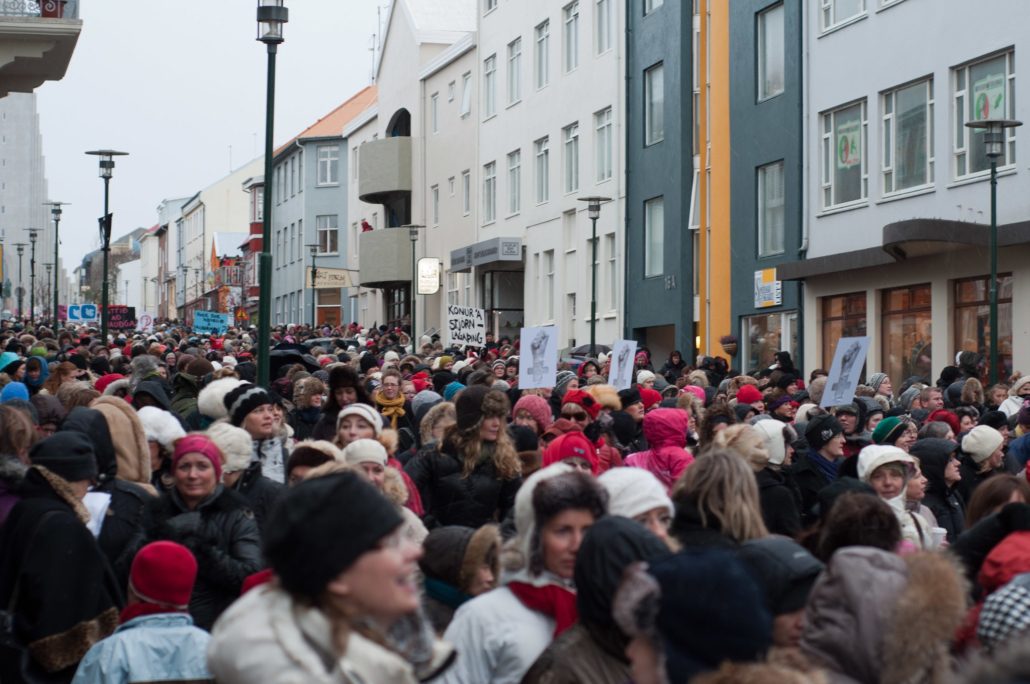
In 1975, Icelandic women, tired of the lack of equal representation both in politics and labor force participation, birthed the “Woman’s Day Off” strike to protest and ignite social change. About 25,000 women participated in the strike to protest gender discrimination. The women’s movement pushed the boundaries of leadership in Icelandic politics and paved the way for the world’s first elected female leader. Vigdís Finnbogadóttir became the first female President of Iceland in 1980, serving for 16 years. In 2009, these gender equality gains advanced further with the election of Jóhanna Sigurðardóttir as Iceland’s first female prime minister. Now, “Iceland’s electoral system is based on proportional representation.”

Gender Wage Gap

In 2018, Iceland enacted the equal pay for equal work law. The Equal Status and Equal Rights irrespective of Gender Act mandates equal pay and equal terms of employment for the same jobs or jobs of equal value. “Equal pay means that pay shall be determined in the same manner for all persons regardless of gender.” The law stipulates that determination of pay for work “shall not involve gender discrimination” and that there is no restriction on workers in disclosing their payment terms should they so choose. The equal pay law requires companies to prove the payment of employees at equal rates for equal work or pay a $385 fine per day.

Parental Leave

Iceland has a flexible and generous parental leave system. The Icelandic Act on Maternity/Paternity and Parental Leave aims to ensure a child’s access to both parents and enable parents to integrate work and family life. Iceland granted Icelandic women rights to three months of parental leave in 1980. Iceland extended similar rights to men, eight years later.

In January 2021, Iceland extended the parental leave system to 12 months from 10 months. Parents can divide the leave period equally between themselves. Each parent has an entitlement to six months each and 80% of their income if they work full-time. The parental leave legislation makes provisions for a temporary leave of up to 16 weeks up until the child turns 8 years old but without pay.

Looking Ahead

Women’s rights in Iceland have progressed through collective action and solidarity by human rights defenders challenging and protesting the monopoly of power in the hands of men and the power of men over women. Icelandic women continue to lead the change to gender equality, building an equitable and fair society. The equal pay law has strengthened efforts in narrowing the wage gap. It is important that Iceland maintains this approach in its effort to continue to lead as the most gender-neutral society. Going into the future, countries should implement comprehensive reforms to erase all forms of discrimination against men and women in the quest for gender equality.

– Sylvia Eimieho
Photo: Flickr

April 4, 2022
https://borgenproject.org/wp-content/uploads/borgen-project-logo.svg 0 0 Kim Thelwell https://borgenproject.org/wp-content/uploads/borgen-project-logo.svg Kim Thelwell2022-04-04 07:30:292024-05-30 22:25:54Facts About Women’s Rights in Iceland
Global Poverty, Women's Rights

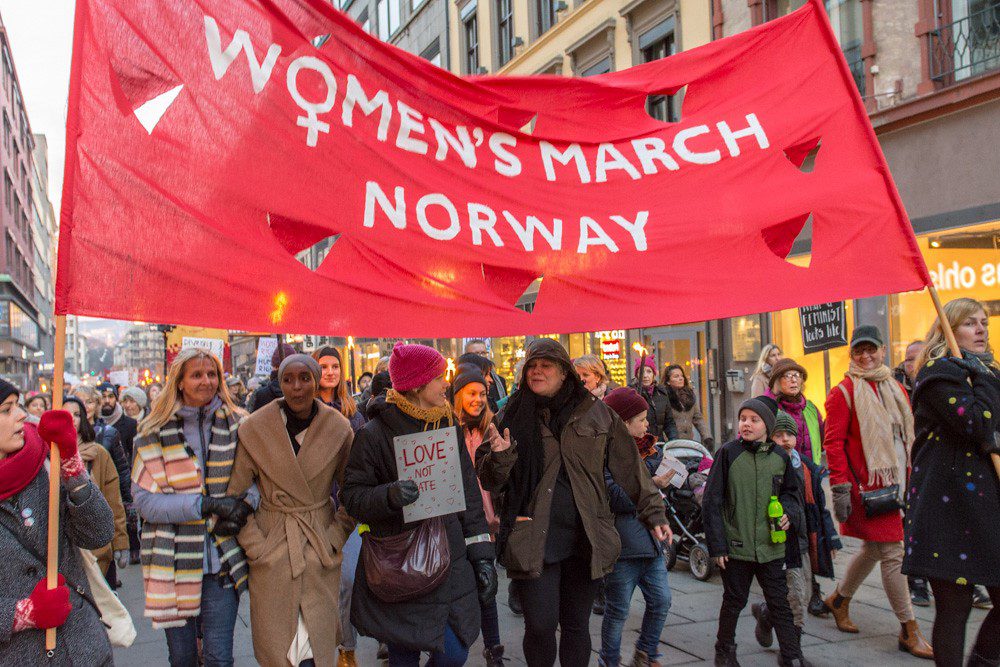
Women’s Rights in Norway

Women's Rights in Norway
Advancements in women’s rights in Norway aim to empower girls and women in the nation. Gender equality as a human right is important in achieving stable and peaceful societies. These rights extend to equal opportunities for economic and political participation. Gender equality efforts aim to safeguard the needs and priorities of both women and men.

The Gender Gap in Norway

According to the 2020 Global Gender Gap Index Rating Report, Norway took second place in the gender parity chart. The country is one of the most gender-equal countries in the world in terms of “economic participation and opportunity, educational attainment, health and survival and political empowerment.”

The Global Gender Gap Index 2021 ranks Norway third in terms of gender parity with a score of 84.9% in 2021. Norway ranks behind Iceland and Finland and has made improvements in political empowerment, specifically the percentage of women in parliament — 44.4% in 2021 from 40.8% in 2020. Despite this progress, there is an obvious gender gap decline in economic participation with Norway scoring 0.6% lower than in 2020. Norway witnessed a decline in women’s participation in the labor force in 2021 and gender gaps in wage and income still exist.

In terms of the gender wage gap, women in Norway earn “an average of 87.9% of men’s wages in 2021.” In addition, only 34.5% of women hold senior positions in Norway in 2021, down from 35.6% in 2020. Furthermore, the fact that 41.2% of men engage in part-time employment in comparison to 58.4% of women in 2021 contributes to inequities. Narrowing the disparity in all sectors of the economy is necessary to attain gender equality.

Women’s Rights in Norway and Equality

Norway has made strides in achieving equality in all spheres of societal influence. In 1884, the Norwegian Association for Women’s Rights emerged to canvass and lobby for gender equality policies. These feminists advocated for women’s suffrage, the right to work and the right to equal education. In 1913, women in Norway gained the right to vote, 15 years after men began voting.

The legislative arm of the government has contributed immensely toward reforms for women’s rights in Norway. The Norwegian Parliament, also known as the Storting, amended the 1978 Gender Equality Act in 2002. The amended legislation requires both public and private sectors of society to “promote gender equality” as opposed to public entities only. The Norwegian government in furtherance of its equal rights effort in strengthening gender balance, passed a resolution in 2002 stipulating at least 40% representation of both men and women on the executive boards “of all public joint stock companies and State-owned companies.”

Strides in Achieving Gender Equality

Norway received recognition in 2016 as the first country globally to establish a gender equality ombud dedicated to a “society where power and influence [are] equally distributed and ensuring that all people regardless of who they are get treated equally.” In 2018, the country adopted the Equality and Anti-Discrimination Act to improve the rights of workers, minorities and women in Norway.

The major focus of the Equality and Anti-Discrimination Act centered on incorporating gender equality in all aspects of foreign policy, improving anti-discriminatory practices and advancing gender inclusion policies in work settings. In Norway, advertised jobs must not be gender-specific.

Norway also has a liberal parental paid leave system. In 2020, maternal leave entailed full pay for 49 weeks or 80% of one’s income for 59 weeks. Fathers in Norway can take up to 10 weeks of paid leave. Furthermore, “together, parents can receive an additional 46 weeks at full pay or 56 weeks at 80% of their income.”

Looking Ahead

Norway lacks a strong representation of women in politics but progress is visible in the election of two women as former prime ministers — Gro Harlem Brundtland in 1981 and Erna Solberg in 2013. Norway prides itself as an equal and enlightened society but there is the need for continued improvement on affirmative action and equal pay for equal work. There is still much to achieve in the clamor toward gender parity in countries all around the world. It is important going into the future that countries enact comprehensive reforms to erase harmful practices and all forms of discrimination against women in the quest for gender equality.

– Sylvia Eimieho
Photo: Flickr

April 1, 2022
https://borgenproject.org/wp-content/uploads/borgen-project-logo.svg 0 0 Kim Thelwell https://borgenproject.org/wp-content/uploads/borgen-project-logo.svg Kim Thelwell2022-04-01 01:30:482022-03-23 07:27:36Women’s Rights in Norway
Global Poverty, Women's Rights

Addressing Period Poverty in India

Period Poverty in India
Period poverty is a serious concern in many countries, specifically India. Period poverty involves a lack of access to sanitary products, menstrual education and hygiene and sanitation facilities necessary to properly manage menstruation. Because the impacts of period poverty are far-reaching, several organizations are aiming to address period poverty in India.

Period Poverty in India

According to Feminism India, those who cannot afford menstrual products resort to unsafe alternatives such as “rags, hay, sand and ash,” which can lead to infections. Period poverty is a continuing issue in India due to the cultural stigma surrounding menstruation. Many people consider menstruation a taboo topic that they should not discuss. In India, research has indicated that 71% of girls do not have “knowledge of menstruation before their first period.” This lack of knowledge and stigma surrounding menstruation has led to one out of every five female students dropping out of school once menstruation begins. In addition, more than 40% of female students in India choose not to attend school during their menstrual cycle due to the inability to access menstrual products to properly manage their menstruation coupled with the social stigma menstruating girls face at schools.

The Impact of COVID-19 on Period Poverty in India

Since the onset of COVID-19 in 2020, the pandemic has only intensified period poverty in India. Many organizations that are trying to address period poverty in India by providing menstrual education and free sanitary products are facing difficulties providing either. This is because COVID-19 led to school shutdowns, creating a barrier to free menstrual products and educational workshops that organizations provide to schools. In addition, organizations that were providing free menstrual products could not obtain products due to supply chain disruptions. In rural areas of India, where households struggled to afford basic groceries even before the onset of COVID-19, people do not consider menstrual products as essential.

The Desai Foundation

Samir A. Desai and Nilima Desai founded The Desai Foundation in 1997. The Desai Foundation aims to help people in both the U.S. and India through more than 25 programs covering issues such as “health and hygiene,” period poverty, entrepreneurship and vocational training. In India, the Desai Foundation works to uplift “women and children through community programming to elevate health and livelihood” in more than 568 villages. To address period poverty in India, the Foundation established the Asani Sanitary Napkin Program, which has “created economic empowerment, provided hygiene education, increased community awareness and cultivated dignity for numerous women in the region.”

The Asani Sanitary Napkin Program teaches local Indian women to produce and distribute affordable yet high-quality sanitary pads across three regions in India, with the aim of expanding to more areas. The program has created job opportunities for more than 2,000 local women who have produced more than 2.3 million sanitary pads in four manufacturing units. The Desai Foundation distributed more than 445,000 of these pads without any charge. So far, the program has positively impacted more than 270,000 girls and women.

The Onset of COVID-19

At the onset of the COVID-19 pandemic, the Desai Foundation was able to adapt its programs to adhere to COVID-19 protocols. In response to the pandemic, the Desai Foundation gave employment to local village women who previously attended the organization’s sewing program. The Desai Foundation paid the women to sew two-layer protective face masks from their homes, leading to the creation of “350 COVID-safe jobs.” The women produced more than a million masks for local villagers. In the wake of COVID-19, the Desai Foundation also handed out “1 million pads to local communities, hospitals, COVID care centers and rural women” to address period poverty.

Through the ongoing commitments to address period poverty in India, girls and women are one step closer to living productive and prosperous lives.

– Sierrah Martin
Photo: Flickr

February 11, 2022
https://borgenproject.org/wp-content/uploads/borgen-project-logo.svg 0 0 Jennifer Philipp https://borgenproject.org/wp-content/uploads/borgen-project-logo.svg Jennifer Philipp2022-02-11 01:30:392024-06-07 05:08:16Addressing Period Poverty in India
Global Poverty, Women's Empowerment, Women's Rights

The Mujerprospera Challenge in Central America

MujerProspera Challenge
The United States Agency for International Development (USAID) introduced MujerProspera (WomanProsper) Challenge on January 13, 2022. The challenge encourages applicants to propose innovative ways to promote gender equality in Guatemala, El Salvador and Honduras. Overall, this project addresses the relationship between gender and poverty and forms part of a long list of ongoing USAID projects that bolster the opportunities of the world’s impoverished.

Gender and Poverty

Guatemala, El Salvador and Honduras noted high levels of extreme poverty even prior to the COVID-19 pandemic, although the spread of the virus prompted rises in poverty levels throughout the region. According to the Center for Strategic and Management Studies, the Northern Triangle, of which Guatemala, El Salvador and Honduras form part, stands as “one of the [most impoverished] regions in the Western Hemisphere.” Migration patterns and environmental disasters also exacerbate the struggles of those living below the poverty line. As of August 12, 2021, USAID estimated that 8.3 million citizens across these three countries require humanitarian aid.

These facts do not exist in isolation of gender inequality. In fact, Guatemala, El Salvador and Honduras stand out as nations where gender and poverty intertwine. Data from the Gender Equality Observatory shows that extremely high percentages of women in Guatemala (51%), El Salvador (39.4%) and Honduras (43.5%) had no “incomes of their own.” All of these rates are higher than the regional average, which stood at 27.8% as of 2019.

Evidence proves that changing these statistics leads to positive change. A World Bank report on women’s role in Latin American and the Caribbean (LAC) economies notes that “an increase in the number of women in paid work between 2000 and 2010 accounted for around 30% of the overall reduction in poverty and income inequality.” Women in these countries receive fewer opportunities and face more challenges than many men in the same social and economic situation. As such, U.S. efforts to combat global poverty must also combat global gender inequality.

Developments in Central American Women’s Rights

Local activists, politicians and international organizations in Guatemala, El Salvador and Honduras continue to make significant progress in women’s rights. One group, the IM-Defensoras, has launched several campaigns throughout Guatemala, El Salvador and Honduras since 2016 to protect women and provide a cooperative network for female humanitarian activists.

In addition, the Regional Office of U.N. Women for LAC launched the Women, Local economy and Territories (WLEaT) program in 2018 with a specific focus on the Northern Triangle countries. WLEaT “contributes to the creation of new and better employment and income opportunities for women entrepreneurs and businesswomen” by strengthening their access to business services and promoting inclusive financial practices in the private sector. The program, therefore, contributes to multiple Sustainable Development Goals (SDGs), such as ending global poverty (SDG 1),  combating gender inequality (SDG 5) and promoting “decent work” and economic expansion (SDG 8).

In response to the COVID-19 pandemic, in June 2021, USAID and several partner organizations provided resources for women in need of humanitarian aid. This includes a total of $60 million spread across the three Northern Triangle countries to encourage employment, train Indigenous women for midwife careers, prevent gender-based violence and more. Most recently, on January 13, 2022, USAID introduced another important program: the MujerProspera Challenge.

What is the MujerProspera Challenge?

The MujerProspera Challenge stands as one of many U.S. programs pushing against multiple levels of inequality. The program’s official request for applications documents states that the project seeks to “advance women’s economic security, employment, and/or entrepreneurship” in Guatemala, El Salvador and Honduras.

The lofty document lists different types of solutions that draw from training initiatives in the private sector to the implementation of gender-inclusive legislation. However, overall, MujerProspera provides another way for women in these countries to protect their agency and independence.

Applicants can win funding awards ranging from $150,000 to $500,000 in value. Through these awards, applicants can fund necessary initiatives or solutions that acknowledge the relationship between gender and poverty and promote women’s involvement in the economic sector. The MujerProspera Challenge thus empowers women, local activists, entrepreneurs and organizations to develop solutions to improve situations of gender inequality and poverty in their home countries.

– Lauren Sung
Photo: Flickr

February 8, 2022
https://borgenproject.org/wp-content/uploads/borgen-project-logo.svg 0 0 Jennifer Philipp https://borgenproject.org/wp-content/uploads/borgen-project-logo.svg Jennifer Philipp2022-02-08 07:30:252024-05-30 22:25:43The Mujerprospera Challenge in Central America
Page 12 of 41«‹1011121314›»

Get Smarter

  • Global Poverty 101
  • Global Poverty… The Good News
  • Global Poverty & U.S. Jobs
  • Global Poverty and National Security
  • Innovative Solutions to Poverty
  • Global Poverty & Aid FAQ’s
Search Search

Take Action

  • Call Congress
  • Email Congress
  • Donate
  • 30 Ways to Help
  • Volunteer Ops
  • Internships
  • Courses & Certificates
  • The Podcast
Borgen Project

“The Borgen Project is an incredible nonprofit organization that is addressing poverty and hunger and working towards ending them.”

-The Huffington Post

Inside The Borgen Project

  • Contact
  • About
  • Financials
  • President
  • Board of Directors
  • Board of Advisors

International Links

  • UK Email Parliament
  • UK Donate
  • Canada Email Parliament

Get Smarter

  • Global Poverty 101
  • Global Poverty… The Good News
  • Global Poverty & U.S. Jobs
  • Global Poverty and National Security
  • Innovative Solutions to Poverty
  • Global Poverty & Aid FAQ’s

Ways to Help

  • Call Congress
  • Email Congress
  • Donate
  • 30 Ways to Help
  • Volunteer Ops
  • Internships
  • Courses & Certificates
  • The Podcast
Scroll to top Scroll to top Scroll to top