• Link to X
  • Link to Facebook
  • Link to Instagram
  • Link to TikTok
  • Link to Youtube
  • About
    • About Us
      • President
      • Board of Directors
      • Board of Advisors
      • Financials
      • Our Methodology
      • Success Tracker
      • Contact
  • Act Now
    • 30 Ways to Help
      • Email Congress
      • Call Congress
      • Volunteer
      • Courses & Certificates
      • Be a Donor
    • Internships
      • In-Office Internships
      • Remote Internships
    • Legislation
      • Politics 101
  • The Blog
  • The Podcast
  • Magazine
  • Donate
  • Click to open the search input field Click to open the search input field Search
  • Menu Menu

Archive for category: Women’s Empowerment

Aid, Global Poverty, Women's Empowerment

VSLAs: CARE Continues to Tackle Global Poverty

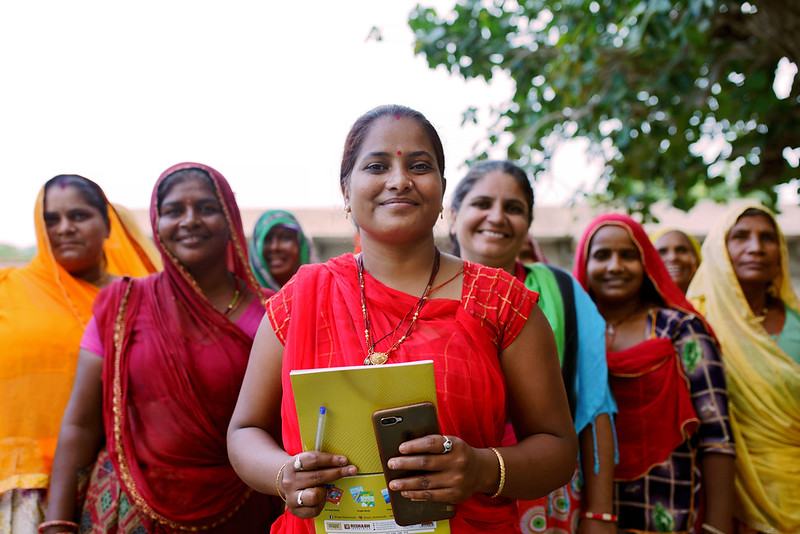
VSLAsFounded in 1945 after WWII, the Cooperative for American Remittances to Europe (CARE) foundation is one of the oldest organizations focusing on humanitarian relief and global aid. Dr. Lincoln Clark approached 22 American charities to create CARE and deliver immediate relief to those in need in the form of a CARE package. Over the past 80 years, the main priorities have spread to crisis relief, food and water, health, education and work, and empowering young women and girls in over 120 countries. Indeed, CARE’s main goal is to provide “humanitarian assistance to 10% of those affected in major crises, reaching at least 50 million people by 2030.”

Gender Barriers and Financial Inclusion

Using the Women’s Economic Justice (WEJ) programs, CARE creates transformative solutions to address systemic gender barriers. Women in these countries face exclusion from financial services, unequal pay and burdensome unpaid care work. However, CARE recognizes the impact that women could have on the economy, predicting that an additional $10 trillion could go to global GDP once gender gaps are over.

The WEJ program strategies include the Village Savings and Loan Associations (VSLAs), which operate at the community level to bring primarily women together and form savings groups. This entails engaging in financial literacy training, pooling resources and accessing low-risk loans. CARE’s initiative focuses on long-term change by incorporating market access programs, private sector partnerships and policy advocacy with local market actors.

VSLAs are a 12-year initiative formed in 2018 to help 65 million people overall. This works to ensure positive impacts on the U.N. Sustainable Development Goals regarding decent work and economic growth, gender equality and sustainable communities.

CARE Fighting Violence

One of the programs built into VSLAs is incorporating men and young boys into the conversation of gender and household responsibilities. One in three women will experience physical or sexual violence in their lifetime. CARE supports women’s empowerment by educating and leading boys to be advocates instead of pushing harmful social norms.

CARE has impacted 121 countries, with more than 1,400 projects and initiatives reaching 53 million people. The results of humanitarian crises affect millions more, including Manju. As she gave birth to her third child, Manju had to deliver dangerously on the side of the road. Bihar, India is one of the country’s poorest and largest states, and 90% rural. Due to long distances between health centers and poor winter road conditions, it took her almost four hours to get to the hospital.

From this emerged the Bihar Technical Support Program, a joint effort by CARE, the Bill & Melinda Gates Foundation and the Government of Bihar. They were able to confront staggering rates of maternal, newborn and child mortality and malnutrition rates. As a result, Bihar has seen 20,000 fewer newborn deaths from 2011-2016, and the maternal mortality ratio has nearly halved between 2005 and 2018.

CARE has achieved a lot around the world since the 1940s, and it provides many ways to get involved, whether through donations, organizing locally or joining one of the CARE networks or committees.

– Rachael Wexler

Rachael is based in Chicago, IL, USA and focuses on Business and Global Health for The Borgen Project.

Photo: Flickr

April 14, 2025
https://borgenproject.org/wp-content/uploads/borgen-project-logo.svg 0 0 Naida Jahic https://borgenproject.org/wp-content/uploads/borgen-project-logo.svg Naida Jahic2025-04-14 01:30:442025-04-13 14:48:05VSLAs: CARE Continues to Tackle Global Poverty
Global Poverty, Women's Empowerment, Women's Rights

World Bank Decreasing Women’s Poverty in Latin America

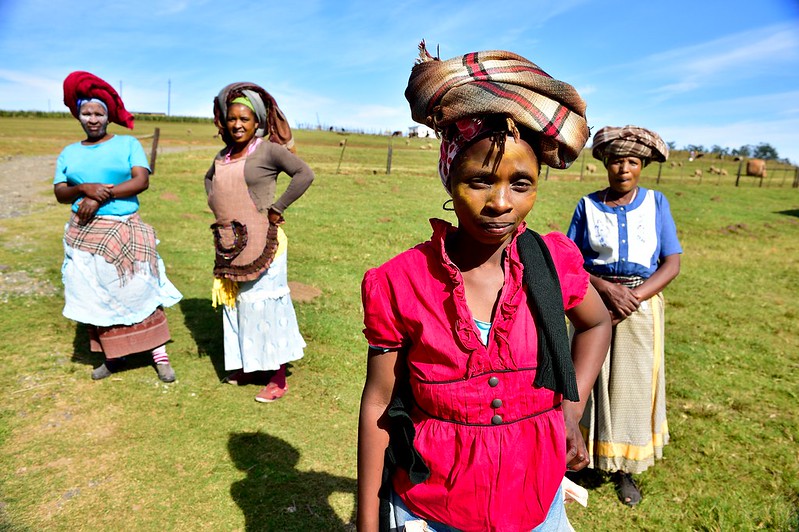
Women’s Poverty in Latin AmericaAcross Latin America, poverty and gender inequality trap women in cycles of financial dependence and vulnerability. Women in Latin America are five times more likely to be unemployed than men. Hence, nearly 28% of women living in Latin America experience poverty. The World Bank is tackling women’s poverty in Latin America through targeted initiatives that empower women economically and reduce their risk of gender-based violence.

Honduras’s Safe Municipalities Project

The World Bank’s Safe Municipalities Project in Honduras aims to make Honduran cities safer. First, the project empowers law enforcement locally and nationally. Second, it tackles the underlying causes of rising crime. Finally, the initiative increases the government’s ability to respond to criminal threats quickly and efficiently. Although this project aims to improve Honduran municipalities, it uniquely helps women who are the most affected by crime in Honduras.

More than a quarter of Honduran women experience physical or intimate partner violence in their lifetimes and Honduras has one of the highest global rates of femicide. Often, poverty is at the root of this, prompting the circumstances that put women at risk. However, the Safe Municipalities Project is decreasing women’s poverty in Latin America by supporting women financially and building legal systems that protect their livelihoods.

Peru’s Promoting Gender Equality Program

The World Bank is working to decrease gender-based violence in Peru in collaboration with the Ministry of Women and Vulnerable Populations. To increase awareness and response to gender-based violence, the organizations have pursued four avenues:

  • Increasing teen education on gender inequality through accessible content.
  • Creating a university class on sexual harassment prevention.
  • Endorsing Yanapp, a new platform to help victims of gender-based violence.
  • Supporting ALEGRA centers, offering legal advice to women.

Women in Peru have already seen improvements in equality, including many more women joining the workforce and receiving higher education. Despite this, they face challenges in combating societal stigma and achieving beyond the traditional framework. Therefore, this World Bank initiative is giving women more ability to report violence and introducing developmental ways of limiting gender-based violence.

El Salvador’s Integrated Social Protection Project

The Integrated Social Protection project helps the Red Solidaria program create a new conditional cash transfer system in El Salvador. This system is aimed at helping families access capital to get necessities for their children and uplift underprivileged groups. In tandem with its finance-oriented approach, the program combines social protection measures with gender-based violence prevention. It provides women with financial assistance and links them with services to escape violence, like vocational training and legal assistance.

Women are given unique access to the cash transfer system, allowing them to temporarily limit financial abuse and gain independence. Only 29% of women in El Salvador have access to a financial account, compared to 45% of men, highlighting a significant gender gap in financial inclusion. Therefore, this cash transfer system plays a vital role in bridging that divide by providing women with the same financial access as men. Economic independence is often a key factor in escaping gender-based violence and the Integrated Social Protection Project is gradually dismantling this barrier, empowering women with greater financial security and autonomy.

Brazil’s Recife Urban Upgrading Project

In Brazil, particularly in urban areas, most of the population lacks adequate housing. More than 8% of Brazilians reside in favelas or urban communities with insufficient infrastructure. To address some of the challenges associated with urban poverty, the World Bank launched the Recife Urban Upgrading Project.

The project will improve favelas with roads, drainage, sanitation and formalized housing. By supporting the government in assisting people experiencing poverty in urban areas, the World Bank is also advancing opportunities for women. In Brazil, women are disproportionately affected by homelessness and its consequences. More than one-third of Brazilian women over the age of 16 experience gender-based violence at some point in their lives, with homelessness being a significant contributing factor.

The Recife Urban Upgrading Project gives women access to housing services they would not otherwise access. Through housing and the expansion of welfare services, women gain more protection from poverty-driven violence. Through formal homeownership, women gain a foothold and financial leg up to compete with men and they are connected with new employment opportunities to improve economic stability.

Conclusion

The World Bank’s initiatives across Latin America are breaking cycles of poverty and gender inequality by improving financial inclusion, protection and opportunities for women. While challenges remain, these programs pave the way for a more equitable future.

– Divya Beeram

Divya is based in San Antonio, TX, USA and focuses on Technology and Politics for The Borgen Project.

Photo: Flickr
April 7, 2025
https://borgenproject.org/wp-content/uploads/borgen-project-logo.svg 0 0 Hemant Gupta https://borgenproject.org/wp-content/uploads/borgen-project-logo.svg Hemant Gupta2025-04-07 07:30:112025-04-07 07:08:04World Bank Decreasing Women’s Poverty in Latin America
Global Poverty, Women's Empowerment, Youth Empowerment

How SOIF Is Empowering Youth and Women in Nigeria

Youth and Women in NigeriaNigeria is an economic powerhouse in Africa. With a gross domestic product (GDP) of more than $360 million, it is one of the wealthiest countries in the region. Yet, the Nigerian population experiences significant wealth disparity. The country possesses the resources to lift its most impoverished out of poverty. Still, with 10 million children out of school and 112 million living on less than $2 per day, the cycle of poverty continues.

Youth and Women in Nigeria

Women in Nigeria experience additional inequalities among communities experiencing poverty. They are five times less likely to own land and face more obstacles to a decent education. This intersection of gender and income has led to only 25% of women in poverty attending school, with an alarming 94% illiteracy rate.

Young people seeking employment have to navigate Nigeria’s high unemployment rate, ranging from 12% to 21.5%. Oxfam International calls for stronger government efforts to address this crisis. In 2012, Nigeria allocated only 6.5% of its national budget to education, just one-third of Ghana’s expenditure. This underinvestment has led to persistent gaps in education and job training.

Single Oasis International Foundation

To address this crisis, Single Oasis International Foundation (SOIF) is uplifting women and educating youth in Nigeria. SOIF is a nonprofit that helps reduce the high unemployment rate in Africa by assisting individuals to find financial independence. It is currently focused on populations in Nigeria but is working to expand to all Africans in need.

Stable employment is a pillar of escaping poverty. This is why SOIF is committed to Goal 8 of the SDGs, which is to promote sustainable economic growth and decent work for all of a given population. Reliable work allows families to support their basic needs and build generation wealth, breaking the chains of poverty.

SOIF’s Programs for Youth and Women in Nigeria

SOIF conducts multiple programs to address specific issues among Nigerian communities. SOIF has already met great success in its efforts. It has provided nutritious food to 300 households and educational materials to 100 children. Through its curriculum initiatives, the organization has trained 900 youth and women in Nigeria and given 50 women the tools to manage their businesses.

  • Preparatory programs: The career and business preparatory programs allow women and youth in Nigeria to build skills for financial wellness and independence. These virtual courses aim to promote higher employment rates. Both programs provide students with eight virtual training sessions and the option for continued mentorship. The former bridges the employment skills gap in Nigeria and prepares students to enter the workforce confidently. In contrast, BPP motivates young people and women to open and manage independent small businesses effectively.
  • The Akara project: Business training and capital are hard to access in Nigeria, so owning a small business can be challenging. The Akara project has created a network of women in Nigeria who support one another in providing their communities with healthy, hygienically prepared food. The name “Akara,” comes from the traditional Nigerian food of fried cake made with beans or peas. These women are uplifting themselves financially and socially with the help of SOIF and improving local nutrition.
  • Rural Community Outreach program: Through RuCO, SOIF manages food and clothes banks. It collects donations of food, books and other items for redistribution to vulnerable communities, mostly women and children. Women and children in need can also access services like skills acquisition activities and health education through RuCO.

Summary

SOIF is significantly impacting Nigeria by empowering women and youth through education, job training and financial support. By addressing critical issues such as unemployment, financial literacy and food insecurity, SOIF helps individuals achieve self-sufficiency and break the cycle of poverty.

– Sarah Lang

Sarah is based in Pittsburgh, PA, USA and focuses on Technology and Politics for The Borgen Project.

Photo: Pexels

March 24, 2025
https://borgenproject.org/wp-content/uploads/borgen-project-logo.svg 0 0 Hemant Gupta https://borgenproject.org/wp-content/uploads/borgen-project-logo.svg Hemant Gupta2025-03-24 07:30:312025-03-23 04:20:56How SOIF Is Empowering Youth and Women in Nigeria
Africa, Gender Equality, Global Poverty, Women's Empowerment

WEHAF Foundation: Knowledge is Power for Women in Tanzania

Women in tanzaniaThe women of the Maasai tribe in Arusha, Tanzania face extreme rates of poverty and violations of their human rights. Traditions and cultural norms perpetuate health risks and social injustice, diminishing their development and way of life. About 60% of women live in extreme poverty, on account of the unequal challenges they face.

These risks include Female Genital Mutilation (FGM), early marriages, vulnerable employment and unfit education on reproductive health. Indeed, as of 2016, 10% of women experienced the cultural practice of FGM. Furthermore, 35% of those women were under the age of 1.

WEHAF in Tanzania

Ensuring women in Tanzania have access to proper education and tools to fight economic and social issues was the deciding factor behind Widows Encouragement & HIV/AIDS Foundation (WEHAF). Founders Theresia Mollel and Silvia George are sisters who came together in 2016 to empower women of all ages to create a better life for themselves and their families.

WEHAF’s objectives include lobbying for human rights policy change, increasing psychosocial support services to victims of HIV/AIDS and women in need, providing legal assistance to these groups, etc. Further, most young women simply need educating on daunting practices like FGM and early marriage that propel them into adulthood. WEHAF holds workshops and open conversations surrounding FGM in Tanzania to get women equipped to overcome these hardships.

Unemployment

Along with human rights violations, these women lack the necessary resources to cultivate an adequate income. Women are more likely to participate in unpaid labor than men. The employment rate among women has dropped from 79% in 2005 to 72% in 2016.

Vulnerable employment rates, or informal work arrangements and fewer protections, have steadily stayed at a higher rate among women than men in Tanzania. In 2023, the vulnerable employment rate in women was 89.3%, with men at 77.8%. As this rate slowly decreases over time, WEHAF is building a New Mama Center to revive economic prosperity among Maasai women.

In December 2023, construction on WEHAF’s New Mama Center began in Moshono, a small suburb in Arusha, Tanzania. This facility will provide a more permanent care center for women and victims of HIV/AIDS. Furthermore, classes on menstrual hygiene practices are provided for an array of life skills that will set these women up for a successful future.

Success Story

From food packages to sewing classes, WEHAF has created real results that encourage the community in Tanzania to trust the process. One example of the sisters making an impact is through 63-year-old Aisha. She was an accomplished coal saleswoman, but after her leg was amputated, she could no longer invest in her business once the hospital bills came through. WEHAF provided two bags of coal and a food package to kick start her career again. Just one month later Aisha was flourishing once again.

The outreach programs graciously provided by WEHAF is proof that investing in the younger generation is highly important. There is a call to action regarding these women and children, through donations, volunteering or advocacy. The Mollel sisters and everyone fighting with WEHAF appreciate any efforts to break down barriers for women in poverty in Tanzania.

– Rachael Wexler

Rachael is based in Chicago, IL, USA and focuses on Good News and Global Health for The Borgen Project.

Photo: Flickr

March 23, 2025
https://borgenproject.org/wp-content/uploads/borgen-project-logo.svg 0 0 Naida Jahic https://borgenproject.org/wp-content/uploads/borgen-project-logo.svg Naida Jahic2025-03-23 07:30:122025-03-21 14:45:18WEHAF Foundation: Knowledge is Power for Women in Tanzania
Gender Wage Inequality, Global Poverty, Women's Empowerment

Reducing the Gender Wage Gap in Senegal

Gender Wage Gap in Senegal
Senegal aims to become an emerging economy by 2035, but to achieve this goal, it must tackle a persistent challenge in its labor market: the gender wage gap. Despite economic progress, the country still has one of the highest disparities in pay between men and women. Closing the gender wage gap in Senegal is essential not only for social equity but also for fostering sustainable growth and unlocking the full potential of its workforce. 

Persistent Wage Disparities

Progress has occurred in closing the gender wage gap in Senegal, but inequalities remain in several key sectors. Women continue to earn significantly less than men, despite efforts to promote fair pay. In fact, according to the work of Franck Viroleau in The Evolution of Gender Wage Inequality in Senegal Following the Economic Partners, “the ratio of female to male wages is estimated to be between 0.50 and 0.70 for tasks requiring similar skills.” The gap is particularly evident in sectors such as agriculture and manufacturing, where women are overrepresented in lower-paying jobs. In contrast, industries like finance and telecommunications have shown signs of improvement, with more women accessing leadership positions.

The persistent disparity not only hinders women’s economic independence but also worsens poverty on a larger scale. When women earn less, families struggle to meet basic expenses, pushing them further into financial insecurity. Additionally, lower wages in industries like the agricultural sector mean reduced savings and limited access to credit, making it harder for women to invest in entrepreneurial activities or break the cycle of poverty.

Sectoral Differences in Pay Gaps

The gender wage gap in Senegal varies by industry with agriculture, manufacturing and the informal sector showing the widest disparities. Women in these fields often earn significantly less than men due to lower wages, informal employment and limited career growth. In contrast, sectors like finance and telecommunications have made progress in reducing pay gaps, partly due to policies promoting wage equality. However, women remain underrepresented in leadership roles, highlighting the need for continued efforts toward fair pay.

Root Causes of Wage Inequality

As mentioned earlier, the gender wage gap in Senegal varies across sectors, but the root causes of these inequalities are complex. First and foremost, the social and economic system tends to favor men, with cultural norms and gender stereotypes shaping opportunities and responsibilities. Women are often expected to prioritize domestic roles, limiting their access to higher-paying jobs and career advancement. Additionally, women are more likely to work in informal sectors or low-paying jobs, while men dominate formal, higher-paying positions. These systemic barriers contribute significantly to the wage gap.

Ongoing Challenges and Future Outlook

Nevertheless, there is some good news regarding the gender wage gap, thanks to Plan Senegal Emergent. This ambitious initiative aims to drive Senegal’s emergence through a series of key actions set to take place between 2024 and 2025. One of its priorities is addressing the persistent wage disparity between men and women, recognizing that greater gender equality in the workforce is essential for sustainable economic growth. Indeed, increasing women’s participation in the country’s economic life is one of its core objectives. To achieve this, the plan includes measures to facilitate women’s access to production resources and financial capital, ensuring they have the necessary support to thrive as entrepreneurs and professionals. Additionally, it seeks to strengthen their technical and managerial skills, equipping them with the expertise required for full and active participation in economic activities across various sectors.

Looking Ahead

Closing the gender wage gap is essential for reducing poverty, fostering economic growth, and ensuring social equity. By promoting fair pay and equal opportunities, Senegal can unlock its full workforce potential and move closer to its 2035 development goals. 

– Eléonore Bonnaterre

Eléonore is based in the London, UK and focuses on Business and New Markets for The Borgen Project.

Photo: Flickr

March 21, 2025
https://borgenproject.org/wp-content/uploads/borgen-project-logo.svg 0 0 Jennifer Philipp https://borgenproject.org/wp-content/uploads/borgen-project-logo.svg Jennifer Philipp2025-03-21 07:30:312025-03-21 04:22:22Reducing the Gender Wage Gap in Senegal
Gender Wage Inequality, Global Poverty, Women's Empowerment

The Gender Wage Gap in Burkina Faso

Gender Wage Gap in Burkina FasoBurkina Faso is a landlocked West African country, bordered by Mali, the Ivory Coast, Ghana, Niger, Togo and Benin. Despite some improvements made in women’s rights in the past, the gender wage gap in Burkina Faso remains a significant issue. A 2024 report by the World Bank group has found that an 82% gap in wage earnings exists between men and women. This significant disparity is attributed to the fact that most women are not paid at all for their work – 91% of female wage workers are unpaid, in comparison to 66% of male workers. Most of this work occurs in the agricultural sector, with more than 70% of the population being in rural areas.

The Current Issue

Some of the driving factors of the gender wage gap in Burkina Faso are the widespread notions that women belong in the home, or that their role in the workforce should not interfere or supersede their responsibilities in the home. “Occupational segregation” is common, with men in higher-level positions in higher-skilled work. 

Women are expected to take care of the household, so economic ventures outside of caregiving are difficult. The World Bank Group says, “We find that gender differences in labor force participation are primarily driven by differences in returns to worker characteristics, such as the number of young children in the household, and notably not due to characteristics such as differential educational attainment.” 

The lack of women or advocacy for women in politics means that it is difficult to address these issues. Currently, only 13 of the 71 members of the Burkinabe parliament (18.3%) are women.

Past Progress

It would be remiss to speak on gender equality or economic reform in Burkina Faso without mentioning Thomas Sankara. Sankara, leader of Burkina Faso from 1983 to 1987, was a revolutionary, Marxist and Pan-Africanist, and an outspoken, uncompromising feminist. 

He himself spoke on the inherent wage disparity in domestic duties being unpaid, saying “We are fighting for the equality of men and women, not of a mechanical, mathematical equality, but by making women equal to men before the law and especially before wage labor.”

Sankara passed many initiatives to help Burkinabe women. He encouraged both girls and boys to finish school, and required schools to let pregnant students return to finish their education. He also hired more women in government positions. Traditional gender roles such as caregiving drives economic gender inequality, so giving women opportunities outside of household/caregiving obligations allows them to participate more freely in the workforce.

Current Progress 

Burkina Faso has approved initiatives in order to help women and children including the Child-Sensitive Social Protection Programme (CSSSP), and the Water, Sanitation and Hygiene program (WASH). The 2024 Gender-Responsive and Age-Sensitive Social Protection (GRASSP) report recorded the impacts of this initiative. 

The CSSSP provides a cash transfer of FCFA 16,000 (30 USD) per month to every household within the 11 municipalities it was implemented in. The report tracked the impact of the CSSSP, as well as the combined impact of the cash transfer and the WASH program, which provides water, sanitation, hygiene and nutrition services.

This economic stability that this financial crutch offers allows women more freedom in their economic ventures. The GRASSP report noted that the hours of economic activity of girls in beneficiary households increased 9.9%. It also wrote that, “Women in the treatment group reported having gained some control over their savings and earnings, compared to their counterparts in the comparison group.” Additionally, the report indicated that improved quality of life encourages peace in the home stating that “[Beneficiaries] acknowledged that poverty was the cause of arguments, and that receiving the cash transfers ameliorated this stress since they had less difficulty paying for their basic needs.”

Continuing and expanding these programs would see an overall boost in Burkinabe economic stability. Food security and happier family dynamics make fulfilling household and caregiving duties easier for women. This opens up time and opportunity for economic activity.

Conclusion

In truth, the circumstances of these women come as a result of an overlap of patriarchal ideals and general economic inequality. Addressing the root problems means dismantling the traditional gender roles that assign and restrict women to caregiving, and to eliminate wage disparity to provide equal opportunity for women to generate independent income or own capital.

Teaching men to take on some of the time and mental burden of managing a household not only encourages respect and shared responsibility between spouses, but also frees up time for women to pursue independent economic ventures. But as of now, the CSSSP program is addressing the financial stress and household stress separately, improving the quality of life of women who struggle with them.

– Sandhya Mathew

Sandhya is based in Los Angeles, CA, USA and focuses on Good News and Politics for The Borgen Project.

Photo: Pixabay

March 4, 2025
https://borgenproject.org/wp-content/uploads/borgen-project-logo.svg 0 0 Jennifer Philipp https://borgenproject.org/wp-content/uploads/borgen-project-logo.svg Jennifer Philipp2025-03-04 07:30:312025-03-04 00:45:54The Gender Wage Gap in Burkina Faso
Developing Countries, Entrepreneurship and Business, Global Poverty, Women's Empowerment

ILO Launches Program to Empower Women in Uganda

ILO Launches Program to Empower Women in UgandaUganda is nestled in East Africa and is famous for its rich wildlife and is known for being the “pearl of Africa.” In recent years Uganda has made significant strides toward gender equality. In 1995 the constitution declared men and women equal in the eyes of the law. Despite this recent political progress, the reality in Uganda is not reflective of these political changes. Women still face a gender wage disparity of 32.3 %. This economic disparity hinders Uganda from reaching its full economic potential if approximately half the workforce faces wage disparity. Empowering women in Uganda would foster their economic inclusion and by extension prop up the country’s national wealth.

Uganda’s Coffee Industry

Uganda is part of the global coffee industry’s supply chain, which is worth billions of dollars since the county’s climate is ideal for growing coffee plants. The country is the 7th largest exporter of coffee. Its coffee sector plays a vital economic role, supporting 1.8 million farming households and generating approximately one-third of the nation’s export revenue, which funds essential public infrastructure and services. Uganda aims to significantly expand its coffee production capacity with plans to increase exports fourfold in the future.

Women’s Role and Wage Disparity

Despite women performing the majority of coffee farming labor in Uganda, handling nearly 70% of fieldwork and post-harvest processing, they face significant wage disparities, earning approximately $250 less than their male counterparts during harvest season.  Women in East Africa’s coffee sector still face systemic barriers rooted in cultural norms and institutional practices. These include the inability to inherit land directly from their families, exclusion from cooperative membership due to lack of plant ownership and limited access to leadership roles due to prejudiced assumptions about their capabilities. These challenges are further compounded by women’s disproportionate responsibility for household duties and childcare, as well as limited access to formal education, effectively creating a cycle that restricts their economic advancement in the coffee industry.

Empowerment Programs

Recognizing the coffee industry’s central role in the economy, the International Labour Organisation (ILO) has strategically chosen this sector as a pathway to empowering women in Uganda. The ILO’s CLEAR Supply Chains project, which seeks to eliminate child labor from supply chains,  is launching a Women’s Leadership and Empowerment Program in Uganda’s Kalungu district to develop leadership and technical skills among women coffee farmers. The program began with a needs assessment in October 2024, involving focus group discussions with coffee farmers from the Lwabenge sub-county, which identified training needs in areas such as financial literacy, agricultural practices and leadership skills. 

Training and Leadership Development

Following farm visits and assessments, in cooperation with ILO members from the Siraye program in Ethiopia and Ugandan Members of the International Women Coffee Alliance (IWCA), a four-day training of trainers was conducted in December at Kalungu district headquarters. The 16 participants received comprehensive training on topics including management, leadership, gender equality and farm workers’ rights. The next phase includes a refresher session planned for February 2025, where trained farmers will learn to deliver training to their peers, with ongoing mentoring from ILO and IWCA throughout the program. This initiative represents a significant effort to enhance women’s participation and representation in coffee farming cooperatives and farmer groups in the Kalungu district.

Moving Forward

The ILO’s Women’s Leadership and Empowerment Program represents a thoughtful approach to addressing gender disparities in Uganda’s coffee sector. By directly challenging misconceptions about women in leadership, while providing practical skills training, the program aims to unlock the untapped potential of female farmers who constitute a large share of the workforce. The collaboration with the local chapter of the International Women Coffee Alliance demonstrates the value of incorporating local expertise and understanding, ensuring interventions are culturally appropriate and sustainable. Given coffee’s significance to Uganda’s export earnings, empowering women in Uganda in this sector could create a ripple effect, not only advancing gender equality but also strengthening the nation’s economic prosperity as a whole.

– Salome von Stolzmann

Salome is based in London, UK and focuses on Good News and Politics for The Borgen Project.

Photo: Flickr

February 27, 2025
https://borgenproject.org/wp-content/uploads/borgen-project-logo.svg 0 0 Precious Sheidu https://borgenproject.org/wp-content/uploads/borgen-project-logo.svg Precious Sheidu2025-02-27 01:30:072025-02-27 00:36:12ILO Launches Program to Empower Women in Uganda
Global Poverty, Politics, Women's Empowerment

Women’s Empowerment in Kurdistan

Despite facing both gender and ethnic oppression, Kurdish women have significantly reshaped the political landscape of the Middle East. No other group in the region features a higher percentage of women in leadership roles. Kurdish women serve as guerrillas, human rights activists and members of parliament, championing gender equality while fostering peace, security and social empowerment. Their efforts extend beyond Kurdistan, influencing the Kurdish European diaspora and demonstrating how women’s empowerment is transforming society in Kurdistan.

Political Participation

A defining policy in Kurdish governance is the co-chair system, which legally mandates that all leadership positions be shared equally between men and women. This structure ensures that international diplomats engaging with Kurdish representatives meet with women and men in equal numbers. The ideological foundation of this movement is rooted in “jineology” or “the science of women.” Several Kurdish political organizations embrace this philosophy, with the Women’s Protection Units (YPJ) in northern Syria being the most well-known. This region, referred to as Rojava by Kurds, symbolizes Western Kurdistan and serves as a key example of gender equality in action.

While these reforms have created new opportunities for women, challenges remain. Political instability, conservative social structures and ongoing conflict in the region pose obstacles to full gender equality. Women participating in politics and military forces still face discrimination and resistance from traditional societal norms.

Advancing Gender Equality

Committed to promoting gender equality, the YPJ movement has established women-only organizations and mandated that half of all government funds be allocated to women’s initiatives. These ongoing efforts have led to significant legal reforms, including the outlawing of child marriage, a ban on polygamy and stronger mechanisms for women to report domestic abuse, with legal consequences for perpetrators.

The Kurdistan Regional Government (KRG) has also introduced legal protections for women’s rights. The Family Law enacted in 2011 provides statutory protection against gender-based violence, including practices like female genital cutting. However, gaps in enforcement persist and legal loopholes allow some discriminatory practices to continue. Provisions permitting husbands to discipline their wives and laws enabling rapists to avoid prosecution by marrying their victims highlight the ongoing need for legal reform. Despite these challenges, the establishment of such laws marks progress toward safeguarding women’s rights. It is a significant step in transforming Kurdish society.

Economic Empowerment and Breaking Cycles of Poverty

Economic independence plays a crucial role in advancing gender equality. Programs such as the Stronger Women, Stronger Nations initiative support vulnerable women, including Syrian, Yazidi and Iraqi refugees, through vocational training and economic empowerment strategies. These programs provide financial literacy training, employment opportunities and entrepreneurship support, enabling women to secure stable incomes.

Women who participate in these initiatives gain skills in various sectors, including agriculture, tailoring and business management. In addition to improving household income, these programs reduce economic dependence on male family members, offering women greater autonomy and social mobility. Despite these advancements, women in Kurdistan still face barriers to workforce participation, including societal expectations, limited access to higher education and economic policies that do not always prioritize female employment.

Looking Ahead

Kurdish women’s empowerment has already set a precedent for gender equality in the region. However, continued progress depends on further legal reforms, education access and economic opportunities. While Kurdish women’s leadership in governance, law and military forces has been groundbreaking, ongoing advocacy is needed to address legal gaps and social resistance.

By fostering long-term gender equality through political representation, legal protections and economic independence, women’s empowerment in Kurdistan is not only transforming communities but also shaping the future of the Middle East. Their achievements serve as a model for other regions striving for gender justice and social reform.

– Edzhe Miteva

Edzhe is based in London, UK and focuses on Good News and Politics for The Borgen Project.

Photo: Flickr

February 14, 2025
https://borgenproject.org/wp-content/uploads/borgen-project-logo.svg 0 0 Precious Sheidu https://borgenproject.org/wp-content/uploads/borgen-project-logo.svg Precious Sheidu2025-02-14 01:30:592025-02-13 23:11:40Women’s Empowerment in Kurdistan
Global Poverty, Women's Empowerment

Women’s Foundation Nepal: Empowering Women

How the Women’s Foundation in Nepal Empowers WomenThe Women’s Foundation Nepal (WFN) is a nongovernmental, nonprofit organization founded in 1988 to support women and children in Nepal. The organization works to improve the lives of those affected by poverty, violence and discrimination by providing shelter, education, legal aid and economic opportunities. Through community-driven initiatives, WFN fosters long-term solutions to empower women and break cycles of poverty.

Key Objectives of WFN

  • Providing Shelter. Safe homes for women and children escaping violence and poverty.
  • Expanding Access to Education. Training programs and scholarships for underprivileged children.
  • Advocating for Equal Rights. Legal assistance and policy advocacy for gender equality.
  • Promoting Economic Independence. Supporting micro-credits, self-sustaining businesses and fair-trade initiatives.

Safe Shelter and Essential Services

WFN operates three shelter homes in Kathmandu, providing refuge for more than 120 children and 30 women escaping violence, abuse or extreme poverty. These shelters ensure that women and children receive medical care, psychological support and legal aid, helping them recover from traumatic experiences and regain stability. Beyond providing a safe environment, the shelters also serve as a foundation for rebuilding lives by offering vocational training and job placement opportunities. Through these programs, residents gain essential skills and resources that enable them to achieve independence and long-term security.

Expanding Access to Education in Nepal

WFN ensures that survivors of violence receive educational opportunities and skills training to secure a better future. Programs include:

  • Early childhood education, scholarships and sponsorships for children from low-income families.
  • Vocational training programs, such as sewing, shoe-making, screen printing, house wiring, and personal support work.
  • The Nepalese Rural Women Program, launched in 2010, trains nearly 1,000 women across five rural districts. Training programs include leadership, gender equality and micro-financing.

Through these ongoing efforts, WFN equips women and children with the education and skills needed for long-term success.

Advocating for Equal Rights in Nepal

WFN actively fights against gender discrimination in legal frameworks and works to increase women’s representation in government and leadership roles. By lobbying for policy changes and providing free legal aid, WFN helps women secure their rights and escape oppressive situations. The foundation assists between five and seven women at its legal offices daily, offering guidance and support.

In 2019, Women’s Foundation Nepal won 62 cases related to divorce, violence and property rights, ensuring that women in vulnerable situations had access to justice. For cases that escalate to higher courts, WFN continues to provide legal aid and representation. By covering court fees and providing financial assistance, WFN has helped thousands of women and girls gain legal protection and secure their rights.

Economic Empowerment Through Self-Sustaining Businesses

WFN promotes economic independence by supporting micro-credit initiatives and women-led businesses. The Maheela Cooperative, a fair-trade organization launched in 2000, provides employment and training to women escaping poverty and violence. Currently, more than 80 women receive training and employment in textiles, handicrafts and jewelry production. These opportunities allow them to develop essential skills and achieve financial stability.

The cooperative reinvests 60% of its profits into WFN’s social programs, ensuring the sustainability of its initiatives. Fair wages and safe working conditions remain a priority, empowering women with stable incomes. Products created by the Maheela Cooperative, including scarves, textiles and handmade jewelry, are sold in Europe, the United States (U.S.) and Canada. This not only helps fund WFN’s projects but also creates a sustainable income source for the women involved, fostering long-term economic growth.

Scholarships and Sponsorships in Nepal

WFN supports more than 1,000 children from underprivileged backgrounds through scholarships and sponsorships, ensuring they have access to education. Sponsorships cover essential living expenses, including health care, food and clothing, for children in WFN’s shelter homes. The foundation also offers scholarships that provide tuition fees, school supplies and uniforms, enabling children to stay in school and complete their education.

By investing in education, WFN helps break the cycle of poverty, giving children the opportunity to build brighter futures and become self-sufficient. The organization also extends its support to higher education, funding university studies for children who achieve strong academic results in their 10th-grade exams. Through these programs, WFN empowers the next generation, equipping them with the knowledge and skills needed to create lasting change in their communities.

A Commitment to Ethical Practices

WFN and Maheela Cooperative prioritize fair wages, ethical labor practices and nondiscrimination policies. They actively oppose child labor and forced labor, ensuring a safe and inclusive work environment for all employees. The organization does not discriminate based on caste, nationality, religion, gender, disability or political beliefs, making it a model for inclusive social development in Nepal.

A Legacy of Empowerment

The Women’s Foundation Nepal was founded by a group of young women who helped rescue a missing girl forced into labor. Its advocacy grew into a thriving organization that now impacts thousands across Nepal. Results are achieved through shelter, legal aid, education and economic empowerment. Through its multifaceted approach, WFN continues to fight for a future where women and children in Nepal live free from violence, poverty and discrimination. With continued support, WFN can potentially expand its life-changing programs and uplift even more women and children across Nepal.

– Nalini Vijayakumar

Nalini is based in Perth, WA, Australia and focuses on Business and Good News for The Borgen Project.

Photo: Flickr

February 13, 2025
https://borgenproject.org/wp-content/uploads/borgen-project-logo.svg 0 0 Precious Sheidu https://borgenproject.org/wp-content/uploads/borgen-project-logo.svg Precious Sheidu2025-02-13 07:30:402025-02-13 01:20:22Women’s Foundation Nepal: Empowering Women
Global Poverty, Women's Empowerment

Poverty in Saudi Arabia

Poverty in Saudi Arabia Between 2010 and 2021, the poverty rate in Saudi Arabia decreased from 18.2% to 13.6%, lifting 483,000 Saudis out of poverty. However, significant challenges remain, including systemic unemployment and a lack of affordable housing. With a nominal GDP of $1.07 trillion, the country boasts the largest economy in the Middle East. Despite this economic strength, the kingdom also has the highest poverty rate among Gulf states, with one in seven Saudi nationals living in poverty.

Poverty Hidden from View

Saudi Arabia does not officially disclose statistics on poverty or define a poverty threshold. The kingdom portrays itself as a highly developed and civilized nation, with gleaming cities like Riyadh and luxury resorts along the Red Sea, boosting its tourism industry. Yet, poor neighborhoods and slums exist, though their locations often make them invisible to visitors. Urban layouts deliberately segregate lower-class neighborhoods from highways and central city areas, pushing low-income citizens to society’s fringes. Until 2002, Saudi officials denied the existence of poverty altogether and state-run media ignored the issue until Crown Prince Abdullah bin Abdulaziz visited a Riyadh slum, bringing the problem to light.

Vision 2030

Saudi Arabia derives most of its wealth from the oil sector. Vision 2030 is a plan to reduce the country’s reliance on oil by diversifying industries, expanding the private sector and scaling down the public sector. A cornerstone of this initiative is the partial privatization of Aramco, the state-owned oil giant. However, the plan also includes privatizing public services, such as hospitals and schools. A significant challenge for Saudi citizens under Vision 2030 is the proposed reduction in state employment.

Currently, two-thirds of Saudis work in government jobs, but the plan aims to lower this to 20% of the population. Welfare spending, which includes free education and health care, has also seen cuts. The government funds much of its welfare spending through Zakat, an Islamic principle requiring individuals to donate 2.5% of their wealth to charity. The government collects and distributes these funds. Under Vision 2030, the government is reducing subsidies for essential services like fuel, electricity and water. These cuts disproportionately affect poorer citizens, creating further challenges for those already struggling financially.

Women and Migrant Workers: The Most Vulnerable

Under Islamic law, men are traditionally responsible for financially supporting women and children. As a result, women without a husband or living male relative often face significant socio-economic challenges. Female-headed households represent a large proportion of the poorest families in Saudi Arabia. Although women are permitted to work independently, many employers require written consent from a male guardian, limiting women’s participation in the labor force. This guardianship system creates barriers to employment, increasing women’s vulnerability to poverty and rising living costs. Migrant workers, particularly women, are among the most vulnerable groups in Saudi society. They often endure low wages, financial hardships and exploitative practices such as wage withholding and the confiscation of passports, exacerbating their economic challenges.

Progress and Solutions

According to the United Nations (U.N.), poverty in Saudi Arabia has become less of a taboo topic since the crown prince visited a Riyadh slum in 2002. Following this pivotal moment, the country implemented the National Poverty Reduction Strategy in 2005 and the Supplementary Support Programme in 2006, both aimed at assisting those in need. Policy reforms remain essential to effectively combat poverty. Key strategies include promoting a fair tax system, enhancing the efficiency of social protection transfer programs and revising land distribution and public procurement policies. Additionally, prioritizing investments in skill development for citizens is critical. These measures can help expand access to socioeconomic opportunities, fostering greater inclusion and reducing poverty across the nation.

Looking Ahead

Efforts to tackle poverty in Saudi Arabia are advancing, however, systemic challenges such as unemployment, limited affordable housing and economic disparities persist. Targeted reforms, including improved social protection systems and investments in education and skill development, remain critical to achieving greater socioeconomic inclusion. As the kingdom moves forward with Vision 2030, balancing economic diversification with equitable welfare measures could be essential to reducing poverty further.

– Salome von Stolzmann

Salome is based in London, UK and focuses on Global Health and Politics for The Borgen Project.

Photo: Flickr

January 11, 2025
https://borgenproject.org/wp-content/uploads/borgen-project-logo.svg 0 0 Precious Sheidu https://borgenproject.org/wp-content/uploads/borgen-project-logo.svg Precious Sheidu2025-01-11 07:30:342025-01-10 02:23:24Poverty in Saudi Arabia
Page 7 of 54«‹56789›»

Get Smarter

  • Global Poverty 101
  • Global Poverty… The Good News
  • Global Poverty & U.S. Jobs
  • Global Poverty and National Security
  • Innovative Solutions to Poverty
  • Global Poverty & Aid FAQ’s
Search Search

Take Action

  • Call Congress
  • Email Congress
  • Donate
  • 30 Ways to Help
  • Volunteer Ops
  • Internships
  • Courses & Certificates
  • The Podcast
Borgen Project

“The Borgen Project is an incredible nonprofit organization that is addressing poverty and hunger and working towards ending them.”

-The Huffington Post

Inside The Borgen Project

  • Contact
  • About
  • Financials
  • President
  • Board of Directors
  • Board of Advisors

International Links

  • UK Email Parliament
  • UK Donate
  • Canada Email Parliament

Get Smarter

  • Global Poverty 101
  • Global Poverty… The Good News
  • Global Poverty & U.S. Jobs
  • Global Poverty and National Security
  • Innovative Solutions to Poverty
  • Global Poverty & Aid FAQ’s

Ways to Help

  • Call Congress
  • Email Congress
  • Donate
  • 30 Ways to Help
  • Volunteer Ops
  • Internships
  • Courses & Certificates
  • The Podcast
Scroll to top Scroll to top Scroll to top