• Link to X
  • Link to Facebook
  • Link to Instagram
  • Link to TikTok
  • Link to Youtube
  • About
    • About Us
      • President
      • Board of Directors
      • Board of Advisors
      • Financials
      • Our Methodology
      • Success Tracker
      • Contact
  • Act Now
    • 30 Ways to Help
      • Email Congress
      • Call Congress
      • Volunteer
      • Courses & Certificates
      • Be a Donor
    • Internships
      • In-Office Internships
      • Remote Internships
    • Legislation
      • Politics 101
  • The Blog
  • The Podcast
  • Magazine
  • Donate
  • Click to open the search input field Click to open the search input field Search
  • Menu Menu

Archive for category: Women’s Empowerment

Global Poverty, Women's Empowerment

Working to Close the Wage Gap in South Africa

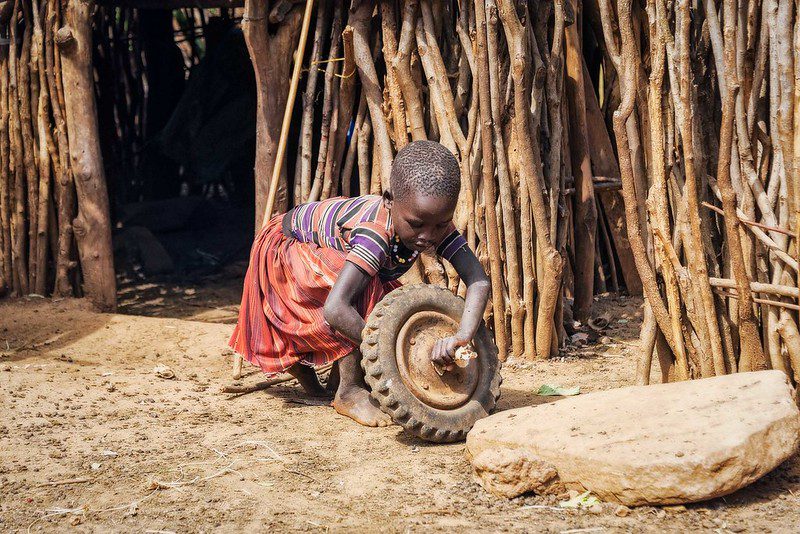
Wage Gap in South AfricaDespite significant progress in women’s suffrage, the gender wage gap and economic disparity persist in South Africa. The country remains committed to resolving this issue, serving as a model for neighboring nations grappling with women’s empowerment.
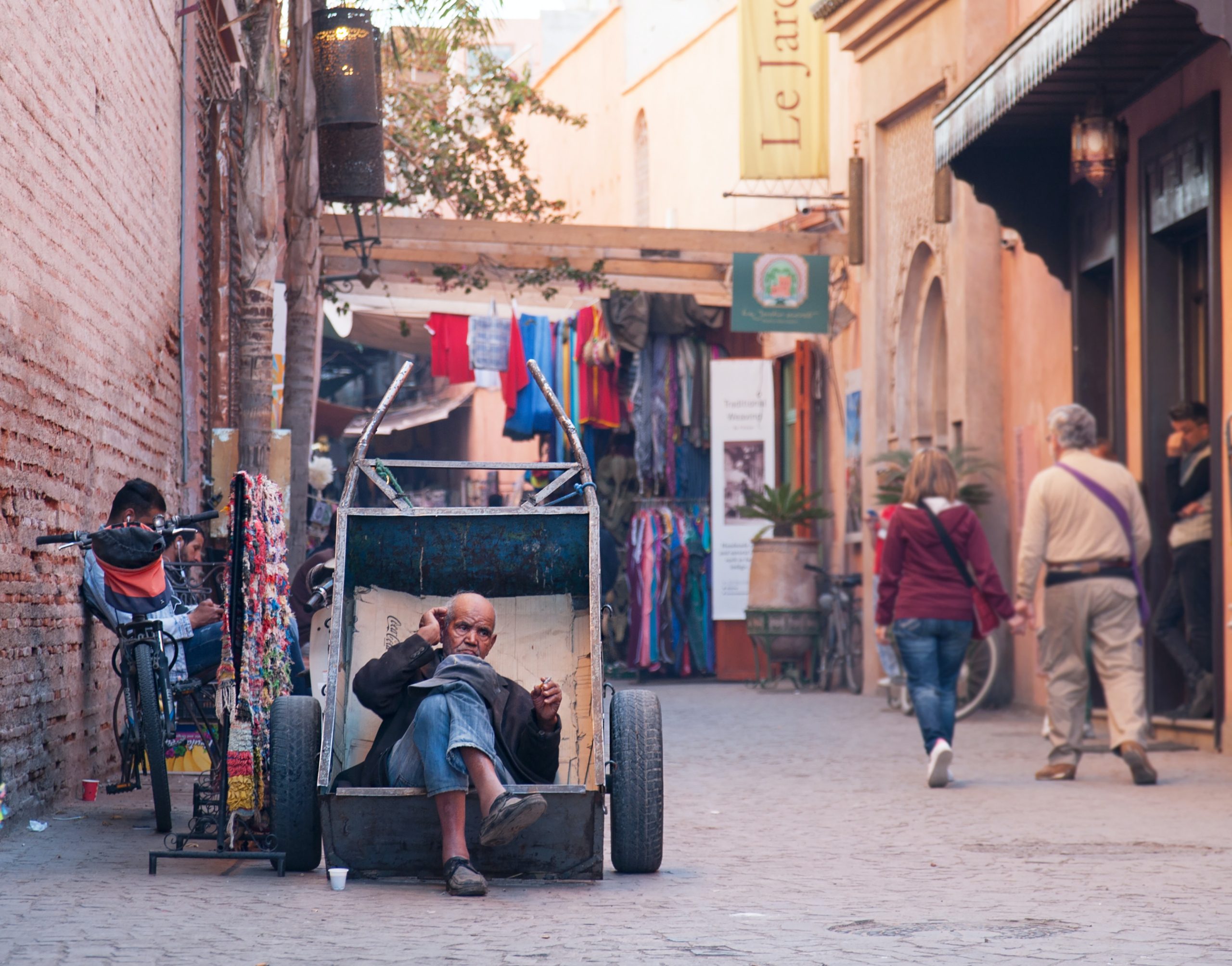
A 2016 study by Kollamparambil and Razak revealed that women in South Africa earn nearly 18% less than men for equivalent work, equating to about 80 cents per dollar that men earn on average. This unfortunate pattern is prevalent globally, with women often earning 20–30 cents less per dollar compared to men. Nevertheless, this gap has gradually reduced from the 40% disparity recorded in 1993.

Presidential Response

In his speech on International Women’s Day, the president of South Africa, Cyril Ramaphosa, urged South Africans to support the closing of the wage gap. The president has been known to be a strong supporter of women’s rights and specifically emphasized ensuring that women receive proper education.

South Africa has made strides in education, with more women in higher education than men. According to a 2018 study, South African universities have more women, with 58% of students in higher education being female. Similarly, almost 86% of women move on to pursue a secondary form of education after primary school while only 80% of men do, despite women currently being less likely to attend primary school in the first place.

However, the country has a high number of unemployed women — an issue that the government is currently trying to solve. In that same speech, the president urged his citizens to eradicate the idea that women are meant to be homebodies rather than an important part of the workforce which they have the potential to be.

The Importance of Eliminating the Gender Wage Gap

Making sure that people of all genders are paid fairly and equally is important to securing equality on all grounds within all countries. Closing the wage gap in South Africa is a big step in improving the rights of women as a whole and ensuring that women are able to provide for themselves, support their families and reach their full potential as part of the workforce.

As of 2022, only around 66% of women in South Africa are employed, making the country very progressive considering that the percentage of employed men stands at 70%. Although, despite the similarity between their employment rates, women are much more likely to work fewer hours with a lower wage.

Women also face violence and discrimination due to the wage gap in South Africa. The gap results in women lacking many of the resources that men do, making providing for themselves much more difficult. This lack of economic opportunities causes women who find themselves in abusive or harmful situations more hesitant or even unable to escape those situations.

What Is Being Done in South Africa?

South Africa is actively taking steps to increase the representation of women in leadership positions and provide a platform for advocating the closure of the wage gap. In parallel, the country is witnessing a rising chorus of women’s voices, particularly among journalists, who are vocally addressing the issue of the wage gap. Their voices are resonating, and the government is collaborating with them. Initiatives like The Presidential Employment Stimulus are underway to create numerous job opportunities for women nationwide.

The introduction of The Presidential Employment Stimulus as a program was in response to the COVID-19 pandemic. The goal was to create more jobs after the widespread unemployment which resulted from the lockdown. The program created almost a million jobs, most of which were in the education system.

The program achieved this by providing stimulus to households that had lost their primary income due to the pandemic. Additionally, it established various institutions that generated job opportunities, enabling these households to recover and explore new career paths. Notably, 62% of the beneficiaries were women.

Looking Ahead

Despite persistent challenges related to economic inequality and the gender wage gap in South Africa, the nation is actively working to address these issues. With a commitment to empowering women and promoting equal opportunities, South Africa’s progress could serve as an example for neighboring countries. Initiatives like The Presidential Employment Stimulus have contributed to creating job opportunities for women and increasing their representation in the labor force. The country’s efforts underscore the importance of closing the wage gap in achieving broader gender equality and economic empowerment.

– Allison Groves
Photo: Flickr

August 11, 2023
https://borgenproject.org/wp-content/uploads/borgen-project-logo.svg 0 0 Lynsey Alexander https://borgenproject.org/wp-content/uploads/borgen-project-logo.svg Lynsey Alexander2023-08-11 07:30:322024-05-30 22:32:14Working to Close the Wage Gap in South Africa
Global Poverty, Poverty Reduction, Women's Empowerment

Poverty Reduction in Morocco

Poverty Reduction in MoroccoMorocco has made impressive strides in poverty reduction since the beginning of the century. Organizations such as the High Atlas Foundation are at the forefront of tackling poverty in rural areas, pushing the country closer to achieving its goals.  
High Atlas Foundation

“During my time as a Peace Corps volunteer, I gained a great overview of the potential of agriculture in Morocco, how it could multiply the incomes of rural farming families.”

In 1995, Yossef Ben-Meir envisioned a promising future for development in Morocco. In the first decade of the 21st century, 1.7 million Moroccans lifted themselves out of poverty. The poverty rate substantially dropped from 16.3% in 1998 to 8.9% in 2007. However, the impressive poverty reduction rate of more than 40% did not erase the drastic inequality between the urban and rural populations. By 2014, 40% of the population lived in rural areas, yet accounted for 79.4% of the poor and 62.1% of the vulnerable.

Ben-Meir also witnessed first-hand the lack of access to clean water and the consequent high infant mortality in rural Morocco. Moved by the dire need and the vast potential in the same region, he returned to Morocco a handful of times, taking on roles as a project builder, researcher and Peace Corps director. Eventually, he founded the High Atlas Foundation (HAF) as a nonprofit organization in 2000.

For 22 years, HAF has dedicated itself to developing agriculture and reducing poverty in Morocco. HAF has established organic fruit tree nurseries across seven provinces in Morocco, helping farmers gain agricultural skills. Additionally, HAF offers women literacy courses and professional training, while also linking marginalized communities to governmental and international agencies.

Combating Poverty with Tree Nurseries

In an interview with The Borgen Project, Ben-Meir affirms that the whole agricultural process begins with tree nurseries. Ecosia, a German eco-driven enterprise, primarily funds HAF’s nurseries, which have a total capacity of 2.44 million seeds through 2021. The nurseries grow a rich variety of fruits and nuts, as well as aromatic and medicinal plants. Traditionally, farmers have grown staples like barley and corn, covering 70% of the agricultural land but only yielding 15% of income. Transitioning to these lucrative products effectively improves farmers’ livelihoods and the environment, creating a sustainable outlook for poverty reduction in Morocco.

Ben-Meir told The Borgen Project, “Our tree planting program has 25 formal partnerships. Planting trees is the present and future of HAF’s financial sustainability.”

Women’s Empowerment

HAF is known for its participatory development strategies. The organization fully dedicates its revenue and donations to community projects. With a special focus on women’s rights, HAF mobilizes university students and rural women to run regular “Imagine” workshops, empowering women to find their voice, understand their needs and take action.

Another workshop, “Moudawana” family code, informs rural women of their legal rights according to the national landmark reform in 2004 that equalizes men and women in regard to marriage and children.

Ben-Meir articulated, “The participatory approach is embedded in government programs, constitutions, municipal charters and even the family code, enabling incredible fulfillment in community planning, as well as the ability to decide their own future and development. Yet, Morocco’s problem is the lack of that fulfillment.” Upon being asked why the participatory approach is so important to poverty reduction in Morocco.

He added, “We need to train people to be facilitators of community planning, finance the projects, train empowerment trainers and ensure that women are voicing with confidence what they seek in their lives and know what it is.”

Implementing Domestic Policies

As Ben-Meir mentioned, the Moroccan government has provided ample frameworks and strategies in recent years to target regional poverty and promote decentralization. HAF is among the local councils and NGOs striving to implement these policies and fulfill the government’s intent.

Ben-Meir emphasized, “A participatory development organization has only one assurance and that rests upon the people: the projects are what they decided and in their interests.”

So far, HAF has conducted “Imagine” workshops in more than 25 provinces with more than 2,500 women, engaged more than 3,000 university students and impacted more than 50,000 people through its tree program projects, as well as thousands of farmers through capacity-building programs.

Multicultural and Interreligious Development

In 2021, HAF undertook the operation of the USAID Dakira Program, which strengthens multicultural preservation. The objective of the program is to capture the stories of communities’ intercultural past—Jewish, Moroccan and Christian—to take ownership of the revitalization of their own histories.

In a world of increasing migration, intolerance and conflicts, enhancing interreligious and inter-ethnic solidarity in Morocco’s diverse social landscape could prove vital. Since 2012, HAF’s project “House of Light” has united local religious communities through the relationship between land and farming.

With the help of partnerships, HAF identified saints’ burial sites and cemeteries as free-loaned land for the benefit of neighboring farming communities. In the process of clearing, planting and restoring the land, HAF facilitates conversations between local Muslims, Jews and Christians, raising awareness of their history of unity and diversity.

Speaking proudly of their impact, Ben-Meir said, “When trees live 200 years bearing fruit and women’s empowerment has generational impact, only so much of it is quantifiable.”

Due to its unique location and diverse history, Morocco serves as a meeting point for various cultures and identities. As the High Atlas Foundation grows into one of the leading development organizations in the area, its achievements in agricultural work, women’s empowerment and interreligious efforts can serve as an inspirational story for other human development projects on the African continent and among Islamic countries.

– Shixin Zhao
Photo: Unsplash

August 9, 2023
https://borgenproject.org/wp-content/uploads/borgen-project-logo.svg 0 0 Kim Thelwell https://borgenproject.org/wp-content/uploads/borgen-project-logo.svg Kim Thelwell2023-08-09 07:30:192024-06-04 01:08:57Poverty Reduction in Morocco
Child Marriage, Women's Empowerment

Ongoing Efforts Focused on Improving Women’s Rights in Mauritania 

Women’s Rights in Mauritania According to Georgetown’s 2021-2022 Women, Peace and Security Index, Mauritania is the 14th worst country for women to live in. Lying below the southern border of Morocco in the northwest of Africa, Mauritania is deeply conservative and one of the poorest nations on earth. Currently, 56.9% of its residents live in multi-dimensional poverty. The country’s laws designate men as the head of households, structurally relegating women to domestic roles and leaving them with limited opportunities to improve their economic situation. Sharia law and cultural influences have entrenched gender-based discrimination in Mauritania. Nevertheless, there is hope, as the treatment of women has seen some gradual improvements. 

Combatting Sexual and Physical Violence Against Women

Mauritania alarmingly accepts sexual and physical violence against women both socially and institutionally. The country’s governance by Sharia law leads to severe punishment for “Zina,” or sex outside of marriage. The high burden of evidence required to prove rape makes women hesitant to report their assaults, fearing legal punishment for engaging in intercourse if the state fails to prosecute the attacker. Consequently, only about 20% of rape cases are reported, as per the findings of the Social Welfare Ministry. Besides the moral implications of widespread rape, the trauma of sexual assault significantly hinders women’s independence and economic well-being in the long run.

Moreover, Mauritania often tolerates domestic violence without prosecution, and this contributes to perpetuating poverty. A study by the International Monetary Fund (IMF) revealed that a mere 1% increase in female victimhood from domestic violence corresponds to a 9% drop in economic activity. Although legislation urgently addresses these injustices, progress has been slow. Despite activists’ efforts leading to the government passing the Law Against Violence Against Women and Girls, it was never certified by parliament. In the meantime, NGOs like the “Association of Women Heads of Households” (AFCF), founded by women’s rights activist Aminetou Mint El-Moctar in 1999, provide crucial support to women by intervening in cases of sexual assault and assisting them in pressing charges.

Creating Economic Opportunities for Women

Addressing gender disparities in economic opportunities is essential for empowering Mauritanian women. The country’s rank as sixth worst in the world, according to the Women’s Workplace Equality Index, underscores the urgent need for action. Several potent barriers to economic equality exist, including differences in wages, limitations on land rights, restricted opportunities for specific jobs, social stigma and the absence of legal authority to be heads of households.

Although some laws exist to address these issues, the government often has limited control over local rule. Consequently, the female labor participation rate was a mere 26% in 2022 compared to 57% for men. Women who do have jobs often occupy informal domestic positions without formal arrangements and social protections, making them highly vulnerable to falling into poverty. Unfortunately, up to 20% of the population remains enslaved.

In recent years, the government has taken steps to address these issues, such as promoting female political representation, expanding job opportunities, investing in education and cracking down on slavery. A national multi-party platform involving local authorities and NGOs was established to help enforce federal laws, particularly concerning land rights. However, external observers, including the World Bank, argue that Mauritania must focus on achieving legal gender equality through comprehensive systemic reforms.

Confronting Forced Child Marriage

Gender inequality in marriage is another significant concern in Mauritania, with 37% of girls going into marriage before their 18th birthday. Some communities even resort to force-feeding girls to make them appear more sexually mature at a younger age. Early and forced marriages seriously undermine women’s rights and economic potential in Mauritania. While cultural norms play a critical role in perpetuating this practice, poverty also motivates women to marry early.

The Mauritanian government has pledged to end forced child marriage within the next decade, collaborating with UNICEF to enact legislative and judicial reforms and conduct education campaigns against the practice. For instance, UNICEF worked with local imams to create religious arguments supporting children’s rights.

Additionally, the government has implemented programs like the Sahel Women Empowerment and Demographic Dividend (SWEDD) to empower girls to stay in school, as pregnancy is a significant barrier to girls’ education prospects in Mauritania. Nevertheless, human rights organizations, including Human Rights Watch, insist that there is a need for legislation establishing a minimum age for marriage in line with international standards and giving women the legal right to refuse marriage. Moreover, despite being technically illegal in Mauritania, child marriage remains permissible with parental and judicial consent.

Conclusion

Despite the challenges Mauritania faces regarding gender inequality, there is hope for positive change. Activists and NGOs like AFCF provide support to women facing violence and discrimination, while the government has taken steps to promote female political representation and expand job opportunities. Collaborating with UNICEF, Mauritania aims to end forced child marriage and empower girls to stay in school through programs like SWEDD. Although progress may be gradual, these efforts signal a growing commitment to improving the lives and economic prospects of Mauritanian women.

– David Newman
Photo: Flickr

August 4, 2023
https://borgenproject.org/wp-content/uploads/borgen-project-logo.svg 0 0 Jennifer Philipp https://borgenproject.org/wp-content/uploads/borgen-project-logo.svg Jennifer Philipp2023-08-04 01:30:012026-04-16 10:21:00Ongoing Efforts Focused on Improving Women’s Rights in Mauritania 
Global Poverty, Women's Empowerment, Women's Rights

Women’s Rights In Bulgaria: Political Power 

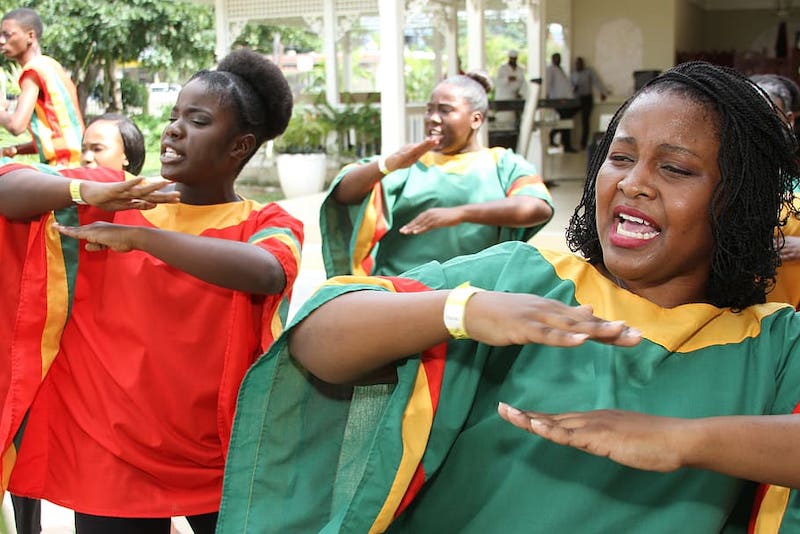
Women’s Rights In BulgariaThe struggle for women’s rights in Bulgaria has been ongoing, but the country is committed to achieving complete equality by 2030. Female leaders in Bulgaria are making progress in protecting women from poverty and discrimination. With more women holding positions in parliament, gender equality is becoming a more prominent issue in Bulgaria.
The Current Challenges for Women

Several inequalities and prejudices still affect women in Bulgaria, leaving them vulnerable and disempowered. The Gender pay gap in Bulgaria was 14.4% in 2018, with women earning lower hourly figures, working fewer hours and facing lower employment rates compared to their counterparts.

Women in Bulgaria are more likely to be at risk of poverty at a rate of 25%, compared to men at a rate of 21%. Bulgarian women also earn a mean monthly earning of 1,078 pps (purchasing power standard), compared to men at 1,256 pps. Without adequate financial power, women struggle to access basic human needs, such as rent, food, health care, etc.

The problem is exacerbated by traditional gender roles that dictate that Bulgarian women should be consigned to being “stay-at-home wives” with no opportunity to pursue a career or have a say in the matter. Women are responsible for cooking and house chores in a staggering 73% of households, compared to only 13% for men as of 2022.

All of these issues combined make women’s rights in Bulgaria particularly hard to amend to achieve gender equality. Out of the 240 seats in Parliament, 65 are women (27.1%). Though this number seems low, it ranks 69th in the world for the highest percentage in women’s political representation, just one place behind the U.S. Though women’s rights and gender equality are still a clear issue, the number of women in politics represent a positive sign of better things to come.

The Influence of Female Political Power

The percentage of women’s political representation has risen from 17.6% to 29.4% since the last mandate. This increase allows women to have greater participation and decision-making power in crucial national matters, including passing legislation to support women’s rights and promote equality. The rise of women in politics has led to new legislation that supports women’s rights and addresses gender inequality. With more women in positions of power, there is a stronger focus on tackling gender disparities.

In 2015, the Bulgarian Government agreed to support the upgrading of the National Strategy for the Promotion of Gender Equality. This aims to provide equal treatment, equal access to resources and equal participation in decision-making, as well as promoting gender equality in social, economic and political life. There are also special policies that ensure equal access to professional training, equal participation in the labor market and equal pay for the same work. Overall, the goal is to provide women with more work opportunities and promote the role of the father in families.

Not only is there hope in new legislation and policies, but there is also evidence showing that equality is improving in Bulgaria. In 2022, full-time employment for women was at 46% and 57% for men. In comparison, the rates were 42% and 45% as of 2015 and 2019, respectively. As more women join the workforce in full-time positions, it provides them with a reliable income that they can utilize to fulfill their basic necessities and invest in their future.

Education

In 2022, women outnumbered men in the percentage of tertiary education graduates, with 27% for women and 20% for men. Education provides better work opportunities for women, allowing them to advance and provide platforms for more women in positions of power. Better standards of education also inform women about their rights, health care and better understanding of the world. Around 42% of managers in Bulgaria are women, making it the third highest in the EU. Additionally, women constitute 44.6% of the workforce in the country’s booming technology sector, ranking second highest in the EU.

Bulgaria also currently holds the second-highest percentage of female scientists and engineers in the EU at 52%. It has now become a female-majority field. Bulgaria has taken significant steps to remove restrictions on women’s work, thereby reducing the likelihood of women being excluded from certain sectors of the economy. This move has led to the diversification of women’s work sectors, enabling them to pursue higher-paying jobs or careers that align with their passions.

Organizational Power

While political power has been beneficial, women in leadership roles in organizations have also significantly contributed to advancing women’s rights in Bulgaria. The Bulgarian Center of Women in Technology (BCWT) was established in 2013 to promote women’s involvement in the digital industry. BCWT takes an active role in regional and international projects, fostering the exchange of good practices and forming valuable partnerships.

Some of the organization’s work includes regular network events to help women build a professional network, create formats for the digital industry and inspire the next generation of young women. BCWT also organizes training to help women from various social groups acquire valuable digital skills. 

Atos, a Bulgarian organization, actively supports women in tech. It develops and backs programs that encourage female empowerment and leadership. Atos also supports women’s access to education and the labor market, particularly in fields like IT and STEM. Additionally, the organization works to foster women’s entrepreneurship and provide resources and opportunities for vulnerable groups of women. Furthermore, Atos implements programs to combat domestic violence, showcasing its dedication to various aspects of women’s well-being and progress in Bulgaria. 

These Bulgarian organizations play a crucial role in pushing women into higher-paying jobs, especially in the technology sector. Both of these organizations have female leaders who are advocating for more women to have high-quality jobs, rather than adhering to the traditional Bulgarian view of a woman’s role as a homemaker.

Looking Ahead

In conclusion, life for women in Bulgaria presents several challenges that call for attention. Nonetheless, progress is evident with more women entering politics and attaining better-quality jobs. Notably, Bulgaria made history by electing its first woman as the mayor of the capital city, Sofia. However, to fully achieve gender equality by 2030, in just 7 years, additional legislation and policies are necessary to safeguard women’s rights. Organizations have played a significant role in helping women secure better job opportunities, making it a collective effort to bring gender equality to Bulgaria.

– Lewis Butcher
Photo: Unsplash

August 2, 2023
https://borgenproject.org/wp-content/uploads/borgen-project-logo.svg 0 0 Jennifer Philipp https://borgenproject.org/wp-content/uploads/borgen-project-logo.svg Jennifer Philipp2023-08-02 07:30:582024-05-30 22:32:12Women’s Rights In Bulgaria: Political Power 
Global Poverty, Women's Empowerment

Clothed in Hope: A Changing Future for Zambian Women

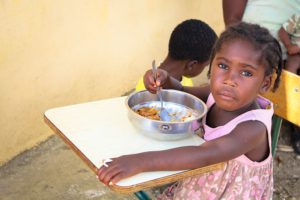
Clothed in HopeAfter graduating from the University of South Carolina with a degree in fashion merchandise, Amy Woodell set off for Zambia on a graduation trip. There, she met many wonderful women who were struggling to make ends meet. Realizing that she could not leave the country behind, she decided to start the organization Clothed in Hope, which aims to, “empower women in Zambia through education and economic opportunity.” For the past 12 years, it has done just that.  
Why Zambia?

Zambia is a nation that has consistently struggled to keep citizens above the poverty line, with this concern particularly affecting women. According to the World Bank, the poverty rate in the rural areas of Zambia are 78%, with women being more vulnerable. Additionally, two-thirds of female-headed households in Zambia are in the poorer half of the population based on consumption levels. 

There appears to be a need to prioritize entrepreneurial training in order to increase human capital and female autonomy. In light of this, Clothed in Hope implemented a business training strategy that aims to lift hundreds of Zambian women out of poverty and encourage financial independence.

Phase 2

Clothed in Hope offers Phase 2, a 12-month program to teach sewing and business management skills. There were 316 women participating in the program which successfully benefitted 1,038 children in Zambia. The impact of this initiative continues to grow and stimulate various communities. The lessons offered include information about maternal health, nutrition, and personal finance in order to contribute positively to each household.

Phase 2 of Clothed in Hope aims to expand its impact by creating a “multiplication effect.” Every year, the organization chooses 15 graduates of the original program to join a co-op of community-based businesses, including tailoring. Each member will receive further business management training and participate in a mentor program with Clothed in Hope staff.

To generate a “multiplication effect,” the newly empowered entrepreneurs are encouraged to pass on their acquired skills to other community members. Clothed in Hope, in order to finance this process, offers grants to uplift these businesses. The organization’s dedicated support staff conducts frequent visits to the grant recipients, assessing the impact of the grants and assisting in troubleshooting.

Hope Remains Fervent

Clothed in Hope has created a website full of designs its entrepreneurs design and sell. These beautiful products range from clothing and accessories to household items.

In addition, it offers membership to the Hope Club, a group of participants who donate monthly. Through the Clothed in Hope website, donors can read about entrepreneurs and their business proposals and follow consistent updates from grant recipients.

The fight against poverty in Zambia is not yet over, but with organizations like Clothed in Hope in operation, there is hope that the trend will change for the better. 

– Macyn Hanzlik-Barend
Photo: Pxfuel

July 18, 2023
https://borgenproject.org/wp-content/uploads/borgen-project-logo.svg 0 0 Kim Thelwell https://borgenproject.org/wp-content/uploads/borgen-project-logo.svg Kim Thelwell2023-07-18 01:30:002023-07-15 19:44:42Clothed in Hope: A Changing Future for Zambian Women
Women's Empowerment

The Mariposa Foundation and Poverty Reduction in the Dominican Republic

Poverty Reduction in the Dominican RepublicAccording to suggestions, the key to poverty reduction in the Dominican Republic could be female empowerment. The country currently ranks 84th out of 146 countries in the gender gap. Like most Latin American countries, the cultural value of machismo, the concept of male superiority and dominance over women, plays a role in the island’s gender inequality. Because of this, many in the Dominican Republic expect women to remain housewives.
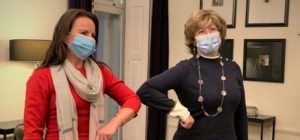
Since women perform all household duties, they face limitations in their academic and economic opportunities. According to the World Economic Forum, 75% of men in the Dominican Republic participate in the labor force, while the figure for women stands at only 49%. Even though women control the affairs of the home, the expectation for men is to gain employment and provide money for the family, and this impacts female education and economic independence.

About 40% of women in the Dominican Republic carry out unpaid work at home. Due to a lack of participation in the economic sphere, the poverty rate among women is 27%, but 24% for men based on U.N. statistics.

The Impact of COVID-19

Unfortunately, COVID-19 worsened gender inequality in the Dominican Republic. During pandemic-induced school closures, females accounted for 61% of student dropouts and males accounted for just 39%. The pandemic confined female students to the household and diminished the importance of obtaining an education.

Similar to school drop-out rates, female unemployment rates as a result of the pandemic demonstrate the Dominican Republic’s levels of gender inequality. With jobs using digital technology for remote work, the number of Internet users rose throughout the Dominican Republic according to statistics from the U.N.

However, the digital gender divide restricted females from using the Internet for economic opportunities. Females are 50% less likely than men to have access to digital technology, according to the World Wide Web Foundation. Because women have minimal access to computers, they were less likely to transition to working remotely during the COVID-19 pandemic.

COVID-19 showed that the distribution of internet access is not even across the country. Although the government is working toward making the Internet universally accessible, the costs are still high. This excludes poor and rural populations from engaging in the digital world; therefore, only 59% of households in the Dominican population have internet access. Even though poverty widens the digital divide, organizations like the Mariposa Foundation commit to poverty reduction in the Dominican Republic through female empowerment.

The Mariposa Foundation

Patricia Thorndike started the Mariposa Foundation in 2009 with the goal of educating, empowering and employing young girls ages 8 to 18 in the Dominican Republic. The organization believes that investing in women educationally and culturally encourages young girls to leave their households, make an income and pull their families out of poverty. The Mariposa Foundation gives young girls access to education alongside providing the tools required to help them gain employment. The potential long-term benefit of this is that more women entering the economic sphere and bringing money back to their families could lead to poverty reduction in the Dominican Republic.

The Mariposa Center for Girls provides its students with academic enrichment and daily health and wellness activities. Before the organization opened, there was no high school in the town of Cabarete and most girls were not making it to the 8th grade. As of 2023, the school gives out scholarships and provides safe transportation to change the narrative for girls born into extreme poverty.

While the organization’s initial goal was for its students to reach the 8th grade, many have exceeded expectations; 100% of Mariposa girls are enrolled in high school. Once they graduate, the organization will continue to support them through workshops for navigating higher education, learning a trade, building a resume and starting a business.

The Mariposa Foundation also helps reduce poverty by providing economic opportunities for its students. For example, the Mariposa Foundation owns Cabarete Coffee Company, which brings in more than $100,000 in revenue to fund the organization’s programs, and Mariposa girls interested in hospitality can work for the company.

The Success Stories

One of many success stories is that of Fabiola Veraz Joazar. She works as a swim instructor and program assistant at the Center for Girls. After learning how to swim through the Mariposa Foundation, she became the first Haitian-certified lifeguard in the Dominican Republic. By encouraging girls to pursue their passions, the organization allows females born into extreme poverty to enter the economic sphere.

Not even COVID-19 slowed down the Mariposa Foundation’s efforts toward female empowerment. After announcing that the 2021 school year would be completely virtual, the organization handed out laptops and iPads to its students so all girls could continue their education. By providing the resources to close the digital gender divide, the Mariposa Foundation ensured young girls of all backgrounds could pursue their passions and be ready to enter the workforce.

What is Next?

Looking toward the future, the Mariposa Foundation is directly working toward achieving gender equality and poverty reduction in the Dominican Republic. The Mariposa Foundation provides young girls with the opportunity to expand their horizons beyond the household, find their passions and enter the economic world. With the goal of female empowerment, organizations like the Mariposa Foundation play a vital role in reducing poverty for all.

– Meilyn Farina
Photo: Flickr

July 13, 2023
https://borgenproject.org/wp-content/uploads/borgen-project-logo.svg 0 0 Jennifer Philipp https://borgenproject.org/wp-content/uploads/borgen-project-logo.svg Jennifer Philipp2023-07-13 07:30:242024-05-30 22:31:12The Mariposa Foundation and Poverty Reduction in the Dominican Republic
Women's Empowerment

Advancing Women’s Rights in Estonia

Women’s Rights in EstoniaThe small, Northern European nation of Estonia is rarely the focus of widespread media coverage in Europe. However, its advancements in women’s rights deserve attention. In 2015, Estonian President Toomas Hendrik committed to “concentrate on women’s human rights, gender equality and the empowerment of women also in development cooperation.”

The Big Picture

Globally, Estonia ranks high on several women’s rights issues. The Global Gender Gap Report (2022) states that Estonian men and women have equal access to financial services, justice and freedom of movement, etc. Estonia also ranks first in all indicators of educational attainment and healthy life expectancy.

In 2016, Estonia’s fifth president Kersti Kaljulaid became the first female leader in the country’s history. Estonia’s first female prime minister Kaja Kallas, elected in 2021, made Estonia the first nation in the world to be entirely run by women.

Data from U.N. Women found that females in Estonia have slightly higher levels of stability compared to their male counterparts. Food insecurity for adult women is slightly lower than for adult men, at 7.7% and 8.0% respectively. There are also fewer female children falling out of primary and lower secondary education at only 1.8% to the male rate of 2.4%.

Keeping young girls in school is a powerful tool to ensure that Estonian women remain educated and prepared to obtain better jobs in the future, lowering their chances of cyclical poverty.

Education

Estonian women are some of the most highly educated in Europe. According to the CIA World Factbook, as of 2021, the literacy rate for Estonian women stood at 99.9%, on par with that of Estonian men. The percentage of Estonian women between 25 and 64 who completed higher education in 2021 was about 53%, well above the 36% average for the European Union.

The relatively low costs of tertiary education in Estonia help make higher education more accessible to women, especially those who are low-income. In 2013, a higher education reform made full-time, tertiary education programs conducted in Estonian free at public institutions. Unfortunately, the reform does not apply to part-time students. By providing free education for part-time students, more women, such as those who are low-income, care for children or have work-related duties, would be able to attain an education.

Employment

According to the Organisation for Economic Co-operation and Development (OECD), Estonia’s female employment rate was 72% in 2021, significantly higher than the average of 61%. However, part of improving women’s rights in Estonia means making sure women have access to all areas of the workforce. Women are still underrepresented in Science, Technology, Engineering and Math (STEM) fields which remain dominated by men. Instead, many women in Estonia work in low-earning fields such as education and retail.

Based on The Global Gender Gap Report (2022), women make an estimated $28,880 in earned income compared with men at $42,320. With so many women concentrated in low-paying or unpaid fields, there is little opportunity to rise out of poverty.

On February 11, 2021, the University of Tartu celebrated the International Day of Women and Girls in Science for the first time in Estonia. The U.N. established the day to celebrate and encourage women’s involvement in the sciences. Professors at the university recognized that the school’s large proportion of female students was not reflected in science and research roles. In their coverage of the event, Estonian World highlighted seven Estonian female scientists making a difference for women’s rights in Estonia and the world.

The Future of Women’s Rights

Despite all of the progress the Estonian government is making, there is still work to do. Local grassroots organizations are taking on the challenge of furthering women’s rights in Estonia. The Estonian Women’s Union/League (ENL) aims to unite women and safeguard their rights. The organization collaborates with state bodies and other democratic social organizations. ENL encourages women’s involvement in politics and organizes international conferences and training.

In 2008, ENL members participated in presenting the “Estonian Human Development Report 2007” which covered school violence, increase in unemployment, etc. In 2023, the organization continued its naming of “Mother of the Year,” a series meant to shine a light on Estonian mothers and the challenges they may face in supporting their children.

Women’s rights in Estonia have visibly improved in recent years, setting up the country for further success. The Estonian Women’s League is just one of a variety of local initiatives committed to empowering women from all walks of life, ensuring Estonia’s progress continues.

– Yesenia Aguilera
Photo: USAID

July 12, 2023
https://borgenproject.org/wp-content/uploads/borgen-project-logo.svg 0 0 Kim Thelwell https://borgenproject.org/wp-content/uploads/borgen-project-logo.svg Kim Thelwell2023-07-12 07:30:502023-07-09 09:57:22Advancing Women’s Rights in Estonia
Gender Equality, Global Poverty, Refugees, Women's Empowerment

Women’s Empowerment in Kakuma Refugee Camp

Women’s Empowerment in Kakuma Refugee CampThe Kakuma Refugee Camp, located in Kenya, was originally established for young children who escaped war in Sudan and Ethiopia. Today, the camp is home to about 200,000 people and facilitates access to education, health care and housing. The efforts of organizations enable and empower women in the camp to learn skills and secure income-generating activities. The women in the camp are pushing against stereotypical gender norms while working to support their families. Their stories and success are a reflection of the progress toward women’s empowerment in Kakuma Refugee Camp.

Breaking Stereotypes

CARE tells the story of Jackiline Amina who has lived in the Kakuma Refugee camp since she fled her home in Tanzania and sought refuge in Kenya in 2013. Amina now works as an auto mechanic in the camp. Before she became an auto mechanic, she would work small jobs, including providing laundry services to other refugees and fetching water for people in the camp, to make ends meet. After the father of her youngest child left the family, Amina had to find a sustainable and profitable job to enable her to care for her children. To achieve this, she knew she had to learn a new skill.

Prior to becoming an auto mechanic, Amina tried her hands at welding but did not make much progress as the men in the trade refused to train her, saying “the work was not appropriate for women,” according to the CARE website. Eventually, she got in touch with the owner of a small garage that agreed to train her as a mechanic.

In Amina’s current line of work, she regularly faces gender discrimination and many males undermine a female’s ability to be a competent mechanic. Her fellow male auto mechanics, however, have accepted her into the auto mechanic community and treat her “like one of the guys.” Amina has aspirations of enrolling in an official training program or mechanics school so she can secure higher-paying jobs in the future.

Entering a Male-Dominated Field

In another CARE story, Lucy Nyanga Joseph left Sudan in 2019 and joined her sister, nieces and nephews at Kakuma Refugee Camp in Kenya. In 2022, she learned of an opportunity to become a solar engineer in the camp. She was one of three women who enrolled in the program and the only woman to begin working after completion.

Despite many people saying her career path is ill-suited for women, she has gone on to inspire 20 of her friends in the camp to enroll in training for traditionally male-dominated fields. Before becoming a solar technician, Joseph relied on aid from the U.N. Refugee Agency, receiving a total of $11.75 per month. This was barely enough to afford the quality of care she desired for her children. Her new job, however, enables her to provide better for her children.

Stepping out of Gender Roles

In 2019, U.N. Women told the story of Nyamam Gai Gatluak. At the time, Gatluak was a student of the Angelina Jolie Primary School in Kakuma Refugee Camp and a member of the IT club that has participated in several events aiming to empower girl children. She is one of 60 girls who received a place in the boarding school out of nearly 500 who applied. Gatluak has aspirations of becoming a software engineer as a result of the school and IT club empowering women within the refugee community.

She and other young women still face great challenges in pursuing education and career paths. In some cases, these women are not even able to attend school. Even for those who are able to attend, gender-prescribed household duties often prevent girls from fully concentrating on their studies. Typically, household and caretaking responsibilities do not affect young men as society considers this a female role.

Despite the challenges, Gatluak aspires to develop an app that can teach young girls, including those in refugee camps around the world, how to code. She also dreams of developing another app that teaches parents and young women their rights in different local languages. Gatluak understands that many parents and young girls do not know their rights and, as a result, are taken advantage of — a problem that Gatluak aims to alleviate.

Women Empowerment in Kenya (WEIKE)

Women Empowerment in Kenya (WEIKE) is a nonprofit in Kenya that helps vulnerable young women access education and funding to secure a better future for their families. Founded in 2017, WEIKE runs several women’s empowerment initiatives, including a soap-making project, economic education for women and agriculture projects. About 20 women participate in the soap-making project, producing multi-purpose soap for their personal use and selling the rest to bring in an income.

Looking Ahead

Organizations like WEIKE contribute to women’s empowerment, education and economic security in Kenya. Women’s empowerment in the Kakuma Refugee Camp enables them to work toward educating themselves, learning new skills and obtaining high-paying, in-demand jobs to support themselves and their families. The efforts in the camp and results so far help to pave the path to a future of freedom, equity and equality for the next generation of women.

– Ronni Winter
Photo: Flickr

April 18, 2023
https://borgenproject.org/wp-content/uploads/borgen-project-logo.svg 0 0 Jennifer Philipp https://borgenproject.org/wp-content/uploads/borgen-project-logo.svg Jennifer Philipp2023-04-18 07:30:572024-05-30 22:30:57Women’s Empowerment in Kakuma Refugee Camp
Global Poverty, Women's Empowerment

How Tackling SDG1 and SDG5 Simultaneously Can Eradicate Poverty

SDG1 and SDG5In 2015, the leaders of 191 United Nations (U.N.) member states came together to develop the Sustainable Development Goals (SDGs). The United Nations’ Sustainable Development Goals (SDGs) are a set of 17 global objectives that aim to end poverty, protect the planet and ensure peace and prosperity for all by 2030. Among these goals, SDG1 and SDG5 are particularly interrelated and mutually reinforcing. SDG1 focuses on eradicating extreme poverty and reducing inequality, while SDG5 promotes gender equality and women’s empowerment. According to the U.N., by tackling these two goals simultaneously, the world can achieve a more inclusive and sustainable development that benefits everyone, especially the most vulnerable and marginalized groups.

Patterns of Progress 

According to the U.N., global poverty has vastly decreased since the 1990s, with 44% of the population living below the poverty line in 1991 compared to 15% in 2016. However, the pandemic significantly reversed this progress, increasing global poverty by 9% between 2019 and 2020.

The progress of SDG5 mirrors this pattern. The U.N. reports that since 2000, there has also been a vast improvement globally regarding gender equality. For instance, women’s role and representation in parliament have increased from 9.1 % in 2000 to 20.9% in 2020. However, much like with SDG1, the pandemic significantly pushed progress backward. 

To achieve SDG1, U.N. Women emphasizes the importance of working toward a future free of gender inequalities and inequities. Ending poverty “in all its forms everywhere”, requires countries to make efforts towards reaching SDG1 and SDG5 simultaneously.

Country Insight: Bangladesh

According to the World Bank, Bangladesh is a developing country. One of the fastest-growing economies in the world, Bangladesh aims to become an upper-middle-income country by 2031. Regarding SDG1 and SDG5, Bangladesh has “significant challenges” along the way. Whilst encouraging progress has been made to eradicate poverty in the country, progress on achieving gender equality is slower. To achieve SDG1, Bangladesh must improve its score for SDG5. There were 1627 rapes reported throughout the country in 2020 alone, though it is widely known that many instances of assault go unreported.

Links Between SDGs in Bangladesh

Reports suggest that one of the ways that SDG1 and SDG5 can work hand in hand is through the introduction of women into an equitable and inclusive workplace. However, in the context of employment in Bangladesh, there are many instances of gender-based violence in the workplace. For instance, a report detailing the experiences of women working in the Ready-Made Garments sector in Bangladesh reveals that it is an industry rife with “sexual harassment, pay inequity and improper benefits”. Links between poverty reduction and equal opportunities for women are widespread in the literature, and women in Bangladesh have the opportunity to work. This highlights a need for the country to focus on women’s equality of voice and equality under the law.

Looking Ahead

In striving to achieve the Sustainable Development Goals (SDGs), the interlinkage between SDG1 and SDG5 is crucial, as emphasized by the United Nations. While progress has been made globally in reducing poverty and promoting gender equality, the COVID-19 pandemic has posed significant setbacks. Bangladesh, a developing country, faces challenges in achieving both goals, with the need to address issues of gender-based violence and empower women in the workplace. Overall, acknowledging how SDG1 and SDG5 synergize could open up the path to a more sustainable and inclusive future.

–        Eloïse Jones


Photo: flickr

April 7, 2023
https://borgenproject.org/wp-content/uploads/borgen-project-logo.svg 0 0 Jennifer Philipp https://borgenproject.org/wp-content/uploads/borgen-project-logo.svg Jennifer Philipp2023-04-07 04:49:282024-05-30 22:30:57How Tackling SDG1 and SDG5 Simultaneously Can Eradicate Poverty
Global Poverty, Women's Empowerment, Women's Rights

Women’s Rights in Kyrgyzstan 

Women’s Rights in Kyrgyzstan Kyrgyzstan is often viewed as a country with vast gender inequality. Reports of “bride kidnapping,” such as in the famous 2011 Vice documentary, have painted a dispiriting picture of the place women have in Kyrgyz society. The state of women’s rights in Kyrgyzstan has seen a vast improvement over the last 15 years, however, and despite the continued prevalence of these and other instances of gender-based violations, the general picture is one of progress.

Legal Equality

As an independent nation, the Kyrgyz Republic holds a good record for promoting gender equality. The Central Asian country remains a party to the Convention on the Elimination of All Forms of Discrimination Against Women (CEDAW), which it has committed to since 1996, and like most post-Soviet countries, it has enshrined gender equality in the constitution.

Gaps in legislation and inconsistent legal interpretation have precluded greater progress in the area of sex discrimination, however. For example, until recently, many divorced women could not access child support. In 2018, the country reported 40,000 cases of alimony evasion. But in 2020, partly due to the work of activists, the government helped improve women’s rights in Kyrgyzstan by passing an amendment that made alimony evaders more accountable under family law. Whereas previously fathers who failed to pay child support could get away with just a fine, since 2020, fathers must pay alimony in full.

Child Marriages

The marrying of persons under the age of 18 is illegal in Kyrgyzstan yet 13% of Kyrgyz girls are married before their 18th birthday. Failures in law enforcement in conjunction with unemployment and rural poverty have meant the persistence of traditional non-consensual child marriages. Particularly in larger families that lack the income to support numerous children, parents seek to marry their daughters off to wealthier families to alleviate economic hardship. The problem is worse in rural areas, where the poverty rate is higher than the national poverty rate.

Child marriages in Kyrgyzstan are usually the result of “bride kidnapping” or “ala kachuu,” which literally translates to “pick up and run away.” Every year, 7,000 to 9,000 Kyrgyz girls fall prey to this practice, according to government figures. The bride’s parents are often responsible, along with the other family providing the “bride money.” Both parties arrange the marriage for the daughter typically without her consent in an unofficial religious ceremony. These illegal child marriages put young brides at risk of rape and domestic violence.

The United Nations Development Programme (UNDP) has worked to reduce child marriages in Kyrgyzstan since 2016. A key example of its work is the 2018-19 Project Addressing Early Marriages, which the British Embassy funded. This project was successful at encouraging the Kyrgyz Ministry of Labour and Social Development to implement the law prohibiting underage religious marriages in a “systematic way.” It also assisted the training of religious leaders in their understanding of marital law and improved the hotline services available to affected women and girls.

Domestic Violence

As part of the global Spotlight Initiative, a multi-year program that the Kyrgyz government and the European Union supported, U.N. has been implementing sex equality training to improve women’s rights in Kyrgyzstan. Two of the main aims of this program are to eliminate all forms of violence against women and girls and provide services to survivors.

Violence against women is a serious problem in Kyrgyzstan and cases have risen since the forced closures of crisis centers during the country’s COVID-19 lockdowns. The last decade has seen improvements though, both in legislation and the provision of survivor support services, such as Spotlight Initiative-funded safe spaces.

Yet despite these improvements, the majority of domestic violence survivors in Kyrgyzstan do not seek help. Family pressure, social stigma and a lack of economic opportunities compel up to 90% of women who have suffered violent treatment from their husbands to return to them, according to U.N. figures. Alternatively, many women escape to pursue unsafe employment opportunities, making them susceptible to trafficking.

Education

The state education system in Kyrgyzstan nominally treats all pupils equally regardless of sex. Girls and boys enjoy near educational parity in Kyrgyzstan at the primary level in terms of enrollment and attendance rates. At the secondary level, however, the net attendance of girls is 3% lower than boys (59% for boys compared with 56% for girls). A U.N. Working Group has found that the principal reasons for girls dropping out of school early are “forced marriage and adolescent pregnancy.” Nevertheless, the 100% adult female literacy rate in Kyrgyzstan as of 2019 should provide a solid basis for women’s future economic participation.

The government is also advancing women’s rights in Kyrgyzstan through efforts to remove negative stereotypes surrounding women in schools. In April 2022, the Kyrgyz government launched a review of all textbooks and teaching materials with the aim of removing any discriminatory content and pictures. Additionally, initiatives such as “Girls in Science,” which has already helped 3,000 girls, aim to increase the proportion of women in underrepresented sectors.

The Future

The Kyrgyz Republic has made impressive strides toward gender equality since earning its independence from the Soviet Union in 1991. It ranks 82nd out of 162 countries on the Gender Inequality Index in 2021. Today, the main impediments to women’s rights in Kyrgyzstan are intolerant patriarchal attitudes that perpetuate violence against women, notably the ancient practice of “bride kidnapping”, failures in law enforcement and a lack of economic opportunities for women. “Kyrgyzstan stands at a crossroads with an immense opportunity to harness the potential of women,” wrote a group of U.N. human rights experts in April 2022.

– Samuel Chambers
Photo: Flickr

March 28, 2023
https://borgenproject.org/wp-content/uploads/borgen-project-logo.svg 0 0 Jennifer Philipp https://borgenproject.org/wp-content/uploads/borgen-project-logo.svg Jennifer Philipp2023-03-28 01:30:212023-03-27 05:16:01Women’s Rights in Kyrgyzstan 
Page 15 of 54«‹1314151617›»

Get Smarter

  • Global Poverty 101
  • Global Poverty… The Good News
  • Global Poverty & U.S. Jobs
  • Global Poverty and National Security
  • Innovative Solutions to Poverty
  • Global Poverty & Aid FAQ’s
Search Search

Take Action

  • Call Congress
  • Email Congress
  • Donate
  • 30 Ways to Help
  • Volunteer Ops
  • Internships
  • Courses & Certificates
  • The Podcast
Borgen Project

“The Borgen Project is an incredible nonprofit organization that is addressing poverty and hunger and working towards ending them.”

-The Huffington Post

Inside The Borgen Project

  • Contact
  • About
  • Financials
  • President
  • Board of Directors
  • Board of Advisors

International Links

  • UK Email Parliament
  • UK Donate
  • Canada Email Parliament

Get Smarter

  • Global Poverty 101
  • Global Poverty… The Good News
  • Global Poverty & U.S. Jobs
  • Global Poverty and National Security
  • Innovative Solutions to Poverty
  • Global Poverty & Aid FAQ’s

Ways to Help

  • Call Congress
  • Email Congress
  • Donate
  • 30 Ways to Help
  • Volunteer Ops
  • Internships
  • Courses & Certificates
  • The Podcast
Scroll to top Scroll to top Scroll to top