• Link to X
  • Link to Facebook
  • Link to Instagram
  • Link to TikTok
  • Link to Youtube
  • About
    • About Us
      • President
      • Board of Directors
      • Board of Advisors
      • Financials
      • Our Methodology
      • Success Tracker
      • Contact
  • Act Now
    • 30 Ways to Help
      • Email Congress
      • Call Congress
      • Volunteer
      • Courses & Certificates
      • Be a Donor
    • Internships
      • In-Office Internships
      • Remote Internships
    • Legislation
      • Politics 101
  • The Blog
  • The Podcast
  • Magazine
  • Donate
  • Click to open the search input field Click to open the search input field Search
  • Menu Menu

Archive for category: Women’s Empowerment

Global Poverty, Women's Empowerment

Organizations Empowering Women and Girls in Malawi

Women and Girls in MalawiWomen and girls in Malawi have many challenges to face. According to a study done by the United Nations Children’s Fund (UNICEF), about 42% of Malawian girls can expect to be married before they turn 18, while 9% of those are married before they turn 15. These percentages are among the highest in the world. Also, according to The United States Agency for International Development (USAID), about 42% of school-aged girls drop out of school, with most citing education costs and pregnancy as their reason. Consequently, Less than 15% of women receive schooling beyond their primary years. Additionally, instances of gender-based violence are a prevalent issue in Malawi.

The conditions described have devastating effects on the lives of women and girls in Malawi. Many young girls in the country are not encouraged to pursue independence, resulting in them becoming women who are often dependent on the men in their lives. While these issues persist today, several organizations are working hard to provide women and girls in Malawi with the knowledge and opportunities they need to be successful.

Girls Empowerment Network (GENET)

The Girls Empowerment Network in Malawi, also known as GENET, was established in 2008. GENET focuses largely on inspiring young, school-aged girls to stay in school. The organization does this by urging community leaders to assist in funding scholarships and provide mentorship and friendly, safe spaces for girls to share their concerns. GENET also instills girls with digital, social and economic skills that help them become empowered and independent as they grow older.

More than 5,000 young girls in Malawi have completed their education thanks to scholarships provided by GENET. The network has also supported more than 2,500 survivors of gender-based violence by providing them access to legal and mental health services. Overall, GENET has impacted the lives of more than 100,000 girls in Malawi, many of whom were inspired to become leaders and mentors within their communities, thus multiplying the organization’s impact.

Fund a Girl

Yvonne Kamange founded Fund A Girl in 2018 to help underprivileged girls afford an education. The initiative has identified that families already living in poverty often resort to enrolling their children in school, which makes it more likely that those children will remain impoverished. To break this cycle, the organization collects donations from sponsors to fund the education of numerous Malawian girls. These donations go towards buying school supplies, books, uniforms and tuition fees.

Along with funding young girls’ educations, Fund A Girl also offers mentorship, vocational training and sexual and reproductive education. These services are making a huge impact on the lives of underprivileged girls in Malawi.

The Sparkle Foundation

While supporting school-aged girls is crucial, empowering and supporting women is equally vital. The Sparkle Foundation is actively addressing this need through its organized women’s groups. These groups are designed to offer local women the chance to engage in recreational activities, fostering connections within the community. Additionally, the initiative imparts resourceful knowledge and skills to women through these groups. Overall, the Sparkle Foundation’s women’s group “fosters a sense of unity” while equipping “women with the knowledge, tools and resources to uplift themselves.”

Continuing Support

Women and girls in Malawi face many challenges throughout their lives. However, organizations such as the Girls Empowerment Network, Fund A Girl and the Sparkle Foundations continue to support and advocate for them. By doing so, these organizations are opening doors of opportunity for thousands of girls who would not have had such chances.

– Kimber Peters
Photo: Flickr

February 9, 2024
https://borgenproject.org/wp-content/uploads/borgen-project-logo.svg 0 0 Hemant Gupta https://borgenproject.org/wp-content/uploads/borgen-project-logo.svg Hemant Gupta2024-02-09 01:30:512024-06-07 05:08:21Organizations Empowering Women and Girls in Malawi
Global Poverty, Women's Empowerment

2 Organizations Helping Women in India

Women in IndiaA civilization’s treatment of women reflects its stature. Among the many reasons India’s ancient culture is admired, a prominent one is the high position accorded to women. Manu, the renowned law-giver, stated, “Where women are respected, gods dwell.” The status of women in modern India is considerably lower. In 2021, the World Bank reported that fewer than one in five women had formal employment — a number on par with pre-Taliban Afghanistan. It is concerning that, despite India being more liberal and developed, its female labor participation remains at this level.

These statistics reflect an increasing number of Indian women leaving formal employment, even as the economy grows. Major factors that contribute to these statistics include:

  • Dangerous or inaccessible work environments.
  • Underpaid labor.
  • Lack of training or employment skills.
  • Domestic labor demands.
  • Conservative beliefs that women should not work outside the home.

MasterG Class

Launched in 2015, MasterG is India’s first all-women garment design and skill development organization. Its founder, Gayatri Jolly, studied fashion design at Parsons in the United States, then returned to India to advance the training of women in fashion. Fashion design in India is a male-dominated industry, socially excluding women from garment manufacturing.

In an interview with Global Connections Television in 2015, Jolly defined fashion as a way to empower and sustain women, and help impoverished people all over the world. MasterG has an entrepreneurship program that aims to train those living in urban slums in a way that makes them immediately employable. It teaches six months of garment construction skills and ends with the gift of a sewing machine to each trainee.

After working with big labels such as Doodlage and NorBlack NorWhite, MasterG launched an independent label called Heimat — the German word for belonging. This in-house label changes the organization from charity-driven to market-driven, increasing trainee skills beyond design and construction to include marketing and sales.

MasterG also launched digital learning programs in regional languages through Coursera, to widen its reach in the country. Upon program completion, trainees have a variety of employment paths, including working in design or export houses, opening small tailoring and garment shops and becoming teachers. They acquire skills in using smartphones for education and leverage platforms like Instagram for showcasing and selling their garments online.

SEWA Foundation

Established in 1972, the Self-Employed Women’s Association (SEWA) is the largest Central Trade Union in India, with membership exceeding 2.5 million people as of 2023.

Its founder, Ela Bhatt, studied law and spent her early career working with the Textile Laborer’s Association. This experience inspired her to focus on organization and coordination as a way to uplift the poor in a sustainable way. In the 1970s, 90% of India’s workforce were unprotected laborers, most of them women in domestic or agricultural labor at home, or selling products at markets. SEWA originated to redefine employment beyond an employer-employee relationship and provide basic protections for these women.

Through decentralized and affordable approaches, SEWA makes essential services easily accessible, ensuring the financial sustainability of support systems. These include SEWA Bank, health services, national insurance, managing school, a center for training and research and the Mahila Housing Trust.

In 2021, SEWA orchestrated Women, Work, and Food Systems: Voices from Grassroots. This national dialogue provided a platform for informal sector women workers in India to share their issues, challenges and solutions, integrating them into the United Nations Forum on Sustainability Standards (UNFSS) workstreams. The dialogue focused on enhancing the visibility, identity, and livelihood of female workers in the food industry.

Among its achievements, SEWA formed RUDI, an agribusiness enterprise fully owned and managed by the female farmers of Gujarat. SEWA also organized 600 women in the Jammu Kashmir Valley and taught them new agricultural techniques and technology, communications, marketing, leadership and management skills. This enabled them to sell their products directly to markets, even during the COVID-19 pandemic.

Conclusion

An Indian Express report suggests that women’s increased participation in entrepreneurship could elevate India’s GDP by $700 billion by 2025. By creating and managing businesses, female entrepreneurs not only provide job opportunities for fellow women but also serve as inspiration for others to join the workforce, contributing to substantial economic growth. With organizations that bring value and recognition to women’s labor, as well as skills training, women from all sections of society gain a better future.

– Asra Mairaj
Photo: Pexels

January 15, 2024
https://borgenproject.org/wp-content/uploads/borgen-project-logo.svg 0 0 Lynsey 2 https://borgenproject.org/wp-content/uploads/borgen-project-logo.svg Lynsey 22024-01-15 07:30:512024-01-11 13:13:382 Organizations Helping Women in India
Global Poverty, Women and Female Empowerment, Women's Empowerment

Empowering Women: Community Libraries in Rural Asia

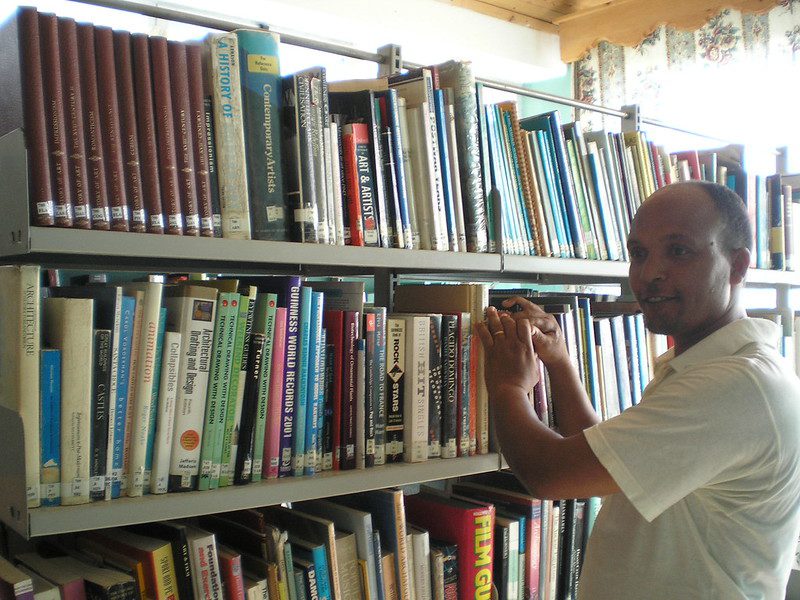
Rural Asian LibrariesIn the heart of rural Asia, community libraries are emerging as vital centers for women’s education and empowerment. Once viewed as simple repositories for books, these institutions are transforming into dynamic spaces that offer much more than just reading material. They are becoming crucial in bridging the educational gender gap prevalent in many rural areas. Here is more information about community libraries in rural Asia.

Education in Rural Asia

Education in rural Asian communities often faces obstacles like limited resources and gender biases. Community libraries in rural Asia are challenging this by providing accessible educational tools and programs. In rural Bangladesh, for instance, libraries not only provide a diverse selection of books but also host computer training and literacy classes specifically designed for women. These initiatives are pivotal in enhancing women’s abilities to secure better employment and improve their living standards. The resources and learning programs available in these libraries have opened doors for women, offering them a chance to learn new skills and gain knowledge that was previously out of reach.

How Community Libraries are Helping

The transformative power of community libraries in rural India is evident through numerous initiatives aimed at revitalizing these spaces. These libraries have become more than just places for reading; they have become active centers of learning and empowerment for local communities. Through diverse programs such as adult education and digital literacy, women in these areas are acquiring invaluable skills and knowledge. This has not only created new opportunities for personal development and employment but has also played a significant role in the social and economic upliftment of their communities. The success stories emerging from these libraries are a testament to the crucial role they play in fostering a culture of continuous learning and empowerment.

The libraries are also helping to foster a sense of empowerment and community involvement among women. Empowered with newfound skills and knowledge, women are increasingly taking on more active roles within their communities. This shift is gradually altering traditional gender dynamics, allowing for greater gender equality and community development. Women’s empowerment through education can lead to broader social changes, contributing to the overall progress of these rural areas.

Despite their successes, these community libraries face challenges, such as funding constraints and cultural barriers that sometimes hinder women’s participation. However, the future seems hopeful with increased support from nongovernmental organizations and governmental initiatives aimed at expanding educational resources and opportunities in these rural areas.

Looking Ahead

Community libraries in rural Asia are much more than just book lending facilities; they play an important role in shaping the future of women’s education and empowerment in these regions. As they continue to break down barriers and open doors to new opportunities, they pave the way toward a more inclusive and equitable society. The story of these libraries is one of resilience, hope and the transformative power of education.

– Hana Al-Khodairi
Photo: Flickr

January 13, 2024
https://borgenproject.org/wp-content/uploads/borgen-project-logo.svg 0 0 Hemant Gupta https://borgenproject.org/wp-content/uploads/borgen-project-logo.svg Hemant Gupta2024-01-13 07:30:522024-01-09 08:47:58Empowering Women: Community Libraries in Rural Asia
Global Poverty, Women's Empowerment

Key Program Boost Economic Empowerment for Women in Guatemala

Economic Empowerment for Women in GuatemalaMore focus has been placed on economic empowerment for women in Guatemala, particularly the women of Puente Viejo, a small village along the Polochic and Malazas rivers in the Polochic valley of Guatemala. These women have taken charge of their livelihoods and forged a path towards prosperity. Many women in Puente Viejo now stand shoulder to shoulder with their male counterparts, emphasizing a profound shift within the community.
The Benefits of Economic Empowerment for Women in Guatemala

Investing in women within communities yields extreme benefits such as “higher productivity and faster economic growth, reduced poverty and provided returns for decades by reducing maternal and child mortality, and improving schooling and health care for children.” Gender equality is a consistent indicator of economic growth and development, according to the IMF. 

According to U.N. Secretary-General Ban Ki-Moon in 2008, “When women have access to finances, credit, technologies, and markets, they are likely to expand their businesses and contribute effectively to sustained economic growth and development.” Secretary-General Ban Ki-Moon’s statement proved true in Guatemala after a coordinated effort of investing in the women of Puente Viejo drastically increased living standards and overall well-being.

The Story of Success for the Women of Puente Viejo

The incredible women of Puente Viejo have worked in coordination with the U.N. Women, World Food Programme (WFP), Food and Agriculture Organization of the United Nations (FAO) and the International Fund for Agricultural Development (IFAD) to increase economic self-reliance for rural women. Many women in Puente Viejo joined the program because they felt their household conditions needed improvement, they desired a shift in the gender norms in their community, and they hoped for financial independence and stability for themselves and their families. 

The Puente Viejo program started “with only 12 women farmers, providing them with seeds and fertilizers, as well as training on agricultural techniques.” Efforts of the program in Puente Viejo had a turbulent start due to disastrous flooding, which destroyed crops, and ultimately, the project had to switch gears, offering a more diversified skill set to the women of Puente Viejo. In 2017, the program began to focus on teaching women to make and market organic shampoo, using ingredients such as aloe, cacao, avocado and honey, all grown on their farms and personal gardens. The program taught the women to sell their products in local markets.

The Long-Term Effects of Investing in the Women of Puente Viejo

The homemade shampoo companies multiplied and established a success story for the development program and its participants. Through becoming business owners with the assistance of Programa de Desarrollo Rural para la Región Norte (PRODENORTE), the women of Puente Viejo have learned imperative financial skills, such as the ability to save and invest money. Through their financial success, the women of Puente Viejo have established a loan program to empower other community members financially. The loan program provided the daughter of a program member, Carlotta Sam Pac, with funding for her education. 

Despite frequent and devastating floods yearly, the community can remain stable and prosperous due to the resilience of the women of Puente Viejo. The program and the women involved have also established food security for the community. With consistent income, the community grows fresh food. Independence for the women of Puente Viejo has led to equal treatment of men and women within the community. Carlotta Sam Pac reported, “Our husbands now understand that we can also be managers of our own money…They know we are now aware of our economic rights and they do not mistreat us anymore.”

Lessons From the Joint Program 

Through the efforts of the joint program in Puente Viejo, the community has seen increased quality of life, increased overall savings and financial success and increased gender equality. The U.N. Women’s Economic Empowerment Coordinator in Guatemala reported that the program’s tremendous success is the empowerment the women involved have experienced and the unique connections local partners in Guatemala have created with U.N. agencies. With the inability to change the environment Puente Viejo experiences, including torrential rain and flooding, the program has prepared the community’s women for success regardless of external factors. 

– Marisa Kole
Photo: Flickr

October 26, 2023
https://borgenproject.org/wp-content/uploads/borgen-project-logo.svg 0 0 Yuki https://borgenproject.org/wp-content/uploads/borgen-project-logo.svg Yuki2023-10-26 09:35:012023-10-27 10:19:40Key Program Boost Economic Empowerment for Women in Guatemala
Women's Empowerment

Buffalo Bicycles Reduce Poverty in Africa

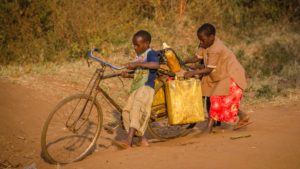
Buffalo BicyclesThe World Bicycle Relief program, a Chicago-based nonprofit organization that came about in 2005, is aiding people in impoverished rural areas around the world by donating specially designed resilient bicycles that can handle the rough terrain in rural areas. With women and girls at the focus of the program, these bicycles provide a much-needed transportation service in countries where access to health care, education and other opportunities are impacted by access to transportation. 

Buffalo Bicycles

The specially designed Buffalo bicycles are made of steel and feature puncture-resistant tires to handle long distances and irritable climates. The bicycles can also carry a load of up to 200kg. 

With a goal of reaching 5 million people with bicycles by 2025, World Bicycle Relief works with governments, companies and collaborators to “implement impactful, cost-effective, holistic bicycle mobility programs that are community-led and managed, Wobased on an evidence-based approach and with gender intentionality,” the organization says. Since its founding in 2005, the organization has helped 681,000 people pedal away from poverty in Africa. 

Access to education is crucial in the fight against poverty, and in Africa one in three adults cannot read, leaving 48 million aged 15–24 illiterate, according to a 2020 study by the World Bank. Thirty-three million children (22%) do not attend school of any kind — 74% of children aged 5–9. This is why these bicycles are changing women’s lives in Africa by allowing them to travel through tough terrains and handle heavy loads for long distances. Poverty in Africa also forces citizens to walk long distances for essential resources such as water, but with the Buffalo Bicycle, they are able to transport essential items home in an easy and safe manner. 

Female Empowerment

Only 30% of the organization’s programming covers men, as World Bicycle Relief realizes the far-reaching impact of empowering girls and women in order to shape futures and reduce poverty. 

For instance, the Buffalo bicycle allows girls to travel to school easily. As education is a proven pathway out of poverty, World Bicycle Relief helps girls break cycles of poverty by giving them a means of transport to attend school.

According to the World Bank, “Educated females may strengthen national economies by entering the workforce and, with a secondary education, earn more money to help raise themselves and their families out of poverty.” In general, research proves that the empowerment of girls and women plays a significant role in poverty reduction. As such, efforts to address poverty are ineffective unless initiatives are female-focused.

A study done in Zambia found that providing girls with Buffalo bicycles increased punctuality, reduced absences by 28%, led to higher test scores and increased safe passage from harassment by 22%, in addition to saving them roughly an hour a day that they would normally spend on walking. 

Since 2013, the Zambian Ministry of Education and the World Bicycle Relief have worked together to “Help 36,977 rural girls get to school quickly and safely with specially designed bicycles,” according to the United Nations. The United States Agency for International Development also assisted in October 2021 by creating grants to aid access to bicycles in an attempt to fight poverty in Africa. Empowering girls and women to access essential resources and critical services, like education and health care, through the provision of basic transportation helps to improve their quality of life.

Final Thoughts

When the only option for getting anywhere is to walk through dangerous areas in unrelenting climates, the need for easy and no-cost transportation changes the lives of those living in these impoverished regions. This allows women and children to take the reins of their own futures and improve the quality of life — not only for themselves but for future generations as well. 

–  Jennifer Arias
Photo: Unsplash

October 24, 2023
https://borgenproject.org/wp-content/uploads/borgen-project-logo.svg 0 0 Yuki https://borgenproject.org/wp-content/uploads/borgen-project-logo.svg Yuki2023-10-24 08:31:202023-10-24 12:18:18Buffalo Bicycles Reduce Poverty in Africa
Global Poverty, Women and Female Empowerment, Women's Empowerment

The Work of Women Empowerment Through Education in Nigeria

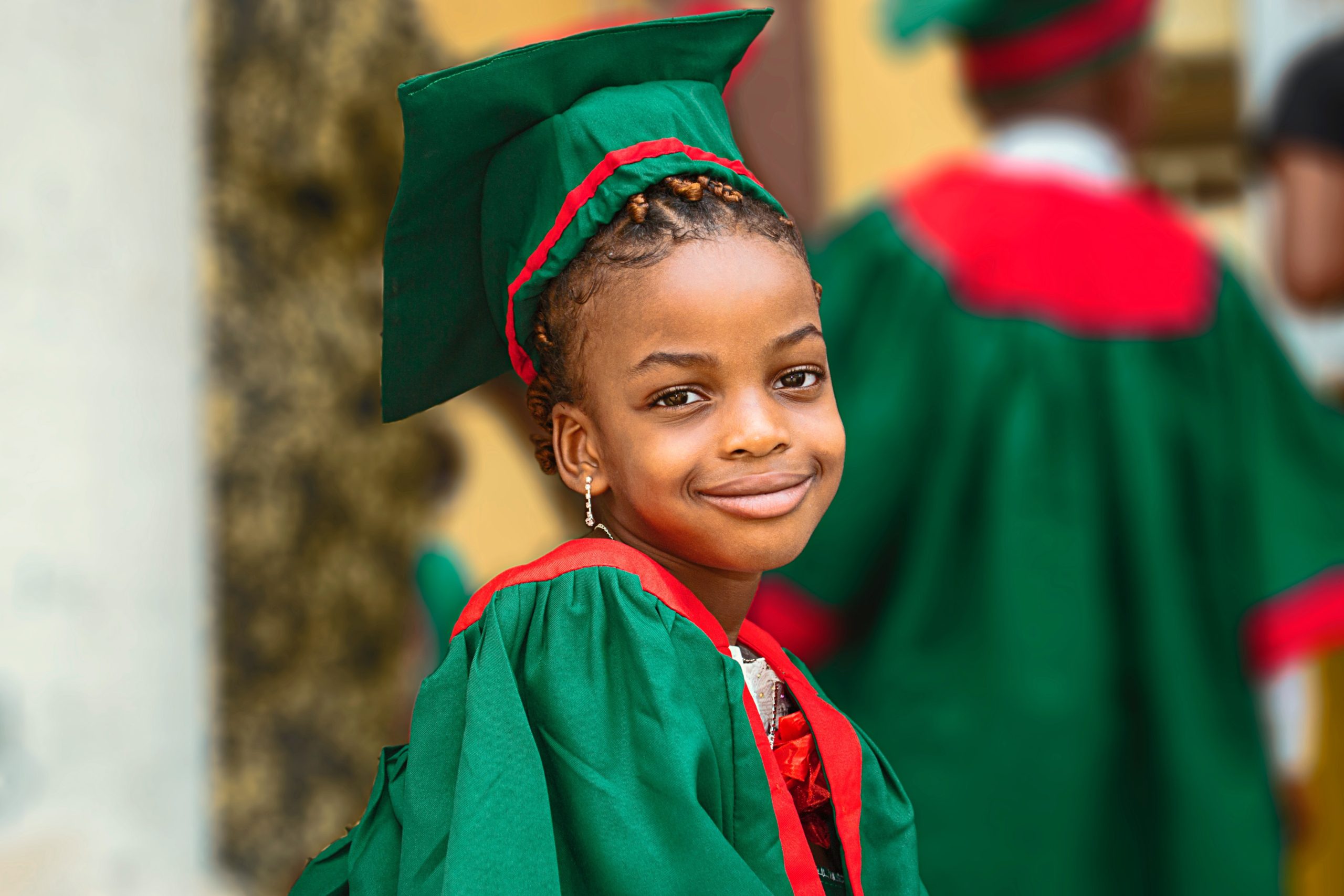
Women Empowerment Through EducationEducation is a powerful catalyst for change, especially in countries like Nigeria, where gender disparities in access to education have long been a pressing issue. In this context, Women Empowerment Through Education (WETE) stands as a beacon of hope, striving to uplift and empower Nigerian women through education.
The Need to Increase Girls’ Education in Nigeria

Education is a fundamental human right, an agent for growth and one of the most effective means of eradicating poverty and advancing gender equality, health, peace and stability. Every additional year of education results in a 9% rise in hourly wages globally. Additionally, it promotes social cohesion and long-term economic prosperity.

Nigeria, a country with a rich cultural heritage and diverse population, has faced several socio-economic challenges, including gender inequality. Historically, women in Nigeria have had limited access to education, due to a patriarchal system, traditional preferences, gender-based violence and child marriage, resulting in restricted opportunities. 

Approximately 13.2 million Nigerian children are not enrolled in school, as President Muhammad Buhari said on January 16, 2020. Nigerian girls account for 60% of this number. This inequality perpetuates a cycle of poverty and vulnerability for many Nigerian women.

When women are educated, they are better equipped to make informed decisions about their lives, health and finances. They also have improved employment prospects, contributing to their economic independence and breaking the cycle of poverty. Recognizing this, Women Empowerment Through Education originated to address these issues head-on. 

The Work of Women Empowerment Through Education (WETE)

Women Empowerment Through Education, established in 2015 and registered with the Ministry of Gender Affairs and Social Development, started with a transformative project to change the lives of 11 young women from impoverished backgrounds. Many of them were plucked from villages where they toiled in domestic work and tended to others’ farms for insufficient wages. Under Sr. Dr. Mary Rose-Claret’s guidance, this initiative has become a beacon of hope, offering these women and many more a pathway towards empowerment and a brighter future.

Women Empowerment Through Education is now a multifaceted organization dedicated to empowering women in Nigeria. At the core of its mission, WETE provides comprehensive education and training programs designed to equip women with the knowledge and skills needed to succeed in the path of their choice. 

Through a diverse set of initiatives, WETE offers workshops that not only build essential career skills but also nurture personal growth and self-confidence. 

Beyond Education: Nurturing Holistic Empowerment

While education is undoubtedly a critical cornerstone for girls’ empowerment, its impact is maximized when joined with a holistic approach that addresses other crucial aspects of their lives. Women Empowerment Through Education recognizes that true empowerment extends beyond the classroom. This organization excels not only in providing education but also in nurturing personal growth, fostering skills development and addressing pressing social issues.

The organization’s commitment extends to a strong emphasis on addressing social issues. The organization offers scholarships to girls who face persecution for their faith, ensuring they have access to quality education by providing scholarships.

In addition, they provide crucial health care services to women in need, prioritizing their physical well-being. WETE also recognizes the pivotal role of women in agriculture and provides vital support, aiding them in becoming more self-sufficient in this sector. Furthermore, the organization extends its compassionate reach to support abandoned children, tackling the grave issue of malnutrition, reflecting its commitment to women’s empowerment and community development.

Women Empowerment Through Education embodies the transformative power of education when coupled with a holistic approach. By addressing not only academic needs but also personal growth, health care and social issues, this organization is shaping a brighter future for Nigerian girls. 

– Hannah Klifa
Photo: Unsplash

September 29, 2023
https://borgenproject.org/wp-content/uploads/borgen-project-logo.svg 0 0 Lynsey Alexander https://borgenproject.org/wp-content/uploads/borgen-project-logo.svg Lynsey Alexander2023-09-29 07:30:312023-09-25 07:15:32The Work of Women Empowerment Through Education in Nigeria
Global Poverty, Women's Empowerment

2023 Women’s World Cup Scores Big for Poverty Eradication

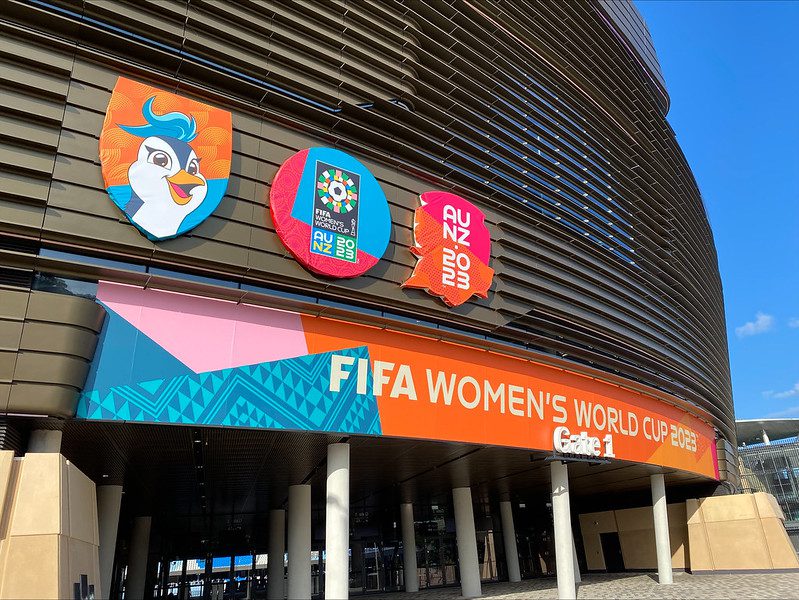
2023 Women’s World CupHosted by the countries of Australia and New Zealand, the 2023 Women’s World Cup has not only impressed soccer fans worldwide with extraordinary athletic prowess, but it’s also making serious strides in the battle against global poverty. 

With its riveting mix of world-class competition and humanitarian efforts, this tournament is leaving an indelible mark on communities in need. While the world tunes in to experience marvelous goals and nail-biting matches, the Women’s World Cup is also catalyzing positive change on the global scale, channeling its influence toward uplifting vulnerable nations. 

A Winning Strategy for Poverty Alleviation

This year’s Women’s World Cup moves beyond the pitch, leveraging a massive platform to highlight one of humanity’s most pressing challenges: poverty. United Nations Sustainable Development Goal 1 targets eliminating poverty in all its forms by serving as a compass guiding the tournament’s philanthropic endeavors. By partnering with international organizations and employing innovative approaches, the event is encouraging socioeconomic transformation. 

Elevating Communities Through Grassroots Programs

At the center of the Women’s World Cup’s poverty-alleviation efforts are its grassroots initiatives. Joining forces with local organizations, the tournament is investing in community development projects that empower women and children, such as building educational facilities and health care centers and establishing vocational training programs. These initiatives are creating pathways out of poverty for marginalized populations.

Driving Economic Growth and Opportunity

The economic impact of the Women’s World Cup is a crucial force in the fight against global poverty. Countries that host, along with neighboring nations, witness a surge in tourism, investment and business development. As the tournament attracts more visitors and attention from around the globe, local economies experience a boost, resulting in increased employment opportunities and higher revenue streams. 

According to Travel Daily Media, host cities of the Women’s World Cup have seen a consistent average increase in the percentages of tourism-related activities, directly benefiting local communities. At the same time, small businesses, specifically those owned by women, are seizing the opportunity to showcase their products and services on a worldwide stage, contributing to sustainable economic growth. 

Uniting Nations for a Common Cause 

The Women’s World Cup has a unique way of fostering international collaboration and unity. As nations engage on the field, they also come together off the field to address split challenges. This year, participating countries’ teams have pledged a certain portion of their winnings to support impoverished projects. These combined offerings are projected to raise millions of dollars that are bound for channeling toward health care, education and empowerment initiatives in underserved regions. 

In a statement from tournament organizers, FIFA expressed their commitment to using the universal language of soccer to build a brighter future for those in need. The Women’s World Cup is not just a competition; it’s a movement that integrates athletes, fans and communities in the pursuit of a better world. 

A Lasting Legacy

As the final matches of the 2023 Women’s World Cup concluded, the impact of this immense event on global poverty eradication became increasingly evident. Through targeted grassroots programs, economic empowerment and international collaboration, the 2023 Women’s World Cup has proved that the spirit of competition can drive positive change beyond the realm of sports. With every goal scored along with every victory celebrated, the Women’s World Cup created a new chapter in the ongoing fight against poverty, showing that even in the face of adversity, empowering goals can change lives. 

– Nathaniel Scandore
Photo: Flickr

September 28, 2023
https://borgenproject.org/wp-content/uploads/borgen-project-logo.svg 0 0 Lynsey Alexander https://borgenproject.org/wp-content/uploads/borgen-project-logo.svg Lynsey Alexander2023-09-28 01:30:342023-09-25 02:03:442023 Women’s World Cup Scores Big for Poverty Eradication
Global Poverty, Sanitation, Women's Empowerment

How BUVAD is Helping Indigenous Ugandans

Indigenous Ugandans
Uganda is an especially impoverished nation,
with 41% of the population living in poverty. Although the country receives aid and help from other countries, it is also home to many nonprofits that seek to provide additional help to the country’s citizens. Many of the county’s nonprofits are located in more urban areas of the country, such as Kampala. The Butakoola Village Association for Development (BUVAD) is one of the few nonprofits aiming to specifically help one of the country’s most struggling populations — Indigenous Ugandans. BUVAD is a volunteer-run and Indigenous-founded nonprofit started in 2000 that aims to help all Ugandans — and especially Indigenous Ugandans — improve their overall quality of life. One of the most unique parts about BUVAD as a nonprofit is its variety of approaches to achieving its goals. 

Women’s Economic Empowerment

One of the most unique groups that BUVAD is helping is female entrepreneurs. To do this, they started a microloan program for women with small businesses to receive money intended to go towards anything to help their business grow. Since the start of the program, 20 more women have joined and are currently receiving microloans for their businesses. Some businesses that BUVAD says these microloans have gone towards are mat-making, basket-weaving and beer-brewing businesses owned by women in Uganda. This program also creates a network for women receiving the loan, which has resulted in these women regularly holding meetings and helping each other with their businesses. 

These microloans have helped women business owners, which is especially important in Uganda. In Uganda, nearly 40% of all businesses are owned by women, but women entrepreneurs earn 30% less profit compared to male entrepreneurs. By continuing to support women-owned businesses, perhaps the stigma surrounding businesses owned by women in Uganda will become less severe and profits will begin to become equal between genders. 

HIV/AIDS Prevention and Support

BUVAD is helping lower Uganda’s HIV/AIDS infection rate as well. The nonprofit takes the approach of normalizing Ugandans to HIV/AIDS prevention methods by integrating the information into workshops about other topics. For example, in a workshop about bottle brick technology, BUVAD includes information about HIV/AIDS prevention, normalizing discussion about the disease in Uganda. This is especially needed in Uganda, with the HIV/AIDS infection rate in some areas of the country reaching as high as 8%, and the highest-infected areas also being the most impoverished. By normalizing discussion of HIV/AIDS and ways to prevent it, BUVAD hopes to reduce the disease’s infection rate in Uganda and get more of those who are infected on preventative medication. 

Water, Sanitation and Hygiene Support

BUVAD’s most comprehensive program is one that focuses on water, sanitation and hygiene support for Ugandans, which the program aims to do by executing six main approaches to the issue. These are to promote regular handwashing, safeguard vulnerable communities against preventable water-spread diseases, improve water and toilet coverage levels, improve water sanitation and hygiene levels, improve awareness of government water programs and ensure the safety and consistent maintenance of safe water sources. 

Water safety is an especially prominent issue in Uganda, with more than 20 children being admitted to the hospital per week in Kayunga, a district in Uganda, due to water safety-related issues. BUVAD helps these children directly by creating 10,000-liter tanks out of recyclable plastic for primary schools in Kayunga to store safe water. Water safety in Uganda is considered a crisis, with 83% of the country’s population lacking access to clean water. By creating direct approaches to providing clean water like BUVAD is doing, the water safety crisis will slowly become less of an issue over time. 

BUVAD’s Multifaceted Work in Uganda

Although most nonprofits tend to approach one main issue out of fear of spreading resources thin, BUVAD has managed to address a multitude of issues effectively while still being able to consistently create new initiatives and approaches to issues. By continuing to do this, BUVAD will continue to help lift Ugandans out of poverty and help the country improve in both health and economy. 

– Aidan Johnstone
Photo: Flickr

August 28, 2023
https://borgenproject.org/wp-content/uploads/borgen-project-logo.svg 0 0 Lynsey Alexander https://borgenproject.org/wp-content/uploads/borgen-project-logo.svg Lynsey Alexander2023-08-28 01:30:592023-08-24 07:49:46How BUVAD is Helping Indigenous Ugandans
Global Poverty, Women's Empowerment

SHE Project Expands Financial Opportunities for Women 

Financial Opportunities for Women 
The country of Sierra Leone
suffered from the onslaught of an 11-year civil war from 1991 to 2002 that resulted in displacement, thousands of deaths and sexual violence. Since then, the country has continued to experience hardships, with many living in extreme poverty. Adding to this, Sierra Leone’s citizens continuously face the effects of multidimensional poverty due to the absence of strong financial and education systems. Rural areas, specifically, endure the harshest impacts of poverty, most notably because of the lack of resources found in these neighborhoods. The COVID-19 pandemic worsened the extent of poverty in Sierra Leone, but the rural areas ultimately garnered the most difficult consequences, including the closing of locally-owned businesses and a reduction of incomes and salaries. As the pandemic ravaged the nation, the Solar Harnessed Entrepreneurs (SHE) Project came to fruition as a saving grace. The project allies with the most vulnerable and expands financial opportunities for women. 

The Intentions of the SHE Project 

The SHE Project secures and provides women with renewable energy-powered sources to operate their businesses. Prior to the installation of the project, many businesses located in the rural areas of Sierra Leone did not own or utilize this technology, and thus, they often suffered at the whims of debt crises, virus outbreaks and the global pandemic. Items such as a solar-powered freezer, for instance, allow businesswomen to expand the products they can sell and reach larger markets. 

CARE, an international NGO, created the SHE Project in 2022. Now, the multidimensional organization receives further aid from The Rockefeller Foundation and the Global Energy Alliance for People and Planet (GEAPP). Since its implementation, the SHE Project has worked to aid 8,000 women in Sierra Leone by providing them with the resources to transform their businesses into green organizations that employ renewable energy and technology. This transformation increases financial opportunities for women because it enables growth and consistency in ways that business owners could not guarantee beforehand. 

Why Women? 

The SHE Project supports the financial development of female-owned businesses. Female empowerment serves as one of its main goals, especially because women often complete dangerous and time-consuming tasks, like collecting fuel, that exacerbate the climate crisis and harm their health. 

In this sense, the SHE Project also boasts the humanitarian goal of restructuring the traditional, harmful manner in which women receive an income. With support from renewable energy sources, women can have greater control over their financial assets, and they can rely less on the dangerous tasks of assembling fuel, for example. 

When orchestrating the SHE Project, CARE took its development a step further in its attempts to empower women. By working with microfinance institutions to combat the fact that female-owned businesses generally receive little to no income, CARE provided women with low-interest loans. In addition to the use of solar-powered resources, women also received training sessions regarding financial development and a newfound ability to expand their businesses to new markets. The series of steps taken by CARE and other organizations incentivizes financial opportunities for women. 

Especially notable to this project is the fact that CARE also seeks to target the persistence of patriarchal values. By organizing “household dialogues,” trained professionals spoke with fathers and husbands to discuss the importance of female empowerment. 

Inspiring Stories

The SHE Project is a successful initiative that continues to find, educate and employ women with the tools to expand their businesses and succeed as financially independent income earners.

While most women in Sierra Leone did not have access to the tools to increase market access or maintain their businesses during hardships, the SHE Project has revolutionized this, increasing financial opportunities for women and increasing equality. 

Marie Squire of Ghangbatoke has experienced an increase in sales due to the freezer that the SHE Project provided her with. In fact, the freezer, instrumental for keeping cold drinks–the base of her business–fresh, has allowed her to keep her family afloat. 

Similarly, Mariama Fortune honored the imported freezer as the origin of her success. As a single mother who had difficulties beginning her fried cassava business, Mariama always wanted to provide for her children. Now that she has the freezer to help her business and supply food for her family, she believes she can focus on the future, including the prospect of educating her children. 

The Future 

Given the success of the SHE Project, which targets changing weather patterns, female empowerment and financial success, the Sierra Leonean government has recognized the importance of supporting this initiative. Bukai Bindi Hindowa, the Deputy Minister of Gender and Children’s Affairs expresses an enthusiastic outlook for the continuation of the project, ultimately marking the reduction of poverty and the development of a stabilized female workforce. As the government invests time, effort and resources in the SHE Project, which bolsters financial opportunities for women, Sierra Leone can continue to see the reduction of barriers that limit forward growth. 

– Maddy Grieco
Photo: Flickr

August 26, 2023
https://borgenproject.org/wp-content/uploads/borgen-project-logo.svg 0 0 Lynsey Alexander https://borgenproject.org/wp-content/uploads/borgen-project-logo.svg Lynsey Alexander2023-08-26 07:30:252023-08-23 13:35:38SHE Project Expands Financial Opportunities for Women 
Global Poverty, Women's Empowerment

5 INITIATIVES EMPOWERING WOMEN IN NIGERIA

Empowering Women in NigeriaNigeria, a vibrant nation in West Africa, boasts a rich tapestry of culture, history and natural resources. However, amidst its diverse tapestry lies the persistent challenge of poverty, which continues to affect a significant portion of its population. A particularly concerning aspect is the impact of poverty on Nigerian women, who constitute 60% of the people living in extreme poverty and face entrenched barriers in their pursuit of economic and social empowerment. For this reason, across the nation, several organizations are centering efforts around driving progress by empowering women in Nigeria and their communities.

Women’s World Banking

Nigeria faces a significant financial inclusion gender gap, as only 35% of women and 55% of men in the country have access to financial services. Organizations like Women’s World Banking are at the forefront, implementing strategies to drive savings mobilization, leverage remittances for increased access, provide capital to women-owned enterprises and support resilience through insurance. With the help of Women’s World Banking efforts in Nigeria, the country has achieved a historic milestone with women holding the position of Chief Executive Officer in eight out of its 24 commercial banks in 2022. As women gain access to credit, savings and insurance products, they are better equipped to start businesses and improve their households’ economic stability.

Global Initiative for Girls’ Rights Education and Empowerment

Since its foundation in 2019, this NGO has been regularly implementing projects to promote education for Nigerian women and raise awareness about menstrual hygiene management. The organization’s achievements include empowering 100 rural women in Benue with skills in leadership, accounting and artisanal capabilities to improve their economic status and participation in decision-making in their homes and community.

The African Women Power Network

Through various initiatives such as pitch competitions for young entrepreneurs, agribusiness training for women farmers and the DREAM Initiative to help secondary school students develop business plans, the Association for Women in Business has become a leading platform for African women entrepreneurs, facilitating their business success and growth. Aiming to empower African women entrepreneurs by providing them with training and support, with a particular focus on technology, this organization envisions sustainable change through women empowerment.

Give Girls A Chance

This non-profit organization is dedicated to bridging the educational gap between men and women by addressing barriers such as limited access, low awareness of the significance of education and inadequate infrastructure in educational institutions. Their approach involves community and family engagement, providing need-based scholarships and offering mentorship programs. As of 2020, Give Girls A Chance has impacted the lives of more than 100 girls and young women through scholarships, enabling them to either return to or continue their education. Moreover, the organization has connected these beneficiaries with mentors who invest their time in nurturing their psychosocial well-being, fostering a supportive environment for their personal and educational growth.

The Nigerian Women Trust Fund

The proportion of women in elective and professional positions in Nigeria is currently at 4.8%. By 2027, the organization wants to realize the goal of achieving 35% female representation. Through endorsements, the creation of a database of high-profile female candidates and fundraising to support female political campaigns in Nigeria, they seek to achieve this valuable target. Further successful campaigns include the training of 100 Nigerian women in their mentorship program to foster female leadership and the end of violence against Women and Girls.

Looking Ahead

Empowering women in Nigeria is a powerful strategy in the battle against poverty. By increasing access to financial services, enhancing education opportunities, promoting women’s entrepreneurship and strengthening women’s leadership, these initiatives pave the way for a brighter and more equitable future for Nigeria. As women rise to their full potential, they become a driving force for sustainable development, lifting themselves and their communities out of poverty.

– Miriam Schuller
Photo: rawpixel

August 21, 2023
https://borgenproject.org/wp-content/uploads/borgen-project-logo.svg 0 0 Lynsey Alexander https://borgenproject.org/wp-content/uploads/borgen-project-logo.svg Lynsey Alexander2023-08-21 01:30:522024-05-30 22:32:145 INITIATIVES EMPOWERING WOMEN IN NIGERIA
Page 14 of 54«‹1213141516›»

Get Smarter

  • Global Poverty 101
  • Global Poverty… The Good News
  • Global Poverty & U.S. Jobs
  • Global Poverty and National Security
  • Innovative Solutions to Poverty
  • Global Poverty & Aid FAQ’s
Search Search

Take Action

  • Call Congress
  • Email Congress
  • Donate
  • 30 Ways to Help
  • Volunteer Ops
  • Internships
  • Courses & Certificates
  • The Podcast
Borgen Project

“The Borgen Project is an incredible nonprofit organization that is addressing poverty and hunger and working towards ending them.”

-The Huffington Post

Inside The Borgen Project

  • Contact
  • About
  • Financials
  • President
  • Board of Directors
  • Board of Advisors

International Links

  • UK Email Parliament
  • UK Donate
  • Canada Email Parliament

Get Smarter

  • Global Poverty 101
  • Global Poverty… The Good News
  • Global Poverty & U.S. Jobs
  • Global Poverty and National Security
  • Innovative Solutions to Poverty
  • Global Poverty & Aid FAQ’s

Ways to Help

  • Call Congress
  • Email Congress
  • Donate
  • 30 Ways to Help
  • Volunteer Ops
  • Internships
  • Courses & Certificates
  • The Podcast
Scroll to top Scroll to top Scroll to top