• Link to X
  • Link to Facebook
  • Link to Instagram
  • Link to TikTok
  • Link to Youtube
  • About
    • About Us
      • President
      • Board of Directors
      • Board of Advisors
      • Financials
      • Our Methodology
      • Success Tracker
      • Contact
  • Act Now
    • 30 Ways to Help
      • Email Congress
      • Call Congress
      • Volunteer
      • Courses & Certificates
      • Be a Donor
    • Internships
      • In-Office Internships
      • Remote Internships
    • Legislation
      • Politics 101
  • The Blog
  • The Podcast
  • Magazine
  • Donate
  • Click to open the search input field Click to open the search input field Search
  • Menu Menu

Archive for category: Women’s Empowerment

Global Poverty, Nonprofit Organizations and NGOs, Women's Empowerment

The Transformative Impact of Minga Peru in the Peruvian Amazon

The Transformative Impact of Minga Peru in the Peruvian Amazon Minga Peru, a pioneering grassroots organization headquartered in Lima, is driving a remarkable transformation in the Peruvian Amazon. Founded in 1998 by Luis Gonzales and Eliana Elias, specialists in intercultural communication, the organization’s mission is deeply rooted in the Quechua concept of “minga” – a collective effort for the common good. This ethos guides its approach, which emphasizes empowering women as community leaders. Minga Peru focuses on the most marginalized communities in Latin America and the Caribbean (LAC), collaborating to foster social justice through gender equity, environmental stewardship and cultural identity preservation.

Challenges in Loreto

The Loreto region in the eastern Peruvian Amazon, home to a rich tapestry of indigenous cultures, confronts considerable challenges. High rates of poverty, disease and domestic abuse plague this largely inaccessible area. Women are disproportionately affected by these ongoing issues, suffering more significantly than their male counterparts.

Minga Peru’s Innovative Program

Minga Peru has launched innovative programs to tackle the challenges in the Loreto region. Among these, the “Bienvenida Salud” radio program stands out as a cornerstone initiative. Broadcasting since Minga Peru’s inception, it reaches more than 120,000 listeners per episode throughout the Amazon. The program addresses taboo topics such as domestic violence, HIV/AIDS, gender equality, human rights and biocultural preservation. It is highly interactive, engaging listeners through community feedback, questions via letters and direct interactions. To date, the program has received more than 40,000 confidential letters, underscoring its success in fostering community dialogue.

Empowering Women Leaders

Central to Minga Peru’s success is its focus on empowering women. By prioritizing women in its development model, the organization advances gender equality and social justice. Minga Peru trains women as “promotoras,” community leaders who spread crucial information and support their peers. These women receive comprehensive training in human rights, disease prevention, civic participation and environmental stewardship at Minga’s training center. After completing their training, promotoras return to their communities to educate and mobilize others, thereby amplifying the impact of their knowledge and empowerment.

Success Stories: Emira Montes Zuta

An inspiring example of Minga Peru’s impact is the journey of Emira Montes Zuta. Initially a listener of the Bienvenida Salud program, Emira became one of Minga Peru’s earliest promotoras. She now leads regionally, manages the radio, writes scripts and announces. Emira’s work reaches hundreds of thousands of listeners, promoting health, gender equality and social justice. Reflecting on her journey, Emira recalls, “The first time I participated in my village meeting, they introduced me as a community promotora… For everyone there it was very strange to see and hear a young woman talking about these topics in a village meeting… But eventually I was able to help the community on a voluntary basis.” Her story illustrates the transformative power of education and community support through Minga Peru.

Broader Impact and Recognition

Minga Peru plays a vital role in addressing critical health challenges in the region. The organization has educated 600 women on preventive measures and early detection of breast and cervical cancer, essential in areas with limited health care access where diseases often remain undiagnosed until advanced stages. Beyond individual impacts, Minga Peru has trained more than 1,200 promotoras. These leaders educate and mobilize networks across the Amazon, initiate community projects, secure local government funding and launch sustainable income initiatives like fisheries, agroforestry and handicrafts. Additionally, Minga Peru’s innovative solutions to human rights challenges in Latin America gained the organization finalist status in the Ashoka Changemaker competition.

Building a Sustainable Future

Minga Peru’s initiatives foster well-being, identity transformation and emotional recovery, thereby creating a supportive community environment. The Minga Tour, an educational tourism program, successfully promoted markets featuring locally-made artisanal products, boosting economic opportunities for the community. Through collaboration, education and empowerment, Minga Peru is not merely creating change but is building a future where every voice is heard and every community thrives. The organization is transforming the narrative for women in the Peruvian Amazon and paving the way for sustainable social justice.

– Malaikah Niyazi

Malaikah is based in Mumbai, India and focuses on Good News for The Borgen Project.

Photo: Flickr
June 1, 2024
https://borgenproject.org/wp-content/uploads/borgen-project-logo.svg 0 0 Precious Sheidu https://borgenproject.org/wp-content/uploads/borgen-project-logo.svg Precious Sheidu2024-06-01 01:30:242024-12-13 18:03:11The Transformative Impact of Minga Peru in the Peruvian Amazon
Global Poverty, Health, NGOs, Women's Empowerment

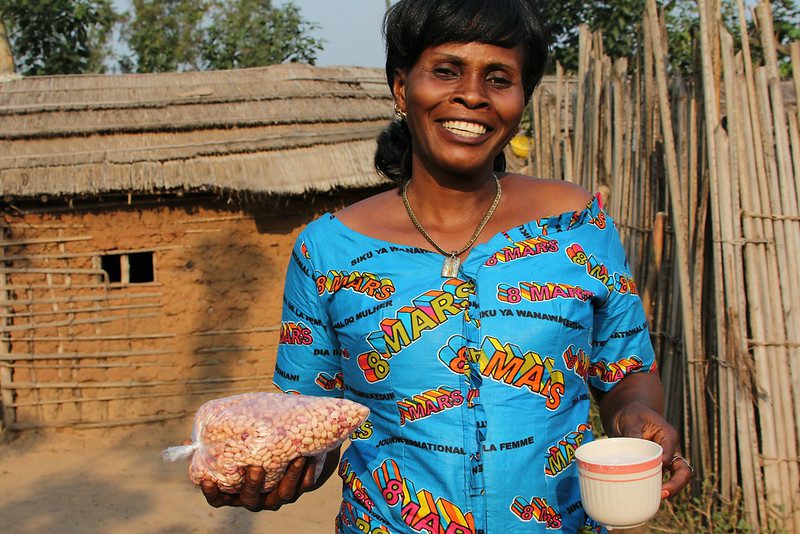
Doctors Without Borders’ Impact on Women’s Health in the DRC

Women’s Health in the DRCIn the vast and diverse landscapes of the Democratic Republic of Congo (DRC), women’s health has long been a pressing concern. The DRC presents a formidable challenge with a history of conflict, limited health care access and staggering maternal mortality rates. This narrative explores the profound impact of Doctors Without Borders on women’s health in the DRC, a story encompassing life-saving interventions and women’s empowerment woven intricately into the fabric of this remarkable journey.

Maternal Health and Sexual Violence

The Democratic Republic of Congo (DRC) grapples with a profound and interconnected women’s health crisis, characterized by two critical dimensions: maternal health challenges and the scourge of rampant sexual violence. This crisis paints a harrowing picture, with the DRC consistently ranking among the countries with the highest maternal mortality rates globally. The startling figure of 547 maternal deaths per 100,000 births, as classified by the World Health Organization, underscores the severity of this issue, marking it as “very high” on the global scale.

Factors contributing to this dire situation include a shortage of skilled health care providers, limited access to quality maternal care in remote regions and the enduring consequences of armed conflict that have ravaged the nation’s health care infrastructure. These barriers encompass health care infrastructure, socio-economic hurdles and weak health governance, making it a multifaceted challenge.

Unfortunately, many women continue to depend on traditional birth attendants, resulting in critical delays when complications arise. These delays often lead to devastating outcomes such as stillbirths and obstetric fistulas, inflicting severe health consequences on mothers and infants. Moreover, the lack of timely access to cesarean sections remains a significant challenge, further underscoring the urgency of improving maternal health care services in the region. 

In tandem with maternal health issues, sexual violence has cast a long shadow over the DRC, leaving countless women physically and psychologically scarred. Shockingly, one in two women in the DRC reports having experienced physical or sexual abuse at least once. 

Rape, disturbingly, has been weaponized as a tool of war, with dire consequences resonating throughout communities, perpetuating cycles of trauma and stigma. Indeed, multiple warring factions, including the Congolese Army and various rebel groups, have employed rape as a deliberate warfare strategy, amplifying the urgency of this complex and interconnected women’s health crisis. 

Doctors Without Borders’ Approach to Women’s Health

In the face of the escalating conflict in 2022, Doctors Without Borders (Médecins Sans Frontières or MSF) exhibited unwavering commitment to women’s health in the DRC. Operating in challenging environments, MSF embarked on a multifaceted approach to address women’s pressing health care needs. 

In the conflict-affected regions of Rutshuru, Binza, Kibirizi and Bambo, MSF provided crucial support to local health facilities. Their interventions spanned a wide spectrum of medical activities, including providing intensive care, surgical procedures, therapeutic nutrition and specialized treatment for survivors of sexual violence. The organization’s presence and dedication were instrumental in ensuring that women in these regions had access to life-saving medical care despite the challenging circumstances. 

Moreover, MSF’s commitment extends beyond immediate medical needs. They focused on the comprehensive well-being of women, including their sexual and reproductive health. This focus encompassed vital services such as HIV and tuberculosis treatment, sexual and reproductive health care, safe abortion care and mental health services. By providing a holistic range of services, MSF aims to address existing health issues and empower women to make informed decisions about their bodies and well-being.

In Salamabila, MSF introduced innovative programs such as “husband schools” and awareness sessions on sexual violence. These initiatives aimed to tackle the root causes of gender-based violence and promote gender equality. By engaging with both women and men in the community, MSF sought to challenge traditional norms and behaviors contributing to sexual violence and discrimination.

The Organization’s Impact

Doctors Without Borders has made an indelible impact on women’s health in the Democratic Republic of Congo (DRC), exemplifying their commitment to saving lives and empowering women. In their tireless efforts, MSF treated a staggering 10,000 patients for sexual violence, a testament to their unwavering dedication to addressing this critical issue. 

Since the resurgence of conflict in 2022, MSF’s teams have remained steadfast in their mission. Between April 17 and 30, 2023, they provided critical care to 314 victims of sexual violence in Bulengo, Lushagala, Kanyaruchinya, Eloime and Munigi camps — areas that have faced a shortage of humanitarian assistance. This timely intervention offered much-needed medical and psychological support to survivors and underscored MSF’s commitment to reaching the most vulnerable, even in the most challenging environments. 

With a dedicated team of over 2,670 full-time staff, Doctors Without Borders’s impact on women’s health in the DRC has been monumental. Their holistic approach, spanning medical care, trauma support, community engagement and awareness initiatives, has saved lives and nurtured empowerment and resilience among women. MSF’s unwavering dedication and adaptability in the face of evolving health care challenges continue to be indispensable in pursuing a brighter and healthier future for Congolese women. Their work is a source of inspiration, illuminating the path toward improved women’s health and gender equality in the DRC. 

Moving Forward

However, comprehensively addressing the crisis goes beyond infrastructure development. Political change and reform are vital components of a sustainable solution. In certain African nations, like Mauritania and Kenya, governments have taken bold steps by prohibiting home births to reduce serious complications due to home deliveries in remote areas, a doctor working for the organization explained in the interview. Such policies aim to ensure safer deliveries and reduce maternal mortality, highlighting the potential impact of political initiatives in addressing the challenges faced by women in health care access.

Doctors Without Border’s work exemplifies the path to a brighter and healthier future for Congolese women. This collective effort, driven by compassion, dedication and a commitment to justice, is essential for progress in the challenging health care landscape of the DRC.

– Hannah Klifa
Photo: Flickr

May 15, 2024
https://borgenproject.org/wp-content/uploads/borgen-project-logo.svg 0 0 Kim Thelwell https://borgenproject.org/wp-content/uploads/borgen-project-logo.svg Kim Thelwell2024-05-15 22:17:152024-05-15 22:17:15Doctors Without Borders’ Impact on Women’s Health in the DRC
Gender Equality, Global Poverty, Women's Empowerment

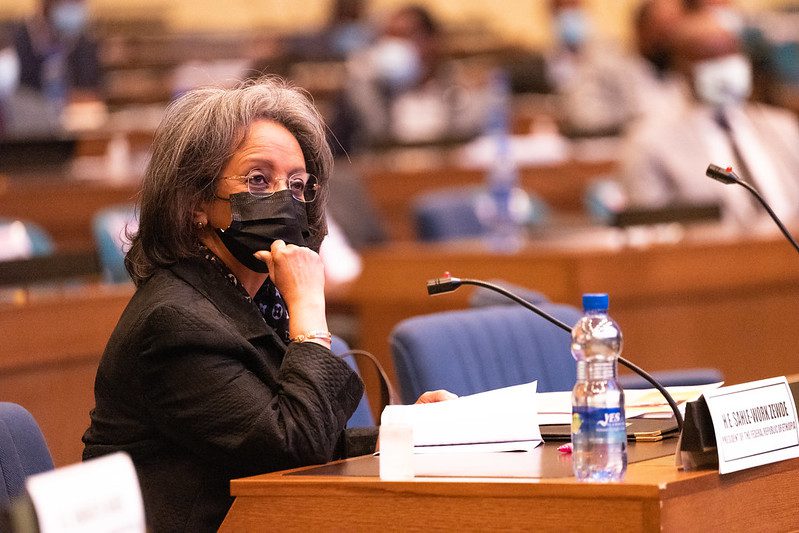
Give a Future: Fighting for Gender Equality in Ethiopia

Gender Equality in EthiopiaEthiopia is a landlocked country located in the Horn of Africa. It is Africa’s oldest independent country and holds the second-largest population on the continent, with a population of 113.6 million. It has sentiments of a Marxist past, with highly restrictive media environments and tensions within the government. Notably, in October 2018, Sahle-Work Zewde was elected as president, marking a historic milestone as Ethiopia’s first female head of state since Empress Zawditu. With her inauguration came a pledge to champion gender equality in Ethiopia, aiming to translate rhetoric into tangible progress.

Gender Equality in Ethiopia

Ethiopia has committed to improving gender equality, especially with Zewde, who made women hold half of the positions in her cabinet. Nevertheless, when it comes to female education, the improvement does not seem so drastic. Similarly, despite women’s significant contribution to the agricultural sector in rural regions of Ethiopia, their contributions often go unrecognized and they face restrictions in accessing resources and community participation.

Recent findings by the United States Agency for International Development (USAID) found that one in three women experience physical, emotional, or sexual violence and only 50% of girls who enroll in primary schools ever make it to grade five. This seems to be an issue in Ethiopia, where many girls are unable to transition to secondary and tertiary school due to distance, personal security and economic challenges. Women often face more constraints in regard to less access to credit and limited market access and 30% of Ethiopian women do not make decisions on individual and family issues such as birth control methods.

Give a Future and Gender Equality

Give A Future is a nonprofit run by a group of dedicated individuals who believe in sustainable change through cost-effective programs. It was founded almost 20 years ago by Stephanie Ferrario and her team. The initiative started with homes for street children, which then turned into many homes, three schools, a large scholarship fund for girls, a large microfinance program for women and family programs to help families with their responsibilities. Its ethos builds upon providing knowledge, training and access to credit to create changes that last a lifetime and carry on into the next generations. As they say, “Educated women make the world a better, safer, more resilient place and are good for business.”

All of Give A Future’s programs are run by Ethiopians who are motivated to make their country a better place. Recognizing the vital role education plays in shaping the future, particularly for girls, Give A Future emphasizes the classroom as a sanctuary, providing not just learning opportunities but also a haven of safety and empowerment. The Borgen Project spoke with founder Ferrario, who highlights that “education is the one thing nobody can ever take away from you” and it is always the way to build the foundations for a better life. Therefore, Give A Future provides support for girls and women who want to finish university and supports women in its microfinance program, enabling them to create and run small businesses.

This has a ripple effect and contributes toward dismantling gender inequality once and for all, one woman at a time. The small number of women in business and politics, which Ferrario tells us has remained relatively the same since Zewde was appointed head of state, is a testament to this and highlights the importance of increasing female representation and empowerment at a higher level.

Impact

Recently, Give A Future created shecan.world. On this platform, women have a voice and can tell their stories to others, creating a plethora of role models for women who have overcome challenges and tackled the obstacles in front of them. Ferrario explains how this began during lockdown by telling Ethiopian women’s stories and has now grown into a large online library of women role models with more than 400 women, 100,000 listeners and 600,000 views. The aim is to inspire other women and create a log of powerful and incredible women.

What Can We Do?

When asked what people in the Global North could do to help combat poverty not only in Ethiopia but in the Global South as a whole, her response was insightful. Central to Ferrario’s approach is the cultivation of trust, a vital component in empowering local communities to drive their own development trajectories. Rather than imposing external solutions, she advocates for investing in understanding the root causes of poverty and collaborating closely with local stakeholders and organizations. By prioritizing local expertise and perspectives, interventions can be tailored to address the specific needs and challenges faced by communities, fostering sustainable, long-term change.

– Cordelia Moore

Cordelia is based in Exeter, UK and focused on Good News for The Borgen Project.

Photo: Flickr
May 14, 2024
https://borgenproject.org/wp-content/uploads/borgen-project-logo.svg 0 0 Hemant Gupta https://borgenproject.org/wp-content/uploads/borgen-project-logo.svg Hemant Gupta2024-05-14 01:30:362024-05-14 00:58:23Give a Future: Fighting for Gender Equality in Ethiopia
Global Poverty, Women's Empowerment, Women's Rights

Improving the Rights of Marshallese Women

Marshallese WomenAccording to the Constitution (1979, Rev 1995) of the Republic of the Marshall Islands (RMI), “Every person has the right to freedom of thought, conscience and belief; to freedom of speech and of the press; to the free exercise of religion; to freedom of peaceful assembly and association; and to petition the government for a redress of grievances.”

However, according to multiple organizations canvassing for gender equality, an unacceptable degree of gender “inequality” exists for women of the RMI. The tradition of matrilineal heritage, unratified discrimination rights of Marshallese women and extensive evidence of “gender inequality” combined challenge the validity of women’s rights. Moreover, 54% of women who have encountered domestic violence refrained from reporting the incidents due to either perceiving the abuse as justified or fearing reprisal.

Furthermore, they cited reasons such as a lack of awareness about their rights, the financial implications of legal proceedings and/or the distance to access courts. Therefore, the Committee on the Elimination of Discrimination Against Women (CEDAW) has stated that the Constitution of the RMI needs to be amended by including a definition of discrimination and addressing discrimination against women.

Matrilineal Tradition

The RMI is one of a few countries that maintains traditional matrilineal property systems. In this system, the property is passed down by the maternal, not the paternal line. Despite potentially having substantial land rights in the RMI, many women reside away from their ancestral land, which results in a loss of respect, influence and security, as they often relocate to their spouse’s land, away from their support networks.

Furthermore, by limiting women’s involvement in public office and electoral politics while prioritizing the education and advancement of men, commercial enterprises have marginalized women, relegating them to powerless and insignificant roles within their society.

Women’s Rights Organizations

According to the Pacific Community of the Organization of Human Rights and Social Development (HRSD), Marshallese women are entitled to equality, dignity, education and trust. The challenges of gender inequality faced by women and girls, as well as the rights of Marshallese women, remain focal points for numerous women’s organizations. Some of these organizations include:

  • United Nations (U.N.) Women in the Pacific: This group has been working with governments and nongovernmental organizations in the region to fight against gender inequality, “empower women and build more inclusive societies.”
  • Pacific Women Lead (PWL): This organization aims to ensure “Pacific women and girls are safe and equitably share in resources, opportunities and decision-making with men and boys.” Within five months of its inception, the group coordinated funding for seven projects in the Pacific.
  • Women United Together Marshall Islands (WUTMI): This is a prominent women’s organization dedicated to advocating for the rights and well-being of Marshallese women. WUTMI has played a crucial role in raising awareness about issues such as domestic violence and the prevention of substance abuse by women and girls.

Final Remark

The rights and dignity of Marshallese women are deeply rooted in both tradition and written laws. Supported by many women’s organizations, the rights of Marshallese women remain subjects of ongoing explanation, analysis and debate.

– Pamela A. Fenton
Photo: Flickr

May 10, 2024
https://borgenproject.org/wp-content/uploads/borgen-project-logo.svg 0 0 Hemant Gupta https://borgenproject.org/wp-content/uploads/borgen-project-logo.svg Hemant Gupta2024-05-10 07:30:202024-05-10 01:00:29Improving the Rights of Marshallese Women
Gender Equality, Global Poverty, Women's Empowerment

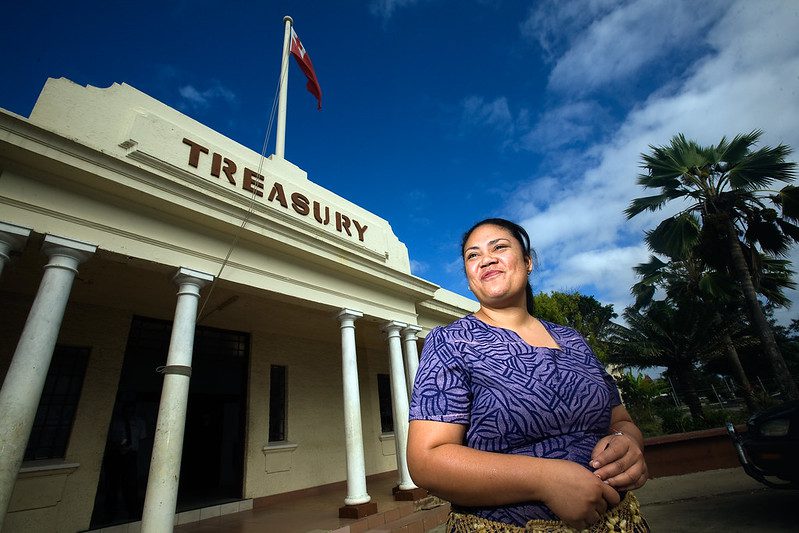
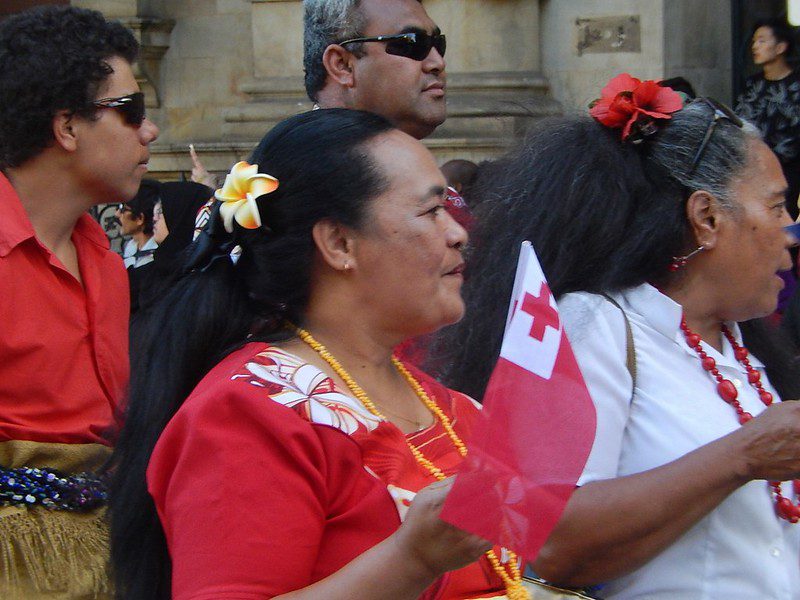
Tonga Empowers Gender Equality in Leadership

Gender Equality in LeadershipTongan women are severely underrepresented in political leadership positions, both at local and national levels. This is a reminder of the gender disparities that persist in society and a reflection of deep-seated social norms that perpetuate the idea that women are less suited for leadership than men. However, through initiatives like the Balance of Power and Tonga Youth Leaders, Tonga is empowering gender equality in leadership, breaking down barriers, challenging traditional views and promoting women’s participation in political decision-making.

Barriers to Tonga’s Women in Political Leadership

While women’s leadership within the public sector and family and community life has had successive progress, political leadership progress is still limited. No more than two women have been elected to the national Parliament in a general election, which was in 2017. In the most recent election, in 2021, no women were elected. Women’s underrepresentation in political leadership is a result of barriers that are often rooted in cultural, social and institutional factors that perpetuate gender inequality and limit women’s opportunities to participate actively in political decision-making processes.

Some key barriers to Tonga’s women in political leadership include:

  • Cultural and social norms are deeply ingrained. These norms perpetuate the view that men are inherently better in leadership positions than women and that women don’t have the “right” skills and experience for political leadership roles that men do. Such norms can deter women from pursuing careers in leadership positions, as they may face societal pressures to conform to traditional gender roles.
  • Gender stereotypes can undermine women’s credibility as political leaders. Women who pursue careers in politics face scrutiny, discrimination and bias based on gender, with their qualifications, capabilities and decisions questioned or dismissed due to stereotypes about women’s competence in leadership roles.
  • A lack of media representation of women’s voices. Media plays a crucial role in shaping public perceptions, influencing opinions and circulating information about political candidates and issues. Underrepresentation in the media can reinforce gender stereotypes and traditional gender roles.
  • Institutional and legal frameworks can limit women’s political participation. Women do not have the same financial resources as men. The practice of voters expecting reciprocal gifts from candidates creates challenges for women, as they may have limited resources or face societal pressures that prevent them from meeting these demands. While bribery is illegal under Tongan electoral law, voters do not classify it as bribery and this makes it harder for women to compete effectively in elections.

The importance of gender equality in leadership is crucial as men and women often have differing needs and viewpoints, highlighting the significance of ensuring women are represented. With women constituting half of the population, it is pivotal that their interests are effectively addressed. A balanced participation of both men and women in decision-making is essential.

Balance of Power

Balance of Power is an Australian Government funded, locally-led approach to supporting women in political leadership. It is an initiative aimed at addressing gender disparities in political representation by shifting social norms and attitudes that impede women from being recognized as credible leaders. It focuses on promoting gender equality in leadership by empowering women to participate actively in political leadership roles.

The Balance of Power initiative employs adaptive management and politically informed approaches to drive change. Through training, mentorship and advocacy, the Balance of Power seeks to challenge social norms, traditional views and barriers that hinder women’s engagement in politics. The initiative executes this with media collaboration to increase women’s leadership visibility, strengthening the Women in Leadership Coalition, research and advocacy to address negative perceptions and regional engagement to change social norms.

Tonga Youth Leaders

Tonga Youth Leaders is a “youth-led organization that empowers and develops Tongan youth to become catalysts for positive change in their own communities.” The organization was set up in 2017 by Elizabeth Kite to give a voice to the Tongan youth and encourage their participation in community development through small projects and fostering leadership skills.

The Tonga Youth Leaders organized an initiative called Girls Takeover Parliament, which offers 26 young women and girls the chance to participate in a parliamentary setting, enabling them to express and share views on national issues. The Girls Takeover Parliament initiative helps young women and girls realise their potential, develop leadership skills and allow them the opportunity to pursue a career in politics.

About 90% of participants expressed their interest in pursuing a career in politics after they attended the Girls Takeover Parliament initiative. The initiative has had a significant impact on empowering young women and girls and raising awareness about youth engagement and gender equality in leadership.

Tonga’s commitment to empowering gender equality in leadership is evident through innovative initiatives like the Balance of Power and Tonga Youth Leaders. These initiatives not only challenge social norms and traditional views and break down barriers but also foster inclusivity and encourage youth engagement, as well as women’s active participation in decision-making roles. Through targeted programs, media collaborations and community engagement, Tonga is paving the way for a more equitable and representative political landscape.

– Isabella Green

Isabella is based in Aylesbury, UK and focuses on Good News for The Borgen Project.

Photo: Flickr

April 29, 2024
https://borgenproject.org/wp-content/uploads/borgen-project-logo.svg 0 0 Hemant Gupta https://borgenproject.org/wp-content/uploads/borgen-project-logo.svg Hemant Gupta2024-04-29 07:30:322024-04-29 00:30:44Tonga Empowers Gender Equality in Leadership
Gender Equality, Global Poverty, Women's Empowerment

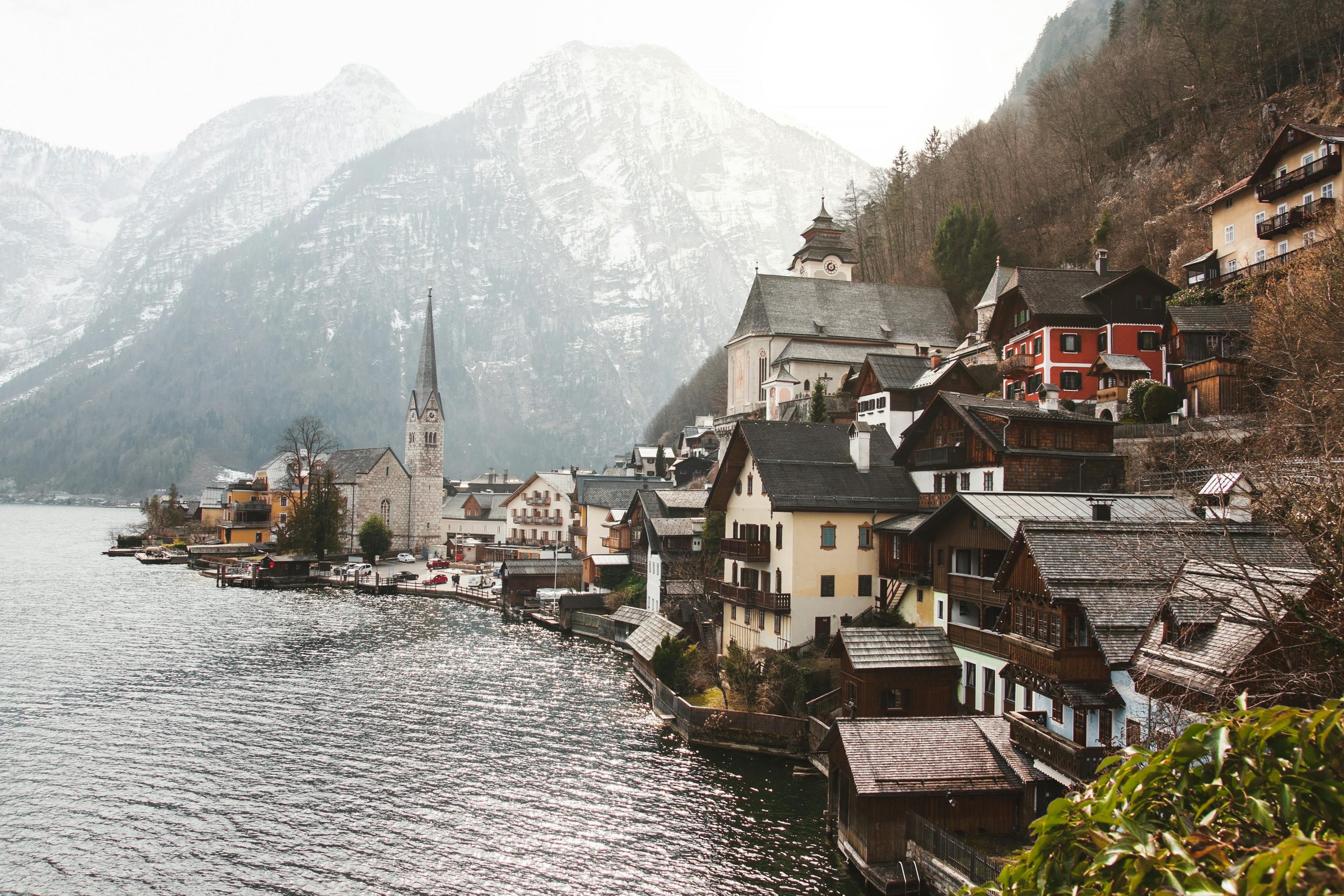
What Is Being Done To Alleviate the Gender Wage Gap in Austria

Gender Wage Gap in AustriaDespite high female employment rates, Austria grapples with one of the European Union’s largest gender pay gaps. Women’s economic independence is hindered by a prevalence of part-time work and unpaid care responsibilities within families, leading to career breaks and financial repercussions. This is compounded by gender segregation in lower-paying service industry jobs, with women significantly underrepresented in leadership positions across sectors such as economy, science, politics and public service. However, two of the most important ways that the gender wage gap in Austria has been addressed are through the National Action Plan (NAP) on Gender Equality in the Labor Market and the Pay Transparency Law.

Action Plan on Gender Equality in the Labor Market

Published in 2010, the NAP outlined strategies for the period spanning from 2010 to 2013 with the goal of eliminating existing gender disparities in the workforce and promoting the strategic and coordinated implementation of diverse initiatives and policies. Notably, the NAP highlighted the fact that women who are not fully integrated into the labor market or are marginally employed face a heightened risk of poverty in their later years. Especially because, in 2007, more than 70% of women who received a net income from the widow’s pension received pensions that fell below the poverty risk threshold, set at 60% of the median income.

During the period spanning 2019 to 2020, the EU-co-funded initiative known as “TRAPEZ – transparent pension future – securing women’s economic independence in old age” conducted an in-depth investigation into Austria’s Gender Gap in Pensions (GGP). The project’s objective was to thoroughly analyze the GGP and recommend practical strategies to mitigate its effects, ultimately bolstering the financial independence of older women.

The strategies outlined in the NAP likely provided important insights and data that informed the direction and focus of the TRAPEZ project. Additionally, the NAP’s emphasis on coordinated implementation of initiatives and policies to address gender disparities in the workforce would have fostered a collaborative approach among stakeholders, including governmental bodies, research institutions and advocacy groups. Overall, by recognizing the heightened risk of poverty faced by women with limited labor market integration or marginal employment, it seems that the NAP laid the groundwork for subsequent initiatives aimed at enhancing women’s financial security and narrowing the gender wage gap in Austria.

The Austrian Pay Transparency Law

Introduced in 2011, the transparency law ensures that if a company has more than 1000 employees, they are required to publish an annual income report detailing information about men’s wages and women’s wages as well as a clear statement of the minimum wage in job vacancy advertisements. Fortunately, there was a more significant wage increase among newly hired women in large firms following the reform compared to newly hired men, indicating a narrowing of the gender wage gap among recent hires.

However, according to results from a regression discontinuity design, the transparency law did not alter wages or the gender wage gap because the law’s impact on employment growth or turnover was small and lacked statistical significance. Notably, for larger firms, the transparency law correlated with a decreased percentage of women employed in treated firms. It seems that the implications for the gender wage gap in Austria, based on the transparency law, are mixed. On the one hand, the transparency law’s requirement for larger companies to disclose wage disparities and minimum wage information in job advertisements has potentially contributed to a reduction in the gender wage gap among recent hires. However, the overall impact of the law on income inequality is limited, as it did not significantly alter wages or the gender wage gap across the board.

Concerns

Transparency law advocates assert that disclosing pay information is crucial in closing the gender pay gap in Austria, as it enables women to confront discriminatory wage practices. However, skeptics express concerns regarding potential administrative burdens and fear that men might capitalize on the disclosed information more effectively than women. Some suggest that the policy’s ineffectiveness could be attributed to the fact that it does not require firms to act upon revealed wage differences. Additionally, the policy’s limited scope, which does not address factors such as firm sorting, may have contributed to its lack of effectiveness.

However, the transparency policy did result in a reduction in the rate at which individuals leave their employment at a treated firm within a given period. This suggests that the policy may have alleviated concerns about unfair pay schedules among workers, leading to higher job satisfaction and reduced turnover.

Final Remark

Currently, the gender wage gap in Austria has reduced from 23.5% to 18.8% from 2011 to 2021. Although this gap remains above the EU average, it is clear that progress has been made in reducing the wage gap over the past decade. Further initiatives focusing on transparency, equitable pay practices and broader gender equality measures will be crucial in achieving lasting change.

– Avery Fuller
Photo: Pexels

April 7, 2024
https://borgenproject.org/wp-content/uploads/borgen-project-logo.svg 0 0 Hemant Gupta https://borgenproject.org/wp-content/uploads/borgen-project-logo.svg Hemant Gupta2024-04-07 07:30:222024-04-05 02:55:31What Is Being Done To Alleviate the Gender Wage Gap in Austria
Global Poverty, Women's Empowerment, Women's Rights

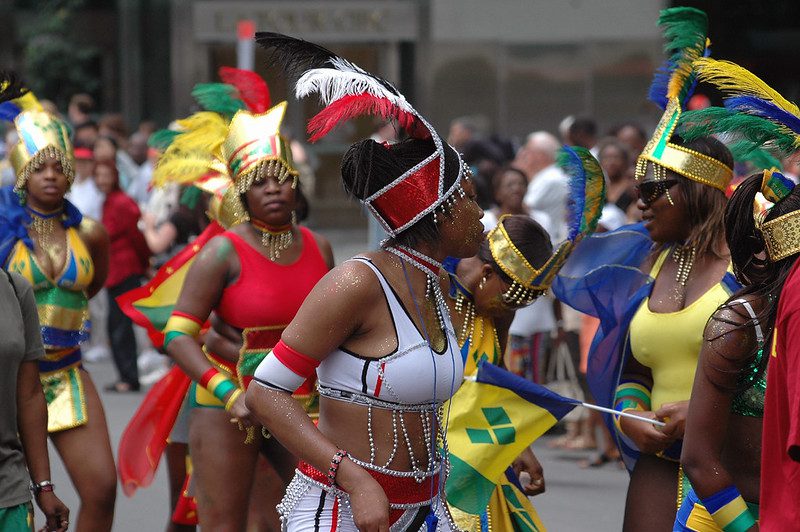
Strides Towards Women’s Rights in Saint Lucia

Women's Rights in Saint LuciaSaint Lucia, a country in the Caribbean, is considered a constitutional monarchy run by a multiparty parliamentary system. While the government works to improve women’s rights in Saint Lucia, there are still issues that persist. It is the perfect example of a country that has made significant progress in combating global poverty but is still in need of support and improvement.

Concerns for Women in Saint Lucia

Top concerns in this country include domestic violence, educational attainment, low wages, instability in the workforce and holding positions of power. 

A Women Count Data Hub research study found a difference in unemployment rates between men and women in Saint Lucia. The unemployment rate for women was 17%, compared to men’s 13.8%. 

In addition, a 2019 national report by the Generation Equality Forum, a convention that prioritizes global gender equality, identified legal reform as a significant factor contributing to such problems.

Legal Reforms for Women’s Rights in Saint Lucia

A slowdown in the judicial process contributes to challenges relating to the mistreatment of women, including an uptick in crime and violence, low prosecution rates for criminals and limited services for processing sex-related crimes. In 1955, the United Nations introduced the Beijing Declaration and Platform of Action Act (BPfa), which highlights specific challenges in the fight for women’s rights worldwide, including Saint Lucia.

Beyond identifying specific obstacles, the Beijing Declaration and Platform of Action Act outline recommendations that would address gender inequities related to victims of sexual violence, financial literacy, building enterprise and more. 

Raise Your Voice Saint Lucia

Additional measures have been taken on the ground. Most notable is Raise Your Voice Saint Lucia, an organization founded in 2012 that is led by women and for women. According to the organization’s mission statement, the purpose is to empower women and children victims of domestic violence through resources that will provide them with the necessary economic and social skills to thrive.

To combat food insecurity among women and children, the organization established the Food Box Program, assisting over 3,000 women and children in Saint Lucia in gaining access to food.

In addition, the organization established a safe housing project and documented helping over 100 victims of abuse and domestic violence. The organization provides victims of gender-based violence with access to secure housing and rental support, empowering self-autonomy among women in abusive scenarios. This initiative paints a clear picture; support for women experiencing violence and abuse is highly critical.

Beijing Declaration and Platform of Action Act (BPfa)

A poverty assessment report found that 17.4% of households led by men were poor. In contrast, 20.4% of households led by women were poor. This divide shows an apparent inequity between men and women when it comes to poverty levels. Such measures outlined in the BPfa suggest that eliminating poverty among women is a top priority as strategic initiatives and solutions are put in place by the government and organizations doing the groundwork.

Other problems, including hunger and domestic violence, can be traced back to poverty. It is an all-encompassing term that can lead to further instability in the lives of individuals. 

On a broader scale, the Ministry of Education, Sustainable Development, Innovation, Science, Technology, and Vocational Training serves to help all citizens of Saint Lucia access equitable educational experiences. 

While not explicitly geared towards women, the ministry offers a variety of resources, including Book Bursary Programmes. This program was introduced in 2002 and actively works toward assisting parents and guardians of children who are unemployed. It provides textbooks and builds literary skills to help women gain the skills needed to attain a more diverse job. 

The BPfA also outlines the importance of expanding access to technology. This will encourage job diversification amongst women due to job segregation among women and women in the workforce. 

Access to such resources continues to expand. In 2019, five information communication and technology centers opened in Gros Islet, a village in Saint Lucia. ICT centers are facilities that provide technological services, typically to larger communities.

A Look Ahead

Overall, there will always be achievements, setbacks and significant challenges in addressing global poverty. Increased government support can play a critical role in tackling gender inequities and poverty in Saint Lucia. Continued support from government and federal agencies is necessary to advance women’s rights and eradicate poverty everywhere.

– Dominic Samaniego
Photo: Flickr

April 1, 2024
https://borgenproject.org/wp-content/uploads/borgen-project-logo.svg 0 0 Jennifer Philipp https://borgenproject.org/wp-content/uploads/borgen-project-logo.svg Jennifer Philipp2024-04-01 01:30:152024-06-04 01:09:01Strides Towards Women’s Rights in Saint Lucia
Developing Countries, Global Poverty, Women's Empowerment

3 Projects Advancing Women’s Rights in Grenada  

Women’s Rights in GrenadaLocated in the eastern Caribbean Sea, Grenada is an island country with approximately 125,000 people. Like other Caribbean countries, Grenada faces several challenges related to women’s rights. For example, one-third of young women in Grenada, Saint Lucia and Jamaica do not participate in education, employment or training due to family responsibilities.

Though the country has made significant strides towards gender parity, such disparities extend to women’s political representation. Additionally, women in Grenada are more vulnerable than men to financial loss from natural disasters and domestic violence. In response to these women’s rights issues in Grenada, the government and nongovernmental organizations (NGOs) are confronting gender-based oppression head-on. Here are three key projects advancing gender equality and women’s rights in Grenada today.

Gender Equality Policy and Action Plan

GEPAP is one of the Grenadian government’s most comprehensive efforts to improve women’s rights thus far. As the project completes its final year, GEPAP strives to invite the participation of women in every aspect of “all political, economic, social, cultural and environmental [programs] and projects.”

In January 2023, GEPAP took a focus on gender-based budgeting. Prepared by the Ministry of Finance, the Gender Budget Statement expressed the government’s continued commitment to women’s rights in Grenada by ratifying numerous anti-discrimination conventions. The document underlines the importance of gender-responsive budgeting, as the government is allocating financial resources to “address gender gaps in all sectors and at all levels.”

With GEPAP, more women have also taken on leadership positions, particularly in politics, schools and courts. In the 2018 elections, women made up 47% of Parliamentary representatives. In the same year, women held the titles of Head of State, Head of Public Service and the Head of the Treasury.

EnGenDER

Led by multiple organizations such as the United Nations (U.N.) Women, Enabling Gender-Responsive Disaster Recovery, Climate and Environmental Resilience in the Caribbean (EnGenDER) is a collaborative effort confronting the disproportionate effects of natural disaster risk on women in Grenada. In the program, food security within the agriculture sector and health and disaster management are highlighted by the National Decision-Making Mechanism for Grenada. Public health crises generally affect women’s food security more than men’s. For instance, during the COVID-19 pandemic in February 2022, the CARICOM Food Security & Livelihoods Survey found that 69% of men “had no difficulties eating” compared to 45% of women.

Changing weather patterns and natural disasters impact Grenadian women similarly, as they are often expected to take on greater household responsibilities. For example, many female farmers accounted for the need to provide for their families when they reported “having less money to spend on climate risk insurance.” The initiative found that this was less of a consideration for male farmers. Single Grenadian women face the impacts of changing weather patterns and natural disasters alongside poverty, making up the “largest segment of the poorest quintile of the population in the country.”

In addition, EnGenDER examines disparities in the medical system in Grenada, as women seek less medical attention but face more reproductive and menstrual health concerns. With its analysis across these sectors, EnGenDER has contributed necessary context to the government’s work on climate resilience for women, encouraging recent developments such as the National Climate Change Policy and the National Adaptation Plan that work in tandem with GEPAP.

GrenadaInfoSPACE

In 2018, a national survey showed that 29% of Grenadian women would experience gender-based violence during their life. The survey was one of few at the time exploring domestic violence but revealed a prevalent struggle among Grenadian women. The Spotlight Initiative to End Violence Against Women and Girls launched GrenadaInfoSAFE in June 2023 to help combat this issue. A digital data system, GrenadaInfoSAFE, is working to gather more information about domestic violence experiences throughout the country.

The platform’s surveys and statistics that follow will help quantify the gravity of the problem. By analyzing the collected data, the project hopes to put a spotlight on domestic violence, which is underreported and neglected in the Caribbean. With more tangible evidence of the specific types of gender-based violence occurring, leaders are better equipped to understand and address the domestic violence challenges undermining women’s rights in Grenada.

As efforts such as GEPAP, EnGenDER and GrenadaInfoSPACE work to bolster women’s rights in Grenada, they empower women everywhere, creating a world and future of greater gender equality.

– Estelle Lee
Photo: Pixabay

March 30, 2024
https://borgenproject.org/wp-content/uploads/borgen-project-logo.svg 0 0 Jennifer Philipp https://borgenproject.org/wp-content/uploads/borgen-project-logo.svg Jennifer Philipp2024-03-30 01:30:452024-03-29 05:40:373 Projects Advancing Women’s Rights in Grenada  
Global Poverty, Women's Empowerment

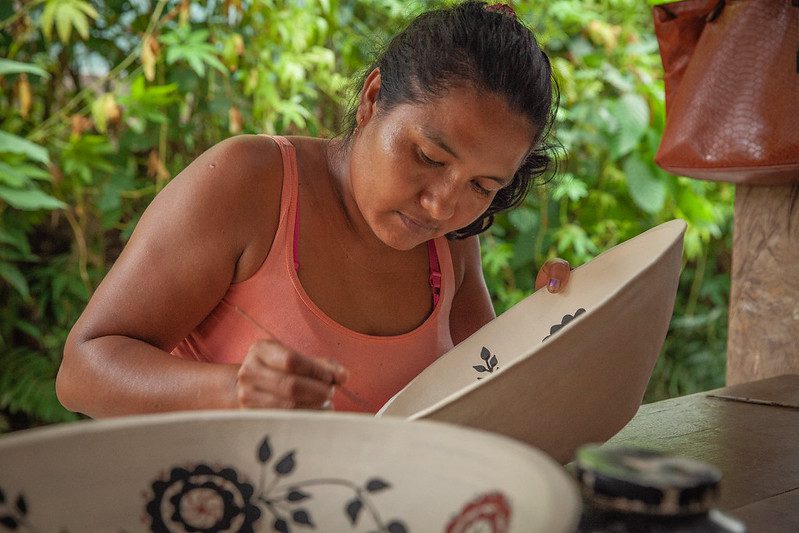
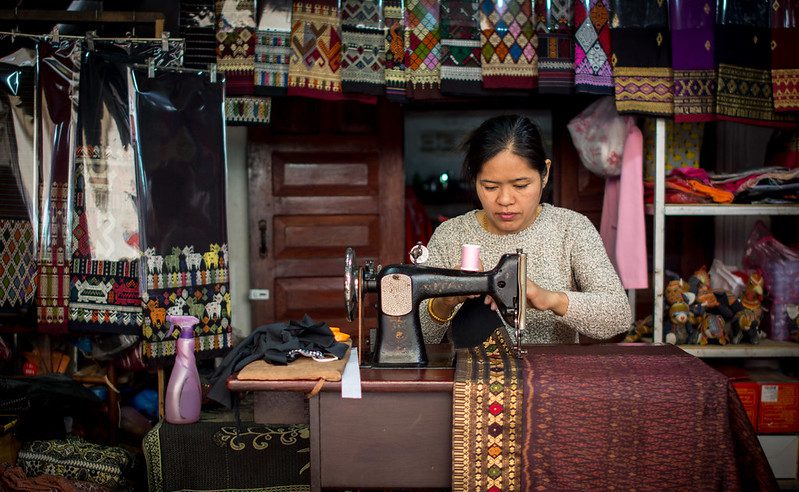
Mayan Embroidery Lifting People Out of Poverty

Mayan EmbroideryIn Belize, more than a third of the population suffered monetary, educational and infrastructural poverty in 2021. Additionally, more than half of the population faced challenges affording sufficient nutrition and basic non-food items in 2018. Furthermore, the limited participation of females in the labor force impedes poverty alleviation efforts and exacerbates the strain on the labor market.

A notable structural discrepancy has existed in employment and poverty outcomes, with women and indigenous Mayans displaying a higher likelihood of being both self-employed and living in poverty. However, a centuries-old Mayan art form once believed to be fading away is experiencing a magnificent revival and is helping to lift Mayan women and men out of poverty in Belize.

The Fashionable Revival of Mayan Embroidery

This revival of traditional Mayan embroidery is evident on websites of online giants such as Etsy and in high-priced boutiques in North America and Europe. Additionally, key public figures in Belize and influencers proudly promote clothing featuring this hand-crafted artwork. Unfortunately, the indigenous women who spend weeks and sometimes months crafting these complex designs do not always see the financial benefits of the work they put into their artistic expression.

However, this narrative is shifting thanks to the Caribbean Development Bank (CDB) and the Sarstoon Temash Institute for Indigenous Management (SATIIM) and SATIIM’s highly praised project, “Fahina: Re-Branding the Creative Industry of Maya Women in Belize.” Initially championed by Belizean intellectual and anthropologist Froyla Tzalam, this initiative received a grant of $130,000 from the Bank’s Cultural and Creative Industries Innovation Fund (CIIF).

MayaBags and Monetary Autonomy

MayaBags was founded to share the art of Mayan embroidery with the world, help alleviate poverty in Belize and help Mayan women become financially autonomous. The artisanal handbags encapsulate a rich narrative of Belizean Maya culture, celebrating its innate creativity and the skilled Mayan artists behind the intricately woven textiles adorning each bag. As a thriving social enterprise, MayaBags collaborates closely with Maya women from the Toledo District, harnessing traditional hand skills that have endured for millennia. These time-honored techniques infuse each bag with a profound sense of heritage, embodying more than 2000 years of Maya craftsmanship.

Since its inception by Judy Bergsma in 1999, MayaBags has flourished, evolving from a small-scale endeavor with just six artisans to a formidable enterprise boasting more than 90 skilled individuals. The demand continues to surge, with many Maya women and men eager to join and contribute to the initiative. Every individual on the MayaBags team has transitioned into a shareholder, marking a significant shift in the artisans’ lives. The impact is profound: nearly all MayaBags workers now have bank accounts, a stark departure from previous hesitance due to feelings of exclusion from the system.

Impacts on Education

Moreover, a substantial change is evident in the education landscape as most artisans’ children are enrolled, some even advancing to high school. This transformation was helped by prioritizing education and the financial means to afford school essentials like uniforms, books, exam fees and transportation fares. Desiree Arnold, the Production and Business Manager for MayaBags in Belize, attested, “Without a market and an ability to pay the artisans for their skills, traditional hand skills will be lost, at one point, forever.” She discusses how, in villages where women are not being encouraged to practice their skills, the quality of their traditional crafts has steadily declined. However, traditional skills thrive in the nine villages where MayaBags operates and remain vibrant.

Conclusion

The success story of MayaBags serves as a testament to the transformative potential of empowering local artisans and fostering entrepreneurial endeavors rooted in cultural heritage. By providing avenues for economic autonomy and education, initiatives like MayaBags preserve traditional hand skills and uplift entire communities, paving the way for a more equitable and prosperous future in Belize.

– Lilah Dees
Photo: Flickr

March 28, 2024
https://borgenproject.org/wp-content/uploads/borgen-project-logo.svg 0 0 Hemant Gupta https://borgenproject.org/wp-content/uploads/borgen-project-logo.svg Hemant Gupta2024-03-28 07:30:522024-03-27 05:12:40Mayan Embroidery Lifting People Out of Poverty
Global Poverty, Women's Empowerment

Advancing Women’s Rights in Andorra

Advancing Women's Rights: Legislation and Progress in Andorra On Jan. 15, 1997, Andorra submitted its accession document for the Convention on the Elimination of All Forms of Discrimination against Women (CEDAW) to the United Nations (U.N.)  Secretary-General. Women’s rights in Andorra have recently made significant advances, positioning at the forefront of gender equality efforts.

Andorra, nestled between France and Spain, this small European country has taken significant strides to ensure that women have equal opportunities and protections under the law. Central to this endeavor are various pieces of legislation aimed at combating discrimination, protecting against violence and promoting gender parity across different spheres of society.

Andorra’s Legislative Framework

In 2022, the country took a significant step toward gender equality by enacting a law aimed at ensuring equal treatment and opportunities for women and men, thereby prohibiting gender-based discrimination. Moreover, this landmark legislation outlines measures to foster gender parity across employment, education and public spheres. It underscores Andorra’s commitment to a society where individuals are valued for their skills and contributions, regardless of gender.

Combating Domestic Violence and Sexual Harassment

Addressing the scourge of domestic violence, Andorra has implemented robust legal measures to protect victims and hold perpetrators accountable. The Law on Domestic Violence Prevention and Protection provides a legal framework for addressing domestic violence and ensuring the safety and well-being of survivors.

Furthermore, Andorra’s laws clearly outline how to report incidents, obtain protection orders and access support services, showing its firm stance against domestic violence. The country also combats sexual harassment through legislation, ensuring victims have routes for action and remedy. This approach underscores Andorra’s commitment to creating a respectful, intimidation-free environment where survivors receive the support needed to pursue justice and rebuild their lives.

In addition, Andorra has enacted laws against sexual harassment, covering workplaces and other environments to give victims routes for action and remedy. These laws define sexual harassment, outline reporting processes and aim to foster a culture of respect, ensuring everyone’s right to work and live free from harassment and fear.

Promoting Gender Equality in Politics and the Workplace

In 2021, Andorra made strides in political gender equality by implementing legal amendments that aligned with CEDAW Committee recommendations. These changes mandate a gender quota, requiring that each electoral list includes at least 40% of candidates from each gender, promoting balanced representation in democratic institutions.

Moreover, the Law on Political Parties mandates that political parties actively promote gender equality within their organizations. This may include measures such as ensuring gender balance in party leadership positions and candidate lists for elections. Andorra promotes women’s voices and perspectives in its decision-making processes by advocating for increased political presence.

Furthermore, labor laws in Andorra also play a crucial role in advancing women’s rights and gender equality. These laws prohibit discrimination in employment based on gender and ensure equal pay for equal work. By prohibiting employers from discriminating against women in hiring, promotion or terms and conditions of employment, the nation seeks to create a level playing field where individuals are judged based on their skills and qualifications rather than their gender.

Safeguarding Family and Social Rights

Furthermore, Andorran family law includes provisions aimed at safeguarding the rights of women and children within the family unit. These provisions address issues such as marriage, divorce, child custody and parental rights, with an emphasis on promoting equality and protecting the interests of vulnerable individuals.

In addition, Andorra has made notable progress in advancing women’s rights and gender equality through a series of progressive laws and initiatives across society. By implementing legislation to address discrimination, prevent violence and ensure gender parity, Andorra reaffirms its commitment to building an equitable society where everyone, irrespective of gender, can achieve their highest potential.

– Rhys Woodward
Photo: Unsplash

March 20, 2024
https://borgenproject.org/wp-content/uploads/borgen-project-logo.svg 0 0 Precious Sheidu https://borgenproject.org/wp-content/uploads/borgen-project-logo.svg Precious Sheidu2024-03-20 03:00:442024-06-11 00:12:44Advancing Women’s Rights in Andorra
Page 12 of 54«‹1011121314›»

Get Smarter

  • Global Poverty 101
  • Global Poverty… The Good News
  • Global Poverty & U.S. Jobs
  • Global Poverty and National Security
  • Innovative Solutions to Poverty
  • Global Poverty & Aid FAQ’s
Search Search

Take Action

  • Call Congress
  • Email Congress
  • Donate
  • 30 Ways to Help
  • Volunteer Ops
  • Internships
  • Courses & Certificates
  • The Podcast
Borgen Project

“The Borgen Project is an incredible nonprofit organization that is addressing poverty and hunger and working towards ending them.”

-The Huffington Post

Inside The Borgen Project

  • Contact
  • About
  • Financials
  • President
  • Board of Directors
  • Board of Advisors

International Links

  • UK Email Parliament
  • UK Donate
  • Canada Email Parliament

Get Smarter

  • Global Poverty 101
  • Global Poverty… The Good News
  • Global Poverty & U.S. Jobs
  • Global Poverty and National Security
  • Innovative Solutions to Poverty
  • Global Poverty & Aid FAQ’s

Ways to Help

  • Call Congress
  • Email Congress
  • Donate
  • 30 Ways to Help
  • Volunteer Ops
  • Internships
  • Courses & Certificates
  • The Podcast
Scroll to top Scroll to top Scroll to top