• Link to X
  • Link to Facebook
  • Link to Instagram
  • Link to TikTok
  • Link to Youtube
  • About
    • About Us
      • President
      • Board of Directors
      • Board of Advisors
      • Financials
      • Our Methodology
      • Success Tracker
      • Contact
  • Act Now
    • 30 Ways to Help
      • Email Congress
      • Call Congress
      • Volunteer
      • Courses & Certificates
      • Be a Donor
    • Internships
      • In-Office Internships
      • Remote Internships
    • Legislation
      • Politics 101
  • The Blog
  • The Podcast
  • Magazine
  • Donate
  • Click to open the search input field Click to open the search input field Search
  • Menu Menu

Archive for category: Women’s Empowerment

Education, Global Poverty, Women's Empowerment

Educate Girls’ Drive for Education Equality in India

Educate GirlsWith the persistence of socioeconomic disparities, Educate Girls has decided to fight for education equality across India’s rural populations. This nonprofit organization, was founded with a vision to bridge the gender gap in education. It works hand in hand with the government, communities and a dedicated team of volunteers known as “Team Balika.” Educate Girls is committed to ensuring that every girl, even in the remotest parts of India, has access to primary schooling and receives a quality education.

The Genesis of Educate Girls

Educate Girls was established in 2007 by Safeena Husain to address the stark gender disparities prevalent in India’s education system. Husain was inspired by the belief that educating girls positively impacts families, communities and the nation. This has led the initiative to take its place among strong global organizations. Husain created the organization to stand out from other foundations. He added that “while there are other credible nonprofits in India and globally that are doing credible work for girls’ education, our program model and approach are entirely different. Educate Girls perhaps is the only NGO that has systemic reform as its program model.”

Educate Girls has enrolled more than 1.4 million young girls in school. All this while encouraging 18.6 million children to gain an education through the Indian government’s education system. Over the years, the organization has collaborated with more than 21,000 gender champions in various disparaged villages. The team has worked in more than 24,000 villages in numerous Indian states, including Rajasthan, Uttar Pradesh and Bihar. Using the government’s education funding, Educate Girls’ team members identify girls who cannot receive an education and help enroll them in community schooling to gain basic literacy skills.

Team Balika – The Force of Change

At the heart of Educate Girls’ operations lies Team Balika, a network of community and village-based volunteers. They passionately work towards the organization’s goals. These volunteers are equipped with the knowledge and tools to engage with families, schools and local authorities, acting as catalysts for change. Team Balika fosters community involvement and ensures the transformation is sustainable and ingrained in the social fabric.

Development Impact Bonds

Development Impact Bonds were a product of Educate Girls’ partnership with UBS Optimus Foundation and Children’s Investment Fund Foundation. The project, launched in 2015, links monetary funds to tangible results, offering an innovative investment approach backed by evidence of outcomes. Under Husain’s leadership, the team agreed to improve literacy and numeracy and school enrollment rates among girls aged 7 to 14 in Bhilwara, Rajasthan.

Based on Educate Girls’ success rate, the Children’s Investment Fund Foundation (CIFF) would pay the organization’s funders $270,000 in addition to extra returns. Over three years, Educate Girls surpassed both target goals, achieving 160% of its learning and 116% of its enrollment targets. Education levels for students studying in program schooling increased by 79%, with 768 young girls enrolled.

Project Pragati

In India, 66 million girls aged 15 to 25 are at risk of never pursuing an education beyond 8th grade. A host of factors hinder many girls’ education past a certain age. These include child marriage, early motherhood, poverty and lack of access to higher education. Project Pragati aims to build pathways for girls to complete at least a 10th-grade education to push towards employment, job training or university education.

Geetika Tondon, Project Pragati’s leader, builds upon the girls’ agency to make their own decisions, stating that “we do this by enabling access to quality education through open schools and by connecting them to skilling and livelihood opportunities. We conduct learning camps in the villages at the doorstep of the girls.” Camps provide exam preparation and a safe space for girls to be themselves while aspiring for more than a traditional role.

Collaborations and Future Endeavors

Educate Girls aligns its efforts with various government initiatives and programs, seamlessly integrating its strategies with existing frameworks. The organization maximizes its reach and effectiveness by leveraging the strengths of both nonprofit and governmental sectors. India, with one of the highest poverty rates globally, presents unique challenges to education equality.

Educate Girls navigates through these hurdles by employing a multi-pronged approach. This includes community mobilization, awareness campaigns and innovative teaching methods to make education more accessible and appealing to girls. As the program continues to break barriers and transform lives, its impact resonates far beyond the boundaries of the classroom, creating a ripple effect that reverberates through generations.

– Megha Gupta
Photo: Flickr

March 7, 2024
https://borgenproject.org/wp-content/uploads/borgen-project-logo.svg 0 0 Hemant Gupta https://borgenproject.org/wp-content/uploads/borgen-project-logo.svg Hemant Gupta2024-03-07 01:30:582024-03-06 03:57:27Educate Girls’ Drive for Education Equality in India
Gender Equality, Global Poverty, Women's Empowerment

The World Bank’s New Gender Strategy: Female Leadership

World Bank's New Gender StrategyAcross the world, gender equality is “an urgent imperative,” according to the World Bank. The global community is currently grappling with an unparalleled series of crises disproportionately affecting women and girls. Gender equality is a cornerstone for fostering a world characterized by peace and prosperity, playing an essential role in the global developmental trajectory.

While achieving gender equality is a continuous challenge for the worldwide community, the proposed World Bank Gender Strategy 2024-2030 attempts to “accelerate gender equality for a sustainable, resilient and inclusive future in alignment with the World Bank Evolution Roadmap.” The strategy actively promotes engagement with public and private sector clients, development partners, civil society and other critical stakeholders to achieve key objectives. Objectives include engaging women as community leaders and increasing opportunities for women, both crucial in addressing gender-specific challenges and promoting overall economic and social progress.

Empowering Women in Eastern and Southern Africa

The World Bank article, “Transforming the Lives of Women and Girls in Eastern and Southern Africa,” focuses on applying the institution’s new Gender Strategy in East and South Africa from 2016-2023 and exploring the future implications of this updated approach. In both Eastern and Southern Africa, women and girls are faced with extreme educational and economic disadvantages continuously. While essential strides for gender equality have been made within these regions, there is still far more to achieve.

“In AFE countries, only 26% of women had an account with a financial institution in FY17 and women are 24% less likely than men to have an account. Only 10% of women borrowed for their business or farm and business ownership is disproportionately skewed toward men; for instance, 70% of Rwanda’s businesses are owned by men.” Ultimately, the World Bank hopes to close these gender gaps and boost female empowerment by continuing to engage women as leaders and increase their opportunities within communities.

Addressing Gender Disparities

In response to the challenges of gender equality, specific projects have been launched by the World Bank’s Gender Strategy to increase women’s participation in entrepreneurial endeavors. One example is the Ethiopia Women Entrepreneurship Development Project, aiming to increase earnings and employment for women in targeted cities. The program guarantees participants access to finances and supports the development of their entrepreneurial and technical skills. It has provided more than 24,000 women with loans, leading to an average income increase of 68%.

The Intersection of Gender Equality and Global Health

The World Bank will continue establishing and developing its New Gender Strategy program because of the positive effects investing in women and girls can have within communities, as shown through a U.N. case study on investing in women’s leadership. The disproportionately high HIV infection rates among adolescent girls and young women, especially in sub-Saharan Africa, stem from intersecting factors such as unequal power dynamics, gender norms and limited access to health care and resources.

To combat this, empowering young women through providing education, access to resources and leadership opportunities is crucial for reducing HIV incidence and achieving global health and gender equality targets. “The world will not be able to defeat AIDS while reinforcing patriarchy. The only effective route map to ending AIDS and achieving the Sustainable Development Goals is a feminist route map,” quoted Winnie Byanyima, the Joint United Nations Programme on HIV/AIDS (UNAIDS) Executive Director.

In Summary

The pursuit of gender equality remains an urgent global imperative, especially amid crises disproportionately impacting women and girls. The World Bank’s Gender Strategy 2024-2030 aims to accelerate equality and global improvements by empowering women as leaders within communities and achieving goals of economic gender equality. Initiatives like the Ethiopia Women Entrepreneurship Development Project exemplify targeted efforts to enhance women’s economic participation and empowerment, echoing the broader call to bridge gender gaps worldwide.

– Marisa Kole
Photo: Unsplash

February 28, 2024
https://borgenproject.org/wp-content/uploads/borgen-project-logo.svg 0 0 Hemant Gupta https://borgenproject.org/wp-content/uploads/borgen-project-logo.svg Hemant Gupta2024-02-28 07:30:342024-02-27 04:53:21The World Bank’s New Gender Strategy: Female Leadership
Global Poverty, Women's Empowerment

The Rosie May Foundation: Empowering Communities

The Rosie May FoundationSince 2017, bright pink tuk-tuks have proudly taken to the streets of Sri Lanka. Women operate these taxis exclusively, despite men’s objections in the town. They provide mothers with a stable income and children with a space safe from harassment, a problem faced by 90% of Sri Lankan women. These tuk-tuks are now only available in Galle, Sri Lanka, but the desire is to expand the fleet nationwide. However, the roots of this initiative lie with a small family in Nottingham, U.K.

Backstory of the Foundation

Rosie May Storrie was a bright 10-year-old girl who “drew everyone towards her like a magnet.” But just after Christmas of 2003, she was viciously murdered by a 17-year-old boy at a Christmas party. A year later, the family decided to take a trip to Sri Lanka, where they planted a palm tree in her memory. Unfortunately, the Storrie family faced a second tragedy while staying in Sri Lanka. They coincided with the devastating Indian Ocean earthquake of 2004. This earthquake triggered a tsunami that hit the coast of Sri Lanka and many other countries.

Although the 9.1 magnitude earthquake was the third largest since 1900, it did not contribute largely to the death toll. The deadly tsunami that followed 20 minutes later raised the number of fatalities from 1000 to more than 60,000 across 14 countries. In Sri Lanka alone, the death toll was 35,322.

Rosie’s palm tree stood tall among the carnage and damage, surprising the Storrie family. They were inspired to “turn tragedy into hope” by this. They wanted to protect children and families who had suffered in Sri Lanka, so the Rosie May Foundation was born.

Their Work

They started by providing shelter for kids suffering from the tsunami’s loss in Sri Lanka. The Rosie May Foundation has many projects addressing different issues raised by the disaster and has expanded its work to Nepal. They focus on keeping families together, educating the vulnerable and giving them the tools to escape poverty.

The Future Is Pink

The pink tuk-tuks are part of a “the Future is Pink” project. The program provides women with a regular income and allows other mothers to earn money elsewhere as they do not need to escort their children to school. The foundation has given 215 single mothers the education and opportunity to generate income independently.

Girls Can Surf

“Girls Can Surf” is another program of the Rosie May Foundation that pushes the cultural boundaries in Sri Lanka. Oxfam reports that 80% of those who drowned during the tsunami were female and yet there is still a stigma associated with women swimming. “Culturally, women and girls in rural Sri Lanka do not swim, even though the country is an island.” The 2020 Drowning Prevention Report identifies that, in Sri Lanka, drowning is the leading cause of accidental death among 1- to 14-year-olds. The Rosie May Foundation tears down this stigma and teaches young girls how to swim and surf.

One Light, One Child

The project “One Light, One Child” tackles the issue of the energy sector and poverty concerns in Nepal. According to the United Nations Development Program (UNDP), 60% of the population has no access to electricity. The Rosie May Foundation has distributed more than 500 solar lights across rural areas to ensure children can do their homework and that their education is uninterrupted.

Conclusion

The Rosie May Foundation boldly defies gender expectations with its projects and tackles various poverty aspects impacting Southeast Asia. The Storrie family intends to keep Rosie May’s legacy alive through their hard work.

– Liz Johnson
Photo: Pixabay

February 27, 2024
https://borgenproject.org/wp-content/uploads/borgen-project-logo.svg 0 0 Hemant Gupta https://borgenproject.org/wp-content/uploads/borgen-project-logo.svg Hemant Gupta2024-02-27 07:30:332024-02-27 02:58:27The Rosie May Foundation: Empowering Communities
Global Poverty, Women's Empowerment

Fiji Fisheries Contribute To Addressing Gender Inequality in Fiji

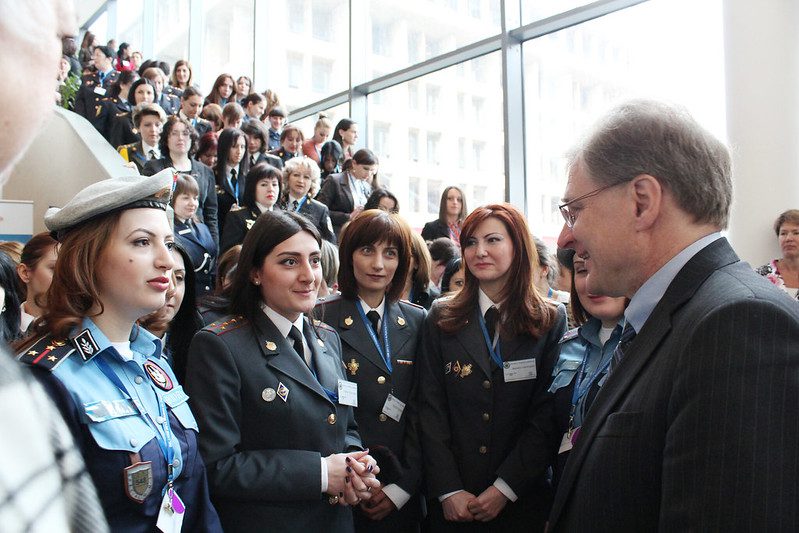
Gender Inequality in FijiIt may be surprising that Fiji is using the fishing industry in order to deal with gender inequality, but it is proving extremely effective. Fiji is a prime example where a country has taken one of the Sustainable Development Goals (SDG), within this case SDG 5 – Gender Equality, and put it within the context of their island’s most important employment sector – fishing.
Poverty in Fiji

According to the Asian Development Bank (ADB), in 2019, around 24.1% of the population in Fiji was living below the poverty line and this greatly impacts women and highlights the importance of promoting gender equality within the fishing sector, not only to further gender equality in Fiji but to reduce the number of people living in poverty. According to the World Bank, in 2016, women spent 15.2% of their time doing unpaid work, compared to 5.2% for men, showing a clear employment disparity.

The Issue

Women play a key part in Fiji’s fishing industry, yet still face disadvantages in comparison to their male counterparts. Already women play a large part in small-scale fisheries within Fiji, but many often regard their work as an extension of their housework due to their involvement predominantly being post-harvest as well as being within the clerical realm. This continues their financial reliance on men due to these jobs being low paying, even sometimes non-paying, and suppresses women from taking roles in the management and decision-making area of fisheries.

According to the World Bank, in Fiji, women spend almost three times as much time on unpaid domestic and care work than men, showing the disproportionate impact on women and the barriers and challenges women face to escape poverty. This is where Women in Fisheries Network-Fiji steps in.

Women in Fisheries Network – Fiji (WiFN-Fiji)

Women in Fisheries Network-Fiji (WiFN- Fiji) was founded in 1993 and aims to inform women about all aspects of sustainable fisheries. To educate women on the gender inequality within the fishing sector, to educate women on the importance of financial independence, as well as to encourage women to participate in the decision-making and management side of the fisheries. Its dominant aim is to enable women to have the knowledge and tools to take part in and promote female employment within the fishing industry.

WiFN-Fiji has run two workshops in recent years that focused on gender inequality in local regions, emphasizing the importance of recognizing this inequality within Fijian society and educating participants on this inequality. It has also worked collaboratively with Westpac Bank to create programs that help women deal with their finances independently of men.

WiFN-Fiji receives funding from governments, NGOs as well as charities, all to further their cause. By providing training and education at a local level, WiFN-Fiji aims to improve women’s opportunities and more than 80% of participants in these workshops in Tailevu and Ba rated them as effective, showing the impact these workshops are having.

The WiFN-Fiji demonstrates how the fishing industry in Fiji can reduce gender inequality, lead to societal re-education and change and enable women to escape poverty.

– Cordelia Moore
Photo: Flickr

February 27, 2024
https://borgenproject.org/wp-content/uploads/borgen-project-logo.svg 0 0 Kim Thelwell https://borgenproject.org/wp-content/uploads/borgen-project-logo.svg Kim Thelwell2024-02-27 03:00:322024-06-11 00:12:43Fiji Fisheries Contribute To Addressing Gender Inequality in Fiji
Global Poverty, Women's Empowerment, Women's Rights

Advancing Women’s Rights in Georgia

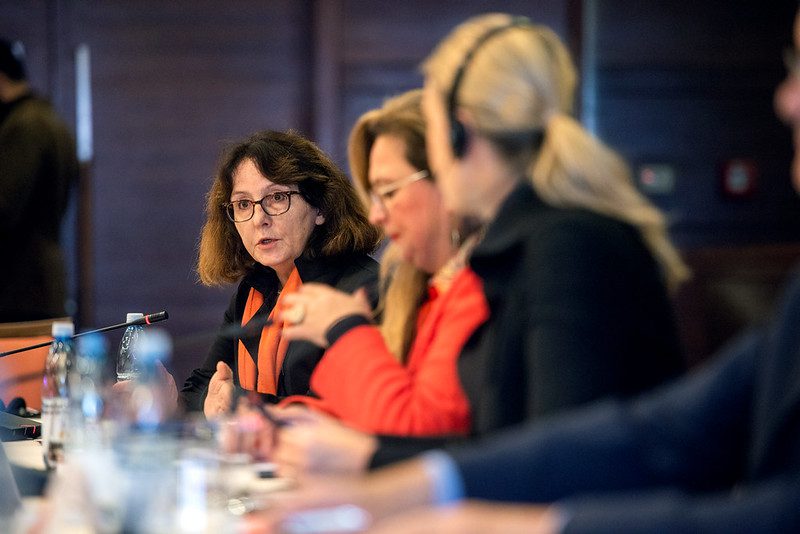
Women's Rights in GeorgiaTraditional gender norms and stereotypes in Georgia have led to inequality between men and women. A lack of equality between men and women’s rights has led to issues such as a 21.4% gender wage gap at a monthly level, a lack of women’s representation in political processes and poor education for women. However, there are four main areas where various projects are improving women’s rights in Georgia
Legislative Reforms

There have been numerous legislative reforms the government implemented to help protect women’s rights in Georgia. For example, in September 2022, the Government approved the second National Strategy for the Protect of Human Rights in Georgia for 2022-2030, which includes a whole chapter that focuses on gender equality. One major legal reform is the Istanbul Convention, which the Council of Europe adopted in 2011, stating that violence against women is a human rights violation and a form of discrimination. This was an incredibly important reform due to the high rates of physical and sexual violence against women in Georgia. According to the EU4GenderEquality: Reform Helpdesk, 6% of women in Georgia are victims of physical and/or sexual violence and there is a 14% rate of child marriage, compared to 1% of boys married before the age of 18.

In 2017, the Georgian government ratified the Istanbul Convention, confirming its commitment to combatting violence against women. Legislation reforms are important for protecting women’s rights in Georgia, as certain laws treat violence against women as a punishable offense, therefore encouraging women to report any instances of violence and rape.

Education and Awareness Programs

Another issue affecting women’s rights in Georgia Is the lack of comprehensive education for girls and women. Many girls drop out of school early due to child marriage. According to Girls Not Brides, in 2018, 48% of women between the ages of 20-49 were married before the age of 18 and only 29% completed upper secondary education, 14% completed vocational education and 8% completed higher education.

The ongoing education system reform aims to make education more flexible and modern and it focuses on quality education outcomes. The government developed a funding system to support inclusive education for children of all genders and special education needs. In 2018, the government also developed informational databases to collect data on persons with disabilities, including girls with disabilities in education, to help improve the quality of their education.

Furthermore, in 2019, “GITA launched a program for 3,000 advanced IT specialists in highly demanded professions.” The number of women and girls’ enrollment in the courses “has increased significantly” where “at least 45% of the beneficiaries of the Agency’s ICT courses are women,” according to U.N. Women.

U.N. Women reports that “GITA is also running STEAM boot camps where participants are chosen following strict gender balance, to ensure there are equal amounts of male and female participants enrolled.” Ensuring that women and girls have equal access to education is incredibly important, as it helps them to gain independence to the ability to seek employment later in life.

Women’s Participation in Politics

Efforts to increase women’s representation in political and decision-making processes could help to empower women and encourage more women to participate in leadership roles, leading to equality. Only 11% of women in Georgia are parliamentarians in national and local governments, meaning that there’s still a lot of work necessary. However, electoral reforms in Georgia established compulsory gender quotas to create gender balance in the party list in the elections. Although women’s participation in politics remains low, this is still a huge step towards gender equality.

Economic Empowerment

Economic empowerment is crucial for reducing gender disparities and financial independence.  In 2020, the government introduced the Law of Georgia on Labour Assistance, which aims to support Georgians find employment. Furthermore, it added a provision on equal pay for work of equal value to the Labour Code, meaning that employers must ensure equal pay for men and women for the equal work they perform, according to the EU4GenderEquality: Reform Helpdesk.

In addition to this, the government’s SME Development Strategy of Georgia 2021-2025 aims to promote the development of women’s entrepreneurship in small and medium-sized enterprises (SMEs). The government aims to achieve this through “popularising the Women’s Empowerment Principles (WEPs), improving gender statistics in state programs, promoting women’s participation in state programs, strengthening women’s digital skills and the capacity building of state agencies to enable them to mainstream gender in their programs,” according to the EU4GenderEquality: Reform Helpdesk.

Overall, while there is still a lot of work necessary to help advance women’s rights in Georgia, the country has come a long way in its commitment to providing gender equality.

– Bethany O’Connell
Photo: Flickr

February 26, 2024
https://borgenproject.org/wp-content/uploads/borgen-project-logo.svg 0 0 Naida Jahic https://borgenproject.org/wp-content/uploads/borgen-project-logo.svg Naida Jahic2024-02-26 03:00:372024-02-25 07:52:13Advancing Women’s Rights in Georgia
Global Poverty, Women's Empowerment

Empowerment Initiatives for Women in Palau

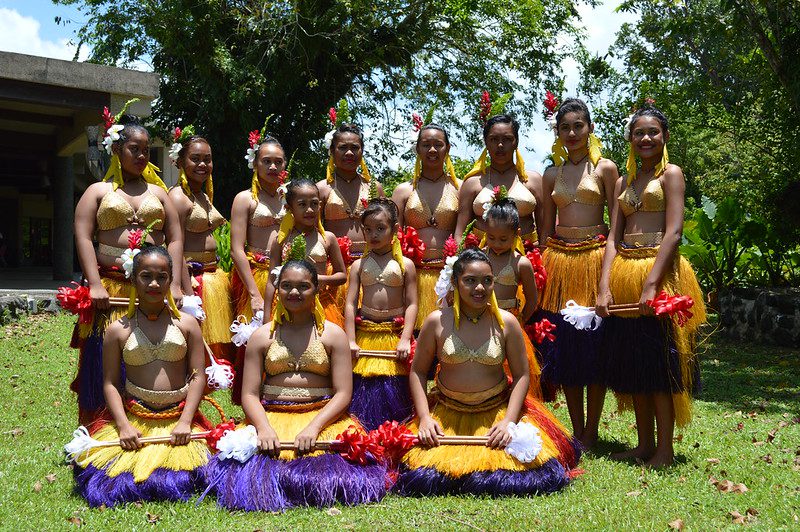
women in PalauPalau, a beautiful archipelago nation in the Pacific, has been facing significant obstacles related to gender equality and women’s empowerment. The population of Palau is around 22,000 as of 2023. The sex ratio in the total population is approximately 1.07 males for every female, indicating a slightly higher number of males compared to females. This distribution translates to approximately 53.9% males and 46.1% females in the total population.
Women in Palau

Domestic violence remains a significant problem, with one in four women experiencing physical or sexual violence by a partner in their lifetime. A lack of institutional support for tackling domestic violence further exacerbates this issue. Additionally, while women still play roles in traditional decision-making, there is still an underrepresentation of women in the political arena. Another concern is the limited childcare provision in Palau, along with a lack of standard regulation for daycare facilities. These challenges highlight areas where further work is necessary to ensure true gender equality in Palau. However, alongside these challenges, women in Palau have achieved significant progress as well.

Women in Political Leadership

A landmark event in 2023, the first-ever “Meeting of Women in Elected Leadership” in Palau, marked a pivotal moment for women’s political representation and gender equality in Palau. With the support from the International Organization for Migration (IOM), this event brought together 33 women members from the Senate, House of Delegates, State Executives and State Legislatures of Palau. The meeting aimed to reflect on the challenges and successes of women in government and to recommend actionable changes to enhance women’s empowerment in decision-making institutions.

Palau’s second female Vice President, Honorable Vice President J. Uduch Sengebau Senior, emphasized the critical role of women’s representation in public office for achieving Palau’s developmental objectives. Despite their presence in various executive and legislative roles, the number of women in these positions remains relatively low, with women holding only 6% of seats as of 2022, indicating an ongoing need for improvement.

Gender Equality in Disaster Risk Management

Palau has also been proactive in incorporating gender perspectives into its disaster risk management. Palau’s National Emergency Management Office (NEMO), Bureau of Ageing, Disability and Gender (BADG) and UNDP conducted a training workshop where participants received training to integrate gender, age, disability and cultural perspectives into disaster risk management policies and practices.

This initiative is part of the broader Enhancing Disaster and Climate Resilience through Improved Disaster Preparedness and Infrastructure (EDCR) project, which aligns with Palau’s national goals, including gender equality and women’s and girls empowerment. The EDCR project aims to strengthen gender-sensitive disaster communication, enhance disaster responders’ readiness and improve community disaster resilience with integrated gender and social inclusion awareness​.

Pacific Women Lead Program

Tkakl Mekreos, the Pacific Community (SPC) Country Focal Officer for Pacific Women Lead, is working closely with the Palauan Government and communities to promote gender equality. He focuses on changing the traditional narrative that confines women to caregiving roles, advocating for women’s participation in decision-making and leadership positions. A significant achievement in this regard is the development of the National Women’s Forum in Palau for International Women’s Day, which has become a well-established platform for discussing women’s issues and empowerment.

The 2021 Pacific Women Lead program, a major five-year commitment to gender equality, also plays a central role in SPC’s work for gender equality in the Pacific. With support from Australia, the program provides technical, convening and funding support to government ministries and civil society partners, driving gender equality efforts in the region. Australian government allocated $170 million for initiatives across 14 Pacific Island countries, indicating a broad and significant impact on women’s lives in these regions. Although a precise number of women directly benefited is not specified, the program’s wide-reaching initiatives and partnerships suggest a substantial impact on women’s lives in the Pacific​​​​.

The progress reflects a growing recognition of the importance of women’s rights and gender equality in Palau across various sectors. The initiatives, ranging from political representation to disaster risk management and regional gender equality programs, demonstrate Palau’s commitment to creating a more inclusive and equitable society. Continued efforts in these areas will be crucial for ensuring that women in Palau not only have equal opportunities but also play a pivotal role in shaping the future of their nation.

– Hosna Hossain
Photo: Flickr

February 26, 2024
https://borgenproject.org/wp-content/uploads/borgen-project-logo.svg 0 0 Naida Jahic https://borgenproject.org/wp-content/uploads/borgen-project-logo.svg Naida Jahic2024-02-26 01:30:492026-04-16 10:12:34Empowerment Initiatives for Women in Palau
Global Poverty, Women's Empowerment

The CURE Foundation: Women in Bosnia and Herzegovina

Women in Bosnia and HerzegovinaEmpowering women is crucial for gender equality in Bosnia and Herzegovina. While women’s empowerment has often been treated as something that can be bestowed onto female subjects, the CURE Foundation (Fondacija CURE) in Bosnia and Herzegovina challenges this limiting view, recognizing its insufficiency as a transformative strategy for development. Instead, the feminist activist group centers its focus on re-educating, training and engaging with women of all ages to break down socially constructed norms that restrict their agency by reinforcing reductive, patriarchal beliefs.

Women’s Empowerment in Bosnia and Herzegovina

Since the offset of the 21st century, a myriad of nongovernmental organizations (NGOs), development agencies and charities have embarked on the mission of empowering women in Bosnia and Herzegovina to fight against gendered poverty, which is particularly rampant in the country’s rural areas. Vast improvements have been made across the country and the end of the Bosnian War created a political climate that ushered in feminist activism. This activism aims to combat the gendered impacts of the war that further entrenched the notion of women as victims.

The reality that marginalized gender identities are more affected by poverty than heterosexual men is a condition brought about by unbalanced power relations. In this context, women, in particular, are excluded from decision-making processes, policy-making procedures, job progression, skill development and, consequently, the realization of their agency. Research presented by the European Commission showcases the dichotomy of economic realities and opportunities between women and men in Bosnia and Herzegovina.

The study highlights how women earn 46% less than men in the same job, occupy only 40% of managerial positions (a figure which is even lower in the political sector) and have an employment rate of 24.9%. The reduced space allowed for women regarding economic participation increases their vulnerability to poverty. Coupling this with data that demonstrates how one in three women in Bosnia and Herzegovina experience violence in their lifetime, it showcases how women may also be trapped in relationships of dependency. These dependencies are sustained through socially constructed norms reinforcing the “female” duties of caregiver, mother and wife.

History of the CURE Foundation

In the CURE Foundation’s 18 years of activism, the NGO has pioneered a plethora of projects, events, research initiatives and demonstrations that have all contributed to empowering women in Bosnia and Herzegovina. CURE’s strategy involves disseminating knowledge through various channels to increase the visibility of women in decision-making positions. These institutional channels take the form of public protests, workshops in schools, publishing research regarding gendered violence, educating community leaders and organizing campaigns to deconstruct stereotypes that limit women from accessing equal opportunities.

Education and Encouragement Lead to Empowerment

Despite the proliferation of programs aimed at empowering women in Bosnia and Herzegovina, their transformative impact has been limited by a focus on short-term, economic-related results. However, CURE targets the structural inequalities that hinder the realization of women’s empowerment. An example of this is CURE’s “Speak up against violence!” (Progovori o nasilju!) project.

The project targeted gender-based violence by engaging with five organizations across Bosnia and Herzegovina. Each of these organizations put forward two women to undergo training on how to effectively create safe spaces for women, encouraging them to talk about violence and move away from its normalization. Promoting messages such as “I can say no – Love is not violence” on social media platforms has also aided in expanding the audience to other gender identities, thus fostering healthier environments in which the re-framing of rights can take place.

This has a profound impact on empowering women in Bosnia and Herzegovina by shifting narratives of powerlessness to power within. Thus, it mobilizes women in a way that ceases to perpetuate depictions of women as agent-less victims.

Forming Gender-Sensitive Local Policies

The exclusion of women’s voices from policy-making processes reinforces their marginalization and creates strategies that are not representative of the parts of the population that face the struggles of gendered poverty the most; this contributes to the preservation of poverty cycles.

The foundation is combating this through its project: “Gender-sensitive Local Policies of the Municipality of Centar Sarajevo in the EU Accession process,” where research from local women’s organizations is incorporated into policy recommendations. By doing so, gender policies at a local level will target the structural inequalities that disempower women, such as barriers to education, lack of childcare and health care.

Moving Forward With the CURE Foundation

CURE’s program manager, Vedrana Frašto, reiterates the nonprofit’s claim of solidifying feminist activism in the younger generations in Bosnia and Herzegovina, stating that the “women’s movement needs to act now” to make sure the country is continuously progressing towards gender equality. Frašto joined CURE in 2009 and plays a vital role in organizing women’s movements, advocating for more gender-inclusive local policy and fighting the unequal power relations that hinder the processes of empowering women in Bosnia and Herzegovina.

In discussing what is needed from future activists, Frašto expressed her concerns about diminishing interests and slowing down of movements, highlighting that “succeeding” in CURE’s mission will become harder if a larger gap is created between the post-war feminist climate and today’s generation where mobilization efforts have stagnated. That said, she remains hopeful and continues to work towards creating safe environments for women in Bosnia and Herzegovina where they can break down barriers, empower themselves and dismantle the poverty cycle that limits the endless potential of Bosnia’s future female leaders.

– Zara Brown
Photo: Flickr

February 20, 2024
https://borgenproject.org/wp-content/uploads/borgen-project-logo.svg 0 0 Hemant Gupta https://borgenproject.org/wp-content/uploads/borgen-project-logo.svg Hemant Gupta2024-02-20 03:00:182024-02-19 04:29:29The CURE Foundation: Women in Bosnia and Herzegovina
Global Poverty, Women, Women and Female Empowerment, Women's Empowerment

Recent Initiatives Empowering Women in Mali

Recent Initiatives Empowering Women in MaliMali, a landlocked country in West Africa, has one of the world’s fastest growing populations. The country houses more than nine million women, yet the state of women’s health remains a critical issue. Women in Mali face significant challenges. A lack of awareness and respect for human rights, especially for women and children, continues to drive disparities in education, governance, economic independence, and security. The United Nations Development Programme (UNDP) ranks Mali in a low human development category, placing it 186th out of 191 countries and territories globally.

Gender-based violence and female genital mutilation persist as major issues for women in Mali, further undermining women’s health and well-being. Legal avenues for justice are often inaccessible to women due to social pressures and a lack of awareness of their rights. Moreover, Mali’s political landscape has become very unstable in recent years, leading to a humanitarian crisis and the displacement of more than 470,000 people in the country.

Initiatives

Amidst the challenges that women in Mali face, initiatives led by organizations like the United Nations (U.N.) Women offer the nation hope for progress. Furthermore, this initiative collaborates with the government, civil society and local communities to promote gender equality and women’s empowerment through various programs. U.N. Women addresses critical areas affecting women’s health and rights and works to alleviate them.

Norms, policies and standards are targeted for reform by U.N. Women. Governance initiatives focus on increasing the participation of women in politics and advocating for gender-responsive planning and budgeting. Economic empowerment programs prioritize entrepreneurship to empower women to secure livelihoods and combat poverty.

Days for Girls Enterprise

Another important initiative empowering women in Mali is called the Days for Girls Enterprise, launched by the Ouelessebougou Alliance. This initiative is making significant strides by addressing a critical aspect of women’s health: menstrual hygiene management. In November 2017, the Alliance launched the first-ever enterprise in Mali, aiming to provide sustainable solutions for the lack of feminine hygiene products and education in the country.

Furthermore, by providing sustainable feminine hygiene solutions and comprehensive health education, Days for Girls Enterprise is actively contributing to the empowerment of women in Mali. Women are not only gaining economic opportunities for work but are also using their education to serve as change agents within their communities. This initiative is driving positive social change and fostering a more inclusive and equitable society.

MOMENTUM Integrated Health Resilience

The MOMENTUM Integrated Health Resilience (MIHR) initiative is actively empowering women in Mali by focusing on family planning, reproductive health services and the health of mothers, newborns and children. By enhancing health and community systems and encouraging evidence-based decision-making, MOMENTUM is creating a significant impact, not just in Mali but worldwide.

Within the first one to three years in Mali, the initiative has achieved measurable results, with 250 health care providers participating in MIHR-supported training and 66 health facilities enhancing their health information systems. This initiative has not only increased awareness of women’s health in Mali but also sparked crucial conversations on the topic.

Looking Forward

As Mali grapples with the many challenges affecting women’s health, initiatives like U.N. Women, Days for Girls Enterprise and MIHR demonstrate a commitment to advancing gender equality and empowering women in Mali. By targeting critical areas such as governance, economic empowerment and reproductive health, these initiatives are laying the foundation for transformative change. As the progress sparked by these initiatives continues to grow, it promotes a brighter future for women in Mali, one where women are given opportunities for success, safety and prosperity.

– Katherine Barrows
Photo: Pixabay

February 19, 2024
https://borgenproject.org/wp-content/uploads/borgen-project-logo.svg 0 0 Precious Sheidu https://borgenproject.org/wp-content/uploads/borgen-project-logo.svg Precious Sheidu2024-02-19 07:30:532024-02-18 12:52:03Recent Initiatives Empowering Women in Mali
Global Poverty, Inequality, Women, Women & Children, Women's Empowerment, Women's Rights

Gender Inequality: A Pop-Up Restaurant in Afghanistan

Gender Inequality: A Pop-Up Restaurant in AfghanistanBanowan-e-Afghan is a pop-up restaurant in Afghanistan that opened in 2023.  A couple of women comfortably lounge across the wooden tables; some reading books, listening to music, or, conversing with others. Suddenly, a tantalizing aroma disseminates across the atmosphere. A cordial woman wearing a hijab and white apron walks over and places a symphony of flavors in front of the seated women. These women enjoy the delight while finally finding a special community of safety, security and opportunity.

Amidst a bustling street in Northwestern Kabul, a small intimate sanctuary is present. From mantoos (lamb-filled dumplings) to bolani (vegetable-stuffed flatbread) this welcoming Afghani abode serves a wide range of traditional and Western foods. However, this restaurant is not your ordinary dine-in. Instead, it is the result of the first step taken by a courageous woman toward a greater national vision.

Gender Inequality in Afghanistan

Gender inequality has been a persistent and perennial issue in Afghanistan. In 2021, despite prior positive efforts against this concern, all progress was nullified due to the Taliban’s inception. The Taliban has issued 80 edicts, including 54 contradicting women’s rights and freedom. Additionally, women were banned from visiting parks, gyms, public bathing houses and constrained girls’ education beyond the sixth grade.

To prevent further Taliban abuse, these Afghani women were forced into surveillance, assault, arbitrary detention, torture and exile. As a result of these restrictions and more, it has been a norm for women to not leave their homes. Women harassment is ubiquitous and even a simple errand or stroll down the street can put a woman in danger. On top of that, in rural Afghanistan, society forbids women from stepping out of the house without a mahram (a male relative by blood).

Societal restrictions also limit women’s job opportunities, prohibiting them from working in NGOs or government jobs. The women’s only chance of employment is in the private sector, but many women are hesitant to do this because of the risk it puts them in. Nonetheless, Samira Muhammadi believes in utilizing this opportunity to provide hope for a more women-friendly future.

By Women, For Women

Muhammadi, the owner of this unique pop-up restaurant in Afghanistan, launched it with a mission to provide women with a safer, more trustworthy and serene haven. In a typical Afghani restaurant, there is a separate family section for only women accompanied by male relatives. Despite this, male threats still endanger women.

Therefore, this rare pop-up restaurant addresses this widespread caveat. For starters, the restaurant is exclusively by women, for women. In other words, all the employees and customers are only women. This allows both the employees and the customers to feel more secure and surrounded by people going through similar circumstances. Instead, these women reclaim their true authentic selves, freely choose their attire and recultivate their public life which has been unethically stripped from them. With this substantial solution, powerful relationships are developed over mouth-watering meals in an elevated state of joy and laughter.

Empowerment Through Employment

In addition, this pop-up restaurant directly supports women facing poverty in Afghanistan. It provides unprivileged women with job and work opportunities in a field that adheres to their talents. The workforce of this restaurant consists solely of women taking refuge at a local women’s shelter, the Afghan Women Skills Development Center (AWSDC). Furthermore, many women living on the streets and in substandard living conditions have approached Muhammadi to work at her restaurant. Most of these women tend to be widows or the sole breadwinner in their families, making them desperate for money as they are the primary source of income. Ultimately, this restaurant provides impoverished women a ticket out of financial deprivation and can provide food and shelter for their families.

Today, the restaurant has hired more than 17 employees including 10 chefs and 7 waitresses. Most of the employees are around the age of 20, the youngest being 13 and the oldest being 40 years. However, all of these employees have gone through rough hardships and dreadful turmoil such as family violence, domestic abuse, parental drug addiction and more. Working at this restaurant allows them a second chance to positively invigorate their lives.

Future Plans

As this pop-up restaurant flourishes and evolves, Muhammadi plans to provide more job opportunities to unfortunate women, as well as more adequate salaries. She also wants to expand the size of the restaurant, to host mini-exhibitions for women to display handicrafts like clothes or jewelry for customers to purchase.

Inspired by her own experience and odyssey, Muhumadi wants to continue to enhance women’s lives in Afghanistan. “I thought these vulnerable women should have a source of income,“ Muhammadi says.

– Sai Sidharth Kanyaboena
Photo: Unsplash

February 18, 2024
https://borgenproject.org/wp-content/uploads/borgen-project-logo.svg 0 0 Precious Sheidu https://borgenproject.org/wp-content/uploads/borgen-project-logo.svg Precious Sheidu2024-02-18 07:30:322024-02-17 08:23:44Gender Inequality: A Pop-Up Restaurant in Afghanistan
Global Poverty, Women's Empowerment

3 Community Programs Empowering Women in Senegal

3 Community Programs Empowering Women in SenegalThe following is an overview of three local and state initiatives with community partnerships that empowering women in Senegal. These organizations are playing a crucial role in breaking the cycle of poverty by providing women with essential resources, education and support. 

3 Community Programs Empowering Women in Senegal

  1. Tostan: Community-Led Development. Tostan, which means breakthrough in the Wolof language, is a nonprofit organization that Molly Melching, an exchange student, founded in Senegal in 1991 after she started a children’s center in Senegal. It focuses on empowering women and communities in Senegal through education and health initiatives. Economic struggles often lead families to pull girls out of school to contribute to income-generating activities or agricultural labor and girls face a higher risk of early marriage compared to boys. In addition, Molly Melching and her team at Tostan founded the Community Empowerment Program (CEP), which promotes community ownership of the development process. The final stage of the CEP, known as Aawde, includes instructional sessions on literacy, mathematics, project management and budgeting skills. Furthermore, these sessions help participants to efficiently organize and launch small businesses in their communities. Many of these enterprises, managed by women, offer them opportunities to earn an independent income.
  2. Women’s World Banking. Women’s World Banking, an international organization active in Senegal, promotes financial inclusion for women through partnerships with local financial institutions. This organization also improves access to financial services and resources for women entrepreneurs using apps. In Senegal, many rural women participate in informal savings groups, known as tontines, which provide a secure and familiar setting for them to meet with peers and save money for business ventures and crucial expenses. In fact, more than 40% of adult women in Senegal prefer informal savings clubs or individuals outside their families for saving money, in stark contrast to the mere 6% who opt for formal financial institutions. What’s more, Matontine and MyAgro, two digital financial services offered by Women’s World Banking, cater to businesses serving rural populations in Senegal. Matontine offers a suite of financial services, including profit-doubling loans, digital banking and life insurance. MyAgro offers digital banking services structured similarly to tontines, boosting women’s economic participation. It also provides digital banking options customized for Senegalese women. This initiative is one of the three community programs aimed at empowering women in Senegal.
  3. Cosef: Senegalese Women’s Council. Conseil Sénégalais des Femmes (Cosef) founded in 1955, is a transpartisan NGO dedicated to ensuring equal opportunities for women’s political participation. An increase in women’s political involvement correlates strongly with better health outcomes for families and reduced poverty. In 2010, the council played a pivotal role in enacting a gender parity law, organized participatory budgeting for local authorities and continues to provide training for women in political parties. The Senegalese Women’s movement ranks among the strongest in Africa. Thanks to the 2010 parity law, the number of women parliamentarians running in the 2012 election doubled. COSEF remains committed to empowering women and enhancing their representation in the Senegalese government by strengthening local institutions and advocating for training and political capacity-building programs for women and girls. Rokhiatou Gassama currently serves as the president of COSEF.

Strengthening Communities

These three organizations are only a few of the many that exemplify the collective commitment toward empowering women in Senegal and breaking systems of poverty. With their diverse approaches, they contribute to building stronger, more resilient communities where women play an active role in their upliftment.

Additionally, the documented achievements of these three community programs empowering women underscore the importance of community-driven efforts in the ongoing efforts to decrease poverty in Senegal.

– Ava Johnson
Photo: Unsplash

February 13, 2024
https://borgenproject.org/wp-content/uploads/borgen-project-logo.svg 0 0 Precious Sheidu https://borgenproject.org/wp-content/uploads/borgen-project-logo.svg Precious Sheidu2024-02-13 07:30:362024-02-11 12:56:133 Community Programs Empowering Women in Senegal
Page 13 of 54«‹1112131415›»

Get Smarter

  • Global Poverty 101
  • Global Poverty… The Good News
  • Global Poverty & U.S. Jobs
  • Global Poverty and National Security
  • Innovative Solutions to Poverty
  • Global Poverty & Aid FAQ’s
Search Search

Take Action

  • Call Congress
  • Email Congress
  • Donate
  • 30 Ways to Help
  • Volunteer Ops
  • Internships
  • Courses & Certificates
  • The Podcast
Borgen Project

“The Borgen Project is an incredible nonprofit organization that is addressing poverty and hunger and working towards ending them.”

-The Huffington Post

Inside The Borgen Project

  • Contact
  • About
  • Financials
  • President
  • Board of Directors
  • Board of Advisors

International Links

  • UK Email Parliament
  • UK Donate
  • Canada Email Parliament

Get Smarter

  • Global Poverty 101
  • Global Poverty… The Good News
  • Global Poverty & U.S. Jobs
  • Global Poverty and National Security
  • Innovative Solutions to Poverty
  • Global Poverty & Aid FAQ’s

Ways to Help

  • Call Congress
  • Email Congress
  • Donate
  • 30 Ways to Help
  • Volunteer Ops
  • Internships
  • Courses & Certificates
  • The Podcast
Scroll to top Scroll to top Scroll to top