• Link to X
  • Link to Facebook
  • Link to Instagram
  • Link to TikTok
  • Link to Youtube
  • About
    • About Us
      • President
      • Board of Directors
      • Board of Advisors
      • Financials
      • Our Methodology
      • Success Tracker
      • Contact
  • Act Now
    • 30 Ways to Help
      • Email Congress
      • Call Congress
      • Volunteer
      • Courses & Certificates
      • Be a Donor
    • Internships
      • In-Office Internships
      • Remote Internships
    • Legislation
      • Politics 101
  • The Blog
  • The Podcast
  • Magazine
  • Donate
  • Click to open the search input field Click to open the search input field Search
  • Menu Menu

Archive for category: Women’s Empowerment

Global Poverty, Women's Empowerment, Women's Rights

Poverty and Women’s Rights in Guinea-Bissau

Women's Rights in Guinea-BissauGuinea-Bissau is a small country located on the west coast of Africa and is a former colony of Portugal, from which it declared independence in 1974. Despite political and governmental challenges, including constitution changes and a coup d’Etat, the country has made efforts to protect women’s rights in Guinea-Bissau in key sectors such as labor, security and health measures.

Women in the Workforce

Developing nations such as Guinea-Bissau often face cultural and familial challenges that hinder women’s involvement in the workforce. Globally, the female labor force participation rate, which is the proportion of the female population that is 15 or older who are economically active is 48.8%. This figure rose dramatically, from just 2.63% in 1979. Additionally, the female unemployment rate in Guinea-Bissau is 2.8%. This is a low figure, especially in comparison with other developing nations across Africa and the Middle East. While the potential for progress remains, the data regarding workforce participation is an indicator of progressive change in female poverty and women’s rights in Guinea-Bissau.

Domestic Security for Women

As it stands, the Guinea-Bissau constitution does not explicitly prohibit violence against women or harmful practices to women’s health and safety. To improve female safety across Guinea-Bissau, the country adopted measures such as the Convention on the Elimination of All Forms of Discrimination Against Women (CEDAW) in 1985 and a National Action Plan per U.N. Resolution 1325 in 2011. However, Guinea-Bissau experiences high levels of governmental corruption and impunity for gender-based violence, as well as a stark lack of prosecution for cases of rape. This makes the legal advancements that promote women’s safety ineffective and reinforces gender disparity and poverty regarding domestic security.

Maternal Mortality

A vital measure of women’s health in a country is maternal mortality. One measure of maternal mortality is the number of maternal deaths per year. In 2020, Guinea-Bissau experienced 464 maternal deaths, down from 743 in 1997. In comparison, a developed country such as the U.S. experienced only 19 maternal deaths per 100,000 live births in the same year. While data shows improvements in maternal safety in Guinea-Bissau, these numbers are severe and have serious consequences for women’s health.

In 2020, 3.12% of women in Guinea-Bissau were expected to die from pregnancy-related causes, according to Our World in Data. This statistic is abysmal, but women’s health in childbearing and birth can be dramatically improved through investment in maternal care, safe and sterile deliveries, improved nutrition and better hygiene and sanitation. UNICEF provides training and technical support to community health workers “to upgrade the skills of midwives as in some cases poor obstetric care has contributed to high maternal death rates.”

FGM in Guinea-Bissau

Female Genital Mutilation (FGM) is a practice across developing nations in Africa, Asia, and the Middle East that has serious health consequences for the girls who experience FGM. In 2011, Guinea-Bissau passed the Federal Law to Prevent, Fight and Suppress Female Genital Mutilation. This law defines FGM, as well as criminalizes the performance, the failure to report incidents, the participation of medical professionals in the act, and the procurement or arrangement of FGM.

While this law is a significant step in reducing FGM and its culture across Guinea-Bissau, it is necessary to reiterate the impact of the weak legal system and corrupt government in the country. Due to these challenges, there is no data regarding prosecutions under the updated criminal code that FGM laws fall under. However, data does exist on the prevalence of FGM across Guinea-Bissau. From the ages of 15-49, an average of 52.1% of women experience FGM, with lower rates along the coast and extreme rates inland (95.8% of women in the Gabú region), according to the 28 Too Many report. Thus, poverty and women’s rights in Guinea-Bissau are strongly hindered by the prevalence of FGM, as the practice creates unsafe and unhealthy realities for women and girls across the country.

The Future of Women’s Rights

Women’s rights in Guinea-Bissau have increased with a global movement to involve women in the workforce, promote their safety and protect their health. Fortunately, numerous NGOs and non-profit organizations carry out important work in improving the well-being of women in Guinea-Bissau. For example, the FGM/C Research Initiative (FGMCRI) continues the work of the 28 Too Many Charity, which provides essential research and recommendations for ending FGM in countries that allow the practice to continue, including Guinea-Bissau. FGM is a difficult problem to measure and research, so the work of FGMCRI has provided other charities and organizations like the U.N. with the research needed to adjust goals and interventions.

Another organization operating in Guinea-Bissau is Effective Interventions which has been in operation for just two years. This NGO conducts randomized controlled trials to improve maternal and child health and literacy. In doing so, Effective Intervention can accurately measure the outcomes of their trials, which are either expanded or discarded depending on program success rates. Thus far the organization has succeeded in five projects that have improved maternal mortality rates and increased literacy rates in children.

Despite extensive challenges to women’s rights in Guinea-Bissau, these organizations provide hope to the women experiencing the challenges, and to the future generations of women who will continue to improve conditions.

– Carlie Duggan

Carlie is based in Newtown, PA, USA and focuses on Global Health for The Borgen Project.

Photo: Pixabay

July 1, 2024
https://borgenproject.org/wp-content/uploads/borgen-project-logo.svg 0 0 Jennifer Philipp https://borgenproject.org/wp-content/uploads/borgen-project-logo.svg Jennifer Philipp2024-07-01 01:30:212024-06-30 10:22:36Poverty and Women’s Rights in Guinea-Bissau
Global Poverty, Women's Empowerment, Women's Rights

Women’s Rights in Suriname

Women's Rights in SurinameArticle 35 of the Surinamese Constitution states that men and women are equal before the law. Recent studies indicate that 13.6% of women and 14% of men live below the international poverty line, showing fairly equal levels of poverty among both genders in Suriname. However, these numbers fail to capture the economic disparities that women face due to unpaid labor, health risks and social roles. Suriname’s coastal location makes it severely prone to flooding, and this is one contributor to women’s disadvantageous position in society. Women’s traditional role in society, unique health risks and limited participation in decision-making disproportionately impact women during flooding and increase poverty rates among Surinamese women.

Traditional Role of Women

In Suriname, gender roles are clearly defined, and women are responsible for household chores or raising children. Because they spend so much of their time doing unpaid work, they have fewer opportunities to seek paid employment. This financial dependency on the men in the household reinforces women’s lower position in society. Additionally, cultural practices in Suriname restrict women’s freedom of movement, meaning males must accompany them if they walk outside their homes or villages. Moreover, flooding exacerbates this issue because infrastructure damage makes travel difficult. This limited mobility hinders women from finding employment or education, making the traditional role of women a primary reason why women face higher rates of poverty than men, according to the 2023 Gender and Disaster Risk Management (DRM) report.

Health Risks

Flooding results in contaminated water, which disproportionately affects women because they use this water while doing household chores. This increased exposure heightens their chance of contracting waterborne illnesses, according to the 2023 DRM report. When floods compromise women’s health, they cannot fully participate in society or pursue higher education or employment. This perpetuates the cycle of inequality because women suffering from poor health are less productive and will be more likely to remain in poverty.

Limited Participation and Decision Making

In Suriname, women hold only 29.4% of seats in national parliament. The average percentage of women in parliament in the LAC is 32.8%, so Suriname is slightly lower than the regional average, according to the 2023 DRM report. Because women in Suriname have limited representation in decision-making about disaster management or response efforts, policymakers overlook women’s needs during a flood. Even if women want to participate in decision-making, societal expectations and systemic discrimination create barriers for them. Lack of input from women in decision-making causes important issues like equal pay or maternity leave to not be prioritized, which hinders women’s economic opportunities and increases the risk of poverty.

Ilse Henar Foundation for Women’s Rights

Flooding in Suriname has enlarged the gender poverty gap, and the Ilse Henar Foundation for Women’s Rights is working to correct this. Founded in 1996 to commemorate the 15th anniversary of the National Women’s Movement, this NGO aims to protect the rights of women, establish non-discrimination policies in Surinamese law and alleviate poverty for all. One of its most notable accomplishments was helping draft legislation to eliminate sexual harassment in workplaces in Suriname. By focusing on women’s rights, the Ilse Henar Foundation is ensuring that women have legal protection from harassment or discrimination, creating a safer work environment. This incentivizes women to seek employment, lifting them out of poverty.

Conclusion

Flooding in Suriname exacerbates the challenges faced by women, highlighting the urgent need to address gender disparities. Empowering women in disaster management is crucial because their inclusion in decision-making ensures that their needs are translated into policies. The Ilse Henar Foundation for Women’s Rights does exactly that, advocating for women’s rights in Suriname and ensuring their equal participation in decision-making processes. These actions foster an environment where women in Suriname can thrive economically because they are more willing to join a workforce that is free of harassment and discrimination.

– Sophia Manole

Sophia is based Bellevue, WA, USA and focuses on Good News for The Borgen Project.

Photo: Flickr
June 30, 2024
https://borgenproject.org/wp-content/uploads/borgen-project-logo.svg 0 0 Jennifer Philipp https://borgenproject.org/wp-content/uploads/borgen-project-logo.svg Jennifer Philipp2024-06-30 07:30:412024-06-30 01:41:44Women’s Rights in Suriname
Gender Equality, Global Poverty, Women's Empowerment

Women’s Workforce Participation in Chile

Women's Workforce Participation in Chile In Chile, poverty among women is notably high relative to surrounding countries. In 2006, roughly 19% of the female Chilean population— more than one million women—lived in poverty. By 2016, aid efforts and governmental initiatives lifted 400,000 women out of poverty; and in 2019, a wave of women’s rights protests spurred the government to enact a law protecting women from gender-based violence. While a smaller percentage of the overall population currently suffers from poverty, women experience its devastating effects in greater numbers than men. In addition, legal and social barriers still hinder women from participating in the workforce and securing economic autonomy. Workforce participation in Chile reflects these ongoing challenges, with women facing significant disparities in opportunities and conditions compared to men.

Workforce Participation

In 2002, 74% of men and only 37% of women participated in the workforce. By 2023, statistics reveal that approximately 50% of women in Chile are working, either part-time or full-time. Although these numbers are encouraging, women’s workforce participation in Chile remains among the lowest in Latin America. Women in the workforce often face unequal opportunities compared to men. They are more likely to hold part-time positions, rarely occupy high-level leadership roles and typically earn less than their male colleagues. The World Bank notes that Chilean law does not require equal pay for work of equal value nor does it prohibit gender discrimination in accessing credit, which puts women at risk for financial insecurity.

Care Labor and Conjugal Society

The low rate of women’s workforce participation in Chile is largely due to the prevalence of a traditional household structure. In the majority of Chilean households, the husband earns wages and the wife takes care of domestic tasks. Women are expected to perform unpaid care labor: caring for children and elderly parents and cleaning and cooking for their families. Because they are burdened with the tasks of a domestic caretaker, women inevitably have little time to earn money — if they participate in the workforce at all, part-time positions are the only feasible option. 

The default legal marital arrangement in Chile declares men as the head of the household and prevents women from making financial decisions without the permission of their husbands. According to The United States (U.S.) Department, in Chile “a husband has the right to administer joint property, including his wife’s property, without consultation or written permission from his wife, but a wife must demonstrate that her husband has granted his permission before she is permitted to make financial arrangements.” Consequently, women have almost no financial autonomy within their marriage, which puts them at risk for financial insecurity, particularly in the event of divorce or if their husbands refuse to allocate money toward women’s needs. 

Women’s Rights Movement

In 2019, a wave of feminist protests spread throughout Chile, acting as a catalyst for change. Protestors called on the Chilean government to act on issues like income disparity, gender-based violence and the persistence of traditional gender roles.  A 2023 survey revealed that 74% of the Chilean population recognized that women face inequality and discrimination. This percentage is higher than the global average, which suggests that the movement successfully raised awareness and focused national attention on women’s rights. 

In response to the growing movement, the Chilean government passed the Comprehensive Violence Against Women Act in March of 2024. Historically, gender-based violence has caused women to quit their jobs or drop out of higher education. According to the World Bank, “the procedure established by [Chilean] law to investigate and punish [sexual assault] can oftentimes lack transparency and result in humiliation for victims, proving that it is virtually ineffective.” The 2024 Violence Against Women Act marks a hopeful turn toward more legal rights, less restrictive gender roles and greater society-wide respect for women. 

Mujeres Emplea

Mujeres Emplea, an online platform created in collaboration with several global NGOs, including United Nations (U.N.) Women is a promising new initiative that provides excellent resources to Chilean women. The platform offers digital skills training, matches female candidates with employers and provides information about available childcare. A participant reflected, “In this world, more women are needed to join the workforce and these trainings are needed for our wellbeing, for our lives, for our families.” This platform provides invaluable resources, encourages women’s workforce participation in Chile and supports women in becoming economically autonomous. 

Global Alliance for Care

The Chilean government is also a member of the Global Alliance for Care, which is the first global community that facilitates and fosters spaces for dialogue, analysis, exchange of experiences and learning about care, its recognition as a need, as work and as a right. The organization considers its mission central to accelerate the pace toward achieving women’s economic autonomy. Participation in this alliance raises awareness of the importance of women’s contributions to society and helps to emphasize the urgent need to reduce gender inequality.

Looking Ahead

Despite significant strides in reducing poverty among women in Chile, challenges in achieving gender equality persist. Legislative advancements, such as the 2024 Comprehensive Violence Against Women Act and initiatives like Mujeres Emplea, underscore ongoing efforts to improve women’s economic participation and autonomy. Chile’s involvement in the Global Alliance for Care highlights the commitment to recognizing and valuing women’s contributions. Continued focus on these ongoing issues could foster greater gender equality and enhance the economic prospects of women across the country.

– Maren Fossum-Wernick

Maren is based in St. Paul, MN, USA and focuses on Global Health and Politics for The Borgen Project.

Photo: Flickr

June 24, 2024
https://borgenproject.org/wp-content/uploads/borgen-project-logo.svg 0 0 Precious Sheidu https://borgenproject.org/wp-content/uploads/borgen-project-logo.svg Precious Sheidu2024-06-24 01:30:582024-06-23 13:14:49Women’s Workforce Participation in Chile
Gender Equality, Global Poverty, Women's Empowerment

Poverty and the Gender Wage Gap in Peru

Gender Wage Gap in PeruPeru struggles with high national poverty rates and an economy that inflation and political and financial uncertainty further hinder. While Peru was one of the most prominent performers in Latin America in the last 25 years, COVID-19 hit the nation especially hard. Its economy contracted by 11% in 2020, accompanied by a 10 point rise in its national poverty rate (from 20.2% in 2019 to 30.1% in 2020) as a result of the pandemic. The nation is recovering from this setback, but several obstacles are in its way. One major obstacle is gender inequality — or, more specifically, the gender wage gap in Peru.
Gender Inequality in Peru

Gender inequality in Peru originates from an adherence to traditional gender roles. Women are less likely to work full time for pay, for example, occupied instead with unpaid work such as household chores and child care. Women in Peru spend around 24 more hours per week on unpaid tasks than men, while men spend roughly 21 more hours per week on paid tasks than women. The prevalence of these gender roles affects economic participation and wages for women — the median full-time female worker in Peru earns 17% less than the median full-time male worker.

The labor force participation rate for women in Peru was 65.9% in 2023, compared with 79.5% for men. The effects of motherhood intensify this gap, with 41% of women in Peru stopping working after their first child, a percentage that remains after 10 years. Women with children often seek more flexible occupations such as part-time or informal jobs to accommodate their added responsibilities, according to the OECD. Traditional gender roles reinforce these effects of motherhood and may discourage the full-time participation of women in the workforce.

Bridging the Gap

Increasing the participation of women in the workforce could both strengthen efforts to reduce the gender wage gap in Peru and bolster the nation’s economy. Women represent a large portion of the population — their contributions to the workforce could help Peru’s formal economy grow, especially after COVID-19. Addressing this gap could be key to restoring and revitalizing the nation’s economy in the wake of the pandemic.

Education level is an important step towards achieving these goals. Women who graduated from upper secondary school and university have 80% and 90% labor market participation rates, respectively, while those with lower levels have under 50% participation, according to the OECD. Encouraging higher education could thus stimulate Peru’s economy by incorporating more people into the workforce, while simultaneously addressing gender inequality.

However, while reducing gender inequality in Peru still needs more work, education rates have increased for both genders in recent years. Rates of enrollment for boys and girls from pre-primary to upper secondary education are virtually the same, and illiteracy has essentially vanished among older teenagers of either sex, at a rate of about 0.5 percentage points. By contrast, among 60+ year-olds, women tend to be more frequently illiterate, with the gap between genders reaching roughly 18.7 percentage points, according to the OECD.

Encouraging higher education and economic participation among women could help bridge the gender wage gap in Peru — heightened labor participation and education provide girls with a stronger political voice and representation. Bridging this gap in itself could incentivize more women in Peru to work, including those in disadvantaged communities. Thus addressing gender inequality could gradually reduce the national poverty rate and bolster Peru’s economy.

Addressing Poverty and Gender Inequality in Peru

Organizations such as Peruvian Hearts, a nonprofit that focuses on educating girls and women in Peru, encourage the independence and economic participation of women. This organization’s PH Scholars program offers university scholarships and psychosocial support to disadvantaged girls to empower and educate women. It focuses specifically on girls from low-income families and has raised $666,072, as of June 2024, to address gender inequality and the interconnected problem of national poverty.

Globalteer’s Women’s Empowerment Project also aims to educate disadvantaged women in Peru and encourage their participation in the workforce. Concentrated in rural villages near Cusco, this project provides resources, financial backing, market knowledge and support to women in these areas to encourage economic independence and address poverty in Peru. This organization has currently raised $5,759, as of June 2024, to bridge Peru’s gender divide.

Peru has undoubtedly made significant progress in addressing gender inequality. However, in the wake of the COVID-19 pandemic, reducing the gender wage gap can encourage more women to participate in the workforce and thus bolster Peru’s economy.

– Lana Swindle

Lana is based in Princeton, NJ, USA and focuses on Global Health and Politics for The Borgen Project.

Photo: Flickr

June 23, 2024
https://borgenproject.org/wp-content/uploads/borgen-project-logo.svg 0 0 Jennifer Philipp https://borgenproject.org/wp-content/uploads/borgen-project-logo.svg Jennifer Philipp2024-06-23 07:30:142024-06-23 13:07:58Poverty and the Gender Wage Gap in Peru
Gender Equality, Global Poverty, Women's Empowerment

Women for Gaza: Gender Poverty and Aid in Gaza

Women for GazaGender significantly influences poverty in Gaza, with data indicating that female-headed households in Palestine are 30% more likely to fall below the poverty line. The recent increase in hostilities has further worsened the already poor living conditions for Gaza’s female population. Since the recent escalation of conflict in Gaza and the West Bank, more than 10,000 women have died.
Gender-Specific Needs Neglected in War

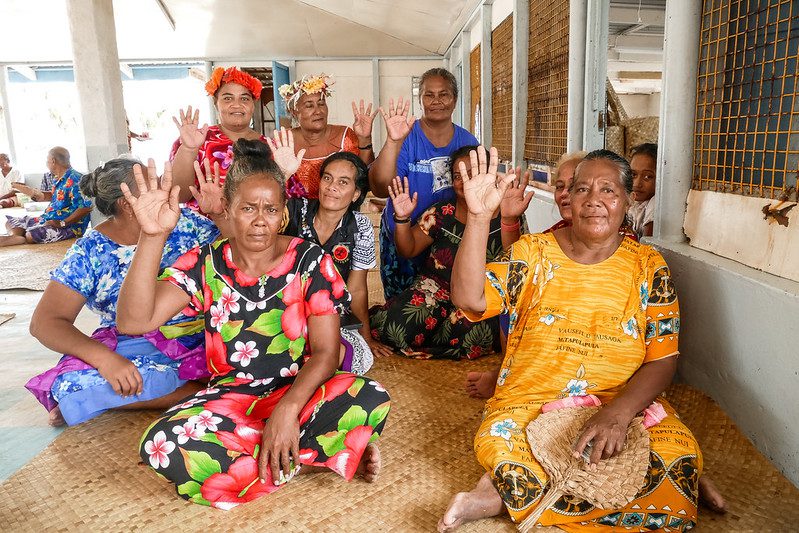
In 2023, Sima Sami Bahous, Executive Director of the United Nations (U.N.) Women, declared, “Women and girls pay the highest price when armed conflict erupts.” Documentation consistently shows that the specific needs of women during conflicts, such as sanitary products, antenatal care and safe, private facilities, often go unmet and are typically excluded from conflict prevention and resolution efforts.

Gender Poverty in Gaza

Gaza’s history of political instability, prolonged occupation and entrenched poverty has left deep scars. Amnesty International argues that the lack of clear governance and leadership often results in the re-emergence of traditional structures that reinforce patriarchal values. The hardships endured by women and girls in Gaza extend beyond recent events. Even before the latest escalation of hostilities, the female population of Gaza disproportionately experienced poverty. UNICEF highlighted that malnutrition among pregnant women was already high before Israel’s recent occupation of the area.

The impact of poverty on Gazan women has also threatened their sexual and reproductive rights, issues that existed even before the recent escalation of the Israeli-Hamas conflict. Records show that 94,000 women were already lacking access to sexual and reproductive services before Oct. 7, 2023. In the five months following, this number soared to over one million.

The Current Situation for Women in Gaza

Since Oct. 7, 2023, women have accounted for 70% of the fatalities. Miscarriages have increased by 20% and seven mothers are killed every hour, with more than a million women displaced. In April 2024, the U.N. issued a ‘Gender Alert’ for Gaza’s female population due to the disproportionate impact of recent hostilities. The dire living conditions and crumbling civilian infrastructure have worsened to the point of near nonexistence.

The World Health Organization (WHO) reports that critical care remains largely inaccessible to women who are sick, injured, breastfeeding or pregnant; only one-third of Gazan hospitals are still functional. The conflict has caused unusually high rates of mortality among women and children. Tess Ingram, UNICEF’s communication specialist, stated in a Jan. 2024 press conference that an infant is born into a ‘horrendous war’ every 10 minutes. Save the Children further highlighted the emotional suffering of families, reporting that more children died in Gaza in Oct. 2023 than in global conflicts annually since 2019.

Aid for Women and Women-led Aid

Reports indicate that five women-led organizations employ a network of 1,575 staff members on the ground. These groups lead humanitarian operations in Gaza:

  1. U.N. Women. U.N. women support gender-specific needs and requirements in Gaza. The organization leads the national gender coordination efforts, lobbying for women’s rights to be incorporated into international emergency responses. 
  2. Women’s protection and empowerment, Gaza and Lebanon, Medical Aid for Palestinians (MAP). MAP promotes maternal, neonatal and child care through an integrated approach to improving quality care for Palestinian and Lebanese women affected by the prolonged conflict.
  3. Women for Women International. Working closely with local women’s rights organizations, including the Wefaq Society for Women and Child Care, this group aims to address urgent humanitarian needs of women through essential service provision such as meals, clothing, hygiene kits and trauma-informed counseling.
  4. Relief Web. With five teams of doctors, nurses and midwives on the ground in Gaza, this organization is providing life-saving and dignity-maintaining medical aid to Gaza’s women and girls; including the distribution of UNFPA menstrual hygiene kits.
  5. Women Against Violence. A Palestinian-Jewish women’s forum that provides shelter for female Jewish and Palestinian survivors of conflict. The group makes efforts to alleviate the mental burden of female experiences by providing a safe space for dialogue between Israeli and Jewish women.
  6. ISRA-United Kingdom (U.K.). A group of women from Birmingham, U.K., operates under the slogan “Women for Gaza.” This NGO provides life-saving provisions to preserve the dignity of women caught amid the Israeli-Hamas conflict.

The intense struggles faced by women-led organizations on the ground in Gaza highlight their steadfast commitment to saving lives. Bahous recognizes, their work transcends mere survival: “It is about maintaining hope, dignity and the possibility of a better future.”

Looking Ahead

In Gaza, the disproportionate impact of conflict on women remains a critical issue, exacerbating their already vulnerable conditions. Since Oct. 2023, women have represented a significant majority of the fatalities and have faced severe disruptions in access to essential health services. Humanitarian organizations, including several women-led groups, continue to make efforts to provide crucial aid.

– Thea Carter

Thea is based in London, UK and focuses on Global Health and Politics for The Borgen Project.

Photo: Flickr

June 22, 2024
https://borgenproject.org/wp-content/uploads/borgen-project-logo.svg 0 0 Precious Sheidu https://borgenproject.org/wp-content/uploads/borgen-project-logo.svg Precious Sheidu2024-06-22 01:30:052024-07-03 13:20:47Women for Gaza: Gender Poverty and Aid in Gaza
Global Poverty, Nonprofit Organizations and NGOs, Women's Empowerment

Bicycle Relief Offers Opportunities for Women

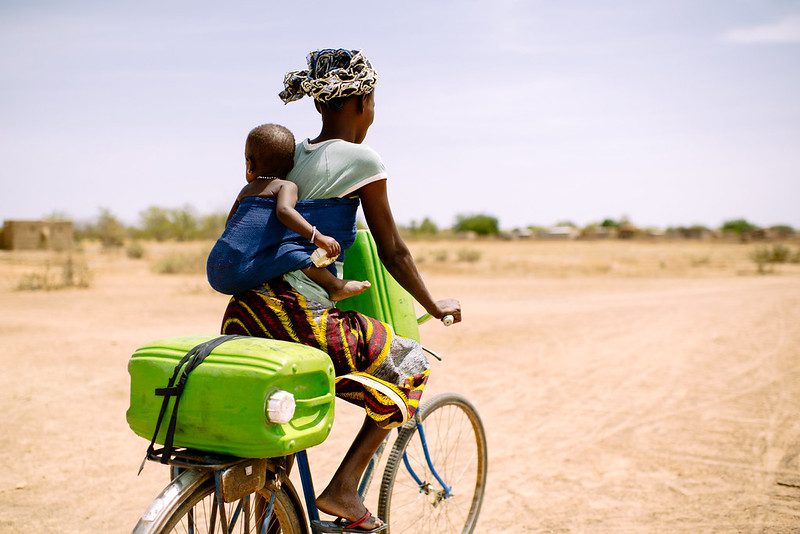
Bicycle ReliefWorld Bicycle Relief is a nonprofit working to provide people with a form of transportation. Six locations are the main focus of their mobilized community programs: Cordoba, Colombia; Siaya, Kenya; Kasungu, Malawi; Mumbwa, Zambia; Chiredzi, Zimbabwe; and Hwange, Zimbabwe.
The Way Society Moves

Transportation powers the way society moves, getting people from one place to another in a reasonable amount of time. It is this flexibility that not only provides freedom and convenience in daily life but also boosts development and economic growth. For many people living in rural areas, imited access to vehicles and high costs make it difficult to progress. World Bicycle Relief aims to bridge these barriers by targeting specific areas of this region offering a chance for women to expand their economic opportunities and provide them with a basic means of transportation.

World Bicycle Relief has distributed almost 786,000 bikes since 2005. Its “Buffalo Bike” is the nonprofit’s model, customized to withstand daily use such as handling rough terrain, long distances, and pulling cargo. The bike’s build is stronger than typical road bicycles that are more lightweight. It features steel tubing, heavy-duty spokes and rims, puncture-resistant tires, a rear rack capable of holding 100kg and a durable seat for comfort. After the distribution, locals within these rural areas get mechanics training, using basic tools and locally available spare parts, keeping riders on the move and continuing the program’s progress. There are now more than 3,000 mechanics available.

Gender Gaps and Poverty

Gender gaps put women and girls at a disadvantage early on in their lives trapping them into continuous poverty, limiting their productivity and potential. In sub-Saharan Africa, 37% of women were married or in a union before the age of 18 and girls are more likely to drop out of school than boys. More than half (56%) of urban women and girls live in slum conditions, where they lack access to clean water or suitable housing conditions. Approximately 980 million women do not have access to financial services walking long distances to work and school. Work inequalities also limit opportunities, as many women earn income by selling goods and produce.

Within the household women often take on the domestic role spending more on transport costs because they make more trips to and from their local markets to provide for their families. There are additional challenges for expecting mothers and mothers with young children as they face difficulties accessing health facilities in larger cities where they can receive medical services and child care resulting in missing or postponing appointments The maternal mortality ratio (MMR) in the region is 556 deaths per 100,000 births making it the highest at two thirds of all maternal deaths each year, according to the U.N. Women. Despite mobility being the most beneficial for women, men are the primary owners and operators of transportation. However, most of the trips they make outside their communities are for personal reasons.

Empowering Communities

At least 70% of bike recipients with World Bicycle Relief are women and girls, empowering them to focus on their education and growth opportunities and prioritize their well-being. The next big goal is to deliver 1 million bikes. In a world that is fast-moving, everyone should have a chance to move along with it.

– Tanita Love

Tanita is based in Chicago, IL, USA and focuses on Technology and Solutions for The Borgen Project.

Photo: Flickr

June 15, 2024
https://borgenproject.org/wp-content/uploads/borgen-project-logo.svg 0 0 Jennifer Philipp https://borgenproject.org/wp-content/uploads/borgen-project-logo.svg Jennifer Philipp2024-06-15 01:30:302024-06-14 04:48:13Bicycle Relief Offers Opportunities for Women
Developing Countries, Global Poverty, Women's Empowerment

Women’s Rights Issues in Tuvalu

Women's Rights Issues in TuvaluSituated in the vast Pacific Ocean halfway between Hawaii and Australia, Tuvalu is one of the world’s smallest, most remote island nations, made up of slightly more than 11,000 people, all living on a mere 26 square kilometers of land. Women in Tuvalu encounter challenges across various aspects of daily life, including representation in government, participation in the economy and the risk of violence in the household. Here are three big women’s rights issues in Tuvalu:

Underrepresentation in Parliament

Tuvalu gained independence from Britain in 1978 and since then, only three women have been elected as members of the Tuvalu Parliament. Most recently, in the general election of 2019, only 5.4% of candidates were women and only one was successfully elected. Tradition and cultural norms are factors as to why women are not represented in the government as much as men. Traditionally, it is the belief that women should take care of domestic labor while men dominate the workforce. While this belief is not a hard and fast rule, it does bleed into governance as women are excluded and limited from decision-making in local governmental participation.

In addition, family ties and connections play a big role in who gets elected, as there are no formal campaigns or parties. Although progress toward improving equal representation in the government has been made, tangible improvements toward this goal in terms of a permanent legislature have yet to be made. Exclusion from decision-making marginalizes women’s influence on the legislature that addresses issues that directly affect them, such as poverty, poor education and underemployment. By including women in government, these pressing issues like poverty could be directly confronted.

Economic Disparity

In Tuvalu, women’s participation in the workforce remains unequal to that of men. According to the World Bank, in 2023, young women from the ages of 15 to 24 made up only 43% of the workforce, while young men made up 53%. Additionally, the unemployment rate for women was 16.2% and 4.6% for men in 2022. In terms of education, 37.4% of women were not in training, employment or education. The lack of women in the labor force keeps Tuvaluan women in a cycle of economic inequality and poverty. Addressing these issues could lead to a more productive workforce and economic development that not only helps improve the lives of low-income women but also of the community.

Gender-Based Violence

In Tuvaluan society, nearly 36% of women between 15 and 49 reported experiencing physical violence from a partner within their lifetimes, with 24.3% of women stating that they experienced violence within the 12 months before the report. Violence, including physical, sexual and emotional forms, significantly impacts the lives of Tuvalu women. These women might have a harder time accessing money or making any financial decisions, which can contribute to their financial dependency and their exposure to poverty.

Looking into the Future

While these major areas of society need women to be included to improve, one organization is working on building a better future for the island and women’s rights issues in Tuvalu. The Tuvalu Coastal Adaptation Project (TCAP) focuses on building infrastructure to protect and raise the island away from rising sea levels due to climate change. A huge component of this project is advocating for women to speak up in the government and community spaces.

The project focuses on supporting women through education, offering scholarships and helping them obtain governing positions. Two female recipients have already been placed into universities abroad thanks to this program. Additionally, TCAP has created 100 new jobs that not only fight against island erosion but also prioritize female applicants to maintain a 50-50 gender balance. TCAP trains women in the relevant skills to boost their careers and also gives them a platform for their existing streams of income, which typically come from selling handicrafts.

– Rachel Venable

Rachel is based in Berkeley, CA, USA and focuses on Global Health for The Borgen Project.

Photo: Flickr

June 11, 2024
https://borgenproject.org/wp-content/uploads/borgen-project-logo.svg 0 0 Hemant Gupta https://borgenproject.org/wp-content/uploads/borgen-project-logo.svg Hemant Gupta2024-06-11 01:30:532024-06-10 10:58:39Women’s Rights Issues in Tuvalu
Global Poverty, Women's Empowerment, Women's Rights

Bridging the Gender Wage Gap in Laos: Progress and Challenges

Gender Wage Gap in LaosIn Laos, a Southeast Asian country, an ongoing challenge affects its socio-economic landscape: the gender wage gap. Women in Laos face significant wage disparities compared to their male counterparts. According to the United Nations Population Fund (UNFPA), women in Laos only earn around 77% of what men earn. The Lao government has been making steady strides towards narrowing the gender wage gap in Laos in recent years.

Understanding Laos’ Gender Wage Gap

Several factors contribute to the gender wage gap in Laos. One significant factor is the concentration of women in low-skill sectors such as informal employment, where wages are typically lower and job security is precarious, according to UNFPA. Women also often face barriers to career advancement and leadership positions due to the unequal nature of family care and responsibilities placed on them. In Laos, women make up only 21.9% of Parliament. The disparity is more present in rural areas, with entrenched traditional gender roles and limited access to education and employment opportunities. This in turn exacerbates poverty among women.

Closing the Gap

Recognizing the importance of addressing the gender wage gap and women’s poverty, the Lao government has implemented various initiatives aimed at promoting gender equality and empowering women in the workforce. One such initiative is the Fourth National Plan of Action on Gender Equality, which the government renewed in 2021 to mainstream gender perspectives into national policies and programs.

Under this strategy, the government has introduced measures to improve access to education and vocational training for women, enhance women’s participation in decision-making processes, and eliminate discriminatory practices in the labor market. The government also has taken further steps to enact legislation to promote equal pay for equal work and strengthen enforcement mechanisms to address wage discrimination.

Before the renewal of the Fourth National Plan of Action on Gender Equality, The Third National Plan of Action on Gender Equality achieved several significant milestones in advancing gender equality and women’s rights from 2016 to 2020. For instance, the government allocated education funding for 1,200 students, with approximately 78% of the recipients being girls. Additionally, the government provided training to 563 underprivileged students in rural areas, with approximately 69% of the participants being girls. As a result, the number of students enrolled in vocational institutions increased by 5,420 between 2015 and 2016, with female students making up approximately 41% of the total enrollment. The Fourth National Plan of Action on Gender Equality aims to build upon these achievements and further advance gender equality in Laos.

The Role of Empowerment

In addition to governmental efforts, non-governmental organizations play a crucial role in addressing the gender wage gap and reducing women’s poverty in Laos. One notable example is the Lao Women’s Union, a grassroots organization that works to empower women and promote gender equality across various sectors.

The Lao Women’s Union significantly contributed to the increase in female elected officials in the 2016 8th National Assembly Election. The Union actively promoted the importance of gender balance in political roles to the Lao citizens. Consequently, there was a notable 2.9% rise in the number of women elected compared to the previous 7th National Assembly Election, according to the Fourth National Plan of Action.

Another key organization that has contributed significantly is The Asia Foundation. The Asia Foundation is an international non-profit organization that has been collaborating with Laos since 1958. In 2011, The Asia Foundation announced a scholarship for women undergoing education in Science, Technology, Engineering and Mathematics (STEM) fields, to promote equal gender representation in these traditionally male-dominated fields. The scholarship aided 84 women in completing their education at the National University of Laos, and the subsequent introduction of 42 new candidates between 2020 and 2021.

Addressing Poverty Among Women

Poverty among women in Laos remains an issue. The gender wage gap worsens economic inequalities, making it harder for women to lift themselves and their families out of poverty. By addressing the gender wage gap, Laos can significantly reduce poverty. This has been demonstrated by the Poverty Reduction Fund’s Road Maintenance Groups program implemented in 2017. The program aimed to encourage women to partake in quality jobs to increase female representation in the labor force. Women from all across Laos, especially those from some of Laos’ poorest villages, were provided with the skills and training needed to repair roads in rural Laos. Evaluations following the program found that women were 77% more likely to become consistent income earners, and the monthly wages of women who participated in the program increased by an average of $19.

Ensuring equal pay for equal work and improving women’s access to higher-paying jobs and educational opportunities will not only empower women but also contribute to the overall economic development of the country. As women gain financial independence and stability, they can better support their families and communities, leading to a more prosperous and equitable society.

Continued efforts by both governmental and non-governmental actors are essential to dismantle systemic barriers, challenge gender norms, and create an inclusive and equitable labour market where women have equal opportunities to thrive and succeed. By prioritizing gender equality and investing in women’s empowerment, Laos can unlock the full potential of its workforce and foster sustainable development for all its citizens.

– Jennifer Lee

Jennifer is based in Toronto, Canada and focuses on Good News for The Borgen Project.

Photo: Flickr

June 10, 2024
https://borgenproject.org/wp-content/uploads/borgen-project-logo.svg 0 0 Jennifer Philipp https://borgenproject.org/wp-content/uploads/borgen-project-logo.svg Jennifer Philipp2024-06-10 01:30:152024-06-09 09:20:14Bridging the Gender Wage Gap in Laos: Progress and Challenges
Global Poverty, Women's Empowerment, Women's Rights

Issues Affecting Women’s Rights in Tonga

Women's Rights in TongaTonga is a country in the South Pacific that has often been praised for the richness of its culture and traditions. However, Tonga also faces significant challenges in ensuring women’s rights and gender equality. Despite progress, Tonga continues to rank low on global gender equality indices, highlighting the need for continued efforts to address these issues. Here are the top issues related to women’s rights in Tonga:

Gender-Based Violence (GBV)

GBV remains a pervasive issue in Tonga. An estimated 5,000 to 10,000 women (between 31% and 62% of all women) in Tonga experience intimate partner violence yearly. However, nongovernmental organizations (NGOs), such as the United Nations Women, have been working to combat such pervasive statistics. As a result, Tonga has implemented a “no drop” policy that stipulates due process for such cases once they are reported. This policy stipulates that when a case of gender violence comes in, it has to be given priority and cannot be dropped until it has been resolved.

Education and Economic Inequities

Tongan girls are not as well represented in primary education, with a Gender Parity Index of 88, which is lower than the developing country average of 96. The situation improves in secondary and tertiary education, with parity indexes of 97 and 98, respectively. However, despite these improvements, Tongan women still make up only 39% of the nonagricultural workforce.

Women make up 43% of income earners in subsistence farming, paid work and entrepreneurship. However, there is a significant disparity in earnings, with Tongan women earning, on average, only 47% of what men earn.

Equal inheritance rights on divorce and during employment, which are taken for granted in developed countries, are also not available to Tongan women, impeding their ability to participate fully in business activities. Women are also prohibited from owning land in the Tongan economy.

Political Representation

In the November 2010 elections, the majority of seats in Parliament were filled democratically for the first time. Yet no women were elected in this or the next election in 2014, when only 16 female candidates stood as people’s representatives but only received 7% of the vote. Throughout the history of Tonga’s Parliament, only three women have been appointed to ministerial positions.

However, the Tonga Women’s Action for Change (TWAC), a network of professional women, brings together a group of women from various backgrounds to talk about the low level of women’s representation in Parliament. The network aims to encourage women’s participation in the country’s elections.

Efforts of the Tongan Government

In recent years, Tonga has pursued national planning measures in support of its women. A national Gender and Development (GAD) policy was adopted in 2001 and reviewed in 2011. Additionally, in 2010, the government introduced a new policy allowing women maternity protection in the civil service and initiated nationwide consultation on the potential ratification of the Convention on the Elimination of all Forms of Discrimination Against Women (CEDAW).

Further, the government is trying to strengthen the National Women’s Machinery through initiatives such as gender-based budgeting. This will ensure that these national, regional and international commitments are taken seriously. Continued efforts and a collective commitment to gender equality can help Tonga move toward a more equitable and just society for all its citizens.

– Sakshi Bhagat

Sakshi is based in Kolkata, West Bengal, India and focuses on Global Health and World News for The Borgen Project.

Photo: Flickr

June 9, 2024
https://borgenproject.org/wp-content/uploads/borgen-project-logo.svg 0 0 Hemant Gupta https://borgenproject.org/wp-content/uploads/borgen-project-logo.svg Hemant Gupta2024-06-09 07:30:282024-06-08 13:20:49Issues Affecting Women’s Rights in Tonga
Global Poverty, Women, Women's Empowerment

Understanding the Gender Wage Gap in Moldova

Gender Wage Gap in MoldovaAs in many post-Soviet countries, Moldova struggles with deep-rooted economic problems and stubbornly high poverty rates, despite all the efforts undertaken in the sphere of reform and development. Gender inequality plays a very significant role in this process, as women suffer from low wages, bad economic opportunities and high vulnerability to economic shocks. This article explores the complexities of gender inequality, such as poverty and the gender wage gap in Moldova, illuminating the socio-economic dynamics, root causes and solutions toward empowering women and ensuring sustainable development.

Root Causes of the Gender Wage Gap in Moldova

The question of women’s empowerment in the case of Moldova is presented in traditional gender stereotypes and gender roles that institutionalize women’s oppression and ensure that there is a lack of equity in access to important resources.

In populations affecting policy, change and reform, according to the National Bureau of Statistics of the Republic of Moldova, in 2019 the number of female government ministers was 11% leaving 89% of males in government positions. Meanwhile, in other vocations, such as unpaid care work including domestic work and caregiving, which continues to be undervalued and largely invisible, thereby ensuring economic dependence and limiting the contribution to the formal economy.

In 2022, the National Bureau of Statistics of the Republic of Moldova reported that the average women’s gross income was estimated at $9,618.4 and men’s gross income was estimated at $11,380.7.

Structural, cultural and institutional factors—historical legacies and Soviet-era patriarchal norms—provide the ground for gender relations that underlie women’s access to resources and decision-making roles.

Economic transitions and globalization have exacerbated disparities, resulting in job losses, informal employment and precarious work conditions disproportionately affecting women.

Gender-based violence and cultural norms of discrimination contribute to the continued hindrances of women’s rights to justice. The lack of policies and gender-sensitive programming furthers women’s vulnerability to poverty and socio-economic empowerment, which in turn contributes to the vicious circles of deprivation.

Holistic Solutions for Empowerment

The interaction of gender inequality with poverty is such that it has to be done by multidimensional intervention at the roots while empowering women to participate effectively in the economic, social and political spheres. The short-term interventions should be focused on the economic empowerment of women, such as training in skills development, access to finance and support to businesses that women run.

According to UNDP, “trends of recent years show an amplification of the discrepancy in both the women employment (35.4% as compared to 44.7% for men) and labour force participation rates (36.4% and 46.5%, accordingly).” Righting the wrongs of gender violence, UNDP is actively breaking these discriminating norms and opening up a supportive environment for the socio-economic rise of women. Creating inclusive and comprehensive policies and programs while embedding gender equality and inclusive development can help break systemic barriers and foster sustainable socio-economic empowerment for women in Moldova.

UNDP has seen extraordinary progress in the past 20 years. According to U.N. Women, 46.1% of the female population of Moldova above statutory pensionable age receive a pension in comparison to 100% of males.

In contemporary Moldova, there are greater numbers of women in public office than ever before. These female change makers help achieve greater gender equality, targeting gender wage gap discrepancies. According to the UNDP, “Moldova is a country where people want to live and where all people fully exercise their human rights and enjoy a better quality of life in a more inclusive and resilient society by 2027.”

The Women’s Caucus

UNDP plans to relaunch the Women’s Caucus in the Parliament and raise the capacities of women parliamentarians to promote gender-responsive policies in order to combat gender inequalities. As of July 2021, Moldova has achieved a record of 40 women MPs seats in the Parliament of the Republic of Moldova. According to the UNDP on the accomplishments of the Women’s Caucus, “The introduction of a 40 percent electoral gender quota for parliamentary and local elections, an affirmative measure supported by UN Moldova is efficient, having so many women in today’s Parliament. However, to progress towards parity in decision-making, we need to simultaneously address the tremendous deterrents women face in entering politics, ranging from gender bias and stereotypes to physical and online violence and abuse, in addition to lack of financing and support from political parties,” said Valeria Ieșeanu, Officer in Charge, UNDP Moldova.”

The gender wage gap in Moldova and poverty are intertwined challenges. However,  the empowerment of women is one important step forward.

– Honorine Lanka Perera

Honorine is based in Highland, NY, USA and focuses on Good News and Politics for The Borgen Project.

Photo: Flickr

June 8, 2024
https://borgenproject.org/wp-content/uploads/borgen-project-logo.svg 0 0 Jennifer Philipp https://borgenproject.org/wp-content/uploads/borgen-project-logo.svg Jennifer Philipp2024-06-08 01:30:202024-12-13 18:03:11Understanding the Gender Wage Gap in Moldova
Page 11 of 54«‹910111213›»

Get Smarter

  • Global Poverty 101
  • Global Poverty… The Good News
  • Global Poverty & U.S. Jobs
  • Global Poverty and National Security
  • Innovative Solutions to Poverty
  • Global Poverty & Aid FAQ’s
Search Search

Take Action

  • Call Congress
  • Email Congress
  • Donate
  • 30 Ways to Help
  • Volunteer Ops
  • Internships
  • Courses & Certificates
  • The Podcast
Borgen Project

“The Borgen Project is an incredible nonprofit organization that is addressing poverty and hunger and working towards ending them.”

-The Huffington Post

Inside The Borgen Project

  • Contact
  • About
  • Financials
  • President
  • Board of Directors
  • Board of Advisors

International Links

  • UK Email Parliament
  • UK Donate
  • Canada Email Parliament

Get Smarter

  • Global Poverty 101
  • Global Poverty… The Good News
  • Global Poverty & U.S. Jobs
  • Global Poverty and National Security
  • Innovative Solutions to Poverty
  • Global Poverty & Aid FAQ’s

Ways to Help

  • Call Congress
  • Email Congress
  • Donate
  • 30 Ways to Help
  • Volunteer Ops
  • Internships
  • Courses & Certificates
  • The Podcast
Scroll to top Scroll to top Scroll to top