• Link to X
  • Link to Facebook
  • Link to Instagram
  • Link to TikTok
  • Link to Youtube
  • About
    • About Us
      • President
      • Board of Directors
      • Board of Advisors
      • Financials
      • Our Methodology
      • Success Tracker
      • Contact
  • Act Now
    • 30 Ways to Help
      • Email Congress
      • Call Congress
      • Volunteer
      • Courses & Certificates
      • Be a Donor
    • Internships
      • In-Office Internships
      • Remote Internships
    • Legislation
      • Politics 101
  • The Blog
  • The Podcast
  • Magazine
  • Donate
  • Click to open the search input field Click to open the search input field Search
  • Menu Menu

Archive for category: Women

Information and news about woman issues

Children, Global Poverty, Women

Increasing Access to Child Care in South Africa Supports Women

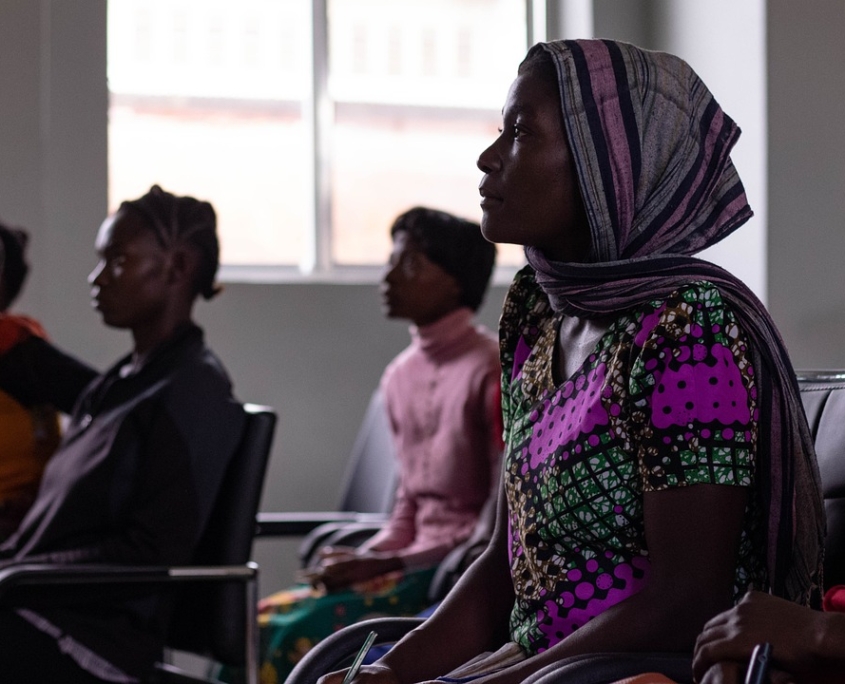
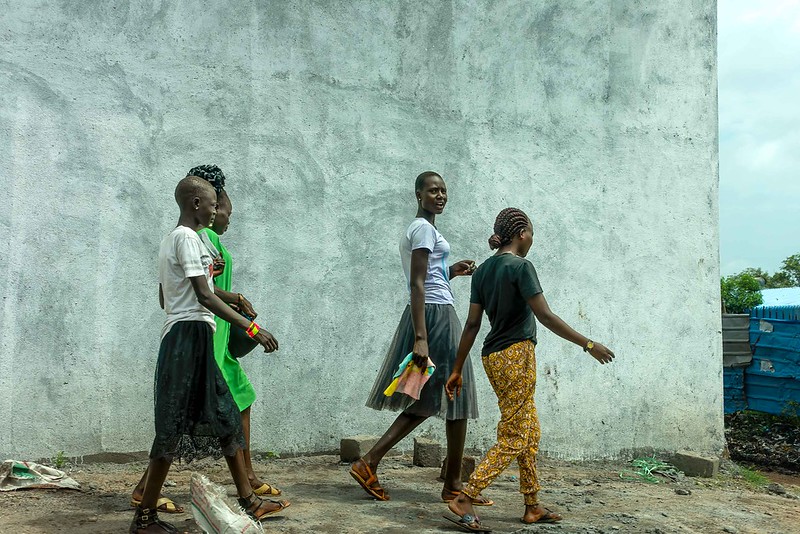
Child Care in South AfricaIn South Africa, women are disproportionately affected by unemployment, with the rate for women at 35.1% in 2023, compared to 31% for men. However, progress is being made in areas such as child care. Around 70% of care in Africa is provided by female relatives, with just 3% of care involving paid work. Africa has the highest amount of unpaid care work globally. This unpaid care work is a barrier to women’s participation in the labor force. Approximately 34% of women in Africa reported that unpaid care work prevented them from having a paid job, compared to 3.9% of men.

In South Africa, many waste pickers and domestic workers leave their children with neighbors as a form of child care. In Durban, a group of waste pickers collectively pays an elderly couple for child care, choosing this option for its affordability and flexibility in payment terms. The female caregiver accepts materials collected by the waste pickers as part of the payment. Following the COVID-19 pandemic, 68% of child care workers in South Africa said they were in danger of closing permanently due to rising costs. This threatened to decrease the number of child care options available further. However, different initiatives are addressing child care in South Africa.

Child Care South Africa

Child Care South Africa is one initiative aiming to provide quality child care in the country. Between 2017 and 2019, the Cash Plus Care (Qhawekazi) project was established to empower women aged 19 to 24. A total of 5,087 young women completed all 12 Cash Plus Care Empowerment sessions, highlighting the project’s extensive impact on their lives.

SmartStart

Furthermore, SmartStart provides communities in South Africa with access to high-quality early learning programs for children aged 3 to 4. About 80% of lower-income families in South Africa lack access to early learning for children younger than 5, making child care crucial not only for mothers but also for children’s futures.

One of SmartStart’s goals is to create a women-led care economy by empowering them to become early learning practitioners. Since 2015, a community of 9,000 practitioners has emerged. These Early Learning Practitioners are trained to secure government funding as microentrepreneurs.

South Africa’s Expanded Public Works Program

Started in 2004, South Africa’s Expanded Public Works Program (EPWP) trains unemployed beneficiaries, mostly women, in areas such as day care activities. By 2015, approximately 20,000 care practitioners had been trained. Reports indicated that this scheme contributed to income growth more than any other similar project. Women particularly benefited from paid care work, as they represented 90% of the home-based care workers who participated in the program.

The ECCE Program

By 2030, the government in South Africa aims for all children aged 0 to 5 able to access an early childhood care and education (ECCE) program. The National Integrated Early Childhood Development Policy (ECD) allows more women to have paid jobs because it alleviates the need for women to be responsible for child care during working hours. The following three benefits arise from supporting ECCE services:

  • More paid jobs in the care economy.
  • More women can form part of the labor force.
  • More assistance for children’s development.

The Future

The highlighted initiatives aim to increase the amount and quality of child care in South Africa. The additional support enables women to engage with the economy. This will improve the position of women while also benefiting the wider community and combating poverty by raising household income levels.

– Amy Fox

Amy is based in Birmingham, UK. and focuses on Good News for The Borgen Project.

Photo: Unsplash

July 28, 2024
https://borgenproject.org/wp-content/uploads/borgen-project-logo.svg 0 0 Hemant Gupta https://borgenproject.org/wp-content/uploads/borgen-project-logo.svg Hemant Gupta2024-07-28 03:00:052024-07-27 09:43:30Increasing Access to Child Care in South Africa Supports Women
Global Poverty, Women

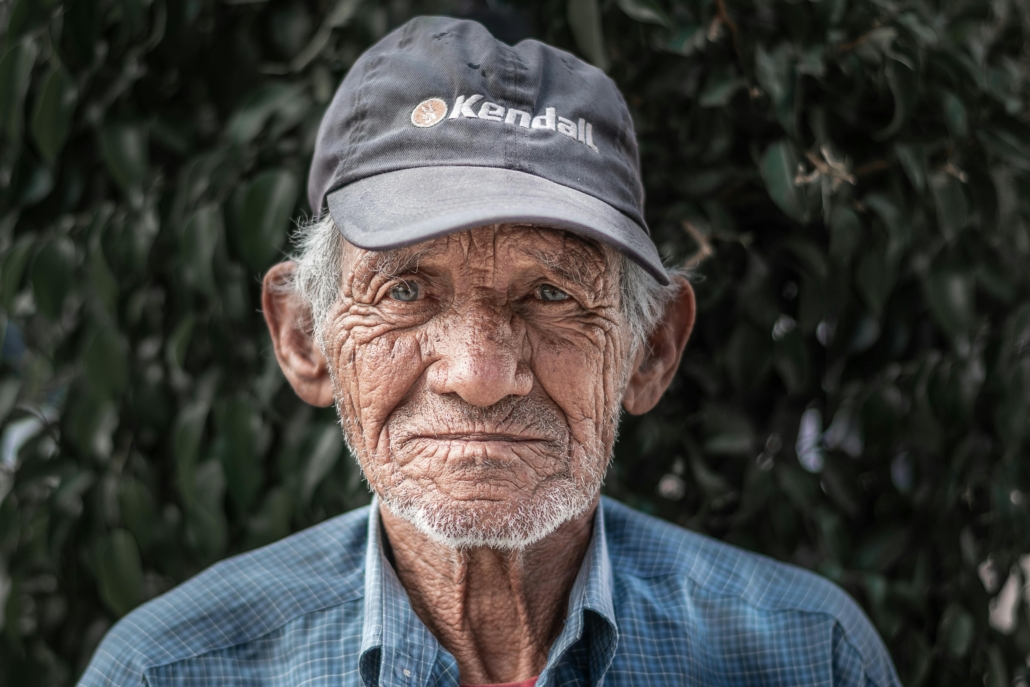
Reducing Elderly Poverty in Costa Rica

Elderly Poverty in Costa RicaPoverty in the Latin American and Caribbean region remains prevalent post-pandemic, with more than 180 million people unable to afford basic necessities. Despite having the lowest inflation rate in the region, 21.8% of people in Costa Rica live below the poverty line. The elderly demographic consists of 9% of Costa Rica’s population, a figure that could double by 2050. Elderly poverty in Costa Rica is linked to the average life expectancy of 75.5 years, often necessitating assistance due to age-related health issues. Other factors contributing to poverty among seniors include ageism, which leads to exclusion, discrimination, abuse, violence and exploitation.

Reform Strategies

Reform strategies, such as the 2002 Regional Implementation Strategy for Latin America and the Caribbean, focused on mitigating violence-related issues affecting the elderly by promoting conversations between pertinent parties and forming networks for the elderly’s safety. The “Ciudadano de Oro” or “Gold Citizen” award program by the Caja system ensures the rights of citizens 65 years and older are respected. With the Gold Citizen award, the elderly have access to certain medical services, financial aid, discounted activities and community engagement.

Poverty persists among the elderly in Costa Rica, with 23% facing economic hardships as of 2019. Additionally, elderly women have lower earnings-related pension income and longer life expectancy. Patriarchal systems that have historically relegated women to home care roles or supportive jobs rather than leadership positions in society have exacerbated this vulnerability. 

Initiatives to Reduce Elderly Poverty

Costa Rica Red de Cuido subsidizes 80% of care costs for elders below the poverty line through local networks. Elders have access to social care, community centers, hygiene, housing services and a long-term care system. The program is funded by taxes on beer, liquor and cigarettes, aiming to alleviate financial stress on poorer older adults and adapt to sociocultural changes in family care.

The National Council for Older Adults (CONAPAM) oversees private residential care through non-organization funds. Elders who are dependent on family, facing neglect, lack access to private centres or lack social and economic assistance can access these funds. In 2018, more than 2,155 beneficiaries have received care. Additionally, CONAPDIS (National Council for Persons with Disabilities) catered to 1,350 people through non-profit residential organizations in 2018.

Elderly Day Care Centers focus on those 65 years and over from low-income backgrounds through external non-profit associations. They provide meals, recreational therapy, social integration activities and psychological support, encouraging youth volunteers to assist. In 2018, centres have supported more than 1,500 people with a subsidy of $175 per month. Home Care, managed by COPANAM, provided services to 13,900 beneficiaries at risk of poverty and adverse social conditions through 59 civil associations, according to a 2022 article.

Providing Economic Stability

Costa Rica’s rapidly growing elderly population highlights the importance of boosting economic stability by reducing elderly poverty. The silver economy—economic activities, products and services for people older than 50—contributes to a more stable economy. Government and non-profit organizations are working to reduce elderly poverty through financial and health care schemes, ensuring a more economically stable Costa Rica.

– Lydie Udofia

Lydie is based in Switzerland and focuses on World News for The Borgen Project.

Photo: Pexels

July 20, 2024
https://borgenproject.org/wp-content/uploads/borgen-project-logo.svg 0 0 Jennifer Philipp https://borgenproject.org/wp-content/uploads/borgen-project-logo.svg Jennifer Philipp2024-07-20 01:30:002024-07-19 03:18:08Reducing Elderly Poverty in Costa Rica
Developing Countries, Global Poverty, Period Poverty, Poverty, Women

Experiencing Period Poverty in gaza

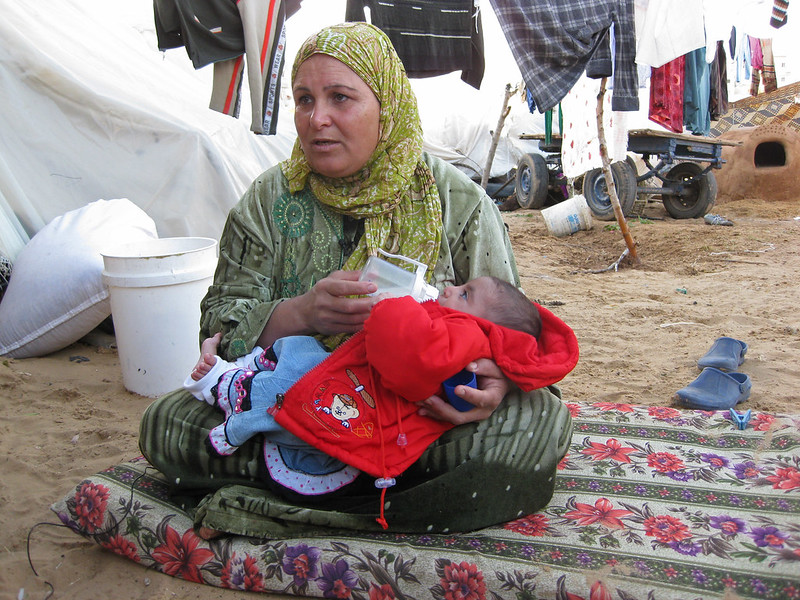
Period Poverty In gazaSince the events of October 7, Israel has tightened its grip on the Gaza Strip. It has made it increasingly difficult for aid to enter the territory. Israel’s blockade has, therefore, left many pharmacy and shop shelves barren. One product in particular has become increasingly sparse on the shelves of various pharmacies across Gaza: menstruation pads. On the rare occasion that pads make their way on a shelf, they are sold at nearly five to six times their original price. For many unemployed and homeless Gazan women, such an expense is unthinkable. This, combined with limited water supply, lack of privacy and indoor plumbing, has compelled women to take measures into their own hands. As the rate of period poverty continues to mount within the Gaza Strip, its female residents prove that there is no shortage of resilience and ingenuity.

Period Poverty among Women and Girls in Gaza

In a study conducted by the United Nations (U.N.), an estimated total of 700,000 Gazan women and girls menstruate but do not have access to hygiene products, such as pads and toilet paper. Even more troubling is their barred access to toilets and running water. Various shelters run by The United Nations Relief and Works Agency (UNRWA), the U.N. aid agency for Palestinians, say there is only one roll of toilet paper per 498 people. Within these same shelters, more than 400 residents share a single bathroom.

The situation is no better for women who live in shared apartment complexes with extended family. Limited access to water forces many to restrict the times they flush the toilet– only doing so when deemed necessary. Three functioning water pipelines remain for the whole of Gaza, thus making it increasingly difficult for women to wash themselves. Showering has become a luxury only some women can afford. Many women rise early and queue in front of hospitals in the hopes of showering before the water supply is cut for that day. Others are there to use the bathroom. Queues can number from up to 1,000 people.

Current Experiences

Owda is a Gazan woman documenting her experience online. She shared a video of one of many makeshift bathrooms found within the displacement camps. She points to the toilet in question, a garbage basket on the ground inside a meager tent and says to the camera: “There is no water. There is nothing around them. There is no infrastructure. They’re living in just a tent and they need bathroom(s). They’re humans.” The U.N. indicates that these sanitary conditions leave many Gazan women at risk of contracting reproductive and urinary tract infections. The sanitary pads that are at the disposal of Gazan women are poorly crafted and only further increase their risk of infection.

Gazan women and girls, therefore, are no longer afforded any privacy in tending to their menstrual hygiene. This issue has put a strain on the psychological health of many women within the strip. Some women share that the mounting stress they are experiencing has caused their menstrual cycles to come twice a month, further exacerbating the issue. As political tensions continue to rise, period poverty within the Gaza Strip only becomes a more pressing matter.

With Extreme Circumstances Comes Extreme Measures

The difficulty in obtaining female hygiene products has forced many Gazan women to resort to dangerous measures. Some women wash previously used pads to cope with the lack. Others have opted for old shreds of clothing, towels and ripped pieces of the tents they are using as shelter as substitutes for pads. Adult diapers and measly tissues are also on the list of items used as surrogates. The use of these substitutions may cause skin irritation, infection and deadly toxic shock syndrome. Though they pose great risks to their health, Gazan women have few other options.

Birth control has become a favored remedy among Gazan women, who would rather delay their cycle than deal with the physical and psychological burden that comes with it. Contrary to pads, the pill is readily available and far less expensive than hygiene products. A month’s supply’s worth of birth control costs approximately $3. The extreme measures Gazan women are reduced to take speak of the gravity of the situation. Furthermore, it highlights how women, once again, bear the blows of war. Gaza’s ongoing period poverty epidemic confirms the previous statement.

An International Call for Change

The international community has noticed Gaza’s shortage of menstrual hygiene products and has done its best to aid the crisis. Anera, a nonprofit organization, has provided hygiene kits, which include pads, underwear and wet wipes, to more than 20,000 women and girls. ActionAid has also supported the women in Gaza by preparing hygiene packages with a month’s worth of supplies. Despite their admirable efforts, more has to be done to aid the women in Gaza and stop the rate of period poverty from rising.

– Yasmine Nowroozi

Yasmine is based in Laval, Quebec, Canada and focuses on Global Health and Politics for The Borgen Project.

Photo: Flickr
July 16, 2024
https://borgenproject.org/wp-content/uploads/borgen-project-logo.svg 0 0 Hemant Gupta https://borgenproject.org/wp-content/uploads/borgen-project-logo.svg Hemant Gupta2024-07-16 03:00:212024-07-15 05:35:10Experiencing Period Poverty in gaza
Global Poverty, Mental Health, Women

Mental Health in Tajikistan: The Living With Dignity Project

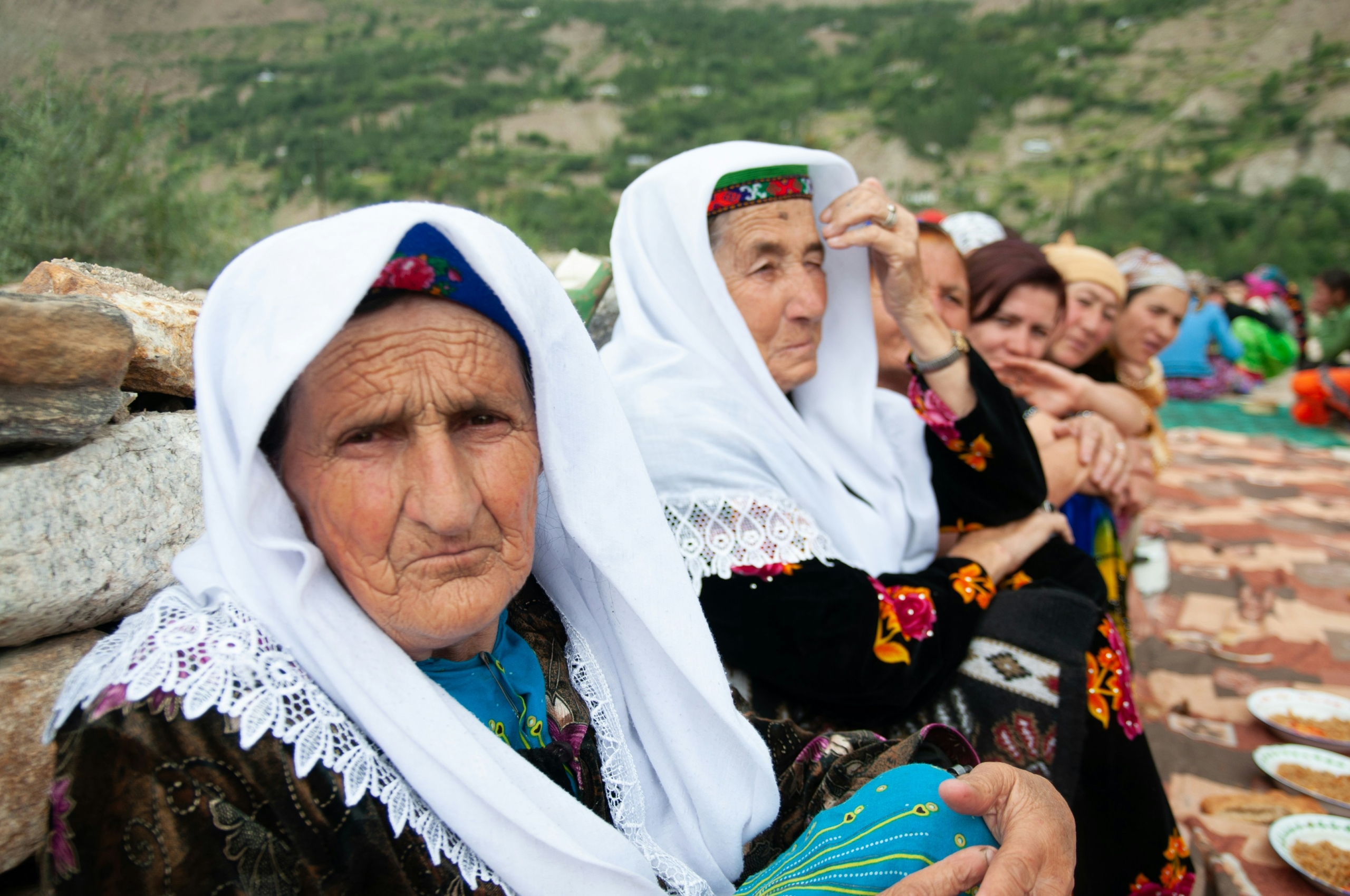
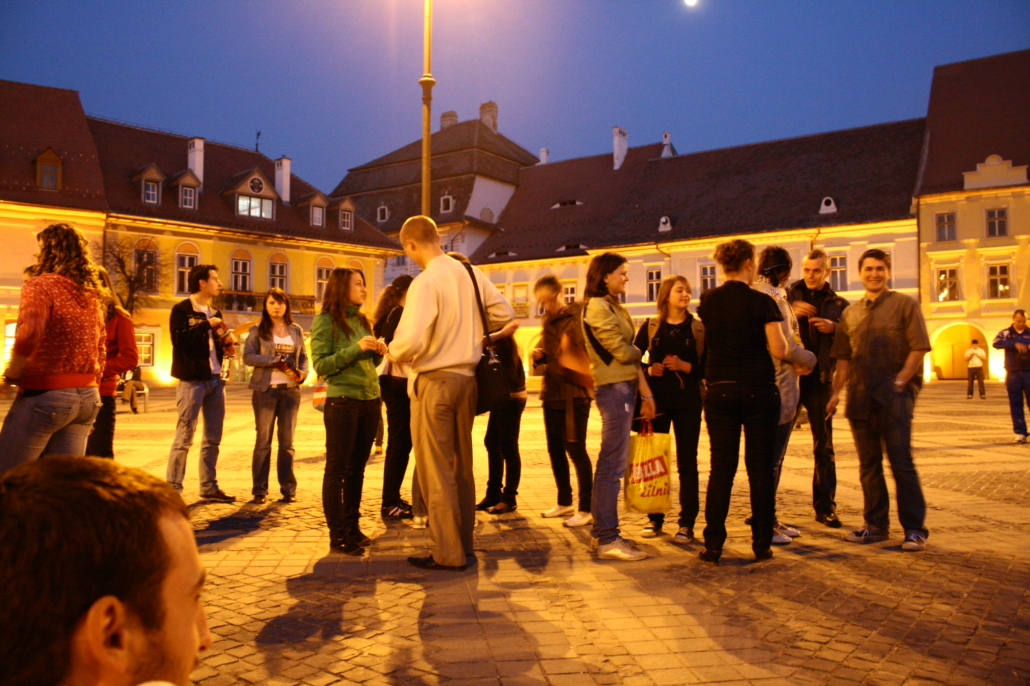
Mental Health in TajikistanIn 2018, International Alert, an organization attempting to tackle community violence in societies with a history of conflict and extreme poverty, embarked on the Living with Dignity project, an effort to tackle economic insecurity and reduce domestic abuse, hoping to improve mental health in Tajikistan.
Poverty and Gender Inequality in Tajikistan

Declaring its independence from the Soviet Union in 1991, Tajikistan had a deadly civil war from 1992 to 1997, which greatly deepened social, economic and political inequalities already largely prevalent in the country.

Despite recent successful efforts to decrease poverty, Tajikistan is still the poorest country in Central Asia. As of 2019, approximately 26% of inhabitants lived in poverty, calculated based on income compared to the costs of basic necessities, with higher poverty rates in rural areas. In addition, around 6% of the population falls below the international poverty line. The Living with Dignity project has found that this widespread economic insecurity has profoundly negative consequences for mental health in Tajikistan.

Another key issue in the country is gender inequality. UNICEF reported a significantly higher rate of female suicide than male suicide, which by global standards is unusual, prompting questions as to the causes of this unique case. While official government figures report that approximately 31% of women from the ages of 15-49 have experienced forms of physical and emotional domestic abuse, research by International Alert indicates that the real figure could be greater than 60%. One key cause of this propensity to violence within many households is economic insecurity and the stresses it places upon families. The high rates of abuse have massively detrimental effects on mental health in Tajikistan.

Living With Dignity

International Alert’s Living with Dignity program focussed on transforming violent familial behavior through communication and reflection workshops, which provided a space for family members to understand each other’s experiences and needs better, according to the International Alert report. It found that a key cause of discord within the family was economic insecurity. So a key tenet of the project was the economic empowerment of women who generally have very little say in household financial management. The program also made use of gender sensitivity training and professional mental health services to challenge the patriarchal norms that dominated these areas and explore how they harm women’s mental health.

Economic Empowerment

International Alert found an increase in economic independence for women to be highly important in improving mental health, with participants reporting that they felt more heard in decision-making within the household. Moreover, an upturn in women’s participation in work led to greater economic security, which massively affects mental well-being. Throughout the Living with Dignity project, there was a 32% increase in families having enough food and money to support their needs. Moreover, at the beginning of the project 42% of women reported going to bed hungry at least once a week, while by the end of the project, that number was down to just 8%, according to the International Alert report. Many participants stated that an increase in economic stability was the key change in improving their mental health, given it made many women feel more valued and respected by their families.

Effects on Domestic Abuse

International Alert reports a 24% decrease in women feeling fearful in their household every week throughout the program. According to interviews conducted, this was largely brought about by an increase in respect between family members, fewer instances of domestic violence, greater economic independence of women and thus greater mobility. International Alert also found an increase in women feeling comfortable sharing their opinion on matters of household finance by 22%, and a 38% increase in women believing they now had more of a say in decision-making, both of which correlated strongly with improved psychological and emotional wellbeing.

Throughout the project, there was also a marked decrease in specific instances of violence and the amount of individuals who felt the use of violence in the home was acceptable. The gender sensitization training aimed to encourage families to deal with disputes in non-violent, diplomatic ways, which produces more comfortable home environments for women, facilitating better mental health outcomes.

The Living with Dignity project, then, has had a positive effect on the lives of many of these women, improving mental health in Tajikistan through tackling patriarchal, often abusive, norms and promoting both women’s safety and economic independence. Programs like this show that, by tackling global poverty we can reduce domestic violence and improve mental health outcomes.

– Billy Jardine

Billy is based in Liverpool, UK and focuses on Global Health for The Borgen Project.

Photo: Unsplash

June 13, 2024
https://borgenproject.org/wp-content/uploads/borgen-project-logo.svg 0 0 Jennifer Philipp https://borgenproject.org/wp-content/uploads/borgen-project-logo.svg Jennifer Philipp2024-06-13 01:30:172024-06-12 09:14:04Mental Health in Tajikistan: The Living With Dignity Project
Global Poverty, Women, Women's Empowerment

Understanding the Gender Wage Gap in Moldova

Gender Wage Gap in MoldovaAs in many post-Soviet countries, Moldova struggles with deep-rooted economic problems and stubbornly high poverty rates, despite all the efforts undertaken in the sphere of reform and development. Gender inequality plays a very significant role in this process, as women suffer from low wages, bad economic opportunities and high vulnerability to economic shocks. This article explores the complexities of gender inequality, such as poverty and the gender wage gap in Moldova, illuminating the socio-economic dynamics, root causes and solutions toward empowering women and ensuring sustainable development.
Root Causes of the Gender Wage Gap in Moldova

The question of women’s empowerment in the case of Moldova is presented in traditional gender stereotypes and gender roles that institutionalize women’s oppression and ensure that there is a lack of equity in access to important resources.

In populations affecting policy, change and reform, according to the National Bureau of Statistics of the Republic of Moldova, in 2019 the number of female government ministers was 11% leaving 89% of males in government positions. Meanwhile, in other vocations, such as unpaid care work including domestic work and caregiving, which continues to be undervalued and largely invisible, thereby ensuring economic dependence and limiting the contribution to the formal economy.

In 2022, the National Bureau of Statistics of the Republic of Moldova reported that the average women’s gross income was estimated at $9,618.4 and men’s gross income was estimated at $11,380.7.

Structural, cultural and institutional factors—historical legacies and Soviet-era patriarchal norms—provide the ground for gender relations that underlie women’s access to resources and decision-making roles.

Economic transitions and globalization have exacerbated disparities, resulting in job losses, informal employment and precarious work conditions disproportionately affecting women.

Gender-based violence and cultural norms of discrimination contribute to the continued hindrances of women’s rights to justice. The lack of policies and gender-sensitive programming furthers women’s vulnerability to poverty and socio-economic empowerment, which in turn contributes to the vicious circles of deprivation.

Holistic Solutions for Empowerment

The interaction of gender inequality with poverty is such that it has to be done by multidimensional intervention at the roots while empowering women to participate effectively in the economic, social and political spheres. The short-term interventions should be focused on the economic empowerment of women, such as training in skills development, access to finance and support to businesses that women run.

According to UNDP, “trends of recent years show an amplification of the discrepancy in both the women employment (35.4% as compared to 44.7% for men) and labour force participation rates (36.4% and 46.5%, accordingly).” Righting the wrongs of gender violence, UNDP is actively breaking these discriminating norms and opening up a supportive environment for the socio-economic rise of women. Creating inclusive and comprehensive policies and programs while embedding gender equality and inclusive development can help break systemic barriers and foster sustainable socio-economic empowerment for women in Moldova.

UNDP has seen extraordinary progress in the past 20 years. According to U.N. Women, 46.1% of the female population of Moldova above statutory pensionable age receive a pension in comparison to 100% of males.

In contemporary Moldova, there are greater numbers of women in public office than ever before. These female change makers help achieve greater gender equality, targeting gender wage gap discrepancies. According to the UNDP, “Moldova is a country where people want to live and where all people fully exercise their human rights and enjoy a better quality of life in a more inclusive and resilient society by 2027.”

The Women’s Caucus

UNDP plans to relaunch the Women’s Caucus in the Parliament and raise the capacities of women parliamentarians to promote gender-responsive policies in order to combat gender inequalities. As of July 2021, Moldova has achieved a record of 40 women MPs seats in the Parliament of the Republic of Moldova. According to the UNDP on the accomplishments of the Women’s Caucus, “The introduction of a 40 percent electoral gender quota for parliamentary and local elections, an affirmative measure supported by UN Moldova is efficient, having so many women in today’s Parliament. However, to progress towards parity in decision-making, we need to simultaneously address the tremendous deterrents women face in entering politics, ranging from gender bias and stereotypes to physical and online violence and abuse, in addition to lack of financing and support from political parties,” said Valeria Ieșeanu, Officer in Charge, UNDP Moldova.”

The gender wage gap in Moldova and poverty are intertwined challenges. However,  the empowerment of women is one important step forward.

– Honorine Lanka Perera

Honorine is based in Highland, NY, USA and focuses on Good News and Politics for The Borgen Project.

Photo: Flickr

June 8, 2024
https://borgenproject.org/wp-content/uploads/borgen-project-logo.svg 0 0 Jennifer Philipp https://borgenproject.org/wp-content/uploads/borgen-project-logo.svg Jennifer Philipp2024-06-08 01:30:202024-12-13 18:03:11Understanding the Gender Wage Gap in Moldova
Global Health, Global Poverty, Women

WOBA: Addressing Period Poverty in Vietnam

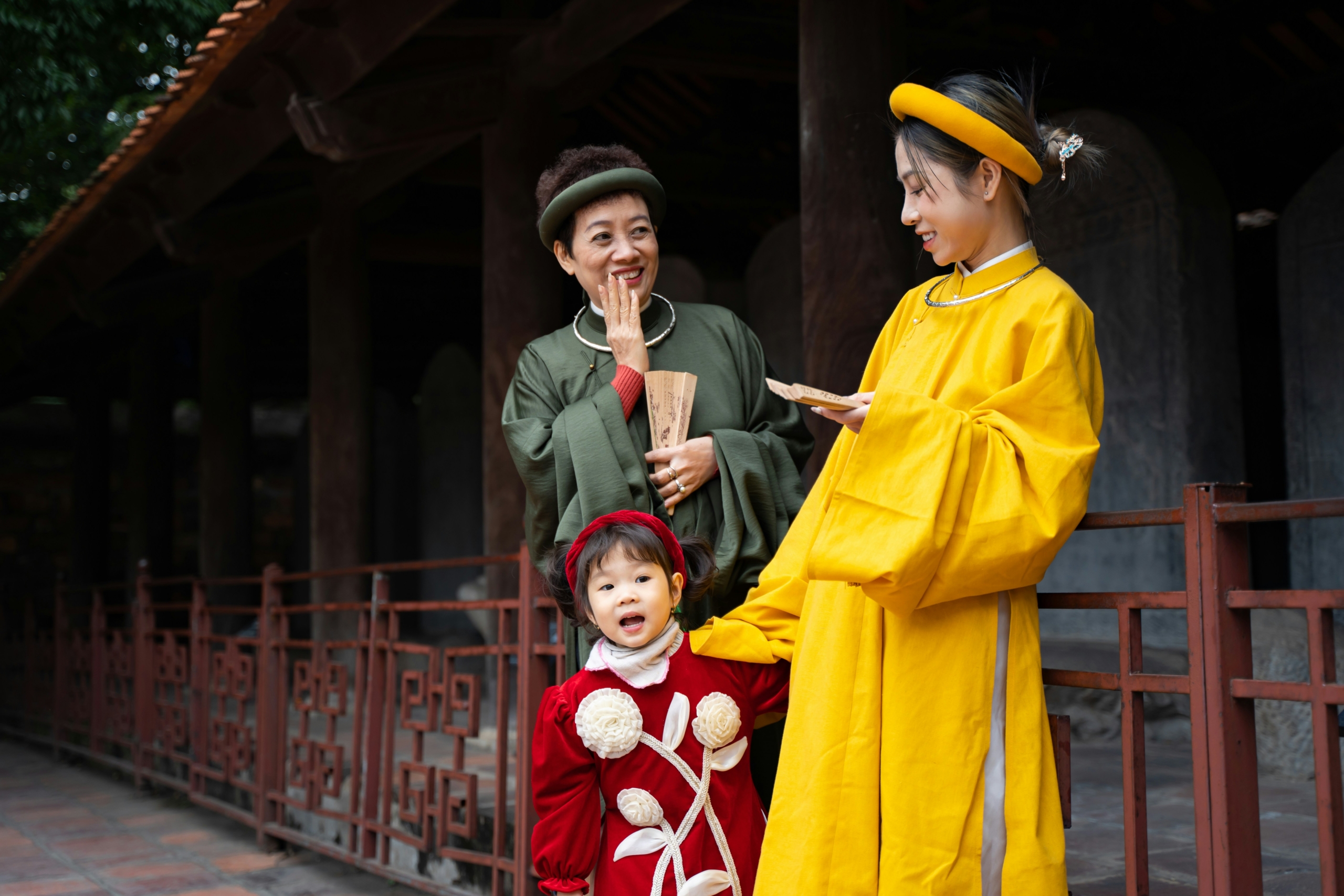
Period Poverty in VietnamThe 2018-2022 Vietnamese program, Women-led Output-Based Aid (WOBA), aimed to tackle poor water sanitation, reducing period poverty in Vietnam and cultural taboos surrounding menstruation. First established by the key Vietnamese network East Meets West (EMW), the female-led force wished to tackle gender inequality and attitudes to menstruation in Vietnam’s poorest communities.   

With the help of the Vietnam Women’s Union (VMU), an organization with more than 13 million members nationwide, EMW’s program WOBA has expanded to the most marginalized households and women. Their collaboration has continued to make positive changes to period poverty in Vietnam. 

Vietnam’s Stigma Towards Menstruation

Medical News Today defines period poverty as the political, cultural and socio-economic “barriers to menstrual products, education and sanitation.” Period poverty in Vietnam may have harmful impacts on women’s lives. This includes their mental health, health and hygiene, work balance and education. Further, lacking access to menstrual products may result in dangerous infections and an increase in possible toxic shock syndrome. The stigma surrounding menstruation often results in women’s exclusion from the community. 

WOBA’s Support

WOBA sought to decrease the gender inequalities that have disproportionately disadvantaged women’s access to sanitary water. The program’s primary objectives include increasing access to water, sanitation and hygiene (WASH) in marginalized communities and reducing menstrual stigma and exclusion targeted at women. Its fight against period poverty in Vietnam focused on the poorest areas, including Hoa Binh, Thanh Hoa, Nghe An, Ha Tinh and Ben Tre.

By 2022, WOBA had set several crucial objectives to enhance water, sanitation and hygiene (WASH) initiatives. These goals encompassed reinforcing governmental efforts in implementing WASH policies, improving accessibility and utilization of WASH facilities in marginalized communities, empowering women and advocating for hygienic practices. A significant focus was also placed on delivering clean water to female-led households. 

Noteworthy accomplishments of the program included assisting 52,580 women and girls in managing menstrual hygiene challenges. Additionally, installing hygienic latrines for 18,000 marginalized households and establishing new water connections benefiting 8,000 households facing economic hardship. 

Truong Thi Hoa’s Story

Truong Thi Hoa is the “President of the Tan Xuan Commune Women’s Union in Nghe An province.” She fights to tackle harmful taboos and empower women to engage with menstruation hygiene safely in her Vietnamese communities. In a conversation with Water for Women in 2023, she opened up about her experience with menstrual stigma. She recalls feeling “ashamed and afraid to meet others or go to school during her period.”

Truong Thi Hoa wishes to bring dignity to women affected by period poverty in Vietnam. Her training sessions educate women on the appropriate use of sanctuary products. In the same conversation with Water for Women, she believes inviting men into the conversation “is an efficient way to support, understand and share the health care burden with women and girls.”

Truong Thi Hoa feels that an essential step in breaking cultural taboo is for women to invite their husbands to her organized training sessions. For Truong Thi Hoa, men are vital allies who help bring gender equality to Vietnam’s attitudes toward menstrual hygiene.

Long-Term Improvements

Period poverty in Vietnam has dramatically improved with the aid of the  WOBA program. During the program, EMW collaborated with Australia’s Department of Foreign Affairs and Trade (DFAT), which funded “national consultants on menstrual health and hygiene.” Its educational sessions continue the work of individuals like Truong Thi Hoa, providing informative conversations and practices with women about their “hygiene and sanitation needs” and menstrual health.

Furthermore, EMW’s WASH program has continued to aid schools in Vietnam. Due to challenging weather conditions, families are often deprived of clean water. In response, the initiative “installs water filtration systems and hand washing basins” in rural and mountainous schools where access to clean water may be a daily struggle. Additionally, the program’s educational initiative continues to raise awareness about the importance of personal hygiene in schools. Its conduction of “a behavior change campaign promoting hand washing” continues to reduce period poverty in Vietnam.

UNICEF’s Report on Menstrual Health in East Asia

In 2023, the United Nations Children’s Fund (UNICEF) released a regional progress review on Menstrual Health in East Asia. UNICEF commended the positive observance of Menstrual Hygiene Day by Thrive Networks/East Meets West Foundation Vietnam as an ongoing effort to combat period poverty in Vietnam. The report underscored that the foundation’s work “contributed to increasing menstrual health awareness.” As well as helped “gain attention from one of the high-ranking government officials.”

Looking Forward

While many women struggle with period poverty in Vietnam, integral organizations such as EMW and its projects, such as WOBA, have successfully aided the improvements of menstrual hygiene for many women.

– Kasia Flisiuk
Photo: Unsplash

March 13, 2024
https://borgenproject.org/wp-content/uploads/borgen-project-logo.svg 0 0 Hemant Gupta https://borgenproject.org/wp-content/uploads/borgen-project-logo.svg Hemant Gupta2024-03-13 07:30:452024-12-13 18:03:07WOBA: Addressing Period Poverty in Vietnam
Global Poverty, Women, Women and Female Empowerment, Women's Empowerment

Recent Initiatives Empowering Women in Mali

Recent Initiatives Empowering Women in MaliMali, a landlocked country in West Africa, has one of the world’s fastest growing populations. The country houses more than nine million women, yet the state of women’s health remains a critical issue. Women in Mali face significant challenges. A lack of awareness and respect for human rights, especially for women and children, continues to drive disparities in education, governance, economic independence, and security. The United Nations Development Programme (UNDP) ranks Mali in a low human development category, placing it 186th out of 191 countries and territories globally.
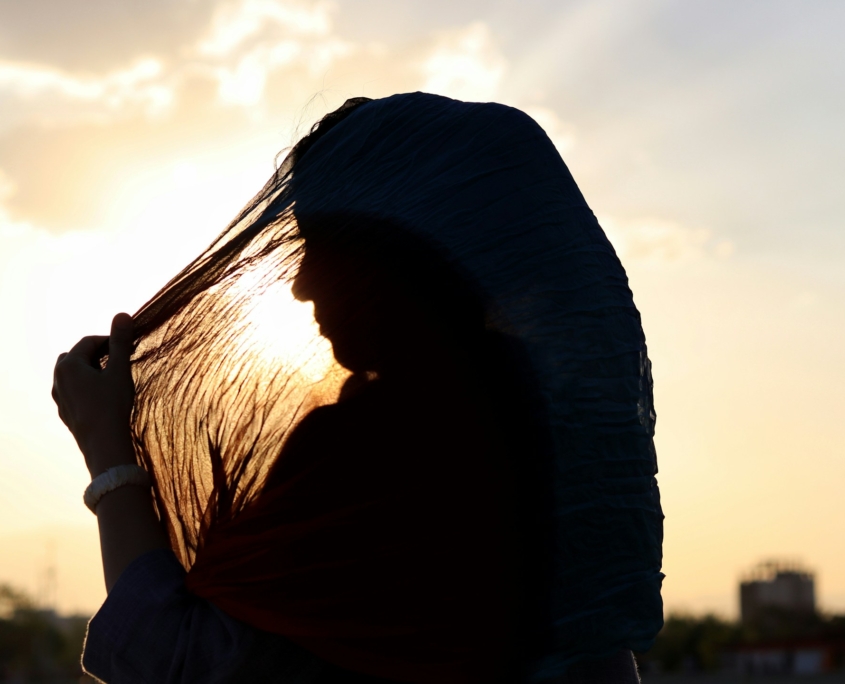
Gender-based violence and female genital mutilation persist as major issues for women in Mali, further undermining women’s health and well-being. Legal avenues for justice are often inaccessible to women due to social pressures and a lack of awareness of their rights. Moreover, Mali’s political landscape has become very unstable in recent years, leading to a humanitarian crisis and the displacement of more than 470,000 people in the country.

Initiatives

Amidst the challenges that women in Mali face, initiatives led by organizations like the United Nations (U.N.) Women offer the nation hope for progress. Furthermore, this initiative collaborates with the government, civil society and local communities to promote gender equality and women’s empowerment through various programs. U.N. Women addresses critical areas affecting women’s health and rights and works to alleviate them.

Norms, policies and standards are targeted for reform by U.N. Women. Governance initiatives focus on increasing the participation of women in politics and advocating for gender-responsive planning and budgeting. Economic empowerment programs prioritize entrepreneurship to empower women to secure livelihoods and combat poverty.

Days for Girls Enterprise

Another important initiative empowering women in Mali is called the Days for Girls Enterprise, launched by the Ouelessebougou Alliance. This initiative is making significant strides by addressing a critical aspect of women’s health: menstrual hygiene management. In November 2017, the Alliance launched the first-ever enterprise in Mali, aiming to provide sustainable solutions for the lack of feminine hygiene products and education in the country.

Furthermore, by providing sustainable feminine hygiene solutions and comprehensive health education, Days for Girls Enterprise is actively contributing to the empowerment of women in Mali. Women are not only gaining economic opportunities for work but are also using their education to serve as change agents within their communities. This initiative is driving positive social change and fostering a more inclusive and equitable society.

MOMENTUM Integrated Health Resilience

The MOMENTUM Integrated Health Resilience (MIHR) initiative is actively empowering women in Mali by focusing on family planning, reproductive health services and the health of mothers, newborns and children. By enhancing health and community systems and encouraging evidence-based decision-making, MOMENTUM is creating a significant impact, not just in Mali but worldwide.

Within the first one to three years in Mali, the initiative has achieved measurable results, with 250 health care providers participating in MIHR-supported training and 66 health facilities enhancing their health information systems. This initiative has not only increased awareness of women’s health in Mali but also sparked crucial conversations on the topic.

Looking Forward

As Mali grapples with the many challenges affecting women’s health, initiatives like U.N. Women, Days for Girls Enterprise and MIHR demonstrate a commitment to advancing gender equality and empowering women in Mali. By targeting critical areas such as governance, economic empowerment and reproductive health, these initiatives are laying the foundation for transformative change. As the progress sparked by these initiatives continues to grow, it promotes a brighter future for women in Mali, one where women are given opportunities for success, safety and prosperity.

– Katherine Barrows
Photo: Pixabay

February 19, 2024
https://borgenproject.org/wp-content/uploads/borgen-project-logo.svg 0 0 Precious Sheidu https://borgenproject.org/wp-content/uploads/borgen-project-logo.svg Precious Sheidu2024-02-19 07:30:532024-02-18 12:52:03Recent Initiatives Empowering Women in Mali
Global Poverty, Inequality, Women, Women & Children, Women's Empowerment, Women's Rights

Gender Inequality: A Pop-Up Restaurant in Afghanistan

Gender Inequality: A Pop-Up Restaurant in AfghanistanBanowan-e-Afghan is a pop-up restaurant in Afghanistan that opened in 2023.  A couple of women comfortably lounge across the wooden tables; some reading books, listening to music, or, conversing with others. Suddenly, a tantalizing aroma disseminates across the atmosphere. A cordial woman wearing a hijab and white apron walks over and places a symphony of flavors in front of the seated women. These women enjoy the delight while finally finding a special community of safety, security and opportunity.

Amidst a bustling street in Northwestern Kabul, a small intimate sanctuary is present. From mantoos (lamb-filled dumplings) to bolani (vegetable-stuffed flatbread) this welcoming Afghani abode serves a wide range of traditional and Western foods. However, this restaurant is not your ordinary dine-in. Instead, it is the result of the first step taken by a courageous woman toward a greater national vision.

Gender Inequality in Afghanistan

Gender inequality has been a persistent and perennial issue in Afghanistan. In 2021, despite prior positive efforts against this concern, all progress was nullified due to the Taliban’s inception. The Taliban has issued 80 edicts, including 54 contradicting women’s rights and freedom. Additionally, women were banned from visiting parks, gyms, public bathing houses and constrained girls’ education beyond the sixth grade.

To prevent further Taliban abuse, these Afghani women were forced into surveillance, assault, arbitrary detention, torture and exile. As a result of these restrictions and more, it has been a norm for women to not leave their homes. Women harassment is ubiquitous and even a simple errand or stroll down the street can put a woman in danger. On top of that, in rural Afghanistan, society forbids women from stepping out of the house without a mahram (a male relative by blood).

Societal restrictions also limit women’s job opportunities, prohibiting them from working in NGOs or government jobs. The women’s only chance of employment is in the private sector, but many women are hesitant to do this because of the risk it puts them in. Nonetheless, Samira Muhammadi believes in utilizing this opportunity to provide hope for a more women-friendly future.

By Women, For Women

Muhammadi, the owner of this unique pop-up restaurant in Afghanistan, launched it with a mission to provide women with a safer, more trustworthy and serene haven. In a typical Afghani restaurant, there is a separate family section for only women accompanied by male relatives. Despite this, male threats still endanger women.

Therefore, this rare pop-up restaurant addresses this widespread caveat. For starters, the restaurant is exclusively by women, for women. In other words, all the employees and customers are only women. This allows both the employees and the customers to feel more secure and surrounded by people going through similar circumstances. Instead, these women reclaim their true authentic selves, freely choose their attire and recultivate their public life which has been unethically stripped from them. With this substantial solution, powerful relationships are developed over mouth-watering meals in an elevated state of joy and laughter.

Empowerment Through Employment

In addition, this pop-up restaurant directly supports women facing poverty in Afghanistan. It provides unprivileged women with job and work opportunities in a field that adheres to their talents. The workforce of this restaurant consists solely of women taking refuge at a local women’s shelter, the Afghan Women Skills Development Center (AWSDC). Furthermore, many women living on the streets and in substandard living conditions have approached Muhammadi to work at her restaurant. Most of these women tend to be widows or the sole breadwinner in their families, making them desperate for money as they are the primary source of income. Ultimately, this restaurant provides impoverished women a ticket out of financial deprivation and can provide food and shelter for their families.

Today, the restaurant has hired more than 17 employees including 10 chefs and 7 waitresses. Most of the employees are around the age of 20, the youngest being 13 and the oldest being 40 years. However, all of these employees have gone through rough hardships and dreadful turmoil such as family violence, domestic abuse, parental drug addiction and more. Working at this restaurant allows them a second chance to positively invigorate their lives.

Future Plans

As this pop-up restaurant flourishes and evolves, Muhammadi plans to provide more job opportunities to unfortunate women, as well as more adequate salaries. She also wants to expand the size of the restaurant, to host mini-exhibitions for women to display handicrafts like clothes or jewelry for customers to purchase.

Inspired by her own experience and odyssey, Muhumadi wants to continue to enhance women’s lives in Afghanistan. “I thought these vulnerable women should have a source of income,“ Muhammadi says.

– Sai Sidharth Kanyaboena
Photo: Unsplash

February 18, 2024
https://borgenproject.org/wp-content/uploads/borgen-project-logo.svg 0 0 Precious Sheidu https://borgenproject.org/wp-content/uploads/borgen-project-logo.svg Precious Sheidu2024-02-18 07:30:322024-02-17 08:23:44Gender Inequality: A Pop-Up Restaurant in Afghanistan
Global Poverty, Women

Gender Inequality and Women’s Treatment in Somalia

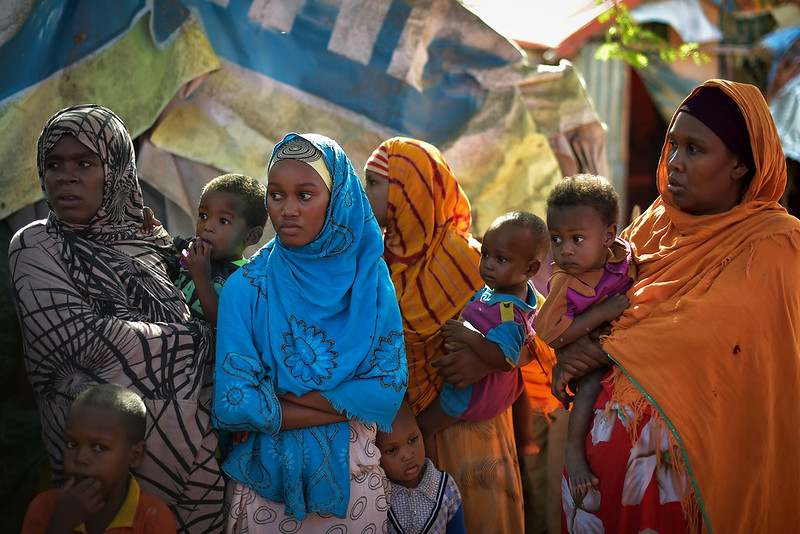
Women’s Treatment in SomaliaSomalia is plagued with a fragile government, economic pressure and insecurity for its people. However, one of the most significant issues is children’s and women’s treatment in Somalia.

Current Picture

Somalia ranks fourth lowest in the gender equality index with one of the highest maternal and infant mortality rates in the world. The nation has a long history of gender inequality, male dominance, and mistreatment of women and children, which is brought up through generations. The reason why the country continues to see high levels of abuse in women and girls is because of society’s grip on the crisis. 

In Somalia, a staggering 98% of girls deal with abuse. Girls between the ages of 9 and 15 experience sexual violence, exploitation and physical abuse. Without any legal framework protecting girls’ rights, about 35% of girls undergo child marriage, which contributes to the alarming number of abuse cases. 

Most women and girls deal with genital mutilation, which is named the silent epidemic by Women of Concern Honouree, Ifrah Ahmed. She states, “Parents, communities, religious leaders, [and] elders still think that this is a tradition that should be kept and continued… There is no common understanding and awareness of the issue.” The main reason why there are still cases of this type of abuse is because of generational practice.

Maternal Health 

Somalia is also one of the worst countries to become a mother. One out of 12 mothers in Somalia die due to pregnancy complications. A study in 2017 found that many causes of maternal deaths are preventable. According to the study, 25 of the 30 women refused to seek care because they believed that staying away from the doctor keeps them healthy. The lack of education and basing decisions on superstition contribute to the high levels of maternal mortality rate alongside scarce medicine in more rural parts of the country.

Why are women dying preventable deaths? It is because Somali women are denied the right to an education. The 2022 USAID report found that only 35% of women have some years of school. Only 25% of girls attended primary education in formal schools. The lack of education leads to a lack of skills that can help women become independent and prevent deaths.

Women have limited access to the justice system, which leads to more unresolved cases of gender-based violence, and the government continues to leave legislation on the drawing board. For example, the Somaliland Sexual Offences Law of 2018, which proposed prohibiting sexual harassment, remains to be implemented. The government does not prioritize women’s rights, even with women in the Parliament. 

Organizations Improving Women’s Treatment in Somalia

Save the Children has urged the government of Somalia to prioritize the protection of women and children in response to the country’s ratification of many U.N. Human Rights Conventions, which led to the country committing to advance the rights of women and girls. 

Somali Women Empowerment Organization (SWEO) is an organization that aims to unite and promote women’s abilities and roles in Somali society. The Somali Women Empowerment Organization is a nonprofit organization established in 2010 that focuses on training girls and young women in Somalia on how to get involved in politics through seminars. The goal is to inspire the next generation of women to fight for a shift in women’s rights. 

U.N. Women is another organization that advocates for women’s rights, and its involvement in Somalia has it working extensively with the government and civil society to create programs, laws, and policies for women’s well-being. A crucial program U.N. Women are working towards is the Sustainable Development Goals, which advocates for girls and young women to aspire to participate in the fight for women’s rights. The program also helps create economic and social development, which is crucial when tackling gender inequality issues in the government. 

– Sebastian Llerena
Photo: Flickr

February 5, 2024
https://borgenproject.org/wp-content/uploads/borgen-project-logo.svg 0 0 Yuki https://borgenproject.org/wp-content/uploads/borgen-project-logo.svg Yuki2024-02-05 01:30:132024-02-04 05:16:30Gender Inequality and Women’s Treatment in Somalia
Global Poverty, Women

The Potential of the Sisal Plant in Addressing Period Poverty

Sisal PlantAccording to the World Bank, period poverty has affected 500 million women globally, leading women and girls in developing countries to miss out on their education and work. To combat the striking number of women plagued with inconveniences to their basic health necessities.

Three Stanford researchers, Anton Molina, Anesta Kothari and Manu Prakash, are working on a solution to these struggles by asking, “Can Plants Help End “Period Poverty?” and they found their answer: Sisal.

Sisal Plant, The Key to Ending Period Poverty

The sisal plant is an agave plant that is originally from Mexico. The sisal plant is grown for the fibers in its leaves to create ropes. While the main focus of the sisal plant has been on the production of ropes, Molina, Kothair and Prakash have found that the plant can be efficient in producing pads. The researchers used a chemical process to remove the plant cell walls from the sisal plant. They can blend the rest of the plant and create a fluffier, absorbent material.

The blended material is optimal in developing countries because the chemicals they use to remove the cell walls are local to various countries. The sisal plant can also grow in arid areas and does not need much upkeep to maintain its length. According to Communications Engineering, “Sisal can be harvested year-round across a variety of geographies, yielding over 200,000 tonnes globally in 2020.”

More Comfort and Absorption

These plant-based pads provide users with a more efficient pad for comfort and absorption than hemp and flex seed pads. According to Communications Engineering, “There is a clear difference in porosity between the two materials with flax-derived fluff pulp being much denser than the hemp-derived fluff pulp and both, in turn, being less dense than cotton-CMP.”

In an interview with Nature Journal, the Stanford team shared more about the sisal and its effectiveness. The sisal fibers could absorb liquids better than other cotton materials. “It has the right amount of cellulose that fibers…the part of the plant that holds the water, making it a viable center of the menstrual pad.”

How Can This Help End Period Poverty?

Period poverty is a global plight many organizations have tried to battle through donations of a supply of period products. However, because of the need for more awareness of the dire situation, those who donate do not think to add period products or present the correct products needed for particular countries. Period products are not as accessible in developing countries as many women cannot afford to buy them monthly because they are too expensive.

Culturing the sisal plant allows women to process and create their pads at a cheaper rate without worrying about monthly expenses. The Stanford researchers continue to spread information about their plant-based pads and, through their efforts, have developed an efficient and hopeful path to ending period poverty using a hardy plant.

– Jessica Jean-Baptiste
Photo: Flickr

February 3, 2024
https://borgenproject.org/wp-content/uploads/borgen-project-logo.svg 0 0 Kim Thelwell https://borgenproject.org/wp-content/uploads/borgen-project-logo.svg Kim Thelwell2024-02-03 01:30:272024-01-31 01:37:05The Potential of the Sisal Plant in Addressing Period Poverty
Page 5 of 36«‹34567›»

Get Smarter

  • Global Poverty 101
  • Global Poverty… The Good News
  • Global Poverty & U.S. Jobs
  • Global Poverty and National Security
  • Innovative Solutions to Poverty
  • Global Poverty & Aid FAQ’s
Search Search

Take Action

  • Call Congress
  • Email Congress
  • Donate
  • 30 Ways to Help
  • Volunteer Ops
  • Internships
  • Courses & Certificates
  • The Podcast
Borgen Project

“The Borgen Project is an incredible nonprofit organization that is addressing poverty and hunger and working towards ending them.”

-The Huffington Post

Inside The Borgen Project

  • Contact
  • About
  • Financials
  • President
  • Board of Directors
  • Board of Advisors

International Links

  • UK Email Parliament
  • UK Donate
  • Canada Email Parliament

Get Smarter

  • Global Poverty 101
  • Global Poverty… The Good News
  • Global Poverty & U.S. Jobs
  • Global Poverty and National Security
  • Innovative Solutions to Poverty
  • Global Poverty & Aid FAQ’s

Ways to Help

  • Call Congress
  • Email Congress
  • Donate
  • 30 Ways to Help
  • Volunteer Ops
  • Internships
  • Courses & Certificates
  • The Podcast
Scroll to top Scroll to top Scroll to top