Action Against Period Poverty
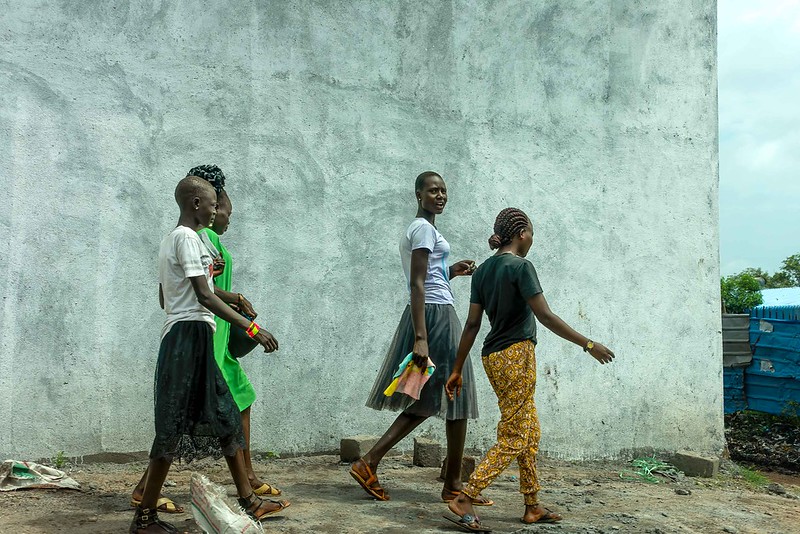 A period is a natural part of any person with female anatomy’s life. It can be a constant financial burden for some since every month, a woman needs pads, tampons or other menstrual products. According to research done by PlushCare, a month’s supply of period products costs $7.30 in South Africa. While South Africa is not the most expensive, for those who experience a period but live in poverty, getting the necessary menstrual products can be difficult.
According to the United Nations (U.N.) Women, 62.7% of impoverished women live in sub-Saharan Africa, including South Africa. For those women living in poverty, having something every month that costs money and time can impact their lives greatly. Finding menstrual products for these women is a big struggle. However, Tamara Magwashu is working to make that struggle easier.
Magwashu War Against Period Poverty
Magwashu has been dealing with period poverty since she was a little girl growing up in the Eastern Cape province. When she was a little girl, Magwashu would have to take a week off of school when she had her period because she only had old rags to use. This means that Magwashu lost 12 weeks of education every year, missing out on potentially crucial parts of her education.
According to the British Broadcasting Corporation (BBC), 30% of girls in South Africa did not attend school during their period. Growing up in poverty, Magwashu didn’t have full access to proper sanitary menstrual products and had to work to provide for herself and her family. Part of her income was put aside to buy sanitary pads rather than use the old rags. As time went on, Magwashu continued to work and eventually got a public relations degree from the University of Johannesburg.
Magwashu realized there was an issue involving young girls and access to period products. So, she decided to take action against period poverty and start a business focused on this issue. She faced many problems when trying to start this business, such as no bank wanting to give her a loan because she had no assets. Still, Magwashu persevered and launched Azosule in 2021. Azosule’s goal is to sell period products at an affordable price for those who need them and live in poverty.
Since starting the business, Magwashu has brought period products to many schools in her home area, providing products to last them six months. She works to expand her business to other schools and educate everyone on the reality of periods for impoverished women. Magwashu stated to BBC in 2023 that “Period poverty is not a women’s issue, it’s a societal issue.”
How Caity Cutter Was Inspired
Magwashu’s influence did not just end there; she inspired other young girls and women to take action against period poverty. Caity Cutter is one of those girls and, at just 12 years old, helped make a change in this societal issue. Cutter, who lives in Germany, was moved when she found out about period poverty in other countries. After reading about Magwashu, Cutter decided to do something to help. The young girl told her father about the issue and asked how they could help.
Her influence on her father pushed him to donate to Magwashu’s company. Michael Cutter saved up money from his job and made an overwhelming donation of 500,000 pads. Along with that, Magwashu stated that he made “further donations that went to us getting a warehouse and hiring staff to distribute the pads further.” This donation not only helps Azosule but also helps these young girls not have to miss school just because of their period.
– Tess Curran
Tess is based in Boston, MA, USA and focuses on Global Health for The Borgen Project.
Photo: Flickr
