• Link to X
  • Link to Facebook
  • Link to Instagram
  • Link to TikTok
  • Link to Youtube
  • About
    • About Us
      • President
      • Board of Directors
      • Board of Advisors
      • Financials
      • Our Methodology
      • Success Tracker
      • Contact
  • Act Now
    • 30 Ways to Help
      • Email Congress
      • Call Congress
      • Volunteer
      • Courses & Certificates
      • Be a Donor
    • Internships
      • In-Office Internships
      • Remote Internships
    • Legislation
      • Politics 101
  • The Blog
  • The Podcast
  • Magazine
  • Donate
  • Click to open the search input field Click to open the search input field Search
  • Menu Menu

Archive for category: Women and Female Empowerment

information and Stories about woman and female empowerment.

Global Poverty, Women and Female Empowerment, Women's Empowerment

The Work of Women Empowerment Through Education in Nigeria

Women Empowerment Through EducationEducation is a powerful catalyst for change, especially in countries like Nigeria, where gender disparities in access to education have long been a pressing issue. In this context, Women Empowerment Through Education (WETE) stands as a beacon of hope, striving to uplift and empower Nigerian women through education.
The Need to Increase Girls’ Education in Nigeria

Education is a fundamental human right, an agent for growth and one of the most effective means of eradicating poverty and advancing gender equality, health, peace and stability. Every additional year of education results in a 9% rise in hourly wages globally. Additionally, it promotes social cohesion and long-term economic prosperity.

Nigeria, a country with a rich cultural heritage and diverse population, has faced several socio-economic challenges, including gender inequality. Historically, women in Nigeria have had limited access to education, due to a patriarchal system, traditional preferences, gender-based violence and child marriage, resulting in restricted opportunities. 

Approximately 13.2 million Nigerian children are not enrolled in school, as President Muhammad Buhari said on January 16, 2020. Nigerian girls account for 60% of this number. This inequality perpetuates a cycle of poverty and vulnerability for many Nigerian women.

When women are educated, they are better equipped to make informed decisions about their lives, health and finances. They also have improved employment prospects, contributing to their economic independence and breaking the cycle of poverty. Recognizing this, Women Empowerment Through Education originated to address these issues head-on. 

The Work of Women Empowerment Through Education (WETE)

Women Empowerment Through Education, established in 2015 and registered with the Ministry of Gender Affairs and Social Development, started with a transformative project to change the lives of 11 young women from impoverished backgrounds. Many of them were plucked from villages where they toiled in domestic work and tended to others’ farms for insufficient wages. Under Sr. Dr. Mary Rose-Claret’s guidance, this initiative has become a beacon of hope, offering these women and many more a pathway towards empowerment and a brighter future.

Women Empowerment Through Education is now a multifaceted organization dedicated to empowering women in Nigeria. At the core of its mission, WETE provides comprehensive education and training programs designed to equip women with the knowledge and skills needed to succeed in the path of their choice. 

Through a diverse set of initiatives, WETE offers workshops that not only build essential career skills but also nurture personal growth and self-confidence. 

Beyond Education: Nurturing Holistic Empowerment

While education is undoubtedly a critical cornerstone for girls’ empowerment, its impact is maximized when joined with a holistic approach that addresses other crucial aspects of their lives. Women Empowerment Through Education recognizes that true empowerment extends beyond the classroom. This organization excels not only in providing education but also in nurturing personal growth, fostering skills development and addressing pressing social issues.

The organization’s commitment extends to a strong emphasis on addressing social issues. The organization offers scholarships to girls who face persecution for their faith, ensuring they have access to quality education by providing scholarships.

In addition, they provide crucial health care services to women in need, prioritizing their physical well-being. WETE also recognizes the pivotal role of women in agriculture and provides vital support, aiding them in becoming more self-sufficient in this sector. Furthermore, the organization extends its compassionate reach to support abandoned children, tackling the grave issue of malnutrition, reflecting its commitment to women’s empowerment and community development.

Women Empowerment Through Education embodies the transformative power of education when coupled with a holistic approach. By addressing not only academic needs but also personal growth, health care and social issues, this organization is shaping a brighter future for Nigerian girls. 

– Hannah Klifa
Photo: Unsplash

September 29, 2023
https://borgenproject.org/wp-content/uploads/borgen-project-logo.svg 0 0 Lynsey Alexander https://borgenproject.org/wp-content/uploads/borgen-project-logo.svg Lynsey Alexander2023-09-29 07:30:312023-09-25 07:15:32The Work of Women Empowerment Through Education in Nigeria
Global Poverty, Women

Poverty and Gender-based Violence in Balochistan

Gender-based Violence in Balochistan
Studies by the government of Pakistan and donor agencies estimate poverty incidence in Pakistan using survey data. Over the past decade, these studies consistently show Balochistan as the poorest province, with its poor accounting for 10-11% of the country’s total poor population. Unfortunately, Balochistan is experiencing a challenge with gender-based violence and poverty. Here is information about the correlation between poverty and gender-based violence in Balochistan.

Harmful Customary Practices

Balochistan is full of harmful customs that adversely affect women and violate their rights. These include killings for honor, forced marriages, exchange marriages (where women are traded between tribes to settle disputes) and depriving girls of education. Poverty makes these abuses more likely to happen because it gives women less power and fewer choices.

According to police reports, in February 2022, over two days, three women and two men died in the name of ‘honor’ in the Jaffarabad, Mastung and Hub districts of Balochistan. In Jaffarabad, a man shot his wife and nephew dead. Meanwhile, in Mastung, unknown persons brutally slaughtered a married couple. In Hub, the second husband allegedly murdered his wife, Mah Jan. These honor killings show how common these kinds of crimes are in Balochistan. These unjustified killings are due to poverty, the lack of legal protections for women and traditional harmful beliefs that allow gender-based violence against women in Balochistan. The cases in February 2022 have brought calls for reform and justice to stop such tragic loss in the name of family honor.

Crisis of Missing Persons

The issue of missing persons in Balochistan also disproportionately affects women. Thousands of Baloch men have gone missing, allegedly abducted by security forces. Their grieving wives and mothers have been left in limbo, not knowing if their loved ones are dead or alive. These women, considered ‘half widows,’ face social stigma, economic deprivation, legal problems and severe psychological trauma. The unsolved missing person crisis further terrorizes and disempowers the province’s women. 

Sammi Deen Baloch has been protesting for 13 years since her father disappeared in Balochistan, one of more than 5,000 reported missing persons in the province. After the abduction of Dr. Deen Mohammed Baloch in 2009, 15-year-old Sammi began raising awareness about these enforced disappearances by Pakistan’s security forces. Despite abusive crackdowns on protests, Sammi continues to demand answers and justice for families like hers suffering from indefinite loss. Her brave activism symbolizes the plight of Balochistan’s ‘half widows’ and mothers whose loved ones have vanished, as well as the importance of accountability for the decades-old human rights crisis that has left thousands missing amid the region’s separatist conflict.

The Vital Work of the Voice for Baloch Missing Persons

Organizations like the Voice for Baloch Missing Persons provide affected families with legal aid, counseling and advocacy support. However, endemic poverty makes it difficult for women to pursue justice and healing. Economic dependence and lack of opportunity trap them in anguish and uncertainty.

Affected families formed The Voice for Baloch Missing Persons (VBMP) in 2009 to pursue justice for Balochistan’s disappearance. Headquartered in Quetta, VBMP provides free legal assistance to help families file petitions and cases seeking information on missing loved ones. It also offers counseling and mental health support to traumatized families, particularly women and children. VBMP organizes protests, sit-ins and campaigns to highlight enforced disappearances and pressurize authorities. It has district committees across Balochistan to document cases and mobilize families. 

VBMP publishes reports to increase awareness of the crisis locally and internationally. It also assists impoverished families with resources for legal procedures and accessing VBMP hubs. Operating on donations and aid funding, the organization employs legal advocacy, activism, counseling and reporting to support families of the missing in Balochistan in their struggle for truth and justice.

Recommendations for Empowerment

Increasing economic empowerment among women is crucial. Income generation through vocational training, microfinance schemes, handicrafts cooperatives and cash-for-work programs can provide women with financial security. These enable women to avoid forced marriages, escape abuse and sustain themselves while searching for missing family members.

Communities and justice systems should engage to stop seeing women’s rights abuses as acceptable. Protecting women from harm, ensuring their safety through shelters and prosecuting abusers will create an environment where women can exercise their rights and seek justice.

Tackling endemic poverty and socioeconomic empowerment of women has to accompany legal-social reform to alleviate gender-based violence in Balochistan in all its forms. Holistic efforts addressing economic and cultural factors are needed to promote women’s rights, safety and development in Balochistan. 

– Asia Jamil
Photo: Flickr

September 15, 2023
https://borgenproject.org/wp-content/uploads/borgen-project-logo.svg 0 0 Lynsey Alexander https://borgenproject.org/wp-content/uploads/borgen-project-logo.svg Lynsey Alexander2023-09-15 07:30:232023-09-12 08:24:36Poverty and Gender-based Violence in Balochistan
Global Poverty, Women

The Athlete Helping Australian Women and Indigenous Peoples

Australian Women
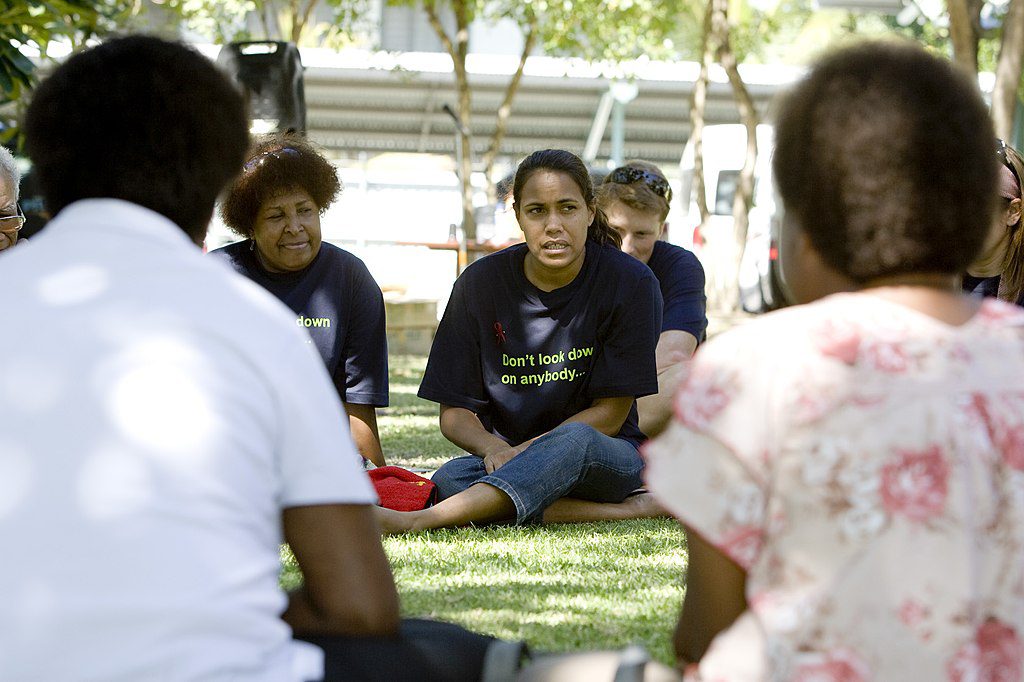
At the 2000 Olympics, Cathy Freeman ran once more around the track, after winning gold in the Women’s 400 m, draped in the Australian and Aboriginal flags — a historic moment for both Indigenous and non-Indigenous Australians. Cathy Freeman’s legacy is a notable and influential athletic career, breaking barriers for Australian women and Indigenous peoples. Since retiring in 2003, her inspiring work as an Aboriginal athlete has continued through her philanthropic endeavors to help Australian women and those in the Indigenous community. 

Freeman’s Inspiring Athletic Career

Cathy Freeman’s athletic portfolio exhibits numerous outstanding performances in track and field. She has won multiple World Championships, gold and silver Olympic medals and four Commonwealth Games gold medals. In recognition of these performances, she earned the titles Young Australian of the Year (1990) and Australian of the Year (1998), is forever inducted into the Sport Australia Hall of Fame and wears the Medal of the Order of Australia (OAM).

Advocating for Indigenous Peoples

Post-athletic career, Cathy Freeman dedicates her efforts to the education of Aboriginal and Torres Strait Islander children. Her foundation, the Community Spirit Foundation, established in 2007, aims “to support children and their families recognize the power of education in achieving their dreams.” When the foundation began “more than 90% of Year 7 students living in Palm Island could not read or write at the minimum national standard, truancy rates were as high as 55% and less than 10% of students graduated high school.”

The foundation plays a key role in the lives of thousands of Indigenous children across four remote First Nation communities. In collaboration with local leaders, the foundation provides a suite of education programs for students at each grade level. These programs build confidence, teach goal-setting, increase resilience through education and provide positive role models appropriate to each community context. 

Since its inception, the foundation has been integral to improving access to education, inspiring a newfound sense of confidence as figures consistently reveal annual increases in year 12 graduation across all four partner communities. Of note, between 2017 to 2018 there was a 50% jump in Year 12 graduations. Furthermore, the organization is regarded highly as a recipient of the St. George Foundation Inspire Grant (2020), an investment in support of bridging the education gap in Indigenous communities. 

In addition, for several years, Cathy was an ambassador of the Australian Indigenous Education Foundation, as well as for the Victorian children’s charity, Cottage by the Sea. 

Freeman’s Legacy Continues

For more than a decade, the Community Spirit Foundation has extended its reach in providing access to quality, sustainable educational opportunities in rural Indigenous communities. In 2021, UNICEF Australia partnered with the Foundation, empowering Freeman’s vision and passion to “implement community-led, long-term partnerships with Indigenous communities, employing local people and working in a sustainable way.” The partnership bases efforts in the Aboriginal community of Woorabinda, where young people (under the age of 20) make up almost half the population and work to create sustainable educational and life opportunities.

Cathy Freeman continues breaking barriers for Australian Women and Indigenous peoples. As her work continues in her community, recognition of women in athletics and Indigenous communities expands to greater heights, creating opportunities in education, work and life.

– Emmalyn Meyer
Photo: Wikipedia Commons

July 31, 2023
https://borgenproject.org/wp-content/uploads/borgen-project-logo.svg 0 0 Lynsey Alexander https://borgenproject.org/wp-content/uploads/borgen-project-logo.svg Lynsey Alexander2023-07-31 07:30:582024-05-30 22:32:17The Athlete Helping Australian Women and Indigenous Peoples
Global Poverty, Human Trafficking, Women

The Chaiim Foundation: A Hope for Women Survivors of Trafficking

Women Survivors
Human trafficking is a grave issue that affects millions of women worldwide. It involves the illegal trade of women for various purposes, including forced labor, sexual exploitation and slavery. This crime thrives on the vulnerability of women, often targeting those from marginalized backgrounds or communities. Trafficked women experience unimaginable abuse and violation of their basic human rights. In 2020, India’s government identified 5,156 trafficking victims. In 2022, the figures increased to 6,622, accounting for kidnapping and drugging.

The fight against trafficking requires a multi-faceted approach that includes raising awareness, strengthening laws and law enforcement, providing support to survivors and addressing the root causes of this crime.

Multiple organizations are working to save the victims from the harsh realities of trafficking and provide them with a safe and secure future. One such organization is the Chaiim Foundation, which focuses on helping survivors to reintegrate into society.

About The Chaiim Foundation

Chaiim is a non-governmental organization located in Mumbai, India that aims to improve the lives of women who have survived human trafficking. Founded in 2013, the organization has been supporting victims who have experienced exploitation due to gender, caste and religious differences. Chaiim provides education and training programs to help survivors join leadership roles within its organization.

Women who have been rescued from vulnerable situations such as prostitution and human trafficking receive the opportunity to improve their prospects through education, vocational training, housing, life skills and other means. Chaiim offers weekly life skills classes to monitor survivors’ progress in dealing with mental trauma, while vocational training courses in areas such as sewing and beauty care are tailored to individual interests and the needs of the local job market.

Living circumstances have deprived many girls of educational opportunities. The Chaiim Foundation steps in to change this, providing access to subjects like math, English and computer skills, paving the way for higher education in the future. Presently, the foundation’s life skills and education program benefits 132 women survivors.

The Chaiim Foundation’s Clothing Business

Humanitarian is a sustainable clothing business that the Chaiim Foundation established in July 2013. It aims to directly support women survivors by providing education, health care, vocational training and housing. The venture provides employment opportunities for women who have escaped human trafficking. Customers can submit their designs and inquiries to the team, who will then provide a production plan with cost and time estimates. Once the plan reaches finalization, the manufacturing team begins cutting and sewing the product before packaging it for shipping.

Other Initiatives to Help Women Survivors

The foundation hosts awareness programs, seminars and workshops to promote the work and efforts of volunteers and women survivors. It also facilitates victims’ reintegration into society, helping them start anew with fresh opportunities and goals. Additionally, it is working on a new venture called “Daag,” which aims to create reusable sanitary pads. This project seeks to promote job opportunities and improve the health of women living in rural areas.

Looking Ahead

In India, efforts to combat women’s trafficking focus on investigations. However, rural women continue to encounter difficulties in this area. Thankfully, organizations like the Chaiim Foundation exist to assist survivors by providing essential support in the form of education, health care, legal aid and housing. These resources help to create a brighter future for those affected by this heinous crime.

– Gurjot Kaur
Photo: Flickr

July 31, 2023
https://borgenproject.org/wp-content/uploads/borgen-project-logo.svg 0 0 Lynsey Alexander https://borgenproject.org/wp-content/uploads/borgen-project-logo.svg Lynsey Alexander2023-07-31 07:30:102023-07-28 01:26:18The Chaiim Foundation: A Hope for Women Survivors of Trafficking
Global Poverty, Women, Women and Female Empowerment

Supplying Women Mobile Phones in Africa

Mobile Phones in Africa
The number of people using mobile phones in Africa has been rapidly increasing in the past two decades, and this is mainly due to how vital phones have become to the daily lives of Africans. In addition to essential communication features such as phone calls or texts, mobile phones are also the current mainstream method for Africans to access the internet. However, there is a significant gender disparity in access to mobile phones and internet among Africans, and women are far more likely to lack access to mobile devices and mobile internet.

 The Explosive Growth of the African Mobile Phone Market

Just about two decades ago, mobile phones were an inaccessible novelty good to the overwhelming majority of Africans. In 2000, merely 2% of the population in sub-Saharan Africa had mobile phone subscriptions. However, over the past years, the mobile phone market in Africa underwent exponential growth. As of 2021, 84% of the same sub-Saharan population now have some form of mobile subscription.

In many African nations today, mobile phones have become more common than even basic resources like electricity. Mobile phones have also become the current mainstream method for Africans to access the internet with nearly 70% of African internet traffic coming from mobile devices alone.

The fast-growing usage of mobile phones in Africa is also due to the continent’s commercial profile, as mobile money and banking are immensely popular for consumer payments in Africa. In 2018, nearly two-thirds of all mobile money transactions were in African nations, and the total amount of transactions surpassed $25 billion.

The Gender Gap of Mobile Phones in Africa

However, despite the growing importance of mobile phones in the lives of Africans, there is also a huge gender disparity in access to mobile phone technology, and women are falling behind both in terms of mobile phone ownership and mobile internet access. As of 2021, there was a significant 37% gender gap in mobile internet use in sub-Saharan Africa.

This gender gap also extends to the type of mobile phone Africans own. African women are as much as 30% less likely than men to own a smartphone and are more likely to own older, basic mobile devices than men, according to the 2022 GSMA report. The smartphone gap shows how women are disadvantaged in accessing advanced technology and opportunities, as smartphones have greater utility and access to useful tools such as social media and mobile apps.

Smartphones4good Presents a Solution

Smartphones4good is a Finnish startup that collects used smartphones from developed nations through donations. The phones are refurbished and then leased to female African entrepreneurs at affordable prices. While many Africans do have access to basic cell phones, many have limited functionalities and cannot provide access to the internet. Moreover, purchasing a new smartphone is often too expensive to be a viable choice for underserved African women, according to the 2022 GSMA report. Smartphones4good focuses on closing the gender disparity of mobile phones in Africa by providing affordable internet access to African women and helping them access resources such as online sales platforms and social media networks.

 Looking Ahead

Since the early 2000s, mobile phones in Africa have rapidly become an essential item for most Africans. However, the persisting gender disparities in mobile ownership illustrate a clear picture of the additional challenges African women face in their lives. The efforts of Smartphones4good aim to close the gender gap in Africa’s mobile phone landscape and empower more women to break barriers by connecting with the rest of the world.

– Junoh Seo
Photo: Wikipedia Commons

June 19, 2023
https://borgenproject.org/wp-content/uploads/borgen-project-logo.svg 0 0 Naida Jahic https://borgenproject.org/wp-content/uploads/borgen-project-logo.svg Naida Jahic2023-06-19 07:30:082023-06-16 03:12:47Supplying Women Mobile Phones in Africa
Global Poverty, War, Women and Female Empowerment

Stronger Women, Stronger Nations Program Empowers Women Survivors

Women Survivors
Recovering from the destruction and horror of war remains an inconceivably difficult task for survivors worldwide. For women especially, getting back on their feet in an already disadvantaged world can seem impossible. Women for Women International is a nonprofit supporting women survivors of war by providing them access to connections, resources and educational programs. Its Stronger Women, Stronger Nations program specifically works to not only aid recovery but also advance women’s place in society in developing countries where many conflicts occur.

Women for Women International

Since its founding in 1993, Women for Women International has helped more than 500,000 women recover from war and reach self-sufficiency. Zainab Salbi was only 23 years old when she founded the organization, eventually distributing more than $100 million in aid during her time as the CEO. Foreign Policy Magazine has since named her one of the 100 Leading Global Thinkers.

However, she is not doing her work alone. Women for Women International has representatives working in affected countries across the globe, including the Democratic Republic of Congo (DRC), Afghanistan, Germany, Iraq, the United Kingdom, Kosovo, Bosnia and Herzegovina, South Sudan, Rwanda and Nigeria. Each country director distributes funds and facilitates necessary workshops to help survivors support themselves. Much of this work occurs through the nonprofit’s educational program, Stronger Women, Stronger Nations.

Stronger Women, Stronger Nations

Women for Women International is a self-described “learning organization” that goes “beyond charity to innovation.” As such, representatives for Stronger Women, Stronger Nations facilitate courses customized to every country’s specific social and economic profile. Throughout the year-long program, survivors are provided with a monthly stipend of $10, relevant vocational training, financial education and lifelong connections that leave them feeling stronger than ever.

The program begins with placement into a class of 24 fellow female survivors. Each class includes five social empowerment modules (Women’s Solidarity, Value of Women’s Work, Health and Wellness, Gender Equality, Rights and Decision Making and Women Influencing Decisions in their Community). A social empowerment trainer from Women for Women International leads it. The first month focuses on social networking and numeracy training, both in the local language and English. The next two months give the women time to reflect on their war-inflicted trauma as they begin to consider the value of women’s work. By the fourth month of the program, the women are learning to set and pursue financial goals. The fifth month begins a module on health and wellness, educating the women on hygiene, sanitation and local concerns like malaria. After that, they learn vocational skills of their choosing like tailoring and poultry-keeping.

The rest of the program continues this vocational education while additionally sparking discussion on gender equality, domestic abuse, motherhood and societal change. Women also learn business skills like budgeting, bookkeeping and organizational leadership. By the time their Stronger Women, Stronger Nations class concludes, they are fully equipped to start a business, impart change in their community and create more opportunities for their families.

Lasting Impact

This innovative program continues to catch the attention of international corporate partners including Bloomberg Philanthropies, Slip®, Hyatt Hotels, Charlotte Tilbury and Jimmy Choo. Aside from donating to the Stronger Women, Stronger Nations program, several companies have expanded their reach even further. In 2012, Hyatt created jobs for 50 program members in Iraq by having them sew laundry bags for its boutique Andaz Hotels. Cosmetics brand Charlotte Tilbury donated $2 from every sale of its Hot Lips collection in 2016. It later pledged $1 million alongside the release of the Hot Lips 2 collection in 2019. Jimmy Choo has sponsored 50 women from programs in Iraq, Rwanda and the Democratic Republic of Congo.

The effects of war remain long after a conflict resolves. Women for Women International believes that women survivors of war experience the most negative impacts, given the compounding societal factors that come with being a woman. Through its Stronger Women, Stronger Nations program, the nonprofit not only helps female survivors recover from the trauma of war but ensures that they become stronger mothers, entrepreneurs and community leaders.

– Rachel Rebecca Smith
Photo: Flickr

May 18, 2023
https://borgenproject.org/wp-content/uploads/borgen-project-logo.svg 0 0 Jennifer Philipp https://borgenproject.org/wp-content/uploads/borgen-project-logo.svg Jennifer Philipp2023-05-18 18:26:212023-06-04 15:57:05Stronger Women, Stronger Nations Program Empowers Women Survivors
Global Poverty, Women

5 Facts About the Feminization of Poverty

Feminization of Poverty
The “feminization of poverty” is the concept of social and economic factors that keep women disproportionately poor globally. It touches on how women experience poverty in more severe forms than men. It also looks into how poverty is on the rise among women.

Gender inequality is the most common form of inequality in the world, and as a result, it is one of the biggest barriers to alleviating poverty. The following are some important facts to know about the feminization of poverty in the world.

5 Facts About the Feminization of Poverty

  1. Millions of Women Live Below the Poverty Line: Estimates from U.N. Women reported that 388 million women and girls around the world would be living in poverty in 2022. For comparison, the study reported the number of men and boys in the same category as 372 million. It also stated the potential for the number to reach 446 million in a “high-damage” scenario.
  2. Women of Color are the Most Affected: Of the number of women living in poverty, 345 million are from Asia and Africa. This means the feminization of poverty spans across the axes of intersectionality such as race and ethnicity. But this does not stop at the global south, as women of nearly all races and ethnicities are more likely to face poverty than their white counterparts. In the U.S., 91.9% of women living in poverty are black, Asian, Hispanic, Alaska native or other races, while only 9% are white.
  3. Violence Keeps Women and Girls Poor: Women who have abusive partners or family members may be less likely to find work due to potential control issues. If they are able to find work, they may miss days and opportunities as a result of injury. For instance, in the MENA region, 35% of women experience domestic violence, resulting in Gender-Based Violence (GBV) accounting for a loss of 3.7% in the GDP, as women are also prevented from participating in labor. Women that are unable to work and earn a living have a harder time escaping their situation. Consequently, they continue to live below the poverty line.
  4. Women are More Likely to Get Low-Income Jobs: In the U.K. alone, a fifth of women are working jobs that are below the real living wage. This means that 2.9 million women are living below the living wage. In comparison, only 1.9 million men work low-paying jobs that place them below the living wage. Most recent estimates show that globally, women earn 16% less on average than their male counterparts. In Australia and New Zealand, the gender pay gap stands at 19.3%, and in India, it is 14.4%.
  5. Childbirth Impacts Career Progress: Less than one in five women in the U.K. return to full-time work within the first three years after childbirth, and 17% of women leave work completely after having children, compared to only 4% of men. This disparity in gender responsibilities results from various factors, such as poor maternal leave policies and the disproportionate burden of caretaking duties on mothers. This situation highlights how gender inequality affects a woman’s earning potential and ability to lift herself out of poverty.

Ongoing Efforts and Potential Solutions

Fighting gender inequality plays a significant role in ending poverty. U.N. Women, which emerged in July 2010, has a project dedicated to supporting women worldwide, training them to become entrepreneurs and start small businesses. UN Women has four strategic priorities that include helping women to participate in and benefit from governance systems, secure income and exercise economic autonomy. Its aim is to free women and girls from all forms of violence and enable them to contribute to building a sustainable world.

Other organizations like ActionAid and Forgotten Women are committed to delivering safe aid to help women out of poverty and crisis situations through training and awareness initiatives. In 2021, ActionAid spent £31.9 million on humanitarian and development programs globally.

There is still much work to do in the fight against female poverty. Nonetheless, several organizations are already working to provide women with the support and opportunities that they need to succeed. Supporting the ongoing efforts of active organizations, through awareness and community work, can potentially play a vital role in putting an end to the feminization of poverty.

– Safa Ali
Photo: Flickr

April 24, 2023
https://borgenproject.org/wp-content/uploads/borgen-project-logo.svg 0 0 Jennifer Philipp https://borgenproject.org/wp-content/uploads/borgen-project-logo.svg Jennifer Philipp2023-04-24 07:30:142024-05-30 22:30:585 Facts About the Feminization of Poverty
Global Poverty, Women and Female Empowerment

Examining Women’s Rights in Belarus

Women’s Rights in BelarusAlexander Lukashenko has governed Belarus since 1994. In a country with restricted civil liberties, gender inequality remains concerning. In 2020, women in Belarus stood at the forefront of protests for freedom and created solidarity chains that became a symbol of resistance against the regime. Several groups are working to uphold women’s rights in Belarus amid growing concerns about human rights violations.

State of Women’s Rights in Belarus

The Global Gender Gap Report is an index created by the World Economic Forum to gauge gender equality in 146 countries. The yearly reports show the general trajectory of the countries’ progress toward dissolving the disparity between men and women and gather data in four principal areas: health, education, economic participation and political empowerment. The 2022 report shows that the global gender gap globally has shrunk by 68%. Nevertheless, the World Economic Forum estimates achieving full equality will take more than 130 years. Only a few countries from the top 10 economies are close to dissolving the gender gap and Iceland stands as the only country to close more than 90% of its gender gap.

In the Global Gender Gap Index 2022 rankings, Belarus occupies 36th place. The country has never had a female head of state and women in the upper house of parliament hold only a quarter of the seats. Belarus scores 0.750 out of 1.0 for gender parity, ranks fourth globally in the economic participation and opportunity field and has obtained parity in its literacy rate. Nevertheless, it ranks 69th in the political empowerment area, showing an underrepresentation of women in politics.

Civil Society and Non-Governmental Organizations in Belarus

A U.N. Women’s report on women’s rights in Belarus shows more promising results. In 2021, women in Belarus occupied 40% of seats in the parliament and more than 60% of the legal frameworks to monitor gender equality are in place. The results show an improvement from previous years, making the efforts of civil society (CSO) and non-governmental organizations (NGO) more encouraging.

The work of CSOs and NGOs in Belarus is vital. The political climate for these organizations has not been favorable as Minsk departed from close cooperation with the European Union and adopted a new political course that damages the ability to work freely and overcome government censorship. Nonetheless, the U.N. agencies operate in Belarus and cooperate with the government, non-governmental and other international organizations.

For instance, the United Nations Population Fund (UNFPA) is a U.N. agency that covers diverse thematic areas, such as reproductive health, population and development and gender equality. The UNFPA builds on national priorities and aims to promote the right of every woman, man and child. This helps to strengthen the efforts of a few independent local CSOs and NGOs that continue their work despite the challenging political environment.

Center for Promotion of Women’s Rights – Her Rights

This Belarusian nonprofit organization was founded in February 2016 to help build a more just world for women and men. One of the vital goals is to help protect women’s rights in Belarus and promote their interest in building a more democratic society and giving women equal opportunities. More specifically, the Center for Promotion of Women’s Rights provides legal assistance for the victims of gender violence and discrimination. The nonprofit primarily focuses on the problem of domestic violence as about 70% of the appeals it receives come from women who undergo domestic violence.

Women from every region of Belarus can reach out to the organization’s legal helpline and obtain essential guidance on top of legal assistance. Despite having little publicity, this nonprofit receives calls for assistance from a minimum of 20 Belarusian females monthly. The organization has gained the trust of women, which has become one of its most significant achievements.

Repressions and political abuse of power in Belarus are now more difficult to monitor as hundreds of civil society organizations have shut down. However, the organizations still in existence are working hard to persist in their efforts to make a positive impact and establish a more just, safe and equal society.

– Nino Basaria
Photo: Flickr

April 20, 2023
https://borgenproject.org/wp-content/uploads/borgen-project-logo.svg 0 0 Kim Thelwell https://borgenproject.org/wp-content/uploads/borgen-project-logo.svg Kim Thelwell2023-04-20 01:30:592024-05-30 22:23:00Examining Women’s Rights in Belarus
Children, Education, Global Poverty, Women

Beauty Brands Contributing to Poverty Reduction

Beauty Brands Contributing to Poverty ReductionBusinesses can positively impact their communities and play a significant role in the global fight against poverty. Fenty Beauty, Rare Beauty and Charlotte Tilbury are some of the beauty brands contributing to poverty reduction.

Fenty Beauty

The brand Fenty Beauty works alongside the Clara Lionel Foundation (CLF). This foundation supports and funds children’s education, health and emergency response programs worldwide. Fenty Beauty supports its work through donations and 100% of donations go directly to the foundation.

Rihanna, the creator of Fenty Beauty, details her motivation for ensuring that her brand gives back to those in need. “My grandmother always used to say if you’ve got a dollar, there’s plenty to share,” says Rihanna. The global superstar created the CLF in 2012 to honor her grandparents. The foundation focuses on assisting communities in preparing for and withstanding natural disasters. Notably, CLF aims to help the Caribbean become the world’s first climate-resilient zone.

By working to establish resilience among communities, the CLF helps prevent future poverty among residents due to natural disasters. Many of CLF’s projects take place in Barbados, Rihanna’s home country. Beneficiaries include the Westbury Primary School, which the CLF helped to upgrade to a Category 1 shelter to provide temporary emergency shelter to the community during natural disasters. The CLF also helped to renovate the school library and provide technology for research activities.

Fenty Beauty stands as one of the beauty brands contributing to poverty reduction by improving the lives of those in the Caribbean and preventing poverty from deepening through its climate resilience projects.

Rare Beauty

Rare Beauty,  founded by Selena Gomez, has committed to helping address mental health needs globally through its Rare Impact Fund (RIF). Gomez allocates 1% of all sales to the RIF. The beauty company also works with other philanthropic foundations to increase access to mental health services.

Gomez created the RIF because of her own struggles with mental health. The RIF “invests globally in the most innovative and promising organizations in the field of mental health.” The organization has given more than $1.7 million in grant support to organizations worldwide since launching the RIF in 2020. The RIF has worked in North America, the U.K., Europe and Brazil to help more than 150,000 people seeking support for their mental health needs.

A study by Lee Knifton and Greig Inglis says poverty can contribute to poor mental health through the invoked stress, stigma and trauma. Mental health issues can also deepen conditions of poverty. “Mental health problems can lead to impoverishment through loss of employment, underemployment or fragmentation of social relationships,” the study says.

Through its commitment to expanding mental health resources around the world, Rare Beauty established itself as one of the beauty brands contributing to poverty reduction.

Charlotte Tilbury

Charlotte Tilbury Beauty, the cosmetic brand named after its creator, the British beauty entrepreneur and makeup artist Charlotte Tilbury, partners with Women for Women International (WFWI) to establish itself as a brand contributing to poverty reduction.

WFWI invests in women who are survivors of war and conflict. By providing these women with social and economic skills, WFWI works to transform individual lives and those in the communities the women reenter. The organization works in 14 conflict-stricken countries, including Afghanistan, Iraq and the Democratic Republic of the Congo (DRC).

In 2016, Charlotte Tilbury Beauty launched a collection of 12 lipstick shades, and to commemorate the product launch, the company pledged to donate more than $1 million to WFWI. In 2018, Charlotte Tilbury Beauty also supported WFWI on Giving Tuesday by donating 15% of all sales to the organization.

Looking Ahead

Beauty brands that take a stand against global poverty can significantly alleviate the immediate and long-term effects of this global epidemic. By providing resources, education and support to those in need, such brands can help address the root causes of poverty and empower individuals and communities to improve their own economic situations.

Furthermore, these efforts can create a ripple effect, inspiring others to get involved and generating greater awareness and advocacy for this critical issue. Beauty brands contributing to poverty reduction provide hope for a brighter, more equitable future for all.

– Brooklynn Rich
Photo: Flickr

April 14, 2023
https://borgenproject.org/wp-content/uploads/borgen-project-logo.svg 0 0 Jennifer Philipp https://borgenproject.org/wp-content/uploads/borgen-project-logo.svg Jennifer Philipp2023-04-14 07:30:142023-04-13 02:17:21Beauty Brands Contributing to Poverty Reduction
Education, Global Poverty, Women, Women and Female Empowerment

Reducing Gendered Poverty by Empowering Women

gendered poverty
Statistics prove that poverty affects women more than men as women make up the majority of the world’s poor. The social structures and barriers in many, if not all, countries are the reasons for this accelerated rate of poverty among women. These barriers include gender wage gaps, the lack of access to decent working conditions and opportunities, the amount of unpaid work women do in their communities and households and the fact that their workdays are longer. Many organizations recognize these issues and are taking a stand against gendered poverty by empowering women.

The Importance of Empowering Women

It is important to include everyone’s needs in the fight against poverty. However, because poverty impacts women at an exacerbated rate, their empowerment and advancement in society create statistically higher rates of economic growth in countries where women are a priority. Across developing nations, women make up 40% of all farmers, yet they own as little as 1% of the land. When the narrative changes and women can own just as much land as men, crop yields have the potential to grow up to 10%.

Similarly, women and girls attend school at a much lower rate than men and boys. With just 10% more girls attending school, a nation can see its GDP expanding by about 3%. When women secure an economic opportunity that brings in an income, they tend to reinvest their earnings into their families and community. This means higher education rates, lower hunger rates, healthier family models (fewer child mortality, fewer unwanted pregnancies) and increased local economic growth.

U.N. Women Fights Gendered Poverty

The United Nations is currently making great progress by spearheading and promoting many projects around the world that focus on women first to eradicate poverty. U.N. Women recognizes that zero poverty is not achievable without dissolving gender inequality and placing women at the center of development efforts.

U.N. Women initiatives have benefited more than 100,000 impoverished and disadvantaged women in 29 districts in India. As the result of one particular project, “more than 30,000 marginalized rural women now manage worksites and are able to ensure wages are paid and demand their rights under pension, social protection and livelihood programs,” the U.N. Women website says.

Chars Livelihoods Program (CLP)

The chars of Northwestern Bangladesh, or riverine islands, are susceptible to destruction through flooding and erosion. Many people living on these chars suffer from poverty and are vulnerable to losses of assets and livelihoods due to floods and erosion.

One program that put women at the center of its efforts is the Chars Livelihood Program (CLP), which ran in various phases from 2004 to 2016 through funding from the United Kingdom’s Department for International Development (DFID). The program sought to help families rise out of poverty by giving women of households living in poverty investment capital, intellectual resources and economic courses and by educating communities on gender discrimination. These actions led to women investing in long-term, sustainable income-generating opportunities and familial betterment and saw women becoming more participatory in the community and taking control of their independence.

The first phase of the CLP (CLP-1) operated between 2004 and 2010 on the chars of the Jamuna River. CLP-1 aimed to assist 55,000 of the most impoverished families and is estimated to have positively benefited more than 900,000 individuals.

Moving Forward

When countries find solutions to address gendered poverty, leaders can then start to eradicate poverty at the source. By giving women economic opportunity, social space and personal autonomy and empowerment, countries open up the globe’s playing field to a marginalized group that plays a significant role in global economic growth.

– Alexandra Curry
Photo: Flickr

April 12, 2023
https://borgenproject.org/wp-content/uploads/borgen-project-logo.svg 0 0 Jennifer Philipp https://borgenproject.org/wp-content/uploads/borgen-project-logo.svg Jennifer Philipp2023-04-12 07:30:492023-04-10 07:51:10Reducing Gendered Poverty by Empowering Women
Page 13 of 82«‹1112131415›»

Get Smarter

  • Global Poverty 101
  • Global Poverty… The Good News
  • Global Poverty & U.S. Jobs
  • Global Poverty and National Security
  • Innovative Solutions to Poverty
  • Global Poverty & Aid FAQ’s
Search Search

Take Action

  • Call Congress
  • Email Congress
  • Donate
  • 30 Ways to Help
  • Volunteer Ops
  • Internships
  • Courses & Certificates
  • The Podcast
Borgen Project

“The Borgen Project is an incredible nonprofit organization that is addressing poverty and hunger and working towards ending them.”

-The Huffington Post

Inside The Borgen Project

  • Contact
  • About
  • Financials
  • President
  • Board of Directors
  • Board of Advisors

International Links

  • UK Email Parliament
  • UK Donate
  • Canada Email Parliament

Get Smarter

  • Global Poverty 101
  • Global Poverty… The Good News
  • Global Poverty & U.S. Jobs
  • Global Poverty and National Security
  • Innovative Solutions to Poverty
  • Global Poverty & Aid FAQ’s

Ways to Help

  • Call Congress
  • Email Congress
  • Donate
  • 30 Ways to Help
  • Volunteer Ops
  • Internships
  • Courses & Certificates
  • The Podcast
Scroll to top Scroll to top Scroll to top