• Link to X
  • Link to Facebook
  • Link to Instagram
  • Link to TikTok
  • Link to Youtube
  • About
    • About Us
      • President
      • Board of Directors
      • Board of Advisors
      • Financials
      • Our Methodology
      • Success Tracker
      • Contact
  • Act Now
    • 30 Ways to Help
      • Email Congress
      • Call Congress
      • Volunteer
      • Courses & Certificates
      • Be a Donor
    • Internships
      • In-Office Internships
      • Remote Internships
    • Legislation
      • Politics 101
  • The Blog
  • The Podcast
  • Magazine
  • Donate
  • Click to open the search input field Click to open the search input field Search
  • Menu Menu

Archive for category: Women and Female Empowerment

information and Stories about woman and female empowerment.

Global Poverty, Women

Digital Wages in Bangladesh are Empowering its Female Workforce

Digital Wages in BangladeshAcross the developing world, women continue to make up large proportions of key manufacturing industries. For instance, they comprise 68% of the garment workforce and 45% of the textile industry. Wages in these industries are generally paid in cash, making it difficult for workers to save for the long term, which is one way to escape poverty. Here is some information about digital wages in Bangladesh. 

The Situation

At the same time, historic gender roles mean women often do not directly benefit from the results of their work. In Bangladesh, where female textile factories dominate, women are expected to turn their wages over to their husbands or fathers. There are even accounts of long lines of men waiting outside the factories on payday, ready for this handover.

This wage settlement means female workers are denied proper control over their finances. For those women already living in poverty, this leaves them trapped. Despite undertaking paid employment, they cannot access the financial resources required to escape their current position. While this is a complex problem, some simple solutions can go a long way to removing the barriers women face. BSR’s HERProject has looked to do exactly that. HERProject has supported the growing trend of introducing digital wages for factory workers in Bangladesh. It helps teach employees how to use digital banking systems to ensure successful implementation.

The Benefits of Digital Wages in Bangladesh

Digital wages in Bangladesh have transformed women’s lives in the key areas where they were previously disempowered. Now, it is easier for workers to plan and save. They only withdraw the money they need to spend, while the rest is stored securely in a bank account. 

World Bank researchers found that digital banking increases the likelihood of workers saving money by 25%. At the same time, women have more control over their money. Instead of receiving pay in person, their wages are transferred directly to an account that belongs to them. This prevents husbands or fathers immediately confiscating women’s wages.

One can see these benefits in the popularity of digital wages in Bangladesh. According to the Bill and Melinda Gates Foundation, pollsters found that after an H&M factory adopted digital wages, the number of workers who preferred the system jumped from 4% to 81%. A crucial part of the message of HERProject is the benefits factories themselves will stand to make from schemes such as digital wages. According to the organization, empowered women become agents of change, making businesses “more ethical and more productive.”

The Formation of RISE

On International Women’s Day 2023, HERProject joined Gap Inc. PACE, CARE International and Better Work (all organizations fighting for gender equality in supply chains) to form RISE. This new organization, standing for ‘Reimagining Industry to Support Equality,’ will look to fight for gender equality on an even larger scale. Its founders already support more than five million workers in over 20 countries. By sharing their resources, they can bring transformative ideas like HERProject’s digital wages to more of the developing world. The success of digital wages in Bangladesh is one example of how technology can be applied in the developing world to give workers greater control over their finances and the means to escape poverty. Its continued application will help reshape industries across developing countries for decades. 

– Jack Arrowsmith
Photo: Wikipedia Commons

November 27, 2023
https://borgenproject.org/wp-content/uploads/borgen-project-logo.svg 0 0 Yuki https://borgenproject.org/wp-content/uploads/borgen-project-logo.svg Yuki2023-11-27 03:00:012023-11-25 01:53:27Digital Wages in Bangladesh are Empowering its Female Workforce
Gender Equality, Global Poverty, Women

How Women’s Pavilion is Fighting for Gender Equality

Gender EqualityWomen’s Pavilion is a community exhibition in Expo City, Dubai, which aims to showcase women’s contributions to humanity, particularly those who have not received the recognition that they deserve already. This ranges from the work of women who are incredibly well-known to the completely anonymous. The exhibition includes different floors with each one describing the heroic and selfless actions of women with accompanying photos and memorabilia. In this way, Women’s Pavilion is fighting for gender equality.

Visiting Women’s Pavilion

Even if it is not possible for one to physically visit the display, the website offers a virtual 360° tour of the showcase that allows people to witness the amazing displays from their own home. The exhibit includes photos and accompanying explanations ranging from Frida Kahlo to Kathy Matsui, a partner in MPower.

The opening of Women’s Pavilion’s exhibit portrays how women have been underrepresented. With this being the first section of the Pavilion, it highlights the fact that gender inequality does not start at a specific age, and even children will experience prejudice from a school age. 

The Aims of Women’s Pavilion

The main and most evident aim of Women’s Pavilion is to encourage young women to break down the barriers that are pre-existing stereotypes and allow them to live carelessly as their authentic selves. It also aims to deconstruct any misconceptions when it comes to women’s roles; both in a small community or a wider society including household duties and careers. However, Women’s Pavilion also acknowledges the men who have helped to make sure that these women are finally getting the recognition that they deserve as a thank you for using their privilege in order to share the deserved spotlight with the women they worked alongside. 

This is not the first time that Dubai has been vocal in its fight for women’s rights and gender equality. Women’s Pavilion shares stories of many women from Arab countries and Islam who have fought to make the world a cleaner and better place.

Highlighting Gender-Related Poverty

In the display, there is a moving excerpt that consists of a wall filled completely with women’s shoes. At first glance, it may simply look like a wall of shoes, but after looking closer, they will learn that despite the 75% decrease in poverty, more women live in poverty compared to men. This highlights the fact that although conditions are improving immensely, there are still improvements that need to occur to promote gender equality. 

There is also a moving dedication to applaud the women who played important parts throughout the COVID-19 pandemic, which again showcases the work of women whose selfless acts are going unnoticed. 

Women’s Pavilion is a perfect representation of all of the women throughout history who have gone completely unacknowledged for their skills or contributions to society. From world-famous artists to teachers and behind-the-scenes programmers, Women’s Pavilion appreciates and applauds every woman. 

– Ella Bushell
Photo: Flickr

November 16, 2023
https://borgenproject.org/wp-content/uploads/borgen-project-logo.svg 0 0 Yuki https://borgenproject.org/wp-content/uploads/borgen-project-logo.svg Yuki2023-11-16 07:30:202023-11-13 19:54:03How Women’s Pavilion is Fighting for Gender Equality
Global Poverty, Women

5 Facts About Gender-based Poverty in the DRC

gender-based poverty in the DRC
Poverty levels in the Democratic Republic of Congo (DRC) are incredibly high, and women tend to suffer deeper economic violence and injustices. Limited access to education, reproductive and care responsibilities, gender-based violence, unequal laws and the lack of representation of women in decision-making contribute to gender-based poverty in the DRC. 

Women’s Limited Access to Education 

Limited access to education and economic opportunities poses significant challenges for girls in the DRC. Although girls’ enrolment in school has increased from 50% to 78% between 2000 and 2017, women still face challenges to higher education and economic access. The main reason for Congolese girls’ struggle to pursue an education is social norms and expectations — marriage and motherhood. 

Addressing this issue is crucial to guarantee girls’ access to education and therefore reduce gender-based poverty in the DRC. Indeed, providing Congolese women with the opportunity and means to obtain an education increases their chances of obtaining better-paying jobs and allowing women to participate more fully in the political sphere. 

Increasing women’s access to education requires advocacy, improving school infrastructure, providing financial support and combating gender-based discrimination and violence. For instance, the United Kingdom’s new Women and Girls Strategy helps 36,000 girls in the DRC access education in the Kauai province. 

Empowering girls will contribute to social and economic development, fostering a more equitable and prosperous society in the DRC.

Reproductive and Care Responsibilities 

Reproductive and care responsibilities burden Congolese women, hindering their economic empowerment. Women’s value in Congolese society is often reduced to the roles of wife and mother. According to the 2017–18 MICS, nearly 30% of women are married under the age of 18 years old. 

This phenomenon deeply impacts women’s economic agency and thus gender-based poverty in the DRC. Indeed, women’s caregiving roles limit educational and workforce opportunities. 

Actively fighting gender stereotypes and expectations could not only allow women to pursue education but also encourage the equitable sharing of caregiving responsibilities in marriage and provide comprehensive support to women in managing their work and family commitments. 

Gender-based Violence

Gender-based violence (GBV) is prevalent in the DRC, particularly in conflict-affected regions, impacting women’s physical and mental well-being, as well as partially causing gender-based poverty in the DRC. Indeed, one in two women in the DRC report having experienced physical or sexual abuse at least once in their lives. 

Firstly, fear of violence discourages girls’ education and limits economic opportunities. In fact, girls face increased risks of violence, sexual exploitation and harassment by teachers and harmed forces in school settings. 

Secondly, the economic consequences of gender-based violence are closely linked with harmful conceptions of gender roles. Because the value of women is based on their capacity to marry and bear children, people often view survivors of sexual abuse as “unfit” for such roles, and their socioeconomic status suffers as a result. 

In order to fully address gender-based violence in the DRC, national and international institutions need to implement legal reforms, provide secure learning environments and encourage community engagement to combat harmful norms. 

Unequal Laws and Discriminatory Practices Towards Women 

Unequal laws and discriminatory practices reinforce gender-based poverty in the DRC. Inheritance laws favor male heirs, denying women their rightful property share. Limited access to land ownership and financial services further hampers economic opportunities. Despite their critical role in agriculture, rural development and food security, women own just 25% of land in the Democratic Republic of the Congo, according to the UN Food and Agriculture Organization (FAO). 

In response to unequal laws and discriminatory practices towards women in the DRC, a range of active solutions have emerged. Advocacy for legal reforms is driving the transformation of discriminatory legislation, ensuring women’s equal rights to property ownership and inheritance. 

The Lack of Representation in Decision-Making 

The lack of representation of women in decision-making perpetuates gender-based poverty in the DRC. Women’s voices are often overlooked in political and community leadership, hindering gender-sensitive policy development. Despite the fact that articles 5, 14 and 15 of the DRC constitution provide a legal foundation for equality and equity policies, women currently hold only 7.2% of positions at the highest level of decision-making at the national level in the parliament and administration. 

Promoting gender equality is a critical objective in the DRC to increase women’s participation in decision-making processes. Gender equality creates a way for women to participate in decision-making arenas by removing deeply ingrained gender inequities and discriminatory standards. 

Trócaire and partners — with funding from the Swedish International Development Cooperation Agency (SIDA) — have implemented programs to enhance Congolese women’s participation in decision-making processes in more than 27 communities. Following this program encouraging gender equality, 65% of women now participate in and are represented in decision-making organizations in the communities concerned by the project. 

Despite progress, significant challenges persist in ensuring women’s economic empowerment, requiring sustained dedication to create lasting change and put an end to gender-based poverty in the DRC. Addressing gender-based poverty in the DRC demands comprehensive solutions: education access, ending discrimination, combating violence, elevating voices and fostering an equitable future. 

– Hannah Klifa
Photo: Flickr

November 10, 2023
https://borgenproject.org/wp-content/uploads/borgen-project-logo.svg 0 0 Yuki https://borgenproject.org/wp-content/uploads/borgen-project-logo.svg Yuki2023-11-10 07:30:562023-11-06 14:41:085 Facts About Gender-based Poverty in the DRC
Global Poverty, Women and Female Empowerment

How WEConnect International Supports Women Entrepreneurs

WEConnect International supports women entrepreneurs
Women entrepreneurs face numerous challenges worldwide, ranging from gender-based discrimination and limited access to financial resources to cultural biases and societal expectations. WEConnect International supports women entrepreneurs to overcome challenges by fostering business growth and empowering women-owned businesses in the global market.

What is WEConnect International?

WEConnect International is a global nonprofit organization that focuses on empowering and supporting women-owned businesses to succeed in the global market. The organization’s priority is to connect women entrepreneurs with corporate buyers and assist them in gaining access to new business prospects, networks and training. 

WEConnect International operates in 134 countries around the world, with a particular focus on supporting women-owned businesses in emerging markets and developing countries. 

Although women represent half of the world’s population, they face systemic discrimination in the job market. Women entrepreneurs have a harder time than men getting the resources, credit, knowledge, technology and networks they need to succeed in the workplace. 

WEConnect International’s Initiatives and Programs 

WEConnect International supports women entrepreneurs through several key initiatives. Firstly, the organization offers a certification program for women-owned businesses. This certification assists businesses in gaining recognition and credibility, particularly when bidding for contracts with firms and organizations that encourage inclusion and diversity in their supplier chains. 

WEConnect also provides workshops and capacity-building initiatives to assist women entrepreneurs in advancing their business expertise and knowledge. 

For instance, through a partnership with the Moody’s Foundation, the organization offers free expert-level training programs providing women-owned businesses with expertise and financial skills. 

Additionally, a central aspect of the organization is to provide networking opportunities and market access to women-owned businesses. Women entrepreneurs have a platform to connect with possible partners and customers through WEConnect International. To foster links between firms wishing to diversify their suppliers and women-owned businesses, the organization organizes events, conferences and matchmaking sessions.  

Finally, WEConnect International supports women entrepreneurs by advocating for policies and practices that support women’s economic empowerment and gender equality in business. It also conducts research to identify barriers and opportunities for women entrepreneurs.  

Success Story of Dian Kurniawati and Her Company Tridi Oasis 

Dian Kurniawati established Tridi Oasis to recycle plastic bottles and create income opportunities for local families. Her business rapidly grew and expanded its processing capacity after strategic partnerships. Dian’s quest for growth led her to WEConnect International, where she participated in the P&G Women Academy Training. Through WEConnect International, Tridi Oasis became a proud grant recipient from the Alliance to End Plastic Waste, which considerably helped the company grow further. 

Tridi Oasis is still committed to its goal of recycling as much disposable plastic as it can and is now able to increase its positive impact and promote a sustainable future with the support of WEConnect International’s assistance. 

Importance of Women’s Economic Empowerment 

There is significant research on the importance of women’s economic empowerment and the advantages of working with women-owned firms. Women’s economic empowerment promotes gender equality and helps break down traditional gender roles, fostering a more inclusive and equitable society where women have the same opportunities as men to participate in economic activities and decision-making processes.

Additionally, women represent a substantial portion of the global population, and their participation in the workforce can drive economic growth. Women are not only powerful consumers but also influential decision-makers. Businesses that collaborate with women-owned enterprises can access new market niches and better comprehend and serve the needs of female consumers.

According to a report by Booz & Company, women worldwide make up the “third billion” in emerging countries, following China and India’s first and second billion populations. It states, for instance, that the overall GDP would increase by 5% if female employment rates in the United States were to match male employment rates. 

Through its range of programs and initiatives, WEConnect International supports women entrepreneurs and plays a pivotal role in empowering them to overcome challenges and thrive in the global market. As women entrepreneurs continue to make significant contributions to the global economy, WEConnect International remains a driving force in supporting their success, amplifying their voices and advocating for a more equitable future.

– Hannah Klifa
Photo: Flickr

November 10, 2023
https://borgenproject.org/wp-content/uploads/borgen-project-logo.svg 0 0 Yuki https://borgenproject.org/wp-content/uploads/borgen-project-logo.svg Yuki2023-11-10 07:30:232023-11-07 13:42:13How WEConnect International Supports Women Entrepreneurs
Global Poverty, Women

USAID Programs in Iraq

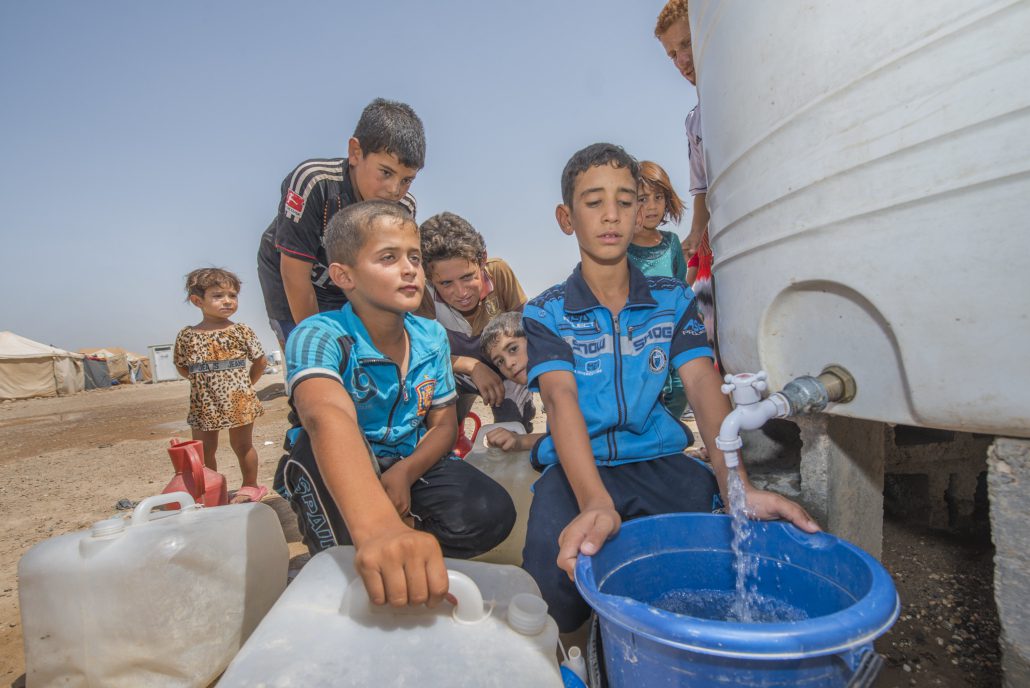
USAID Programs in Iraq
Since 2003, Iraq has experienced displacement of its population and instability due to domestic and regional conflict. In January 2014, with the so-called Islamic State of Iraq and Syria (ISIS) beginning to seize control of parts of Iraq, the conflict and displacement worsened, until ISIS was defeated in March 2019. The Ministry of Planning at the World Bank reports the poverty rate of Iraq at 24.8% in 2021. The United States Agency for International Development (USAID) programs in Iraq, with funding received from the United States government, have played a pivotal role in improving the governance system, expanding economic opportunities, providing life-saving humanitarian assistance and promoting religious and ethnic pluralism to the citizens of Iraq. 

The Good News

As of September 2022, despite 1.2 million Iraqis remaining internally displaced and 5 million internally displaced population returning home, Iraq generously hosts 300,000 refugees and asylum-seekers. With Iraqis returning home, support from international organizations like the USAID has helped Iraq see positive growth in all aspects of society. USAID in collaboration with the Government of Iraq (GOI), provincial and local governments, and local communities has established a combination of short-, medium- and long-term efforts to stabilize areas that were formerly occupied by ISIS. 

The following is a brief that focuses on two of the many important USAID programs in Iraq initiatives whose overall objective is to pull households and communities out of poverty and to provide life-saving humanitarian assistance for the people of Iraq. 

Job Creation and Economic Diversification

According to USAID, job-creating initiatives and economic diversification in Iraq’s public and private sectors are vital for creating economic opportunity, helping households and communities out of poverty and long-term economic growth. Iraq is one of the most oil-dependent countries in the world. The over-reliance of its GDP on oil-related growth (7% in 2022 has stagnated the growth of its non-oil sectors such as agribusiness, service delivery processes (for example, technology and trade) and the industrial sector. Thus, USAID in collaboration with the GOI, economic and civil society leaders and vulnerable communities has set up projects and also funded initiatives like the Middle East and North Africa Investment Initiative (MENA II) to increase food production, improve water supply and ensure sustainable water and energy usage. 

The implementation of USAID programs in Iraq that focus on economic diversification has resulted in tremendous growth and a reduction in extreme poverty for the marginalized and displaced populations. These programs have also boosted the participation of women in Iraq’s workforce thereby, making an attempt to address gender-based violence and patriarchal norms — two issues starkly visible in Iraq. 

Since 2020, USAID programs have provided more than 10,000 entrepreneurs with business support services, of which approximately 50% of the entrepreneurs were women. In addition, USAID provided about 3,000 business grants and loans. This resulted in an increase in business revenue by 65%. According to USAID reports, the huge success of these programs has attracted $41 million in private investments to expand local businesses in technology, trade and the industrial sector.

Humanitarian Assistance for Producing Self-Reliant Citizens

For a nation riddled with conflict for more than a decade, USAID has targeted a substantial amount of funds, $3 billion, towards providing humanitarian assistance to the citizens of Iraq. These funds have been targeted towards the most vulnerable and hardest-to-reach people. USAID’s Bureau for Humanitarian Assistance reports a positive trend in access to safe drinking water, improved health and hygiene supplies, meeting food and shelter needs and meeting critical nutritional needs. In addition, according to USAID, the funds have also helped in the prevention and quick response to gender-based violence and increasing access to psychological support. This support is particularly important for a country responding to natural disasters and complex crises. 

A Promising Future 

The programs and funds provided by USAID have come a long way in improving the economic condition and ensuring quality and dignified basic living conditions for the citizens of Iraq. USAID, through its programs and aid, paves the way for long-term development and the journey of self-reliance for the citizens of Iraq. This is an essential step. And, while there is still room for improvement, the country and its citizens’ commitment to solving the large human and economic capital needs bode positive signs for the future.

– Anshu Saha
Photo: Flickr

November 7, 2023
https://borgenproject.org/wp-content/uploads/borgen-project-logo.svg 0 0 Lynsey Alexander https://borgenproject.org/wp-content/uploads/borgen-project-logo.svg Lynsey Alexander2023-11-07 01:30:232023-11-03 07:18:31USAID Programs in Iraq
Education, Global Poverty, Women and Female Empowerment

Shining Hope on Poverty in Kenya 

Poverty in KenyaKenya has been leading the way as one of the fastest-growing economies in East Africa for the past decade, with an average growth of 5.7% each year. Unfortunately, this has been benefiting the country unevenly; with millions of Kenyans still living in severe poverty. Hope was sparse until an NGO called Shining Hope on Communities emerged from the slums but it is making a difference regarding poverty in Kenya.

Africa’s Largest Slum

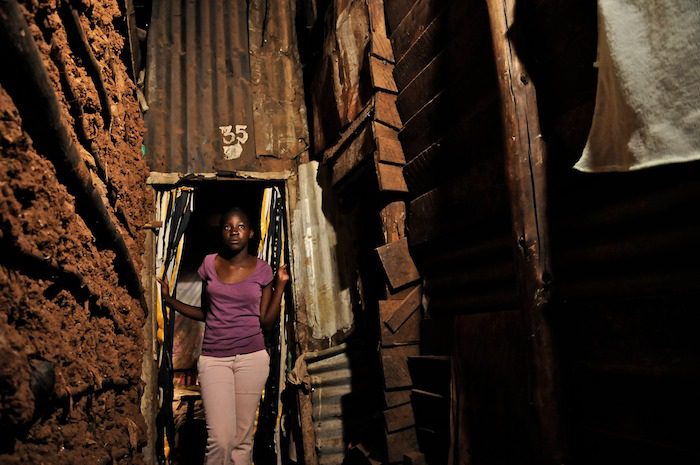
Kibera sits on the southern edge of Nairobi and is home to more than 250,000 Kenyans in a space no larger than 2.5 km2. Considered a landmark for sightseers, thousands of men, women and children are victims of starvation and disease.

The area is a slum with dire living conditions, posing safety and disease threats to all inhabitants. It lacks clean water, electricity and sufficient food access while containing no proper housing and holds the constant threat of eviction at any time as an informal settlement. Mostly though, it has robbed most inhabitants of opportunities to educate themselves and to escape to a better life.

The Birth of SHOFCO

The Kibera slum is where it all began when a young Kennedy Odede was born into the tough, unsafe and cruel reality of poverty in Kenya. Odede managed to escape at the age of 10 to a life of sleeping rough and teaching himself with big dreams for a better future for Kenyans.

In 2004, and with nothing but a 10p coin, a football and an idea, the doctor sought out and found a way to support those he had left behind. He created Shining Hope for Communities from the ground up.

Now, the globe recognizes him as a social entrepreneur and is commending him for his achievements. He was crowned one of Forbes’ ’30 under 30’, and has received an Echoing Green Fellowship, among others. Odede still advocates and sits on various foundation boards to give a voice to those still suffering in silence.  

SHOFCO Today

With offices in the U.S. and Kenya, Shining Hope For Communities has taken a grassroots approach to reducing poverty in Kenya by working directly with communities and informal settlements. They work closely with communities suffering the most to provide essential services, including water, safety and other basic survival needs.

SHOFCO then supports the further development of these areas, with education and development opportunities. It encourages and helps individuals access opportunities to improve their futures and through this, begin to develop healthy and self-sufficient communities.

So far, almost 20 years down the line, the organization has reached and achieved the following:

  • SHOFCO’s efforts have impacted 17 urban slums in Kenya.
  • The organization has helped 2.4 million Kenyans living in informal settlements.
  • It helped six health clinics open between the Kibera and Mathara slums.
  • The initiative granted 954 young people access to jobs and internships.
  • The youngest organization in history to receive the Conrad N. Hilton Humanitarian Prize.

SHOFCO & Female Empowerment

Historically, females in the urban slums of Kenya were disregarded when it came to education and opportunities. SHOFCO launched Girls Leadership Academies in Kenya’s two largest slums, Kibera & Mathare. The academies have managed to reach 656 of the slum’s inhabitants. 

The academies offer free education up to the eighth grade and opportunities far better than were previously accessible. Opportunities waiting outside the confines of the slum. 

The girls are also granted access to free health care, supplies, uniforms and food, to ensure that the opportunity for a better future can be fully seized.

Since the launch of the education programs, the amount of girls contracting and suffering from HIV within the slums has reduced significantly. Higher survival rates have also been seen among infants with fewer but healthier children born. The students have gone on to continue advocating for change themselves; to earn more than ever expected and invest more than 90% of earnings into their families, further improving the future of these communities.

Looking Ahead

There is still a long way to go in eradicating poverty in Kenya, but this is only the beginning. SHOFCO is an example of an organization that has provided hope and opened up a future for the residents of Kibera and Mathare that had never existed and it does not have to stop there.

– Lucy Blake
Photo: Flickr

November 5, 2023
https://borgenproject.org/wp-content/uploads/borgen-project-logo.svg 0 0 Jennifer Philipp https://borgenproject.org/wp-content/uploads/borgen-project-logo.svg Jennifer Philipp2023-11-05 15:00:342023-11-03 05:35:36Shining Hope on Poverty in Kenya 
Global Poverty, Refugees, Women and Female Empowerment

A Beacon to Rally Behind: Empowering Women in Pakistan

Empowering Women in Pakistan
Pakistan is not known for being staunchly progressive concerning women. However, in recent times, progress has occurred to propel lower-income women into the future by trying to give opportunities to vulnerable communities. To the point where women in Pakistan are also able to aid female refugees from Afghanistan. Here is how people are empowering women in Pakistan.

Efforts in the Midwife Industry

Statistics from 2020 state that Pakistan is 54th out of 186 countries in maternal mortality deaths, with 154 a year. Studies backed by the World Health Organization (WHO) show that midwives can help to substantially reduce maternal deaths. Pakistan is currently estimated to have only 0.72 midwives for every 10,000 people. The goal is obvious: to populate the midwife industry. With a strong push from both international organizations and national midwife representatives, such as the Midwifery Association of Pakistan and the Pakistan Nursing and Midwifery Council, Pakistan developed the National Midwifery Strategic Framework, and its current popularizing slogan is ‘Midwives’ Voices, Midwives’ Demands.’

Pakistan is investing more in its national midwife service by establishing a four-year Bachelor of Science graduation path. This new path will teach the importance of reproductive health and self-care interventions.

The campaign aims to improve higher education standards and their availability, as well as establish a more robust transitional pathway from the classroom to the workplace. This campaign will further legitimize the profession and attract more candidates in the future. More midwives are to work in hospitals alongside nurses and doctors. The goal is to add 1,500 midwives to the industry in the near future.

Gender-based Bond to Empower Women

 In July, the microfinance bank Kashf issued Pakistan’s first gender-based bond. Gender bonds aim to raise awareness of global gender inequality and empower women. The overall goal is to establish sustainable economic development for women, by women. This bond is worth 2.5 billion Pakistani rupees, slightly more than $9 million.

Kashf has been working for years on empowering women in Pakistan, specifically in rural areas. As a result of their impact, women in poor communities have been able to generate income and establish their own businesses while employing people from their communities. According to Maheen Rahman, CEO of the credit enhancement facility InfraZamin Pakistan, Kashf’s customer base is 99.7% women.

The bond issue comes at a fortunate time, as Pakistan is still recovering from the monsoon season in the summer of 2022. Monsoons damaged or destroyed at least 2.1 million homes, killed 15,000 people and displaced 8 million.

In the Sindh province, the regional government has begun providing land titles and funds to previously landless people to offer a new start for many storm victims. Out of the 1.3 million eligible beneficiaries, more than 426,000 are women. Only 1.2% of Pakistani women own land. Owning land would be a phenomenal start for thousands of women looking to rebuild and would be a crucial landmark in the quest for empowering women in Pakistan.

Female Refugees in Pakistan

Since the Taliban took over Afghanistan in 2021, hundreds of thousands of female refugees have fled. A skills center opened in Peshawar, Pakistan, to aid them in their migration. Teaching skills like beauty, technology and tailoring. Hundreds of women have already enrolled and began learning. The school is looking to expand to accommodate more students. Courses are about three months until graduation; afterward, women can start looking to create income by obtaining employment or starting their own businesses.

While the country is still deeply entrenched in gender inequality, there is a push for empowering women in Pakistan to generate their own income. The government is bolstering the midwife profession to make another viable career path for women and reduce the maternal mortality rate. In the aftermath of last year’s devastating funding, women in poor communities now receive gender bonds to establish businesses and are now in line to receive land titles. Women from Afghanistan are now coming to Pakistan to learn employable skills. If this social reform can develop for a prolonged period, Pakistan could become a beacon for women across the Middle East. 

– Eddie Dale
Photo: Flickr

November 4, 2023
https://borgenproject.org/wp-content/uploads/borgen-project-logo.svg 0 0 Yuki https://borgenproject.org/wp-content/uploads/borgen-project-logo.svg Yuki2023-11-04 01:30:382023-10-31 07:16:23A Beacon to Rally Behind: Empowering Women in Pakistan
Global Poverty, Women

The Role of Women in the Guatemalan Health Care System

Guatemalan Health Care
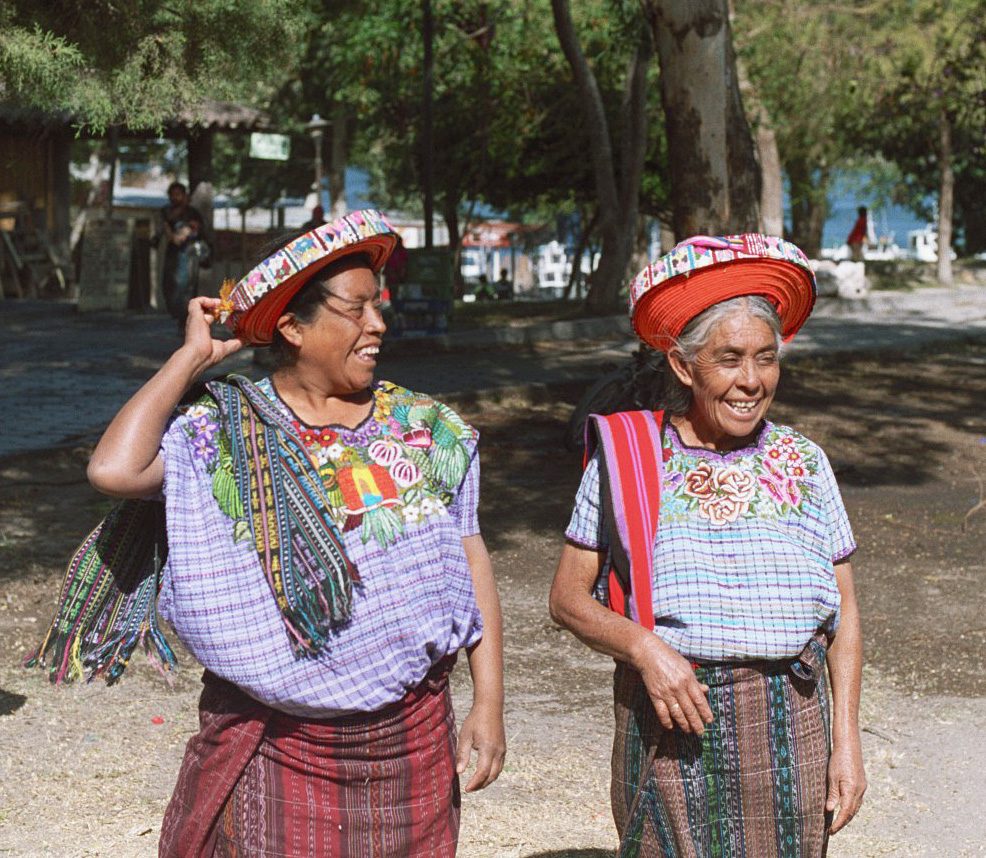
In many families and homes across the globe, people consider women the primary caregivers. In rural Guatemalan communities, where health care facilities are sparse or inaccessible, women’s roles often expand beyond their front doors and into the wider community.  

The Guatemalan Health Care System

Guatemala has endured a long history of political and economic unrest in recent centuries. However, since the end of the most recent civil war in 1997, the country has celebrated a vast economic incline with 8% and 4.1% growth in 2021 and 2022 respectively. Furthermore, to date, Guatemala possesses the largest economy in Central America, including the neighboring countries of Belize, El Salvador, Honduras and Mexico. Despite its seemingly stable economy, the wealth disparity within the country is one of the highest in the Latin American and Caribbean region with more than half the Guatemalan population living below the poverty threshold. Health care in Guatemala reflects this disparity.

There are three primary branches of health care in Guatemala: the public sector, the profitable private sector and the nonprofit private sector. The largest of the three branches is the public sector, which covers 88% of the population. However, facilities within this sector are often lacking vital equipment and infrastructure. This is a result of the lack of funds that the Guatemalan government has allocated towards health care — the lowest amongst Central American countries. As per the Guatemalan constitution, health care in Guatemala is a universal right of every citizen. However, in reality, health care in Guatemala is not readily accessible to everyone, particularly those who reside in rural locations.

Women in Health Care

Indigenous Mayan communities inhabit rural Guatemalan regions, where health care facilities are not only sparse but entirely inaccessible. Despite women being the most active users of health care services across the world, one in three women in these communities has no access to health care services. As a result, many women take up prominent positions to fill this void.

One such role includes presiding over local health committees that bring together women from throughout the community, often for training sessions with international aid charities such as the International Federation of the Red Cross and Red Crescent Societies (IFRC). These training and educational sessions often involve promoting hygiene practices and knowledge of common diseases. In turn, the women present on these committees go on to spread and impart their knowledge to other women and future generations of women. The IFRC reports that through its support of these local health committees, it has been able to provide approximately 1,250 families in the Quetzaltenango region of Western Guatemala with vital health knowledge.

In exchange for the information and resources that the IFRC provides, local women provide key insights into life within these rural communities that can be passed on to national health care authorities in the hopes of improving local health care facilities. 

Conclusion

While health care in Guatemala is ostensibly universal and possesses a prominent public sector, it lacks the resources and infrastructure to reach every citizen. In those cases, it is women who extend their caregiving roles into the community to provide physical health care as well as impart health awareness information. In doing so, they continue to support their community as well as improve the overall state of the health care system in Guatemala.

– Holly Coop
Photo: FreeImages

November 3, 2023
https://borgenproject.org/wp-content/uploads/borgen-project-logo.svg 0 0 Yuki https://borgenproject.org/wp-content/uploads/borgen-project-logo.svg Yuki2023-11-03 07:30:412023-10-30 11:01:12The Role of Women in the Guatemalan Health Care System
Global Poverty, Women

3 Innovations Utilizing Locally Available Resources to Fight Poverty

Locally Available Resources
Across the globe, people live without access to electricity, sanitation and manufacturing resources. In turn, their households lack strong infrastructure and protection against extreme heat and environmental health concerns. Resourceful innovations are working to tackle these elements of poverty by utilizing readily available products and local capabilities. Here are three innovations using locally available resources to fight poverty.

1. Eco-Cooler

Bangladesh has one of the wettest climates in the world due to its summer monsoon season. To accommodate for the rain, more than 60% of Bangladesh’s population lives in tin huts rather than more vulnerable mud huts. Although tin provides protection from the rain, it exacerbates the extreme summer heat. Without access to electricity and, therefore, air conditioning, this heat is unbearable for those living in rural, low-income areas. 

Through resourceful innovation, Ashis Paul created a cooling system that does not need electricity and utilizes commonly found items. The Eco-cooler comprises locally available resources like plastic bottles that are cut in half and mounted on a sheet of cardboard. The cardboard is then fitted to a window with the wider part of the bottles facing outward. The bottles catch passing wind, cool the air as it experiences a change in pressure, and then funnel the air into the building’s interior. It is estimated that this affordable and easy-to-build solution is able to reduce temperatures up to 5 degrees Celsius depending on the conditions.  

2. Gjenge Makers 

Nairobi, Kenya generates around 500 tons of plastic waste every day. Without proper decomposition methods, a majority of this waste ends up in garbage dumps located around low-income communities, further impacting the health and living conditions of impoverished people in Nairobi. 

Nzambi Matee, founder of Gjenge Makers, discovered how to transform this plastic waste into a valuable resource: bricks that are seven times stronger than concrete. The bricks are formed with a mix of sand and polyethylene or polypropylene, which could otherwise not be recycled. Gjenge Maker bricks are half the weight of concrete, making transportation and building more efficient and affordable. Gjenge Makers’ aims to use its resourceful innovation to solve Kenya’s pollution problem, provide new job opportunities, produce healthier livelihoods and introduce young women to entrepreneurship and engineering. 

3. White Roofs 

The Mahila Housing Trust (MHT) originated to educate and strengthen impoverished women to improve their living conditions. One aim is to build resilience against unbearable temperatures. Temperatures in western India can reach up to 47.8C (118F) in the summer. This heat diminishes women’s ability to be productive and healthy in their homes. MHT is increasing women’s ability to tackle extreme temperatures without the need for hard-to-access resources such as electricity.    

Mahila Housing Trust has distributed white solar-reflective paint to low-income communities in western India. Women living in these areas are able to apply the paint at no cost, reflecting sunlight away from their houses and reducing the internal temperature. This simple and resourceful innovation is estimated to reduce temperatures by 1 to 2 degrees Celsius. Even the slightest drop in temperature reduces women’s vulnerability to heat stroke, exhaustion and pregnancy complications, and allows women to remain productive in the summer.

Nzambi Matee, Ashis Paul and the Mahila Housing Trust are demonstrating how resourceful innovations using locally available resources can help battle the barrier of access to commodities, such as electricity and manufacturing tools. Determining the materials a community lacks and utilizing the resources they do have is creating unique inventions and fighting poverty.  

– Aliya French
Photo: Flickr

November 1, 2023
https://borgenproject.org/wp-content/uploads/borgen-project-logo.svg 0 0 Lynsey Alexander https://borgenproject.org/wp-content/uploads/borgen-project-logo.svg Lynsey Alexander2023-11-01 03:55:222024-05-29 23:13:003 Innovations Utilizing Locally Available Resources to Fight Poverty
Global Poverty, Women, Women and Female Empowerment

Rebuilding Women-Run Businesses in Ethiopia

Women-Run Businesses in Ethiopia
The conflict in Ethiopia has left a trail of devastation, leading to the loss of lives, widespread displacement and significant damage to infrastructure, services and the economy. In 2021, Ethiopia reported 5.1 million internally displaced people in 12 months, exacerbating the already prevalent poverty in the region. As of 2021, 18.4% of the population (22,076 people) were classified as vulnerable to poverty. This situation has prompted a collaborative effort by organizations such as the United Nations Development Programme (UNDP) to support recovery, rehabilitation and reconstruction in the affected regions. A key component of this effort is economic recovery, and a crowdfunding campaign known as Rebuild HER Business is pivotal in rebuilding women-run businesses in Ethiopia, thereby addressing poverty at its core.

Rebuild HER Business Campaign

The Rebuild HER Business campaign is an initiative that UNDP Ethiopia has led to support women entrepreneurs in conflict-affected regions. The Great Ethiopian Run (GER), known for promoting the Sustainable Development Goals (SDGs) and fundraising for local causes, partnered with the campaign to launch it. The campaign’s impact goes beyond financial assistance. The GER’s annual 10-kilometer race in November is linked with the Running for Cause charity initiative, providing a unique opportunity to rally support for women entrepreneurs who have been adversely affected by the conflict and are at risk of falling into poverty.

The campaign’s objective is to raise $500,000, which will be used to provide a $500 capital fund to 1,000 women in the northern regions of Ethiopia. This capital fund will be a lifeline for these women struggling in the aftermath of the conflict. All funds raised through the Rebuild HER Business campaign are for women as a capital fund, with the operational costs covered by UNDP and their partners. The campaign directly combats poverty among women in the region by providing essential financial support.

The Significance of Supporting Women Entrepreneurs

Women in Ethiopia play a crucial role in their communities, particularly in rural areas where 80% of the population resides. Women provide the majority of the agricultural labor in these communities. They are responsible for providing most of the agricultural labor and managing small businesses that contribute to the local economy. However, women in Ethiopia often face more basic economic constraints than men, such as limited access to credit and restricted market access, making them more vulnerable to poverty.

According to a report by the World Bank, vulnerable employment is a significant issue in Ethiopia, with 89.2% of women in vulnerable employment as of 2021. Vulnerable employment is characterized by informal work arrangements, a lack of social protection and vulnerability to economic shocks, making individuals more likely to fall into poverty. The participation of women in the labor force is essential for economic development and poverty alleviation, demonstrating the need for this support.

Empowering Women for Sustainable Development

The Rebuild HER Business campaign goes beyond mere financial assistance; it empowers women who are providers for their families and vital community builders. The economic fabric of these recovering communities relies heavily on the success of women-run businesses, which, in turn, positively impacts poverty in the region, contributing to the fight against economic hardships. Moreover, empowering women, especially those severely disadvantaged and in hard-to-reach places, is a critical component of the 2030 Agenda for sustainable development, with poverty alleviation at its core. 

Achieving inclusive economies, justice and a sustainable environment hinges on women’s active involvement and empowerment. The Rebuild HER Business campaign aligns perfectly with these goals, as it seeks to provide women entrepreneurs with the resources and support they need to overcome the economic challenges they face, helping reduce those vulnerable to poverty. 

Conclusion

The Rebuild HER Business campaign is significant in Ethiopia by supporting women-run businesses. It helps these women rebuild their businesses and communities. This campaign showcases the power of working together, the importance of empowering women and the difference crowdfunding can make in promoting long-term development.

– Marnie Woodford-Venables
Photo: Flickr

October 26, 2023
https://borgenproject.org/wp-content/uploads/borgen-project-logo.svg 0 0 Yuki https://borgenproject.org/wp-content/uploads/borgen-project-logo.svg Yuki2023-10-26 09:17:472023-10-27 11:00:12Rebuilding Women-Run Businesses in Ethiopia
Page 11 of 82«‹910111213›»

Get Smarter

  • Global Poverty 101
  • Global Poverty… The Good News
  • Global Poverty & U.S. Jobs
  • Global Poverty and National Security
  • Innovative Solutions to Poverty
  • Global Poverty & Aid FAQ’s
Search Search

Take Action

  • Call Congress
  • Email Congress
  • Donate
  • 30 Ways to Help
  • Volunteer Ops
  • Internships
  • Courses & Certificates
  • The Podcast
Borgen Project

“The Borgen Project is an incredible nonprofit organization that is addressing poverty and hunger and working towards ending them.”

-The Huffington Post

Inside The Borgen Project

  • Contact
  • About
  • Financials
  • President
  • Board of Directors
  • Board of Advisors

International Links

  • UK Email Parliament
  • UK Donate
  • Canada Email Parliament

Get Smarter

  • Global Poverty 101
  • Global Poverty… The Good News
  • Global Poverty & U.S. Jobs
  • Global Poverty and National Security
  • Innovative Solutions to Poverty
  • Global Poverty & Aid FAQ’s

Ways to Help

  • Call Congress
  • Email Congress
  • Donate
  • 30 Ways to Help
  • Volunteer Ops
  • Internships
  • Courses & Certificates
  • The Podcast
Scroll to top Scroll to top Scroll to top