• Link to X
  • Link to Facebook
  • Link to Instagram
  • Link to TikTok
  • Link to Youtube
  • About
    • About Us
      • President
      • Board of Directors
      • Board of Advisors
      • Financials
      • Our Methodology
      • Success Tracker
      • Contact
  • Act Now
    • 30 Ways to Help
      • Email Congress
      • Call Congress
      • Volunteer
      • Courses & Certificates
      • Be a Donor
    • Internships
      • In-Office Internships
      • Remote Internships
    • Legislation
      • Politics 101
  • The Blog
  • The Podcast
  • Magazine
  • Donate
  • Click to open the search input field Click to open the search input field Search
  • Menu Menu

Archive for category: Women and Female Empowerment

information and Stories about woman and female empowerment.

Global Poverty, Women

3 Innovations Utilizing Locally Available Resources to Fight Poverty

Locally Available Resources
Across the globe, people live without access to electricity, sanitation and manufacturing resources. In turn, their households lack strong infrastructure and protection against extreme heat and environmental health concerns. Resourceful innovations are working to tackle these elements of poverty by utilizing readily available products and local capabilities. Here are three innovations using locally available resources to fight poverty.

1. Eco-Cooler

Bangladesh has one of the wettest climates in the world due to its summer monsoon season. To accommodate for the rain, more than 60% of Bangladesh’s population lives in tin huts rather than more vulnerable mud huts. Although tin provides protection from the rain, it exacerbates the extreme summer heat. Without access to electricity and, therefore, air conditioning, this heat is unbearable for those living in rural, low-income areas. 

Through resourceful innovation, Ashis Paul created a cooling system that does not need electricity and utilizes commonly found items. The Eco-cooler comprises locally available resources like plastic bottles that are cut in half and mounted on a sheet of cardboard. The cardboard is then fitted to a window with the wider part of the bottles facing outward. The bottles catch passing wind, cool the air as it experiences a change in pressure, and then funnel the air into the building’s interior. It is estimated that this affordable and easy-to-build solution is able to reduce temperatures up to 5 degrees Celsius depending on the conditions.  

2. Gjenge Makers 

Nairobi, Kenya generates around 500 tons of plastic waste every day. Without proper decomposition methods, a majority of this waste ends up in garbage dumps located around low-income communities, further impacting the health and living conditions of impoverished people in Nairobi. 

Nzambi Matee, founder of Gjenge Makers, discovered how to transform this plastic waste into a valuable resource: bricks that are seven times stronger than concrete. The bricks are formed with a mix of sand and polyethylene or polypropylene, which could otherwise not be recycled. Gjenge Maker bricks are half the weight of concrete, making transportation and building more efficient and affordable. Gjenge Makers’ aims to use its resourceful innovation to solve Kenya’s pollution problem, provide new job opportunities, produce healthier livelihoods and introduce young women to entrepreneurship and engineering. 

3. White Roofs 

The Mahila Housing Trust (MHT) originated to educate and strengthen impoverished women to improve their living conditions. One aim is to build resilience against unbearable temperatures. Temperatures in western India can reach up to 47.8C (118F) in the summer. This heat diminishes women’s ability to be productive and healthy in their homes. MHT is increasing women’s ability to tackle extreme temperatures without the need for hard-to-access resources such as electricity.    

Mahila Housing Trust has distributed white solar-reflective paint to low-income communities in western India. Women living in these areas are able to apply the paint at no cost, reflecting sunlight away from their houses and reducing the internal temperature. This simple and resourceful innovation is estimated to reduce temperatures by 1 to 2 degrees Celsius. Even the slightest drop in temperature reduces women’s vulnerability to heat stroke, exhaustion and pregnancy complications, and allows women to remain productive in the summer.

Nzambi Matee, Ashis Paul and the Mahila Housing Trust are demonstrating how resourceful innovations using locally available resources can help battle the barrier of access to commodities, such as electricity and manufacturing tools. Determining the materials a community lacks and utilizing the resources they do have is creating unique inventions and fighting poverty.  

– Aliya French
Photo: Flickr

November 1, 2023
https://borgenproject.org/wp-content/uploads/borgen-project-logo.svg 0 0 Lynsey Alexander https://borgenproject.org/wp-content/uploads/borgen-project-logo.svg Lynsey Alexander2023-11-01 03:55:222024-05-29 23:13:003 Innovations Utilizing Locally Available Resources to Fight Poverty
Global Poverty, Women, Women and Female Empowerment

Rebuilding Women-Run Businesses in Ethiopia

Women-Run Businesses in Ethiopia
The conflict in Ethiopia has left a trail of devastation, leading to the loss of lives, widespread displacement and significant damage to infrastructure, services and the economy. In 2021, Ethiopia reported 5.1 million internally displaced people in 12 months, exacerbating the already prevalent poverty in the region. As of 2021, 18.4% of the population (22,076 people) were classified as vulnerable to poverty. This situation has prompted a collaborative effort by organizations such as the United Nations Development Programme (UNDP) to support recovery, rehabilitation and reconstruction in the affected regions. A key component of this effort is economic recovery, and a crowdfunding campaign known as Rebuild HER Business is pivotal in rebuilding women-run businesses in Ethiopia, thereby addressing poverty at its core.

Rebuild HER Business Campaign

The Rebuild HER Business campaign is an initiative that UNDP Ethiopia has led to support women entrepreneurs in conflict-affected regions. The Great Ethiopian Run (GER), known for promoting the Sustainable Development Goals (SDGs) and fundraising for local causes, partnered with the campaign to launch it. The campaign’s impact goes beyond financial assistance. The GER’s annual 10-kilometer race in November is linked with the Running for Cause charity initiative, providing a unique opportunity to rally support for women entrepreneurs who have been adversely affected by the conflict and are at risk of falling into poverty.

The campaign’s objective is to raise $500,000, which will be used to provide a $500 capital fund to 1,000 women in the northern regions of Ethiopia. This capital fund will be a lifeline for these women struggling in the aftermath of the conflict. All funds raised through the Rebuild HER Business campaign are for women as a capital fund, with the operational costs covered by UNDP and their partners. The campaign directly combats poverty among women in the region by providing essential financial support.

The Significance of Supporting Women Entrepreneurs

Women in Ethiopia play a crucial role in their communities, particularly in rural areas where 80% of the population resides. Women provide the majority of the agricultural labor in these communities. They are responsible for providing most of the agricultural labor and managing small businesses that contribute to the local economy. However, women in Ethiopia often face more basic economic constraints than men, such as limited access to credit and restricted market access, making them more vulnerable to poverty.

According to a report by the World Bank, vulnerable employment is a significant issue in Ethiopia, with 89.2% of women in vulnerable employment as of 2021. Vulnerable employment is characterized by informal work arrangements, a lack of social protection and vulnerability to economic shocks, making individuals more likely to fall into poverty. The participation of women in the labor force is essential for economic development and poverty alleviation, demonstrating the need for this support.

Empowering Women for Sustainable Development

The Rebuild HER Business campaign goes beyond mere financial assistance; it empowers women who are providers for their families and vital community builders. The economic fabric of these recovering communities relies heavily on the success of women-run businesses, which, in turn, positively impacts poverty in the region, contributing to the fight against economic hardships. Moreover, empowering women, especially those severely disadvantaged and in hard-to-reach places, is a critical component of the 2030 Agenda for sustainable development, with poverty alleviation at its core. 

Achieving inclusive economies, justice and a sustainable environment hinges on women’s active involvement and empowerment. The Rebuild HER Business campaign aligns perfectly with these goals, as it seeks to provide women entrepreneurs with the resources and support they need to overcome the economic challenges they face, helping reduce those vulnerable to poverty. 

Conclusion

The Rebuild HER Business campaign is significant in Ethiopia by supporting women-run businesses. It helps these women rebuild their businesses and communities. This campaign showcases the power of working together, the importance of empowering women and the difference crowdfunding can make in promoting long-term development.

– Marnie Woodford-Venables
Photo: Flickr

October 26, 2023
https://borgenproject.org/wp-content/uploads/borgen-project-logo.svg 0 0 Yuki https://borgenproject.org/wp-content/uploads/borgen-project-logo.svg Yuki2023-10-26 09:17:472023-10-27 11:00:12Rebuilding Women-Run Businesses in Ethiopia
Global Poverty, Women

How Egypt’s Divorce Laws Put Women at Risk of Homelessness

Egypt's Divorce Laws
Egypt grapples with the highest homelessness rate in Africa, reaching 11.6%. This issue affects a staggering 12 million people, including approximately 3 million children. Notably, Egypt’s divorce laws create vulnerabilities for women, putting them at risk of homelessness due to certain legal disadvantages.

Cultural Norms

Cultural norms and ideas reinforce women’s unequal access to housing from the moment they are born. Families often finance apartments or houses for male siblings but do not ensure female siblings’ housing. Instead, families tell their girls that guaranteeing them a place to live is unnecessary after marriage as this responsibility falls to their husbands. Because of this cultural perspective, women’s access to housing often depends on their marital success, which, in some cases, occurs at a young age. While the rate of early marriages has decreased in recent years, a 2021 survey revealed that 17.4% of women in their early 20s had been married or engaged before turning 18.

Discriminatory Egyptian Divorce Laws

Divorced Egyptian women and their children are particularly at risk of homelessness as Egypt’s divorce laws place them at a disadvantage. According to Egyptian family laws, mothers receive custodial rights to their children until the age of 15, however, a common occurrence is that fathers “kidnap” their children by refusing to relinquish them back to the mother after visitation hours are over.

A woman interviewed by the Egyptian news outlet Mada demonstrated the limited enforcement of mothers’ custodial rights in the country. After her children were kidnapped by her ex-husband, the policemen she spoke to refused to enforce her custodial rights by indicating that “a father does not kidnap his own son.” The legal protection of mothers’ custodial rights also ends when they remarry and a survey that the Association of the Development and Enhancement of Women (ADEW) conducted indicated that 90% of divorced mothers opted not to remarry to maintain custody of their children.

When women do retain custody, courts in Egypt are typically lax when enforcing alimony payments, leaving the already vulnerable women to take care of their children with limited financial means. At the age of 15, children living with their mothers can choose between continuing to live with their mothers or going to live with their fathers. Even if the child decides to keep living with their mother, the father can stop paying alimony. Additionally, he can choose to evict the mother and the children from the custody home. If the father decides to order their removal from the home, mothers have little legal recourse and often end up homeless along with their children.

The Reality of Post-Divorce Life for Egyptian Women

Other factors also make post-divorce life difficult for women in Egypt. In general, they only have access to limited income-earning opportunities. Attempting to reintegrate into the job market is especially difficult as some husbands expect wives to quit their jobs after marriage and divorcees end up with little to no job experience. The stigma associated with divorce also makes divorcees feel alienated and discriminated against. A woman’s plea for help after a divorce could meet disregard from her family due to the taboo of being associated with a divorcee. Even if the marriage ended because of the husband’s physical or psychological abuse, the blame for the end of the marriage falls solely on the wife and she must put up with derogatory labels such as “kharrabet beyout” (home-wrecker), or even “kharg beit” (secondhand).

The Perils of the Divorce Process

Aside from the insecurity divorce brings upon women, it is a much more arduous process for them than it is for men. Indeed, all men need to divorce their spouses is an oral renunciation recognized by a religious notary. They do not even require the assistance of a legal court.

On the other hand, a court has to accept a woman’s proposal for divorce, a process that can take years if the husband refuses. To obtain a divorce with full financial rights, a woman has to provide evidence that her husband has harmed and abused her. Additionally, all women, including those who have testified that their husbands have physically abused them, must attempt reconciliation in a court-ordered mediation process. During the often-long process of obtaining a divorce, women separated from their husbands are not eligible for state financial aid programs, condemning them to homelessness if they do not have any family to help them. In order to shorten the divorce proceedings and avoid homelessness, Egyptian women will sometimes have no choice but to sign away their financial and custodial privileges to the father.

A Catalyst for Disadvantageous Marriage Power Dynamics

Because Egypt’s divorce laws deprive women of economic security after divorce and due to the arduous process involved in obtaining a divorce, many Egyptian women may choose to remain in abusive or unhealthy marriages. Rates of domestic violence are also high in the country, with a study indicating that up to 86% of married women in Egypt have experienced physical or psychological abuse.

The lack of stability after divorce creates dangerous power dynamics within marital relationships. Ghada Abdel Fattah’s story, told by Al Jazeera, illustrates the dire consequences of divorcing in Egypt. After her husband asked for a divorce, Fattah and her daughter were kicked out of their home and would have had no shelter if it was not for her family who provided refuge. She eventually found employment and is now saving money to secure a home for herself and her daughter.

Taking Action

In 2o22, three Egyptian college students started a campaign called “Enty Zel Nafsek” (“You Are Your Own Shadow”) to raise awareness about the issues divorced women face in Egypt and to reduce the unfair stigma associated with divorce. The girls seek to provide emotional support to divorced Egyptian women and also support women’s businesses by advertising the businesses on their social media accounts.

Another organization founded by Engy Raafat, a survivor of domestic violence, helps women get back on their feet after divorce by providing financial, emotional and legal support. Raafat’s organization, called You Can, has had a tremendous impact on the lives of women across Egypt, helping more than 5,000 women find jobs.

– Tatiana Gnuva
Photo: Stockvault

October 25, 2023
https://borgenproject.org/wp-content/uploads/borgen-project-logo.svg 0 0 Kim Thelwell https://borgenproject.org/wp-content/uploads/borgen-project-logo.svg Kim Thelwell2023-10-25 01:30:242023-10-20 11:11:27How Egypt’s Divorce Laws Put Women at Risk of Homelessness
Global Poverty, Women

Empowering Women in India’s Informal Sector

Women in India’s Informal Sector
Informal employment compromises a large percentage of India’s labor force, with the size of India’s informal economy estimated to be 43.1% of its total GDP. Importantly, 88% of employed Indian women are working in the informal sector, mainly in small-scale farming. Other informal work includes domestic cleaners, street vendors and garment factory workers. 

As 9.5% of India’s employed population living below the poverty line are women, it is not hard to see that women bear a significant economic burden. Yet, empowering women in India’s informal sector will not only alleviate the symptoms of poverty for women and their families, but it will also benefit the global economy. 

Progress on the Sustainable Development Goals (SDGs)

The Sustainable Development Goals (SDGs) were developed to create a better and more prosperous future for all. Goal 5 directly relates to achieving gender equality and empowering all women and girls across the globe, whilst the other SDGs recognize gender poverty, women’s unequal access to education and health care, and women’s poor health and well-being as key issues going forward. 

According to UN Women, despite commitments to end gender inequality, the world has failed to make considerable progress and only 48% of the data needed to monitor SDG 5 is currently available. In fact, if the world does not take substantial action now, predictions have indicated that it will take another 286 years to enforce and monitor gender equality. 

The disproportionate number of women in India’s informal sector is hindering the ability of developing countries to meet the Sustainable Development Goals (SDGs). In the informal economy, workers do not receive contracts, lack the same level of social protection that the formal sector provides and earn lower wages. Not only this, but the nature of informal work is often more precarious, hindering women’s ability to gain social and economic security. 

Empowering Female Workers 

In spite of these circumstances, women in India’s informal sector are demanding better treatment, health and protection in the workplace. Indeed, the COVID-19 pandemic has raised the urgency of having secure employment and health and well-being. 

Formed in 1984, The Self-Employed Women’s Association (SEWA) has around 2.5 million workers and is empowering women in India’s informal sector to be self-reliant and take back ownership over their work. 

SEWA’s Punjab state co-ordinator Harsharan Kaur told Foreign Policy that it is important for the government to recognize that the informal sector is the largest contributor to India’s economy so that it takes social protection measures for women seriously.

Foremost, SEWA educates women about their rights before helping them to collaborate to demand better pay and lobby the government into action. Through the association, more than 300,000 women have joined collective enterprises where women are made equal shareholders, providing them with greater economic power. 

The association believes that asset ownership through cooperatives is the key to freeing women from poverty by ensuring that women have equal access to services such as health and childcare and financial, legal and housing services. 

Global Economic Benefits 

According to Oxfam, gender inequality results in a loss of $9 trillion a year in developing countries which is not only detrimental to women and their families, but the global economy. 

Between 2000 and 2010, a 30% reduction in poverty in Latin America was achieved by increasing the number of women in secure, paid employment showing how closing the gender gap in India could also help to reduce poverty. 

Achieving gender equality by securing women’s employment will have universal economic benefits, for which informal work accounts for 60% of all global employment. 

A study by the IMF showed that only 13% of women working in sectors that are more integrated into the global economy are employed informally compared to 20% of women in sectors that are less integrated. 

Integrating developing countries into the global market will therefore help women to access more secure employment opportunities. Boosts in the global market will help achieve gender equality by exposing women to better jobs and in turn, increase women’s spending power. 

Looking Ahead 

The World Bank’s International Development Association has already directed $93 billion toward low-income countries which should be appropriately channeled toward supporting and strengthening informal workers’ organizations, skills and empowerment. By recognizing that informal work constitutes a large proportion of India’s economy, investing in women’s futures will not only help developing nations meet their sustainability goals but benefit the global economy at the same time. 

– Tatum Richards
Photo: Flickr

October 22, 2023
https://borgenproject.org/wp-content/uploads/borgen-project-logo.svg 0 0 Yuki https://borgenproject.org/wp-content/uploads/borgen-project-logo.svg Yuki2023-10-22 07:30:292026-04-16 10:06:54Empowering Women in India’s Informal Sector
Education, Global Poverty, Women

How Gerando Falcões Is Transforming Communities in Brazilian Favelas

Brazilian Favelas
In Brazil, more than 11 million people live in poverty in a record number of 6,329 favelas. Brazilian favelas are densely packed areas of poorly planned urban housing on the outskirts of cities across Brazil. Job opportunities in favelas are limited, and clean water and sanitation systems can be hard to come by. For many favela residents, Gerando Falcões is a way for them to break through the cycle of poverty. It aims to “put poverty in favelas in a museum before Elon Musk colonizes Mars.” 

Gerando Falcões (Generating Falcons)

The number of people living in favelas increased 108% from 2010 to 2019 and has only worsened in recent years due to the pandemic. When Edu Lyra started Gerando Falcões in 2012, it was a small organization helping kids in favelas build brighter futures. Today, Gerando Falcões has grown to impact more than 6,000 favelas in 26 states across Brazil and works with 1,280 NGOs. Gerando Falcões is a Brazilian social development organization aiming to end favelas’ poverty. It brings education, economic development and citizenship services to impoverished people stuck in a cycle of poverty. Gerando Falcões works with favela leaders and locals who all dream of ending poverty in the Brazilian favelas. 

Favela 3D

Favela 3D is Gerando Falcões’ largest project. The three Ds stand for dignify, digitize and develop. Favela 3D is designed to transform favelas and give the residents a better quality of life. Under the Favela 3D project, favela residents work directly with Gerando Falcões to create urban interventions and affordable housing units. Gerando Falcões believes that the locals should completely control their community development. Favela 3D then promotes innovative technology solutions that allow favela residents to generate income through entrepreneurial projects. Within the first six months of urban intervention, favelas see a rise in income. 

The Favela 3D project implements various solutions and opportunities that lead to social development. Favela 3D gives residents access to health care, citizenship, children’s education, women’s autonomy and sport. Favela 3D tailors family-specific needs through The Family Take-Off Plan. All of these things that Favela 3D offers can lead to long-term stability and a culture of peace within the Brazilian favelas. 

Falcons University

Gerando Falcões started Falcons University in 2020, intending to help favela residents break through the cycle of poverty. Falcons University educates children, young adults and favela leaders on skills and techniques necessary for overcoming poverty.

Favela leaders receive training on various subjects, including favela expertise, public policies and technological and innovation skills. These skills set them on a path toward community development. Falcons University has already trained more than 100 favela leaders on community development strategies and hopes to continue training more. 

Falcons University’s youth program teaches kids core competencies and socio-economic skills. Children can learn basic technological skills and specific skills that interest them. Children are taught the 10 National Common Curriculum (BNCC) competencies. Through education, children in favelas can take control of their lives and begin to see a brighter future for themselves. Falcons University also offers young adults the chance to learn professional skills that they can use to benefit themselves and their community. 

– Jack Wells
Photo: Flickr

October 21, 2023
https://borgenproject.org/wp-content/uploads/borgen-project-logo.svg 0 0 Yuki https://borgenproject.org/wp-content/uploads/borgen-project-logo.svg Yuki2023-10-21 01:30:582023-10-17 13:59:49How Gerando Falcões Is Transforming Communities in Brazilian Favelas
Global Poverty, Women

NGOs Helping Women in Ethiopia

NGOs Helping Women in EthiopiaIn August of 2023, a sixth-month-long state of emergency was declared and government curfews were enforced as more conflict in Ethiopia erupted, only nine months after the end of a devastating two-year civil war. As a result of turbulent political conflict, more waves of violence have broken out in the northern Amhara region. 

With the second largest population in Africa, the country is still feeling the effects of the initial conflict that began over two years ago. At least 5.1 million people were displaced in 12 months, which is “the most people internally displaced in any country in any single year.”

Two years on, in 2023, the U.N. requested $4 billion to provide aid to twenty million people still affected by the conflict, including more than four million internally displaced people. 

The Impact of Conflict on Women

With such destructive conflict there always comes a surge in gender-based violence. In the last civil war, nearly 26,000 women and girls reported experiencing sexual violence. Due to the sensitive nature of the topic as well as powerful social stigma, the majority of cases are not reported meaning that this number is thought to be much higher. 

With the absence of strong welfare services and the intense conflict in Ethiopia aggravating this need, many women rely on nonprofit organizations that are committed to helping women and girls affected by the violence.

Ethiopia Aid and AWSAD’s Safe Houses

Ethiopia Aid is dedicated to “breaking the cycle of poverty by enabling the poorest and most vulnerable to live with dignity,” as stated in their mission. Over 80% of the adults that they help are women, and their projects have aimed to tackle the lack of education for girls, poor menstrual health resources and female genital mutilation (FGM). 

The organization’s current appeal is focused on ensuring the maternal health of the thousands of women who have been displaced by the conflict in Ethiopia and are living in crowded camps with too few resources.

The organization has partnered with The Association for Women’s Sanctuary (AWSAD) which provides nine safe houses for women and girls at risk of violence or who have fled and suffered traumatic experiences. These safe houses not only provide a space for women and their children to recover but allow them to socialize with others whilst also providing quality care, support services, therapy, basic literacy and numeracy classes and legal follow-up. 

UN Women

U.N. Women have partnered with Norwegian Church Aid to address social attitudes and norms that contribute to gender-based violence. The initiative was started by Tegenie, a gender-based violence expert in 2021 after he saw the impacts of child marriage on his sisters. He explains how such violence “has spiked amid the brutal two-year conflict, drought and the COVID-19 pandemic, which have trapped women and girls in vulnerable conditions.”

To tackle this spike, the initiative aims to social norms at the roots by holding community conversations led by trained facilitators, where the ramifications of child marriage and violence against women are discussed. They have also made it their priority to rally community leaders who have a significant social influence, as well as faith leaders to ensure that they are not promoting harmful practices. By creating open conversations, Tegenie and his team hope to engage all members of the community with these issues, and insight meaningful, long-term social change. 

Women for Women’s Conflict Response Fund

This organization’s Conflict Response Fund (CRF) worked with three other organizations: Agar Ethiopia Charitable Society, Association for Women’s Sanctuary and Development and Mums for Mums. Each works to support survivors of sexual violence as a result of war and the conflict in Ethiopia and has reached thousands of women, providing safe housing, psychological support and health care.

While there is no immediate end to the turbulence in Ethiopia in sight, these organizations and their dedicated members will continue working tirelessly to support the women affected and continue to have an immense impact on the lives of thousands.

– Maia Winter
Photo: Flickr

October 20, 2023
https://borgenproject.org/wp-content/uploads/borgen-project-logo.svg 0 0 Yuki https://borgenproject.org/wp-content/uploads/borgen-project-logo.svg Yuki2023-10-20 07:44:512023-10-22 03:12:38NGOs Helping Women in Ethiopia
Global Poverty, Women

How Tourism Is Helping To Empower the Women of South America

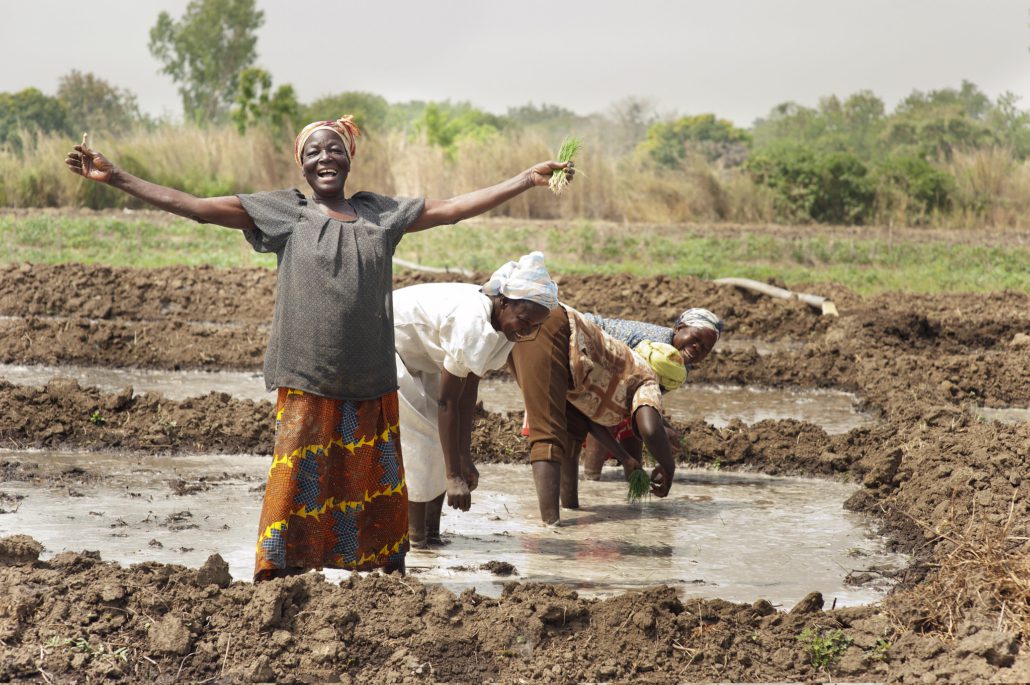
Women of South AmericaSouth America has a large tourism industry with an estimated 20.6 million visitors in 2022. The industry is worth $33 billion and is expected to grow throughout the decade. Tourists in the continent predominately travel to Columbia, Brazil, Argentina and Peru. Women make up 58% of the “care-taking” roles related to the industry, such as hospitality and cleaning staff. Thus, the industry’s influence on the quality of life and economic well-being of the women of South America is significant.
The Situation

Like most of the world, women in South America face many barriers to empowerment. According to a project that Wageningen University conducted, in general terms, Latin American societies follow the traditional doctrine of “hombre de la calle, mujer de la casa,” which means “the men in the street and the wife in the house.” Cultural norms, traditional community roles and caretaking of families often lead them to dependence on men in the family and often leave them unable to provide for their families in the ways they wish.

However, tourism provides new opportunities to empower women by normalizing their presence in new workplaces. Further, despite many of the industry’s female employees taking up low-income roles, the growth of sustainable tourism and “slow” tourism, whereby tourists are moving away from traditional mass tourist destinations to seek more authentic and local experiences, is giving women in South America employment on their terms.

Wild Women Expeditions

Wild Women Expeditions offers guided tours of the famous four-day hike on the Inca trail that takes visitors through ancient Aztec sites. The organization hires female guides and porters, traditionally male-dominated roles, to take tourists along the pilgrimage to Machu Picchu.

Moreover, in the Andes, women of the Quechua community have benefited from tourism. Here, the women weave garments using traditional techniques. Visiting tourists watch the women weave, learn about their culture and purchase products. Increased tourism to the area has broadened the market for selling these textiles, increasing the income of the community, which has previously struggled in poverty. In the wake of increased tourism, a cooperative called “Awamaki” originated to empower indigenous women. It helped them manage their finances and improve their sales skills.

The UN World Tourism Board (UNWTO)

In 2022, the UN World Tourism Board (UNWTO) improved its commitment to women working in the industry by factoring them into guidelines for sustainable tourism. These guidelines include a section on gender equality and women’s empowerment. As governments across the continent follow these recommendations, it is hoped that the principles of female empowerment are included in their approaches to sustainable development. Zurab Pololikashvili, the UNWTO Secretary-General, stated, “These new guidelines will help both governments and businesses harness the sector’s power as a driver of women’s empowerment as the world opens up again.”

How Tourism is Beneficial to Women of South America

The benefits of tourism for the women of South America are two-fold: it creates jobs and fixed incomes for women while simultaneously preserving the cultural heritage and promoting the economic development of their communities. They allow women to gain income and preserve their culture, heritage and community while improving the economic development of rural areas.

To ensure a bright future for the people and environment of South America, it is important organizations such as the aforementioned continue to be supported by sustainable tourism in their areas. By continuing to break the glass ceiling for women’s employment in the tourist industry, the support of these organizations ensures that women’s empowerment continues to be promoted in South America’s tourism industry.

– Lucy Wing
Photo: Flickr

October 20, 2023
https://borgenproject.org/wp-content/uploads/borgen-project-logo.svg 0 0 Yuki https://borgenproject.org/wp-content/uploads/borgen-project-logo.svg Yuki2023-10-20 07:30:492023-10-16 15:57:40How Tourism Is Helping To Empower the Women of South America
Global Poverty, Women and Female Empowerment

How Fonio Boosts Food Security in Northern Ghana

Food Security in Northern Ghana
Nestled in the northern reaches of Ghana, the Amaati organization co-founded by Salma Abdulai and Abdulai Basana has embarked on a transformative mission, centered around the revival of an ancient grain known as Fonio. This resilient and nutrient-rich West African staple, though 5,000 years old, has fallen into obscurity over the years. 

Recognizing the potential of this grain to bring communities out of poverty, Amaati undertook the task of encouraging prosperity with Fonio. Amaati aims to address two interconnected challenges — the rejuvenation of degraded lands and the empowerment of women farmers. Amaati’s inception in 2014 marked the beginning of an extraordinary journey that would weave together environmental sustainability, gender equality and economic upliftment.

Amaati Empowers Women

At the heart of Amaati’s mission lies a commitment to women’s empowerment. In a region where women’s roles in agriculture have often been undervalued, Amaati took a different path. 

The enterprise started by working with a group of 10 landless women, providing them with opportunities previously beyond their reach. Through training and capacity-building, these women embarked on a journey to reclaim degraded lands and transform them into thriving Fonio fields. As these women farmers honed their skills, they not only elevated their economic status but also challenged prevailing gender norms, setting an example for their communities. Now of the 30,000 Fonio farmers trained by Amaati, 80% are female. 

How Amaati Meets its Goals of Boosting Food Security in Northern Ghana

Amaati’s journey of spreading prosperity with Fonio aligns seamlessly with the United Nations Sustainable Development Goals (SDGs), reflecting the enterprise’s holistic approach to social and environmental change.

Amaati’s focus on rehabilitating degraded lands by producing sustainable agriculture meets the United Nations Climate Action Goal. Furthermore, Amaati’s commitment to the Gender Equality Goal is evident in its efforts to empower women farmers and challenge barriers that hinder women’s sustainable development. Additionally, Fonio’s revival as a nutritious grain plays a pivotal role in combating hunger and enhancing food security to accomplish the Zero Hunger Goal. Amaati’s cultivation of Fonio on degraded lands without excessive fertilizer use demonstrates its commitment to the Responsible Consumption Goal.

Finally, Amaati’s collaboration with landless women transforms their lives by generating income and breaking the cycle of poverty. By fostering a trading relationship and promoting sustainable livelihoods, the enterprise contributes to the UN’s top goal: No Poverty. 

A Nutrient Powerhouse

Amaati does not just promise prosperity with Fonio through its employment opportunities. Bursting with essential vitamins, minerals and dietary fiber, Fonio has earned its reputation as a nutrient-rich powerhouse. Amaati’s revival of Fonio cultivation is aimed at boosting food security in Northern Ghana, bringing to light the incredible health benefits contained within this unassuming grain.

Fonio boasts a diverse array of vitamins and minerals crucial for overall health and well-being. Rich in iron, zinc, magnesium and B vitamins such as thiamin and niacin, Fonio contributes to a balanced and vibrant diet. These micronutrients play vital roles in energy production, immune function and maintaining healthy bones and skin.

The grain’s high fiber content supports healthy digestion, aiding in nutrient absorption and promoting regular bowel movements. A diet rich in dietary fiber has also been associated with reduced risk factors for chronic diseases such as diabetes and heart disease.

Fonio is also notably higher in protein compared to many other grains. This makes it an invaluable resource, especially in regions where protein intake is a concern. Fonio’s spectacular health benefits allow low-income communities to maintain a balanced diet and enriched health.

A Sustainable Future

As Amaati pioneers the revival of Fonio in degraded lands, it not only addresses food security in Northern Ghana and poverty reduction but also introduces a sustainable source of nutrition. Fonio’s nutrient richness is more than just a boon for individual health; it is a vital component of Amaati’s mission to empower communities and cultivate a brighter, more sustainable future. Amaati successfully achieves prosperity with Fonio, the grain with the potential to alleviate hunger, improve nutrition and contribute to the holistic well-being of generations to come.

– Marina Blatt
Photo: Flickr

October 19, 2023
https://borgenproject.org/wp-content/uploads/borgen-project-logo.svg 0 0 Yuki https://borgenproject.org/wp-content/uploads/borgen-project-logo.svg Yuki2023-10-19 06:48:382023-10-21 05:04:13How Fonio Boosts Food Security in Northern Ghana
Global Poverty, Women

Poverty and Gender-Based Violence in Balochistan

Gender-Based Violence in Balochistan
Studies by the government of Pakistan and donor agencies estimate poverty incidence in Pakistan using survey data. Over the past decade, these studies consistently show Balochistan as the poorest province, with its poor accounting for 10–11% of the country’s total poor population. Here is some information about the link between poverty and gender-based violence in Balochistan.

Harmful Customary Practices

Balochistan is full of harmful customs that adversely affect women and violate their rights. These include killings for honor, forced marriages, exchange marriages (where tribes trade women to settle disputes) and depriving girls of education. Poverty makes gender-based violence in Balochistan more likely to happen because it gives women less power and fewer choices.

According to police reports, in February 2022, over two days, three women and two men were killed in the name of ‘honor’ in the Jaffarabad, Mastung and Hub districts of Balochistan. In Jaffarabad, a man shot his wife and nephew dead. Meanwhile, in Mastung, unknown persons brutally slaughtered a married couple. In Hub, the second husband allegedly murdered his wife, Mah Jan. 

These honor killings show how common these kinds of crimes are in Balochistan. These unjustified killings are because of poverty, the lack of legal protections for women and traditional harmful beliefs that allow violence against women. The cases in February 2022 bring back calls for reform and justice to stop such tragic loss in the name of family “honor.”

The Crisis of Missing Persons

The issue of missing persons in Balochistan also disproportionately affects women. Thousands of Baloch men have gone missing, allegedly abducted by security forces. Their grieving wives and mothers have been left in limbo, not knowing if their loved ones are dead or alive. These women, considered ‘half widows, ‘ face social stigma, economic deprivation, legal problems and severe psychological trauma. The unsolved missing person crisis further terrorizes and disempowers the province’s women. 

Sammi Deen Baloch has been protesting for 13 years since her father disappeared in Balochistan, one of more than 5,000 reported missing persons in the province. After the abduction of Dr. Deen Mohammed Baloch in 2009, 15-year-old Sammi began raising awareness about these enforced disappearances by Pakistan’s security forces. 

Despite abusive crackdowns on protests, Sammi continues to demand answers and justice for families like hers suffering from indefinite loss. Her brave activism symbolizes the plight of Balochistan’s ‘half widows’ and mothers whose loved ones have vanished, as well as the importance of accountability for the decades-old human rights crisis that has left thousands missing amid the region’s separatist conflict.

The Vital Work of the Voice for Baloch Missing Persons

Organizations like the Voice for Baloch Missing Persons provide affected families with legal aid, counseling and advocacy support. However, endemic poverty makes it difficult for women to pursue justice and healing. Economic dependence and lack of opportunity trap them in anguish and uncertainty.

The Voice for Baloch Missing Persons (VBMP) was formed in 2009 by affected families to pursue justice for Balochistan’s disappearance. Headquartered in Quetta, VBMP provides free legal assistance to help families file petitions and cases seeking information on missing loved ones. It also offers counseling and mental health support to traumatized families, particularly women and children. VBMP organizes protests, sit-ins and campaigns to highlight enforced disappearances and pressurize authorities. It has district committees across Balochistan to document cases and mobilize families. 

VBMP publishes reports to increase awareness of the crisis locally and internationally. It also assists impoverished families with resources for legal procedures and accessing VBMP hubs. Operating on donations and aid funding, the organization employs legal advocacy, activism, counseling and reporting to support families of the missing in Balochistan in their struggle for truth and justice.

Recommendations for Empowerment

Increasing economic empowerment among women is crucial. Income generation through vocational training, microfinance schemes, handicrafts cooperatives and cash-for-work programs can provide women with financial security. These enable women to avoid forced marriages, escape abuse and sustain themselves while searching for missing family members.

Communities and justice systems should engage to stop seeing women’s rights abuses as acceptable. Protecting women from harm, ensuring their safety through shelters and prosecuting abusers create an environment where women can exercise their rights and seek justice.

Tackling endemic poverty and socioeconomic empowerment of women has to accompany legal-social reform to alleviate gender violence in all its forms. Holistic efforts addressing economic and cultural factors are needed to promote women’s rights, safety and development, and eliminate gender-based violence in Balochistan.

– Asia Jamil
Photo: Flickr

October 12, 2023
https://borgenproject.org/wp-content/uploads/borgen-project-logo.svg 0 0 Yuki https://borgenproject.org/wp-content/uploads/borgen-project-logo.svg Yuki2023-10-12 01:30:002023-10-09 03:21:55Poverty and Gender-Based Violence in Balochistan
Foreign Aid, Global Poverty, Women and Female Empowerment

Foreign Aid to India: Top 4 Contributions

Foreign Aid in IndiaIndia is the world’s largest recipient of foreign aid, receiving more than $80 billion in 2020. This aid comes from a variety of sources, including developed countries, international organizations and non-governmental organizations (NGOs). India is home to the world’s largest population of poor people. India has a population of more than 1.4 billion people and more than 280 million of them live below the poverty line. That is equivalent to 10 times the entire population of Australia!

Foreign Aid Has Been Instrumental in Reducing Poverty in India

The good news is that India has taken several initiatives over the last two decades to significantly improve its economic growth. According to the World Bank,  the poverty ratio in India fell from 45% in 1993 to 21% by 2011. This decline is attributed to several other factors, such as improving education standards and progressive economic policies, however, foreign aid has also played a key role in alleviating poverty in India.

Top 4 Ways Foreign Aid Has Helped in India’s Fight Against Poverty

  • Helping India in building infrastructure and promoting economic development. With only 1% of the world’s vehicles, India accounts for nearly 10% of all crash related deaths. According to a World Bank study, road crashes are estimated to cost the Indian economy between 5 to 7% of GDP a year. Over the last six decades, the United States Agency for International Development (USAID) has provided billions of dollars in aid to India for a variety of projects, including the Green Revolution, the construction of dams and irrigation canals and the provision of education and healthcare. Another leading example is World Bank which has also provided billions of dollars in aid to India, for projects such as the construction of roads and bridges, the development of renewable energy sources and the improvement of financial services.
  • Addressing humanitarian crises. In India, 2.4 million people suffer from HIV/AIDS infection and as per WHO, India has 15 million cases of malaria with 19,500–20,000 deaths annually. The Bill and Melinda Gates Foundation has provided hundreds of millions of dollars in aid to India for projects such as the fight against malaria and HIV/AIDS and the improvement of education and healthcare.
  • Advancing education and thereby creating employment opportunities. Although India has made significant progress in improving its literacy rate over the past two decades, it still stands at 74% as of 2018, meaning that more than 300 million people remain illiterate. Foreign Aid has helped improve education in India by supporting innovative educational programs designed to meet the needs of specific groups of children, such as girls, children from rural areas or children with disabilities. In 2020, Bill & Melinda Gates Foundation contributed more than $500,000 to Pratham, an NGO focused on improving education in India.
  • Advancing inclusive development and women’s economic empowerment. According to the latest World Bank figures from 2021, less than 1 in 5 Indian women work – at least formally. Foreign aid has helped build partnerships and leveraged local resources to ensure marginalized and underrepresented population have equitable access to quality healthcare, sanitation, education, nutrition, finance and household decision-making. In India, USAID combats stigma and discrimination and promotes the rights and inclusion of populations in high-risk situations, including indigenous and tribal peoples, women and persons with disabilities.

The Future of Foreign Aid in India

The resulting impact of foreign aid in India has been mixed. On the one hand, foreign aid has helped to reduce poverty and improve the lives of millions of Indians. On the other hand, there have also been some negative consequences, such as corruption and dependency on foreign assistance.

The future of foreign aid in India is uncertain. The Indian economy is growing rapidly and the country is becoming less reliant on foreign assistance. However, there are still many challenges that need to be addressed, such as poverty, hunger and illiteracy. Foreign aid can play a key role in addressing these challenges.

– Brijesh Goel
Photo: Unsplash

October 6, 2023
https://borgenproject.org/wp-content/uploads/borgen-project-logo.svg 0 0 Jennifer Philipp https://borgenproject.org/wp-content/uploads/borgen-project-logo.svg Jennifer Philipp2023-10-06 15:00:332023-10-06 07:44:57Foreign Aid to India: Top 4 Contributions
Page 12 of 82«‹1011121314›»

Get Smarter

  • Global Poverty 101
  • Global Poverty… The Good News
  • Global Poverty & U.S. Jobs
  • Global Poverty and National Security
  • Innovative Solutions to Poverty
  • Global Poverty & Aid FAQ’s
Search Search

Take Action

  • Call Congress
  • Email Congress
  • Donate
  • 30 Ways to Help
  • Volunteer Ops
  • Internships
  • Courses & Certificates
  • The Podcast
Borgen Project

“The Borgen Project is an incredible nonprofit organization that is addressing poverty and hunger and working towards ending them.”

-The Huffington Post

Inside The Borgen Project

  • Contact
  • About
  • Financials
  • President
  • Board of Directors
  • Board of Advisors

International Links

  • UK Email Parliament
  • UK Donate
  • Canada Email Parliament

Get Smarter

  • Global Poverty 101
  • Global Poverty… The Good News
  • Global Poverty & U.S. Jobs
  • Global Poverty and National Security
  • Innovative Solutions to Poverty
  • Global Poverty & Aid FAQ’s

Ways to Help

  • Call Congress
  • Email Congress
  • Donate
  • 30 Ways to Help
  • Volunteer Ops
  • Internships
  • Courses & Certificates
  • The Podcast
Scroll to top Scroll to top Scroll to top