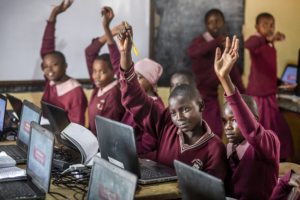
 Digital innovations in online education and e-commerce have created new avenues for poverty reduction through economic inclusion. The digital economy can drive inclusive development by equipping people with the tools to lift communities out of poverty. Access to the internet provides better education and skill development, enhancing employability and market participation.
Digital Opportunity Trust
Digital Opportunity Trust (DOT) is a Canadian organization that delivers programs to young entrepreneurs on how to profit from the digital economy. Since 2002, DOT has been working to bridge the digital divide by connecting young people globally to essential digital skills. More than 3 million people in impoverished communities across more than 20 countries have benefited from DOT’s youth leaders.
DOT fosters inclusive development by preparing young leaders to participate in the digital economy and support economic growth at a local level. DOT’s Youth Entrepreneurship program aims to mitigate barriers to digital inclusion by providing young people with access to digital tools in addition to skill training and development. With a solid foundation in digital competencies, DOT is positioning young entrepreneurs as leaders of economic growth.
Initiatives like the Digital Bridge Project aim to educate 10,000 young people in Kenya and Ethiopia on how to use digital tools for their professional and personal development by April 2026. This initiative cultivates a new generation of digitally literate leaders prepared to drive poverty reduction in the digital age.
Economic Benefits of the Digital Economy
We can look to Kenya’s progress for how digital inclusion can transform a society and strengthen its economy. The “Silicon Savannah” has seen steady growth in its Information and Communication Technology (ICT) sector since 2016, creating jobs across almost all industries. Kenya’s investment in developing human digital capital aligns with DOT’s efforts to create a “digitally savvy workforce” capable of tapping into new opportunities for economic growth in the digital sphere.
Creating more jobs, especially for young people and promoting sustainable development by leveraging digital markets. The combined efforts of the public and private sectors support job creation and economic diversification in the digital age. Furthermore, Kenya’s adoption of broadband infrastructure has positioned the country as a leader in Africa’s digital economy.
Through its progressive digital strategy policies, Kenya aims to create 300,000 new jobs by 2028 by integrating digital technologies across the agriculture, transport, manufacturing and trade sectors.
Rural Barriers and New Pathways
While progress is being made, the digital divide disproportionately impacts rural populations. Limited internet access among 83% of rural residents limits digital skill development and market participation. To bridge this gap, DOT Kenya youth leader Samuel Mathenge led training sessions that enabled youth in Nyeri County to engage with the digital market.
Through DOT’s Youth program, he strengthened his own skills and trained more than 600 young people in digital literacy. “My journey with DOT Kenya has not only transformed me into a confident digital skills facilitator but also a compassionate and patient leader,” Mathenge stated. Fresh off his DOT training and equipped with the confidence to lead, Mathenge worked with other young people to not only master digital tools but also prepare for the job market.
Together, they searched for careers in the tech sector, refining their CVs and preparing for interviews. DOT’s investment in one young entrepreneur has created a cycle of youth empowerment in Kenya. Mathenge is just one of thousands of DOT Youth leaders globally, working to foster inclusive development in their communities.
Digital Foundations for Poverty Reduction
Digital inclusion opens pathways for education, skill development and youth participation in the labour markets, laying a digital foundation for economic growth and poverty reduction. Indeed, initiatives by DOT empower young entrepreneurs to engage with the digital economy, equipping them with the skills and agency to drive sustainable growth. DOT places economic power in the hands of young leaders, enabling them to thrive in their communities and create lasting change.
– Hope Jowharian
Hope is based in Paris, France and focuses on Business and New Markets for The Borgen Project.
Photo: Flickr
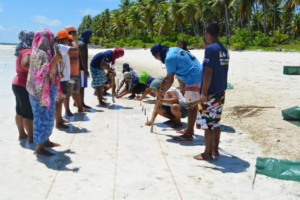


 Lack of internet access in the Solomon Islands significantly



 Poverty politics in Madagascar is often told as a story of failure, corruption, and unrest. But beneath the surface, citizens are crafting their own solutions. From solar cooperatives powering rural clinics and schools to tech platforms promoting transparency, grassroot innovations in Madagascar are quietly reshaping the country’s poverty dynamic.