• Link to X
  • Link to Facebook
  • Link to Instagram
  • Link to TikTok
  • Link to Youtube
  • About
    • About Us
      • President
      • Board of Directors
      • Board of Advisors
      • Financials
      • Our Methodology
      • Success Tracker
      • Contact
  • Act Now
    • 30 Ways to Help
      • Email Congress
      • Call Congress
      • Volunteer
      • Courses & Certificates
      • Be a Donor
    • Internships
      • In-Office Internships
      • Remote Internships
    • Legislation
      • Politics 101
  • The Blog
  • The Podcast
  • Magazine
  • Donate
  • Click to open the search input field Click to open the search input field Search
  • Menu Menu

Archive for category: Refugees and Displaced Persons

Information and news on Energy and Electricity

Global Poverty, Refugees and Displaced Persons

Addressing Statelessness in Thailand

Statelessness in Thailand
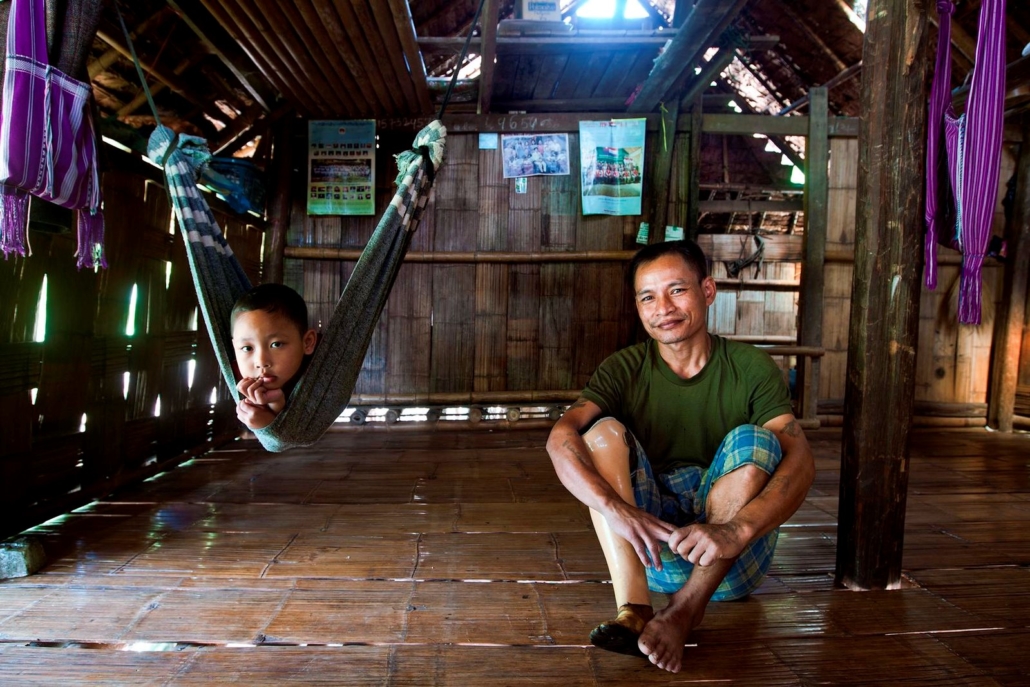
Thailand has one of the world’s largest populations of stateless people with nearly 500,000 registered in 2020. NGOs and human rights activists believe the true number is much higher at up to 2 million. Statelessness refers to those lacking recognition of citizenship by any country. Without having a nationality, people lack access to basic necessities such as healthcare, education and social security. Here is some information about statelessness in Thailand.

Why Are People Stateless?

The cultural heterogeneity and rugged border regions of Thailand have long allowed indigenous cultures to live outside of the modern nation-state framework. Some stateless groups in Thailand’s border regions actively avoided becoming part of the Thai nation-state. They remained separate to maintain their own unique cultural customs. Discriminatory practices toward ethnic minorities by the ethnic Thais have also played a role in statelessness in Thailand.

Ethnic groups such as the Hmong, Akha, Karen and others are traditionally semi-nomadic and live throughout different Southeast Asian nations. They do not identify with one specific nation. In modern times, borders have become more solidified. The relative autonomy of indigenous cultures has largely existed within international borders. For indigenous children born within the Thai borders, their citizenship ties to their parents. These parents often lack documentation to prove that they were technically born in Thailand, which renders children stateless.

Refugees and Asylum Seekers

Other stateless people in Thailand are refugees from Burmese states just across the border. These refugees have endured decades of armed conflict against the central government. More than 100,000 Karen, Karenni, Shan and other groups arrived in the 1980s and 1990s to refugee camps along the Thai border. They have largely remained in these camps due to instability at home and the Thai government’s unwillingness to grant citizenship. These refugees also lack Burmese citizenship in many cases. With increased political and social instability following the recent 2021 military coup, this protracted refugee crisis will likely persist.

There are also stateless people that others know as the Moken or ‘Sea Gypsies’ in the south of Thailand, along with asylum seekers originating from dozens of countries in the Bangkok metropolitan area. Thai authorities struggle to formulate clear strategies on how to process citizenship requests for the many existing situations. Some can lay claim to ancestry within the modern Thai borders that stretch back hundreds of years. Others are more recent arrivals in need of human rights assistance.

Risk Factors of Statelessness in Thailand

There are innumerable challenges for stateless people in Thailand. Without having Thai citizenship, stateless people cannot travel freely across international borders. As a result, they fear detention and arrest while traveling within Thailand. There are also barriers to accessing legitimate jobs. This puts some at risk of becoming victims of human trafficking in trying to access decent livelihoods.

For young people, the lack of a decent education is a major concern. The Thai government has made an effort to educate all children within its borders, but stateless students are not able to access scholarships for higher education. Lack of access to decent health care and legal representation are other barriers facing stateless people.

Solutions

Since 2016, Thailand has joined one of the central goals of the UNHCR to end statelessness worldwide by 2024 in its #IBelong campaign. The country has taken great efforts to reconfigure citizenship laws to allow tens of thousands to access Thai citizenship in recent years. Leading up to joining the #IBelong campaign, Thailand had loosened citizenship restrictions in 2008 with its amendment of the Thai Nationality Law. Although implementation has been slow, the processing of citizenship claims have ramped up with the help of UNHCR.

There have been highly publicized events uncovering the plight of stateless people, which include the Thai Cave Rescue in 2018, in which several of the rescued soccer team members and their coach were stateless at the time. The Thai government streamlined its citizenship procedures shortly after the rescue operation. The players and their coach had previously not been able to travel freely to play in games outside of their local area.

Increased Awareness

While the sheer number of stateless people in Thailand may make the 2024 deadline to end statelessness difficult to reach, there is more general awareness of the issue. That offers some hope in granting citizenship to large numbers in this population. Much of the recent stateless population is due to conflict in Myanmar, and others should commend Thailand for allowing refugees to remain in relative safety within its borders.

– Matthew Brown
Photo: Flickr

April 20, 2021
https://borgenproject.org/wp-content/uploads/borgen-project-logo.svg 0 0 Kim Thelwell https://borgenproject.org/wp-content/uploads/borgen-project-logo.svg Kim Thelwell2021-04-20 01:31:412021-04-17 20:56:23Addressing Statelessness in Thailand
Global Poverty, Refugees, Refugees and Displaced Persons

9 Facts about IDPs in Colombia

9 Facts About IDPs in Colombia
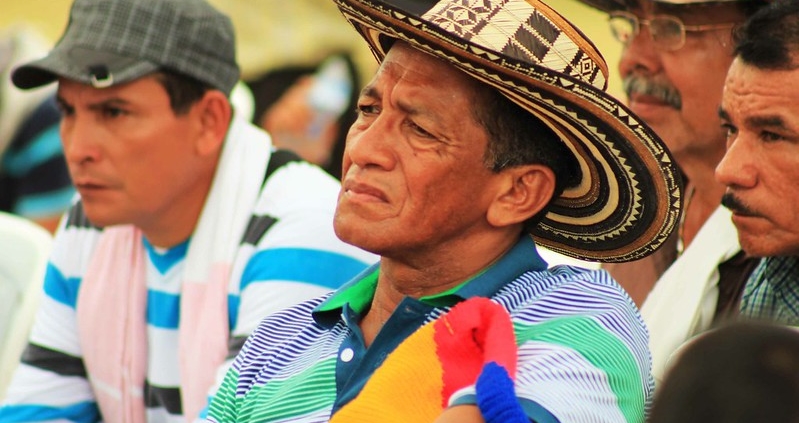
For more than 50 years, Colombia grappled with a civil war that left more than 220,000 dead and millions displaced. The protracted issue of Internally Displaced Persons (IDPs) continues in the country despite the 2016 Peace Accord between the Colombian government and the Revolutionary Armed Forces of Colombia (FARC) in rural Colombia. Here are nine facts about IDPs in Colombia.

9 Facts About IDPs in Colombia

  1. In 2019, there were approximately eight million IDPs in Colombia. This does not include the additional 1.7 million Venezuelan refugees in the country.
  2. There are still citizens being displaced since the peace agreement in 2016. As of 2019, the number of people of concern in Colombia has increased by 13%.
  3. The government lacks control of many rural regions of Colombia. Although FARC largely demobilized in 2016, there are other armed groups still controlling large swaths of the country that are perpetuating the IDP crisis. These groups are funded by the lucrative cocaine trade, which continues to thrive in unstable regions.
  4. Environmental impacts also play a role in the IDP situation. Colombia has the fourth-highest rate of deforestation in the world, a majority of which occurs in areas of origin for IDPs. Criminal elements and the government share responsibility for environmental degradation.
  5. Human rights activists are at risk. Since the 2016 Peace Accord, more than 400 human rights activists and environmental defenders have been killed in Colombia, many of which were from indigenous communities. These advocates are crucial in establishing crop substitution programs and helping resettle and empower IDPs.
  6. For IDPs living in urban areas, UNHCR and national NGOs have implemented the legalization of informal settlements. This has helped provide better access to government services, energy and the sewage system, along with lessening the stigma of not having ownership titles for housing. This UNHCR project has been ongoing since 2015 and has benefitted more than 24,000 IDPs.
  7. The Opción Legal NGO assists IDPs with reintegration into rural communities through legal means. Reintegration was included in the 2016 peace agreement but it is still in need of better implementation. With the help of funding from UNHCR, Opción Legal operates programs encouraging and strengthening political participation for IDPs. This NGO has assisted IDP populations in regions like Atlántico and Bolívar.
  8.  The Korea International Cooperation Agency (KOICA) is supporting the implementation of the peace agreement. The agency is seeking out durable solutions to conflict, such as education and job training. The programs have benefitted more than 10,000 Colombians directly and 235,000 indirectly.
  9. USAID is working to build institutional trust in regions with high levels of IDPs. Vulnerable populations in addition to IDPs, such as women, community leaders, migrants and ethnic minorities, are all considered crucial populations for funding and empowerment. USAID also has a strategy to build capacity for youth leaders, which is viewed as a possible long-term solution for peace and self-reliance.

Looking Forward

The 2016 Peace Accord was a big step in working to improve livelihoods for millions of IDPs in Colombia. Although many challenges remain in implementation, the legal frameworks are in place for the country to continue toward its ultimate goals of peace and stability.

– Matthew Brown
Photo: Flickr

April 13, 2021
https://borgenproject.org/wp-content/uploads/borgen-project-logo.svg 0 0 Yuki https://borgenproject.org/wp-content/uploads/borgen-project-logo.svg Yuki2021-04-13 11:21:122024-05-30 22:23:039 Facts about IDPs in Colombia
Education, Refugees, Refugees and Displaced Persons

Higher Education Opportunities for Refugees

Higher Education opportunitiesWorldwide, 3.7 million refugee children are not in school. This is more than half of the 7.1 million school-age refugees. The higher the level of education, the less likely it is that a refugee attends school. Data from a 2019 UNHCR report shows that only 3% of refugees are enrolled in some form of higher education. Evidence suggests that education leads to less reliance on humanitarian aid. Online learning may present a possible solution. The benefits of higher education opportunities for refugees range from increased economic prosperity to higher levels of confidence, creativity and leadership.

Inclusive Education

One of the U.N. Sustainable Development Goals (SDGs) is inclusive educational access for all. This includes more access to higher education for refugees. The UNHCR’s Refugee Education 2030 strategy aims to achieve educational parity on all levels and raise the enrolment of refugees in higher education to 15%. A hybrid model of online and in-person instruction is becoming more popular. Increased interest and investment in online learning and degree certification could potentially provide new opportunities in higher education for refugees.

Providing Opportunities

Launched in March 2019, a hybrid learning initiative in Turkey has proven successful, serving more than 28,000 Syrian refugee students. The UNDP Turkey’s Syria Crisis Response and Resilience Programme started the initiative in order to offer easily accessible Turkish language lessons to Syrian refugees for them to better integrate into Turkish society. The initiative is funded by the European Union and implemented in cooperation with the Turkish Ministry of Education. The online language program is flexible, personalized and offers in-person meetings with an instructor. This is in addition to an array of online courses. Since the content is online, students can continue with their courses even if their living situation changes. Furthermore, a continuous reliable internet connection is not necessarily needed.

The University at Albany offers online medical courses in Arabic to Syrian refugees. The program launched in 2016 with 320 students enrolled. The courses give refugees who already have some form of higher education the chance to continue taking courses in their respective fields. The program also includes English language classes. It is part of a catalog of many other similar initiatives on the website MOOCs4inclusion. Massive Open Online Courses (MOOCs) are free digital education classes. MOOCS are accessible anywhere there is an internet connection.

Barriers to Learning

Western universities develop and teach the majority of online courses and degree programs used in refugee camps. However, the majority of refugees do not end up in a Western country, they stay in the refugee camp or return home. In order for online education to be truly successful, courses must take the particular circumstances of refugees into account. Researchers at the University of Geneva, Paul O’Keeffe and Abdeljalil Akkari, started a basic medical training course in Kenya’s Kakuma refugee camp. The goal of the online course was to focus on relevant health issues in the area of Kakuma. The refugees helped inform the course content. Culturally relevant courses and an understanding of life in a refugee camp are important to implement successful online education geared toward refugees. Another barrier often encountered is that reliable internet is usually a necessity for online learning, yet a rare resource in most refugee camps.

Solutions

Education for Humanity, a program of Arizona State University (ASU), uses technological innovations to break down some of the common barriers of online higher education opportunities for refugees. The program includes education on how to be a successful digital learner and the option of “earned admissions” for refugees without the required documents or qualifications for enrollment. In order to break down the internet barrier, Education for Humanity uses technology that does not require reliable access to the internet.

SolarSPELL is a solar-powered digital library that acts as an offline WiFi hotspot. Students access the course content by connecting their phone, tablet or laptop to the SolarSPELL’s offline WiFi signal. A whole 95% of the content is available offline and is available for download so students can still study without being connected to SolarSPELL. In 2019, Education for Humanity used SolarSPELL to offer an agribusiness course in the Nakivale refugee camp in Uganda.

Easier access to education for refugees is an important goal. Recent innovations such as SolarSPELL aim to break down barriers so that refugees can access higher education opportunities to ensure a promising future.

– Caitlin Harjes
Photo: Flickr

March 30, 2021
https://borgenproject.org/wp-content/uploads/borgen-project-logo.svg 0 0 Kim Thelwell https://borgenproject.org/wp-content/uploads/borgen-project-logo.svg Kim Thelwell2021-03-30 08:28:542024-05-30 22:23:11Higher Education Opportunities for Refugees
Global Poverty, Migration, Refugees, Refugees and Displaced Persons

Anti-Immigration Views Harm Migrants in Italy

Migrants in ItalyIllegal immigration to Italy had been dropping significantly in recent years. The numbers went down from 181,000 in 2016 to 11,500 in 2019. However, in 2020, the number of migrants who landed in Italy by boat had risen by roughly 148%. This increase in numbers reignited negative attitudes toward immigration, which in the past had led to large-scale protests that called for stricter and more intensive migrant laws. In 2014, a mere 3% of people from a 999-person survey were bothered by migrants in Italy, however, by 2017, that number rose to 35% of those interviewed. The additional strain of COVID-19 increased the negative views already present, despite government insistence that migrants were but a smaller portion of the problem.

Immigration Policy in Italy

During the late 2010s, it was found that many in the Italian government were in favor of pushing for more emphasis on a migration-focused dialogue among the EU member states. The Italian government hoped that by communicating more with the countries of origin, it would be able to support migrants in a more humane manner that would give more control over the number of people on Italian land. The EU accepted several suggestions put forth by the non-paper called the Migration Contact. Some of these recommendations include urging greater investments in border control and security while also reaching out to readmission and resettlement programs to improve upon local asylum systems. This would give migrants better opportunities to return home should they be unable to stay or attain citizenship in Italy.

Slow Yet Steady Progress

Although the anti-immigration policies were strict, late 2020 and early 2021 have seen a slow but steady change to improve the laws that cracked down on those seeking asylum and any who tried to help them. The new legislation is currently taking steps to make it easier for migrants to become citizens and withdrawing orders given to coastal guards to harass those attempting to come ashore. One such action would be the reintroduction of special protection permits. This would be given to those who have relations with established Italian citizens, those with serious health issues (mental and physical) and people who do not meet asylum requirements but are escaping inhumane treatment in their homelands.

Current Migrant Policies

The political view toward immigration and migrants was originally negative, however, many in the government did not want to withdraw the extended helping hand from those who needed it. Italy’s current migrant laws have designated funds for integration policies, funding for language courses as well as intercultural activities, housing and educational purposes. The newer policies also want to focus on the risks involved when migrants come to Italy. This includes personal preferences such as refusing regular fingerprint collection, which used to lead to an immediate rejection of any requests for asylum.

Organizations Helping Migrants and Refugees in Italy

Organizations within Italy are working to provide the support that the government has not yet granted to refugees. Groups such as Choose Love, Donne di Benin City and Baobab Experience work within Rome and Palermo to ensure that migrants receive accommodation, food and clothing. The organizations also offer legal assistance so that individuals have better chances of gaining citizenship.

Choose Love has reached more than one million people through more than 120 projects in Italy and 14 other countries. These organizations help to fulfill the essential needs of migrants in Italy who are unable to return to their homelands and have no other means of support.

– Seren Dere
Photo: Flickr

March 15, 2021
https://borgenproject.org/wp-content/uploads/borgen-project-logo.svg 0 0 Kim Thelwell https://borgenproject.org/wp-content/uploads/borgen-project-logo.svg Kim Thelwell2021-03-15 01:30:332024-12-13 18:02:24Anti-Immigration Views Harm Migrants in Italy
Global Poverty, Refugees, Refugees and Displaced Persons

Eritrean Refugees Flee Tigray Conflict in Ethiopia

Eritrean Refugees Flee Tigray Conflict in Ethiopia
The conflict surrounding the Tigray region in northern Ethiopia, bordering on the south of Eritrea, has forced more than 42,000 refugees to flee west to eastern Sudan since the conflict started in November 2020. The fighting between Ethiopian soldiers and Tigray People’s Liberation Front (TPLF) has resulted in tens of thousands of Eritrean refugees in refugee camps. It erupted violence along Ethiopia’s northern border with targeted killings, abductions, lootings and sexual violence.

Difficulties Due to Conflict

It is still difficult to tell precisely how destructive the conflict in northern Ethiopia is since there are so many access restrictions in place. The conflict gets further complicated with the involvement of the FANO militia group and Eritrean Defence Forces. Even now, as humanitarian workers return to what were sites of violence in the weeks prior, they are finding tens of thousands of Eritrean refugees in dire straits and desperate need of aid. The last and only aid they received was food from the WFP in December 2019.

The camp structures managed to weather most of the violence, and while the TPLF spared some refugees from direct contact with the war, many experienced harassment and threats and underwent forcible recruitment. Roughly 5,000 Eritrean refugees have gone to the town of Shire, Ethiopia, and are living with no shelter, food or water.

Refugees in Sudan

This issue serves as a reminder that violence feeds the cycle of poverty in struggling countries, and conflicts like this hit the vulnerable populations hardest. This includes not only the impoverished but also the displaced. Driven away from an already precarious living situation by the violence, the Eritrean refugees that are fleeing to the impoverished nation of Sudan are malnourished and injured, and have almost none of the means to meet their daily needs.

In addition to poverty, the worst floods have ravaged Sudan in over 100 years, devastating the agricultural sector and leaving many people homeless. The threat of malaria hangs over people’s heads as they struggle to salvage their livelihoods, all while the COVID-19 pandemic continues to rage on. This leaves Sudan ill-equipped to receive and support the refugee population flooding over the eastern border.

International Committee of the Red Cross (ICRC)

Founded on the tenants of the Geneva Convention of 1949, the International Committee of the Red Cross (ICRC) focuses on humanitarian aid and protection for those enduring violent conflicts. Working with the Ethiopian Red Cross Society and the Red Crescent Movement, ICRC has concentrated its efforts on the Tigray refugees.

Efforts have gone toward getting the essentials to refugees by using donations for food, cooking items, blankets and soap. ICRC is also intent on ensuring that refugees have a consistent and safe water supply and a medical care center stocked with the appropriate supplies and equipment, particularly to provide specialized care for victims of sexual violence.

While Eritrean refugees are still facing the fallout from the Tigray conflict, organizations like the International Committee of The Red Cross, the Ethiopian Red Cross Society and the Red Crescent Movement are offering support. Areas these refugees have gone to, like Sudan and other parts of Ethiopia, are taking this aid and working to provide a location with food, medical care, clean water and other supplies necessary to assist refugees through this difficult time.

– Catherine Lin
Photo: Flickr

February 28, 2021
https://borgenproject.org/wp-content/uploads/borgen-project-logo.svg 0 0 Kim Thelwell https://borgenproject.org/wp-content/uploads/borgen-project-logo.svg Kim Thelwell2021-02-28 21:44:512021-03-26 21:45:06Eritrean Refugees Flee Tigray Conflict in Ethiopia
Children, Developing Countries, Economy, Global Poverty, Health, Humanitarian Aid, Refugees, Refugees and Displaced Persons

Reforms for Saving the Venezuelan Economy

Saving the Venezuelan EconomyA combination of poor leadership and crippling sanctions have created a nation-wide economic crisis in Venezuela. The Center for Strategic and International Studies found that even before U.S. sanctions were placed on Venezuela, the country was already enduring hyperinflation, had seen food imports fall by 71% and more than two million Venezuelans had fled the country. Nevertheless, sanctions only exacerbated the crisis as Torino Economics found U.S. sanctions on Venezuela were associated with an annual loss of $16.9 billion in oil revenue. As a result, the Atlantic Council reports that more than 80% of Venezuelan households are food insecure and 3.7 million individuals are malnourished. Consequently, refugees filed more asylum claims globally in 2018 than any other country has. The number of Venezuelan migrants and refugees is expected to reach eight million in 2020, surpassing Syrian migration by more than three million. Reforms in the county are being implemented with the aim of saving the Venezuelan economy.
Saving the Venezuelan Economy

While this economic collapse still ravishes the country, there is certainly hope for the future. Due to both internal and external pressures, the president of Venezuela, Nicolás Maduro, has begun to encourage policies of economic liberalization and privatization that are indicating an economic rebound.

Toward the end of 2019, Argus Media reported the Venezuelan government was beginning to ease economic controls. Specifically, the Maduro government erased most price controls, loosened capital controls, tightened controls on commercial bank loan operations, and most importantly, began to accept informal dollarization. Immediately these policies curbed the levels of hyperinflation that had caused the food crisis across the country. Advisers estimate inflation to be at only 5,500%, a significant improvement compared to the International Monetary Fund forecasts that predicted inflation levels of more than 10 million percent. This is largely in part to the importation of dollars into the Venezuelan economy, pushing out the uselessly-inflated Bolivars. Indeed, a Bloomberg study found Venezuela’s economy is increasingly dollarized, as 54% of all sales in Venezuela by the end of last year were in dollars. Most importantly, food and medicine imports have rebounded, now reaching 15% of the population.

Privatization of the Oil Industry

In addition to the Maduro government relaxing economic controls, the economic rebound in Venezuela has occurred due to increased privatization of the oil industry. Despite being under the control of the military for years, Venezuela’s state-owned oil company has trended toward letting private firms handle operations, aiding in fixing the mismanagement perpetrated by the military’s control of the industry. For the first time in decades, the private sector accounted for more than 25% of GDP in 2019 and likely more by the end of 2020. Consequently, the Panam Post reported that oil production increased by more than 200,000 barrels, a 20% increase following privatization.

Initiatives to Help Venezuelans in Poverty

The South American Initiative, through its medical clinic, provides medical care and medicine to Venezuelans in need, with a special focus on mothers and children. To provide these essential services, it relies on donations that people provide on the GlobalGiving platform.

Fundacion Oportunidad y Futuro addresses hunger and malnutrition with regards to children in Venezuela. It is running in an initiative to provide meals to 800 school-aged children in Venezuela. It also operates through donations via the GlobalGiving platform.

The Future of Venezuela

While there is hope to be found in these reforms, Venezuela has far from recovered. The National Survey of Living Conditions indicates that more Venezuelans are in poverty in 2020 than in 2018, with food security decreasing another 7% over the past two years. The average income of Venezuela remains low at just over 70 U.S. cents a day. These reforms are the foundational steps needed to begin to reverse the economic trend that has relegated millions of Venezuelans to extreme poverty. If the economy is ever to correct itself, liberalization and privatization will be the jumping-off point for an economically thriving Venezuela in the future.

– Kendall Carll
Photo: Flickr

February 2, 2021
https://borgenproject.org/wp-content/uploads/borgen-project-logo.svg 0 0 Kim Thelwell https://borgenproject.org/wp-content/uploads/borgen-project-logo.svg Kim Thelwell2021-02-02 01:30:152024-05-30 07:56:08Reforms for Saving the Venezuelan Economy
Developing Countries, Global Poverty, Health, Humanitarian Aid, Refugees and Displaced Persons

Addressing Migrant and Refugee Health

Addressing migrant and Refugee HealthAt the end of 2019, there were 79.5 million recorded forcibly displaced people in the world, with 26 million labeled as refugees. Roughly 68% of those displaced come from just five countries, which means that resources can be scarce for many of these people and their physical and mental health may become less of a priority in lieu of other needs. More focus needs to go toward addressing migrant and refugee health in order to protect the well-being of one of the most vulnerable populations.

7 Facts About Migrant and Refugee Health

  1. The Immigrant, Refugee and Migrant Health Branch (IRMH) is a branch of the Division of Global Migration and Quarantine that works to improve the health and well-being of refugees. The IRMH also provides guidelines for disease prevention and tracks cases around the globe in migrant populations. The organization has three teams and five programs that work both in the U.S. and around the world to combat infectious diseases.
  2. Refugees are affected by illness and health issues through transit and in their host communities. Most refugees are likely to be in good health in general, according to the CDC, but migrating tends to be a social determinant in refugee health. Health inequities are increased by conditions such as restrictive policies, economic hardship and anti-migrant views. Poor living conditions and changes in lifestyle also play a role.

  3. Refugee health profiles are compiled through multiple organizations to provide information about important cultural and health factors pertaining to specific regions. Refugees from different areas often have very different health concerns. For example, anemia and diabetes are priority conditions in Syrian refugees but parasitic infections and malaria are the focus for Congolese migrants.

  4. About one-third of migrants and refugees experience high rates of depression, anxiety and post-traumatic stress disorders. Mental health is a vital part of all refugee health programs and the priority for youth mental health programming is especially necessary. Forced displacement is traumatic and while there is likely a reduction of high anxiety or depression levels over time after resettlement, some cases can last for years.

  5. Healthcare is often restricted based on legal status within refugee populations. The 1946 Constitution of the World Health Organization articulated that the right to health is an essential component of human rights but many people are limited to claiming this right. Activists for refugee health along with many NGOs call for universal health care and protection for migrant populations.

  6. Important needs in refugee health include the quality and cost of disease screenings. HIV, hepatitis, schistosomiasis and strongyloidiasis are diseases that are prevalent among vulnerable refugee and migrant populations. However, ease and quality of medical screenings are not guaranteed in many centers or camps.

  7. Mothers and children face many barriers due to their unique needs and few refugee health care providers are able to properly address them. There is an increased need for reproductive health services and many of the barriers provide more difficulty than aid to many women. These include language, costs and general stigma.

Prioritizing Vulnerable Populations

The U.N. Refugee Agency (UNHCR) is well known for its work to safeguard the rights and well-being of people who have been forced to flee. Refugee International is another organization that advocates for the rights and protection of displaced people around the world. Awareness of refugee health facts and concerns enables organizations to take a direct stance on improving conditions and procedures. With the growing number of refugees around the world today, addressing migrant and refugee health must be prioritized in order to better protect these vulnerable populations.

– Savannah Gardner
Photo: Flickr

February 2, 2021
https://borgenproject.org/wp-content/uploads/borgen-project-logo.svg 0 0 Lynsey Alexander https://borgenproject.org/wp-content/uploads/borgen-project-logo.svg Lynsey Alexander2021-02-02 00:53:002024-05-30 07:56:07Addressing Migrant and Refugee Health
Global Poverty, Refugees and Displaced Persons

The Prevalence of Refugee Poverty in Jordan

The Prevalence of Refugee Poverty in JordanViolent conflicts and lack of opportunity have displaced millions of individuals across the Middle East over the past decades and many of them have found refuge in Jordan. The bulk of refugees in Jordan are Palestinians and Syrians. Jordan hosts more than 2 million Palestinian refugees registered with UNRWA and nearly 700,000 Syrian refugees registered with UNHCR, although some estimate that there are closer to 1.4 million Syrians in Jordan. As of 2019, there were 10 Palestinian and five Syrian refugee camps in the Hashemite Kingdom of Jordan. This article delves into the prevalence of refugee poverty in Jordan as well as organizations working to address this issue.

Palestinian Refugees

Slightly less than 20% of Palestinians live in refugee camps. Mass immigration of Palestinian refugees first began during the 1948 Arab-Israeli War, with another large spike after the 1967 war. While most refugees from 1948 have full citizenship rights in Jordan, many who came after the 1967 war do not, and a large percentage of refugees in general lack access to reliable education and health care and live below the national poverty line. Legal restrictions worsen refugee poverty in Jordan, as the situation in the Jerash camp shows.

In the Jerash Camp, 30,000 refugees are from the 1967 war. As many as 97% do not have a social security number, which severely limits access to employment opportunities and many do not qualify for health care. Slightly less than 50% of the people in camps live under the poverty line, and for those in the Jerash Camp, unemployment stands at almost 40%.

These same Palestinian refugees see college expenses double that of Jordanians, and with few scholarship opportunities, no reliable job market and no student loans, many must forego a college education. The living conditions in these camps can reflect the lack of support for refugee poverty in Jordan. In 2018, the workforce responsible for cleaning the streets declined by more than 75% due to pay cuts, leaving the camp caked with rotting trash, rats and flies.

Syrian Refugees

Approximately 83% of Syrian refugees live in poverty in Jordanian cities. According to UNICEF, 85% of Syrian refugee children live below the poverty line, with 94% of these children under the age of 5 dealing with “multidimensional poverty,” meaning that they are unable to gain access to basic needs like education or health services. Moreover, 40% of Syrian refugee families are food insecure, 45% of children up to age 5 do not have access to proper health services and 38% of Syrian children are not in school.

Similar to many Palestinian refugees, relatively few Syrian refugees have full legal rights, and even though they have access to public services, the actual availability of those services is severely hampered due to unsustainable demand. As mentioned above, only about 17% of Syrian refugees in Jordan live in camps and it is only in these camps that they see some of their essential needs met thanks to funding by the international community.

Supporting Anera

Since 2004, Anera, a small humanitarian organization based in the Hashemite Kingdom, has been devoted to fighting Palestinian and Syrian refugee poverty in Jordan by providing education, health, community and emergency aid. In the Jerash Palestinian and Za’atari Syrian refugee camps, Anera delivers medicines, antibiotics and treatments for asthma and parasites to refugees. Other efforts include providing materials for school and hygiene and funding for early childhood development and women’s economic empowerment programs.

UNRWA

UNRWA, or United Nations Relief and Works Agency, works to provide services in the 10 Palestinian refugee camps in Jordan. It supports 171 schools, and by extension, more than 120,000 students, 25 health care centers, 10 rehabilitation centers and 14 women’s centers. It also provides social safety nets to almost 60,000 refugees and has awarded more than $125 million in loans. UNRWA also protects vulnerable women and children by improving access to assistance and case management as well as monitoring and advocating for the rights of Palestinian refugees in Jordan.

The Youth Base

In 2013, 27-year-old Obay Barakat started The Youth Base, a recycling initiative in the Baqa’a Palestinian refugee camp. Barakat, who lives in the camp, spoke with The Borgen Project about his motivations, saying, “The Baqa’a camp has more than 100,000 people in it and they live in just two kilometers of space with no services. The situation is so bad that I started to work with schools to teach the new generation to save the environment in Baqa’a camp. The camp is not a good place when talking about population density or infrastructure, but the people here are family and everyone helps each other.”

According to Barakat, until recently, few cared about this issue. He explains, “The hardest thing was people didn’t accept the idea, so I spent one year working only on awareness, teaching people about how recycling can solve environmental problems.” The Youth Base, which consists of Barakat and nine volunteers, works in the camp to recycle around a half-ton of metal, 10 tons of paper and eight tons of plastic every month. Barakat has used 30% of the money from recycling these materials to start a development project called Camp Theater, where they work with 120 children from the camp, making short films about societal problems like bullying, higher education, violence and harassment.

Looking Ahead

Jordan has become a center of hope for refugees forced to leave their homes in Palestine and Syria, but refugees often find themselves struggling as the scope of refugee immigration has overwhelmed the country and its resources. Refugee poverty in Jordan has become a serious humanitarian concern in the Middle East over the past decades. The international community, led by bodies like UNRWA, has stepped in to provide aid, but it is smaller organizations like Anera, and even individuals like Obay Barakat, who find themselves resolving issues on the ground. These organizations and people provide much-needed hope for those who have lost everything due to conflict and continue to struggle to find opportunities in their new homes.

– Connor Bradbury
Photo: Flickr

January 5, 2021
https://borgenproject.org/wp-content/uploads/borgen-project-logo.svg 0 0 Jennifer Philipp https://borgenproject.org/wp-content/uploads/borgen-project-logo.svg Jennifer Philipp2021-01-05 07:30:342022-04-12 08:25:31The Prevalence of Refugee Poverty in Jordan
Global Poverty, Humanitarian Aid, Refugees and Displaced Persons

Organizations Help Nicaraguan Refugees

help Nicaraguan RefugeesThe massive protests in Nicaragua, which began in April of 2018, has led to a humanitarian crisis. Thousands of Nicaraguans have left the country, the majority fleeing to neighboring Costa Rica. Civil unrest, poverty and COVID-19 have contributed to several issues Nicaraguan refugees are facing. Organizations have dedicated efforts to assist with the humanitarian crisis in Central America and help Nicaraguan refugees.

The Ortega Regime

In April 2018, Nicaraguan president, Daniel Ortega, announced pension cuts for his citizens. Following the announcement, protesters filled the streets of multiple Nicaraguan cities. The protesters demanded that pension cuts be canceled and requested an end to the years of corruption committed by the Ortega regime. The protesters were met with violence, with more than 300 dead and thousands injured or missing. Journalists covering the anti-government protests were harassed and attacked by authorities, ultimately silencing the free press. The government has been accused of using ‘weapons of war’ on its citizens and committing human rights violations. Consequently, the political unrest has created a push factor for migration out of the country.

Two-thirds of Nicaraguan refugees have fled to neighboring Costa Rica. According to the United Nations Refugee Agency (UNCHR), 81,000 Nicaraguans have applied for asylum in Costa Rica. Furthermore, the COVID-19 pandemic has negatively impacted the well-being of Nicaraguan refugees. The UNCHR found that since the pandemic, 14% of refugees eat once a day or less and 63% of Nicaraguan refugees eat only two meals a day. Moreover, many Nicaraguans have lost steady income, increasing the chances of falling deeper into poverty.

Humanitarian Aid: UNCHR

To handle the influx of refugees into Costa Rica, the country needed assistance from NGOs. In February 2020, the UNCHR granted Costa Rica $4.1 million to reduce poverty for Nicaraguan refugees. Furthermore, the UNCHR grant pays for legal assistance and civil organizations that help migrants. As much as 53% of Nicaraguan refugees had no health insurance, but with the help of the UNCHR, around 6,000 now have medical insurance through the Costa Rican Social Security System.

The IFRC Helps Nicaraguan Refugees

The International Federation of Red Cross and Red Crescent Societies (IFRC) is also actively partaking in addressing the humanitarian crisis for Nicaraguan refugees. The IFRC’s mission is to “meet the needs and improve the lives of vulnerable people.” Moreover, the IFRC is the largest humanitarian organization in the world,  assisting displaced people around the world with resources and relief. Francesco Rocca, president of the IFRC, called the migration crisis during a pandemic a “catastrophe.” Furthermore, Rocca has called the attention of government officials to take care of the most vulnerable, asylum seekers because they are most severely impacted by COVID-19.

Corner of Love Helps Migrants

The COVID-19 pandemic has made the Nicaraguan-Costa Rican border restrictive, making it harder for migrants to cross. Additionally, the pandemic has created more uncertainty for the futures of Nicaraguan refugees. Despite these struggles, NGOs are not giving up on this vulnerable population. The NGO, Corner of Love, is assisting migrants at the Nicaragua-Costa Rica border. Corner of Love ensures migrants have access to food and hygiene products, thus contributing to the well-being of Nicaraguan refugees.

The efforts of organizations stepping in to help Nicaraguan refugees with the humanitarian crisis give struggling people hope for a brighter tomorrow.

– Andy Calderon
Photo: Flickr

December 26, 2020
https://borgenproject.org/wp-content/uploads/borgen-project-logo.svg 0 0 Yuki https://borgenproject.org/wp-content/uploads/borgen-project-logo.svg Yuki2020-12-26 01:30:572024-05-30 07:56:00Organizations Help Nicaraguan Refugees
Global Poverty, Refugees, Refugees and Displaced Persons

Improving Conditions for the Central African Republic Refugees

Improving Conditions for Refugees in the Central African RepublicRefugees are beginning to return home to the Central African Republic after years of religious internal conflict. Around 600,000 people have been displaced internally and another 600,000 displaced internationally since the start of the conflict. Now, about 2.6 million people that once resided peacefully in the CAR are reliant on humanitarian assistance. The U.N. has been heavily involved in peacekeeping missions and is beginning the process of transferring the Central African Republic refugees back to home soil.

Political Progress in the CAR

The Central African Republic’s politics are one way that citizens will regain their freedom within the country. The U.N. Security Council is interacting with the CAR government to get humanitarian war crimes accounted for and penalized. The war has led to numerous human rights violations and international forums have condemned the actions. Other political progress is being made to elect leaders based on a democratic method. The proposed elections are seen as a method of peacefully negotiating between political differences without force. This holistic method of finding peace incurs that the problem be examined from all angles and solutions will be diverse.

Refugees’ Experience and Local Aid

Since the CAR is land-locked, refugees have scattered in camps in the Democratic Republic of Congo, the Republic of Congo, Chad, Cameroon and Sudan. The journey for many leaving the territory of the CAR was extreme. Many refugees walked for weeks, hid in forests and were plagued with malnutrition. The resilience of the refugees is coming to fruition in the current transition to peace. Much progress is being made on the ground in the CAR that would create more stability in the government and society.

The problems faced by the displaced are numerous but also change from one area to the next. Much is being done to ease their basic needs, as the area is veiled in violence. The United Nations has adapted to local aid initiatives that provide effective assistance. Additionally, the U.N. has contributed $14.3 million to “help support local aid agencies deliver clean water, education, healthcare, livelihoods support, nutrition, protection and shelter.” Each of these assists makes the return of refugees more possible and more likely.

Humanitarian Aid

One institution committed to helping the Central African Republic refugees is UNICEF. The major ways the organization has contributed to the cause has to do with basic needs being met. For children, the organization is delivering Ready-to-Use-Therapeutic-Food that fights malnutrition and providing immunizations against diseases. Additionally, UNICEF is providing clean water, setting up temporary shelters, training teachers and encouraging education in camps and opening accessible sanitization stations. These major provisions are invaluable and majorly supporting the needs of refugees.

Another high priority for UNICEF is the resettlement of refugees within the country. The Central African Republic refugees, either internally or externally displaced, have begun rebuilding their lives. In 2019, the United Nations Refugee Agency (UNHCR) propelled a $430 million campaign to assist displaced refugees of the Central African Republic. Although funding and donations have not fulfilled this expensive plan, the campaign has certainly made headway. The coordination of funds is extremely beneficial in restructuring the country and enforcing the progress made in the developing peace agreements.

Major strides in assistance, both political and humanitarian, are making peace possible in the Central African Republic. The basic relief provided by both UNICEF and UNHCR is stabilizing the situation for refugees worldwide. As displaced groups transition back to their homes, currently and in the future, the assistance will be instrumental in securing a steady return.

– Eva Pound
Photo: Flickr 

December 19, 2020
https://borgenproject.org/wp-content/uploads/borgen-project-logo.svg 0 0 Kim Thelwell https://borgenproject.org/wp-content/uploads/borgen-project-logo.svg Kim Thelwell2020-12-19 01:30:392024-05-30 07:53:17Improving Conditions for the Central African Republic Refugees
Page 5 of 29«‹34567›»

Get Smarter

  • Global Poverty 101
  • Global Poverty… The Good News
  • Global Poverty & U.S. Jobs
  • Global Poverty and National Security
  • Innovative Solutions to Poverty
  • Global Poverty & Aid FAQ’s
Search Search

Take Action

  • Call Congress
  • Email Congress
  • Donate
  • 30 Ways to Help
  • Volunteer Ops
  • Internships
  • Courses & Certificates
  • The Podcast
Borgen Project

“The Borgen Project is an incredible nonprofit organization that is addressing poverty and hunger and working towards ending them.”

-The Huffington Post

Inside The Borgen Project

  • Contact
  • About
  • Financials
  • President
  • Board of Directors
  • Board of Advisors

International Links

  • UK Email Parliament
  • UK Donate
  • Canada Email Parliament

Get Smarter

  • Global Poverty 101
  • Global Poverty… The Good News
  • Global Poverty & U.S. Jobs
  • Global Poverty and National Security
  • Innovative Solutions to Poverty
  • Global Poverty & Aid FAQ’s

Ways to Help

  • Call Congress
  • Email Congress
  • Donate
  • 30 Ways to Help
  • Volunteer Ops
  • Internships
  • Courses & Certificates
  • The Podcast
Scroll to top Scroll to top Scroll to top