• Link to X
  • Link to Facebook
  • Link to Instagram
  • Link to TikTok
  • Link to Youtube
  • About
    • About Us
      • President
      • Board of Directors
      • Board of Advisors
      • Financials
      • Our Methodology
      • Success Tracker
      • Contact
  • Act Now
    • 30 Ways to Help
      • Email Congress
      • Call Congress
      • Volunteer
      • Courses & Certificates
      • Be a Donor
    • Internships
      • In-Office Internships
      • Remote Internships
    • Legislation
      • Politics 101
  • The Blog
  • The Podcast
  • Magazine
  • Donate
  • Click to open the search input field Click to open the search input field Search
  • Menu Menu

Archive for category: Refugees and Displaced Persons

Information and news on Energy and Electricity

Global Poverty, Homeless, Homelessness, Refugees and Displaced Persons

Homelessness in the Syrian Arab Republic

Homelessness in the Syrian Arab Republic
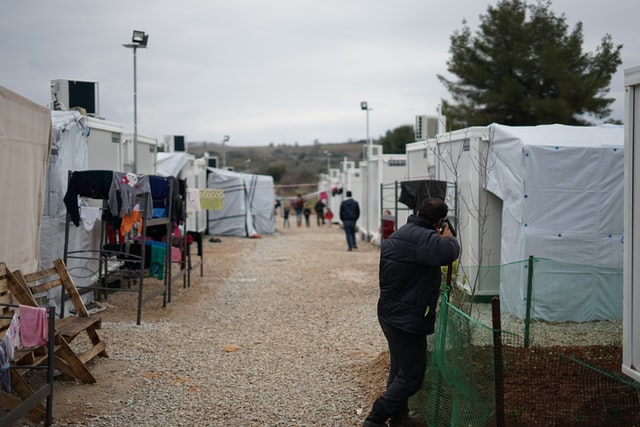
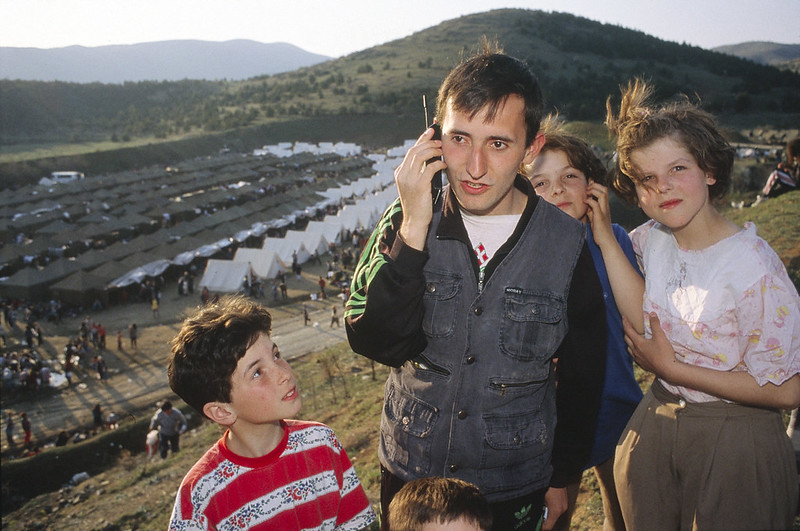
The Syrian Arab Republic, also known as Syria, is a Middle Eastern country with a population of more than 17 million people. In addition to facing the COVID-19 pandemic, the country is in the midst of a civil war. Civilian populations are the victims of war crimes, chemical weapons, displacement and deprivation of basic necessities each and every day. This article aims to break down the causes and effects of homelessness in the Syrian Arab Republic.

How the Crisis Began

In hopes of improving democracy, the Syrian population began to protest in 2011. Instead of listening to their concerns, Syrian President Bashar al-Assad worked to silence them. A civil war began as a result.

Russia and Iran support President Bashar al-Assad, opposing the Syrian Democratic Forces, which includes Turkey as well as Western and Gulf countries. These foreign nations have partnered with an oppressed indigenous group, the Kurds, to inhibit the efforts of Bashar al-Assad and his allies. While Turkey supports the Syrian rebels, the nation also feels threatened by the Kurds’ desire to be independent. To make matters worse, terrorist organizations like ISIS and Al-Qaeda have flourished amid this instability. The United States has withdrawn from the region under the Trump administration, but many countries are still involved.

4 Facts about Homelessness in the Syrian Arab Republic

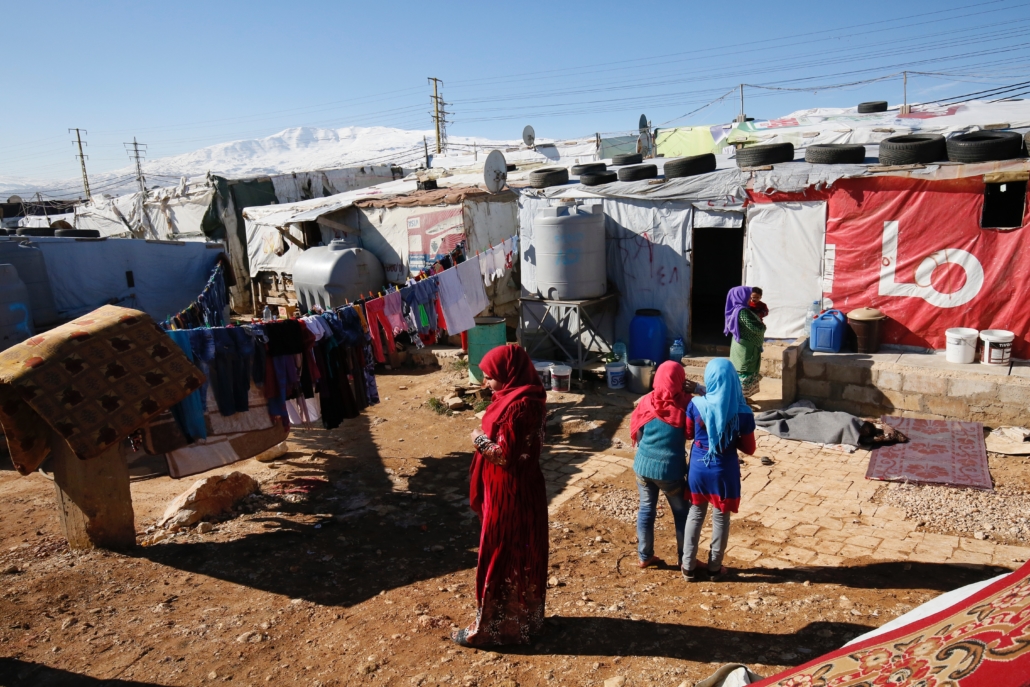
  1. Internal displacement: According to the United Nations, more than 6.5 million people are internationally displaced within Syria. In 2018, CNN reported that 180,000 children had to leave their homes in as little as three weeks. While many were fleeing violence, others had no choice but to sell essential belongings like furniture — and eventually their homes — to afford basic necessities. Many Syrians, including 35-year-old Awad Abu Abdu, feel robbed and exploited of their life earnings as they received far less than what their properties were worth.
  2. Relocation: As a result of the violence, up to 4.5 million Syrians have been forced to relocate to areas where it is too difficult to receive aid. This is partly because Russians have blocked humanitarian assistance in areas controlled by the Syrian government, as this aid was provided against the will of their close ally, President Bashar al-Assad. The United Nations also reports that 70% of Syrians do not have access to clean water due to collapsed infrastructure. Another 9 million do not have enough food, including 1 million who are on the brink of starvation. Many Syrians relocated closer to the Turkish border, hoping to receive aid and escape the violence. However, as of July 2020, Russia and China successfully convinced the United Nations Security Council to close one of the two crossings from Turkey to Syria, arguing that only one was necessary to provide aid to Syrians. This has put a tremendous strain on resources.
  3. Combatting homelessness: The United Nations High Commissioner of Refugees (UNHCR) is currently working with 15 governmental and non-governmental organizations to reduce homelessness in Syria. In 2018, UNHCR was able to provide 456,986 Syrians with shelter assistance, including 108,790 who were in need of emergency shelter assistance. UNHCR also provided 8,425 Syrians with shelter kits and 6,085 with tents. Additionally, the organization rehabilitated 2,586 emergency rooms and upgraded 6,697 homes to make them livable again.
  4. Other successful aid: As of June 2020, the European Union and the United Kingdom, along with several other countries, have pledged $7.7 billion to combat the worsening humanitarian crises in Syria and to support neighboring countries who are struggling to help the 5 million refugees who have fled to their countries. This is significant progress toward the $10 billion that the U.N. said is needed to combat the crisis. The fact that so many countries are willing to provide aid suggests that there may be hope for Syria.

Despite these pledges to help, however, poverty, displacement and homelessness in the Syrian Arab Republic remain severe. Efforts to address the crisis are still deeply underfunded, and more action needs to be taken. Please contact local representatives and find out how to support poverty-reduction organizations to help.

– Rida Memon
Photo: Flickr

August 19, 2020
https://borgenproject.org/wp-content/uploads/borgen-project-logo.svg 0 0 Kim Thelwell https://borgenproject.org/wp-content/uploads/borgen-project-logo.svg Kim Thelwell2020-08-19 10:32:342024-05-29 23:18:48Homelessness in the Syrian Arab Republic
Global Poverty, Refugees and Displaced Persons

Healthcare In Israel: The Innovation Nation

healthcare in Israel
Israel’s healthcare advances have been successful globally as well as nationally. Due to constant and careful reforms in both the healthcare system and technology, healthcare in Israel excels in many areas.

Healthcare Plans

In 1995, Israel enacted universal health coverage to all of its permanent residents and citizens. The Ministry of Health is responsible for governing the healthcare system while the local government has limited involvement. Within the ministry are various bodies focused on specific aspects within that system. The Benefits Package Committee, for example, zones in on new health technology to add to the National Health Insurance Benefits Package. The committee also assesses the development of new medications. The benefits package within each plan must include hospital, primary, specialty, mental health, maternity care and prescriptions.

Israel has a higher percentage of young citizens compared to the number of elderly residents. This percentage factors well into its health statistics, but the nation has recognized that those governing healthcare in Israel must be more appropriately committed when it comes to the elderly and long-term care. Recent measures are meant to improve conditions for long-term care. Such measures include providing means-tested government subsidies for informal caregivers and better access to clinicians through in-home care and telemedicine.

While every citizen has the right to the universal healthcare plan, not every citizen has suitable access. Important barricades that keep those living in poverty from receiving proper care are the social, economic, and technological necessities needed to acquire health services. As present times generate larger limitations, crucial services are only attainable by those who are equipped with the essential resources. For example, some may face challenges like accessing care during lockdowns and receiving crucial health information such as data and guidance concerning COVID-19.

Recent Major Reforms

The Ministry of Health is carefully examining and gradually improving healthcare in Israel. Some of the most recent changes include:

  • Communication: Those working in healthcare facilities are prioritizing Electronic Health Records for better information exchange between care centers.

  • Diet: The Ministry of Health is mandating food labeling, restricting unhealthy food advertisements, and placing a higher value on nutrition served in schools and other public institutions.

  • Expanding the roles of nurses: Nurses’ responsibilities are growing to allow doctors to better balance their highly demanding tasks. Treatment, diagnosis, and prescriptions in cases that are considered simple to treat have been placed in the capability of specialist nurses.

  • Healthcare extending beyond the insured: Free clinics that concentrate on both physical and mental health are rising in number for asylum seekers and refugees. The need for these clinics was based on severe physical injuries and deeply rooted PTSD that many suffer after surviving realities such as torture camps and kidnapping.

Startup Central

Israel excels in medical innovations and research, making it one of the most technologically advanced nations. Some of the areas the country has proved transformative in are computer, agricultural and medical technology.

Elevated venture capital investment mainly contributes to Israel’s prosperity. The country fosters entrepreneurship and through strong government support, the country thrives on creativity. Multinational companies such as IBM and Philips have organized research and development centers in Israel. These multinational companies are supporting the country’s economy to a great extent and aid the government in major funding towards developing medical technology. The country’s focus on new technology has already served them well. Current revolutionary technologies include:

  •  The SniffPhone system: Quickly diagnosing cancer by simply breathing into a device the size of a smartphone.

  • The tuberculosis patch: The working development is a skin patch that can diagnose and monitor TB.

Facing and Fighting COVID-19

Israel has a much lower aggregate of mortality when it comes to COVID-19. Some of the major contributing factors include:

  • Early and strict quarantine rules: These rules include general lockdowns, social distancing, mask requirements and entry into Israel being restricted to one location

  • The high number of doctors: The more trained professionals, the better the aid and response to those infected with COVID-19. Israel has six medical schools, and the government largely supports the yearly tuition. Each school is a public, nonprofit university.

  • The low rate of cardiovascular disease: This condition is one of the major risks of mortality once infected with Covid-19.

While the impoverished lack access to Israel’s healthcare system, the nation itself has the potential to make innovative adaptations and improvements to overcome the obstacles to access.

– Amy Schlagel
Photo: U.N.

August 14, 2020
https://borgenproject.org/wp-content/uploads/borgen-project-logo.svg 0 0 Jennifer Philipp https://borgenproject.org/wp-content/uploads/borgen-project-logo.svg Jennifer Philipp2020-08-14 12:20:322024-05-29 23:18:42Healthcare In Israel: The Innovation Nation
Global Poverty, Homelessness, Refugees and Displaced Persons

Homelessness in Côte D’Ivoire

Homelessness in Cote D'Ivoire
Known as one of the world’s largest exporters of coffee and palm oil, Côte D’Ivoire was at one point one of the strongest economies in Western Africa. Now, ravaged by civil war and extreme poverty, homelessness is one of the largest issues in the country.

Political Unrest

Homelessness in Côte D’Ivoire is a complicated topic with underlying issues that date back to its 2010 election. The result of this election was political unrest. Some 220,000 people were forced to flee the Western Côte D’Ivoire due to village raiding and the execution of those opposing the new president. The UN Refugee Agency has brought back around 33,700 Côte D’Ivoire refugees from Liberia since 2011; about 400, additionally have returned from Guinea. Others have come back on their own. Returning refugees face housing and land insecurity, compounded by the existing tension between ethnic and political enemies within the country.

Additionally, the government has evicted many people due to flooding in areas such as Abidjan, the country’s urban center, leaving thousands homeless. Returning refugees, in addition to those forced out from their homes, struggle to stay with anyone who can accommodate them while they try to rebuild their lives. Since land ownership agreements in Côte D’Ivoire are predominantly verbal and not controlled by the government, it is uncertain what land belongs to which factions. This often causes land disputes and makes it difficult to find land to rebuild on. A lack of land is one of the driving forces behind the returning refugee housing crisis, as well as other homelessness in Côte D’Ivoire.

Temporary Housing

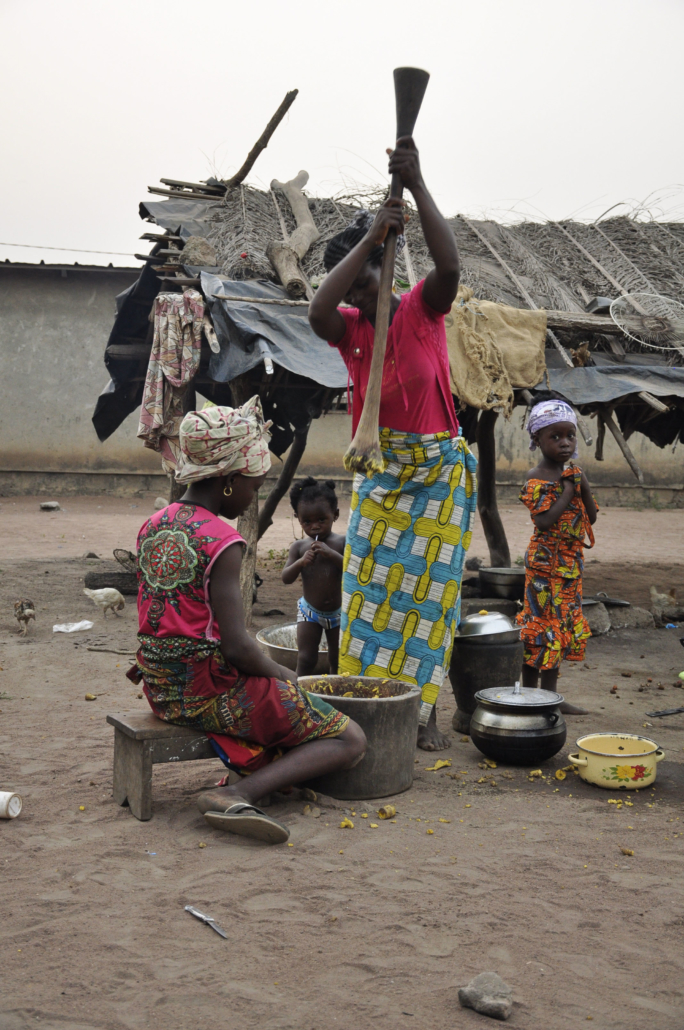
There are two main types of homelessness in Côte D’Ivoire. The first occurs when people are homeless because they are landless. The second problem arises among those who live in improper temporary housing. These temporary houses are often made of mud with wooden frames or are poorly constructed from bricks. Made with thatching, the roofs may have disease-carrying insects, such as malaria mosquitoes and tsetse flies. Since these houses are overcrowded by the homeless, poor ventilation and the spread of disease are common issues. In rural areas, about 90% of people live in these improper and temporary housing structures. Only 18.1% of the households possess a pit latrine, and 92.5% of households use unsafe drinking water.

Humanitarian Efforts

While the government’s Post-Crisis Assistance Program has rebuilt/restored 687 houses in 2012 through World Bank funding, the cumulative housing deficit in Côte d’Ivoire was estimated at 600,000 units in 2015. In Abidjan alone, the housing deficit is around 40,000 units per year.

Habitat for Humanity in Côte d’Ivoire helps build homes and latrines using local resources. The Overseas Aid & Development Commission, which distributes money from the States of Guernsey to charities undertaking development and humanitarian work, has funded Habitat for Humanity to aid homelessness in Côte d’Ivoire. They are using the funds to improve the health and living conditions of the extremely poor and homeless. The objective of this project is to improve access to sustainable sanitation and hygiene services by rehabilitating water pumps and latrines and distributing hygiene kits. This is all done in accordance with the local authorities and governments. Habitat also works to mobilize local communities to collect resources, spread information and foster cooperation among leaders of diverse communities; this empowers them to maintain the rebuilt infrastructure.

– Giulia Silver
Photo: Flickr

July 30, 2020
https://borgenproject.org/wp-content/uploads/borgen-project-logo.svg 0 0 Kim Thelwell https://borgenproject.org/wp-content/uploads/borgen-project-logo.svg Kim Thelwell2020-07-30 14:08:332024-05-29 23:22:09Homelessness in Côte D’Ivoire
Global Poverty, Refugees, Refugees and Displaced Persons, Technology, United Nations

How a Website Has Helped Refugees During the Pandemic

signpostAs of last year, there were almost 80 million “forcibly displaced people worldwide.” This figure includes refugees, asylum-seekers and others. As refugee communities are in crucial need of proper medical aid to withstand the COVID-19 pandemic, global powers are devising plans to help them. During the early stages of worldwide lockdown, the United Nations High Commissioner for Refugees (UNHCR) proposed a $33 million pandemic-response plan for improving refugee settlements. Objectives include increasing health service availability, spreading reliable and medical-oriented information throughout refugee communities and implementing efficient surveillance systems. 

Although these efforts were a step in the right direction, they are not enough to assist every displaced refugee in the world. Groups like the United Nations (UN) and World Health Organization (WHO) are certainly championing refugees’ needs. However, it does not take a global superpower to make a positive impact on refugee communities; one website has helped refugees during the pandemic through access to information.

Impact of COVID-19 Pandemic on Refugees

COVID-19 has impacted refugees and other forcibly displaced people in three major ways:

  • Health: Constantly sanitizing, maintaining social distance and obtaining medical information are luxuries that many refugees do not have access to. As such, a refugee’s health is in constant jeopardy.
  • Income: Refugees working in informal jobs are likely to have been laid off due to the pandemic, and losing work means losing the only financial safety net for a refugee.
  • Protection: Hostile xenophobic and racist sentiments have been directed at asylum-seekers during the pandemic, which makes those seeking refuge in foreign countries targets for violence.

While these three obstacles are preventing many refugees from securing safety, they can be solved with one essential tool—information. Reliable information regarding health, income and protection can help many refugees.

Signpost as Virtual Back-up

Signpost is a non-governmental organization (NGO) and a virtual project that utilizes digital platforms to spread critical information throughout vulnerable communities. The organization has made a large impression since its founding in 2015. It has positively impacted almost two million people. Signpost has effectively helped and communicated with people across eight different countries, which demands fluency in several languages. Accurately conveying information regarding public health services and other needs to refugees using their native tongue has saved thousands of lives.

Everywhere, refugees are struggling to find trustworthy information about COVID-19. In response, Signpost has been reaching out and providing valuable, potentially life-saving, information to refugees. In particular, Signpost has supported the most vulnerable communities in countries like Greece, Italy, El Salvador and Honduras.

  • Signpost in Greece: Signpost has developed an app that has numerous services listed for refugee use such as medical services, transportation and housing. Also, the organization is scheduled to put out a website for current COVID-19 information throughout the country.
  • Signpost in Italy: The organization has given asylum-seekers information about essential services through Facebook, an established panel where users could ask questions and share key information regarding COVID-19. In Italy, Signpost focused specifically on informing refugees about Italy’s healthcare services and policies.
  • Signpost in El Salvador and Honduras: Signpost developed CuentaNos. It is a virtual platform that not only provides vulnerable people with information about housing or protective services, but also about COVID-19 and locations for medical assistance. Signpost also bundled its online resources efficiently to allow refugees accessibility through WhatsApp.

Everyone has been affected by the pandemic, but asylum-seekers and refugee communities are especially disadvantaged since they are displaced from their home country. Signpost, a website, has helped refugees by providing access to important information about dealing with COVID-19. Although Signpost is just one example, technology-based organizations are mobilizing to provide some type of digital support for refugees. Whether help comes via the Internet or in-person, any outstretched hand toward refugees anywhere is a glimmering sign of hope for a better future.

– Maxwell Karibian
Photo: Flickr

July 29, 2020
https://borgenproject.org/wp-content/uploads/borgen-project-logo.svg 0 0 Kim Thelwell https://borgenproject.org/wp-content/uploads/borgen-project-logo.svg Kim Thelwell2020-07-29 19:00:542024-05-29 23:18:24How a Website Has Helped Refugees During the Pandemic
Global Poverty, Homelessness, Refugees, Refugees and Displaced Persons

Homelessness in Libya: How War Leads to Displacement

Homelessness in Libya
Libya is home to historical Greek ruins, the Sahara desert and valuable oil reserves. However, it also currently suffers from a state of instability. The country has experienced division due to a civil war between Libya’s Government of National Accord (GNA) and Khalifa Haftar’s militias in the east. Militant groups who gained power amid the lack of government control, including al-Qaeda and Ansar al-Sharia, have exacerbated this conflict. This fractured leadership has left civilians suffering from a struggling economy and the continual violence plaguing the region. Libyans must flee their homes to avoid imminent danger, often with nowhere to go. As a result, homelessness in Libya is a growing problem that requires attention and resources.

The Growing Homelessness Problem

War often leaves people displaced or lacking basic necessities, and the Libyan war is no exception. The threat of shellings and uncontrolled violence has left around 120,000 people homeless in and around Tripoli, the nation’s capital. Many have no choice but to sleep on the streets, under trees or with whatever materials are available. Others find makeshift shelters such as public gardens, tents or converted buildings to offer slightly more protection. Old hotels, abandoned factories and schoolhouses become temporary homes for those who have nowhere else to turn.

With so many severely in need of shelter and resources, Libya turned to the Government of National Accord (GNA) for help. In response, the GNA dedicated about $85.7 million to help displaced civilians. However, homelessness in Libya persists and calls for further solutions.

The Plight of Refugees

As violence escalates, some Libyans search for better lives in different countries. Many have tried to escape to Europe, Niger or anywhere that offers more peace and stability. Unfortunately, due to Libya’s proximity to Europe, even refugees fleeing other countries must first travel through Libya. This pathway to Europe is so heavily trafficked that some estimate there are over “645,000 migrants, refugees and asylum seekers in Libya.” Only a percentage of people successfully make this journey, leaving many stranded and homeless.

Detention facilities under the GNA are holding refugees who are unable to leave the country. According to the U.N., detention centers have been holding about 3,200 people as of February, 2020. The centers pose new problems. They are overcrowded, unsanitary and lacking ventilation and lighting. They also severely lack the resources necessary to feed those experiencing detainment there. One GNA employee told The New Humanitarian that each day the center allots residents only “one piece of bread” and a “plain pasta dish for every six people.”

Organizations such as Refugees International urge the E.U. to put pressure on Libya to improve conditions. For example, it asks that the GNA discontinues the detention of refugees in closed facilities and instead employs the use of open facilities. When detention centers are open facilities, they are subject to international standards and must grant access to NGOs wanting to help.

As homelessness in Libya increases due to war, organizations are working to ensure that people seeking refuge no longer have to endure inhuman conditions in detention centers.

NGOs Answering the Call

In addition to Refugees International, NGOs such as the U.N. Refugee Agency (UNHCR) are working to address the current crisis in Libya. The UNHCR recognizes the needs of refugees and displaced people. In order to improve the lives of this demographic, the UNHCR provides a number of services:

  1. The UNHCR funds public services such as hospitals and schools. This improves the quality of life and creates an opportunity for growth in the community.
  2. It provides displaced people with shelter, money and resources to ensure that they receive some aid.
  3. The UNHCR fights to end detention centers, advocating instead for more humane alternatives like programs for child care and family tracing.
  4. It works to resettle and reunite families. The goal of resettling is to create a sustainable, safe and healthy life for families displaced due to war.

Looking Forward

For the first time in years, there is some hopeful news out of Libya. In June 2020, the GNA pushed Haftar out of the west and out of Tripoli. This may be an opportunity for international intervention and support in the form of increased security or economic aid. Libya may finally be able to imagine an end to its turmoil and look toward rebuilding. This should also grant hope for a solution to homelessness in Libya. Economic improvement and rebuilding could allow citizens to return to their homes and their lives so that they too can try to rebuild.

– Abigail Gray
Photo: Wikimedia Commons

July 28, 2020
https://borgenproject.org/wp-content/uploads/borgen-project-logo.svg 0 0 Kim Thelwell https://borgenproject.org/wp-content/uploads/borgen-project-logo.svg Kim Thelwell2020-07-28 14:23:352024-05-29 23:18:44Homelessness in Libya: How War Leads to Displacement
Global Poverty, Refugees, Refugees and Displaced Persons

5 Facts About the Refugee Crisis in Uganda

refugee crisis in Uganda
The refugee crisis in Uganda is due to its central location to several countries that have been in civil war in recent years. In fact, some have characterized Uganda as an underground railroad of differing proportions. Uganda has borders with South Sudan, which has been in a civil war since late December 2013, while Rwanda, which experienced one of the worst genocides in history in 1994, is still feeling the ripple effects among certain areas and individuals in the country. Meanwhile, violence has plagued the Democratic Republic of the Congo in certain eastern areas near Uganda’s border. Burundi and Somalia, though not bordering countries, are nearby and both have experienced civil wars and other conflicts in the recent millennium. Here are five facts about the refugee crisis in Uganda.

5 Facts About the Refugee Crisis in Uganda

  1. Uganda has over 1.423 million refugees, with the majority coming from South Sudan through its northern border. However, the refugees also enter through the country’s southern border, from the Democratic Republic of the Congo and Tanzania. The Tanzanian border area, known as Isingro, hosts the Nakivale refugee settlement which was one of the only settlements that did not have South Sudanese or Sudanese refugees. In fact, this settlement mostly consists of Congolese refugees.
  2. The refugees currently in Uganda come from eight prominent countries in Africa including South Sudan, the Democratic Republic of the Congo, Burundi, Somalia, Rwanda, Eritrea, Sudan and Ethiopia. Each of these countries has experienced a civil war in the past 30 years and most have suffered one in the past two decades. That being said, many of the individuals who experienced those trying times are still alive. When new violence occurs, many decide to leave earlier versus later because they remember the atrocities from just 20 to 30 years prior.
  3. The largest refugee group by origin is from South Sudan, accounting for roughly 62 percent of refugees and over 880,000 individuals in Uganda. South Sudan is the closest country and its most recent civil war halted in 2019.
  4. One of the largest settlements that South Sudanese refugees primarily use is Bidi Bidi in northern Uganda. It is roughly 234 square kilometers and people use the land for both residential and agricultural needs. To put it in context, 234 square kilometers is roughly the size of Birmingham in the United Kingdom.
  5. The United Nations Refugee Agency’s 2020 budget for Uganda is $333 million. This is about $50 million lower than its 2019 budget, even though the refugee crisis is once again ramping up after the steep decline in 2018. In fact, the total number of refugees per month has been steadily increasing by about 10,000 to 20,000 since October 2018.

While the influx of refugees to Uganda has been mostly due to conflicts in surrounding countries, it is also because of Ugandan generosity. In fact, the policies Uganda has instituted and the funds it has generated to support refugees indicate that Uganda does not believe they are a problem. Rather, it treats refugees as humans who have a want and need to cultivate, provide for their families and move around freely. Uganda also grants refugees government aid, similar to most of its citizens, through health care and educational opportunities.

While experts expect the refugee crisis in Uganda to continue, funding from The United Nations Refugee Agency as well as Uganda’s generosity should help the refugees substantially. Hopefully, the refugee numbers will start to reduce in the upcoming years.

– Cassiday Moriarity
Photo: Pixabay

April 23, 2020
https://borgenproject.org/wp-content/uploads/borgen-project-logo.svg 0 0 Lynsey Alexander https://borgenproject.org/wp-content/uploads/borgen-project-logo.svg Lynsey Alexander2020-04-23 12:12:422020-04-23 12:12:425 Facts About the Refugee Crisis in Uganda
Global Poverty, Poverty, Refugees and Displaced Persons

4 Poems About Poverty

Poetry, one of the most ancient art forms, serves as an outlet for poets to convey their most profound emotions. Poetry is magical because it paints a picture with words and navigates the reader through a flurry of feelings. While few reach glory, many poets go unrecognized or misunderstood in their pursuits. These are four poems about poverty.

Song of the Shirt

“Work—work—work!

From weary chime to chime,

Work—work—work,

As prisoners work for crime!

Band, and gusset, and seam,

Seam, and gusset, and band,

Till the heart is sick, and the brain benumbed,

As well as the weary hand.

[…]

In poverty, hunger, and dirt, And still with a voice of dolorous pitch,—Would that its tone could reach the Rich!—   She sang this “Song of the Shirt!”

This excerpt from the 19th-century poem by Thomas Hood talks about the labor exploitation of the middle class by the aristocracy. A woman works hard night and day, through tiredness and sickness, with dreams ranging from a simple meal to eternal prosperity. Unfortunately, she drowns in the pit of poverty and despite her efforts, is unable to climb out. This issue has spanned the centuries and labor exploitation remains a problem in the 21st century. Especially in developing countries where instances of trafficking and child labor are all too common. More than 150 million children are subjected to child labor around the world. The U.N. is currently working on enforcing appropriate legislation in countries to absolve the use of child labor.

Refugee Blues

“Say this city has ten million souls,
Some are living in mansions, some are living in holes:
Yet there’s no place for us, my dear, yet there’s no place for us.

Once we had a country and we thought it fair,
Look in the atlas and you’ll find it there:
We cannot go there now, my dear, we cannot go there now.

[…]

Dreamed I saw a building with a thousand floors,
A thousand windows and a thousand doors:
Not one of them was ours, my dear, not one of them was ours.

Stood on a great plain in the falling snow;
Ten thousand soldiers marched to and fro:
Looking for you and me, my dear, looking for you and me.”

W.H. Auden, a 20th-century poet, originally wrote this poem about the Jewish refugees who were seeking refugee status in the United States. The theme, however, extends beyond the grim years of World War II. At the end of 2018, there were roughly 71 million forcibly displaced people in the world. They were forced to leave due to conflict, violence or persecution. Many have not found homes or countries that are willing to take them in. Countries are beginning to pay attention. World leaders in the U.N. are working on implementing programs that will help refugees without disappointing host nations.

Poverty

I saw an old cottage of clay,

And only of mud was the floor;

It was all falling into decay,

And the snow drifted in at the door.

Yet there a poor family dwelt,

In a hovel so dismal and rude;

And though gnawing hunger they felt,

They had not a morsel of food.

The children were crying for bread,

And to their poor mother they’d run;

[…]

O then, let the wealthy and gay

But see such a hovel as this,

That in a poor cottage of clay

They may know what true misery is.

And what I may have to bestow

I never will squander away,

While many poor people I know

Around me are wretched as they.

This sorrowful poem written by Jane Taylor in the 19th century paints a vivid picture of the horrid conditions associated with poverty. Taylor writes about a family that lives in an unsafe cottage without an ounce of food. The children starve and beg for food that the mother is incapable of providing. As seen in this poem, poverty is an exclusively uphill battle. There are a million forces exerting pressure on the lives of the impoverished but many must keep persevering to survive.

More than 3 billion people in the world today are living on less than $2.50 per day. More than 1.3 billion are living on less than $1.25 per day. Hundreds of millions of children and adults are malnourished and do not have access to basic healthcare. While this is a depressing statistic, the rate of extreme poverty in the world has decreased in the last several decades.

Poor Children

“They are the future of humanity
But many of them living in poverty
And without shelter homeless on the street
Searching through rubbish bins for scraps of food to eat.
Poor children are victims of circumstance
In life they never really get a chance
Or have opportunities as privileged children do
The road from the poor suburb to prison leads them to.

[…]
Poor children without homes and sleeping rough
And life for them already hard enough
At the wrong end of the social divide
Any chance of a good future to them is denied.”

This poem by Francis Duggan, while relatively recent compared the other poems on this list of four poems about poverty, speaks volumes about the struggles associated with child poverty. Roughly one billion children are currently living in poverty and according to UNICEF; approximately 22,000 children die daily due to poverty. A pattern of malnutrition and disease weakens the body to a point of no return. Coupled with the social repercussions of impoverishment, the odds of survival are slim. A recent study revealed that children who succumbed to childhood poverty were seven times more likely to harm themselves and 13 times more likely to engage in violent crime than their more affluent counterparts.

These four poems about poverty are quite striking. They convey deep emotions and spread ideas that have been prevalent for generations. Poverty is not skin-deep; the consequences of impoverishment extend to all elements of life. It is vital that people take action against poverty by reaching out to elected officials who have the ability to implement legislation that aids those in dire need.

– Jai Shah
Photo: Flickr

February 12, 2020
https://borgenproject.org/wp-content/uploads/borgen-project-logo.svg 0 0 Jennifer Philipp https://borgenproject.org/wp-content/uploads/borgen-project-logo.svg Jennifer Philipp2020-02-12 07:30:522024-05-29 23:14:354 Poems About Poverty
Global Poverty, Refugees and Displaced Persons

6 Facts About the Health Crisis in Venezuela

Health Crisis in Venezuela

The extreme shortage of medicine and medical supplies in Venezuela has forced many people to seek refuge in neighboring countries in the hopes of getting the medical care that they need. More than three million Venezuelans have fled the country and the number continues to rise. With the continued lack of aid and action from the government, Venezuela’s health crisis shows no signs of disappearing. These are six facts about the health crisis in Venezuela.

6 Facts About the Health Care Crisis in Venezuela

  1. Because of the lack of available vaccinations, preventable diseases such as measles and diphtheria are spreading throughout the country. The Center for Disease Control and Prevention reported that diphtheria had not been reported in Venezuela for 24 years until 2016. Measles had not been seen since 2007. Unfortunately, these diseases are once again affecting the citizens of Venezuela. As of 2018, there have been 2,170 suspected cases of diphtheria with 1,249 being confirmed. There have been reports of 287 deaths due to this preventable disease. Out of the 7,524 cases of measles that had been suspected between 2017 and 2018, 6,252 were confirmed. At least 75 people have died from measles as of 2019. The toll of these diseases could have been prevented if the people of Venezuela had the vaccinations that they needed.
  2. In 2018, the Joint United Nations Programme on HIV/AIDS and the Venezuelan Ministry of Health noted that new cases of HIV had increased by 24 percent. Between 2010 and 2016, deaths due to AIDS increased by 38 percent. In addition, around “87 percent of the 79,000 registered individuals living with HIV” do have antiretroviral treatment because of the shortage of medicine in the country.
  3. Cases of malaria have increased by 76 percent. There were 240,613 reported cases of malaria in 2016 in Venezuela. In 2017, that number increased to 406,000 cases, the largest increase worldwide. WHO estimated 280 deaths due to the disease in 2016. Venezuelans fleeing the country to Colombia and Brazil are taking the disease with them and escalating the spread. The United Nations agency is urging those countries who are hosting Venezuelan refugees “to provide free screening and treatment regardless of their legal status to avoid further spread.” Because so many Venezuelans are fleeing, these diseases are reaching neighboring countries as well. The re-introduction of measles in Manaus, Brazil resulted in 1,631 cases as of November 2018.
  4. Expecting mothers are unable to receive the prenatal medication they need. Many are forced to have unsafe labors. According to a 2017 report by the Venezuelan Ministry of Health, infant mortality has increased by 30 percent and maternal mortality has increased by 65 percent.
  5. Although these neighboring countries are trying their best to provide aid to the people of Venezuela, their healthcare systems are also taking a toll. Many HIV-positive immigrants have reached Brazil only to find that local hospitals were already overwhelmed with AIDS patients dying from infection. Colombia is currently hosting the largest number of Venezuelan immigrants with an estimated one million as of November 2018. Public hospitals are struggling to accommodate refugee health care needs such as vaccinations and emergency services.
  6. The current government of Venezuela has not publicly recognized the crisis among its people, and therefore they are not allowing international relief agencies to enter the country. In Colombia, a huge supply of medicine and supplies from the United States waits to cross the border. Unfortunately, the current president of Venezuela won’t allow the supplies into the country. Colombia has organized many events to help raise money to aid their Venezuelan neighbors. A relief concert called Venezuela Aid Live was held in Colombia on February 22, 2019, to support and bring awareness to the crisis in Venezuela. In four days, the organization was able to raise almost $2.4 million. They plan to do the same next year to continue bringing awareness and aid to the people of Venezuela.

Despite Colombia’s struggle to accommodate refugees, the country is providing limited healthcare to Venezuelans who desperately need it. “In May 2017, the Colombian government declared that all public hospitals must provide free emergency” treatment for Venezuelan patients, which includes treatments for malaria and measles. Between 2017 and 2019, 29,000 pregnant women were able to safely deliver their babies in Colombia free of charge. This also means that their children will be getting free vaccinations plus a promise of healthcare due to their Colombia citizenship. Since 2017, Colombia has provided healthcare services to 340,000 Venezuelan immigrants.

Venezuela’s government officials still have a lot of work to do to help its own people, but thanks to countries like Colombia and Brazil, Venezuelans seeking medical treatment are able to get some assistance. Providing this healthcare, although straining, has made a difference to the three million Venezuelans who had no choice but to flee their country. Through this continued support and care, at least some of the health crisis in Venezuela can be alleviated.

– Jannette Aguirre
Photo: Flickr

December 14, 2019
https://borgenproject.org/wp-content/uploads/borgen-project-logo.svg 0 0 Kim Thelwell https://borgenproject.org/wp-content/uploads/borgen-project-logo.svg Kim Thelwell2019-12-14 07:30:272019-12-18 13:32:516 Facts About the Health Crisis in Venezuela
Children, Global Poverty, Poverty, Refugees, Refugees and Displaced Persons

10 Facts About Child Labor in Turkey

Child Labor in Turkey
Child labor in Turkey continues as both an international and domestic issue for the country. Despite Turkish and international community efforts to establish policies and initiatives to prevent child labor and protect the interests of children, child labor persists. The below facts highlight the details of the type of labor children typically perform as well as the efforts the government of Turkey has made to end child labor.

10 Facts About Child Labor in Turkey

  1. Work in Hazelnut Fields: Hazelnut production in Turkey is the largest sector of agricultural production, making up approximately 20 percent of Turkey’s agricultural exports. For this reason, many migrant agricultural workers travel along the eastern and western regions of Turkey looking for work during the hazelnut harvesting season. The children of these workers travel with their families and also contribute to the harvest of hazelnuts in Turkey. In 2017, nearly 800,000 children worked in the hazelnut fields. Most children work 11 hour days, seven days a week in the fields.
  2. The Second National Action Plan on Combating Human Trafficking: The Second National Action Plan on Combating Human Trafficking is an existing program in Turkey. This program identifies and protects both the victims of child trafficking as well as those children who are at high-risk for trafficking, such as the children of migrant agricultural workers. The high-risk children this program identified are the recipients of additional security precautions that the shelters took in. Victims of human trafficking frequently become migrant agricultural workers.
  3. Children of Syrian Refugees are High-Risk: As the number of Syrian refugees in Turkey continues to grow, so does the number of Syrian families working as migrant agricultural workers. Due to their status within the country of Turkey, many of these laborers work longer hours than those of the Turkish migrant workers and receive lower wages, with children oftentimes earning half of an adult’s wage. The children of the Syrian refugees are at an even higher risk of becoming permanently part of the sector of migrant labor due to lower access to education, discrimination and financial barriers.
  4. Efforts of the Turkish Government to Eradicate Child Labor: The Turkish government has made efforts to combat the high levels of child labor with a variety of government-funded programs. The Conditional Education and Health Care Assistance Program “aims to reduce poverty through cash transfers,” which takes the form of free milk and books given to primary school children. In 2017, approximately 190,000 children benefited from this program. By providing food and educational support, the Turkish government aims to create a learning environment for children where their families feel that they can afford the time for their children to be in school instead of working to earn extra money.
  5. Child labor in Turkey Increased in 2018: Despite the sweeping measures that the Turkish government has taken to prevent and eventually put an end to child labor in Turkey, the number of child laborers saw a marked increase in 2018. The Turkish government made a commitment to the International Labor Organization (ILO) that it would put an end to child labor by 2015, but that has not been the case thus far.
  6. Education Rates of Child Laborers: Due to the long hours that child laborers in Turkey work, they are unable to consistently attend schools in the areas where they work on hazelnut farms. The children also move around too frequently with their families to establish a lasting record at any one school, contributing to these children’s decreased likelihood of school attendance. In addition, the vocational schools that exist in areas that have heavy industry provide an education to children that promotes their continued work in the industrial sphere.
  7. Minimum Age for Child Labor: Turkey has existing laws in place that are to protect children from child labor. There is a minimum age requirement of 15 for agricultural work and a minimum age of 18 for hazardous work. A prohibition of forced labor and child trafficking also currently exists in Turkey. Despite the efforts of the government of Turkey, holes continue to exist in the legal framework that aims to protect children from hazardous child labor.
  8. Effective Enforcement of Existing Child Labor Laws: Though the Turkish government has age limits in place for child labor, as well as a list of light work that the Regulation on the Principles and Procedures Governing the Employment of Children and Young Workers permits, high levels of child labor in Turkey persist. Part of this gap in the legislation and actual protection of child laborers is due in part to the low numbers of inspectors and the classification of agricultural work as light labor. The Regulation on Principles has indicated that the country must legally consider picking fruit and vegetables as light work, therefore placing very few restrictions on migratory agriculture. Despite this, the gaps that exist in the legal framework “may hinder adequate enforcement of [Turkey’s] child labor laws.”
  9. National Program to Combat Child Labor in Turkey: The government of Turkey has made an effort to maintain compliance with international child labor laws. The National Program to Combat Child Labor began in 2017 and is to run until 2023. This program focuses on maintaining surveillance of the labor sectors of migratory agriculture, street work and work performed in small to medium industries to ensure that none of Turkey’s existing child labor laws are in violation.
  10. The Global March Against Child Labour: There are multiple NGOs in the international sphere that are fighting to end child labor worldwide. The Global March Against Child Labour is one such organization with a mission is to “mobilise worldwide efforts to protect and promote the rights of all children, especially the right to receive a free and meaningful education and the right to be free from economic exploitation.” Global March operates through the advocacy of issues to policymakers, raising awareness of child labor around the world and building partnerships with existing organizations such as the International Labour Organization. The Global March has seen success in many of its areas of focus. In 2018, Global March organized the Meet of Parliamentarians Without Borders for Children’s Rights in Brussels, Belgium. At the conclusion of the parliament, in which MPs from Sri Lanka, Benin, Togo, Paraguay, Uganda, Ghana, the Netherlands and Costa Rica attended, all MPs committed to working within their respective parliaments to end child labor in their countries.

Turkey still requires progress to put an end to dangerous and damaging child labor, but the steps that it has made in its own programs, as well as international programs, shows hope for a future for child labor in Turkey. That future includes stronger protection of a child’s right to receive an education and lead a stable life out of the fields.

– Anne Pietrow
Photo: Flickr

October 13, 2019
https://borgenproject.org/wp-content/uploads/borgen-project-logo.svg 0 0 Jennifer Philipp https://borgenproject.org/wp-content/uploads/borgen-project-logo.svg Jennifer Philipp2019-10-13 11:59:442019-12-16 14:32:3210 Facts About Child Labor in Turkey
Global Poverty, Refugees and Displaced Persons

Helping People Fleeing Violence in Central America

how to help people fleeing violence in central america
Central America is currently facing a growing and uncontrollable issue of violence and corruption. Many innocent civilians, in search of more stable living conditions, have decided to attempt to escape the devastating violence of the region. However, considering the various situations in nations like Venezuela and Colombia worsening, a large number of migrants are journeying toward the safety of the United States. In recent years, violence has run rampant in Central America and, specifically, the Northern Triangle (the region comprised of Guatemala, El Salvador and Honduras). Drug cartels and gangs have taken over, perpetuating corruption and violence that has crippled the region’s economy and political stability. The situation seems bleak, but here is how to help people fleeing violence in Central America.

Violence in the Northern Triangle

First, it is crucial to understand the violence occurring in the Northern Triangle. Specifically, two well-known gangs are to blame for much of the violence and conflict in the region. MS-13 and Barrio 18 have grown to control most of the crime and extortion rackets in Central America. These criminal organizations heavily involve themselves in drug trafficking as well, increasing the prevalence of violence and death in the region. According to InSight Crime, a foundation that focuses on the analysis of crime and threats to national and citizen security and safety, 47.4 percent of homicides in Guatemala in 2015 related to gangs or organized crime. On top of that, 49 percent of other homicides had unknown motives and perpetrators between 2012 and 2015.

The third country comprising the Northern Triangle, El Salvador, has also fallen victim to this festering cycle of violence and crime. Since 2015, gang violence alone has resulted in the deaths of more than 20,000 people in El Salvador, and to this day, innocent civilians are still trying to flee this volatility and corruption.

How Organizations are Helping

That said, there is still hope for the desperate refugees who have been displaced from the region. Organizations like The Office of the United Nations High Commissioner for Refugees (UNHCR) and Amnesty International have developed programs by which people can donate money and garner support for the humanitarian crisis in Central America. UNHCR and Amnesty International have done extensive work to analyze migrations from the Northern Triangle, chronicling why and how people are fleeing from the region. The organizations have also called upon various nations and leaders, such as the United States, to provide more aid to this desperate region through financial appeals processes and garnering support from the general public.

How Anyone Can Help

Those looking for how to help people fleeing violence in Central America can do so by emailing and calling their local representatives in Congress in support of the rejection of any proposed cuts to foreign assistance going to the Northern Triangle countries in Central America. It is as easy as sending an email or making a quick phone call, but the impact of these small gestures can have tremendous effects on policymakers, as they all must consider the ideas and sentiments of their constituents.

By reaching out to policymakers and creating more awareness regarding this growing issue, foreign aid will eventually reach the Northern Triangle. Though the proliferation of political instability and gang violence in the region makes for a bleak situation, foreign aid facilitated by active public engagement can have a positive impact on the people fleeing violence in Central America.

– Ethan Marchetti
Photo: Flickr

September 24, 2019
https://borgenproject.org/wp-content/uploads/borgen-project-logo.svg 0 0 Kim Thelwell https://borgenproject.org/wp-content/uploads/borgen-project-logo.svg Kim Thelwell2019-09-24 01:30:442019-09-21 17:18:53Helping People Fleeing Violence in Central America
Page 7 of 29«‹56789›»

Get Smarter

  • Global Poverty 101
  • Global Poverty… The Good News
  • Global Poverty & U.S. Jobs
  • Global Poverty and National Security
  • Innovative Solutions to Poverty
  • Global Poverty & Aid FAQ’s
Search Search

Take Action

  • Call Congress
  • Email Congress
  • Donate
  • 30 Ways to Help
  • Volunteer Ops
  • Internships
  • Courses & Certificates
  • The Podcast
Borgen Project

“The Borgen Project is an incredible nonprofit organization that is addressing poverty and hunger and working towards ending them.”

-The Huffington Post

Inside The Borgen Project

  • Contact
  • About
  • Financials
  • President
  • Board of Directors
  • Board of Advisors

International Links

  • UK Email Parliament
  • UK Donate
  • Canada Email Parliament

Get Smarter

  • Global Poverty 101
  • Global Poverty… The Good News
  • Global Poverty & U.S. Jobs
  • Global Poverty and National Security
  • Innovative Solutions to Poverty
  • Global Poverty & Aid FAQ’s

Ways to Help

  • Call Congress
  • Email Congress
  • Donate
  • 30 Ways to Help
  • Volunteer Ops
  • Internships
  • Courses & Certificates
  • The Podcast
Scroll to top Scroll to top Scroll to top