Child Poverty in Eritrea
Militarism and instability are endemic to Eritrea. The degradation of civil society is a result of those two factors. Child poverty in Eritrea is rampant due to such foundations; however, the country is not without benefactors. UNICEF’s aid efforts are improving children’s health within Eritrea despite the current conditions.

A Brief History

Eritrea is one of the few countries that one can truly consider a fledgling state in the 21st century. After a decades-long secession war, the Eritrean government achieved full independence from Ethiopia in 1993. They solidified the totalitarian one-party dictatorship that has retained power since. A brief period of peace followed, during which promised democratic elections never materialized. Then, Eritrea’s unresolved border disputes with Ethiopia escalated into a war that lasted from 1998 to 2000. It killed tens of thousands and resulted in several minor border changes and only formally ended in 2018. In the wake of this war, the Eritrean government has sustained a track record of militarization, corruption and human rights violations that has continually degraded civil stability. As of 2004, around 50% of Eritreans live below the poverty line.

Eritrea’s Youth at a Glance

Housing around 6 million people, Eritrea’s youth make up a significant proportion of its population. Eritrea has the 35th highest total fertility rate globally, with a mean of 3.73 children born per woman. It also has the 42nd lowest life expectancy at birth at a mere 66.2 years, with significant variation between that of males (63.6 years) and females (68.8 years).

Forced Conscriptions of Children

Under the guise of national security against Ethiopia, Eritrea has maintained a system of universal, compulsory conscription since 2003. This policy requires all high school students to complete their final year of high school at Sawa, the country’s primary military training center. Many are 16 or 17 years of age when their conscription begins, which led the U.N. Commission of Inquiry to accuse Eritrea of mobilizing child soldiers.

The Human Rights Watch’s (HRW) report also blamed Eritrea’s conscription practices for a number of grievances. Its prolonged militarization has wide-reaching effects on the country. Many adults end up in service against their will for up to a decade, but it is particularly damaging to Eritrean youth. Students at Sawa face food shortages, forced labor and harsh punishment. Many female students have reportedly suffered sexual abuse. Besides fleeing, “Many girls and young women opt for early marriage and motherhood as a means of evading Sawa and conscription.”

Further, “The system of conscription has driven thousands of young Eritreans each year into exile,” HRW claimed. HRW estimated that around 507,300 Eritreans live elsewhere. Because of its conscription practices, Eritrea is both a top producer of refugees and unaccompanied refugee children in Europe, resulting in child poverty in Eritrea as well as other regions.

Education Access

HRW claims that Eritrea’s education system plays a central role in its high levels of militarization. It leads many students to drop out, intentionally fail classes or flee the country. This has severely undermined education access and inflated child poverty in Eritrea.

Eritrea currently has the lowest school life expectancy – “the total number of years of schooling (primary to tertiary) that a child can expect to receive” – of any country. Eritrea has reportedly made strides to raise enrollment over the last 20 years. However, 27.2% of school-aged children still do not receive schooling, and the country retains a literacy rate of only 76.6%. Illiteracy is much more prevalent among females than among males, with respective literacy rates of 68.9% and 84.4%. In general, girls and children in nomadic populations are the least likely to receive schooling.

Refugees and Asylum-Seekers

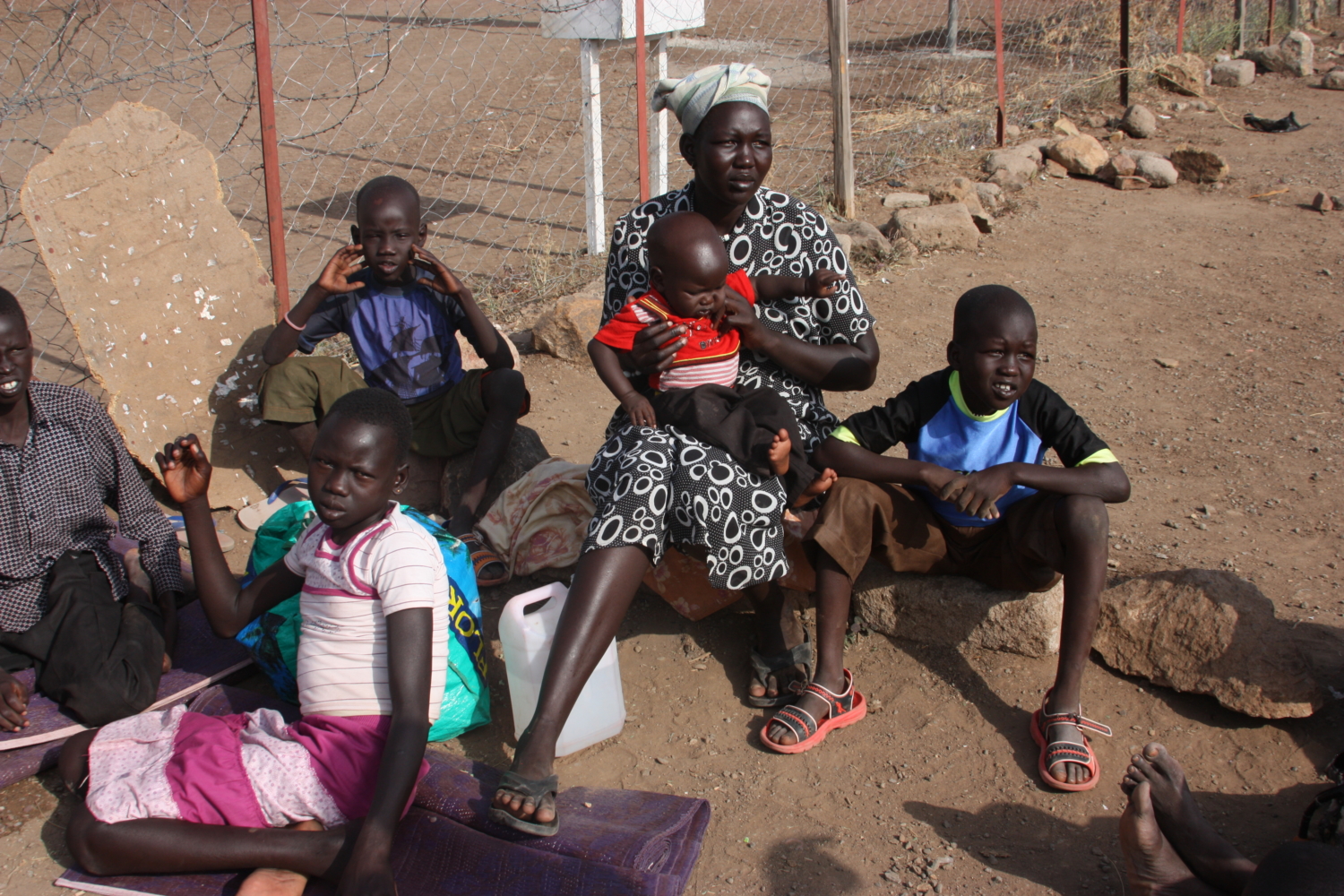
As mentioned earlier, more than half a million Eritreans have fled the country as refugees. Around one-third of them – about 170,000, according to the World Health Organization (WHO) – now live in Ethiopia. A majority reside in six different refugee camps. As of 2019, around 6,000 more cross the border each month. Reporting by the UNHCR shows that “children account for 44% of the total refugee population residing in the [Eritrean] Camps, of whom 27% arrive unaccompanied or separated from their families.” Far from being ameliorated by domestic education programs, child poverty in Eritrea is merely being outsourced to its neighbors.

Children’s Health as a Site for Progress

Adjacent to these issues, UNICEF’s programs have driven significant improvements in sanitation, malnutrition and medical access. Its Health and Nutrition programs, among other things, address malnutrition by administering supplements, preventing maternal transmission of HIV/AIDS during birth and administering vaccines. Teams in other departments improve sanitation and lobby against practices like child marriage and female genital mutilation.

In its 2015 Humanitarian Action for Children report on Eritrea, UNICEF wrote that Eritrea “has made spectacular progress on half the [Millennium Development Goals],” including “Goal 4 (child mortality), Goal 5 (maternal mortality), Goal 6 (HIV/AIDs, malaria and other diseases) and is on track to meet the target for access to safe drinking water (Goal 7).”

Figures illustrate this progress in child poverty in Eritrea. Since 1991, child immunization rates have jumped from 14% to 98%, safe water access rates are up at 60% from 7%, iodine deficiency has plummeted from 80% to 20% in children and the under-five mortality rate sits at 63 deaths per 1000 births, rather than at 148.

Child poverty in Eritrea is a far cry from reaching a resolution, but it is not a lost cause.

Skye Jacobs
Photo: Flickr

4 innovative solutions that are helping refugees

In the world today, there are nearly 26 million refugees who have been forced to flee their homes due to persecution and ongoing conflict. Refugees are among the world’s most vulnerable populations and are at risk of severe physical and mental health repercussions. Despite the limited access to resources and the substandard conditions that refugees face daily, advancements and innovations in refugee camps have eased these burdens. In times of strife and hardship, people can create something extraordinary and beneficial for society. Here are four innovative solutions that are helping refugees manage life in refugee camps.

4 Innovative Solutions Aiding Refugees

  1. Last Mile Mobile Solutions (LMMS), a World Vision program, was created to improve efficacy and accountability in humanitarian service delivery. This innovative technological solution ensures that aid recipients are tracked without error, rations are precisely calculated and dispensed and online reports are immediately accessible for stakeholders and donors who are at the base of key operations. LMMS also helps address issues affecting aid deliverance, including prolonged wait times, inaccurate tracking of supplies and inventory and errors in allotments to families. This program has been established in more than 30 countries by 20 different humanitarian groups, registering more than 10 million aid recipients.
  2. In Jordan’s Za’atari camp, Syrian refugees are converting caravans into serviceable facilities, such as shops, homes and furniture. A 2014 study asserts that nearly 64% of Za’atari’s businesses work from caravans. It is also estimated that approximately 10% of women in Za’atari are operating craft-making and other businesses from these adaptable vehicles. Most of the shops’ shelving, signs, and general household items are made from the same wood paneling that comes from these caravans’ flooring. Through the conversion and adaptive use of caravans, Syrian refugees have shown that there are creative ways to use the resources available to them to obtain a higher quality of life.
  3. Community kitchens in camps such as the Kutupalong refugee camp are equipped with gas stoves, allowing many refugee mothers to feed their families nutritious food and minimizing the dangers of cooking with an open fire. This innovative solution is a frugal choice when it comes to getting daily meals. Because of its implementation, refugees do not have to buy firewood and can better allocate their money toward food and other necessities. Beyond this, community kitchens are much more than safe areas to cook and affordable cooking alternatives. These are places where women get together and empower each other to become leaders in their communities, help each other solve problems and make informed decisions for their families’ well-being.
  4. Hand-made dynamos have changed the tides in Kenya’s Kakuma camp. Kakuma is not connected to the national power grid, so homes and businesses depend on solar power and generators to generate electricity daily. William, a Burundian installation expert, has been the go-to mechanic for dozens of business owners who need electricity in the camp. He once used an old treadmill to build a dynamo and has been redesigning the devices based upon the accessibility of resources, including fans and condensers from trashed air conditioners. In his workshops, William trains refugees so they can bring a set of general skills to meet the challenges in refugee camps.

Refugees and allied partners have shown their resourcefulness and resilience when placed in challenging situations. Many refugees do not allow the substandard living conditions they must reside in to hold back their desire to change the unfavorable systems and their circumstances. Refugees have demonstrated that innovative solutions come in many forms and that building community is key to improving refugees’ quality of life.

—Sarah Uddin
Photo: Flickr

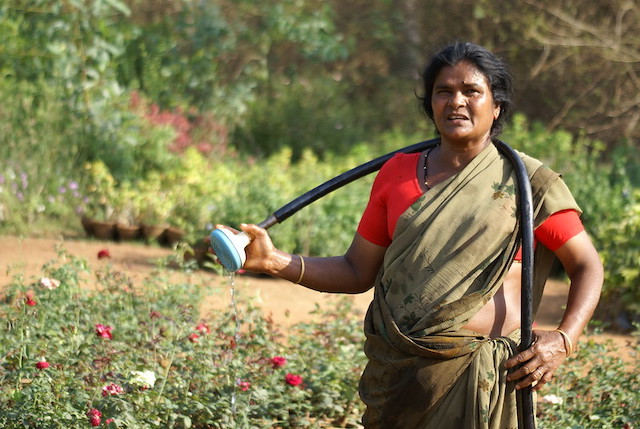
Sudanese RefugeesMany refugees in Sudan fled on foot to Egypt to escape violent and impoverished conditions in Sudan. About 3.8 million Sudanese refugees currently live in neighboring Egypt, which is a popular destination for Sudanese refugees because the country is accessible on foot and the refugees are still able to receive help from relatives. Egypt is a close destination and for some, it is a stopping point before they attempt to flee to Europe, which is an even more dangerous route. Although they may flee to Egypt, however, many face adversities of discrimination and poverty once there.
Sudanese Refugees

Many Sudanese flee their home country to other regions of Africa due to political conflict and economic turmoil. Refugees in Sudan escape their country on foot to neighboring countries. When the first civil war started about 60 years ago in southern Sudan, Sudanese refugees began to flee to Uganda, Kenya and Ethiopia.

Many individuals have fled for different reasons; some flee to obtain better rights, but in particular, many flee to escape religious persecutions. One Sudanese man was targeted due to his Christian faith and the police told him to renounce his faith. The Muslim faith is prominent and individuals who practice the Christian faith have suffered persecution. Since he continued to believe in his religion, the man went to jail where he faced beatings and torture. After spending weeks in jail, the Sudanese man fled to Cairo, Egypt.

Sudanese Refugees Face Discrimination in Egypt

Many refugees in Sudan flee to Egypt resulting in a burden on resources. Overall, Egypt hosts millions of refugees who flee their country’s terrible conditions, only to face racism in Egypt. Some Egyptians will call Sudanese refugees slaves and other ethnic slurs. Some have faced harassment that brings up traumatic memories and flashbacks of violent conditions they experienced in Sudan, including torture and rape. Sudanese children are sometimes bullied in school. Egyptians and even refugees from other countries exhibit this behavior.

Some individuals in Egypt recognize there is a problem and acknowledge that Sudanese refugees are negatively treated. The president of Egypt, Abdel-Fattah el-Sissi calls for his citizens to take action and to not mistreat Sudanese refugees. In 2018, an Egyptian court sentenced a man to seven years in prison for harassing, beating and killing a South Sudanese teacher who worked with refugees in Cairo.

Sudanese Refugees Face Poverty in Egypt

More than 5 million refugees in Sudan left their country to escape poverty but have subsequently faced financial hardships in Egypt. Sudanese refugees in Egypt are provided with 1,500 Egyptian pounds (LE) for every child from the United Nations through the Catholic Relief Services (CRS), with no additional assistance from the state. Thus, it is difficult for the refugees to pay for schools and other expenses. At the same time, it is difficult for a Sudanese refugee to find work in Egypt, even for those with higher education, since the residence permit does not allow work. Many who do find jobs work by cleaning houses and shops.

Due to the COVID-19 outbreak, many refugees in Sudan have faced an increased level of previous hardships. A fifth of foreigners were vulnerable and lost their jobs from the COVID-19 lockdowns in Egypt. In addition, many Egyptians have lost their jobs and in return have been forced to let go of migrant workers from Africa and Asia.

A Sudanese charity has financially helped more than 500 struggling families whose breadwinners have lost their jobs. Eviction has been a major problem for Sudanese refugees in Egypt, some of whom are attempting to return home.

Many Sudanese refugees escape their home country, only to face similar problems. Impoverished conditions continue to follow them within Egypt, although many strive to work harder in the new country. Organizations within Egypt need to help to eliminate discrimination against Sudanese refugees to alleviate their added struggles.

Ann Ciancia
Photo: Flickr

Health and Human Rights of RefugeesOne of the most important factors in beating the coronavirus is ensuring that everybody has access to public health. According to The New Humanitarian, this has pushed numerous governments to double down on their efforts to protect the health and human rights of refugees, migrant workers and asylum seekers who may have not been able to afford access to these services pre-COVID.
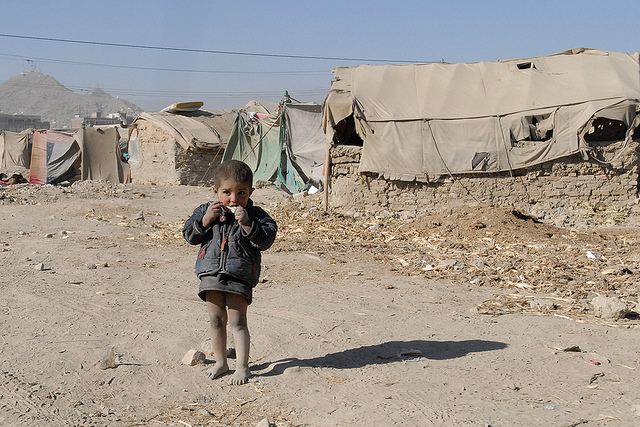
In March as the worldwide outbreaks quadrupled and human rights organizations around the world urged governments the dangers the coronavirus would impose on refugees and asylum seekers. The World Health Organization, the UNHCR and several other organizations put out a joint press release that pressured governments to release migrants and undocumented individuals from immigration detention centers as well as include them in public health relief efforts. Here are three countries that have prioritized protecting the health and human rights of refugees during COVID-19. They show that these policies could be sustained even beyond the crisis.

Countries Protecting the Health and Human Rights of Refugees During COVID-19

  1. Italy: Italy has one of the highest infection rates with 238,159 confirmed cases and 34,514 deaths. Italy’s fields have also attracted migrant workers from Eastern Europe. On May 13, the Italian government passed an amnesty law allowing around 200,000 migrant workers and undocumented refugees to apply for healthcare and 6-month legal residency permits. The downside of this new step is that the bill only applies to agricultural workers, leaving out many of the workers in the informal sector who perform labor in construction or food services.
  2. Portugal: Migrants and asylum seekers in Portugal with applications that are still in process are now being granted early access to public services that include welfare, rental contracts, bank accounts and national health service. Claudia Veloso, the spokesperson for Portugal’s chapter of the Ministry of International Affairs, told Reuters that “people should not be deprived of their rights to health and public service just because their application has not been processed yet.”
  3. Brazil: Brazil has the highest rate of outbreaks second to the United States, and President Jair Bolsonaro has continuously dismissed the severity of the virus and failed to respond effectively to outbreaks. So, it has fallen to local community organizations, donors and local authorities to enforce these regulations and double down on the effort to get everybody treated. The Paraisópolis community group started running a quarantine center in partnership with health workers, NGOs and medical centers. The center has around 240 volunteers monitoring the health of at least 50 families at a time. It acquired sanitation supplies and personal protection equipment through crowdfunding. The group is providing food and medical aid to undocumented migrants.

Amnesty International stated that in order to fix the refugee crisis “the world urgently needs a new, global plan based on genuine international cooperation and a meaningful and fair sharing of responsibilities.” Policy experts are hopeful that these new policies will help governments to consider new possibilities for a more humane approach to helping displaced migrants and asylum seekers in the future. The health and human rights of refugees need to be protected.

Isabel Corp
Photo: Flickr

helping refugees find answers
In 2015, social entrepreneur Cornelia Röper saw a need for a platform that would help newly settled refugees with questions about employment opportunities, health, education and asylum. Röper’s experience working with a collaborative workshop for refugees in Germany made it clear to her that more work remained to help them. This was how the concept for Wefugees, an online platform helping refugees find answers to their questions, came into being.

Global Displacement Is High

According to the U.N. Refugee Agency, global displacement is higher than ever before. By December 2018, around 70.8 million people had been displaced from their homes. Violence, human rights violations and wars can all cause people to migrate. Though the number of refugees and migrants arriving in Europe has decreased since 2015, 141,472 people arrived in Europe in 2018 alone. The death rate for those trying to reach Europe on the Mediterranean has increased to more than 1,000 people in 2019. Almost 33% of worldwide refugees come from Syria. Another 33% of the global refugee population hails from Afghanistan, South Sudan, Myanmar and Somalia.

Children Seeking Asylum

Children and young people younger than age 18 make up 50% of the worldwide refugee population. Of these children, some 110,000 are separated from their families. In 2018, 27,600 children sought asylum in countries all over the world. As a result of this trend, 3.7 million children are currently not attending school, due to displacement.

Integrating Refugees into Society

The Wefugees platform addresses these issues by helping refugees in Röper’s native Germany become visible and successful at integrating into their new society. The interactive platform offers a safe place where displaced persons can ask specific questions, and volunteers can provide the answers.

Röper has been working full-time on these issues since February 2016. She was then joined by Wefugees co-founder Henriette Schmidt. Röper and Schmidt feel that refugees will be able to integrate into a new, unfamiliar society more effectively if they can solve their problems independently. By helping refugees find answers, Wefugees works to pass along information so that displaced persons can help themselves (with the aid of volunteers). The goal is for refugees to start their new lives on their own. Consequently, this online platform helping refugees relieves the pressure on conventional aid programs as well.

From Visas to Scholarships

The Wefugees platform addresses questions about problems such as obtaining asylum, traveling between countries, establishing residency in various countries and applying for citizenship. Also, this online platform is helping refugees with concerns about visa issues, relocation and the deportation process. Additionally, Wefugees helps refugees find answers to queries about power of attorney, international drivers’ licenses, housing markets, cultural activities and scholarships for students. The information exchange assists in the goal of helping refugees find answers to persistent problems. For instance — finding work, legal advice, healthcare, education and housing.

Changing the Future for Refugees

Word about Wefugees is growing. In 2018, Röper was included in Forbes’ list of “30 under 30 Europe: Social Entrepreneurs.” She has also received the Gates Foundation Changemaker Award. The online platform that Röper started is the world’s largest for refugee topics, with more than 8,000 users per month. More than 20,000 people have used the site, which continues the important work of helping refugees find the answers to improve their lives.

– Sarah Betuel
Photo: Flickr

Education Crisis in Syria
The Syrian Civil War began almost a decade ago and has effectively destroyed many aspects of governance and civilization throughout the historic Levant nation—including education. 5.8 million children from preschool to secondary school age were in need of education assistance in 2018, and about 3 million Syrian childrenboth in Syria and in surrounding countries as refugeeslack access to education altogether. Direct attacks on schools have been common since the conflict began, resulting in the damage or destruction of one-third of Syrian schools and the unemployment of almost 200,000 education workers. This situation has persisted for years, threatening an entire generation of Syrian children with a dire education crisis in Syria.

Dwindling Education Access within Syria

The general lack of access to education means that Syrians will have an increased difficulty enrolling in schools in later years. This domino effect will inhibit development and economic opportunities for millions of Syrians. A lack of development will perpetuate the country’s track record of conflict and humanitarian need. Poverty in Syria is a direct result of violent conflict. Poverty will only worsen as an increased number of uneducated Syrians enter the workforce. Although education is a fundamental right, it is becoming a rarity in Syria. Even those with access to schooling experience crowded classrooms, psychological trauma, curricula and language issues, poor teaching quality and lack of learning materials. These struggles associated with the education crisis in Syria have led nearly one-third of students to drop out before finishing primary school.

Over 6 million Syrians are internally displaced persons (IDPs), with about 50% of those IDPs being children. Fortunately, government bodies including the government of Syria, the opposition Syrian Interim Government and smaller local government bodies provide a semblance of education to IDPs. Non-Syrian government organizations are also involved, including Islamist groups, the U.N. and the Turkish government. There is very little coordination between these groups, though, endangering Syrian IDPs’ abilities to access reliable, standardized education.

Government structures and the Syrian economy incurred severe damage over the past decade. Many Syrian families deem it impractical to invest in education for their children, especially when that investment requires sacrificing food or shelter. Although this education crisis in Syria is certainly multifaceted, a lack of cohesion in the sector will worsen conditions. Families will increasingly turn to child labor and early marriage for financial stability.

Struggles for Syrian Refugees

The situation is just as dire for Syrian refugees in surrounding countries. About 1.5 million school-aged Syrians live in Turkey, Jordan and Lebanon, yet half do not have access to formal education. In these countries, the threat of child labor and language barriers are nearly insurmountable. However, the governments of those countries have made considerable efforts to provide education to Syrian refugees within their borders.

In spite of these government initiatives, Syrian refugees still face obstacles in obtaining a quality education. Only 25% of secondary school-aged children in Jordan are enrolled in school. Reasons for low enrollment are similar to those in Syria: poverty, lack of safe and affordable transportation and poor quality of education. For Jordanians, there is also little practical value in continuing education without reliable professional opportunities. Various administrative barriers exist to enrolling and there is a lack of accommodations for students with special needs.

The Jordanian government, with funds from foreign donors and NGOs, has a fairly successful primary education program, but international support has prioritized this program at the expense of valuable secondary school experience. As a result, this critical age group is neglected and left vulnerable to the implications of dropping out. Failing to enroll in secondary school undermines efforts to provide primary education, as students drop out after those first years.

Taking Action

Despite stark barriers for Syrian refugees throughout the region, international efforts provide some hope. UNICEF leads the response with a systematic approach, improving the capacity of the Syrian education system. They train teachers, rehabilitate schools, provide accelerated and self-learning programs and supply schools with essential learning resources.

On an international scale, UNICEF also works with Save the Children to target Syrian children in Syria, Turkey, Lebanon, Jordan, Iraq and Egypt by providing overall technical support. The NGO World Refugees School (WRS), backed by the internationally recognized City & Guilds, provides formal education to refugee and displaced children throughout the world. WRS has helped 6,000 students in northern Syria graduate in six pilot schools as of late 2019. It is also working toward its goal of expanding to 40 schools nationwide. WRS uses technology to compensate for poor access to materials. It focuses on the use of digitized textbooks, e-learning platforms and mobile classrooms to alleviate pressure on students and teachers.

The education crisis in Syria is severe and has gone unaddressed for years. The Syrian civil war has stolen an entire generation’s right to education. Even the multitude of government bodies and NGOs have struggled to form a cohesive system for Syrian children. However, the international community and humanitarian organizations provide hope for saving this generation from an endemic lack of formal education.

– Connor Bradbury
Photo: Wikimedia Commons

In 2019, an estimation concluded that 29 million Americans would spend a total of nearly $500 million to dress up their pets on Halloween. Half a billion dollars is equivalent to 25% of the money needed to fund the U.N.’s June through December 2020 Humanitarian Response Plan assisting Yemen. War and displacement in Yemen and Somalia have caused a lack of funds and resources in these countries. However, some organizations are attempting to provide aid.

The History of Yemen and Somalia

Yemen’s poverty rate increased from 47% of the population living in poverty in 2014 to 75% at the end of 2019. The war in Yemen is contributing to poverty, and if it continues, Yemen could become the poorest country in the world by 2022. Yemen has been in a civil war since 2014 when Houthi rebels took over the capital. The conflict took off when a Saudi-led military coalition fought back against the rebels to defend the government of Abd-Rabbu Mansour Hadi. The combat has been going on ever since and has plunged Yemen deeper and deeper into poverty.

The nearby country of Somalia has been struggling as well. General Siad Barre led a military coup and took over the government in 1969. In 1988, northern tribes rebelled against the dictator, and then in 1991, tribes from the north and south fought and brought down Barre. From 1991 on, a civil war has ravaged Somalia, with different factions fighting throughout the country.

The Displacement of Somalis

As the Somalian civil war has been charging on, Yemen, despite its instability, has been a place of refuge for around 200,000 fleeing Somalis. The action and displacement in Yemen and Somalia have caused many hardships for these countries’ citizens. The incoming Somalis, as well as the Yemenis, are facing dire conditions due to circumstances in Yemen. For example, Yemen imports most of its food, but since the beginning of the war, the cost of wheat flour has increased by 120%. The high poverty rate, combined with rising food prices, is leading to malnourishment affecting 3.2 million children and women.

Along with war and displacement in Yemen and Somalia increasing the risk of famine, Yemen is struggling with health care facilities. The war caused damage to more than half of Yemen’s health care facilities; as a result, these facilities were unable to provide sterile water and sanitation to 20.5 million people. Poor sanitation leads to many disease outbreaks, and this threat compounds the already-present risk of COVID-19. This situation is not only dangerous for Yemenis but also affects Somalian refugees residing in the country.

Aid for Yemenis and Somalis

Mercy Corps has been helping people in Yemen by providing them with food vouchers, repairing their water systems and educating them about health. In 2019, Mercy Corps assisted 1.2 million people, and the organization is now working to limit the effects of COVID-19.

Besides Mercy Corps, the UNHCR, the U.N. Refugee Agency, is also helping to mitigate the effects of displacement in Yemen and Somalia. The UNHCR began its Assisted Spontaneous Return (ASR) program in 2017. The ASR program assists Somalis on their return home from Yemen. By 2019, the ASR program had organized 37 trips, and more than 4,800 refugees had returned from Yemen to Somalia.

Fashion designer Gabriela Hearst has also decided to pitch in to help Yemen. From December 2 to 9, 2019, she donated all of her proceeds to Save the Children. Save the Children is a nonprofit organization that works towards relief on the ground in Yemen. To make the initiative more successful, she decided to “make her eclectic handbags” available at her online store. Typically, she only sells this handbag collection by request giving it a high value.

There is more the world can do to combat the war and displacement in Yemen and Somalia; however, Mercy Corps, the UNHCR and individuals such as Gabriela Hearst are making significant strides toward improvement.

Hailee Shores
Photo: Flickr

Glimpse into Refugee Camps
Youth UnMuted is a platform that empowers and raises awareness of displaced youth through artistic modes of storytelling. The non-governmental organization engages refugees and migrant youth in community centers and refugee camps through pop-up style workshops in places like Lesvos Island, Greece. Youth UnMuted also seeks to educate others about the refugee crisis. For example, a new way it has attracted attention to this issue is through a 360 Virtual Reality (VR) experience to offer a glimpse into refugee camps.

360 Virtual Reality

The immersive experience was born in one of Youth UnMuted’s 2018 winter workshops, and functions as an educational tool to completely understand the components of a refugee camp in Greece. The VR experience offers people the chance to observe “the voices of young people and the context in which they are forced to live.” It also hones in on child refugees’ stories by telling them directly. The VR experience was developed and filmed in a Greek refugee camp. Children in the camp chose the parts of the camp they wanted to share and posed within the scene. Additionally, they assisted with the photography used to develop the program to offer a glimpse into refugee camps.

While Youth UnMuted released the VR experience before the COVID-19 pandemic, it is still relevant in the current climate. It shines a light on the dire and unsteady circumstances of those living in the camps. Young victims of forced migration already face marginalization, and COVID-19 only enhances the situation. For example, already-present tensions in Greek refugee camps have heightened over confirmed cases of COVID-19 due to overcrowdedness that physically and mentally affects health.

Drivers of Displacement

Poverty is at the root of the conflicts that child refugees and their families flee from. A lack of resources in one’s country is often the main reason for relocation. COVID-19 has a devastating effect on global economies and is likely to cause further displacement.

Youth UnMuted Workshops

The majority of displaced young people that Youth UnMuted meets in refugee camps are from Syria, Iraq and Afghanistan. This diversity can lead to some language barriers. However, the use of art in pop-up workshops has helped to mitigate this obstacle. It is the most impactful and cost-effective way to interact with children from various cultures.

In 2018, Youth UnMuted reached over 300 youth from May to June and more than 500 youth from October to December through its five-day workshops at refugee camps. The organization simultaneously raised nearly $19,000 in individual donations, $1,000 in grants and over $45,000 in Greek volunteer services.

Other Projects

The organization has tackled other projects, such as an online magazine that elevates refugee voices from Tijuana, Mexico and Greece, which currently has five issues. Amid the spread of COVID-19, Youth UnMuted has remained in touch with refugee camps. It provides pre-recorded sessions that teach mindfulness techniques and practices, gives writing prompts and provides ideas and themes for future in-person workshops. Youth UnMuted’s most recent project is Now You Hear Us, a podcast showcasing the voices of young people who have experienced displacement worldwide. Along with the VR experience, this project is a tool for education about migration and forced displacement. The podcast will feature newcomers in the United States, resettled youth in Canada, Youth Advisory Board members who now have asylum in Germany as well as young people in Greek refugee camps.

Youth UnMuted is an example of an organization seeking to educate others about the effects of forced displacement by giving people a glimpse into refugee camps. Through its efforts, many child refugees have found their voices.

Isabella Thorpe
Photo: Unsplash

Syrian refugeesThe Syrian Arab Republic is a country in the Middle East with a rich and unique history that goes back as far as 10,000 years. More recently, political instability led to the Syrian civil war, which has created a humanitarian crisis that extends far beyond its borders. Syrian refugees are now found all around the world, having left their country fleeing the war. This has had a particularly severe impact on Syrian children.

The Syrian Refugee Crisis

Many Syrians have been forced to relocate in order to escape violence and the indiscriminate bombings of roads, schools and hospitals at home. The U.N. estimates that more than 6 million Syrians are displaced outside of Syria, while another 6 million have fled to other parts of the country. In the Northwest region of Idlib, nearly 900,000 Syrians have fled since December 2019.

Although many Syrian refugees have fled to overflowing refugee camps for temporary relocation and safety, others flee to unstable urban settings instead in the hopes of permanent relocation. As many as 70% of Syrian refugees are living in severe poverty.

This humanitarian crisis was recently worsened by the COVID-19 pandemic. Syrian refugees’ need for food, medicine and access to clean water has increased. Delays in importing necessities has reduced refugees’ access to these essential items.

The Sesame Workshop: Helping Syrian Children

Of all humanitarian aid for the Syrian refugee crisis, only 2% goes to education. An even smaller chunk goes to support early childhood education. Considering that nearly half of all Syrian refugees are children, this aid is essential.

In 2017, the MacArthur Foundation provided the International Rescue Committee (IRC) and Sesame Workshop with a $100 million grant to fund a childhood education program for Syrian refugees. The IRC is an international NGO that has been providing humanitarian resources in Syria since the conflict first began. Sesame Workshop, the creators of the Sesame Street educational program for children around the world, partnered with the IRC to create “Ahlan Simsim,” meaning “Welcome Sesame” in Arabic.

The show will reach Syria, Iraq, Jordan and Lebanon to provide the refugees in Syria and the surrounding countries with quality education. This new version of Sesame Street is provided in both Arabic and Kurdish.

Ahlan Simsim” has three main characters. Basma is a six-year-old purple muppet with two pigtails. She loves to sing and dance and is best friends with Jad. Jad is also six years old and is a yellow muppet who just moved into the neighborhood. Finally, Ma’zooza is a funny and hungry baby goat who follows both Basma and Jad on their adventures.

These new characters start with the basics: they teach young refugees about fundamental skills, such as emotions and the alphabet. They help their young audience gain educational skills and understand the world around them in a nurturing way. Despite the COVID-19 pandemic, the IRC and Sesame Workshop are still providing technological learning opportunities, resources for local implementation and preschool spaces for safe learning and playing. They also continue to advocate for these essential education programs.

Moving Forward

The Syrian refugee population is considered to be the most displaced population in the world. At this point, there are many Syrian children who were born into the conflict and do not know a life without it. The IRC and Sesame Workshop are working to ensure that these children have a stable future in which their lives can be defined by new opportunities.

– Camryn Anthony
Photo: Flickr