• Link to X
  • Link to Facebook
  • Link to Instagram
  • Link to TikTok
  • Link to Youtube
  • About
    • About Us
      • President
      • Board of Directors
      • Board of Advisors
      • Financials
      • Our Methodology
      • Success Tracker
      • Contact
  • Act Now
    • 30 Ways to Help
      • Email Congress
      • Call Congress
      • Volunteer
      • Courses & Certificates
      • Be a Donor
    • Internships
      • In-Office Internships
      • Remote Internships
    • Legislation
      • Politics 101
  • The Blog
  • The Podcast
  • Magazine
  • Donate
  • Click to open the search input field Click to open the search input field Search
  • Menu Menu

Archive for category: Politics

Global Poverty, Humanitarian Aid, Politics

The Fall of Assad’s Regime and Challenges Facing Syrians

The Fall of Assad’s RegimeIn the past decade, Syria has dealt with “one of the world’s largest humanitarian crises.” More than 5 million Syrian refugees live in the five countries neighboring Syria. Since 2011, Syria has been marred by civil war. The brutal dictator, Bashar Al-Assad, has led a tyrannical regime over the Syrian people. In response to protests following the Arab Spring, the government used “deadly force” against the peaceful demonstrators. This violence escalated into a bloody civil war.

Additionally, “more than 14 million Syrians have been forced to flee their homes in search of safety” since 2011. The United Nations (U.N.) also reports that about 70% of the country’s population needs humanitarian assistance, with 90% living below the poverty line. However, the fall of Assad’s regime has happened and many Syrians are thinking of returning home. Although the fall of Assad’s regime can be seen as a positive development, the future for Syria and its people remains unclear. Here are five obstacles for the Syrian people after Assad fell from power.

Destruction of Infrastructure

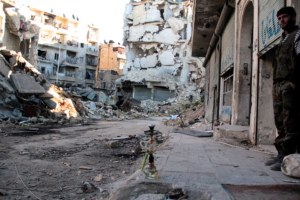
Although Assad is gone and Syrian refugees consider the possibility of going back, Syria’s infrastructure has been obliterated by the 13-year civil war. “Basic amenities like clean water, electricity and housing are difficult to find,” Vox reports. For people whose homes were not destroyed, some of them have other people living in them now and “many refugees lack documentation to prove they own their properties.” 

On top of that, the new government will unlikely be able to resolve “property disputes” as they are stretched so thin. The vast majority of the country’s population needs aid. The U.N. Refugee Agency reports that 90% of the population depends on humanitarian assistance. In addition, it is the beginning of winter. If refugees start returning now, they will need “shelter, food and water.” There are continuous obstacles for the Syrian people.

Economic Problems

Syria’s economy is in dismal condition and high inflation presents problems for people in Syria, as well as refugees considering returning. The Central Bank of Syria reports that inflation reached 122% in April 2024. In addition, schools have been destroyed, leaving many children without education. In tandem with that, few job opportunities exist for people to earn a reasonable living. Employment is yet another one of the obstacles for Syrian people. 

During Assad’s reign, countries like the U.S. put heavy sanctions on Syria, hurting the nation’s economy even further. However, the current “de facto leader of Syria, Ahmed al-Sharaa,” is asking for sanctions to be lifted; he asserts that Syria does not pose a threat to other parts of the world as it did under Assad’s regime. The sanctions are currently still in place.

Uncertain Future

Although many feel joy at the end of Assad’s tyrannical and oppressive regime, the future remains uncertain for Syria. Ahmed al-Sharaa is the leader of Hayat Tahrir al-Sham (HTS), “the dominant group in the rebel alliance,” which defeated Assad. HTS is designated as a terrorist organization by the U.S., U.N. and others. Also, the group was formerly part of the terrorist organization Al-Qaeda. Many are skeptical about whether or not the new leadership will bring peace to Syria.

Many countries hosting Syrian refugees are eager to send them back. However, too many people returning at once could cause new problems, as the government is already dealing with great hardship. Obstacles for Syrian people in and outside of the nation are ever-present. In the north of Syria, Turkish-backed groups are fighting Kurdish-led groups, which might lead to further violence. Even more, many Syrians are doubting that HTS will bring a peaceful future, as they led an authoritarian rule in the northwest of the country. 

Humanitarian Aid

Syria Relief & Development (SRD) is a nonprofit organization that addresses Syria’s most urgent need for aid. It was founded in 2011 and intends to provide humanitarian relief and encourage sustainable development in Syria. Since 2011, SRD has been involved in more than 18 million humanitarian interventions in Syria. The organization continues to provide support in health care, education, disaster relief and much more. 

Final Thoughts

Syria’s future may be unclear, but there is no doubt that the fall of Assad’s regime has brought great joy to the Syrian people. Obstacles for Syrian people are still present and much aid is still needed. However, there seems to be a hope that Syria will be able to forge a newer and better future.

– Michael Messina

Michael is based in Newburyport, MA, US and focuses on Politics for The Borgen Project.

Photo: Pexels

December 29, 2024
https://borgenproject.org/wp-content/uploads/borgen-project-logo.svg 0 0 Lynsey 2 https://borgenproject.org/wp-content/uploads/borgen-project-logo.svg Lynsey 22024-12-29 01:30:142024-12-28 03:03:34The Fall of Assad’s Regime and Challenges Facing Syrians
Global Poverty, Politics, War

The UN’s Role in Restoring Human Rights in Syria

Restoring Human RightsOn December 8, 2024, rebel groups in Syria overthrew the government of former President Bashar al-Assad, forcing him to flee to Russia where the Kremlin granted him asylum. As of now, Syria is undergoing a political transition away from the rule of Assad and into a new government that many hope will restore human rights to the country and improve the livelihoods of Syrians after decades of poverty. On the global level, non-governmental organizations and multilateral organizations are working to help Syrians form a government based on international human rights norms. One of them is the United Nations (U.N.) which has been investigating human rights abuses by Syrian officials via its Commission of Inquiry on Syria (COI).

UN’s Critical in Restoring Human Rights to Syria

On December 12, 2024, the U.N.’s Commission of Inquiry on Syria stated that they have a list of up to 4,000 human rights abusers from the Syrian government since 2011 when the civil war started. The commission, which has been investigating and collecting testimonies remotely, now hopes to finally gain access to Syria to help hold accountable those who destabilized the country and exacerbated its poverty. On the other hand, Geir Pedersen, the U.N. Special Envoy to Syria, has called for lifting sanctions on Syria imposed by the U.S. and the EU so work can begin on rebuilding the country and providing necessary aid. That way the UN and even other international organizations, backed by countries around the world, can start restoring human rights back to Syria step by step.

UN’s Political and Humanitarian Aid Efforts in Syria

The U.N. is putting effort into restoring human rights to Syrian institutions and people by providing life-saving aid to the most vulnerable and helping the interim government politically transition properly. Cindy McCain, head of the World Food Program (WFP), has stated that the U.N. is working to deliver food to the approximately 3 million Syrians who are struggling with severe food insecurity.

Similarly, Pedersen recently met with the key political leaders in the interim government to emphasize the need for a government that is inclusive and represents Syrians of all religions and groups. Although the U.N.’s efforts in Syria so far have been critical, it can only succeed with the backing of its member states who are also lending a hand in the rebuilding of a post-Assad Syria.

The Role of Countries in Rebuilding Syria Post-Assad

Restoring human rights values to Syria requires more than the goodwill of the U.N. and its NGO partners. It also requires the vast resources and connections of countries regional and around the world. For example, the Arab League countries have pledged to support the new Syrian government to ensure that the rights of women and minorities are respected while Turkey has recently reopened its embassy in Syria.

On the other hand, U.S. sanctions on Russia could pressure the Kremlin to hand over Assad to Syria or the international criminal court to face trial over his human rights abuses. In other words, the U.N.’s efforts to help Syria build a more inclusive government and lift millions out of poverty require the assistance of countries with the governance structure on which a post-Assad Syria could model itself.

Revitalizing Human Rights Norms in Syria

The overthrow of the Assad regime in Syria marks a new beginning for Syrians who have struggled with poverty, food insecurity and instability caused by the government. It is also a new beginning for international human rights activists who never even dreamed that this day could come sooner than later. The UN’s current efforts in restoring human rights to Syrian institutions is an opportunity to remind countries around the world why human rights still matter in this global era of politics.

– Abdullah Dowaihy

Abdullah is based in Riyadh, Saudi Arabia and focuses on Good News and Politics for The Borgen Project.

Photo: Unsplash
December 25, 2024
https://borgenproject.org/wp-content/uploads/borgen-project-logo.svg 0 0 Naida Jahic https://borgenproject.org/wp-content/uploads/borgen-project-logo.svg Naida Jahic2024-12-25 01:30:462024-12-23 22:54:11The UN’s Role in Restoring Human Rights in Syria
Global Poverty, Health, Politics

Global Health as a Political Priority

Global HealthGlobal health refers to the health of populations worldwide, emphasizing that health issues transcend national boundaries. Global health is bound to economic stability and international security while focusing on health equity for all. Addressing health disparities within nations, mainly focusing on low-income countries where access to health care can be challenging, is also an integral part of global health initiatives. Recent events like COVID-19 and Ebola outbreaks demonstrate that health care and robust health systems are vital for global resilience and growth. Developing proper health systems ensures that countries can prevent and respond to health crises and other humanitarian issues.

Why Is Global Health Care a Political Priority?

Global health is more than a humanitarian concern. It is a critical component of political stability, economic resilience and international security. The enforcement of the World Health Organisation (WHO), as well as frameworks and initiatives like the International Health Regulations (IHR) and the Global Health Security Agenda (GHSA), ensures that nations are capable of responding, mediating and detecting health threats efficiently.

Cooperative efforts between health nongovernmental organizations (NGOs), intergovernmental organizations (IGOs), governments and law enforcement have proven successful in dealing with global breakouts like COVID-19. Simply put, global health care is a priority because:

  1. World health promotes international security.
  2. Strengthening health systems reduces disease burdens and increases work and economic disruptions.
  3. Health care is a powerful driver of innovation, therefore promoting new scientific advancements.
  4. Global health initiatives address moral responsibility and equality.

The Global Polio Eradication Initiative

The Global Polio Eradication Initiative (GPIE), launched in 1988, aimed to prevent any child worldwide from being paralyzed by poliovirus. As a result, polio has decreased by 99.9% globally. The GPIE is a public-private partnership led by six partners and national governments. According to GPIE, an estimated 20 million people today would have been paralyzed; now, the risk of contracting polio is extremely low. The GPIE continues addressing challenges like reaching children in conflict zones and vaccine hesitancy.

AIDS Relief (PEPFAR)

Since the PEPFAR initiative started in 2003, more than 25 million lives have been saved. Prior to 2003, an HIV diagnosis was considered a death sentence for many across the globe. PEPFAR works with partner countries to control and prevent the spread of AIDS and HIV. PEPFAR focuses on providing life-saving antiretroviral treatment (ART), prevention programs and support for individuals and communities affected by HIV/AIDS, particularly in low-resource settings.

GAVI, The Vaccine Alliance

Established in 2000, Gavi aimed to save lives, reduce poverty and protect the population from pandemics. This vaccine alliance has immunized more than 1.1 billion children in 78 countries. GAVI works with governments and organizations to reduce vaccine costs and ensure equitable distribution.

COVAX

COVAX was a multilateral effort co-led by GAVI, WHO, UNICEF and the Coalition for Epidemic Preparedness Innovations (CEPI) to develop the COVID-19 vaccine. Launched in 2020 in response to the pandemic, COVAX worked to manufacture and secure vaccines guaranteed for global use. Its mission was to ensure that all countries, regardless of economic status, can protect their population, especially the most vulnerable. By 2023, COVAX had delivered millions of vaccine doses to countries worldwide, reducing global health inequities and aiding in the fight against the global pandemic.

The Partnership for a Lead-Free Future

Launched by UNICEF and USAID, this initiative is dedicated to tackling lead exposure in low-income countries. According to USAID, more than half a billion children in the world have a percentage of lead in their blood. Key efforts include phasing out lead in products like paint, batteries and fuel while also raising awareness about lead hazards. Therefore, by 2040, the partnership has committed to creating a lead-free future for all the world’s children. This initiative aims to create a healthier and more sustainable future for all.

Global Alliance for Hunger and Poverty

Proposed by Brasil’s G20 presidency, this initiative is focused on reducing poverty and eliminating hunger worldwide. The alliance emphasizes sustainable agricultural practices, access to nutritious food and innovative financing mechanisms to support vulnerable populations. Through collaboration with IGOs and governments, the initiative aims to address global inequalities, create flourishing livelihoods and strengthen food security. The official launch of the Global Alliance was during the G20 Leaders Summit in November 2024 and has gained the support of more than 80 countries.

Conclusion

Making global health a political priority is necessary for creating a resilient, equitable and secure world. From the integration of health and security to international funding collaborations, governments can adopt strategies that integrate health with security, promoting prosperity and stability.

– Gufran Elhrari

Gufran is based in London, UK and focuses on Global Health for The Borgen Project.

Photo: Flickr

December 10, 2024
https://borgenproject.org/wp-content/uploads/borgen-project-logo.svg 0 0 Lynsey 2 https://borgenproject.org/wp-content/uploads/borgen-project-logo.svg Lynsey 22024-12-10 07:30:452024-12-10 00:19:06Global Health as a Political Priority
Economy, Global Poverty, Politics

Poverty and Terrorism: How Economic Inequality Fuels Extremism

How Poverty Fuels TerrorismThe link between poverty and terrorism is complex, involving economic, political and social factors that drive individuals toward extremism. Economic hardship can create environments where extremist groups thrive, as they often exploit the vulnerability of impoverished communities to gain followers. When individuals lack access to stable employment, education and necessities, the appeal of joining extremist movements increases as these groups often promise income, food and social belonging. Understanding the connection between poverty and terrorism is crucial for crafting effective counterterrorism strategies that address root causes rather than just symptoms.

Economic Hardship as a Driver of Extremism

Studies indicate that poverty-stricken regions are more susceptible to terrorism due to the economic vulnerability of their populations. With limited job opportunities and scarce resources, extremist groups can lure impoverished individuals with promises of financial support and security. For instance, research from the United Nations Development Programme (UNDP) found that economic factors played a significant role in driving individuals to join extremist groups. Poverty and unemployment create a fertile environment for radicalization as individuals seek stability and hope in regions where governmental support is lacking.

Social Marginalization and Lack of Education

Poverty often coincides with a lack of educational opportunities, which further exacerbates vulnerability to extremist ideologies. Without access to education, individuals are more susceptible to radical propaganda, as they may lack the critical thinking skills to resist extremist narratives. Alongside this, poor education systems can create a failure to address poverty and unemployment. Addressing educational inequality can be a significant tool in reducing susceptibility and root causes of extremist recruitment.

Political Instability and Weak Institutions

Economic hardship is often intertwined with political instability, as poverty-stricken regions frequently lack robust institutions capable of maintaining law and order. In regions with weak governance, extremist groups can step in to provide services such as food distribution, security and basic health care, essentially becoming a de facto government. This creates a power vacuum that extremist groups exploit, using economic incentives to gain loyalty and recruit members. For instance, areas like the Sahel region in Africa have seen an increase in terrorism partly due to the inability of local governments to provide essential services.

Displacement and Refugee Crises

Poverty exacerbates displacement, which in turn fuels terrorism by creating large populations of vulnerable, dislocated individuals who may turn to extremism out of desperation. The United Nations Refugee Agency (UNHCR) reports that displaced populations face extreme economic hardship, often living in dire conditions with limited access to food, shelter and safety. Extremist groups, recognizing this desperation, target refugee camps and displaced communities to recruit new members with promises of stability and sustenance. Compared to only a decade ago, the number of refugees worldwide has more than tripled. Making it more important than ever to address the basic needs of displaced populations to reduce the risk of extremist recruitment.

Economic Development as a Tool Against Terrorism

Countering terrorism requires a multidimensional approach that includes addressing poverty through economic development programs. By investing in job creation, education and infrastructure, governments and international organizations can reduce the appeal of extremist groups. The United Nations advocates for initiatives that focus on youth employment and educational programs that offer alternatives to terrorism. In Africa and the Middle East, for example, initiatives that promote vocational training have helped safeguard youth against extremist ideologies by providing economic opportunities outside of radical groups.

Conclusion

The relationship between poverty and terrorism highlights the need for holistic counterterrorism strategies that address socioeconomic factors. Tackling poverty, improving educational access, strengthening governance and supporting displaced populations are all crucial steps in reducing the appeal of extremist ideologies. Furthermore, by addressing these underlying issues, the global community can work toward a future where economic stability undermines terrorism’s grip on vulnerable populations.

– Harriet Conway

Harriet is based in London, UK and focuses on Politics for The Borgen Project.

Photo: Flickr

November 9, 2024
https://borgenproject.org/wp-content/uploads/borgen-project-logo.svg 0 0 Lynsey 2 https://borgenproject.org/wp-content/uploads/borgen-project-logo.svg Lynsey 22024-11-09 01:30:262024-11-10 23:27:04Poverty and Terrorism: How Economic Inequality Fuels Extremism
Economy, Global Poverty, Politics

Fragility and Rule of Law in CAR

Fragility and Rule of Law in CARThe Central African Republic (CAR) is a landlocked country in sub-Saharan Africa and has a population of 6.1 million, ranking among the lowest on the human capital and development indices. Poverty in CAR is widespread, with nearly 70% of its population living in extreme poverty. Its history of conflict and political displacement has undermined economic growth for several reasons, such as reduced business investments. The country suffers from fragility. Its weak government has limited legitimacy and struggles to provide basic public services, including the rule of law. Fragility and the rule of law in CAR need addressing.

Politics, Violence and Economy

CAR has a long history of instability, state disintegration and political violence. It straddles the Sahel region, with a majority Muslim population, while savanna communities are mainly Christian. The conflict has regularly broken out between the Muslim ex-Seleka rebels and the Christian anti-balaka rebels. In 2013, Seleka rebels stormed the capital, Bangui and the country descended into a brutal civil war that continues in some parts of the country.

CAR suffers acutely from gender-based violence (GBV) against women and girls, recording 23.644 cases of GBV in 2022. Inadequate food and water resources, poor health care and weak housing infrastructure exacerbate tensions within households. These challenges, along with socio-cultural norms that are unfavorable to women, have led to sub-optimal survival strategies.

An unstable economy also influences fragility in CAR. Its government has failed to provide basic public goods, including water, food and health care. Poor education and job insecurity have stunted its growth. CAR has a rich endowment of natural resources but has not benefited due to mismanagement. According to the World Bank, the country has also suffered from flooding, fuel shortages and declining international timber trading. These challenges risk an already fragile economy.

Solutions

MINUSCA is a multidimensional United Nations peacekeeping operation set up by the Security Council in 2014. Its mission is to assist CAR in building national stability. It prioritizes the country’s security, rule of law, human rights and political crisis. MINUSCA provides military and police services from regions such as Rwanda to handle disarmament, demobilization and reintegration in CAR.

Cooperazione Internazionale (COOPI) focuses on supporting victims of GBV in CAR. Women and girls gather in a welcoming home in Bangassou where they are encouraged to participate in activities such as knitting and patternmaking, providing them with psychosocial support.

Pelvia, an 18-year-old girl spoke about the positive effect COOPI has had on her life. She spoke about the skills she has learned and how they have provided her with an income to buy necessities that she would otherwise be unable to afford. Pelvia is also glad for the company and support of the other women and girls who have shared similar traumatic experiences, UNOCHA reports.

Economic Growth

CAR receives most of its financial aid from the International Monetary Fund (IMF). In June 2024, the IMF approved an extended $25 million disbursement to continue the push for economic growth in CAR. The aid has been distributed to assist the economy and sustain priority spending on basic public services. The IMF forecasts that CAR’s economy will grow by 1.4% in 2024.

Looking Ahead

Fragility and rule of law in CAR are improving. The country has a long road to stability but there are positive forecasts for its future. 

The Economist Intelligence reports that the country’s economic activity will continue to rise over the next few years, with help from the IMF’s funded program. Whilst many areas of CAR are still overrun by rebel groups, the government, with assistance from Russian and Rwandan forces, has control over several major cities, including the capital. This allows for a more stabilized political structure and open rule of law in these areas.

– Millie Trussler

Millie is based in London, UK and focuses on Politics for The Borgen Project.

Photo: Flickr

October 17, 2024
https://borgenproject.org/wp-content/uploads/borgen-project-logo.svg 0 0 Jennifer Philipp https://borgenproject.org/wp-content/uploads/borgen-project-logo.svg Jennifer Philipp2024-10-17 07:30:202024-12-13 18:01:54Fragility and Rule of Law in CAR
Developing Countries, Global Poverty, Politics

New President Prepares to Combat Poverty in Mexico

Combat Poverty in MexicoOn Sunday, June 2, 2024, Claudia Shinebaum was elected Mexico’s new president. This marks a historical moment as she is the first female president of Mexico. The former mayor of Mexico City was the chosen successor of Andres Manuel Lopez Obrador (AMLO). During AMLO’s term as president, he is credited with lifting more than 5 million Mexican citizens out of poverty. Promises of expanding social services and education reform and her work as Mexico City’s mayor leave many in the poverty-stricken nation hopeful that she will help to further combat poverty in Mexico.

Pending Pension Promises

Many of the initial items Shinebaum plans to address are continuations of projects AMLO has laid out. One of the biggest overhauls is the changes to Mexico’s pension program that started in 2020. A whole sweet of changes have been proposed and are in the process of implementation to make a pension available to more people and expand just how much goes into the fund.

The American Bar Association lays out the points of change, such as a decrease in the number of weekly contributions needed from 1,250 to 1,000 and an increase in the employers’ contribution by 8% with an increase in the government contribution. Additionally, these changes were laid out as gradual changes to be implemented by 2031; thus, it is expected that Shinebaum will oversee a majority of these rollouts during her term.

Investing in Education

Education reform has been an enduring issue in Mexico, with multiple proposed solutions with varying levels of efficacy. ALMO began his term by scraping his predecessors’ reforms, making way for his programs. He opened publicly funded universities to make higher education accessible to low-income students. Furthermore, this came alongside cuts to funding for higher education stemming from the policies of his predecessor.

He also lowered standardized testing requirements in an attempt to increase graduation rates. Reactions to these reforms have been mixed. Indeed, critics say that a strong focus on higher education has meant less focus on primary and secondary education. The Benito Juarez Welfare Scholarship seeks to provide aid to the families of students 15 and younger. The International Monetary Fund credits it as an important step toward addressing the plight of the 43.5% of Mexican citizens living in poverty. With this, citizens can expect Mexico’s new president to continue and expand on these social services throughout her term.

Final Note

According to the United States Agency for International Development (USAID), the U.S. has contributed $495 million to developmental projects in Mexico. However, this is just 0.03% of its gross domestic product (GDP). Given the close cultural, economic and geographic ties between the two nations, the U.S. may see it in its advantage to do more to help combat poverty in Mexico.

– Thane Zerbe

Thane is based in Wichita, KS, USA and focuses on Good News and Politics for The Borgen Project.

Photo: Unsplash
September 21, 2024
https://borgenproject.org/wp-content/uploads/borgen-project-logo.svg 0 0 Lynsey 2 https://borgenproject.org/wp-content/uploads/borgen-project-logo.svg Lynsey 22024-09-21 03:00:332024-09-21 01:36:31New President Prepares to Combat Poverty in Mexico
Global Poverty, Government, Politics

Modi’s New Welfarism Doctrine Is Combating Poverty in India

New WelfarismNarendra Modi, India’s Prime Minister, is often perceived in the Global North as a far-right populist who cares only about votes and identity politics. Counterintuitively, he has also established an impressive and expanding social welfare system. Under the doctrine of “New Welfarism,” the government of India has prioritized providing tangible goods and services (food, shelter, infrastructure, direct cash transfers and more) to vulnerable communities while deemphasizing the provision of intangibles such as education and healthcare.

Despite being controversial in development, New Welfarism has yielded impressive dividends for India’s needy and marginalized. Here are four of the doctrine’s most remarkable achievements.

Food Security in India

According to the World Food Programme (WFP), approximately 21% of India’s 1.4 billion inhabitants live on less than $1.90 daily. Meanwhile, the country is home to a whopping quarter of all undernourished people despite representing only 18% of the global population.

To mitigate this dire food insecurity, the Indian government provides more than half the population—821 million people—with 11-pound (5 kg) bags of free rice or wheat a month. This direct food aid almost quintupled in size during the COVID pandemic, becoming a literal lifeline for millions of Indians as the domestic economy reached a near standstill. 

Rural Roads in India

In his second term as Prime Minister (2019-2024), Modi launched a large program titled “PMGSY-III” to construct and upgrade rural roads. While behind schedule to be completed by its slated end date of March 2025, the program’s delays “are nowhere near as egregious as PMGSY-I,” per Newslaundry, an Indian news outlet, in their deep-dive.

Despite the delays, more than 766,000 kilometers of roadway have been completed under the scheme as of August 2024, as have more than 68,000 “upgradation works.” Improving rural infrastructure has been a goal of the Indian government for decades, which is sensible, given that 65% of India’s population lives in rural areas.

Domestic Infrastructure

The Modi government has invested considerable resources to construct homes, electrify rural regions and improve sanitation. One scheme (Pradhan Mantri Awas Yojana or “PMAY” for short) aims to build 20 million affordable homes, with more than 15 million completed. The homes include amenities such as a kitchen, toilet, water supply and electricity. Any Indian without a permanent dwelling is eligible for the program, with priority given to vulnerable and marginalized communities.

The budget for PMAY was increased by 66% in the fiscal year 2023-24 and was again expanded in the FY 2024-25 budget. Rural electrification has been another area of focus for the Modi regime: from 2014 to 2020, the percentage of rural villages with access to electricity increased from 88% to 99.6%.

Aadhar

Aadhar is a voluntary, government-sponsored digital ID that any Indian adult can enroll in. In a testament to the program’s efficacy, 99% of Indians have done so. Aadhar has proven to be a massive development success for India, as it helps the government know who needs support most desperately. Aadhar also enables the state to send direct cash transfers to beneficiaries when linked to a bank account, cutting down on administrative corruption opportunities.

Final Remarks

The Modi government has made praise-worthy progress in the fight against domestic poverty in areas as diverse as food security, rural infrastructure, affordable housing and capacity building. Sadly, this has come at the cost of a decrease in India’s education and health care budgets. 

– Kipling Newman

Kipling is based in Denver, CO, USA and focuses on Good News and Global Health for The Borgen Project.

Photo: Flickr

August 22, 2024
https://borgenproject.org/wp-content/uploads/borgen-project-logo.svg 0 0 Lynsey 2 https://borgenproject.org/wp-content/uploads/borgen-project-logo.svg Lynsey 22024-08-22 01:30:262024-08-23 08:30:34Modi’s New Welfarism Doctrine Is Combating Poverty in India
Economy, Global Poverty, Politics

Roots of Underdevelopment: Fragility and Rule of Law in Kosovo

Fragility and Rule of Law in KosovoWith a growing population of young, working age people, Kosovo’s potential for economic development is evident. In spite of this, it continues to be ranked one of the poorest countries in Europe, the poverty rate in 2023 standing at 21.7%. By understanding how poverty and troubles with fragility and the rule of law in Kosovo are interconnected, the roots of underdevelopment in this new nation can be illuminated.

Where: The Origins of Fragility

The present difficulties with fragility and the rule of law in Kosovo have deep ties to its historically tumultuous path to sovereignty. Kosovo originally existed as a province in the former Yugoslavia, however, demands for Kosovan self-determination increased after the final breakup of Yugoslavia in 1992. Kosovo gained independence in 2008, though this process proved to be difficult. The Kosovo War exemplifies this troubled journey, a context in which the ethnic cleansing of Kosovar Albanians sparked international outrage.

Demographically, Kosovo is predominantly ethnic Albanian (93%), although there is a minority of Kosovar Serbs that reside in the country, particularly in the North where Serbia maintains de facto rule. Kosovo, then, is still an area of significant political and cultural importance to Serbia. While the civil conflict between ethnic Serbs and ethnic Albanians peaked during the Kosovo War, the legacy of this ethnic tension post-1999 remains, continuing to threaten stability in Kosovo.

What: The Present Manifestations of Fragility

In 2022, violent protests began to emerge as the national government cracked down on ethnic Serbs who failed to adopt Kosovo license plates. Following this civil unrest, there was a mass withdrawal of ethnic Serbs from national institutions as a second form of protest, according to the 2024 Research Briefing from the House of Commons.

The events of April 2023 are a similar case: ethnic Serbs boycotted the local elections in the Northern municipalities. These events are related to the demand that ethnic Serbs were not represented sufficiently in government, which the poll data further reflects, showing that the majority of Kosovans recognise that the nation is governed in the interest of some groups, but not all.

In a similar way to many post-conflict countries, political and social fragility also manifests itself in an undermined rule of law. In post-conflict and fragile states, there tends to be a significant state “capacity gap” making the enforcement of law difficult. This capacity gap occurs at the judicial level in Kosovo, with U.N. military peacekeepers having to establish Civilian-Military Centres to deal with crime reports, according to USAID.

Government corruption and organized crime continue to plague the nation, taking advantage of these gaps in institutional and judicial capacity. The prevalence of bribery is an exemplary case of how the rule of law in Kosovo is weak at the state level, along with the proliferation of the drug trafficking and human smuggling industry.

Hindering Development

Generally, evidence shows that fragility causes poverty to become more deeply entrenched. As Carolina Sánchez-Páramo, Global Director for the World Bank’s Poverty and Equity Global Practice, states: “Unless we tackle the drivers of fragility and conflict, we won’t be able to win the fight against extreme poverty.” In line with this rhetoric, then, the potential for increasingly heightened ethnic conflict in Kosovo puts poverty alleviation initiatives at risk of failure or stagnation.

Furthermore, whilst organized crime has proliferated, other industries have failed, according to Per Concordiam Magazine. The 2023 polls show that the lack of jobs in Kosovo is a major concern, second only to the cost of living and this unemployment is exacerbated amongst the Kosovan youth leaving much of their younger, working-age population little to no sustainable income, according to the Center for Insights in Survey Research.

In turn, reliance on organized crime for income makes little room for sustainable industry development or legal employment opportunities, whilst also significantly reducing fiscal tax revenues. On average, countries in the Balkans lose between 20% and 30% of their annual revenues to this sort of activity, Per Concordiam Magazine. These revenues could be useful for the development of public infrastructure, health care and education services and other public spending projects.

Long-Term Solutions

Despite the evident difficulties with fragility and the rule of law in Kosovo, there is certainly a possibility for sustainable development, guided by international initiatives looking to support private industry development and regional integration.

The European Bank for Reconstruction and Development (EBRD) recognizes the complexities of Kosovo’s situation, acknowledging the intricacies of its relationship with Serbia, its multi-ethnic population and the flaws in the state’s institutional capabilities. Through a five-year investment and policy strategy that promotes deeper regional integration, The EBRD aims to stimulate the domestic private sector by opening up the Kosovan industry to new markets.

The EBRD’s previous 2016-2021 strategy was successful in a multitude of fields by financing the country’s first two large-scale renewable energy projects, Baigora wind farm and KITKA wind; rehabilitating Kosovo’s Rail Route 10, helping to improve connectivity with North Macedonia and Serbia; and setting up Women in Business specific lending schemes.

The road to sustainable economic development in Kosovo has, so far, been difficult, hindered notably by a fragile socio-political context, underdeveloped state institutions and extensive crime networks. But the untapped potential of Kosovo’s youthful population remains, and so does the international initiatives looking to support Kosovo economically.

– Tilly Phillips

Tilly is based in Surrey, UK and focuses on Good News and Politics for The Borgen Project.

Photo: Flickr

July 28, 2024
https://borgenproject.org/wp-content/uploads/borgen-project-logo.svg 0 0 Jennifer Philipp https://borgenproject.org/wp-content/uploads/borgen-project-logo.svg Jennifer Philipp2024-07-28 07:30:182024-07-28 00:35:50Roots of Underdevelopment: Fragility and Rule of Law in Kosovo
Global Poverty, Government, Politics

The Joint Efforts to Support the Hudaydah Agreement

The Joint Efforts to Support the Hudaydah Agreement The Hudaydah port in Yemen plays an impactful role, handling 70% of the nation’s imports, including crucial humanitarian aid and commercial supplies. The ongoing conflict has disrupted operations at Hudaydah and the nearby Saleef port, drastically affecting more than eight million Yemenis who rely on these imports. To mitigate this humanitarian crisis, the conflicting parties established the Hudaydah Agreement, which aims to shield the ports from conflict. The United Nations (U.N.) monitors this agreement to ensure compliance and maintain the essential flow of goods.

Strengthening the Hudaydah Agreement

On June 14, 2024, Saudi Arabia’s Ambassador to the U.N., Abdulaziz AlWasil, met with Michael Beary, Head of the U.N. Mission to Support the Hudaydah Agreement (UNMHA), in New York City. The meeting focused on reinforcing the agreement that plays a crucial role in maintaining the flow of humanitarian aid through Yemen’s vital Hudaydah ports. Both Saudi Arabia and the U.N. have committed to ensuring the stability and security of these ports and advancing peace throughout Yemen. Their diplomatic efforts, including the Hudaydah Agreement, exemplify ongoing initiatives to resolve the conflict and promote recovery in Yemen.

Saudi Arabia’s Role in Yemen’s Diplomacy

The Kingdom of Saudi Arabia, in collaboration with allied nations and the U.N., is vigorously advocating for a diplomatic solution to the conflict in Yemen. Over the past year, Saudi Arabia has facilitated negotiations between Yemen’s internationally recognized government based in Aden and the Houthi rebels. These ongoing discussions aim to cease the fighting and ensure the full reopening of ports critical for importing humanitarian aid. The efforts of Saudi Arabia to secure a ceasefire and safeguard the Hudaydah ports received commendation from Hans Grundberg, the U.N. Special Envoy for Yemen, who described them as a “step change.” According to U.N. and Saudi officials, the diplomatic initiatives supporting the Hudaydah Agreement are making progress and have been ongoing for an extended period.

The United Nation’s Diplomatic Initiatives

In collaboration with Saudi Arabia, the U.N. has been intensively engaged in diplomatic efforts to ensure the ongoing delivery of aid to Yemen through the Hudaydah ports and other channels. On December 26, 2023, U.N. Special Envoy Hans Grundberg announced ongoing discussions with both the Yemeni government in Aden and the Houthi rebels. These talks aim to create a peace roadmap for Yemen that can potentially benefit all citizens, particularly those in dire need. Key elements of the roadmap include a nationwide ceasefire, the reopening of roads in various regions and reducing restrictions on essential ports like those in Hudaydah.

A Unified Approach to Resolve Yemen’s Crisis

The collaboration between Saudi Arabia and the U.N. exemplifies a unified approach to addressing the complex challenges in Yemen. Through sustained diplomatic efforts and strategic interventions, both entities aim to secure a stable and peaceful environment in Yemen, ensuring that aid reaches those in dire need and paving the way toward a resolution of the protracted conflict.

– Abdullah Dowaihy

Abdullah is based in Riyadh, Saudi Arabia and focuses on Good News, and Politics for The Borgen Project.

Photo: Unsplash
June 29, 2024
https://borgenproject.org/wp-content/uploads/borgen-project-logo.svg 0 0 Precious Sheidu https://borgenproject.org/wp-content/uploads/borgen-project-logo.svg Precious Sheidu2024-06-29 07:30:222024-06-28 09:33:36The Joint Efforts to Support the Hudaydah Agreement
Developing Countries, Global Poverty, Politics

The Impact of Mongolia’s Sovereign Wealth Fund

Mongolia's Sovereign Wealth FundMongolia is among the least densely populated countries in the Eastern world, with approximately 3.5 million people separated across close to 604,000 square miles. Of this population, 27% currently suffer from poverty. Like many nations, those most commonly affected are young and codependent people who struggle to afford a mortgage or bring food to the dinner table. Much of the land is uninhabitable and easy to mine. However, the lack of population concentration makes it difficult to spread resources across the country. Mongolia’s Sovereign Wealth Fund is aimed at improving the quality of life for its citizens.

The Sovereign Wealth Fund

In May 2024, Prime Minister Oyun-Erdene Luvsannamsrai and the Central Bank of Mongolia passed a bill to enter Mongolia’s Sovereign Wealth Fund into legislation. The program allows profits from the mining industry, which accounts for around a third of the national annual budget, to contribute to three separate pots of funds: the future heritage fund, the development fund and the savings fund.

The savings fund is the most important for creating a more sustainable outlook for the economy. This initiative was formed in response to the main directions and aims established by the government in 2021 to combat the impact of the COVID-19 pandemic. The pandemic created a precarious job market and an even more precarious living situation for many residents.

Impact of the Fund

The Mongolian government has always been proactive in its efforts to fight poverty, but only now has its work resulted in problems being solved and, perhaps, eventually, resolved Erdenes Mongol LLC, which oversees government investment in mining enterprises, has taken advantage of its position as a country with one of the highest mineral resources per capita in the world and contributed to a promising program.

The money redistributed to the Mongolian central bank will be used to increase investment in health care, education and housing. The priority involves supporting the 10,000 families currently on the waiting list for the Housing Loan program, paving the way for greater financial equality in line with the United Nations (U.N.) 17 development goals.

The wealth fund is only in its early stages and will have more of a considerable impact with time. However, the Mongolian government could still take other routes to enhance its plans since mining resources are far from the only strength of the Mongolian economy. About 40% of employment comes from nomadic roles such as herding livestock, so using the money earned from exports in agriculture could further the benefits reaped by the wealth fund and lessen the burden on struggling civilian families.

Considering the initiative promises to improve prospects for many, Mongolia’s efforts could potentially lead neighboring countries like India and China to use a Robin Hood strategy. This strategy involves taking money from the most profitable areas of the economy and redistributing it to the most disadvantaged.

Final Remark

Mongolia needs to be prepared to adapt its plan to any future circumstances, as other countries may have different economic demands and leadership styles. Additionally, carbon emissions have a potentially detrimental impact on a large scale. Mongolia could solve one problem by contributing to another. However, its efforts so far have relied solely on using what the country already has and would have produced to address the obstacles to its ability to thrive.

There are debates over whether the fund justifies corruption and conglomeration. However, the long-term benefits of such an initiative could outweigh the short-term setbacks and eventually set Mongolia onto a more sustainable playing field.

– Lewis Eyre

Lewis is based in Bournemouth, UK and focuses on Politics for The Borgen Project.

Photo: Unsplash

June 5, 2024
https://borgenproject.org/wp-content/uploads/borgen-project-logo.svg 0 0 Lynsey 2 https://borgenproject.org/wp-content/uploads/borgen-project-logo.svg Lynsey 22024-06-05 07:30:402024-06-03 14:00:44The Impact of Mongolia’s Sovereign Wealth Fund
Page 4 of 17«‹23456›»

Get Smarter

  • Global Poverty 101
  • Global Poverty… The Good News
  • Global Poverty & U.S. Jobs
  • Global Poverty and National Security
  • Innovative Solutions to Poverty
  • Global Poverty & Aid FAQ’s
Search Search

Take Action

  • Call Congress
  • Email Congress
  • Donate
  • 30 Ways to Help
  • Volunteer Ops
  • Internships
  • Courses & Certificates
  • The Podcast
Borgen Project

“The Borgen Project is an incredible nonprofit organization that is addressing poverty and hunger and working towards ending them.”

-The Huffington Post

Inside The Borgen Project

  • Contact
  • About
  • Financials
  • President
  • Board of Directors
  • Board of Advisors

International Links

  • UK Email Parliament
  • UK Donate
  • Canada Email Parliament

Get Smarter

  • Global Poverty 101
  • Global Poverty… The Good News
  • Global Poverty & U.S. Jobs
  • Global Poverty and National Security
  • Innovative Solutions to Poverty
  • Global Poverty & Aid FAQ’s

Ways to Help

  • Call Congress
  • Email Congress
  • Donate
  • 30 Ways to Help
  • Volunteer Ops
  • Internships
  • Courses & Certificates
  • The Podcast
Scroll to top Scroll to top Scroll to top