The Politics Behind Being Poor in Tanzania
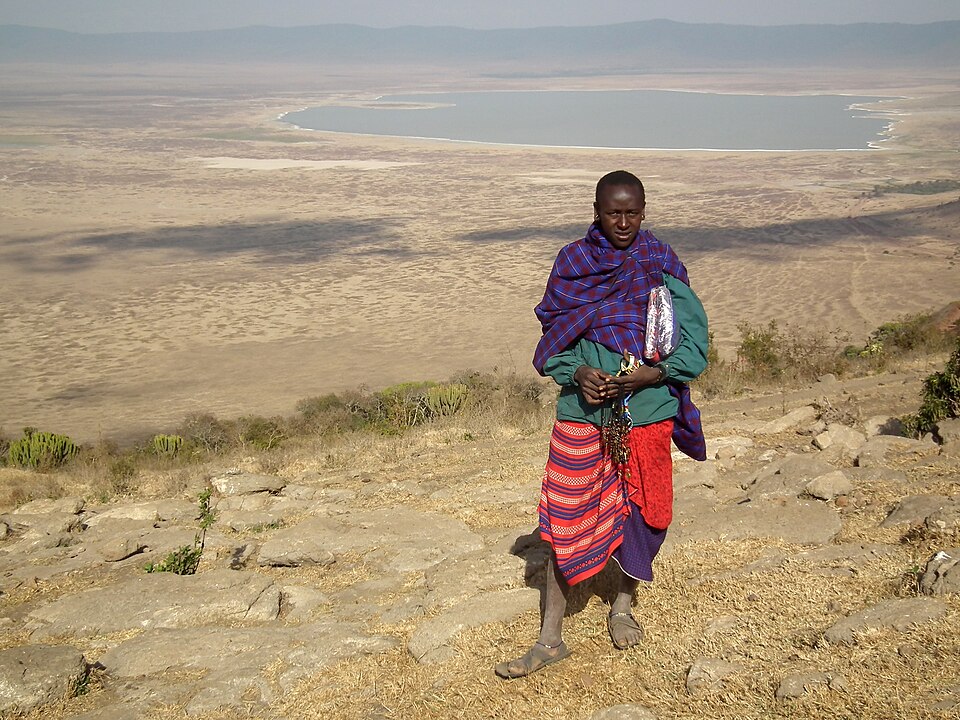 Home to around 60 million people, poverty rates have seen a steady decline in Tanzania since the year 2000, particularly in the last two decades. For example, the national basic needs poverty rate fell from approximately 35.7% in 2001 to 26.4% in 2018. However, poverty is still a fundamental concern across Tanzania, with 51.53% of its population experiencing multidimensional poverty and living off $3 a day.
Rural vs Urban
Being poor in Tanzania and the alarming poverty rates have strong links to the political struggle in addressing the rural-urban divide. Particularly, policies and strategies have historically favorably sided with urban areas, leaving rural regions with low agricultural productivity due to obsolete and inadequate infrastructure, limit access to credit and poor market integration. Conversely, in the urban areas of Tanzania, the evident benefit of acquiring government support is notable in the display of infrastructure and social investments. Essentially, such a stark contrast has led to both social and political unrest and tackling these issues is imperative to reduce extreme poverty.
Weak Policy Implementation
Despite relatively rapid economic growth and an investment to human development, poverty across Tanzania remains a concern, elucidating that the benefits that the wealthier of the population reap are not equally accessible to the poorest. The Tanzanian government’s focus on reducing poverty and inequality, namely in their commitments to the United Nations Sustainable Goals (SDG 1 and SDG 10) has indeed stabilized in past years and the government has received criticism for setting ill-informed and unrealistic goals for the country. In summary, exacerbated income inequality directly opposes the potential to reach economic growth to tackle extreme poverty and undermines Tanzanians’ ability to fully access their rights and to prosper with greater educational and health outcomes.
Government Corruption
One can directly associate being poor in Tanzania with government corruption and it is one of the greatest opponents to Tanzania achieving its development goals. Corruption has led to unsustainable exploitation of natural resources for the “benefit” of the country without consideration for human safety or the fundamental rights of the Tanzanian people. Similarly, many Tanzanian leaders have neglected the country’s developmental goal to eradicate extreme poverty and instead have acquired royalties from foreign investments, mineral companies and polluting industries.
Policy and Legal Framework Failure
The Tanzanian government has implemented a variety of policies to provide support for the local communities to manage and develop the available natural resources in the country. A pivotal example is evident in Tanzania’s Poverty Reduction Strategy Papers (PRSPs), which outline the macroeconomic, structural, and social policies to achieve growth and reduce poverty. Having notable success, the PRSPs work to maintain low inflation and and improve tax collection, invest in land reforms and ensure improvements in farmer support services and targeting low income households and offer aid in education, health care and livelihoods. For example, within Tanzania’s Productive Social Safety Net (PSSN), a key attribute of the PRSPs, it has been evidenced that the PSSN had reduced household vulnerability to poverty by 13.4% highlighting its worth in policy contributions for reducing poverty in Tanzania.
Tanzania’s Fight Against Poverty
Despite the notable struggles that Tanzania faces in its journey to reduce poverty across the country, one cannot forget that much dedicated and inspiring work is continuously occurring to ensure the safety and well-being of all. For example, in 2006, the U.K. organization Village Africa embarked on a mission to fund partner organizations in Tanzania to improve health, education and environmental projects to work to alleviate poverty across the country. Thus far, Village Africa has established an emergency ambulance service that has reduced death rates in support communities, funded various student sponsorships and school building infrastructures and provided employment to local citizens through local building projects. In its most recent report, Village Africa has provided 125 students access to education through their Simba Club scheme, started a construction in a library for Yamba and been able to transport 79 people via the ambulance to receive emergency health care.
Conclusion
In summary, the government’s implementation (and lack of) of human development are largely impacting being poor in Tanzania and the fundamental concern of poverty. However, it is the tireless work of such dedicated organizations like Village Africa that make a true difference to the lives of many Tanzanians.
– Reece Robertshaw
Reece is based in Doncaster, UK and focuses on Politics for The Borgen Project.
Photo: Wikimedia Commons
