Rainwater Harvesting: WOGI’s Southern Madagascar Project
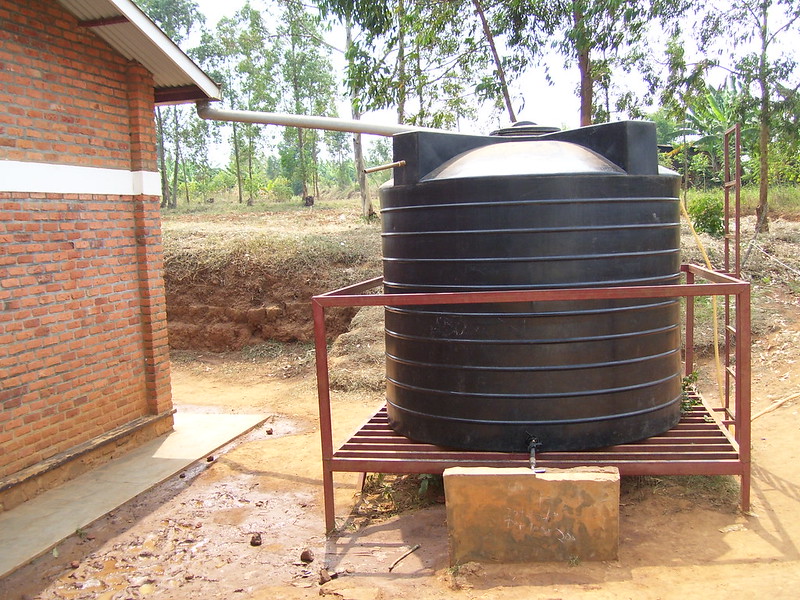 Southern Madagascar is facing its worst drought in 40 years, with 70% of the Malagasy people lacking access to clean water for drinking, hygiene and sanitation. This scarcity has caused water prices to skyrocket to 15 times the average price, exacerbating the crisis. Even in schools, 81% of people don’t have access to clean water to drink and wash their hands. In response to this dire situation, Wings of Grace International (WOGI), a nonprofit organization, is helping communities in Southern Madagascar obtain access to clean water through an innovative rainwater harvesting process.
About WOGI
WOGI is a Christian nonprofit organization founded and based in Le Chable, Valais, Switzerland, by Tasmin Keshavjee. Its mission is to identify islands lacking accessible drinking water and distribute tanks to harvest rainwater sustainably. Since 2008, WOGI has placed 1423 water stations on nine different islands worldwide, supplying 1.523 million liters of clean drinking water to remote communities in need.
The organization provides free 1000-liter/250-gallon PVC tanks that are designed to last 30-40 years and have proper maintenance. This approach offers a sustainable and cost-effective alternative to purchasing expensive jerry cans of fresh water, which would be prohibitively expensive for people with very limited daily income.
In 2011, WOGI expanded its efforts to help alleviate the water crisis in Southern Madagascar, distributing 184 1000-liter rainwater harvesting tanks. Building on this initial success, WOGI aims to provide an additional 250 tanks to the territory in 2024, reaching more remote communities across the Tulear region.
Rainwater Harvesting Process and Tank Maintenance
WOGI’s rainwater harvesting process is both simple and effective. In unindustrialized areas, rainwater is typically safe to drink without chemical treatment. However, proper maintenance is crucial to ensure water safety. When it begins to rain, the tanks are kept closed for the first 5-10 minutes to avoid contamination from roof dust. A mosquito net is then placed over the intake hole to prevent insects from entering. Each 1000-liter tank is typically shared by about 100 people, providing approximately 10 liters of water per person. In cases where fewer people share a tank, chlorine tablets are added to preserve the water if it has been exposed to heat for multiple days.
WOGI trains locals on proper tank maintenance, including setting tanks on a base of stones and mud, supporting the seal with cement for flood protection and covering empty tanks with banana leaves or a thatched roof to prevent sun damage and interference from children or animals. The tanks are thoroughly cleaned once or twice a year. To ensure ongoing proper maintenance, WOGI has partnered with local organizations, such as the Anglican Church of Madagascar, to oversee the project’s progress.
Impact
The introduction of these tanks has dramatically improved lives in Southern Madagascar. While the amount of water each person receives may seem modest, it represents a significant improvement over previous conditions. Many residents previously had to drink from contaminated puddles or travel long distances for fresh water. Keshavjee recounts: “I’ve seen one man riding a bike to go and fetch water for multiple households in the heat of the day. Apparently, he had to ride about 20 km to reach the water point, fill the jerry cans (at least 10-15) and then make the ride back to deliver them. This was on an old-style bike which had no gears.”
With these tanks, people can now store fresh water during rainy seasons, providing a reliable source of clean water – a luxury they did not have before. Keshavjee adds, “When we distribute tanks, the joy is palpable as they recognize that their lives are going to change dramatically. Occasionally we get a message or some pictures from our leaders to let us know that during a crisis, our tanks have been a huge help.”
Looking Ahead
Despite ongoing drought and water scarcity in Southern Madagascar, WOGI’s rainwater tanks have significantly improved daily lives, reducing water-fetching time and protecting communities from waterborne diseases. Although faith-based, WOGI ensures all community members have access to fresh water, regardless of personal beliefs. The organization remains committed to expanding its reach, with plans to reach more remote areas and reduce the number of people sharing each tank. By providing communities with means to collect and store rainwater, WOGI meets immediate needs while fostering long-term resilience and community development.
– Lauren Thompson
Lauren is based in San Francisco, CA, USA and focuses on Good News and Global Health for The Borgen Project.
Photo: Flickr
