• Link to X
  • Link to Facebook
  • Link to Instagram
  • Link to TikTok
  • Link to Youtube
  • About
    • About Us
      • President
      • Board of Directors
      • Board of Advisors
      • Financials
      • Our Methodology
      • Success Tracker
      • Contact
  • Act Now
    • 30 Ways to Help
      • Email Congress
      • Call Congress
      • Volunteer
      • Courses & Certificates
      • Be a Donor
    • Internships
      • In-Office Internships
      • Remote Internships
    • Legislation
      • Politics 101
  • The Blog
  • The Podcast
  • Magazine
  • Donate
  • Click to open the search input field Click to open the search input field Search
  • Menu Menu

Archive for category: Hunger

Africa, Global Poverty, Hunger

Food Security in the CAR

Food security in the CARProgress and growth have long been fundamental aspirations for humanity. However, for many residents of the Central African Republic (CAR), this goal has been obstructed by a critical challenge: food insecurity. In 2023, Concern USA ranked the CAR as the “hungriest country in the world.” Despite a rocky decade of development, recent government initiatives offer hope for a future where hunger is significantly reduced and a more stable, prosperous nation is achievable.

The Background and State of the CAR

In March 2013, an alliance of rebel groups known as “Seleka” usurped power in a lawless fashion of violence, destruction and brutality. The coup had a massive impact on the CAR economy, with one primary example being its exports. The country heavily depends on diamonds and wood exports for economic growth, but due to the continuous conflict, diamond and wood production drastically declined. Many business opportunities for the nation ceased to expand as the continued presence of rebel groups and conflict led to the mass exodus of investors and foreign entrepreneurs. 

The country was left in a general state of economic decline, political instability and a humanitarian crisis, with the issue of hunger being a prime example. Food security in the CAR is at a critical level, with estimates indicating that approximately 2.4 million people suffer from food insecurity and nearly half of the population cannot meet their minimum daily food needs. The ongoing violence in the country has exacerbated malnutrition rates, particularly among displaced individuals. This food insecurity leads to daily hunger and raises serious health concerns. Malnourished citizens are experiencing higher rates of diseases such as measles, malaria, pneumonia and diarrhea.

Initiatives and Progress

In response to the urgent needs of the CAR’s population, several initiatives have emerged to assist, with the Agriculture Recovery and Agribusiness Development Support Project (ARADSP) being a notable example. ARADSP focuses on enhancing agricultural productivity among small-scale farmers throughout the region, thereby bolstering the capacity of small and medium-sized farming businesses and enterprises. As a result, this boost in agricultural productivity delivers immediate and effective responses to food emergencies nationwide. Hundreds of thousands benefit from these initiatives, including more than 100,000 women and more than 15,000 young people.

Another crucial initiative is the IDA-financed Emergency Food Security Response Project (PRUCAC). This project aims to boost food production and enhance the food security of targeted smallholder farmers and vulnerable households in affected areas. More than 300,000 smallholder farmers have received seeds, tools and training in agricultural and post-harvesting techniques to improve crop production and better prepare for climate and conflict-related risks. As of October 2023, local food production has surged by 250%, increasing from 28,000 tons to 73,000 tons within a year.

The Future of the Central African Republic

Addressing the hunger needs of all citizens of the CAR will be a long-term challenge, given the severe impacts of prolonged conflict in the past decades. From the displacement of families to ongoing political instability affecting various parts of the nation, the Central African population remains in search of a more stable and abundant society.

However, with growing initiatives from both governmental and global levels, the future of the Central African population holds promise. Efforts by projects such as ARADSP and PRUCAC, which fund systems to support the country’s economic and food security needs, suggest that significant progress is within reach. These initiatives provide a foundation for substantial improvement and hope for a prosperous future that includes food security in the CAR.

– Oliver Martin

Oliver is based in Honolulu, HI, USA and focuses on Global Health for The Borgen Project.

Photo: Flickr

August 20, 2024
https://borgenproject.org/wp-content/uploads/borgen-project-logo.svg 0 0 Lynsey 2 https://borgenproject.org/wp-content/uploads/borgen-project-logo.svg Lynsey 22024-08-20 07:30:222024-08-19 13:44:26Food Security in the CAR
Child Malnutrition, Global Poverty, Hunger

Fighting Child Poverty with Universal Free School Meals

Universal Free School MealsMore than 40 million children worldwide suffer from severe hunger yearly. Child hunger is a barrier to learning. Hunger stints focus and affect behavior. But it is a barrier we can break down—a barrier that, with a simple solution, can be eradicated. Globally, different organizations and governments have adopted programs to feed hungry children. Universal Free School Meals programs (UFSM) can be vital in reducing the stigma associated with child poverty. From spaghetti bolognese to chicken curry, here are some of the ways that free school meal provision supports children and families facing poverty.

Estonia

The UFSM program in Estonia began in 2002 and is supported by government spending and international donors. The program aims to provide all children in primary and secondary education with a universal model. The Estonian food pyramid influences it and includes education in nutrition and physical health.

Additionally, Estonia has implemented a fruit, vegetables and milk scheme to support local farmers and provide children with these foods to take home. This program not only benefits children in the classroom but also provides long-term health benefits by offering nutritionally rich foods and imparting knowledge about healthy eating habits.

In 2021, Estonian feeding programs received $46,697,172 of funding. With this support, 221,479 children, representing the total number of students enrolled in primary and secondary education, received a free school meal. The universal component of this scheme reduces stigma, making school more enjoyable.

These programs also support parents, as students from lower-income backgrounds are identified as needing more resources. Schemes in Estonia have close ties with local food banks within the communities they operate in. Parents can receive extra support from food banks without the fear of shame that may be associated with seeking this service. These partnerships support all members, enabling families to be better supported and fed.

Sweden

Sweden, during WW2, demonstrated that promoting UFSM concerns more than just hunger. The lack of nutritional quality in some packed lunches negatively impacts the health and focus of children in schools. By 1969, all municipalities had implemented UFSM programs, a scheme that maintains its positive impact today.

The program is almost entirely government-funded, with a budget of $151,332,6795 in 2021. This year, out of the 2,333,942 students enrolled, 2,177,882 students received lunches in schools. This scheme focuses on ensuring that children have a pleasant experience with food, meaning they accumulate positive associations with healthy eating. This can keep children from missing school due to ill health or dental issues.

Accompanying this program, teachers eat with their students at lunchtime. This forges a positive bond between teachers and students, further contributing to children’s positive experiences of education and increasing the likelihood of them wanting to stay in education long term.

The lifelong impacts of Sweden’s UFSM programs demonstrate that such schemes are beneficial for reducing the risk of poverty in adulthood and in children. Recipients from lower-income families throughout their school years had higher earnings of up to 6% during their professional lives. This demonstrates the long-term economic benefits UFSM programs can have for children.

Australia

In Australia, an organization called Eat Up advocates for an approach to UFSM provision. The scheme was established in 2015, targeting children from low-income backgrounds in schools. In addition to feeding children in schools, Eat Up has strong community ties and helps both children and their families.

In 2021, the organization’s budget was $489,628, which was spent feeding children across the country. Through this budget, 85,000 children in schools received food. The most vulnerable children felt nourished and supported in their education, which enhanced their capacity to focus in the classroom.

The scheme allows children who may otherwise go without to have what could be their only meal in a day. This encourages children to go to school and relieves parental pressure.

Final Remark

Universal Free School Meals programs are highly beneficial and a great solution to child poverty. Schemes in Estonia and Sweden demonstrate that government-led schemes with a universal, targeted approach can positively impact education experiences. Australia’s advocacy through the Eat Up program presents an alternative that shows organizations can also play a crucial role in feeding children in schools.

Turning to the figures, in 2022, the European Union (EU) average for the risk of children falling into poverty was 24.7%. In Sweden, it was 19.9%, which is lower than the average. Lower still, Estonia’s rate was 16.6%. The success of these programs in terms of poverty alleviation is evident, as countries with established programs see rates below the average.

These programs can play a crucial role in solving child poverty. By helping families and children, their benefits inspire a reminder that there is a solution to poverty.

– Sarah Littleton

Sarah is based in London, UK and focuses on Good News and Politics for The Borgen Project.

Photo: Pexels

July 26, 2024
https://borgenproject.org/wp-content/uploads/borgen-project-logo.svg 0 0 Lynsey 2 https://borgenproject.org/wp-content/uploads/borgen-project-logo.svg Lynsey 22024-07-26 03:00:482024-07-25 13:36:36Fighting Child Poverty with Universal Free School Meals
Global Poverty, Hunger, Malnourishment

WFP Pushing for Poverty Relief in Togo

Poverty Relief in TogoTogo, also known as the Togolese Republic, is the smallest country in Africa and home to roughly 8.8 million people. The Togo economy is mainly reliant on commercial subsistence agriculture as it is 60% of the labor force. COVID-19 has destroyed Togo’s well being and economy. In the Savanes region of Togo, 32% of the population are battling crisis or emergency level food insecurity. Furthermore, 23.8% of children from ages 6 to 59 months are at risk of chronic malnutrition. The surrounding landlocked countries struggling with the same issues as Togo, receive the aid they need from the Port of Lome in Togo. The Port of Lome acts as the center of control for the distribution of resources for the landlocked countries such as Niger, Burkina Faso and Mali. The World Food Programme’s (WFP) initiatives broadened to other activities such as poverty relief in Togo after pairing with the African CDC to distribute COVID-19 vaccines.
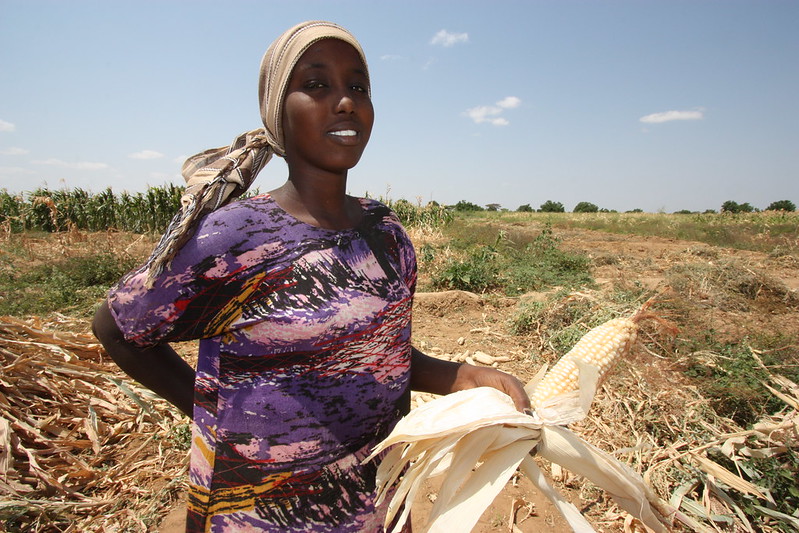
WFP Provides Poverty Relief in Togo

Out of 71,991 total beneficiaries, 33,392 are male and female, from ages 5-11 years old. WFP has not given up on the nation of Togo. There is still room for improvement in WFP’s poverty relief initiative, including but not limited to cash-based transfers, asset creation and livelihood, additional resource transfers and overall beneficiaries over the age of 12. The cash-based transfers are meant to directly affect the pockets of impoverished Togo residents as well as refugees residing in the nation. In addition to the projects that the World Bank financed, with the age group of 5-11 years seeing the most beneficiaries, age groups more than 12 years old are receiving less than 45% of the expected amount.

The latest report from the World Food Programme, published May 13, 2024, displays WFP’s progress in the poverty relief of the Togolese Republic. WFP has distributed a total of 77,554 school meals, reaching 14,207 children in 50 different schools supported by WFP in northern Togo. The World Food Programme is also appealing to the United Nations for a sum of $12.5 million in order to reach more beneficiaries in Togo. WFP, along with the Economic Community of West African States (ECOWAS) are aiming to assist vulnerable parts of Togo damaged by flooding in the Northern region with 185.5 metric tons of food. Furthermore, a warehouse has been established in Kara to support the humanitarian operations in the Northern Region of Togo. However, there has been some struggle in WFP’s efforts to rehabilitate Togo’s infrastructure.

Rainfall

Food security has deteriorated in 2024 due to the Sahel crisis, the inflation of food and agricultural impacts due to the Ukrainian crisis and the extreme climate crisis occurring in Northern Togo. There has been a steady decrease in rainfall in West African countries. This disproportionately affects the population since the economy is heavily reliant on agriculture. Several studies have reported that on average in a 30 year scale (1968-1997) rainfall was 15%-40% lower than the earlier 30 year margin (1931-1960).

Looking Ahead

WFP has made immense progress in bolstering fiscal policy and debt management, business employment opportunities, the energy and digital sector, as well as agricultural productivity, health resources and food security. The budget that WFP provided to Togo and donations are financing these efforts. Donors to WFP’s efforts include the European Commission, the United States Agency for International Development (USAID), the Government of Togo, the Bureau for Humanitarian Assistance and more.

The European Commission is supporting poverty relief in Togo not just by donating to WFP, but through the Togolese government in the “Togo 25” roadmap for a total of 145 million euros to Togo. The strengthening of the internal infrastructure of Togo has led to immense social, political and economic growth in the struggling nation. These efforts have received support not just from the World Food Programme, but also from several other organizations and countries, pushing for humanitarian relief in the Togolese Republic.

– Petralyn Yeboah-Manson

Petralyn is based in New Jersey, USA and focuses on World News for The Borgen Project.

Photo: Flickr

July 21, 2024
https://borgenproject.org/wp-content/uploads/borgen-project-logo.svg 0 0 Jennifer Philipp https://borgenproject.org/wp-content/uploads/borgen-project-logo.svg Jennifer Philipp2024-07-21 01:30:442024-07-20 12:35:30WFP Pushing for Poverty Relief in Togo
Global Poverty, Hunger, Nonprofit Organizations and NGOs

Food Crisis in Kenya: Challenges and Responses

Food Crisis in Kenya: Challenges and Responses The food crisis in Kenya presents a sustained challenge, impacting not only the lower class but also the entire socioeconomic spectrum of the nation. Drought and failed harvests have exacerbated food insecurity, leaving millions without reliable access to food. Various organizations and nonprofits are responding to the crisis by distributing food and water, supporting farmers in adapting to the changing climate and assisting residents displaced by flooding.
Urban Impact: Food Insecurity in Nairobi

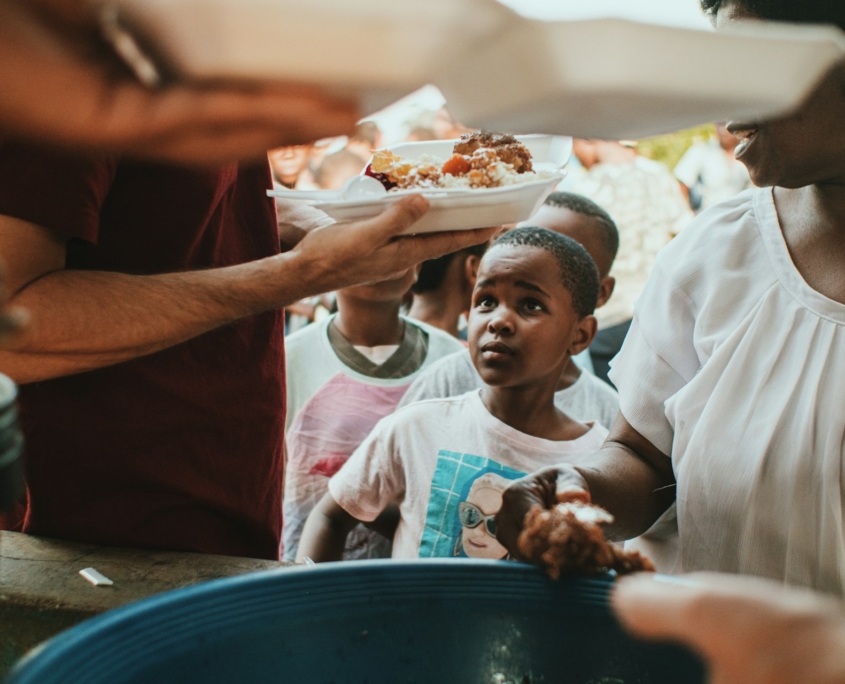
Low-income communities in Nairobi, where 60% of the city’s four million residents live in urban slums, are severely impacted by the nation’s food crisis. The scarcity of available food has driven up prices, exacerbating the difficulty of affording quality food. Migrant households suffer disproportionately, with 65% spending more than a third of their income on food.

Drought Effects in Northern Kenya

The northernmost region of the country, particularly the arid and semi-arid lands (ASAL), faces the most severe impacts of drought, experiencing high food insecurity and diminished food production due to decreased rainfall. These areas typically receive little to no rain, exacerbating the situation. In Kenya’s rural regions, malnutrition is a growing problem, with more than two million people highly food insecure. As of 2021, the Integrated Food Security Phase Classification (IPC) identified more than one million people in crisis and more than 300,000 in extreme conditions.

World Food Programme Initiatives

The World Food Programme (WFP) in Kenya provides food and cash aid, impacting more than half a million beneficiaries through various projects. The WFP has introduced H2Grow, a project that promotes hydroponics to innovate agricultural production among struggling farmers. Additionally, the Cash for Schools project has expanded the impact of school meal programs. By securing more stable markets, the WFP ensures children receive adequate nutrition and supports local farmers effectively.

Action Against Hunger’s Response

Action Against Hunger is addressing the rising malnutrition cases exacerbated by the food crisis in Kenya, particularly around Nairobi and in regions like Isiolo and Marsabit. These areas are experiencing heightened malnutrition due to a prolonged drought affecting food quality and distribution. In 2023, Action Against Hunger supported nearly one million people through programs that treat malnutrition, enhance water access and educate farmers on the adaptations for the changing climate.

Looking Forward

The food crisis in Kenya poses a dire threat to a vast number of people, risking starvation, malnutrition and poverty across the nation. With high food prices and low agricultural output, food insecurity is escalating in impoverished areas and even among middle-class residents of urban centers like Nairobi. In response, Kenya has garnered support from numerous international organizations such as the World Food Programme, Action Against Hunger and Food Banking Kenya. These groups strive to provide the nation with adequate and reliable food sources. Despite increased rainfall in 2023, the crisis still severely affects more than 1.5 million people. Without sustained aid, the conditions in Kenya are likely to deteriorate further.

– Immanuel Wiggins

Immanuel is based in Jackson, MS, USA and focuses on Global Health for The Borgen Project.

Photo: Flickr

July 18, 2024
https://borgenproject.org/wp-content/uploads/borgen-project-logo.svg 0 0 Precious Sheidu https://borgenproject.org/wp-content/uploads/borgen-project-logo.svg Precious Sheidu2024-07-18 01:30:192024-07-17 05:12:41Food Crisis in Kenya: Challenges and Responses
Children, Global Poverty, Hunger

The Home-Grown School Feeding Program in Eswatini

The Home-Grown School Feeding Program in EswatiniThe World Food Programme (WFP) and the Eswatini government launched the Home-Grown School Feeding program, which has enabled schools to start growing their food. This initiative reduces the burden on local farmers and involves organizations like the Center of Financial Inclusion, which supports women and child farmers. The program has enhanced food security, empowered women in Eswatini and boosted the local economy by sourcing directly from area farmers, thus increasing their financial stability.
Impact on Children and Food Security

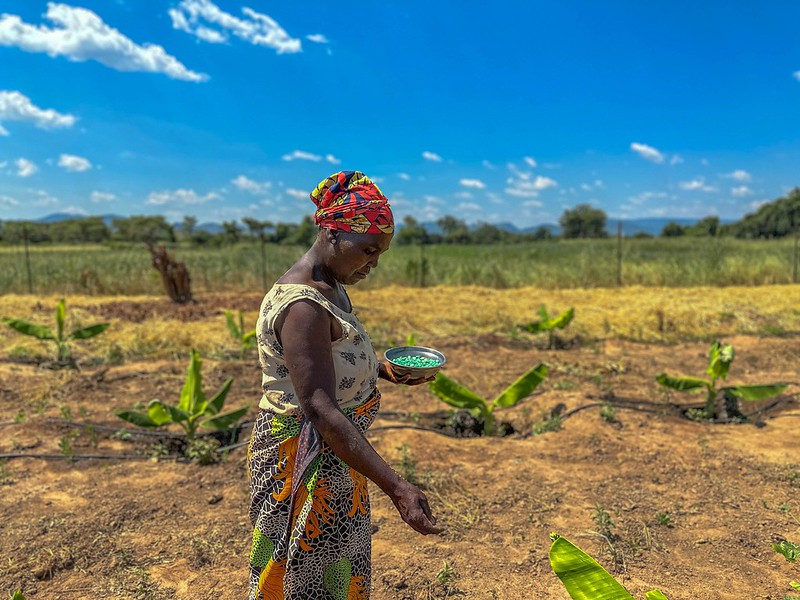
The Home-Grown School Feeding Program, a joint initiative between the World Bank and the Eswatini government, enhances meal availability for schoolchildren, many of whom experience hunger. This program enables local farmers to provide food directly to schools and compensates them for their produce. Additionally, several schools have initiated their gardens to supplement the students’ food supply. The program ensures that children receive nutritious meals at school, offering stable and reliable food sources for those who might otherwise go hungry. This initiative not only bolsters food security for children but also alleviates the burden on families, who can be confident that their children are well-fed during the school day.

Supporting Local Farmers and the Economy

The Home-Grown School Feeding Program collaborates with local farmers to supply food and crops to schools, ensuring children receive nutritious meals. The program purchases these crops, offering farmers a reliable market and financial security. This arrangement significantly reduces the farmers’ transportation costs and emotional stress. According to the farmers participating in the program, they not only experience financial stability but also enjoy higher profits. They receive more favorable payments from the program compared to other buyers, such as the National Maize Corporation.

Empowering Women and Youth

The Home-Grown School Feeding Program also concentrates on creating jobs for youths and women, thereby enhancing the economy by introducing more skilled workers and increasing income through wages. Researchers have long studied the link between job creation and economic growth and Eswatini exemplifies this connection. In addition, the program has significantly benefited women farmers by collaborating with the Eswatini government to enhance support for female agricultural producers involved in the school feeding initiative. Facilitated by the Center for Financial Inclusion, this partnership has fostered a positive relationship between local women farmers and the government. Through this interaction, women farmers have received training in business and finance and have been equipped with various technologies. These tools help them navigate the challenging climate, boosting their farming productivity and efficiency.

Looking Ahead

The Home-Grown School Feeding Program in Eswatini represents a sustainable approach to enhancing food security and boosting local economies. By sourcing food from local farmers and involving women and youth in agricultural activities, the program fosters community resilience and economic growth. This collaboration between the World Food Programme and the Eswatini government continues to provide essential support for schoolchildren, farmers and the broader community.

– Paige Tamasi

Paige is based in Los Gatos, CA, USA and focuses on Global Health and Politics for The Borgen Project.

Photo: Unsplash

July 11, 2024
https://borgenproject.org/wp-content/uploads/borgen-project-logo.svg 0 0 Precious Sheidu https://borgenproject.org/wp-content/uploads/borgen-project-logo.svg Precious Sheidu2024-07-11 01:30:412024-07-10 05:49:47The Home-Grown School Feeding Program in Eswatini
Africa, Global Poverty, Hunger

UN Initiatives To Address Severe Drought in Zambia

Drought in ZambiaIn February of 2024, the president of Zambia, Hakainde Hichilema, declared a national emergency due to significant drought and widespread hunger. The 2023-2024 rain season, which usually begins in September or October, instead began in January and lasted only one month. Since then, almost no rain has fallen. The United Nations (U.N.) estimates that the drought has destroyed more than two million hectares of crop fields and affects about 9 million people country-wide.

In response to the drought, which is considered Zambia’s worst drought in 20 years, the U.N. allocated $5.5 million in relief funding. In early May of 2024, the U.N.’s Office for the Coordination of Humanitarian Affairs (OCHA) submitted an appeal for another $228 million in funding. This additional aid, if approved, will bolster humanitarian efforts to address the drought in Zambia.

Rainfall and Crop Production

Zambia relies on rainfall for crop production and inconsistent rainfall means a serious lack of food. When subsistence farmers cannot harvest crops to feed their families, their only option is to purchase food. But even the commercial farmers who supply that food are struggling. As food production becomes more constrained, costs skyrocket, leaving millions hungry.

Alternative water collection methods, such as irrigation systems, are expensive and, therefore, not widely used in Zambia. Commercial farmers can sometimes obtain loans, which enable them to install such technology. However, subsistence farmers, without a consistent source of revenue, are often unable to receive such funding. The drought’s impact is felt most strongly among small-scale farmers who cannot water their crops, have no funding to install water technology and have limited means to purchase food.

Hydroelectricity

The drought in Zambia has extensive consequences beyond the food crisis. Zambia relies largely on hydroelectric power for its energy needs; about 80% of its total power is derived from hydroelectric sources. Low water supply has forced Zambia Electricity Supply Corporation (ZESCO), which supplies about 95% of the country’s energy needs, to limit power generation to only eight hours per day.

This widespread energy crisis has far-reaching consequences. According to the World Bank, “lack of reliable electricity severely restricts the country’s potential for improving per capita gross domestic product (GDP) and reducing poverty.” Furthermore, “increasing rural access to modern energy promotes social cohesion and assists the government in economic development initiatives.”

National Government’s Proposed Solutions

Zambia’s legislature has proposed realigning the national budget to allocate more funding toward drought relief. It also offers loans to subsistence farmers to install irrigation technology. For the most vulnerable people who simply have no access to food, Zambia plans to enhance its Social Cash Transfer Program (SCT), which aims to reduce extreme poverty.

To prevent future crises, Zambia plans to diversify its energy mix by adding other renewable sources, such as wind and solar. Relying less heavily on hydroelectric power will help mitigate the effects of future droughts on the nation’s farmers. The Zambian government has been in a debt restructuring process for three years, constraining its ability to give loans and direct cash aid to starving families. Hichilema is calling on the nation’s creditors to expedite the process, stating that “if this process does not close, it’s not just an indictment on Zambia but the global system.”

UN Initiatives

The World Food Programme (WFP), a branch of the United Nations, is working with Zambia to combat the current crisis. Its efforts include distributing food, using boreholes to find clean water and updating the country’s water technology systems. Cindy McCain, the executive director of the WFP, explains that the relief effort must focus on both long-term and short-term goals.

According to McCain, the short-term priority is increasing food availability. In contrast, long-term relief efforts would focus on preventative measures, such as installing irrigation systems and distributing drought-resilient seeds. The crucial first step is securing the additional $228 million in aid requested by OCHA. This funding infusion will greatly help the national government, the U.N. and other nongovernmental organizations meet the needs of the nation’s struggling farmers.

– Maren Fossum-Wernick

Maren is based in St. Paul, MN, USA and focuses on Technology and Global Health for The Borgen Project.

Photo: Flickr

June 10, 2024
https://borgenproject.org/wp-content/uploads/borgen-project-logo.svg 0 0 Lynsey 2 https://borgenproject.org/wp-content/uploads/borgen-project-logo.svg Lynsey 22024-06-10 07:30:282024-06-09 09:36:10UN Initiatives To Address Severe Drought in Zambia
Global Poverty, Hunger, Poverty Reduction

Hunger in Tokelau

Hunger in TokelauTokelau, a Polynesian territory of New Zealand, boasts three small atolls fringed by crystal-clear waters and vibrant coral reefs. Despite this idyllic image, a hidden struggle with food security persists for many residents. While official reports indicate neither extreme poverty nor hunger on the island nation (data from 2014 shows no Tokelauans living below the basic needs poverty line), a 2016 census revealed a different story. About 22% of households reported feeling they have insufficient income. This discrepancy in hunger in Tokelau highlights the limitations of traditional poverty metrics. It underscores the importance of Sustainable Development Goal 2 (SDG 2): Zero Hunger.

Life on the Remote Atolls

About 1,500 people live on the coast of the three atolls: Atafu, Nukunonu and Fakaofo. The remote islands depend on boats and planes for transportation and trade. This makes it hard for them to get food from other places and limits their economic opportunities. Most people rely on fishing and subsistence farming for their livelihoods. However, these are threatened by changing weather patterns and environmental degradation.

Nutritional Challenges in Tokelau

Shifting weather patterns, a grim consequence of the changing climate, dramatically reshape Tokelau’s once-predictable island life. Rising sea levels fueled by warming waters threaten coastal areas with erosion and flooding. Droughts and storms, once infrequent visitors, have become unwelcome regulars, disrupting freshwater supplies and agricultural practices. Saltwater intrusion, a silent invader, contaminates freshwater sources and soils, jeopardizing food security and traditional livelihoods. 

Addressing the impact of changing weather patterns on Tokelau’s small atolls requires a multifaceted approach, including a shift in community mindsets and behavior. The island needs adaptation measures for essential service provision and increased capital investment to strengthen infrastructure against the changing climate.

Further, recent decades have witnessed a cultural shift that has contributed to hunger in Tokelau. Increased access to imported, processed foods has led to the gradual loss of traditional knowledge and skills for growing and preparing local fare. While often cheaper and more convenient, these imported options are laden with sugar, fat and salt, lacking essential vitamins and minerals.

This shift has fueled a rise in diet-related diseases like obesity, diabetes and heart problems, with children most susceptible due to their critical need for proper nutrition for growth and development. A United Nations Children’s Fund (UNICEF) situation analysis of children in Tokelau found that obesity and related non-communicable diseases are major public health concerns. Data from 2010 suggests that 74% of the population aged more than 16 and 33% of children aged 0-15 were obese.

Initiatives To Fight Hunger in Tokelau

Despite the challenges, there is hope for Tokelau to overcome hunger and achieve food security. The Food and Agriculture Organization of the United Nations (FAO) initiatives and programs address the problem from different angles. FAO has been partnering with Tokelau since 2011 as an Associate Member. The organization’s assistance to Tekolau has helped sustain natural resources and food security in the past few years.

FAO tailors its aid to Tokelau through the 2013-2017 Country Programming Framework. This framework addresses the regional needs of 14 Pacific Island Countries, including Tokelau, while focusing on five key areas: 

  • Strengthening policies and legislation 
  • Fostering sustainable agriculture 
  • Ensuring food safety
  • Boosting production and marketing
  • Protecting biodiversity 

In Tokelau specifically, FAO prioritizes building food security and climate resilience through two outcomes. The organization works to integrate environmental sustainability and adaptation to the changing climate into policies. Also, it wants to enhance environmental sustainability and resilience through improved coastal area management and sustainable land-use planning.

Tokelau’s Land Management Challenges and FAO’s Support

Tokelau’s low-lying atolls (three to five meters above sea level) face significant challenges due to coastal erosion. The limited land fertility and few natural resources further complicate food security and sustainable development.

Recognizing these challenges, FAO provided technical assistance to develop Tokelau’s first land-use plan. This plan, informed by land resource assessments and alternative scenarios, outlines sustainable land management practices and designates specific areas for various purposes, including tree planting, agriculture, infrastructure, housing, protected reserves and coastal development. 

The Future of Tokelau

Tokelau’s struggle with hunger exemplifies the global need to achieve SDG 2. By working towards this goal, the international community can support vulnerable communities like Tokelau in building a future free from hunger and malnutrition, ensuring a healthy and sustainable future for all.

– Adewumi Adewale
Photo: Flickr

March 31, 2024
https://borgenproject.org/wp-content/uploads/borgen-project-logo.svg 0 0 Jennifer Philipp https://borgenproject.org/wp-content/uploads/borgen-project-logo.svg Jennifer Philipp2024-03-31 01:30:282024-03-30 02:32:52Hunger in Tokelau
Global Poverty, Hunger

Hunger in Jamaica: Everything You Need to Know

Hunger in Jamaica
Food crises disproportionately affect the poorest, who often resort to cheaper, less nutritious food options during such periods. This underscores the critical importance of ensuring food security, particularly for vulnerable segments of society like children. Failure to meet nutritional needs jeopardizes their physical health and impedes their ability to concentrate on academic pursuits. Jamaica, nestled in the Caribbean Sea, grapples with hunger as a pressing issue affecting its populace. According to findings by Food For The Poor (FFTP), a nonprofit organization, approximately 17.1% of the country’s population resides below the poverty line. More than 7% of children under the age of 5 endure stunting due to malnutrition, exacerbating the nation’s food insecurity.

In the wake of the COVID-19 pandemic, a Forbes article revealed that one in three survey respondents admitted to skipping meals or reducing food intake, with 1in 10 experiencing an entire day without sustenance. Additionally, global food prices have surged, partly attributed to the ongoing crisis in Ukraine. As per the World Bank, Ukraine and Russia’s significant grain, oilseed and fertilizer production has led to supply shortages, resulting in price spikes for these commodities.

Food for the Poor

The intertwining of poverty and hunger underscores Jamaica’s ongoing efforts to seek support from various organizations dedicated to aiding impoverished families. Understanding hunger in Jamaica often hinges on the mission and focus of different organizations. FFTP is a prominent nonprofit that has been substantially impacted since its establishment in 1982. Jamaica holds the distinction of being the first country to receive assistance from this organization.

FFTP operates its office and warehouse complex in Spanish Town at the nexus of five highways spanning the island. Through its distribution centers, the organization provides life-saving food to approximately 350,000 Jamaicans each month, addressing the immediate needs of the most vulnerable populations.

Beyond food aid, FFTP endeavors to enhance the living conditions of numerous impoverished families by constructing homes island-wide. With an impressive track record, the organization has built 36,556 homes, addressing the pressing issue of homelessness in Jamaica.

Other Organizations Helping Jamaica and Political Actions

The World Food Program (WFP) is the world’s largest humanitarian organization, extending its reach to the Caribbean to bolster food security efforts. Within the region, the WFP Caribbean endeavors to assist governments in developing mechanisms to connect local production with institutional markets, such as school meal programs and campaigns to stimulate demand for locally sourced food. Furthermore, the Caribbean Community (CARICOM) is steadfast in its commitment to reducing its food import expenditure to  25% by 2025, aligning with broader goals to eradicate hunger and malnutrition by 2030.

Jamaica, under the leadership of Prime Minister Andrew Holness, has celebrated significant milestones toward achieving a more sustainable economy. Notably, the country has witnessed a nearly 50% reduction in its unemployment rate. Holness highlighted this achievement: “When we assumed office in 2016, the unemployment rate stood at 13.7%. Today, it hovers around 7%. This remarkable progress signifies greater employment opportunities and increased household income for individuals across diverse backgrounds.”

Vision 2030 Jamaica

Understanding hunger in Jamaica revolves around the willingness to embrace change and accept necessary assistance. By acknowledging the need for change and embracing support, Jamaica can progress towards aiding the most vulnerable families. Getting help should not be seen as a sign of weakness or surrender but rather as a determination to persevere. As Jamaica approaches 2030, its national vision statement envisions the country as the place of choice to live, work, raise families and do business. This vision includes ensuring that poverty does not persist due to insufficient support and fostering sustained growth and development. Consequently, Jamaican families hold an optimistic and confident belief that they can achieve future food security for all.

– Nevin Guler
Photo: Wikimedia Commons

March 15, 2024
https://borgenproject.org/wp-content/uploads/borgen-project-logo.svg 0 0 Lynsey 2 https://borgenproject.org/wp-content/uploads/borgen-project-logo.svg Lynsey 22024-03-15 03:00:492024-03-16 02:30:32Hunger in Jamaica: Everything You Need to Know
Food Insecurity, Global Poverty, Hunger

Everything You Need To Know about Hunger in Cuba

Hunger in CubaA 2023 Cuban Observatory for Human Rights (OCDH) report reveals that 78% of Cubans have stopped eating some meals, indicating undeniable hunger in Cuba. With nine in 10 Cubans barely earning “enough to survive,” and 62% struggling to buy essential goods. The Food Monitor Program and community projects address the crisis globally and provide on-the-ground support.

Ration Books to Market Choices

Since the 1962 Cuban Revolution, the government has subsidized a universal monthly food supply, which it distributes through libreta, a ration book. From 2021, more than 11 million Cubans are registered for this vital support.

Over time, the libreta has faced reductions, sustaining 85% of individuals in the OCDH report for 10 days or less. In December 2023, President Miguel Díaz-Canel expressed intentions to phase out staples like rice and sugar, redirecting support to the most vulnerable.

Other options include Freely Convertible Currency (MLC) stores, agricultural markets or the black market. In MLC stores, transactions must occur in foreign currency. The aim is to capture remittances from abroad to pay for food imports. However, this practice has widened the disparity between those with access to remittances — either from relatives abroad or through work in the COVID-19-impacted tourism sector — and those solely reliant on local salaries.

Nonetheless, MLC stores face shortages. The majority turn to the competitively priced black market, usually associated with illegal activity. In Cuba, this is where street vendors address the gaps in food and other household goods.

The Economic Impact

“The Special Period” economic crisis followed the 1991 collapse of the Soviet Union, a significant supporter of Cuba. Historically, Cuba’s agricultural sector relied on large-scale monocultures, for the exports of sugar, tobacco, citrus and coffee. The Soviet Union supported Cuba by purchasing a share of its sugar and importing 63% of its food. After the Soviet Union’s collapse, an economic downturn resulted in drastic reductions in state-subsidized rations and triggered widespread hunger in Cuba.

To address this, Cuba imported rice from Vietnam and sold sugar to China. Subsequently, Cuba became heavily reliant on imports, constituting between 70% and 80% of its food supply in 2024, with minimal efforts to boost domestic production.

In 2024, the economy is in a decline reminiscent of the suffering, scarcity and hunger in Cuba during The Special Period. Sugar cane production in Cuba dropped from 816,000 tons in 2020-21 to 480,000 tons in 2021-22, with an overall 35% decrease between 2019 and 2023.

As of October 2023, food imports decreased to $1.6 billion. The current scenario reveals vulnerabilities in Cuba’s food security, as political relations and heavy reliance on food imports, including those for animals, expose the entire system to geopolitical challenges. Cuba is not producing or importing.

Substitutions, Shortages and Shifts in Daily Diet

The Food Monitor Program provides an analysis of the quality and availability of essential items in the Cuban diet, offering insight into the current culinary landscape of May-June 2023.

The government usually prioritizes milk for vulnerable groups, but it was recently removed from the libreta and replaced with concentrated milk powder. The increased price of beans has led households to consider excluding this vital protein. Coffee, integral to Cuban identity, has experienced setbacks in production. Rice, typically consumed in two meals a day and featured in various Cuban dishes, is experiencing shortages.

Many beloved food items in the daily Cuban diet have been substituted with cheaper but less nutritious alternatives. Sometimes, bread is used as a substitute for rice during lunch and dinner. However, the product has undergone substitutions with unpopular alternative flour like corn, pumpkin and sweet potato, according to the Food Monitor Program. Eggs, valued for versatility, affordability and availability, offer a protein alternative to meat but have become as inaccessible as pork or fish. The short supply of sunflower oil and other fats has impacted the ability to cook.

Resilience Amid Shortages

In response to the crises, individual and community-based mutual aid initiatives like the Quisicuaba project, a community-led soup kitchen in central Havana registered in 1992, are feeding the hungry. With the support of on-island cultural and community groups, foreign donations and private gifts, Quisicuaba Cabildo served breakfast, lunch and dinner daily to 4,000 people in January 2024.

The group’s leader emphasizes inclusivity: “We feed anyone who arrives … there are no conditions. We don’t ask how much they make, and we charge nothing,” Reuters reports. The project also provides a delivery service to those who cannot reach the kitchen.

Numerous smaller-scale projects and individual acts of aid have sprouted across the country. The Breath Of Life Humanitarian Project delivered Christmas dinners to 44 homeless individuals in Havana in 2023. Similarly, comedian Limay Blanco generously offered dinner to more than 300 people. In Guanabo, a bar owner organized a New Year’s Eve dinner for 180 low-income elderly and children.

These actions showcase the resilience and determination of Cuban communities in the face of food shortages. Acknowledging the vital need for global support in tackling hunger in Cuba, the demonstrated adaptability, solidarity, and resilience among Cubans offer compelling examples of collaborative assistance for shaping a more sustainable and food-secure future.

– Ben Miley-Smith
Photo: Flickr

March 4, 2024
https://borgenproject.org/wp-content/uploads/borgen-project-logo.svg 0 0 Kim Thelwell https://borgenproject.org/wp-content/uploads/borgen-project-logo.svg Kim Thelwell2024-03-04 03:00:422024-03-03 08:20:49Everything You Need To Know about Hunger in Cuba
Children, Global Poverty, Hunger

Heart for Africa: Fighting Hunger in Eswatini

Heart for AfricaIn Eswatini, hunger remains an urgent and pressing issue, with a significant portion of the population struggling to obtain reliable access to food. Recent reports indicate a persistent rise in hunger rates across the nation, with roughly 30% of the population affected by severe food insecurity.

Despite efforts to address this, the hunger challenge along with other health concerns continues to cast a shadow over the lives of many Eswatini citizens. However, amid these realities, nonprofits such as the Heart for Africa Organization have emerged as helpful allies committed to combating hunger and malnutrition through innovative and sustainable initiatives. Its unwavering dedication and support signal a potential turning point for the communities fighting hunger in Eswatini.

The Genesis of Heart for Africa

Janine and Ian Maxwell founded Heart for Africa in 2003, driven by a desire to find purpose following the September 11 attacks in the United States. Janine’s journey took her to Africa, where she confronted the harsh realities of hunger and illness.

Witnessing the daily battles of children, mothers and grandmothers for survival propelled Janine to use her corporate experience for a greater cause. Together, Janine and Ian established Heart for Africa, a nonprofit organization committed to tackling hunger, poverty and disease in Eswatini.

Addressing Eswatini’s Pressing Needs

Janine and her husband’s founding of Heart for Africa quickly positioned the organization as a critical player in addressing Eswatini’s severe challenges. Its focus on this particular nation stems from its acute hunger and health crises. Eswatini, home to just more than one million people, faces some of the world’s harshest conditions, with an average life expectancy of merely 29 years, a stark contrast to the United States (U.S.), where the life expectancy stands at 78 years for its 320 million inhabitants.

This dramatic difference underscores the health care disparities that contribute to nearly half of Eswatini’s population living below the poverty line. Given these dire statistics, Heart for Africa’s commitment to providing hunger and medical aid is both urgent and essential for improving the lives of Eswatini’s residents.

Addressing Child Hunger in Eswatini

In 2009, Heart for Africa launched a feeding program in partnership with rural churches in Eswatini, aiming to feed orphaned children within these communities. More than 350 churches sought support from this initiative, with selections favoring those in the country’s most remote areas. This marked a significant effort to combat child hunger and provide essential aid, laying the groundwork for sustainable development.

By its tenth anniversary in 2019, the organization had not only continued to feed hungry children but had also introduced “well-child check-ups” at its church partner sites to monitor health and wellness. Heart for Africa aims to eliminate malnutrition among the populations it serves through its network of 30 church partners. Additionally, there are plans to increase the feeding program from two to seven days per week at all partner churches, furthering its commitment to nurturing the well-being of Eswatini’s children.

Project Canaan: Combating Hunger

Heart for Africa has introduced initiatives like Project Canaan, focusing on long-term solutions to hunger in Eswatini. This comprehensive land development program introduces various approaches to teaching agriculture by utilizing outdoor and greenhouse crop production, dairy farming, livestock raising and fruit and crop production where feasible. The produce supports Eswatini’s populations, with participants working in sustainable communities.

In addition, Project Canaan aims to foster self-sufficiency and long-term resilience against food insecurity and poverty within local communities. It includes employment training and educational programs to equip community members with sustainable agricultural practices, empowering them with essential skills and knowledge for their future.

Agricultural Projects by Heart for Africa

At the core of this nonprofit is a deep-seated commitment to effect real change in the lives of people and communities throughout Eswatini. Heart for Africa is at the forefront of transformative change through its wide array of innovative programs and unwavering dedication, tackling crucial issues and driving sustainable development.

In addition, this commitment has led to significant infrastructure developments, including the construction of a greenhouse in 2015. This project is part of its ongoing efforts to enhance and diversify agricultural activities, signifying a move toward sustainable farming practices and the cultivation of high-value crops like vanilla. This venture not only promises future income but also creates numerous job opportunities, given its labor-intensive nature.

Food Security through Innovative Farming

Another development that benefits those struggling with hunger in Eswatini is the 30 acres of irrigated fields maintained by Heart for Africa where food is grown for local communities. This farming practice was recently incorporated into the organization’s strategic approach to addressing food insecurity and promoting sustainable agriculture. Since Eswatini currently imports 95% of its fruits and vegetables, the country’s population must shift toward growing food to reduce the reliance on and cost of importation.

In addition to the irrigation fields, Heart for Africa has developed 140 acres of dry fields for maize silage and hay production. This is also integral for fighting hunger in Eswatini since it ensures a sustainable resource for livestock, further contributing to food security and economic stability in the region.

– Caleb Ilayan
Photo: Unsplash

March 1, 2024
https://borgenproject.org/wp-content/uploads/borgen-project-logo.svg 0 0 Precious Sheidu https://borgenproject.org/wp-content/uploads/borgen-project-logo.svg Precious Sheidu2024-03-01 03:00:162024-02-29 03:35:02Heart for Africa: Fighting Hunger in Eswatini
Page 9 of 72«‹7891011›»

Get Smarter

  • Global Poverty 101
  • Global Poverty… The Good News
  • Global Poverty & U.S. Jobs
  • Global Poverty and National Security
  • Innovative Solutions to Poverty
  • Global Poverty & Aid FAQ’s
Search Search

Take Action

  • Call Congress
  • Email Congress
  • Donate
  • 30 Ways to Help
  • Volunteer Ops
  • Internships
  • Courses & Certificates
  • The Podcast
Borgen Project

“The Borgen Project is an incredible nonprofit organization that is addressing poverty and hunger and working towards ending them.”

-The Huffington Post

Inside The Borgen Project

  • Contact
  • About
  • Financials
  • President
  • Board of Directors
  • Board of Advisors

International Links

  • UK Email Parliament
  • UK Donate
  • Canada Email Parliament

Get Smarter

  • Global Poverty 101
  • Global Poverty… The Good News
  • Global Poverty & U.S. Jobs
  • Global Poverty and National Security
  • Innovative Solutions to Poverty
  • Global Poverty & Aid FAQ’s

Ways to Help

  • Call Congress
  • Email Congress
  • Donate
  • 30 Ways to Help
  • Volunteer Ops
  • Internships
  • Courses & Certificates
  • The Podcast
Scroll to top Scroll to top Scroll to top