• Link to X
  • Link to Facebook
  • Link to Instagram
  • Link to TikTok
  • Link to Youtube
  • About
    • About Us
      • President
      • Board of Directors
      • Board of Advisors
      • Financials
      • Our Methodology
      • Success Tracker
      • Contact
  • Act Now
    • 30 Ways to Help
      • Email Congress
      • Call Congress
      • Volunteer
      • Courses & Certificates
      • Be a Donor
    • Internships
      • In-Office Internships
      • Remote Internships
    • Legislation
      • Politics 101
  • The Blog
  • The Podcast
  • Magazine
  • Donate
  • Click to open the search input field Click to open the search input field Search
  • Menu Menu

Archive for category: Hunger

Global Poverty, Hunger, Malnourishment

Food Crisis: Malnutrition and Poverty in Peru

malnutrition peruPeru has had a volatile relationship with poverty for decades. In the mid-1980s to early 1990s, people had suffered the peak of poverty in Peru in the past 100 years; about 50% of the population lived in poverty. After decreasing, in 2024, the poverty rate rose again to about 30%. Malnutrition has also become a prominent issue in Peru and is one of the most significant health risks that continues to affect Peru’s poverty to this day.

Background

Peru suffers not only from malnutrition but overnutrition as well. To combat these issues, there are policies put that only address one issue or the other, leading to an imbalance in the progress towards both malnutrition and overnutrition.

Another leading cause for malnutrition in Peru is inaccessible health care due to the lack of professional health care providers and limited government funding for public health in Peru. In 2022, for every 10,000 people, there were only 12.2 physicians and 12.8 nurses. Rural areas face the most trouble when it comes to accessing healthcare, with only 17.6 health care professionals for every 10,000 people.

A large majority of Peru’s population suffers from food insecurity. While Peru is known for its agricultural biodiversity, a lot of necessary nutritious food is expensive and inaccessible to lower income families and especially those in poverty, leading to malnutrition.

The Effects of Malnutrition

Nutrients are a human necessity. building up the body, muscles, bones, nerves, skin, immune system and keeping the blood circulating. It also gives the brain the energy it needs to keep the body going and is an important factor in cognitive thinking.

Without proper nutrition, the body faces many consequences. Malnutrition leads to a weakened immune system, making the body more susceptible to infection, illness and disease. It also hinders recovery, making it exceedingly more difficult to heal from illnesses already present.

A lack of nutrients has not only an effect on the health of the body, but the health of the mind as well. Those suffering from malnutrition have an increased risk of depression and anxiety. It also obstructs cognition, making it difficult to make decisions, problem-solve and regulate emotions.

Malnutrition and Poverty in Peru

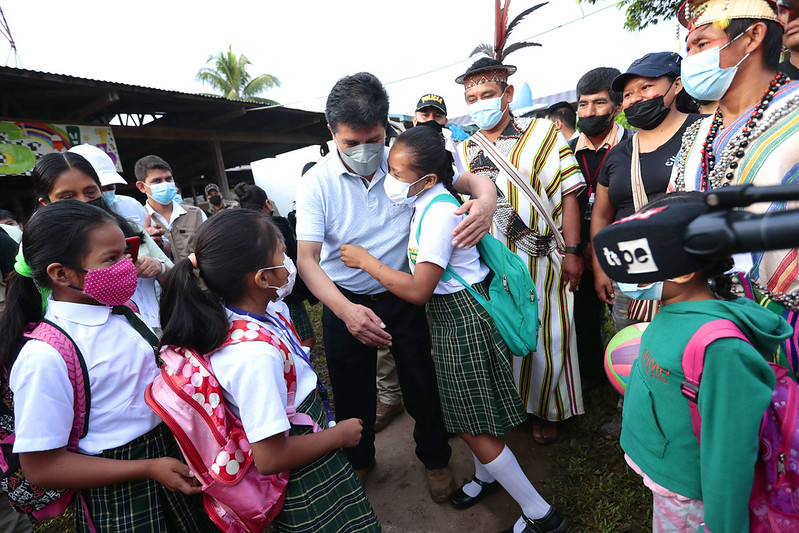
Children under the age of 5 are one of the biggest victims of malnutrition, particularly indigenous children. Approximately two out of 10 children suffer from malnutrition in Peru, 38% of indigenous children and 24% of children in rural areas are malnourished, compared to 20% of non-indigenous and 7% of urban children who lack nutrients.

Due to the negative effect malnourishment has on the mind and body, it impacts people’s health and productivity, making work more strenuous, not only leading people to poverty, but also making it significantly more difficult to escape it. This pattern makes it challenging to reduce poverty in Peru.

It also influences the economy. Without decreased productivity from workers due to malnutrition, economic growth decreases and health care costs increase. Not only does this affect the economy, but it also highly impacts the already vicious cycle of poverty and malnutrition. Without proper economic flow, the country cannot provide enough resources or help to those suffering from low income and food insecurity, and therefore, the issues only increase.

Current Solutions for Malnutrition in Peru

Without proper finances, it is difficult to access healthcare, especially as a parent with responsibility over one or multiple children. However, with help, it is possible. That is what the World Bank’s Juntos program provides. To combat malnutrition and poverty in Peru, it provides financial support to families, particularly aimed towards mothers in poverty and low-income households, in exchange for taking their children to regular health care check-ups.

There are also many organizations that fight against poverty, one of them being Action Against Hunger. It partners up with local governments to strengthen the health care system, improve food security and access to clean water, provide hygiene supplies as well as give women opportunities to make their own income.

Nutrients are an important factor in human life. They are necessary to perform any task, no matter how big or small. Without them, the human body would cease to function. To improve productivity, health and poverty in Peru, every person must have access to nutritious food. The happier and healthier the people, the more a country will thrive.

– Sevyn Whatley

Sevyn is based in Toronto, Ontario, Canada and focuses on Global Health for The Borgen Project.

Photo: Flickr
May 17, 2025
https://borgenproject.org/wp-content/uploads/borgen-project-logo.svg 0 0 Naida Jahic https://borgenproject.org/wp-content/uploads/borgen-project-logo.svg Naida Jahic2025-05-17 07:30:052025-05-17 00:27:45Food Crisis: Malnutrition and Poverty in Peru
Food Insecurity, Global Poverty, Hunger

Everything You Need To Know About Hunger in Senegal

Hunger in SenegalSenegal is known for its rich culture and improved democratic stability. The country made significant progress in improving its infrastructure, health, economy and access to clean water and sanitation. Despite its vibrant culture and strides in democratic governance, the nation faces a persistent challenge in hunger. Food insecurity continues to affect many, particularly in rural and underserved communities. Examining root causes, impacts and potential solutions are crucial to understanding this ongoing crisis. Hunger in Senegal originates from the climate, the economy and social factors. According to the Global Hunger Index (GHI), in 2024, Senegal ranks 72 out of 127 countries with a score of 15.3 in the category of “moderate,” an improvement from previous years, which saw the country in the “alarming” category.

About Hunger in Senegal

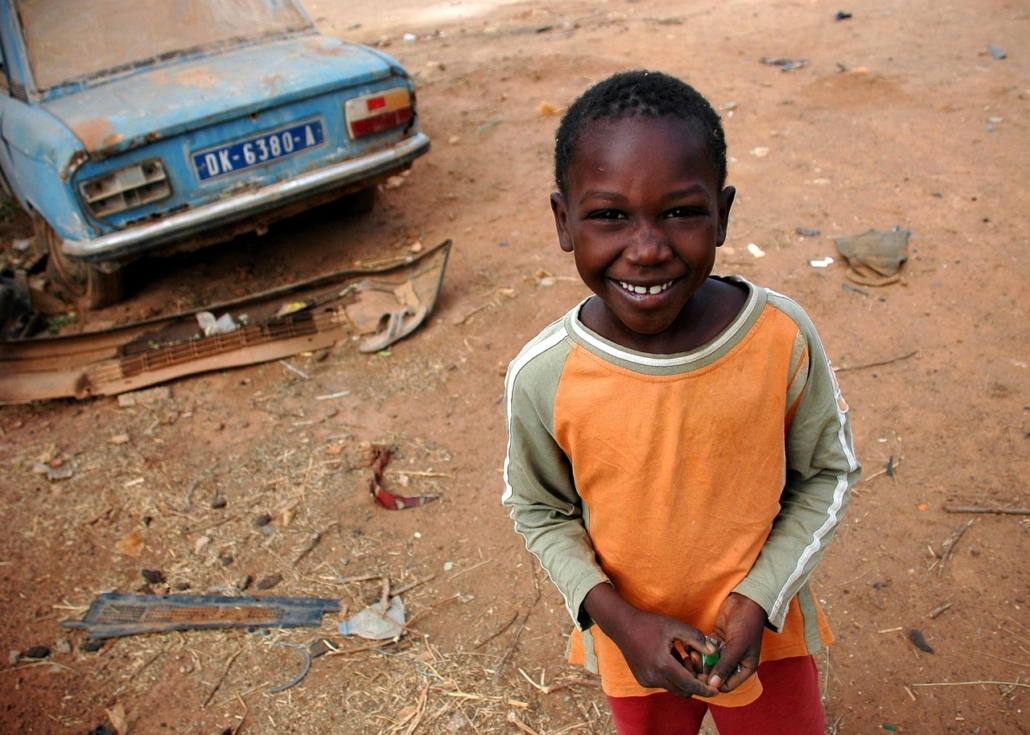
About 4.6% of the population is undernourished, 17.5% of children less than the age of five are stunted, 10.2% of children less than  five are wasted, and about 3.7% of children die before the age of five. Hunger is more pronounced in regions like Matam, Kolda, and Tambacounda, where poverty, limited infrastructure and poor agricultural yields intersect. 

Hunger in Senegal predominantly exists in rural areas, with women and children affected the most. More than 30% of Senegal’s workforce is involved in agriculture and is overly dependent on rainfed farming, according to the International Trade Administration (ITA). Due to changing weather patterns, Senegal experiences rapid-unpredictable rainfall and massive amounts of drought, leading to desertification in crop fields and a shortage of food availability. The World Food Program (WFP) reports that in 2023, about 1.26 million people will experience extreme hunger during the lean season. 

Hunger in Rural Areas and Women Farmers

Economic disparity contributes to the issue, especially in rural areas. In 2022, the World Bank estimated that 36.3% of the population lives below the poverty line. Additionally, the impact of food prices soaring  in 2022 contributes to hunger in Senegal. In 2022,  Senegal saw a record-breaking 21.40% in food inflation, with only a slight decrease in March 2025. 

Gender inequality and social and political norms contribute to the crisis by denying crucial employment and land ownership. Women are the backbone of agricultural production, making up 70% of the workforce and producing 80% of crops, but they have restricted access to land. Laure Tall, the research director at the Agricultural and Rural Prospect Initiative, claims that women farmers are invisible and work two to four hours longer than the average man. 

Nutritional Deficiencies

Diets often lack essential nutrients, leading to micronutrient deficiencies. The World Health Organization (WHO) reported that anemia affects nearly 60% of children under five and about 50% of pregnant women. Vitamin A deficiency, low protein intake and iron deficiency are widespread. Malnourishment plagues children’s development because they are the most likely to struggle in school and face lifelong cognitive challenges. Adults, weakened by poor diets, are less productive and more vulnerable to illness, perpetuating a cycle of poverty and underdevelopment.

Initiatives Addressing Hunger in Senegal

Despite the grim picture, the Senegalese government and international partners launched several programs to combat hunger. In 2016, the Senegalese government adopted the National Program for Food Security, known as the Programme National d’Appui à la Sécurité Alimentaire et à la Résilience (PNASAR), aiming to sustainably improve food and nutritional security for households. The program emphasizes coordinated, multisectoral interventions that address both immediate needs and long-term development goals.

The World Food Program (WFP) has also been working to address hunger in Senegal. The WFP provides meals for schoolchildren in areas where food insecurity is high. In 2022, the WFP fed approximately 17% of primary schools. The WFP reached more than 71,000 pupils in 285 primary schools across three regions. The school feeding program, launched in March 2021, receives funding from the Global Partnership for Education. 

The We Are the Solution movement is another noteworthy initiative addressing food insecurity in Senegal. Mariama Sonko, a Senegalese farmer, started the We Are the Solution movement, which includes about 115,000 active women farmers. The goal is to train women to become community farmers and increase the workforce. As previously stated, women make up 70% of the agricultural workforce. Sonko’s movement is helping local efforts by increasing groups to sell vegetables from communal gardens, leading to the reinvestment of profits into nutrition programs for children and mothers. Educating families on dietary diversity and the importance of local produce helps reshape eating habits and generates awareness nationwide. 

Looking Ahead

Ultimately, the road to a hunger-free nation is long, but not impossible. With increased investment in climate-smart agriculture, nutrition education and gender equity, the fight will remain strong. 

– Sebastian Llerena

Sebastian is based in Edison, NJ, USA and focuses on Global Health for The Borgen Project.

Photo: Pixabay

April 27, 2025
https://borgenproject.org/wp-content/uploads/borgen-project-logo.svg 0 0 Jennifer Philipp https://borgenproject.org/wp-content/uploads/borgen-project-logo.svg Jennifer Philipp2025-04-27 07:30:472025-04-27 00:16:28Everything You Need To Know About Hunger in Senegal
Global Poverty, Hunger

4 Facts about Hunger in Sweden

Hunger in SwedenSweden is a predominantly urban (almost 89%) Scandinavian country, with a population of 10.6 million people. Its high-income economy blends ideas of free-market capitalism with extensive welfare components. From 2021 to 2023, Sweden’s gross domestic product (GDP) increased slightly, as did its unemployment level. As a result, the nation has achieved a high standard of living and high life expectancy, ranking 21st out of 227 countries.

4 Facts About Hunger in Sweden

  1. Hunger and malnutrition are not significant in Sweden. The level of hunger in Sweden is sufficiently low and nutrition indicators sufficiently high that the country is not included in either the Global Hunger Index or the Global Nutrition Report. Conversely, it ranks very high on the Global Food Security Index (2022), where its prevalence of undernourishment is reported to be 2.5%. The country’s overall GFSI score is 79.1, ranking it 7th in food security (out of 113 countries). The four indicators comprising the ranking are affordability, availability, quality and safety and sustainability and adaptation. Its lowest ranking (21st) is on availability, in particular because of the volatility of agricultural production. 
  2. Sweden reports very low rates of poverty but ranks poorly in fighting inequality. In 2021, less than 1% of the population (70,000 people) lived below the international poverty line, although 16% were below Sweden’s national poverty line. Since then, however, Sweden has fallen 14 places in Oxfam’s CRII (Commitment to Reducing Inequality Index), a global indexing ranking 164 countries. Its place at 24th is the worst of the Nordic region. Blamed are an “unfair” tax policy and reduced resources for welfare, including schools and health care. Among the most vulnerable are migrant workers and those born outside the EU. Poverty combined with inflation leads to food insecurity. 
  3. A new approach to Swedes helping hungry Swedes. The Church of Sweden, Swedish City Missions and civil society organizations (CSOs) have traditionally provided short-term food assistance to the most vulnerable and marginalized people. Crises such as the 2008 financial crisis, the 2015 refugee crisis, the COVID pandemic and recent inflation and economic strains, exacerbated by an increase in income inequality, have led to an increase in assistance to low-income families and individuals already on long-term social welfare. The approach has been described as professionalized, centralized and large-scale, with the simultaneous objective of addressing food insecurity and reducing food waste. This includes new means of food distribution, including access through social food stores. It is also facilitated by formal collaboration between CSOs and the food industry. Research centers such as PLATE, the Center for the Future of Sustainable Seafood and PLENTY are addressing food security, competitiveness and sustainability.
  4. How Sweden is helping to address global hunger. Sweden is also looking outward to support efforts tackling food security beyond its borders. One example is the Swedish International Agriculture Network Initiative, which involves government officials, citizens and the private sector in the conversation on hunger. Its fourth phase (2022-2027) is focused on sustainability, smallholder farmers and marginalized groups. And in December 2024, the Swedish Government made a three-year commitment of almost $63 million of funding to IFAD, the U.N.’s International Fund for Agricultural Development, which promotes food security, especially for women smallholder farmers and vulnerable groups in rural areas of developing countries.

Hunger in Sweden is low in comparison to other nations. Additionally, the country works through partnerships, organizations and networks to battle food insecurity on a global level.

– Staff Reports
Photo: Flickr

April 23, 2025
https://borgenproject.org/wp-content/uploads/borgen-project-logo.svg 0 0 Jennifer Philipp https://borgenproject.org/wp-content/uploads/borgen-project-logo.svg Jennifer Philipp2025-04-23 01:30:552025-04-22 15:00:214 Facts about Hunger in Sweden
Global Poverty, Hunger

Addressing Hunger in Slovenia

Hunger in SloveniaA small, south central European country, the Republic of Slovenia was once part of Yugoslavia. It declared its independence in 1991, after a 1990 referendum. Geographically, it is almost completely surrounded by Croatia, Austria, Hungary and Italy, with only the port city of Koper having access to the Adriatic Sea. Its population of just over two million is fairly evenly distributed, with 56% urbanized.

Slovenia is a developed, high-income member of the European Union, with key exports in pharmaceuticals and automotive. The 2022 estimate of the population below the national poverty line was 12.7%.

Hunger

There are no recent available statistics on hunger in Slovenia. The U.N.’s 2024 Sustainable Development Report, which tracks progress on the 17 Sustainable Development Goals of the 2030 Agenda (adopted in 2015), highlights that Slovenia still faces significant challenges in achieving SDG 2: Zero Hunger. This is because its score on SDG 2 is stagnating or increasing at less than 50% of the required rate. However, the country is on track or maintaining achievement on three significant indicators—prevalence of undernourishment, and stunting in children and wasting in children under the age of 5. 

The Slovenian Statistical Office also collects data on SDG progress. For SDG 2, the office monitors progress against malnutrition, fostering sustainable agricultural production and reducing the adverse impacts of agricultural production, measuring seven indicators. One of these indicators is the self-sufficiency rate, which notes the extent to which domestic production meets domestic consumption. In 2023, the country has had 80-100% self-sufficiency for eggs (95%), meat (83%) and cereals (82%), while potatoes and vegetables were just below 40% and fruit at an almost-all-time low of 16% (almost continually declining from an all-time-high of 66% in 2000). 

Nutrition

Slovenia thus does not appear to struggle with hunger or food sufficiency. However, the most recent Global Nutrition Report, 2020, reports that the country is “off course” for all MIYCN (maternal, infant and young child nutrition) targets. Furthermore, it has made only limited progress towards diet-related noncommunicable disease targets. Obesity prevalence is lower in Slovenia than in the region, but still affects almost a quarter of the population. In addition, almost 22% of women of reproductive age are anemic and over 6% of infants have low birth weight. (For several indicators, there is insufficient data.) 

Food Systems Challenges

The Food Systems Dashboard collects and shares country data on multiple indicators for components of food systems, conducts diagnostics and recommends policies and actions. Its most recent review of Slovenia’s food systems identified 14 likely challenge areas and 6 potential challenge areas of the 31 (of 36) areas for which there were data. Most of Slovenia’s challenges were categorized under Food Environments, especially food affordability, and Outcomes, primarily environmental impacts. There were 20 recommended actions, including training and nutrition education, development of postharvest storage technologies, infrastructure improvement (e.g., roads, transportation, storage), agriculture development and extension programs, home gardens, nutrition labeling and various actions related to increasing the production and consumption of nutritious foods. 

Commitment to Global Food Security

One of Slovenia’s strategic priorities is to ensure food security beyond its own borders. The country is working with various international organizations, such as the World Food Programme and the Food Assistance Convention. Between 2021 and 2024, the country reported a sixfold increase in its humanitarian aid for food security. This includes financial contributions and humanitarian projects. Slovenia is developing a three-year climate resilience project in Kenya and participates in the School Meals Coalition, both WFP projects.  Over 100 countries and 140 partners participate in the School Meals Coalition, which has reached 418 million children worldwide. 

Food security was also chosen as the central theme of the 12th Slovenian Development Days, in October 2024. World Food Day took place in October. The U.N.’s Food and Agriculture Organization adopted the theme, “Right to Foods for a Better Life and a Better Future: Leave no one Behind.” Slovenia used the opportunity of its Development Days to raise awareness of the role of sufficient, nutritious, safe food in preserving appropriate physical development and good health.

Addressing Hunger in Slovenia?

While Slovenia experiences issues related to hunger, it has had less need to address hunger within the country than it has felt a responsibility to address hunger on the global stage. This small country has been determined to contribute to the plight of other, often larger, countries.

– Staff Reports

Photo: Flickr

April 13, 2025
https://borgenproject.org/wp-content/uploads/borgen-project-logo.svg 0 0 Borgen Project https://borgenproject.org/wp-content/uploads/borgen-project-logo.svg Borgen Project2025-04-13 07:30:322025-04-13 04:32:35Addressing Hunger in Slovenia
Global Poverty, Hunger

10 Facts on Hunger in Sao Tome and Principe

Hunger in Sao Tome and PrincipeUninhabited until the late 15th century, the isolated, volcanic, central African Sao Tome and Principe islands were first colonized by Portugal, which established a sugar-based economy supported by African slave labor.  The country, which became independent in 1975, is a lower middle-income, semi-presidential republic. Here are 10 facts on hunger in Sao Tome and Principe.

10 Facts on Hunger in Sao Tome and Principe

  1. Only 372 square miles in size, the country comprises two main islands and four islets, with 90% of the land government-owned. Half of the land is agricultural, although only 9% is arable. The country’s population of less than a quarter of a million is 76% urbanized. 
  2. The latest poverty statistics for Sao Tome and Principe, based on 2017 data, report 55.5% of the population below the national poverty line and 15.7% below the international line designation for extreme poverty. 
  3. Sao Tome and Principe are “on course” towards the global nutrition targets on childhood stunting and wasting, as well as exclusive breastfeeding, and have made some progress on low birth weight. However, the 2022 Global Nutrition Report notes no progress or worsening in the prevalence of anemia among women of reproductive age, with over 44% are still afflicted. The country is “off course” with regard to the remaining eight Global Nutrition indicators. 
  4. Challenges faced by the country include remoteness, and lack of economic diversification, with significant dependence on subsistence farming, fisheries and small-scale commerce. There is substantial reliance on external financing, with little private sector development, no access to credit and markets and insufficient job opportunities. All of this is further complicated by energy shortages, high fuel import costs, climate vulnerabilities (e.g., 2021 floods) and external events such as the war in Ukraine.
  5. Balanced against these challenges, the World Bank assesses Sao Tome and Principe’s “significant untapped natural wealth” as a basis for “nature-based tourism.” This is supported by an expectation of growth in agricultural exports and tourism, along with infrastructure development and energy reform 
  6. Sao Tome and Principe legislated approval of the National School Feeding and Health Programme (PNASE) in 2023, which provides a framework for school feeding/food security, food safety and quality/nutrition 
  7. IFAD, the International Fund for Agricultural Development, has been active in Sao Tome and Principe since the 1980s, financing agricultural sector investment projects to facilitate rural community development. Their projects have paid special attention to the inclusion of women and youth in development interventions, and to increase market access with the goal of food and nutrition security, as well as income. IFAD in 2020 financed COMPRAN (Commercialization, Agricultural Productivity and Nutrition Project), which targeted small-scale farmers, with attention to women and youth, and individuals with disabilities or affected by malnutrition.
  8. In 2023, the World Food Programme reported that while small-scale farming increases food availability, still over half of the country’s food is imported. WFP’s 2024-2028 strategy for the country, therefore, is to target United Nations Sustainable Development Goal 1, access to food, especially to ensure that food and other essential needs can be met before, during and after emergencies and disasters. This strategy, which includes funding from Portugal, the U.N. and the private sector, is particularly aimed at school feeding programs that are nutrition-sensitive, gender-sensitive, climate-resilient, green and sustainable. Priority Area I of the African Development Bank Group’s strategy for 2024-2029 engagement in Sao Tome and Principe is to support the development of agricultural and blue economy (ocean resources) value chains. This is in line with Sao Tome and Principe’s Agenda 2030 strategy to reduce malnourishment and includes food security as an area of special emphasis for the bank’s funding. 
  9. In December 2024, Sao Tome and Principe graduated from its least developed country status. Nevertheless, it continues to need and receive external support. This includes IFAD’s nutrition education and school and community food improvement. IFAD projects have included the creation of cooperatives, infrastructure to open up production areas, revitalization of several value chains for organic niche markets and support for the production of various crops. A Rural Poor Stimulus Facility grant of $444,295 reached 4,236 vulnerable households (double its target) and impacted almost 17,000 people (more than double expected).
  10. In December 2024, Sao Tome and Principe graduated from its least developed country status. Nevertheless, it continues to need and receive external support. This includes IFAD’s nutrition education and school and community food improvement. IFAD projects have included the creation of cooperatives, infrastructure to open up production areas, revitalization of several value chains for organic niche markets and support for the production of various crops. A Rural Poor Stimulus Facility grant of $444,295 reached 4,236 vulnerable households (double its target) and impacted almost 17,000 people (more than double expected).

Despite its small size Sao Tome and Principe faces challenges that mirror those of many developing nations. However, through resilience, strategic initiatives and support from the international community, continual progress is being made toward sustainable development, economic stability and reducing hunger in Sao Tome and Principe. Despite its small size, both geographically and in population, the challenges Sao Tome and Principe have experienced are not unique. 

– Staff reports
Photo: Flickr

April 5, 2025
https://borgenproject.org/wp-content/uploads/borgen-project-logo.svg 0 0 Borgen Project https://borgenproject.org/wp-content/uploads/borgen-project-logo.svg Borgen Project2025-04-05 04:05:512025-04-05 04:05:5110 Facts on Hunger in Sao Tome and Principe
Global Poverty, Hunger

Examining Hunger in Saudi Arabia

Hunger in Saudi ArabiaThe Kingdom of Saudi Arabia is a Middle Eastern country of 36.5 million people, bordering the Persian Gulf and the Red Sea. It is a desert country, with almost 81% agricultural land, but with 85% of the population urban. Saudi Arabia is an oil-based (since the 1930s), and is considered a high-income country. 

Hunger is Not a Significant Problem

According to the Global Hunger Index, hunger in Saudi Arabia is Low, with the country ranking 37 on the 2024 GHI out of the 127 countries with sufficient data to be included. The indicators comprising the GHI are proportions of the population undernourished (3% in Saudi Arabia), children under 5 stunted (10.8%), children under 5 wasted (4.5%) and children who die before their fifth birthday (0.6%). Saudi Arabia’s scores have been consistently low for decades—all indicators below 10%, except for child stunting, which has been decreasing from just below 20% in 2000.

Nutrition Issues

The 2022 Global Nutrition Report shows a slightly different picture than the GHI. Of the thirteen global nutrition targets monitored, the report shows Saudi Arabia as “off course” for seven targets and no data for three. Similar to the GHI, the country is “on course” for childhood stunting, as well as for the raised blood pressure of women. However, there has been no progress, or worsening, with regard to anemia among women aged 15 to 49. The report also measures progress towards achieving noncommunicable disease targets related to diet, and Saudi Arabia has shown only limited progress there. 

In addition, the country’s obesity prevalence is higher than the regional average: 45.5% of adult Saudi women, as compared to 10.3% for the region and 34.3% for Saudi men, compared to 7.5%. Diabetes is also an issue for adult women and men (19% and 20%, respectively). 

Consistent with the Global Nutrition Report, in November 2024, the Saudi Arabian government agency, General Authority for Statistics, published data indicating that the obesity rate of those aged 15 and above was 23.1%, with 45.1% classified as overweight. Obesity data for children aged 2 to 14 years was 14.6%, with 33.3% overweight. GASTAT also reported that only 10.2% of the population ate the recommended five or more servings of fruits and vegetables. 

Resource Challenge: Water

Water supply is a challenge for Saudi Arabia that affects domestic grain production, resulting in dependence on imports. This means that supply chain disruptions caused by external events, e.g., the war in Ukraine, impact food costs. The country’s strategy includes maintaining strong relationships with the countries supplying grain, as well as effective government policies. This has included incentives for end-users, and policies to ensure smooth trade flows of raw materials. 

Resource Challenge: Rational Consumption

The Citizen Account program was initiated by the government in 2017 to provide cash support to the “most deserving groups of citizens,” with the objective of promoting “rational consumption of resources.” Approximately $229 billion has been distributed since the inception of the program, with over $3 billion in January 2025, as the program was extended through 2025. 

An NGO Response, Local and Beyond

Eta’am is an NGO established in 2011, the first food bank in Saudi Arabia and the Gulf region. The organization creates strategic alliances in order to save food from waste. It does this by distributing surplus food resources to those in need, as well as with community initiatives in the field of food support. 

In 2022, Eta’am partnered with SABB (the Saudi British Bank) to establish Riyadh’s first central catering kitchen, delivering ready-made meals prepared from food/catering companies’ surplus dry foods to people with special needs, orphans and poor families. The goal has been to reduce food waste (aimed at a half million tons of dry and canned goods) while increasing food security and reducing hunger in Saudi Arabia. 

An April 2022 Eta’am initiative distributed almost 157,000 food baskets to over 900,000 people in 19 countries centered around the holy month of Ramadan. Countries receiving food included Albania, Tajikistan (9,650 baskets of food to 51,400 people), Kosovo (13 tons of food to 220 families), and Niger (1,000 baskets to 5,000 individuals). 

In 2023, the food company Sadia partnered with Eta’am and several Saudi retailers to donate 2.5% of sales during the month of Ramadan. Retailers promoted the campaign to raise consumer awareness about the charity and to increase their participation. 

Strengthening the Kingdom: Vision 2030

Vision 2030, an “ambitious vision for an ambitious nation,” launched in 2016. A blueprint for economic diversification, it was designed in five-year phases, beginning with structural and public sector, economic and social reforms. The country is currently in the second phase, with a focus on investments in key sectors and “ambitious” projects. Eleven programs comprise the Vision, with one area being Health Sector Transformation. 

The NEOM Food Production Company launched in December 2023 to develop sustainable solutions in food production, distribution and consumption. The “Vibrant” society vision includes attention to sustainable living and to efficient health and social care systems. Strategic objectives include easing access to, and improving the value of, health care services, and strengthening prevention against health threats. 

Final Thoughts

While Hunger in Saudi Arabia is successfully being addressed, challenges remain in the areas of nutrition, food security and sustainable resource management. Issues such as obesity, diabetes and reliance on food imports highlight the importance of both government policies and private sector initiatives in ensuring long-term stability. Programs like Vision 2030 and partnerships with organizations such as those developed by Eta’am demonstrate the country’s commitment to addressing these challenges through innovation and strategic planning. Moving forward, continued investment in health, sustainability, and food security will be crucial in strengthening Saudi Arabia’s resilience and ensuring a healthier future for its population.

– Staff Reports
Photo: Flickr

April 5, 2025
https://borgenproject.org/wp-content/uploads/borgen-project-logo.svg 0 0 Kim Thelwell https://borgenproject.org/wp-content/uploads/borgen-project-logo.svg Kim Thelwell2025-04-05 01:30:562025-04-02 09:05:55Examining Hunger in Saudi Arabia
Developing Countries, Global Poverty, Hunger

Hunger in Saint Vincent and the Grenadines

Hunger in Saint Vincent and the GrenadinesSaint Vincent and the Grenadines (32 eastern Caribbean islands and cays), a small island developing state, is a British Commonwealth parliamentary democracy, colonized in the 18th century. Slave-run plantations dominated the economy until slavery was abolished in 1834. Former slaves and immigrants provided labor until landowners abandoned estates in the early 1900s, leaving the liberated slaves to cultivate the land. Saint Vincent and the Grenadines progressed from an administrative unit of the Federation of the West Indies (1960-62) to autonomy and then finally to independence in 1979. Its population of just over 100,000 is primarily (71.2%) of African descent. 

Saint Vincent and the Grenadines is an agricultural economy, although over half of its population (54.3%) is urban. Its mountainous terrain is more than two-thirds forest, with less than 13% arable land. It is home to La Soufriere volcano, which last erupted in 1979, and in addition to volcanic eruptions is also threatened by hurricanes. 

Natural and External Challenges

In July 2024, the minister of agriculture for Saint Vincent and the Grenadines declared, “Saint Vincent and the Grenadines is on the brink of food insecurity. On average it has been hit by one natural disaster every year for the past five years, which has disrupted every food chain. We have experienced COVID-19, 32 volcanic eruptions, severe droughts and hurricanes.” June’s Hurricane Beryl, destroyed the country’s fisheries and lobster chain, affecting 95% of vessels and displacing a large percentage of producers and fisherfolk, along with destroying 98% of plantain and banana production. 

By October 2024, however, the World Bank reported that these natural and external disasters and shocks were followed by agricultural recovery and “robust performance” in tourism. Those improvements, along with the implementation of large-scale infrastructure projects, were driving economic growth. Despite high food prices, food security concerns decreased with a decrease in inflation, and the proportion of the population experiencing severe food shortages (no food, or skipping meals, for a whole day) had declined over the year. In addition, food-vulnerable households were supported by existing social programs, including safety net payments.

Agenda for Sustainable Development

In 2015, Saint Vincent and the Grenadines committed to the United Nations 2030 Agenda for Sustainable Development, along with the agenda’s 17 sustainable development goals. SDG 2 is Zero Hunger: end hunger, achieve food security and improved nutrition and promote sustainable agriculture. 

As of 2024, Saint Vincent and the Grenadines was assessed as having significant remaining challenges in meeting SDG 2, with its score “stagnating or increasing at less than 50% of the required rate.” The country was on track or maintaining its achievement only with regard to the prevalence of undernourishment and cereal yield, and its major challenge was in the prevalence of obesity. (Data were unavailable on three of the eight indicators.) 

Nutrition Targets

Saint Vincent and the Grenadines has implemented ten national food and noncommunicable disease policies, with targets related to six global nutrition targets. However, the 2022 Global Nutrition Report reported the country as “off course” in meeting all the global nutrition targets for maternal, infant and young child nutrition, no progress in reducing anemia of reproductive age women and insufficient data to assess several other targets. 

The FAO and Saint Vincent and the Grenadines

Saint Vincent and the Grenadines joined the United Nations Food and Agriculture Organization (FAO) in 1981. Initial support included capacity building, legislative development, formulation of policy and agricultural planning. Food security programs, technology transfer, market infrastructure and climate change resilience were later foci. Recent FAO contributions to the country have included technical support in 2022 to prepare and implement the country’s first agriculture census in 22 years and, in 2023, assistance to finalize a Fisheries Bill to manage the country’s fisheries resources. 

Global Alliance Against Hunger and Poverty

In October 2024, Saint Vincent and the Grenadines joined the Global Alliance Against Hunger and Poverty. The Global Alliance formally launched in November 2024 to serve as a platform “for the development, implementation, or expedited execution of public policies aimed at SDGs 1 and 2.” Joining the Alliance was Saint Vincent and the Grenadines’ commitment to collaborate with Alliance members in addressing solutions to hunger and poverty worldwide. This voluntary membership is significant in recognizing the global challenges of hunger and poverty and the importance of a collaborative and mutually supportive response to those challenges. 

– Staff Reports

Photo: Flickr

March 21, 2025
https://borgenproject.org/wp-content/uploads/borgen-project-logo.svg 0 0 Borgen Project https://borgenproject.org/wp-content/uploads/borgen-project-logo.svg Borgen Project2025-03-21 01:30:382025-03-20 03:28:41Hunger in Saint Vincent and the Grenadines
Agriculture, Global Poverty, Hunger

10 Facts About Hunger in Romania

Hunger in RomaniaOriginally under the control of the Turkish Ottoman Empire, Romania was occupied by the Soviets after WWII, which was followed by the abdication of its king. It was ruled for decades by an oppressive dictator who was overthrown in 1989, and controlled by communists until 1996. Now, Romania is a member of NATO and the European Union. Its population of over 18 million is 55% urban and is fairly evenly distributed throughout the country. 

10 Facts About Hunger in Romania

  1. Poverty in Romania has decreased, but inequalities exist. The National Poverty Line rate in Romania was 21.1% in 2022, but the lower International Poverty Line rate was just 1.8% in 2021. However, the rural poverty rate was almost five times higher than the urban rate. Yet, in 2023, Romania had the EU’s highest rate (approximately a third) of its population at risk of poverty or social exclusion. 
  2. Hunger in Romania is low. The 2024 Global Hunger Index (GHI) groups Romania with 22 countries (out of 127 countries ranked) that have a Low score (less than 5; the high is ≥50). All of the GHI’s component indicators for Romania are classified as Very Low. Less than 2.5% of the population is undernourished, 0.7% of children die before reaching their fifth birthday, and of children under 5, 8.1% are stunted and 3.1% are wasted. 
  3. Romania receives high marks on the Global Food Security Index. The overall score Romania received on the Global Food Security Index 2022 ranked Romania 45 out of the 113 countries assessed. Its strength was based on affordability (rank 36), availability (rank 50), quality and safety (rank 27). 
  4. Romania’s rural food insecurity is related to food availability. Research based on a sample of rural small farmers (published in 2024) concluded that perceived food insecurity was more a matter of the amount of necessary and appropriate food available domestically (food availability) than the resources to acquire that food (access). There was direct access to basic foods while there was a lack of diversity in crops available in the geographical area, and increased dependency on imported products. 
  5. Challenges to food security in Romania require a regional response. A study presented at the October 2024, 5th International Electronic Conference on Foods, suggested that food security solutions require collaborative efforts in the region (Romania and the neighboring countries of Bulgaria, Hungary, Serbia, Ukraine and Moldova). Recommendations for coordinated approaches to developing sustainable and resilient food systems identified agricultural diversification, infrastructure, food safety regulations and strategies for climate adaptation. 
  6. The war in Ukraine impacts Romania. Action Against Hunger reported that approximately 100,000 Ukrainian refugees are being integrated into Romania, with many considering staying there. Action Against Hunger initiated its program in Romania in 2022, helping almost 12,000 refugees and their host communities last year. The NGO provides monetary assistance for basic needs, in addition to mental health support—psychosocial and psychological services—to refugees. 
  7. Romania is a nation of small farmers. Romania’s agricultural land is estimated at 61% (2018), but only 39% (13.5 million hectares) is arable. Nevertheless, the highest percentage of people employed in agriculture in the EU are in Romania—23% of the labor force (3.5 million farmers)—and their farms comprise about a third of the EU’s agricultural holdings. A very large number of these farms (90%) have individual holdings on small plots of land.  
  8. Romania needs national agricultural policies. Despite the overall high 2022 GFSI ranking, Romania was 80th on the index’s assessment of sustainability and adaptation, most significantly because of ocean health, with oceans seen as a “crucial source” of protein. The country is also assessed in the middle range with regard to political commitment to adaptation, in large part because of the lack of a national climate change strategy covering adaptation for agriculture, and lack of a national policy/incentives for sustainable agricultural practices. 
  9. There is a need to improve the crisis response of Romania’s agricultural systems. A post-COVID-19 study identified the vulnerability of Romania’s agricultural systems, particularly its production systems. This was not unlike the situation in other countries. The agri-food sector supply chains were disrupted, adding to the pandemic restricted access to inputs, technologies, and labor, all of which increased global food insecurity. Conclusions of the study noted several ways to maintain food security during a crisis, including accelerating digitalization, investing in agricultural mechanization and innovation and, in general, maintaining a proactive relationship among agricultural actors in public institutions. 
  10. Romania’s CAP Strategic Plan (2023-2027) addresses agricultural sustainability. Romania has developed a plan to implement the EU’s common agricultural policy (CAP). The goal of Romania’s CAP is to “develop a resilient and sustainable agricultural sector by increasing the economic viability of farms, reducing disparities between farms, and increasing the market orientation and competitiveness of the agricultural sector.” 

While Romania is not facing a hunger crisis, the country’s vulnerability to climate change demands attention to agricultural practices. It is not unreasonable to assume that developing sustainable agriculture will increase food security. Romania’s attention to agricultural innovation goes hand in hand with maintaining its continuing ability to feed its people. This includes the refugees it has welcomed into the country.

– Staff Reports
Photo: Pixabay

March 13, 2025
https://borgenproject.org/wp-content/uploads/borgen-project-logo.svg 0 0 Kim Thelwell https://borgenproject.org/wp-content/uploads/borgen-project-logo.svg Kim Thelwell2025-03-13 01:30:072025-03-12 04:02:0610 Facts About Hunger in Romania
Global Poverty, Hunger

Eradicating Hunger in St. Kitts and Nevis

Hunger in St. Kitts and NevisThe smallest country in the Western Hemisphere, St. Kitts and Nevis is a dual island volcanic nation in the Caribbean, gaining independence from England in 1983. A 1998 referendum to separate Nevis from St. Kitts was unsuccessful.

The Country and the Region

St. Kitts and Nevis is a member of CARICOM (the Caribbean Community), an organization of 21 small developing countries, most of which are island states. CARICOM describes itself as “the oldest surviving integration movement in the developing world”—over 50 years strong—fostering “functional cooperation” in health, education, security and culture. This includes single market functions and a coordinated foreign policy.

Economy

St. Kitts and Nevis’s poverty headcount rate in 2022 was 21.8%, despite having one of the highest GDP per capita in Latin America and the Caribbean (an increase of 16% from the previous year). Like other countries in this region, St. Kitts and Nevis is vulnerable to drought, and to an increase in the frequency and severity of climate hazards, in particular hurricanes. In addition, COVID-19 negatively impacted the country’s tourism-dependent economy.

Hunger and Nutrition

A decade ago, the government implemented a Poverty Reduction Strategy to address hunger in the islands. The strategy was to redistribute resources more equitably, strengthen public, private and community organizations, invest in social services and empower vulnerable groups.

While current data on hunger in the country are not available, the 2022 Global Nutrition Report reported that St. Kitts and Nevis were “off course” in terms of maternal, infant and young child nutrition targets, with insufficient data to assess progress on its other indicators. Of 10 national nutrition policies, the only policy implemented was a sugar-sweetened beverage tax. Of 11 global nutrition targets, St. Kitts and Nevis had a national policy addressing only the reduction of salt/sodium intake.

25 by 25: Reducing Food Import Dependency

The CARICOM region is dependent on food imports, and this is true of St. Kitts and Nevis. This dependency is behind CARICOM’s Vision 25 by 25, a plan to address the region’s increasing food import bill. A long-term partnership has been created between CARICOM countries and the private sector, regional organizations, producers, development partners and civil society to transform the region’s agri-food systems. Furthermore, the goal five years ago was to create resilience and sustainability, ultimately guaranteeing food and nutrition security for the CARICOM countries.

In 2019 (prior to St. Kitts and Nevis’s participation), the CARICOM heads of government conceived of the CARICOM Private Sector Organisation (CPSO), which was initiated in 2020. In response to an “urgent call” for a 25% reduction of the extra-regional food import bill before 2025, CPSO’s response was the 25 by 25 initiative, targeting the “displacement” of $418.8 million of extra-regional agri-food imports.

25 by 25 in St. Kitts and Nevis

St. Kitts and Nevis has identified the root cause of its import dependency to rest in imperfect land cultivation and the poor business practices of both farmers and vendors. One approach the Ministry of Agriculture is taking is to work with a local community college to train farmers in the best use of produce and in becoming more business oriented. Indeed, in noting that food sustainability requires year-round food production and education in “smart farming,” in 2023, officials of the Ministry of Agriculture and the Department of Agriculture met with crop and livestock farmers to develop a basis for the Government’s participation in the 25 by 25 initiative, aimed at decreasing the country’s food import bill and increasing food security.

Supporting this effort, the U.N.’s Food and Agriculture Organization (FAO) has partnered with the Ministry of Agriculture in St. Kitts and Nevis on its 25 by 25 Agenda.

In February 2025, Hon. Samal Duggins, Minister of Agriculture, Fisheries and Marine Resources discussed one initiative to tackle the country’s $198 million food import bill: an export “niche” project focusing on hot peppers to the Tabasco company. The export niche focus means training farmers in their crop of choice and then addressing crop-specific land preparation, seed choice, time of planting, pest and disease management, harvest and post-harvest management, processing, sales and marketing, in other words, the complete value chain.

Predicting the Future

It remains to be seen whether the many efforts to reduce hunger in St. Kitts and Nevis by transforming the country’s local food production, will fulfill Minister Duggins’s prediction that the country will become the “food mecca of the Leeward Islands,” thanks to the 25 by 25 Agenda.

– Staff Reports
Photo: Flickr

March 12, 2025
https://borgenproject.org/wp-content/uploads/borgen-project-logo.svg 0 0 Borgen Project https://borgenproject.org/wp-content/uploads/borgen-project-logo.svg Borgen Project2025-03-12 07:30:532025-03-12 03:46:43Eradicating Hunger in St. Kitts and Nevis
Global Poverty, Health, Hunger

4 Facts about Hunger in Qatar

Hunger in QatarThe State of Qatar is a small country located on the Qatar Peninsula in the Middle East, neighboring Saudi Arabia on its southern land border and surrounded by the Persian Gulf on all other sides. Since gaining its independence from Britain in 1971, Qatar has been a constitutional monarchy. It is a desert nation with a small population of 2.6 million, 99.4% urban, with only 1.1% of its land arable. Its economy is driven largely by its natural gas and oil reserves. 

Despite its strong economy and high per capita income, Qatar still faces issues related to hunger. Here are four facts about hunger in Qatar.

Qatar’s Global Rankings

In 2024, Qatar ranked 30th out of 113 countries in the Global Food Security Index (down from 13th in 2019)—an international database that considers quality, affordability and availability of food. However, while Qatar is ranked 9th in availability and 21st in affordability, it is only 47th in quality and safety and 51st on sustainability and adaptation. Some of its weakest indicators are lack of a national policy or strategy to empower women farmers, extent of agricultural research and development and extent of disaster risk management. Qatar could not be comparatively ranked on the 2024 Global Hunger Index because of a lack of available data on undernourishment. But on the other GHI indicators related to hunger, the country’s statistics are very low: 6.2% of children under 5 stunted and 1.5% wasted, and 0.5% of children who die before their fifth birthday. 

Dependency on Imported Food

Agriculture is a challenge in Qatar because of the arid climate, sandy soil and scarcity of water. Qatar therefore has imported 90% of consumed food, with imports providing as high as approximately 80% of the demand for perishable crops. 

Qatar’s Large Migrant Worker Population

Qatar is home to a million person, mostly Asian, migrant work force, which is 95% of its total labor force, with half of these workers in construction. The high COVID toll in Qatar five years ago left many migrants jobless, and hungry. Subsequently, the FIFAWorld Cup 2022, hosted by Qatar, exposed “the vulnerabilities of and abuses faced by low-paid migrant workers and migrants in general.” During this same period, the Canadian-based Migration and Food Insecurity in Cities of the Global South project (MiFood Project) expanded its Hungry Cities Partnership research network to additional countries, including Qatar. This was a three-year project focused on migrant workers and food security. 

Success and a New Strategy to Increase Food Security

Qatar’s successful National Security Strategy 2018-2023 strengthened Qatar’s food security infrastructure, with enhancements in cultivated areas, production capacity, and food marketing systems, as well as addressing climate change. Building on this success, in January 2025, Qatar announced its National Food Security Strategy 2030 to secure food supplies by significantly increasing local food production and making Qatar 55% self-sufficient in vegetable production, 100% self-sufficient in fresh chicken and dairy by the end of the decade, and 80% for fish and 30% for red meat. 

Overall, hunger in Qatar is relatively low due to the country’s general prosperity and the government’s diligent efforts to improve food security. While the nation’s geographic location means the threat of food still exists, the country’s forward-thinking and proactive efforts are addressing this threat.

– Staff Reports

Photo: Wikimedia

March 12, 2025
https://borgenproject.org/wp-content/uploads/borgen-project-logo.svg 0 0 Jennifer Philipp https://borgenproject.org/wp-content/uploads/borgen-project-logo.svg Jennifer Philipp2025-03-12 01:30:372025-03-26 12:37:344 Facts about Hunger in Qatar
Page 7 of 72«‹56789›»

Get Smarter

  • Global Poverty 101
  • Global Poverty… The Good News
  • Global Poverty & U.S. Jobs
  • Global Poverty and National Security
  • Innovative Solutions to Poverty
  • Global Poverty & Aid FAQ’s
Search Search

Take Action

  • Call Congress
  • Email Congress
  • Donate
  • 30 Ways to Help
  • Volunteer Ops
  • Internships
  • Courses & Certificates
  • The Podcast
Borgen Project

“The Borgen Project is an incredible nonprofit organization that is addressing poverty and hunger and working towards ending them.”

-The Huffington Post

Inside The Borgen Project

  • Contact
  • About
  • Financials
  • President
  • Board of Directors
  • Board of Advisors

International Links

  • UK Email Parliament
  • UK Donate
  • Canada Email Parliament

Get Smarter

  • Global Poverty 101
  • Global Poverty… The Good News
  • Global Poverty & U.S. Jobs
  • Global Poverty and National Security
  • Innovative Solutions to Poverty
  • Global Poverty & Aid FAQ’s

Ways to Help

  • Call Congress
  • Email Congress
  • Donate
  • 30 Ways to Help
  • Volunteer Ops
  • Internships
  • Courses & Certificates
  • The Podcast
Scroll to top Scroll to top Scroll to top