• Link to X
  • Link to Facebook
  • Link to Instagram
  • Link to TikTok
  • Link to Youtube
  • About
    • About Us
      • President
      • Board of Directors
      • Board of Advisors
      • Financials
      • Our Methodology
      • Success Tracker
      • Contact
  • Act Now
    • 30 Ways to Help
      • Email Congress
      • Call Congress
      • Volunteer
      • Courses & Certificates
      • Be a Donor
    • Internships
      • In-Office Internships
      • Remote Internships
    • Legislation
      • Politics 101
  • The Blog
  • The Podcast
  • Magazine
  • Donate
  • Click to open the search input field Click to open the search input field Search
  • Menu Menu

Archive for category: Hunger

Development, Global Poverty, Hunger

Biofortification to Minimize Hunger in Panama

Panama, known for the Panama Canal, is characterized by its tropical forests and mountainous terrains, connecting Central America to South America. Over the last two decades, Panama has experienced economic growth and attained the status of a high-income country. However, inequality remains a significant issue, with disparities between the urban, rural and indigenous populations. The government is taking steps to improve the situation and reduce poverty and hunger in Panama. 

Current Statistics

Panama has made significant progress towards decreasing poverty, hunger and malnutrition and achieving SDG 1 and SDG 2.

  • Poverty has reduced to 1.54% in Panama in the last twenty years, but it is more than 70%. among the rural and indigenous population. 
  • Malnutrition in the population has decreased from 24.5% in 2001 to 4.5% in 2021. 
  • Wasting in children under 5 is recorded to be 1%.  Still, challenges remain in reducing stunting, which is reduced to 15.9% at the national level but is as high as 60% among the indigenous population. 

Combating Hunger and Malnutrition with Everyday Foods

Panama’s success has been made possible because of the government’s dedication to combatting inequalities, hunger and malnutrition through various food fortification and nutritional programs. Some of these programs are mentioned here. 

  • School Lunch- The Ministry of Education has launched various programs to improve children’s health, especially in the vulnerable population. These initiatives provide meals  (grains) fortified with essential vitamins and minerals such as vitamins A, D, zinc and folate.
  • Fortification of Crops- The government of Panama, in collaboration with the other partners, has been running a biofortification program called AgroNutre since 2006. Fortified varieties of beans, sweet potato and maize have been released, whereas pumpkin, cassava and cowpea fortification is planned. 
  • Mandatory Fortification of Staple Foods- Panama mandates fortifying wheat flour and rice with essential micronutrients to combat deficiencies among the population. 
  • Fortified Milk- In partnership with Tetrapak, the government is providing fortified milk to over 200,000 children in around 400 schools nationwide. The milk is fortified with 10 vitamins, three minerals and Omega 3 and aims to reduce stunting and wasting in children.

Through these initiatives, Panama is bridging disparities in its population and aims to elevate the quality of life for its citizens.

– Maria Waleed

Photo: Flickr

January 23, 2025
https://borgenproject.org/wp-content/uploads/borgen-project-logo.svg 0 0 Borgen Project https://borgenproject.org/wp-content/uploads/borgen-project-logo.svg Borgen Project2025-01-23 01:30:212025-01-22 22:20:32Biofortification to Minimize Hunger in Panama
Economy, Global Poverty, Hunger

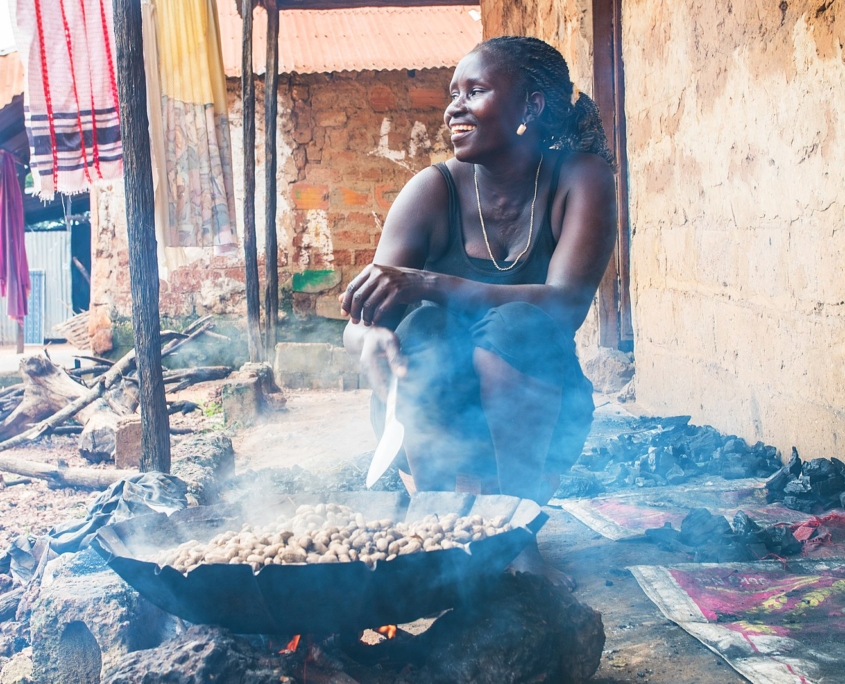
Hunger in Guinea-Bissau

Hunger in Guinea-BissauGuinea-Bissau is a small West African country on the Atlantic Ocean coast, with a population of approximately 2 million. Despite its abundant natural resources, Guinea-Bissau faces significant challenges. Years of political instability and other factors have led to increased hunger and poverty in Guinea-Bissau. 

Facts and Figures

  1. In 2023, GDP grew by 0.1%, reaching an overall growth rate of 4.3%.
  2. The poverty rate, defined as living on $3.65 a day, has worsened and now stands at 65% in the country. 
  3. According to the Global Hunger Index, Guinea-Bissau ranks 114th out of 127 countries facing a severe hunger crisis. 
  4. The prevalence of undernourishment in the population has increased over the past decade, rising from 34.8% to 37.9%. 
  5. The percentage of children under 5 suffering from stunting has grown from 26.4% in 2012 to 27.7% in 2019 and 72 out of 1000 die before their fifth birthdays. 
  6. Guinea-Bissau is one of the five countries with the highest maternal mortality rate, which is 725 per 100,000 live births.

Underlying Issues

  • Political: Guinea-Bissau gained independence in 1974 but faced challenges such as military coups, political unrest and weak governance. Additionally, widespread drug smuggling has worsened corruption and undermined the government. These issues significantly contribute to the country’s weak economy, hunger and poverty.
  • Weak infrastructure: The country has underdeveloped infrastructure, including poorly maintained roads, limited electricity supply and inadequate health care facilities. Weak governments and corruption have further hindered infrastructure development.
  • Over-dependence: Guinea-Bissau relies almost entirely on cashew nuts for its export revenues, which account for 95% of its total exports. This heavy dependence makes the economy highly vulnerable to price fluctuations. Additionally, the lack of diversification in agriculture and exports worsens issues such as poverty, food insecurity and hunger in Guinea-Bissau.
  • Extreme weather: Guinea-Bissau is among the top five countries most affected by extreme weather, experiencing problems such as rising sea levels, erratic rainfall, prolonged droughts and flooding. These environmental issues have negatively impacted biodiversity, fishing and agriculture. As a result, the country is facing rising poverty levels, increased food insecurity and heightened hunger. 

Development Programs

International organizations are working with the government to reduce poverty and hunger in the country.

  • Food security- The WFP provides cash assistance to families needing immediate support and school meals to prevent malnutrition and stunting in children. UNICEF and the World Bank have partnered to launch a Scale Up Nutrition program. The initiative targets reducing stunting and malnutrition while improving maternal and child health.
  • Agriculture Development- Organizations like the Food and Agriculture Organization and the World Food Program assist farmers by supplying seeds, fertilizers and training. The FAO is also collaborating with the government to develop drought-resistant crops. The aim is to build resilience and mitigate impending climate impacts.

Towards A Sustainable Future

Guinea-Bissau faces daunting challenges, including high poverty rates, food insecurity and the impacts of political instability and weather events. However, through collaborative efforts between the government and international organizations and a focus on sustainable development, agricultural resilience and the promotion of food security, Guinea-Bissau can work towards a future where all citizens have access to basic needs and opportunities. Continued commitment and investment from the international community in these areas will be crucial to breaking the cycle of poverty and hunger in Guinea-Bissau. 

– Maria Waleed

Maria is based in Yokohama, Kanagawa, Japan and focuses on Good News and Global Health for The Borgen Project.

Photo: Wikimedia Commons

January 8, 2025
https://borgenproject.org/wp-content/uploads/borgen-project-logo.svg 0 0 Kim Thelwell https://borgenproject.org/wp-content/uploads/borgen-project-logo.svg Kim Thelwell2025-01-08 01:30:262025-06-12 01:49:26Hunger in Guinea-Bissau
Global Poverty, Hunger

Top 10 Facts About Hunger in New Zealand

Hunger in New ZealandNew Zealand, located in the southwestern Pacific Ocean, is one of 14 countries comprising the region of Oceania. Originally a British colony, it gained independence in 1907 and remains a member of the British Commonwealth. It boasts a high-income economy of over five million people, with strong manufacturing, agriculture and tourism sectors. Nevertheless, the country is not without issues of hunger and food security, especially for particular segments of the society.

10 Facts about Hunger in New Zealand

  1. World Vision reported that in 2023, despite an overall global decrease in food prices, New Zealand joined some of the world’s poorest countries in the cost of an average food basket, with a 56% increase over 2022. The impact of climate change, along with import costs and lack of competition, were seen as the causes of this change. At the same time, however, the average New Zealander worked fewer hours—three hours as compared to 25 days in the Central African Republic—to pay for the same basket of food items.
  2. The prevalence of food insecurity in New Zealand was reported to have increased from 10% in 2014-2016 to 16% in 2020-2023. According to the New Zealand Health Survey, between 2021/22 and 2022/23, the proportion of children living in households where the food runs out sometimes or often increased from almost 50%, to 21.3%. Tamariki Māori and Pasifika were the worst affected, with 35.1% and 39.6% respectively living in such households.
  3. The Ministry of Health’s 2022/23 Annual Update of the New Zealand Health Survey reported that 45% of adults ate the recommended amount of fruit and but only 11% ate the recommended amount of vegetables; respective figures for children ages 2 to14-years-old were 70% and 5%. Almost a third of adults were classified as obese, as were 13.5% of children ages 2 to14-years-old.
  4. Obesity was a disproportionately greater problem among the Māori and Pasifika children, children in the most deprived neighborhoods and disabled adults and children. 
  5. Over 20% of children lived in households where the food sometimes or often ran out (an almost 50% increase), with higher percentages among the indigenous children, as well as for the disabled and those in deprived neighborhoods.
  6. The years 2022-2023 saw the biggest increase in children’s food insecurity in a decade. A 2022 study by the Program for International Student Achievement for the first time including measures of food poverty, saw a drop in NZ teenagers’ math, science and reading proficiency, at least in part ascribed to missing meals for financial reasons. New Zealand had the second worst ranking for missed meals in the OECD, and these students were up to four years behind students not so classified.
  7. Recently, the country has seen increasing efforts to tackle hunger. New Zealand Food Network, the country’s largest not-for-profit food distribution service, reports demand for food up 42% (2023-2024), an increase of 83% since 2021. In 2023, 630,000 people were supported, a third of whom received this assistance for the first time. Seniors were especially affected. 
  8. Ka Ora, Ka Ako, Health Schools Lunches Programme, which was initiated by the government in 2019 as a free school lunch program, addressed food insecurity by providing daily nutritious lunches to school students in greatest need of this support. They were helping approximately 235,000 students in about a quarter of the most disadvantaged schools through four different delivery models. By 2024, the government planned to abandon Ka Ora, Ka Ako to save money. In spring 2024, Health Coalition Aotearoa, a coalition of organizations advocating for evidence-based policies, organized a campaign that petitioned the government not to cut the free school lunches. They referenced the Ka Ora, Ka Ako assessments of program success, and collected 70,000 signatures of support. 
  9. The government at first agreed not to include primary schools in the cuts, but in October 2024 they decided to “downsize” lunches for all students up to age 13. The cuts affected up to over half of schools on the internal model (food cooked and delivered within the school) to over 66% for schools using external providers.
  10. As of the first week in December 2024, there was expressed dissatisfaction with the new government program, especially regarding meal size. The government claimed that the new $3 per meal budget would save $30 million, while principals criticized the expectation that identical meals for children in all grades, from 1 to 8, would equally satisfy both hungry teenagers and primary school students.  It remains to be seen whether the government’s plan will survive or the more individualized local efforts will return.

– Staff Reports
Photo: Flickr – Daniel Orth

December 12, 2024
https://borgenproject.org/wp-content/uploads/borgen-project-logo.svg 0 0 Kim Thelwell https://borgenproject.org/wp-content/uploads/borgen-project-logo.svg Kim Thelwell2024-12-12 01:30:162024-12-12 03:50:02Top 10 Facts About Hunger in New Zealand
Food Insecurity, Global Poverty, Hunger

Everything You Need to Know About Hunger in Kashmir

Hunger in KashmirKashmir, a region between India and Pakistan, is known for its breathtaking landscapes. However, beneath this beauty lies a harsh reality: widespread hunger. Here is a deeper look into how hunger has become one of the most pressing issues in Kashmir.

Political Conflict

For decades, Kashmir has been a victim of political instability. Ongoing conflicts have left deep scars on Kashmir’s infrastructure and economy. Constant enforcement of strikes, curfews and road blockages have prevented the free movement of food supplies, cutting off access to essential resources. This pressing issue disproportionately impacts rural communities and intensifies existing challenges.

The disruption of transportation networks leads to inevitable food shortages, triggering a chain reaction affecting daily life and the locals’ normalcy. Moreover, Kashmir’s economy heavily relies on its agricultural industry to support its financial independence. However, farmers are often unable to sow or harvest under the instability of conflict, leading to further uncertainty in food availability.

Climate Emergencies

In addition to the political turmoil, Kashmir is facing another key issue: the mounting pressure of climate instability. Specifically targeting the agricultural industry, erratic weather patterns have become the norm. Unexpected droughts and unseasonal rains are becoming increasingly common, increasing food prices and reducing yields. Farmers who have previously relied on winter snowmelt for irrigation are now met with the unpredictable nature of modern-day winters that bring either too little snow or none at all, resulting in shortages in crop production and water shortages.

Poverty and Rising Unemployment

In Kashmir, the ongoing conflict has severely paralyzed job opportunities, demonstrating an unemployment crisis, particularly among the youth. As food prices rise and stable job opportunities continue to plummet, families are forced to make difficult decisions about their consumption needs. The crushing reality of poverty means that even if food is available, many decide against purchasing it because they can not afford it. According to the Kashmir Welfare Foundation, approximately 40% of Kashmir’s population lives below the poverty line, with food insecurity contributing heavily to the issue.

The Impact of Harsh Winters

Winters in Kashmir are not just cold, they are crippling. As soon as temperatures start to drop, agricultural activities come to a halt. For families living in remote areas, the winter months bring isolation for long periods, with limited access to food and fresh produce. Hunger peaks in Kashmir during these months and it is often the most vulnerable groups—such as women, children and older people— that are affected the most. Without access to proper storage systems or supply chains, winters in Kashmir become a season of dread.

Solutions and Hope on the Horizon

Various international organizations are working in the region via aid and food security programs to provide immediate relief. The Kashmir Welfare Foundation is one organization that actively works on food security programs, reaching thousands of families with food aid and livelihood support. It also calls for an interest in better technology and government to protect the Kashmiri agricultural industry and those who rely on it.

Another key player is CHINAR Kashmir, a nonprofit organization dedicated to uplifting the region’s marginalized children, women and families. One of its flagship initiatives is the CHINAR Home Program. The program offers a safe and nurturing environment for orphaned and vulnerable children. It provides them with health care, nutrition, education and emotional support. Additionally, in response to natural disasters, CHINAR Kashmir offers immediate relief by distributing food and other necessities to affected families, addressing acute hunger crises during emergencies.

Through these efforts, CHINAR Kashmir and the Kashmir Welfare Foundation are helping to improve access to basic rights and essential services. They empower the region’s most vulnerable populations and build hope for a better future.

– Mashal Aman

Mashal is based in Kyoto City, Japan and focuses on Global Health and Politics for The Borgen Project.

Photo: Flickr

November 12, 2024
https://borgenproject.org/wp-content/uploads/borgen-project-logo.svg 0 0 Hemant Gupta https://borgenproject.org/wp-content/uploads/borgen-project-logo.svg Hemant Gupta2024-11-12 07:30:372024-11-12 00:32:49Everything You Need to Know About Hunger in Kashmir
Global Poverty, Hunger

Addressing the Causes of Hunger in The Gambia

GambiaThe Republic of The Gambia, situated on the North Atlantic Coast of West Africa, is the smallest country on the African continent, with a population of approximately 2.8 million people. It is categorized as a low-income, food-deficit nation, with an estimated poverty rate of around 53% and 27% of its population experiencing food insecurity.  

Causes of Hunger

  • Climate-related causes— Climate-related events have impacted The Gambia over the past four decades. This has included prolonged periods of drought, followed by heavy rainfall leading to flooding and erosion. Consequently, there has been a significant decrease in crop production, with local crops meeting less than half of the food demand. This has resulted in unemployment among farmers and increased food insecurity in the country. 
  • Inflation—The population of The Gambia relies extensively on imported products to meet its requirements. The compounding impacts of COVID-19 and the Russia-Ukraine conflict have led to a 12.7% increase in food prices, exacerbating the country’s already precarious food security situation. 
  • Unemployment—The global economic crisis has significantly increased the unemployment rate in The Gambia over the past five years, rising from about 4% in 2018 to 7% in 2023. This surge in unemployment has driven people into poverty, reducing their purchasing power and worsening the problem of hunger.

World Food Programme

The World Food Programme (WFP) has launched two programs in partnership with the Government of The Gambia to address the causes of hunger and food insecurity in the country and offer sustainable solutions.

  • Gambia Agriculture and Food Security Project – In partnership with the Ministry of Agriculture, this program focuses on local farmers. Its goal is to connect farmers with schools to promote “homegrown school feeding.” This initiative aims to increase crop production and the income of farmers and others involved in agriculture. It also aims to improve the nutritional status of children and reduce the current rate of stunting in children under 5, which is currently at 17.5%. 
  • Rural Integrated Climate Adaptation and Resilience Project Gambia – The initiative is currently being implemented in the Upper River and Central River regions, two of the worst-hit areas, to assist approximately 168,000 vulnerable individuals. The project’s primary objectives include raising awareness of climate-related challenges by providing knowledge to local farmers, implementing proactive measures against potential climate disasters and enhancing the community’s resilience to withstand and recover from such events. The WFP and its partners aim to provide financial services to promote self-reliance in the community and increase investments in climate-resistant agriculture. 

Final Thoughts

In conclusion, it is crucial to address the root causes of hunger in The Gambia for the well-being of its population. The country can significantly reduce food insecurity by addressing climate-related challenges, mitigating the impact of inflation, and tackling unemployment. Initiatives led by organizations such as the WFP demonstrate the potential for positive change through targeted interventions. With continued support from the international community and collaborative efforts, there is hope for a future where hunger is less prevalent and communities in The Gambia can thrive.

– Maria Waleed
Photo: Flickr

October 14, 2024
https://borgenproject.org/wp-content/uploads/borgen-project-logo.svg 0 0 Borgen Project https://borgenproject.org/wp-content/uploads/borgen-project-logo.svg Borgen Project2024-10-14 01:30:192026-04-16 09:59:44Addressing the Causes of Hunger in The Gambia
Food Insecurity, Global Poverty, Hunger

Feed the Future: What You Need to Know

Feed the FutureFeed the Future, an American initiative led by the United States Agency for International Development (USAID), collaborates with the U.S. government, volunteers and nongovernmental organizations (NGOs) to combat global hunger. The initiative aims to solve one of the greatest challenges of our time through partnerships that focus on tackling the underlying causes of poverty. Furthermore, it supports people to end their dependence on aid and opens up opportunities for future generations.

Feed the Future’s strategies include boosting agricultural growth, improving security and supporting community resilience against natural disasters. It also focuses on guaranteeing proper nutrition, specifically for women and children. Created in 2010 in response to the food crisis of 2007-2008, Feed the Future currently focuses on selected countries such as Ghana, Nepal and Uganda. The organization selects locations based on their level of need, the potential for its programs to grow and the availability of resources.

Global Food Security Strategy

Following the COVID-19 pandemic, 97 million more people have been surviving on $2 a day, leading to the first global increase in extreme poverty in more than 20 years. In response, the U.S. government introduced the Global Food Security Strategy to combat the rise in poverty and ensure that families worldwide have access to food. The Global Food Security Strategy seeks to reduce global poverty, malnutrition and widening inequality through initiatives like Feed the Future. It also aims to achieve a 20% reduction in poverty and reduce stunting in the countries where it operates with assistance from other foreign governments.

In Uganda, the Global Food Security Strategy aligns with the Government of Uganda’s Third National Development Plan. The strategy focuses on boosting household income and improving living standards. From 2012 to 2015, the stunting rate in children younger than 5 in regions where Feed the Future operated dropped by 11%. In Senegal, Feed the Future facilitated $64 million in loans for Senegalese farmers, wholesales and millers. With access to mechanization services, smallholder farmers increased their productivity. As a result, rice production increased by 123% from 2012 to 2018.

Feed the Future Target Country Expansion

In a Feed the Future target country, the U.S. government takes a coordinated approach to plan its investments. This encourages other groups, like donors and local governments, to provide support and funding. In 2022, the U.S. announced it would expand Feed the Future’s reach to eight new countries, bringing the number of countries the program is involved in from 12 to 20. These countries include Rwanda and Tanzania. Feed the Future plans to increase its efforts to reduce food insecurity in the next few years in these nations.

Results and Achievements

The program’s seven-year efforts have lifted approximately 23 million people above the poverty line. Additionally, 3.4 million children are no longer stunted and 5.2 million families are no longer at risk of hunger. The initiative has unlocked $6.2 billion in agricultural financing and developed more than 1,000 innovations. From 2011 to 2022, Feed the Future generated $28 billion in farm sales, aiding farmers.

Moving Forward

As Feed the Future advances in its global reach, it proves that ending hunger is possible. Indeed, this project plays a key role in the effort to alleviate poverty worldwide, aiming to help families in impoverished nations overcome food insecurity. With the significant progress it has made and its extensive global reach, tangible improvements in people’s lives are evident.

– Nouf Hunaiti

Nouf is based in Rancho Cucamonga, CA, USA and focuses on Good News for The Borgen Project.

Photo: Flickr

October 1, 2024
https://borgenproject.org/wp-content/uploads/borgen-project-logo.svg 0 0 Hemant Gupta https://borgenproject.org/wp-content/uploads/borgen-project-logo.svg Hemant Gupta2024-10-01 01:30:332024-09-30 09:14:18Feed the Future: What You Need to Know
Food Insecurity, Global Poverty, Hunger

Hunger Amid Progress: Addressing Food Poverty in India

Food Poverty in IndiaDespite India’s strides in poverty reduction, the country still struggles with severe food poverty, especially among children. A recent United Nations Children’s Fund (UNICEF) report underscores this contradiction, revealing that 40% of children in India face severe food poverty. These two statements highlight different aspects of the issue, but their lack of nuance makes it harder to grasp the broader picture.

Comparisons With the National Family Health Survey

The National Family Health Survey (NFHS) provides additional context to the UNICEF findings. The NFHS-5 data indicates that India’s child wasting rate is the highest globally at 18.7% and the child stunting rate is 31.7%. These figures reflect the persistent challenges in addressing malnutrition despite various government initiatives like the National Nutrition Mission and the Public Distribution System.

Insights From the Global Health Index

The Global Health Index (GHI) further corroborates the severity of India’s hunger crisis. With a score of 28.7, India is categorized as having a “serious” hunger level. This index highlights the need for targeted interventions to address the root causes of malnutrition, including food insecurity, poor dietary diversity and inadequate health services.

Gaurav Dwivedi: Methodology and Challenges

In an interview with The Borgen Project, Gaurav Dwivedi, a data journalist from New Delhi Television (NDTV), emphasized the importance of data validation in assessing food poverty. Dwivedi noted that much of the available data is not validated by the government, resulting in discrepancies that hinder effective policy-making. He also highlighted the lack of awareness and educational programs on nutrition and motherhood, which further exacerbates the issue at the grassroots level.

Dwivedi noted that dietary diversity plays a crucial role in understanding food poverty. In India, ancestral knowledge rather than formal education often influences nutritional choices. This lack of formal nutritional education is particularly ironic in urban areas, where access to information is ostensibly better. Additionally, Dwivedi criticized the rigid criteria set by organizations like UNICEF, which may not accurately reflect the nutritional realities of different countries.

The Urgency of Addressing Food Poverty

Figures and insights from various reports highlight the urgent need for a multifaceted approach to tackle food poverty in India. This involves improving data validation, enhancing nutritional education and adapting policies for climate change and population growth. Additionally, more substantial political commitment and accountability are essential to ensure that economic progress improves nutritional well-being, particularly for vulnerable populations.

While India has made significant economic progress, the persistence of severe food poverty among children highlights the need for targeted interventions and policies. Addressing these challenges requires a concerted effort from the government, civil society and international organizations to ensure every child has access to a nutritious and diverse diet, paving the way for a healthier future.

– Malaikah Niyazi

Malaikah is based in Philadelphia, PA, USA and focuses on Global Health for The Borgen Project.

Photo: Flickr

September 7, 2024
https://borgenproject.org/wp-content/uploads/borgen-project-logo.svg 0 0 Hemant Gupta https://borgenproject.org/wp-content/uploads/borgen-project-logo.svg Hemant Gupta2024-09-07 07:30:302024-09-07 00:49:46Hunger Amid Progress: Addressing Food Poverty in India
Developing Countries, Global Poverty, Hunger

Initiatives of World Food Program in Ukraine

World Food Program in UkraineMillions of Ukrainians are facing food insecurity due to Russia’s invasion. Since 2022, World Food Program (WFP) has invested more than $700 million into the economy of Ukraine to combat hunger. Furthermore, it has provided food to more than 3 million people along the frontlines.

Hunger Crisis

Present-day food insecurity in Ukraine began with Russia’s occupation and annexation of Crimea in 2014. The crisis intensified significantly following Russia’s full-scale invasion in 2022, leading to severe disruptions and damage to Ukraine’s agrifood systems. As a result, approximately one in three Ukrainians—about 11 million people—are now food insecure.

The destruction of livelihoods and increased inflation due to war have further impeded access to nourishment for millions of Ukrainians. Additionally, as a major global grain producer, Ukraine plays a critical role in supplying more than half of its exports to low-income countries. The ongoing conflict has severely disrupted this supply chain, worsening global food security, amplifying pre-existing food insecurity and driving up food prices.

Foreign Aid to Ukraine by World Food Program

While there is a high density of food insecurity in Kyiv, the greatest proportion of people experiencing Ukraine’s hunger crisis are located close to the war’s frontlines to the north and east of Ukraine. Here, one in four households was discovered to experience severe food shortages. As of March 2022, WFP has provided aid in the form of food and cash, equal to 2.5 billion meals, to tackle hunger in Ukraine.

WFP currently provides food assistance to three million internally displaced and affected individuals in Ukraine on a monthly basis, dispensing food throughout frontline regions. Most of the food is locally sourced and distributed in collaboration with local responders. For example, the nonprofit empowers local female-led bakeries in Mykolaiv to produce bread that is later distributed to thousands of households residing on the frontlines.

WFP also extended its school lunch scheme. The scheme has provided around 100,000 children in more than 700 schools in Ukraine with food. Additionally, WFP schemes work with local organizations and farmers to aid future crop cultivation. This is being achieved by removing landmines and explosive residues from farmlands. Approximately 25,000 square kilometers of arable land may contain landmines and other hazardous debris from the ongoing war, which have already injured and claimed hundreds of lives.

These WFP initiatives aim to rehabilitate mined land into productive farmland, restore agricultural livelihoods and reduce hunger in Ukraine. However, for now, many Ukrainians have to rely on WFP food boxes until local farmers and agrifood systems recover.

Future Outlooks

The Ukraine Third Rapid Damage and Needs Assessment (RDNA3) conducted by the World Bank estimated that it would cost $56 billion to recover and reconstruct Ukraine’s agricultural sector. Humanitarian aid, therefore, will be crucial in preventing a more severe and extensive humanitarian crisis in Ukraine.

– Viola Cuthbertson

Viola is based in London, UK and focuses on Good News for The Borgen Project.

Photo: Flickr

September 6, 2024
https://borgenproject.org/wp-content/uploads/borgen-project-logo.svg 0 0 Hemant Gupta https://borgenproject.org/wp-content/uploads/borgen-project-logo.svg Hemant Gupta2024-09-06 07:30:252024-09-06 01:44:50Initiatives of World Food Program in Ukraine
Africa, Global Poverty, Hunger

Food Security in the CAR

Food security in the CARProgress and growth have long been fundamental aspirations for humanity. However, for many residents of the Central African Republic (CAR), this goal has been obstructed by a critical challenge: food insecurity. In 2023, Concern USA ranked the CAR as the “hungriest country in the world.” Despite a rocky decade of development, recent government initiatives offer hope for a future where hunger is significantly reduced and a more stable, prosperous nation is achievable.

The Background and State of the CAR

In March 2013, an alliance of rebel groups known as “Seleka” usurped power in a lawless fashion of violence, destruction and brutality. The coup had a massive impact on the CAR economy, with one primary example being its exports. The country heavily depends on diamonds and wood exports for economic growth, but due to the continuous conflict, diamond and wood production drastically declined. Many business opportunities for the nation ceased to expand as the continued presence of rebel groups and conflict led to the mass exodus of investors and foreign entrepreneurs. 

The country was left in a general state of economic decline, political instability and a humanitarian crisis, with the issue of hunger being a prime example. Food security in the CAR is at a critical level, with estimates indicating that approximately 2.4 million people suffer from food insecurity and nearly half of the population cannot meet their minimum daily food needs. The ongoing violence in the country has exacerbated malnutrition rates, particularly among displaced individuals. This food insecurity leads to daily hunger and raises serious health concerns. Malnourished citizens are experiencing higher rates of diseases such as measles, malaria, pneumonia and diarrhea.

Initiatives and Progress

In response to the urgent needs of the CAR’s population, several initiatives have emerged to assist, with the Agriculture Recovery and Agribusiness Development Support Project (ARADSP) being a notable example. ARADSP focuses on enhancing agricultural productivity among small-scale farmers throughout the region, thereby bolstering the capacity of small and medium-sized farming businesses and enterprises. As a result, this boost in agricultural productivity delivers immediate and effective responses to food emergencies nationwide. Hundreds of thousands benefit from these initiatives, including more than 100,000 women and more than 15,000 young people.

Another crucial initiative is the IDA-financed Emergency Food Security Response Project (PRUCAC). This project aims to boost food production and enhance the food security of targeted smallholder farmers and vulnerable households in affected areas. More than 300,000 smallholder farmers have received seeds, tools and training in agricultural and post-harvesting techniques to improve crop production and better prepare for climate and conflict-related risks. As of October 2023, local food production has surged by 250%, increasing from 28,000 tons to 73,000 tons within a year.

The Future of the Central African Republic

Addressing the hunger needs of all citizens of the CAR will be a long-term challenge, given the severe impacts of prolonged conflict in the past decades. From the displacement of families to ongoing political instability affecting various parts of the nation, the Central African population remains in search of a more stable and abundant society.

However, with growing initiatives from both governmental and global levels, the future of the Central African population holds promise. Efforts by projects such as ARADSP and PRUCAC, which fund systems to support the country’s economic and food security needs, suggest that significant progress is within reach. These initiatives provide a foundation for substantial improvement and hope for a prosperous future that includes food security in the CAR.

– Oliver Martin

Oliver is based in Honolulu, HI, USA and focuses on Global Health for The Borgen Project.

Photo: Flickr

August 20, 2024
https://borgenproject.org/wp-content/uploads/borgen-project-logo.svg 0 0 Hemant Gupta https://borgenproject.org/wp-content/uploads/borgen-project-logo.svg Hemant Gupta2024-08-20 07:30:222024-08-19 13:44:26Food Security in the CAR
Child Malnutrition, Global Poverty, Hunger

Fighting Child Poverty with Universal Free School Meals

Universal Free School MealsMore than 40 million children worldwide suffer from severe hunger yearly. Child hunger is a barrier to learning. Hunger stints focus and affect behavior. But it is a barrier we can break down—a barrier that, with a simple solution, can be eradicated. Globally, different organizations and governments have adopted programs to feed hungry children. Universal Free School Meals programs (UFSM) can be vital in reducing the stigma associated with child poverty. From spaghetti bolognese to chicken curry, here are some of the ways that free school meal provision supports children and families facing poverty.

Estonia

The UFSM program in Estonia began in 2002 and is supported by government spending and international donors. The program aims to provide all children in primary and secondary education with a universal model. The Estonian food pyramid influences it and includes education in nutrition and physical health.

Additionally, Estonia has implemented a fruit, vegetables and milk scheme to support local farmers and provide children with these foods to take home. This program not only benefits children in the classroom but also provides long-term health benefits by offering nutritionally rich foods and imparting knowledge about healthy eating habits.

In 2021, Estonian feeding programs received $46,697,172 of funding. With this support, 221,479 children, representing the total number of students enrolled in primary and secondary education, received a free school meal. The universal component of this scheme reduces stigma, making school more enjoyable.

These programs also support parents, as students from lower-income backgrounds are identified as needing more resources. Schemes in Estonia have close ties with local food banks within the communities they operate in. Parents can receive extra support from food banks without the fear of shame that may be associated with seeking this service. These partnerships support all members, enabling families to be better supported and fed.

Sweden

Sweden, during WW2, demonstrated that promoting UFSM concerns more than just hunger. The lack of nutritional quality in some packed lunches negatively impacts the health and focus of children in schools. By 1969, all municipalities had implemented UFSM programs, a scheme that maintains its positive impact today.

The program is almost entirely government-funded, with a budget of $151,332,6795 in 2021. This year, out of the 2,333,942 students enrolled, 2,177,882 students received lunches in schools. This scheme focuses on ensuring that children have a pleasant experience with food, meaning they accumulate positive associations with healthy eating. This can keep children from missing school due to ill health or dental issues.

Accompanying this program, teachers eat with their students at lunchtime. This forges a positive bond between teachers and students, further contributing to children’s positive experiences of education and increasing the likelihood of them wanting to stay in education long term.

The lifelong impacts of Sweden’s UFSM programs demonstrate that such schemes are beneficial for reducing the risk of poverty in adulthood and in children. Recipients from lower-income families throughout their school years had higher earnings of up to 6% during their professional lives. This demonstrates the long-term economic benefits UFSM programs can have for children.

Australia

In Australia, an organization called Eat Up advocates for an approach to UFSM provision. The scheme was established in 2015, targeting children from low-income backgrounds in schools. In addition to feeding children in schools, Eat Up has strong community ties and helps both children and their families.

In 2021, the organization’s budget was $489,628, which was spent feeding children across the country. Through this budget, 85,000 children in schools received food. The most vulnerable children felt nourished and supported in their education, which enhanced their capacity to focus in the classroom.

The scheme allows children who may otherwise go without to have what could be their only meal in a day. This encourages children to go to school and relieves parental pressure.

Final Remark

Universal Free School Meals programs are highly beneficial and a great solution to child poverty. Schemes in Estonia and Sweden demonstrate that government-led schemes with a universal, targeted approach can positively impact education experiences. Australia’s advocacy through the Eat Up program presents an alternative that shows organizations can also play a crucial role in feeding children in schools.

Turning to the figures, in 2022, the European Union (EU) average for the risk of children falling into poverty was 24.7%. In Sweden, it was 19.9%, which is lower than the average. Lower still, Estonia’s rate was 16.6%. The success of these programs in terms of poverty alleviation is evident, as countries with established programs see rates below the average.

These programs can play a crucial role in solving child poverty. By helping families and children, their benefits inspire a reminder that there is a solution to poverty.

– Sarah Littleton

Sarah is based in London, UK and focuses on Good News and Politics for The Borgen Project.

Photo: Pexels

July 26, 2024
https://borgenproject.org/wp-content/uploads/borgen-project-logo.svg 0 0 Hemant Gupta https://borgenproject.org/wp-content/uploads/borgen-project-logo.svg Hemant Gupta2024-07-26 03:00:482024-07-25 13:36:36Fighting Child Poverty with Universal Free School Meals
Page 8 of 71«‹678910›»

Get Smarter

  • Global Poverty 101
  • Global Poverty… The Good News
  • Global Poverty & U.S. Jobs
  • Global Poverty and National Security
  • Innovative Solutions to Poverty
  • Global Poverty & Aid FAQ’s
Search Search

Take Action

  • Call Congress
  • Email Congress
  • Donate
  • 30 Ways to Help
  • Volunteer Ops
  • Internships
  • Courses & Certificates
  • The Podcast
Borgen Project

“The Borgen Project is an incredible nonprofit organization that is addressing poverty and hunger and working towards ending them.”

-The Huffington Post

Inside The Borgen Project

  • Contact
  • About
  • Financials
  • President
  • Board of Directors
  • Board of Advisors

International Links

  • UK Email Parliament
  • UK Donate
  • Canada Email Parliament

Get Smarter

  • Global Poverty 101
  • Global Poverty… The Good News
  • Global Poverty & U.S. Jobs
  • Global Poverty and National Security
  • Innovative Solutions to Poverty
  • Global Poverty & Aid FAQ’s

Ways to Help

  • Call Congress
  • Email Congress
  • Donate
  • 30 Ways to Help
  • Volunteer Ops
  • Internships
  • Courses & Certificates
  • The Podcast
Scroll to top Scroll to top Scroll to top